
Closing Cleaning Routine: 15-Minute Evening Checklist for Fresh Mornings
The way your home looks when you go to bed is the way it greets you in the morning. A pile of dishes and scattered shoes creates instant friction at the start of the day, while a tidy home makes the morning feel lighter. This guide explains why the evening reset works and how to build a 15-minute routine that fits a busy family schedule.
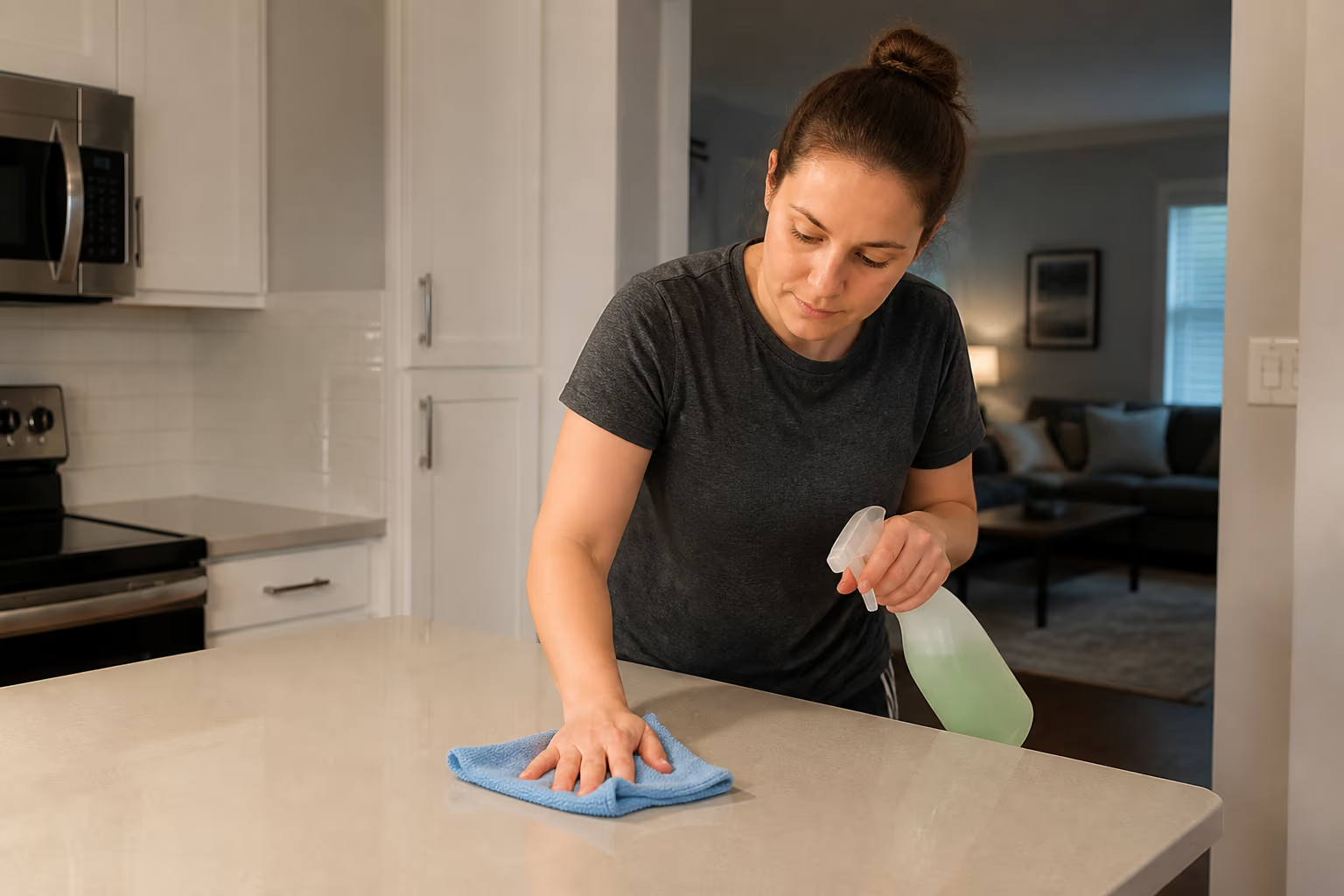
Quick Summary
A short evening reset is one of the highest-return habits a household can adopt. Fifteen minutes of tidying before bed means you wake up to a calm kitchen, a clear living room, and a morning that starts with ease instead of stress. This guide breaks the routine into simple steps anyone can follow.
In this guide
The Psychological Impact of Waking Up to a Tidy Kitchen & Living Room
Waking up to a clean, organized home sets a calm, productive tone for the entire day.
Leaving dirty dishes in the sink, unwashed countertops, and scattered shoes overnight creates immediate morning friction. You start the day already behind, cleaning up yesterday before you have had coffee.
An evening reset flips that pattern. When the kitchen is clear and the living room is tidy, the morning begins with a small sense of accomplishment rather than a list of chores.
Beyond the visible tidiness, the evening reset removes dozens of small decisions from tomorrow. You will not have to wonder where the clean cup is, whether the trash is full, or where you left your keys, because the answers are already handled.

Structuring the 15-Minute Evening Shutdown Protocol
The secret to a 15-minute routine is knowing exactly what to do and in what order.
Why the Kitchen Deserves the Most Attention
The kitchen is the room where the evening reset pays off most.
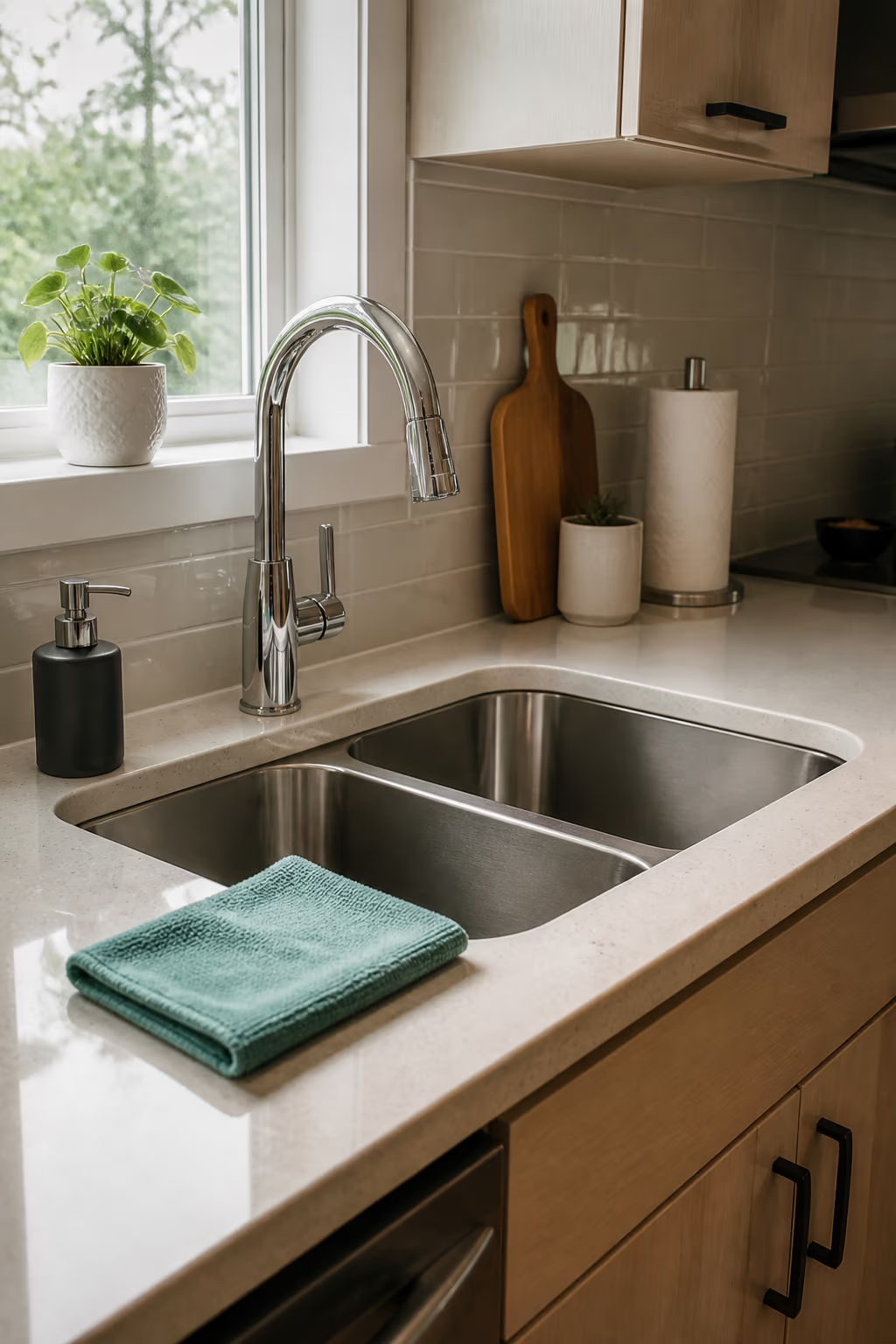
Food residue left on counters and in the sink overnight attracts bacteria and can harden into stubborn stains. A quick wipe and an empty sink prevent both.
One evening step pays off overnight in the air as well as the counters. Health Canada's ventilation advice recommends using the kitchen fan and leaving interior doors open, which helps clear cooking pollutants and limits the moisture buildup that contributes to mould growth. Health Canada states it plainly: “The most effective way to improve your indoor air is to identify activities that can contribute to poor indoor air quality and remove or reduce the sources of indoor air pollutants.”
Loading the dishwasher before bed means you wake up to a clean load, and the morning is one less decision.
The kitchen also sets the tone for the whole home. When the heart of the house is calm, the rest feels more manageable.
Living Room and Entryway Resets That Take Minutes
The living room and entryway are the surfaces of daily life, and they need only minutes of attention.
Couch cushions, throw blankets, and remote controls take less than two minutes to reset, yet they change how the room looks completely.
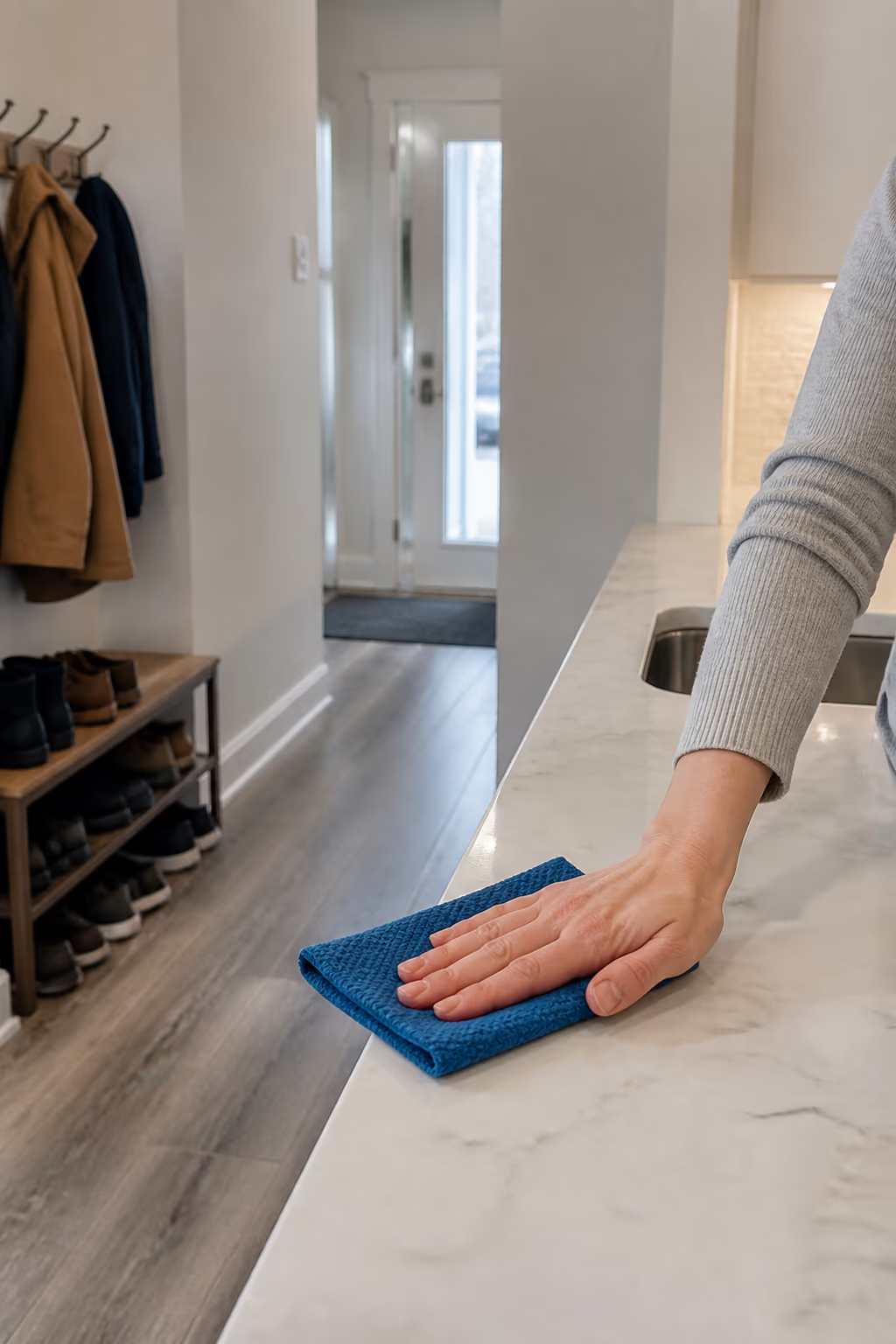
The entryway is where the day's dirt and clutter gather. Shoes, coats, and bags left at the door make the first impression of your home chaotic. A quick realignment each evening keeps it welcoming.
A simple rule helps: if it does not belong in the room, take it with you when you leave the room.
Making the Evening Routine Stick
A routine only works if you can follow it every day, so design it to be easy.
Set a timer. Fifteen minutes feels bounded and achievable, and the timer gives the task a clear end.
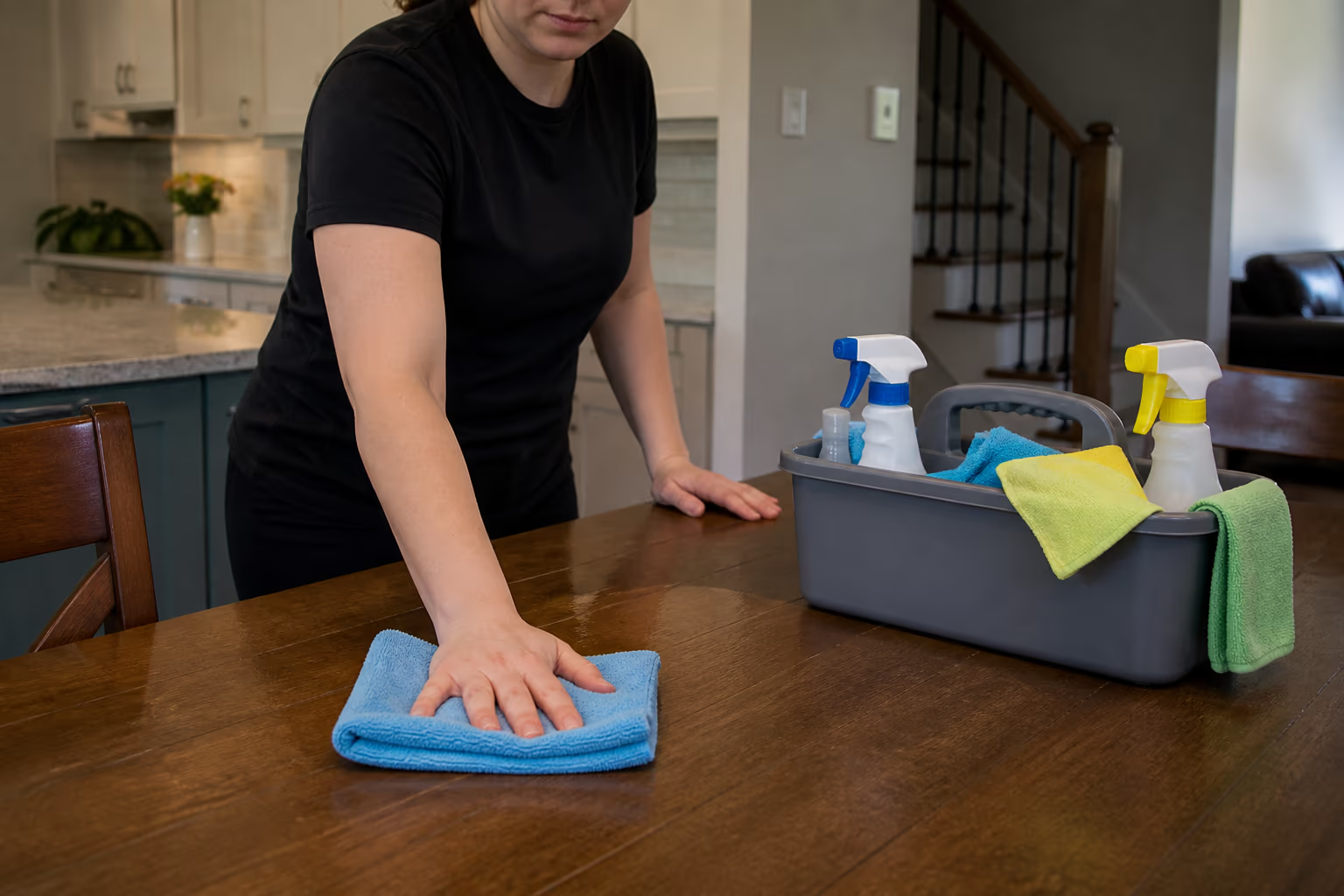
Keep supplies handy. A spray, a stack of microfibre cloths, and a laundry basket in easy reach remove the friction of gathering tools.
Involve the household. When everyone has a small assigned task, the routine takes minutes instead of a long solo session.
Be kind to yourself. The goal is a calmer morning, not a perfect house, so a ten-minute reset on busy nights is still a win.
Small Habits That Compound Overnight
The evening routine matters because small habits compound.
A clear kitchen sink, a wiped counter, and a made bed each take moments, but together they change how the whole house feels.
Overnight, the house works for you. Dishes finish washing, surfaces stay clean, and you wake to a space that is ready rather than demanding.
Over weeks, the habit becomes automatic, and the mental energy you used to spend on morning chores is free for other things.
A Sample 15-Minute Evening Flow
If you are not sure where to start, here is a realistic way to spend fifteen minutes after dinner:
This is a template, not a rule. Adjust it to your home, and it will still deliver a calmer morning.
What to Save for the Morning
A good evening routine knows what to leave alone as much as what to do.
Deep cleaning tasks like scrubbing the oven, washing windows, and cleaning baseboards belong on the weekend or in a professional visit, not in your fifteen-minute window.
Laundry does not need to be folded tonight. Putting it in the hamper and starting the machine is enough; the folding can wait.
The point of the evening reset is to stop the visible clutter and food mess, not to finish every household task. Save the energy-intensive jobs for when you have time and daylight.
The Few Tools You Need
You do not need a drawer full of products to run a successful evening reset.
A spray bottle of all-purpose cleaner, a pack of microfibre cloths, and a small hand broom or cordless vacuum cover nearly every task in the routine.
Colour-code the cloths if you can. Using one set for the kitchen and another for the washroom stops cross-contamination without any extra effort.
Keep everything in a small caddy or basket that lives under the sink or in a hall closet. When the tools have a home, the routine takes no setup time.
Building the Habit One Night at a Time
Like any habit, the evening reset is easier to start small and build up.
For the first week, commit to just two tasks: clearing the kitchen sink and wiping the counters. Success at a tiny routine builds confidence faster than failure at a big one.
Once those two tasks feel automatic, add the living room reset, then the entryway, then the sweep. Within a month you will likely run the full fifteen minutes without thinking about it.
Track the habit lightly if it helps. A simple checklist on the fridge gives the household a shared sense of progress and makes the routine feel like a team effort rather than a chore assigned to one person.
Formatted Step-by-Step Evening Closing Cleaning Checklist
Follow this checklist for a 15-minute night shutdown:
- Step 1.Load All Sink Dishes into the Dishwasher and Scrub Sink Basin:Leave the kitchen sink completely empty.
- Step 2.Wipe Kitchen Countertops and Dining Tables with a Gentle All-Purpose Cleaner:Remove dinner grease and crumbs before they set.
- Step 3.Fluff Living Room Sofa Pillows and Fold Throw Blankets:Restore living room order for the next day.
- Step 4.Sweep High-Traffic Kitchen and Entryway Walkways:Remove tracked-in dirt and food crumbs.
- Step 5.Take Out Kitchen Trash and Compost to Prevent Overnight Odours:Seal bins to deter kitchen pests.
- Step 6.If you need a team or a recurring schedule, use residential home cleaning services in Ottawa to discuss scope, access, and timing before deciding whether it fits.
Serving Ottawa Families from Kanata to Orleans
The evening reset works the same way whether you live in a Kanata townhouse, an Orleans family home, a downtown Ottawa apartment, or a house near the Glebe. Busy Ottawa households juggle long commutes and full schedules, and a 15-minute closing routine plus a regular professional deep clean keeps the home calm without adding another weekend chore.
Practical planning for this situation
For a household or small business, the sensible starting point is closing a cleaning routine at the end of the day. Begin with a walk-through and write down waste, dishes, surfaces, floors, supplies, locks, and the handover for the next day. That gives the work a real boundary and avoids treating a generic package as if it already understood the space.
Use the written notes to decide what belongs in a regular routine and what needs separate time, access, or approval. The useful test is whether another person could read the scope and understand the task without being told to rely on a promise.
Seasonal considerations in Ottawa
Local conditions matter, but they do not require a script. In this topic, wet winter entrances and busy seasonal periods may change the final check before a space is closed. Review the condition of the actual space before changing the products, equipment, or frequency.
A short seasonal review is usually enough: notice what has changed, name the affected area, and agree on the practical response. That keeps maintenance connected to the property rather than a broad list of place names.
Safe, responsible cleaning
Choose methods that suit the material and follow the product or equipment instructions. Keep people away from a wet or actively cleaned area, and stop when a surface reacts unexpectedly.
When a task involves an unfamiliar finish, access issue, or safety concern, ask before continuing. A careful pause is more useful than a confident shortcut and protects the people using the space.
Considering professional help
A service conversation should stay anchored in the space and the requested work. For closing a cleaning routine at the end of the day, explain waste, dishes, surfaces, floors, supplies, locks, and the handover for the next day. Ask for the proposed tasks, timing, and any limits in writing.
If you want to explore help, use residential cleaning visits in Ottawa to describe the scope and decide whether it suits the situation. This is a request for information, not a promise about a result.
How to review the routine
Before changing the routine, take a few minutes to describe the present condition in plain language. Start with waste, dishes, surfaces, floors, supplies, locks, and the handover for the next day. This makes it possible to decide what is necessary without inflating a small issue into a large project.
Ask the people who use the space what causes the most friction. Their answer may be a difficult entry, a storage gap, a time when work cannot happen, or a surface that needs a gentler method. Those details are the basis for a useful plan.
Try one visible adjustment at a time. Record why it was made, what area it affects, and what a satisfactory result looks like. That approach is easier to review than changing a whole routine at once.
Keep feedback specific: name the room, surface, timing, and expected result. Clear notes help a household, volunteer group, or service team work through a problem without blame or vague expectations.
Revisit the plan after a genuine change in use, condition, or season. A routine should be steady enough to follow and flexible enough to stay useful.
FAQ
Why is an evening cleaning routine better than a morning one?
Evening resets prevent food grease and spills from hardening overnight, which makes surfaces much faster to clean later. You also start the day in a calm space instead of facing yesterday's mess.
How can busy families stick to a 15-minute night shutdown?
Set a timer each evening after dinner and give each family member a small assigned task. When the work is shared, the routine takes minutes instead of a long solo session.
What is the single most important task in an evening closing routine?
Clearing and wiping the kitchen sink. It stops food residue from building up overnight and removes the visual stress of a messy kitchen at the start of the day.
Do I really need to clean every night?
No. The evening reset is about maintaining the calm, not deep cleaning. On busy nights a ten-minute version, clear the sink, wipe the counters, and put away the worst of it, is enough.
What should I do if the routine feels overwhelming?
Simplify it. Pick two or three tasks that matter most, like the dishes and the counters, and do only those until the habit feels automatic. You can add more later.
Can a cleaning service help with the deep cleaning that my evening routine misses?
Yes. A professional deep clean every four to eight weeks handles baseboards, vents, appliances, and bathrooms, while your evening routine keeps the daily calm. Homeowners comparing quotes can also look at affordable cleaning services Ottawa options before booking that recurring visit.
How do I get my kids to help with the evening tidy?
Give each child a specific, small job like collecting toys or clearing the table. Clear expectations and a timer make it feel like a game instead of a chore.
What products should I use for a nightly counter wipe?
A gentle all-purpose cleaner on a microfibre cloth is enough for most counters. For a natural option, our guide to making a citrus cleaner offers a simple recipe you can mix yourself.
Does a tidy home really affect the morning mood?
For most people, yes. Waking up to a clear kitchen and tidy living room removes the friction of starting the day with chores, and that small sense of order carries into the morning.
What is the best time to do the evening routine?
Right after dinner, before you settle into the couch or screens. Doing it before you wind down means the house is reset and you can relax without the chore hanging over you.
Should the whole family do the routine together?
Not necessarily. A shared routine works best when each person owns one small task, like clearing the table or tidying the entryway. Splitting the work makes it faster and teaches kids the habit.
What if I work late and get home after the kids are in bed?
Simplify the routine to two tasks: clear the sink and wipe the counters. Even five minutes before you sit down keeps the kitchen from becoming tomorrow's problem.
How do I handle the evening reset when I am exhausted?
Do a bare-minimum version: clear the sink, wipe one counter, and pull the curtain or close the door on the rest. Protecting the habit on rough nights keeps it alive for the good ones.
Wrapping Up
A 15-minute evening routine transforms home living and morning productivity. Contact Good Cleaner Co. today to book home cleaning in Ottawa.
Keep reading
More from Good Cleaner
Services that fit
- Home Cleaning Services in OttawaRecurring weekly, bi-weekly and monthly house cleaning built around your family's routine, with non-toxic chemistry and background-checked staff.
- Professional Office Cleaning Services in OttawaNightly and after-hours office cleaning for corporate offices, clinics and professional suites, with after-hours scheduling and eco-friendly products.
About the author
Service areas
- Ottawa
- Kanata
- Orleans
- Nepean
- Barrhaven