
Ottawa commercial cost guide
How Much Does Commercial Cleaning Cost in Ottawa?
There is no single current price that describes every Ottawa workplace or facility. A useful quote begins with the occupied area, building zones, service frequency, present condition, access constraints, and the work that is inside or outside the requested scope.
This guide explains how commercial cleaning proposals may be structured and how to compare them. It does not publish a current GoodCleaner rate, promise an instant estimate, or treat one square-foot figure as a complete scope.
Prepare the facility brief first. Then ask each provider to confirm the pricing unit, inclusions, optional work, taxes, timing, change process, and total in a written proposal.
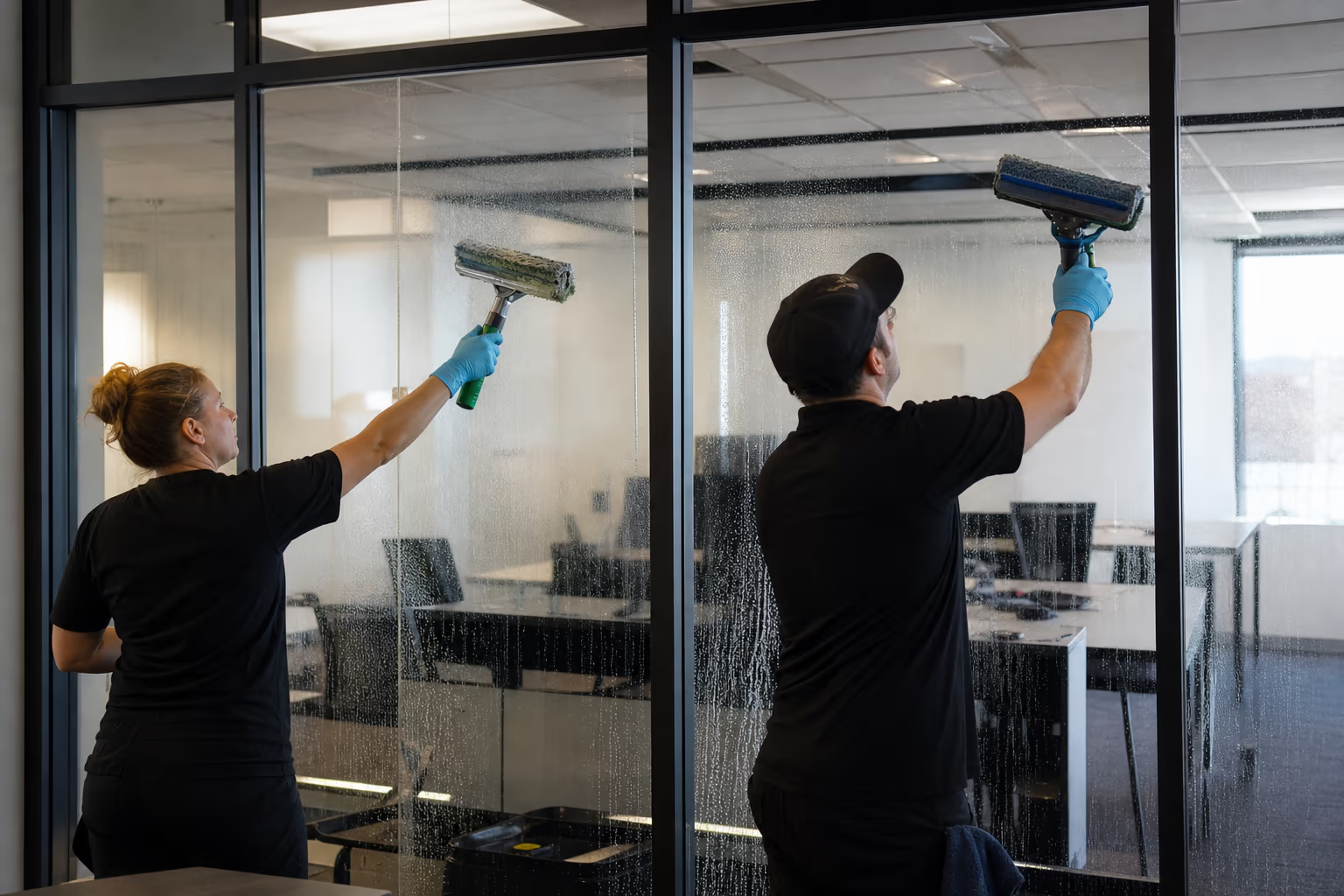
Why a Published Average Is Not a Facility Quote
A commercial price range is meaningful only when its date, sample, geography, property type, frequency, occupancy, cleaning standard, and included tasks are known. Without those boundaries, a small office and a multi-zone facility can appear comparable when the work is not.
An undocumented range cannot establish a current Ottawa market average or a current GoodCleaner price. This page therefore explains the method behind a quote instead of repeating an unverified number.
The strongest comparison starts with one written scope issued to every provider. A headline figure becomes useful only after the buyer can see what it covers.
Commercial proposals can express price in different units. Convert them to the same service period and included scope before comparing totals.
Four Pricing Units You May Encounter
Per Square Foot
A square-foot unit relates price to an area, but area alone does not show room mix, occupancy, soil, floor type, frequency, or access. Confirm which area is counted and which tasks sit outside the unit.
Hourly
An hourly proposal relates price to labour time. Ask whether the figure is per worker or for the whole crew, whether a minimum applies, and how additional time is authorized.
Per Visit
A per-visit price can work when each visit has a stable written scope. Compare the number of visits, expected tasks, periodic work, and what happens when a visit falls on a closure or access changes.
Custom Contract
A custom contract combines property zones, service frequencies, routine tasks, periodic tasks, access requirements, and reporting expectations. Its value is the defined boundary, not the label alone.
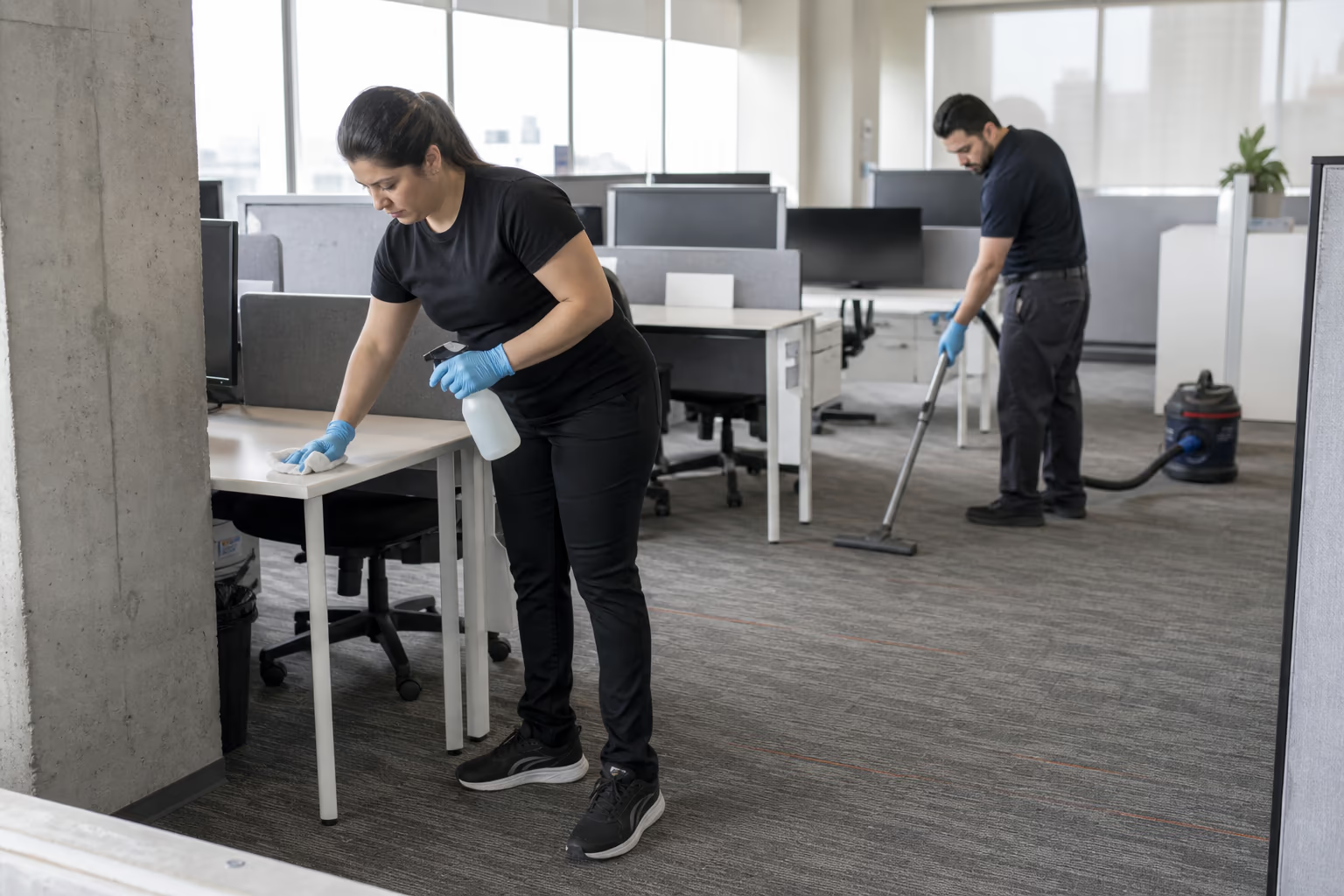
Map the Building Before Comparing Price
One floor-area number hides the zones that create the work. Count and describe them separately.
Workstations and Private Offices
Desk density, partitions, reachable surfaces, floor area, cables, personal items, and rules for active workstations shape the accessible scope.
Entrances and Circulation
Lobbies, vestibules, corridors, stairs, elevators, and high-traffic transitions collect different soil and connect the rest of the building.
Washrooms and Change Areas
Fixture count, floor area, partitions, touchpoints, occupancy, and any consumable responsibility should be explicit rather than assumed from total square footage.
Kitchens and Break Areas
Food-preparation surfaces, sinks, tables, appliances, waste, and floor residue require a boundary for routine and optional work.
Meeting and Public Areas
Boardrooms, reception areas, waiting spaces, showrooms, and customer-facing rooms can have different use patterns and reset expectations.
Storage, Service, and Specialty Zones
Stockrooms, loading areas, workshops, server rooms, clinics, laboratories, and production zones may require rules or capabilities that cannot be inferred from a general office quote.
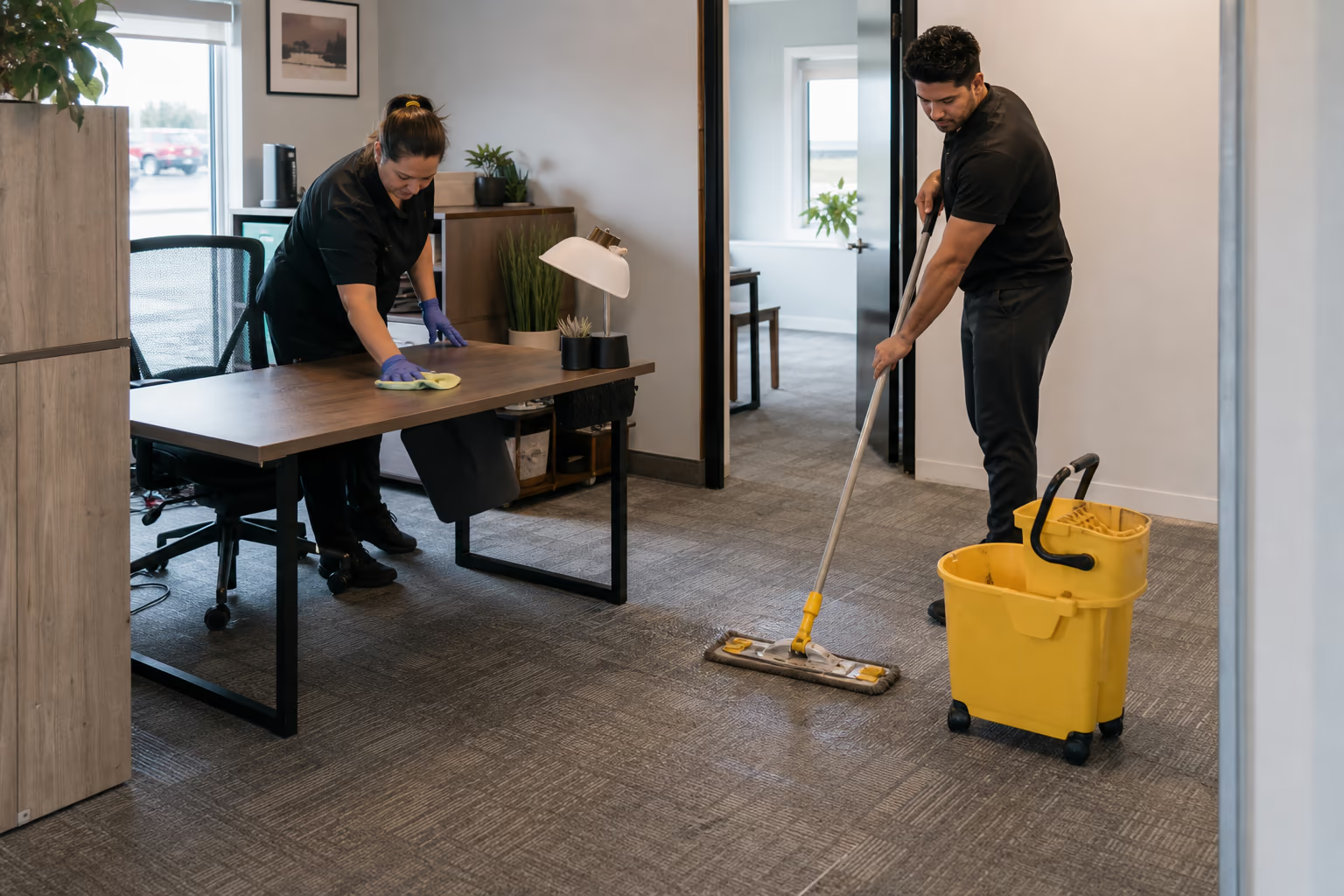
Nine Variables That Change a Commercial Quote
Two facilities with equal floor area can require very different work. These inputs explain why.
Occupied Area and Layout
The area actually in scope, the number of levels, room divisions, stairs, elevators, and circulation paths affect how work is reached and sequenced.
Occupancy and Traffic
The number of people is not a price by itself, but it helps describe how heavily entrances, washrooms, kitchens, shared rooms, and waste points are used.
Present Condition
Tracked-in soil, accumulated residue, clutter, renovation dust, adhesive, or restricted surfaces can place the first visit outside an ordinary maintenance condition.
Floor and Surface Mix
Carpet, resilient flooring, tile, stone, glass, stainless steel, upholstery, and delicate finishes do not share one method. Inventorying them helps separate routine care from periodic or specialist work.
Cleaning Standard and Task Boundary
Words such as standard, deep, detailed, and high-touch are not universal specifications. Translate them into named rooms, surfaces, tasks, exclusions, and expected condition.
Frequency and Service Window
Frequency changes how much condition can accumulate between visits. The available service window, occupied hours, closures, alarms, and handoff rules also shape how the scope can be delivered.
Waste and Consumables
Waste streams, liners, recycling, compost, sanitary disposal, paper products, soap, and restocking should identify who supplies, removes, monitors, and approves replenishment.
Access and Security
Keys, cards, elevators, loading areas, parking, alarm procedures, escorts, locked rooms, and prohibited zones can add steps without adding cleanable area.
Supplies, Equipment, and Reporting
Confirm who provides products and equipment, which surface restrictions apply, and whether logs, inspections, issue reporting, or sign-off are part of the proposal.

Frequency Is a Scope Decision, Not a Discount Promise
Daily, several-times-weekly, weekly, and periodic work describe different maintenance rhythms. None automatically establishes a lower rate or a GoodCleaner schedule.
Assign frequency by zone and physical use. A lobby, washroom, workstation area, meeting room, and periodic floor task do not necessarily need the same rhythm.
Ask the proposal to separate recurring tasks from periodic work. That makes it easier to see whether a lower monthly total has simply removed work or changed frequency.
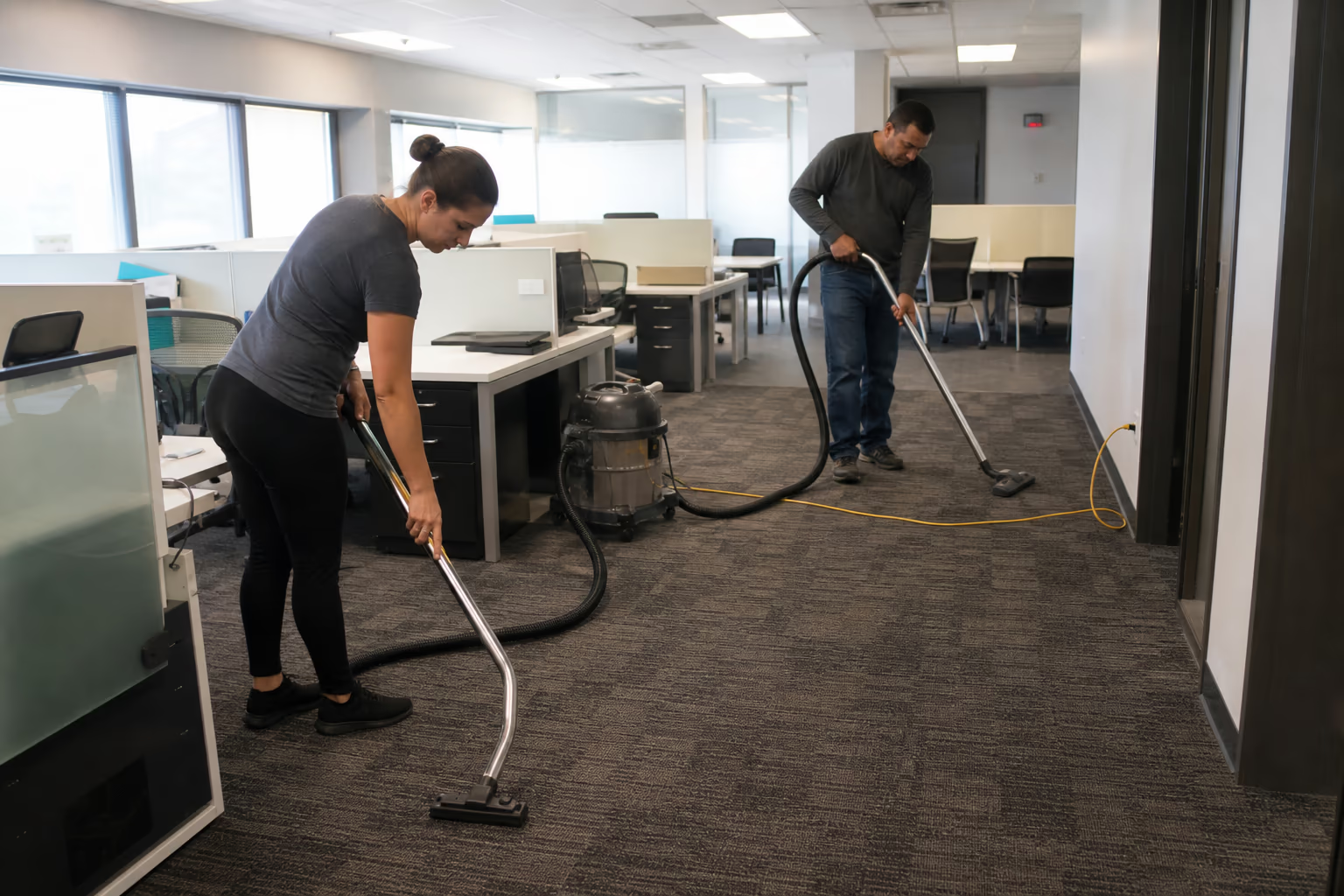
Separate Routine Work From Optional and Periodic Work
Commercial quotes are easier to compare when non-routine items have their own boundary.
- Carpet extraction or other restorative carpet work
- Floor refinishing, machine scrubbing, or other periodic floor care
- Interior or exterior glass beyond routine reachable surfaces
- High dusting or work above ordinary reach
- Appliance interiors, cabinet interiors, or detailed kitchen work
- Post-renovation or construction residue
- Move-in, move-out, event, or one-time reset work
- Upholstery or fabric-panel cleaning
- Unusual waste, spill, or specialty-area requirements
Naming an item does not establish that every provider offers it. Ask whether it is available, which method or restrictions apply, how it is priced, and who approves it.
Ottawa Conditions Belong in the Facility Brief
Ottawa winter can bring salt, grit, slush, and meltwater through entrances and circulation paths. Describe the affected zones, floor materials, matting, and desired work instead of assuming a universal winter surcharge or frequency.
Downtown and mixed-use buildings can involve loading, parking, elevator, security-desk, and shared-corridor instructions. Suburban offices, retail properties, and multi-building sites can create different entry and travel patterns. These are access questions, not evidence of a service boundary.
A neighbourhood name does not define a price. Give each provider the actual building address and constraints, then ask whether travel, parking, loading, or access changes the proposal.
Build an Apples-to-Apples Commercial Cleaning Brief
Issue the same facility facts and requested outcome to each provider.
- Address, property type, occupied area, levels, and floor plan
- Zone counts, occupancy pattern, public access, and operating hours
- Floor, glass, fixture, furnishing, and delicate-surface inventory
- Current condition and any first-visit or post-renovation needs
- Routine tasks by zone and requested frequency
- Periodic and optional work shown separately
- Waste, recycling, consumables, and restocking responsibility
- Products, equipment, storage, and utility access
- Keys, cards, alarms, parking, loading, elevators, and restricted rooms
- Reporting, issue escalation, inspection, and approval expectations
- Pricing unit, minimums, taxes, payment timing, and quote expiry
- Change approval, cancellation, rescheduling, complaint, and re-clean terms
If a detail is unknown, mark it as a question. Do not let different assumptions hide inside two proposal totals.
Frequently Asked Questions About Commercial Cleaning Cost
What should I have ready for a commercial quote?
The building facts (area, zones, hours, access), the service requirements (frequency per zone, surface needs) and the priorities (public zones, washrooms, seasonal load).
How often should the commercial scope be reviewed?
The scope should be reviewed when the building changes: new tenants, new zones, new hours or a new seasonal load. The contract conversation covers the review rhythm.
Can a commercial contract start with a smaller scope?
Yes. The contract can start with the priority zones and expand as the building's needs become clear, with the quote following the scope.
What is the difference between a commercial cleaning contract and a janitorial contract?
The contract holds the recurring commercial rhythm; the janitorial contract covers the ongoing building care across washrooms, floors, waste and shared areas. Many buildings use both, with the scope conversation covering the mix.
Do you provide commercial cleaning for small offices?
Yes. Commercial cleaning plans are available for offices of every size, with the scope set around the zones the building actually has.
Commercial Cleaning Cost in Ottawa: Common Questions
What affects a commercial cleaning quote?
Occupied area, zone mix, traffic, present condition, surfaces, task boundary, frequency, service window, waste, supplies, access, security, and reporting all help define the work.
Is commercial cleaning always priced per square foot?
No. A provider may use square-foot, hourly, per-visit, or custom-contract pricing. Ask which unit applies and what is included before comparing it with another proposal.
Why can equal-size offices receive different quotes?
Equal area does not show washroom and kitchen counts, desk density, floor mix, occupancy, present condition, access, frequency, periodic work, or reporting requirements.
Does more frequent cleaning always cost less per visit?
Not necessarily. Frequency changes the maintenance rhythm, but pricing depends on the provider's approved model and the work assigned to each visit. Do not assume a discount.
What should a commercial cleaning proposal include?
It should identify the property, zones, tasks, frequencies, exclusions, optional work, pricing unit, taxes, term, access rules, responsibilities, change process, and current total.
Can parking, elevators, or security affect a proposal?
They can change how workers and equipment reach the scope. Share the actual instructions and ask the provider whether price, timing, or staffing assumptions change.
How should periodic floor or carpet work be compared?
Separate it from routine cleaning. Name the area, surface, requested result, frequency or trigger, method restrictions, preparation, and approval process.
How much does office cleaning cost per month or per visit in Ottawa?
There is no standard monthly figure, because office cleaning rates follow the scope: floor area, the number of washrooms and kitchens, visit frequency, after-hours access and whether floor or carpet work is included. A per-visit price and a monthly contract price describe the same plan, so compare proposals on the written scope and the visit count before comparing the totals.
How do I get commercial cleaning rates or a quote for my business?
Send the facility details through the contact page: property type, square footage, the rooms and washrooms, the schedule you want cleaned around and any access rules. A free estimate follows a walkthrough, which is how a commercial cleaning quote stays tied to the building rather than to an average.
How much does commercial cleaning cost in Ottawa?
There is no single Ottawa figure, because a quote is assembled from the occupied area, the building zones, the frequency, the present condition and the task boundary. The useful question is what a proposal covers rather than what an average says. Send the facility details and a walkthrough turns them into a written estimate.
What unit are commercial cleaning services rates quoted in?
Per square foot, per cleaner hour, per visit, or as a monthly contract figure. Each unit answers a different question, and none of them means anything without the scope beside it, so ask for the unit and the task list together.
Are prices for office cleaning lower on a longer contract?
A longer term makes the schedule predictable, and that belongs in the plan rather than in an automatic discount. Frequency is a scope decision: visiting often enough that the building never falls behind is usually what keeps both the standard and the budget steady.
Prepare the Facility Scope Before Requesting a Price
Document the building zones, present condition, recurring rhythm, periodic work, access, and proposal questions first. That turns a broad request for an average into a commercial scope that can be compared line by line.
Contact GoodCleaner to discuss the commercial scope, then confirm current pricing, taxes, availability, service boundary, capabilities, and policies before work begins.
Commercial Cost Planning Across the Ottawa Region
Commercial cleaning budgets are planned across the Ottawa area, with the quote following each building's scope.
What Ottawa Facilities Said About Their Clean
★ ★ ★ ★ ★ 5.0 · 34 Google reviews
Thay clean my office and the building lobby. My staffs absolutely adore these young folks. They did a really great job i really appreciate it. They’re the best.
They are excellent and always did a perfect job. I felt safe and at ease with them in my home. As I carry on with my day, they keep working very quickly and quietly. Highly recommend.
Remy and his staff do a stellar and thorough job everytime. Compared to our old cleaning services company, the results are night and day. We couldn't be happier with the service provided and would recommend Remy to anyone looking for quality cleaning services in Ottawa.
The Pricing Units, Explained
Commercial cleaning quotes are built on units, and the unit matters because it changes what is being compared.
Square footage
Square footage is the common unit for larger facilities: the price follows the floor area, with the rates varying by the type of space and the traffic it carries.
Per visit
Per-visit pricing covers a fixed scope: the rooms, the frequency and the services named in the contract.
Hourly
Hourly pricing suits smaller or less regular scopes, where the work varies visit to visit and the time is the honest unit.
The useful question is not which unit is cheaper; it is which unit matches the building's scope. The quote conversation names the unit and what it covers, which is what makes the comparison real.
Building Zones and the Scope Conversation
A commercial scope is a set of zones, and each zone carries its own share of the work.
Entrances and lobbies carry the public load and the seasonal grit. Work areas carry the desks, the floors and the daily traffic. Washrooms and kitchens carry the load that must be met every visit. Storage and support spaces run on a lighter rhythm. Each zone contributes to the scope, and the scope contributes to the quote.
The scope conversation names the zones and the frequency for each one. That is what turns a square-foot number into a plan the building manager can plan against.
The Building Brief: What to Have Ready
A clear brief makes the quote conversation faster and the result more accurate.
The building facts come first: the floor area, the zones, the hours and the access arrangements. The service requirements follow: which zones daily, which weekly, which periodically, and which surfaces need their own treatment. The priorities matter too: the zones that carry the public impression, the washrooms that must never slip, and the seasonal load the building carries through an Ottawa winter.
A brief with those three parts gives the quote conversation everything it needs. The building manager who comes with the brief leaves with a quote that matches the building.
Seasonal Cost Planning for Commercial Cleaning
The commercial cleaning budget works with the seasons when it is planned that way.
Ottawa winters put salt and sand through every commercial door, so entrances, lobbies and the first stretches of floor carry the heaviest load between November and April. The winter plan protects those zones first, which is where the extra passes concentrate. The spring reset clears the winter's residue, and the summer and fall rhythms hold the building at its level.
The seasonal shape is part of the contract conversation, not an afterthought. The plan that covers it keeps the budget predictable, which is the value of planning the commercial cleaning year.
Comparing Commercial Cleaning Proposals
A commercial cleaning proposal is a document the building manager has to compare, and the comparison works when the basis is the same.
The proposal should name the zones and the frequency for each one, the unit the price is built on, the seasonal shape of the plan and the reporting that comes with it. Two proposals compared on those four parts are comparable; two proposals that name different zones or different units are not, whatever the numbers say.
The questions to ask are the same every time: what is in the scope, what frequency does each zone carry, and what does the number include. The proposal that answers all three is the one worth comparing.
The Reporting Side of the Commercial Contract
The cost of commercial cleaning is one part of the contract; the reporting is the part that makes the cost hold.
The contract should name how issues are raised, how the building manager knows what was done, and how the plan adjusts when the building changes. A contract with clear reporting keeps the service honest between visits, which is where the real value of the agreement lives.
The reporting is part of the quote conversation from the start, not a detail discovered later. The building manager who knows what the contract reports is the manager who can plan against it.
Building the Commercial Cleaning Brief
The commercial brief follows a simple order, and it is worth walking through once.
Start with the building: the area, the zones and how each zone is used. Name the hours and the access, because they shape when the work can happen. List the surfaces that need their own treatment, from the floors to the glass. Decide the rhythm each zone carries, from daily to periodic. Then the scope is complete, and the quote follows the scope.
The brief is the building manager's tool, and it is the same brief this page uses to structure the conversation. A manager who comes prepared with it leaves with a quote that matches the building rather than a number that matches a template.
Free Commercial Cleaning Checklists
The scope conversation is easier when both sides are reading the same task list. These two printable sheets set out the work an office and its washrooms actually need, so a walkthrough starts from something concrete instead of a general request for a price.
Take them into the building, mark what applies, and bring the marked pages to the walkthrough. Neither file asks for an email address.