
DIY Household Cleaning Tips & Techniques: Complete Home Sanitation Guide
Keeping a home genuinely clean is more about method than about expensive products. This guide shares the core techniques professional cleaners rely on, the tools worth owning, and a five-step protocol you can run through any room, so your home stays fresh between professional visits.
Quick Summary
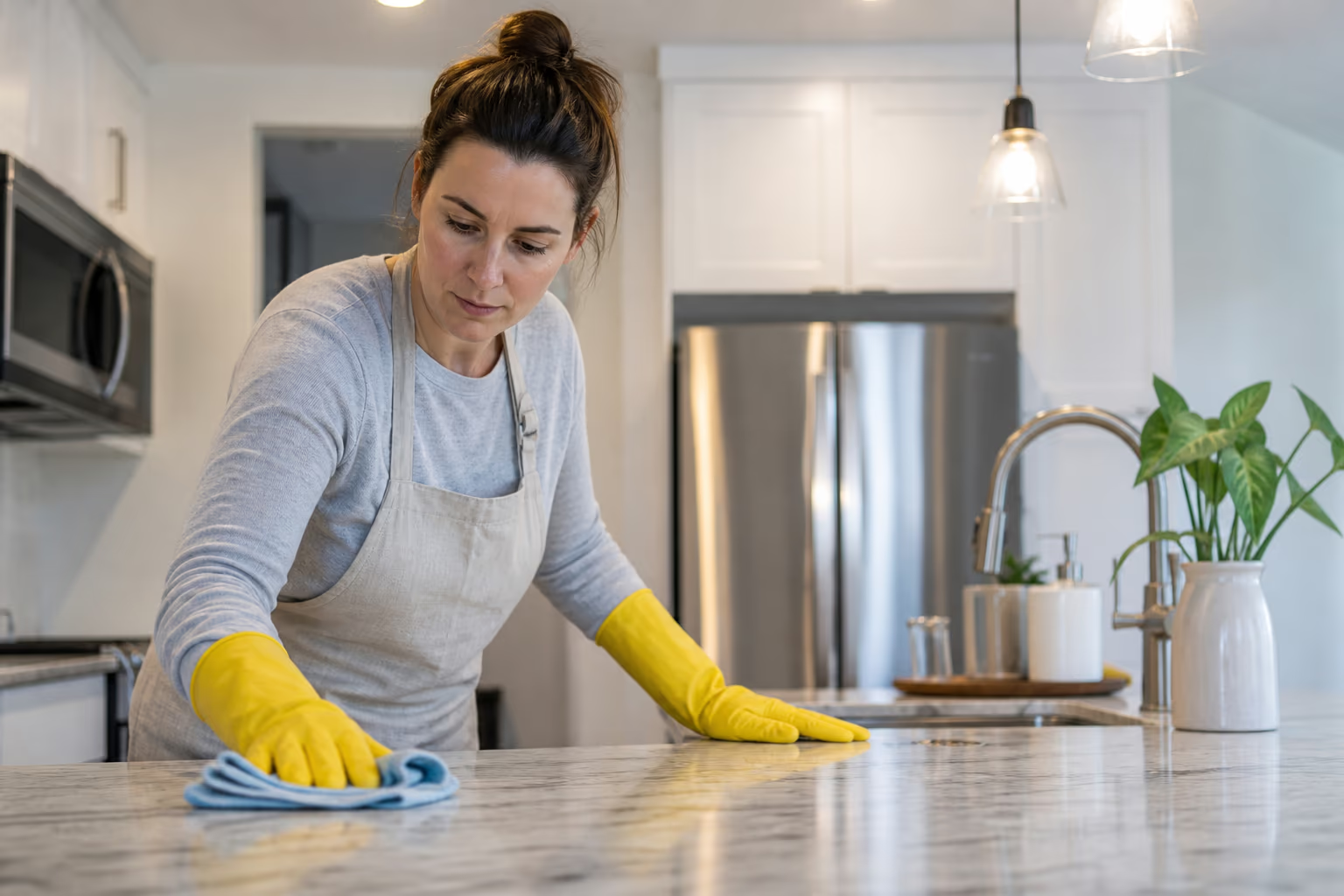
A few professional habits turn ordinary housework into a faster, more thorough clean. Colour-coded microfibre cloths, a top-to-bottom route, and honest dwell times do more than any single cleaning product, and this guide explains the methods in plain language.
In this guide
The Value of Methodical Household Cleaning Techniques
Cleaning by instinct, wiping the counter when it looks dusty, is how most of us grew up, but it is also the slowest way to work. Without a system, you end up re-cleaning surfaces, missing corners, and reaching for a stronger product when the real problem is the method.
Professionals clean the same way every time, and that consistency is what makes them fast. They follow a route through the room, work from the top down, and let products sit for the time they need. That structure means nothing gets missed and nothing gets done twice.
You do not need professional training to borrow the habit. A simple route, a colour-coded cloth system, and a little patience with dwell times will make your home feel cleaner with less effort, and you will finally stop buying a new spray for every spot in the house.
Core DIY Household Cleaning Tips
Implement these essential household cleaning strategies:
A Top-to-Bottom Sequence That Saves Time
The order of your cleaning matters as much as the products you use. Working from the top of a room to the bottom is the single easiest way to stop doing a job twice.
Add one air step to the sequence. Health Canada's ventilation advice recommends opening windows and doors when outside conditions permit, using bathroom and kitchen fans, and keeping baseboards and heating vents clear of furniture. The federal guidance opens with the reason it matters: “Poor indoor air quality can affect your health.”
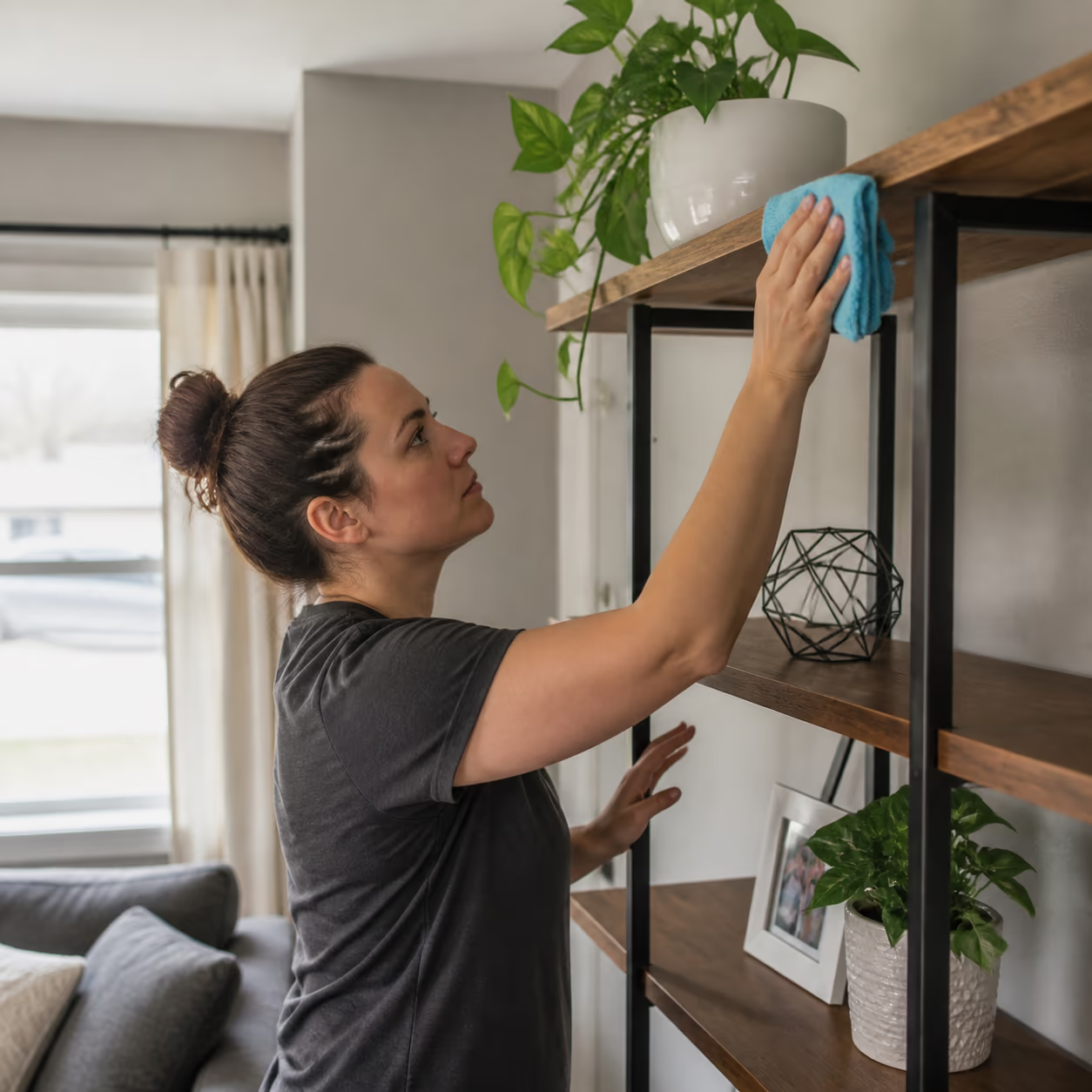
Start at the ceiling and work down. Dust ceiling fans, light fixtures, and high shelves first, because the dust you knock loose has to land somewhere. Next, wipe window sills, frames, and picture rails. Then move to furniture, tabletops, and horizontal surfaces. Finish with the floor, vacuuming or mopping after everything else has settled.
The same logic applies to a whole house. Do the upstairs before the downstairs, and do the bathrooms and kitchen after the bedrooms, so any dust kicked up in the main living areas is not carried onto freshly cleaned surfaces. A little forethought about order turns a marathon into a routine.
Tools That Earn Their Place in the Cupboard
You do not need a specialty gadget for every job, but a few well-chosen tools do most of the work. Here is what we reach for again and again.
Split-Microfibre Cloths:
Electrostatic dust trapping and mechanical grease removal make these the best all-round cloth, and they wash hundreds of times if you skip fabric softener.
Baking Soda (Sodium Bicarbonate):
A mild alkaline abrasive and odour neutralizer for sinks, tubs, ovens, and carpet deodorizing.
White Distilled Vinegar (5 Percent):
An acidic mineral-scale and soap-scum solvent for glass, shower doors, faucets, and coffee makers, but never on natural stone.
Hydrogen Peroxide (3 Percent):
A non-toxic oxygenating cleaner and sanitizer for cutting boards, countertops, and grout lines when stored away from light.
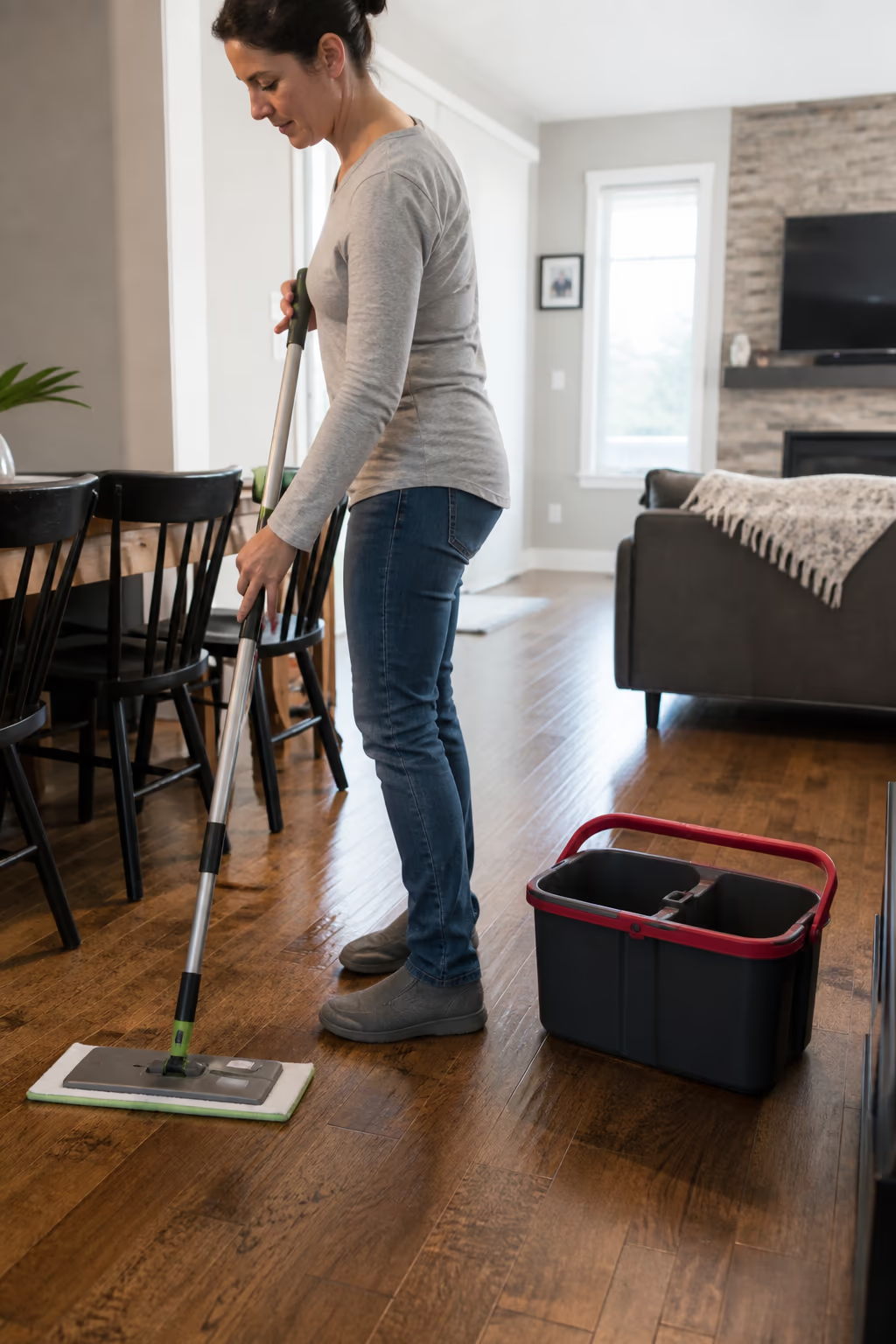
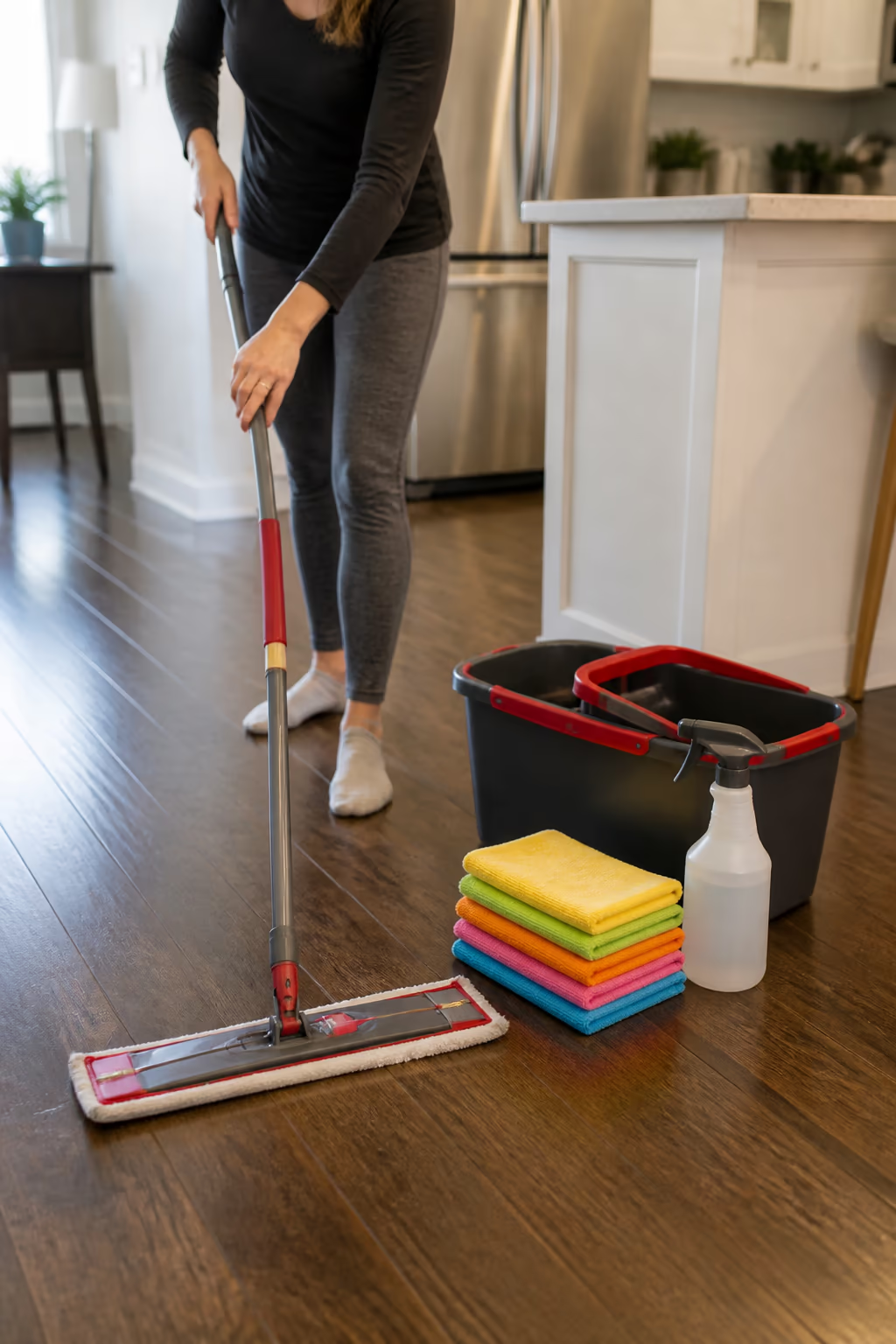
A dual-bucket system also earns its place. One bucket holds your soapy cleaning solution, the other clean rinse water. Dipping your cloth in rinse water before re-soaping means you stop dragging dirty water across clean surfaces, which is a subtle but huge upgrade in how clean your home actually gets.
Common Cleaning Mistakes to Avoid
Most of the cleaning problems we see in homes come from a handful of repeatable mistakes. Avoiding them will do more for your home than any new product.
- 1.Wiping disinfectant away too soon:Spraying a disinfectant and immediately wiping it off means it never had time to work. Read the label and let the surface stay wet for the time stated.
- 2.Using one cloth for the whole house:A single rag spreads bacteria from the bathroom to the kitchen counter. A simple colour-coded cloth system prevents that in seconds.
- 3.Scrubbing in the wrong order:Cleaning bottom-to-top or floor-first means dust lands on surfaces you already cleaned. Work top-to-bottom so the floor is always last.
- 4.Overusing product:More cleaner does not mean a cleaner home. Excess product leaves residue that attracts more dirt, and it wastes money. Use the amount the label suggests, or less.
- 5.Ignoring dwell time on natural cleaners:Vinegar and baking soda need a few minutes to work. Spray, let it sit, then wipe, and you will be amazed at the difference.
- 6.Storing cloths while damp:Damp microfibre cloths smell and grow bacteria. Hang them to dry and wash them regularly, without fabric softener, so they keep their electrostatic power.
Cleaning Routines: Daily, Weekly, and Monthly
A clean home is the result of a simple rhythm, not heroic weekends. Splitting the work into daily, weekly, and monthly tasks keeps everything manageable.
Daily, do the tasks that keep a home from feeling dirty. Wipe kitchen counters after meals, do a quick sink rinse, sweep or vacuum high-traffic floors, and do a five-minute tidy so surfaces stay clear.
Weekly, do the deeper room-by-room work. Bathrooms, floors, baseboards in the main living areas, and the kitchen stovetop and sink get a proper pass. This is where the five-step protocol in this guide earns its keep.
Monthly, do the jobs that build up slowly. Dust ceiling fans and light fixtures, wipe window tracks, refresh the fridge, degrease the range hood, and vacuum under the furniture. These tasks take longer, but once a month is enough.
The beauty of this rhythm is that nothing ever gets badly neglected. The daily tasks keep the weekly ones quick, and the weekly ones keep the monthly ones from becoming overwhelming, which means your home stays genuinely clean all year, not just in spring.
Formatted Step-by-Step Professional Household Cleaning Protocol
Follow this protocol for a thorough, efficient house clean:
- Step 1.Prepare Dual Microfibre Buckets (One Wet Soap, One Dry Rinse):Separate cleaning solution from rinse water to avoid smearing dirt onto surfaces you just cleaned.
- Step 2.Clean Top-to-Bottom & Left-to-Right Across All Rooms:Execute a systematic route so no corner, shelf, or fixture is overlooked and dust lands on floors you will clean last.
- Step 3.Spot-Test New Cleaning Chemicals on Inconspicuous Surface Areas:Test any new spray on hidden furniture undersides first to verify the colour and finish are safe.
- Step 4.Allow Required Wet Contact Dwell Times for Disinfectant Sprays:Keep surfaces visibly wet with disinfectant for the time stated on the label so it has a chance to work.
- Step 5.Wash Microfibre Cloths in Warm Water Without Fabric Softeners:Laundering microfibre without silicone softeners preserves its electrostatic dust-attracting power.
- Step 6.Contracting professional residential home cleaning services in Ottawa through Good Cleaner Co. guarantees immaculate home care with trained, background-checked technicians.
Professional Cleaning Habits Across Ottawa's Neighbourhoods
These methods travel well across the city, whether you live in a downtown apartment in Centretown, a family home in Kanata, or a condo in Barrhaven. Homes in older areas like the Glebe often have high ceilings and original woodwork that reward a top-to-bottom approach, while newer builds in Orleans and Riverside South are all about efficient daily routines. No matter the neighbourhood, the same route, the same cloths, and the same dwell times will make your home cleaner and your weekends freer.
Good Cleaner Co. Professional Service Introductions & Specializations
Good Cleaner Co. has been caring for Ottawa homes and businesses for years, and we use the same honest, health-first standards whether we are cleaning with green products or tackling a deep clean. Here is what we offer:
Seasonal Maintenance & Local Environmental Factors in Ontario
Homes in Ottawa and the National Capital Region face real seasonal stress, and a good cleaning routine adapts to it:
Quality Assurance & Health Canada Disinfection Compliance
Clean homes and workplaces in Ontario sit inside a clear set of safety and health rules:
How to Clean Faster Without Cutting Corners
Speed comes from good habits, not from skipping steps. A few adjustments will cut the time you spend cleaning while actually improving the result.
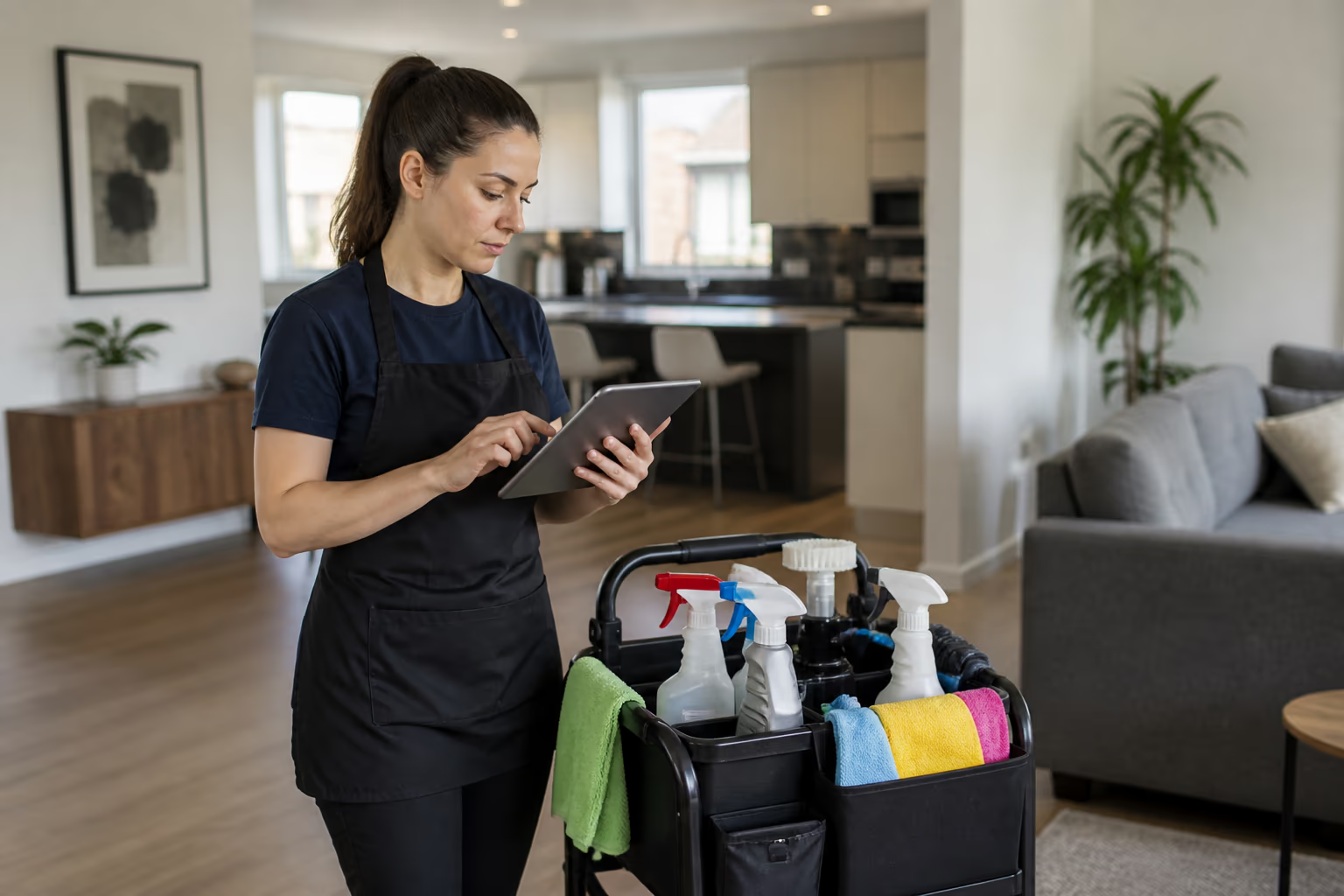
Gather everything you need before you start. A caddy with your cloths, spray, and tools means you are not walking back and forth to the cupboard every two minutes, which is where most cleaning time quietly disappears.
Clean in one direction and stick to the route. When you work top-to-bottom and left-to-right in a room, you naturally avoid re-cleaning and you can see your progress, which makes the job feel faster and keeps you going.
Let products do the work. Instead of scrubbing at a stain immediately, spray and give it the dwell time it needs, then wipe once. The product loosens the grime, and you remove it in a single pass instead of ten.
Use the right tool for the surface. A microfibre cloth and a soft brush handle most jobs, while the right squeegee makes windows faster and a flat mop makes baseboards quicker. The tool that fits the job is always faster than improvising.
Finally, time yourself. Set a timer for fifteen minutes and see how much you get done. Most people discover they can finish a room in a single focused sprint, which turns cleaning from an all-day chore into a quick, satisfying task.
FAQ
What is the most common mistake people make during DIY home cleaning?
The most common mistake is wiping a surface immediately after spraying a disinfectant. Disinfectants need to stay visibly wet for the time stated on the label, usually one to five minutes, to do their job.
Why are microfibre cloths better than traditional cotton rags or paper towels?
Split microfibre contains millions of tiny wedge-shaped fibres that lift and trap dust and grease electrostatically, while cotton rags tend to push dirt around and paper towels just move it.
How can I remove salt slurry stains from entryway rugs during Ottawa winters?
Mix one part white vinegar with one part warm water, sponge the solution onto the salt rings to dissolve the calcium chloride crystals, then blot dry with a clean towel and repeat if needed.
What order should I clean the rooms in my house?
Clean from the top of the house down, and in each room work from the ceiling to the floor. Do the bedrooms first, then bathrooms and kitchen, and leave the main living area floors until last.
How often should I wash my microfibre cloths?
Wash them after each use in warm water without fabric softener, and replace them once they stop picking up dust as well, usually every few months depending on how much you clean.
Is it safe to mix baking soda and vinegar together?
Not as a single cleaner. They react and neutralize each other into water and a salt, which is why the fizz disappears. Use them as separate steps, like baking soda to scrub and vinegar to rinse or deodorize.
How do I get rid of dust quickly in a room before guests arrive?
Do a fast top-to-bottom pass with a damp microfibre cloth on the high surfaces, then give the floors a quick vacuum. The damp cloth grabs the dust instead of sending it into the air.
Do I really need to spot-test cleaning products first?
It takes ten seconds and protects your counters, wood, and fabric. Test any new product on a hidden corner before using it on a visible surface, especially if you are not sure what the finish is.
How do I keep my home clean between professional visits?
Stick to the daily basics, counters, sinks, floors, and a weekly deeper pass on the bathroom and kitchen. Keep microfibre cloths and a simple vinegar spray on hand so the routine takes minutes, not hours.
When should I book a professional cleaning service?
Book a professional for the deep jobs that DIY cannot match, like carpet and upholstery extraction, whole-house deep cleans, move-in and move-out sanitation, and window washing. Many families pair a seasonal deep clean with their own weekly maintenance. Checking the average cleaning services cost in Ottawa beforehand makes it easier to plan which jobs to book and which to keep doing yourself.
Wrapping Up
Mastering a few simple DIY cleaning tips and techniques keeps your home pristine, healthy, and organized between professional visits, with less effort and fewer products than you might expect. When you want a deeper clean or help with the jobs that are better left to the pros, Good Cleaner Co. is here to help with professional, eco-friendly home cleaning in Ottawa. Contact Good Cleaner Co. today to book trusted home cleaning crews in Ottawa.
Keep reading
More from Good Cleaner
About the author
Service areas
- Ottawa
- Kanata
- Nepean
- Orleans
- Barrhaven