
Cleaning Tools You Should Replace Often for Hygiene & Sanitation
Cleaning tools do not last forever, and the ones that look fine on the outside are often the ones spreading the most grime. This guide gives you a simple replacement schedule, the warning signs that a tool has worn out, and the habits that keep the tools you keep genuinely clean.
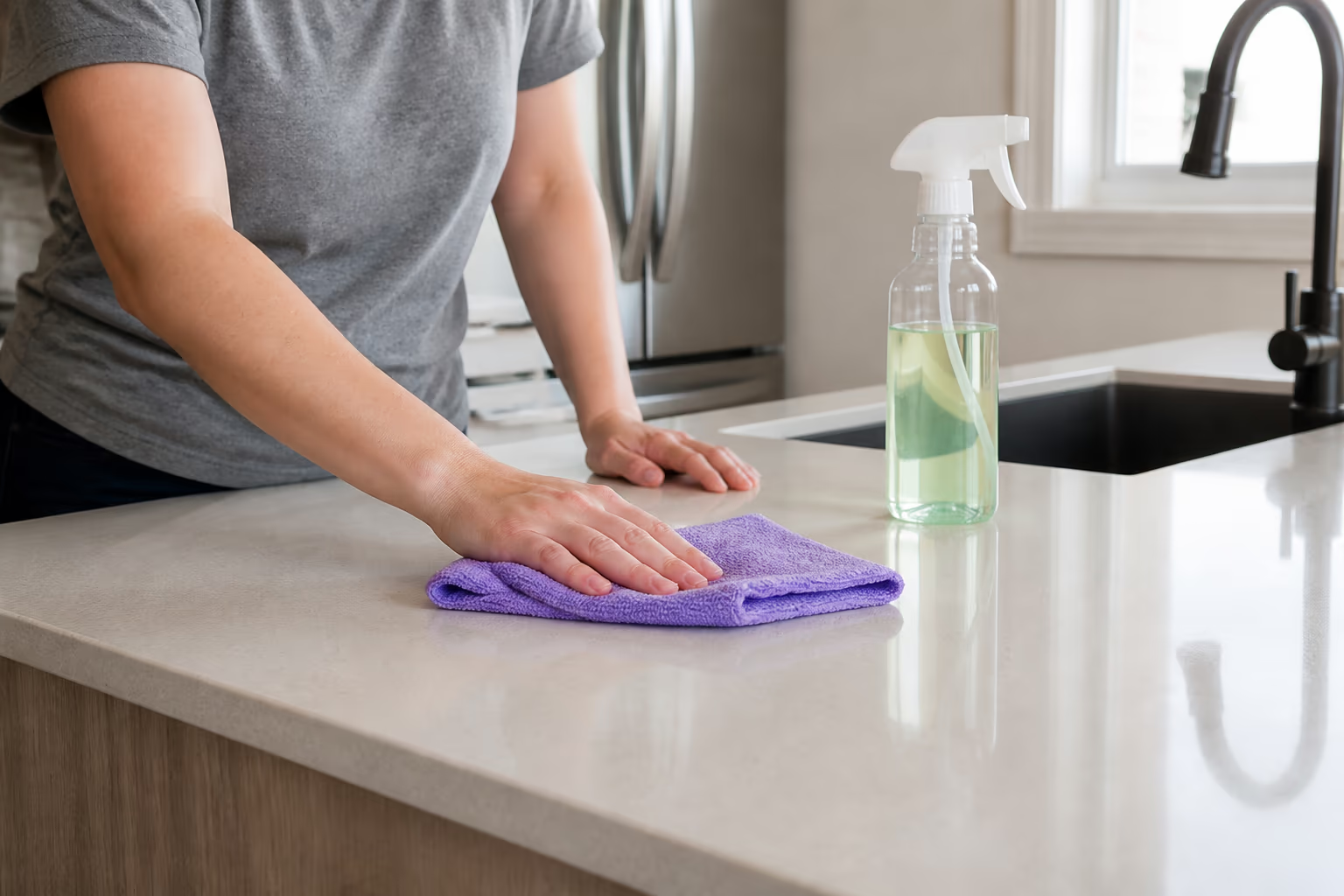
Quick Summary
The tools you clean with can become the dirtiest things in your house if they are not replaced on schedule. This guide covers the real lifecycle of everyday cleaning gear: kitchen sponges, toilet brushes, microfibre cloths, mops, vacuum bags, and HEPA filters, with honest replacement timelines for each. The same equipment standards apply whether you clean a pet-friendly home in Barrhaven or a carpeted condo downtown. Good Cleaner Co. provides residential home cleaning services in Ottawa using fresh, commercial-grade equipment on every visit.
In this guide
The Danger of Bacterial Cross-Contamination from Old Cleaning Tools
Using worn, bacteria-laden cleaning tools in Ottawa homes defeats the purpose of house cleaning by spreading germs from room to room.
Federal guidance is unusually blunt about one of these tools. Health Canada's safe food storage guidance tells you to wipe kitchen surfaces with paper towels or to change dishcloths daily, and to avoid sponges altogether because they are harder to keep bacteria-free. Health Canada gives the scale of the problem: “Every year, thousands of Canadians get food poisoning.”
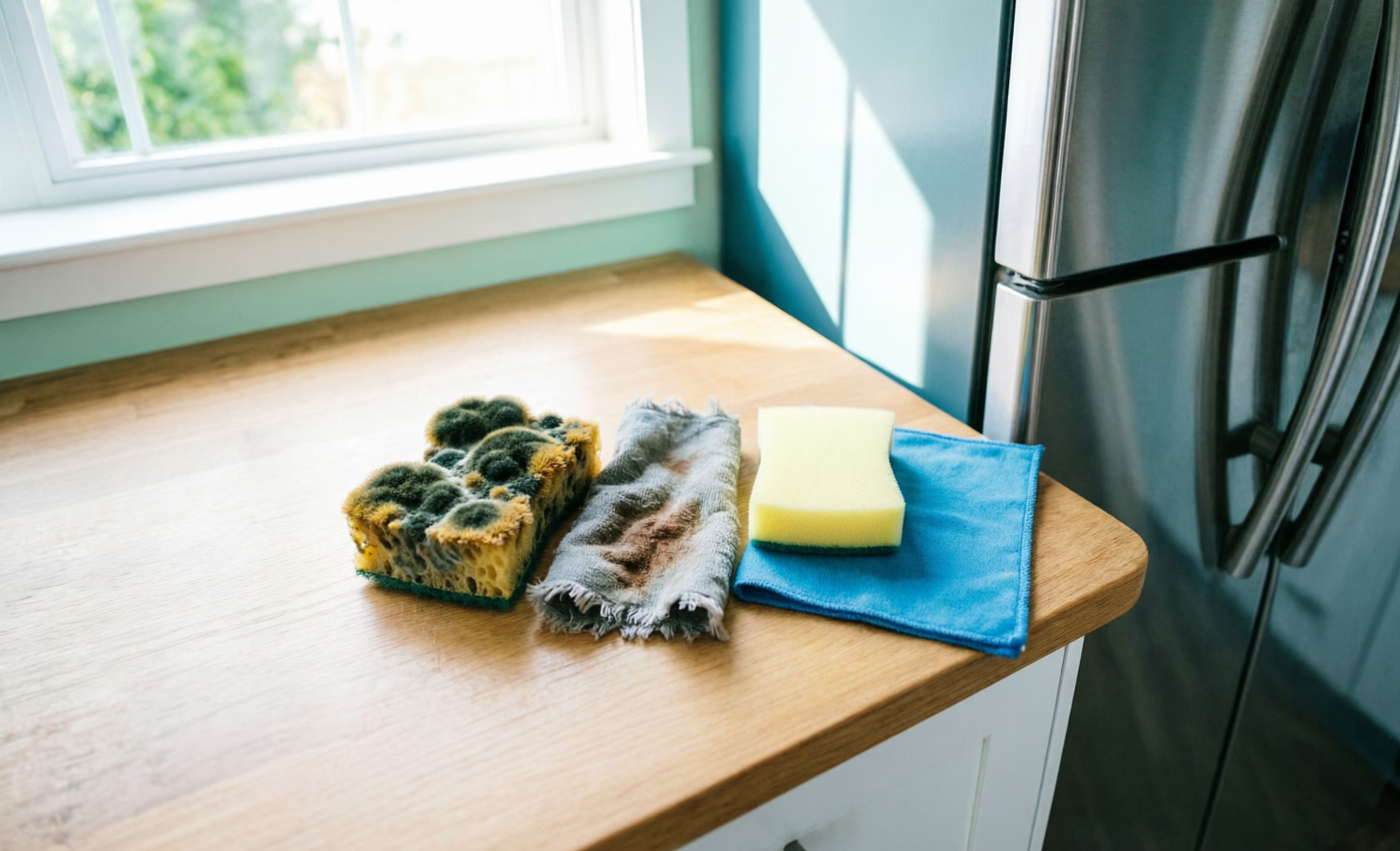
Kitchen sponges, string mops, and unwashed microfibre cloths trap moisture and organic soil, creating ideal breeding grounds for bacteria like E. coli and Salmonella. When you drag the same dirty cloth across a bathroom vanity and then a kitchen counter, you are not cleaning; you are moving the problem.
Establishing regular replacement schedules for cleaning supplies maintains high household hygiene standards and prevents cross-contamination. The cost of a new sponge or mop head is trivial compared with the cost of spreading illness through a household.
Cross-contamination is especially easy to miss because the problem is invisible. You cannot see bacteria on a sponge or a mop head, so the only reliable guide is time: replace on schedule, not when the tool looks dirty.
Essential Tool Replacement Schedules: Sponges, Mops & Brushes
These timelines are a good starting point for most households. If you have pets, allergies, or a busy kitchen, you will naturally land on the sooner end of each range.
Discover 4 crucial replacement timelines for everyday home cleaning tools:
Signs a Cleaning Tool Is Past Its Prime
Sometimes the schedule says replace, and sometimes the tool tells you itself. Here are the warning signs that a piece of cleaning gear has passed its useful life:
- 01The sour smell that will not leave:A sponge, mop head, or cloth that still smells after washing has built-in bacteria and needs to go.
- 02Visible fraying or shedding:When a cloth sheds lint or a broom bristles splay, the tool is no longer cleaning properly.
- 03Stiff or matted fibres:Microfibre that no longer springs back and mop strands that stay matted have lost their working texture.
- 04Loss of suction:If the vacuum sounds weaker and the filter or bag is clean, the tool itself may need attention.
- 05Stains that stay behind:If the same grime keeps reappearing, the tool is pushing dirt around instead of lifting it.
How to Care for the Tools You Keep
Replacing tools on schedule works hand in hand with caring for them between replacements. A few minutes of maintenance extends the life of your equipment and keeps it hygienic:
Room-by-Room Tool Replacement Guide
Different rooms wear out tools at different rates, because they see different kinds of soil. Here is a practical breakdown for a typical Ottawa home:
How Professionals Keep Equipment Fresh
Commercial cleaning teams rely on the same replacement logic, but they apply it at a higher volume and with more discipline. Understanding how professionals manage equipment shows what is realistic for a home. Businesses comparing office cleaning services Ottawa providers can ask about equipment age and replacement logs as part of that same standard.
Good Cleaner Co. Equipment Lifecycle Benchmarks
Good Cleaner Co. treats cleaning equipment as part of the hygiene standard, not an afterthought. These are the benchmarks behind every visit:
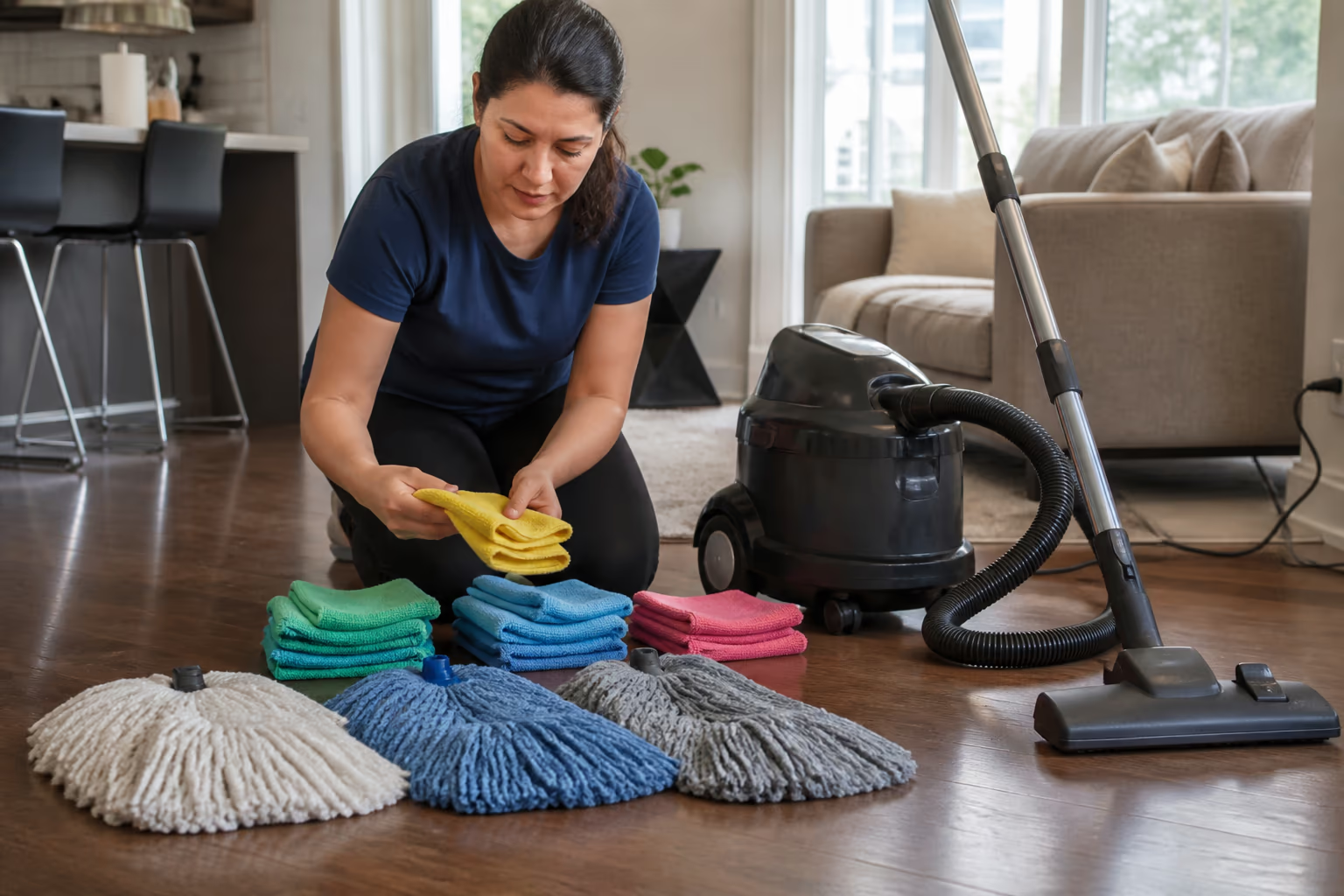
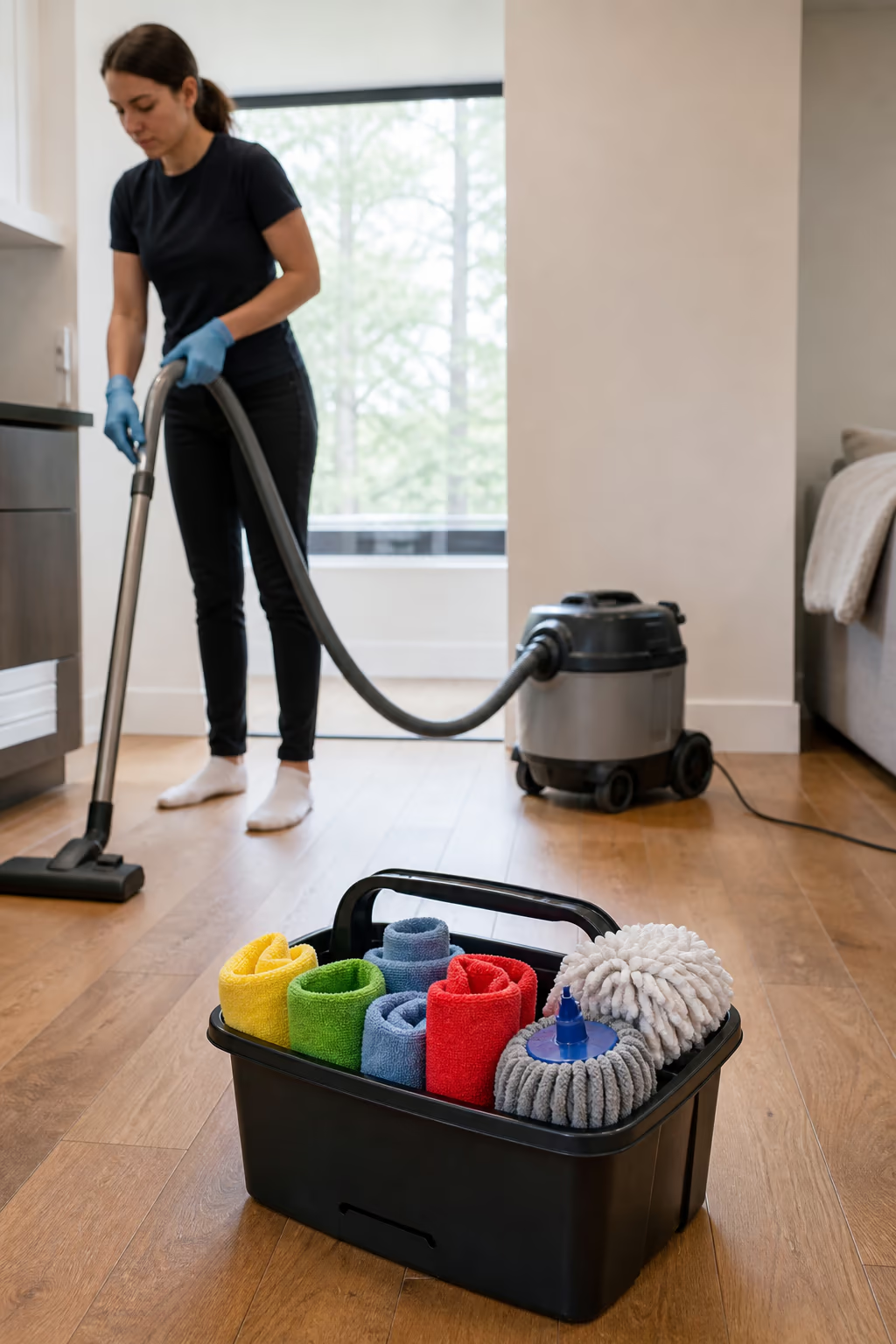
Colour-Coded Microfibre Systems
Dedicated cloths for bathrooms, kitchens, and glass prevent cross-contamination.
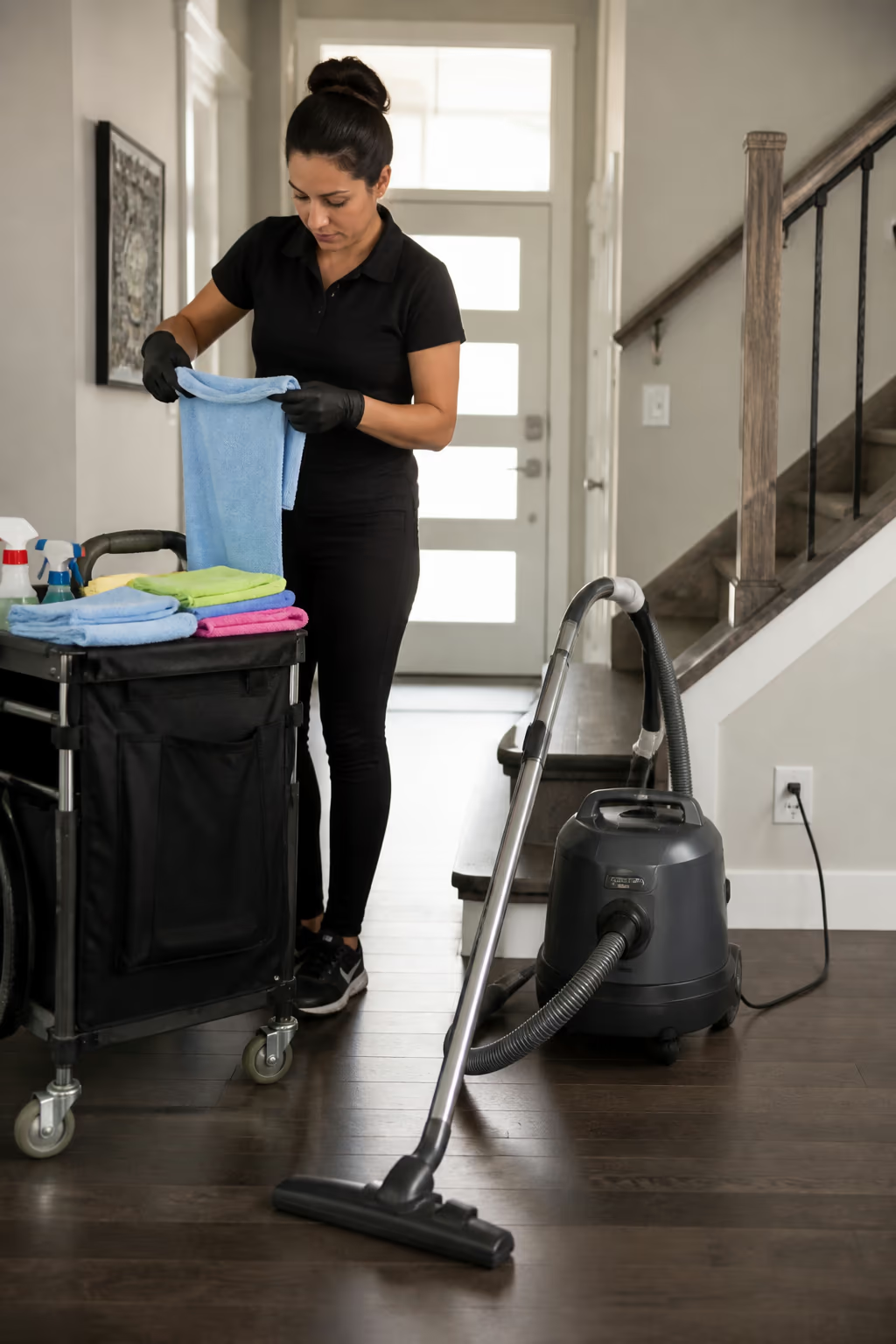
Commercial HEPA Vacuum Maintenance
Fresh HEPA filters keep allergen capture strong and suction consistent.
Sanitized Microfibre Laundering
High-temperature thermal washing sanitizes all mop heads and cloths.
Single-Use Sanitization Wipes
High-risk touchpoints disinfected with fresh Health Canada DIN wipes.
Formatted Step-by-Step Cleaning Tool Replacement Checklist
Follow this checklist to maintain sanitary cleaning equipment:
- 01Replace Kitchen Sponges Every 2 Weeks or Shift to Machine-Washable Microfibre Pads:Keep dishwashing tools fresh.
- 02Retire Toilet Bowl Brushes Every 6 Months or After Illness Outbreaks:Prevent viral and bacterial reservoir growth.
- 03Wash Microfibre Cloths Hot Without Fabric Softeners and Replace Every 100 Washes:Maintain micro-hook trap efficacy.
- 04Replace HEPA Vacuum Dust Bags and Exhaust Filters Annually:Ensure peak airborne dust capture.
- 05Disinfect Broom Bristles and Dustpans Monthly in Warm Soap Water:Remove lint and floor debris buildup.
- 06If you need a team or a recurring schedule, use residential home cleaning services in Ottawa to discuss scope, access, and timing before deciding whether it fits.
Equipment Coverage Across Ottawa
Good Cleaner Co. brings the same fresh, well-maintained equipment to homes across Ottawa and the surrounding region, from family homes in Barrhaven and Orleans to condos in downtown Ottawa.
We also serve the heritage streets of The Glebe and the newer subdivisions of Kanata, so the tools are never the weak link in the clean, wherever you live. If your neighbourhood is not mentioned, just ask, because our teams cover the whole city with the same fresh-equipment standard.
Putting this guidance into practice
For a household or small workplace, start with storing tools clean and dry, checking them after use, and replacing them when they no longer clean well. That keeps the conversation tied to the actual space instead of a generic promise.
Review frayed brush heads, cracked plastic, worn mop fibres, clogged filters, persistent odours, and cloths that only move soil. A written scope should say what happens on a normal visit, what needs approval, and who should hear about a recurring issue.
Seasonal considerations in Ottawa
Winter entrance care wears mop heads, while spring window and dusting work can show when cloths and attachments are past their useful life.
Look at the actual condition, the number of people using the space, and the material being cleaned before changing products, equipment, or frequency.
Safe, responsible cleaning
Follow maker guidance for electrical equipment, unplug before maintenance, and stop using a damaged cord, handle, or unsafe tool.
When a surface, product, or site requirement is unclear, ask before continuing. A careful decision protects people and property better than a shortcut.
How to review this as a household or small workplace
Before changing this routine, take a short walk through the actual space and describe what you see in ordinary language. Start with storing tools clean and dry, checking them after use, and replacing them when they no longer clean well. That gives everyone the same starting point and prevents a broad request from quietly becoming a different job.
Ask someone who uses the space every day what creates the most friction. Their answer may be a messy entry, an awkward storage area, a surface that marks easily, or a time when work cannot happen. A useful plan respects that local knowledge instead of replacing it with a standard script.
Choose one change that can be observed over a few visits. It might be a different order of work, a clearer handover, or more attention to frayed brush heads, cracked plastic, worn mop fibres, clogged filters, persistent odours, and cloths that only move soil. Write down the reason for the change and what would show that it is helping. That is a better test than relying on a vague impression.
Keep the discussion specific when something is not working. Name the room, surface, timing, and result you expected, then decide what should happen next. Clear feedback is fair to the people doing the work and far more useful than a blanket complaint.
Finally, revisit the plan when the building, household, or season changes. A routine should be stable enough to follow and flexible enough to respond to real conditions. That balance is what makes cleaning guidance practical.
Considering professional help
If you decide that this work needs help, begin with the practical details: the condition of the space, the tasks that matter, access, timing, and anything the crew should not touch.
Use house cleaning options in Ottawa to start that scope conversation. A clear request makes it easier to decide whether a service is suitable without relying on promises about results. For workplaces asking about frequency rather than equipment, how often should an office be cleaned covers a typical cadence for shared spaces.
FAQ
How often should I replace microfibre cleaning cloths?
Replace microfibre cloths after approximately 100 machine wash cycles, or when the fibres feel stiff and lose their dust-trapping electrostatic grip. Colour-coded sets make it easier to rotate them and to spot the ones that are past their best.
Why shouldn't I use fabric softener when washing microfibre cloths?
Fabric softeners coat microfibre hooks with an oily silicone film, clogging the dust traps and reducing absorbency, so wash microfibre on hot with no softener.
How often should vacuum HEPA filters be replaced in Ottawa homes?
Replace HEPA filters every 6 to 12 months depending on pet ownership and indoor dust levels to maintain suction power and allergen capture.
How often should I replace my kitchen sponge?
Every two weeks, or sooner if it develops a sour smell or starts to break apart, and let it dry fully between uses.
How often should I replace my toilet brush?
Every six months, or sooner after an illness in the household, because the bristles and base hold bacteria that rinsing does not fully remove. If you want a full bathroom cleaning cadence beyond just the brush, how often should you clean a bathroom breaks down a room-by-room schedule.
How do I know when a mop needs replacing?
When the mop head is matted, the strands no longer spring back, or the head starts to smell even after washing, it is time to replace it.
Can I wash and reuse disposable cleaning cloths?
Disposable cloths are not designed for repeated washing. Reuse them a limited number of times, then replace them, because the fibres break down and stop trapping soil.
How often should I replace my vacuum's dust bag?
Replace the bag when it is about two-thirds full or as the manufacturer recommends, because an overfull bag cuts suction and reduces cleaning effectiveness. Keeping a spare bag on hand makes the swap quick enough to actually do.
Do cleaning tools really spread bacteria?
Yes. Damp, worn tools can move bacteria from one room to another, which is why replacing them on schedule is part of a hygienic home. The risk goes up when the same tool is used in multiple rooms without being cleaned in between.
What cleaning tools does Good Cleaner Co. use?
We use colour-coded microfibre systems, commercial HEPA vacuums, and sanitized mop heads that are replaced and laundered on a strict schedule, so the equipment never becomes a source of cross-contamination.
Wrapping Up
Replacing worn cleaning tools ensures genuine hygiene and protects family health. Contact Good Cleaner Co. today to book home cleaning in Ottawa.
Keep reading
More from Good Cleaner
Services that fit
- House Cleaning Services in OttawaRecurring weekly, bi-weekly and monthly house cleaning built around your family's routine, with the same fresh, colour-coded microfibre and commercial HEPA equipment on every visit.
- Professional Office Cleaning Services in OttawaNightly and after-hours office cleaning for corporate offices, clinics and professional suites, with sanitized, schedule-replaced equipment.
About the author
Service areas
- Ottawa
- Kanata
- Nepean
- Orleans
- Barrhaven
- The Glebe