
Office Dust Comes Back Fast: 7 Simple Fixes That Last
Office dust comes back fast in Canada, and it can feel like a losing battle. You dust the desks on Friday, and by Tuesday there is a fine grey film on the monitors again. The dust is not coming out of nowhere; it is coming from a handful of sources, and once you understand those sources, the fixes are surprisingly simple. This guide explains why dust returns so quickly and the practical steps that make a dust-free office last longer than a day or two.
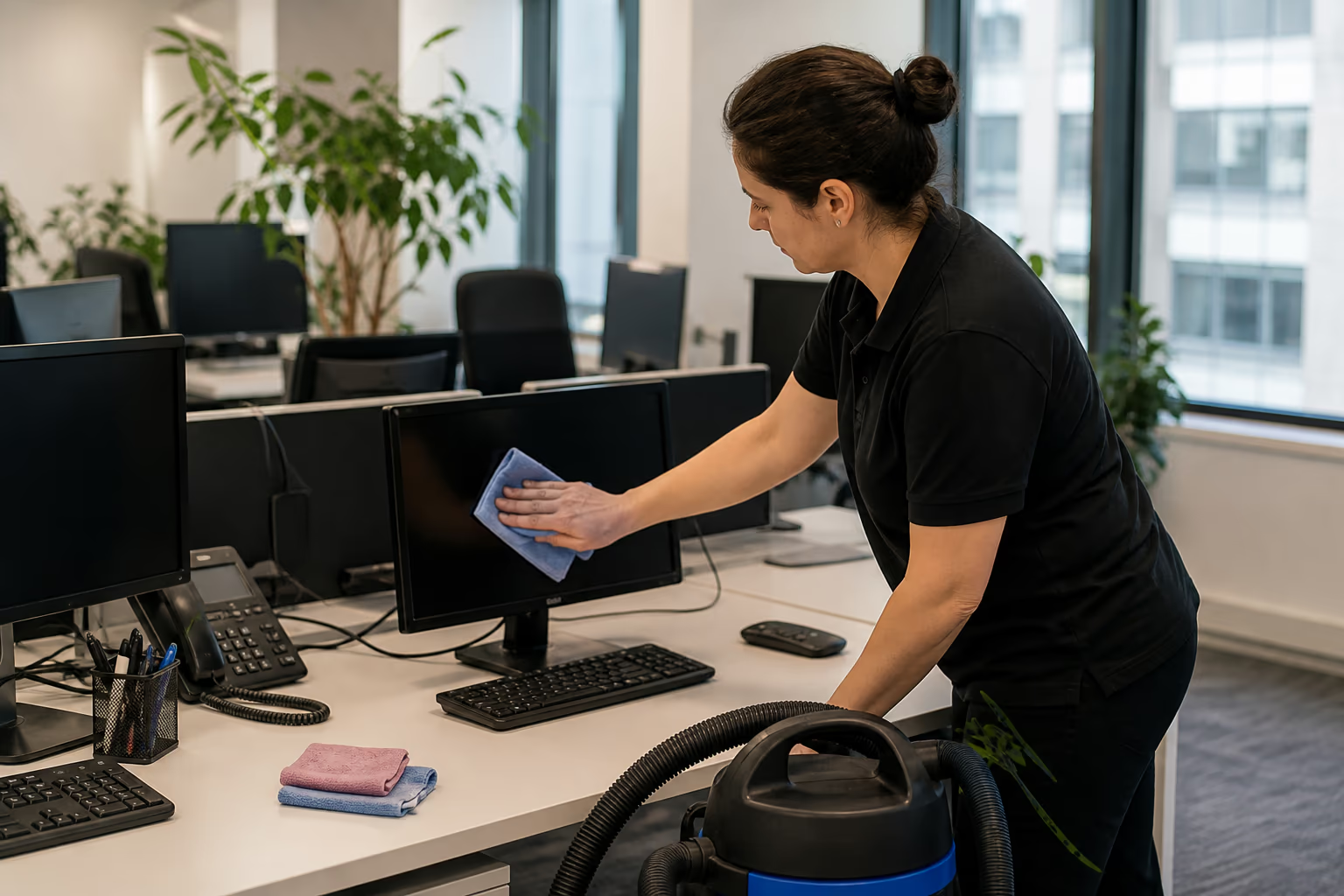
Quick Summary
Office dust returns fast, sometimes within days of dusting, because it comes from a handful of identifiable sources rather than nowhere. Once you understand those sources, the fixes are simple: this guide explains seven practical steps and the right tools that make a dust-free office last longer than a day or two.
In this guide
Why Office Dust Comes Back So Fast
The first thing to understand is that dust is not a single thing. It is a mixture of skin flakes, pet dander, pollen, dust mite waste, and the fine fibres shed by carpets, paper, and clothing. Because dust is made of so many sources, it is constantly being produced, which is why it reappears so quickly after a clean.
Health Canada's guidance points at method rather than effort: clean floors with a damp mop or cloth, and vacuum with a HEPA filter or a central system vented outdoors, so fine particles are captured instead of redistributed. Dust that reappears within a day is often dust that was never actually removed. Health Canada states it plainly: “The most effective way to improve your indoor air is to identify activities that can contribute to poor indoor air quality and remove or reduce the sources of indoor air pollutants.”
The air is the biggest carrier. Dust does not just fall onto surfaces; it drifts in the air and settles wherever the air goes quiet. Every time someone walks through the office, every time a printer runs, and every time the ventilation system starts, fine particles are pushed into the air and eventually settle on a surface. A room can look clean one evening and dusty the next morning purely because the air moved overnight.
Heating and cooling make it worse in Canada. In winter, dry indoor air keeps dust particles lighter and airborne for longer, so they float instead of falling. In summer, more outdoor dust comes in through open windows and doors, and construction and traffic outside add to the load. The seasons change where the dust comes from, but they never stop the supply.
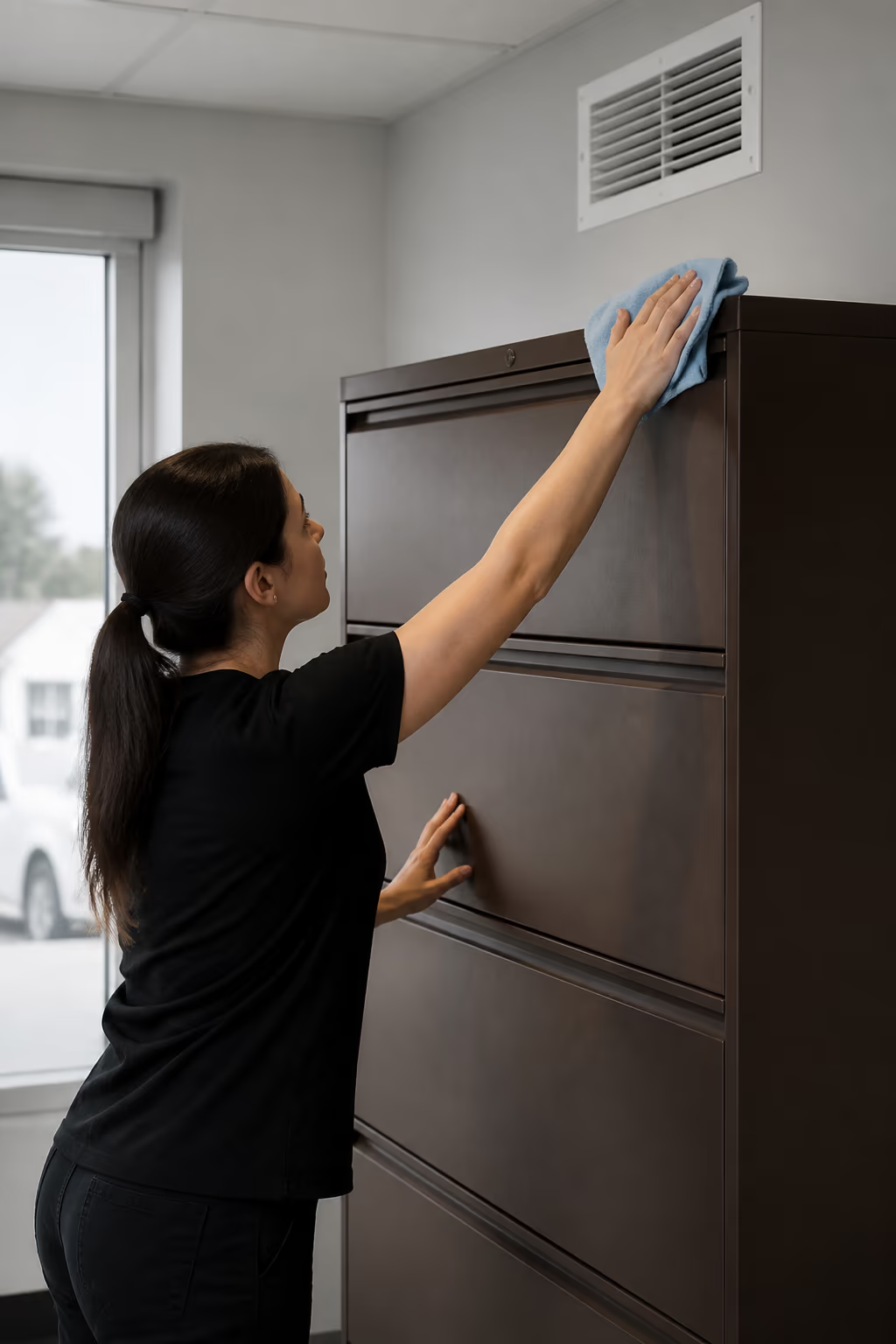
The final reason is simple geography: dust settles everywhere, and offices are full of places for it to land. Desks, monitors, keyboards, shelves, vents, blinds, and the tops of cabinets all collect a layer. A pass that cleans the visible surfaces but misses the shelves, the vents, and the undersides will look fresh for a day and then be covered again, because the dust that was not removed simply redistributes.
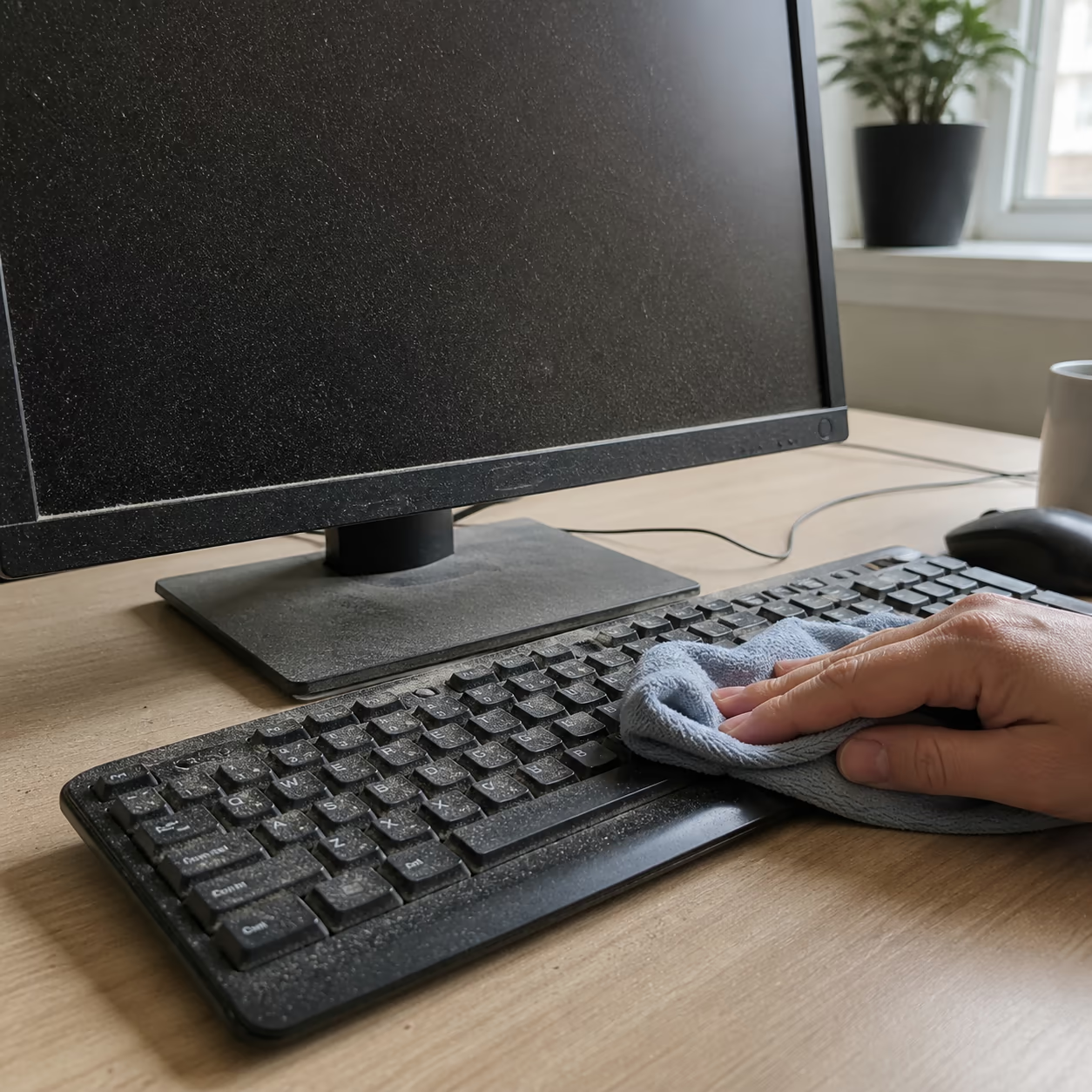
Where the Dust Is Coming From
To make dusting last, it helps to know where the dust enters and where it hides. Most office dust starts in one of a few places, and each source suggests a different fix.
Seven Fixes That Make Dusting Last Longer
These seven fixes address the sources rather than just the symptoms, which is why they last. Pick the ones that fit your office and combine them into a routine.
- 1.Use a slightly damp microfibre cloth instead of a feather duster. A dry duster flicks dust into the air, where it settles somewhere else, while a damp cloth traps particles in the fibres and holds them until you rinse it.
- 2.Dust from high to low. Start with shelves, vents, light fixtures, and the top of the monitor, then work down to the desk and floor, so the dust that falls during the pass lands on surfaces you have not cleaned yet.
- 3.Change and clean the air filters on schedule. A loaded filter lets dust recirculate through the office, so following the manufacturer's schedule keeps the air cleaner and the surfaces dust-free longer.
- 4.Use entry matting and keep it clean. A mat at the door traps a large share of the dirt and grit that would otherwise be carried through the office, and vacuuming it regularly keeps it working.
- 5.Declutter the desks and shelves. Dust settles on surfaces, so fewer surfaces mean less dust, and the surfaces that remain are quicker to wipe. Open shelving and stacks of paper are dust magnets.
- 6.Vacuum with a HEPA filter and the right attachments. A HEPA filter captures fine dust instead of releasing it back into the air, and the attachments reach vents, keyboards, and corners that a cloth cannot.
- 7.Wipe down electronics with a lint-free cloth on a schedule. Monitors, keyboards, and CPU towers collect dust that a daily pass misses, and keeping them clean protects both the air and the equipment.
These fixes work because they remove dust rather than move it, and because they address the sources that keep producing it. Apply them together and the office stays noticeably cleaner for much longer.
Tools That Remove Dust Instead of Moving It
The difference between a pass that lasts and a pass that disappears by morning is the tool. Many offices reach for whatever is closest, and end up pushing dust into the air where it simply settles again. The right tools change that.
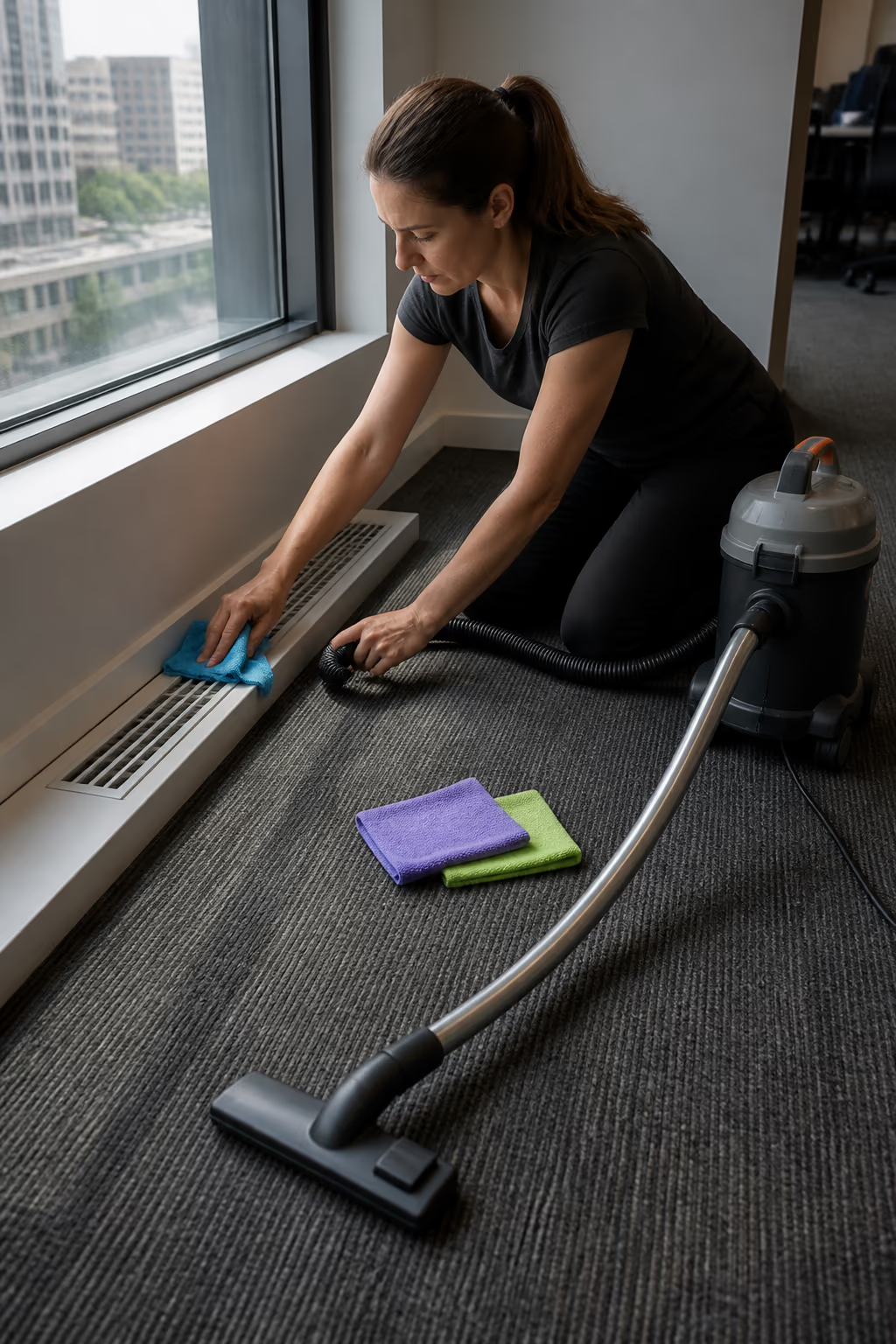
Microfibre cloths are the workhorse. Used slightly damp, they trap dust in the fibres and hold it until you rinse or launder the cloth. They work on desks, shelving, window sills, and most hard surfaces, and they avoid the sprays and chemicals that a feather duster cannot. Keep several on hand so you are always wiping with a clean side.
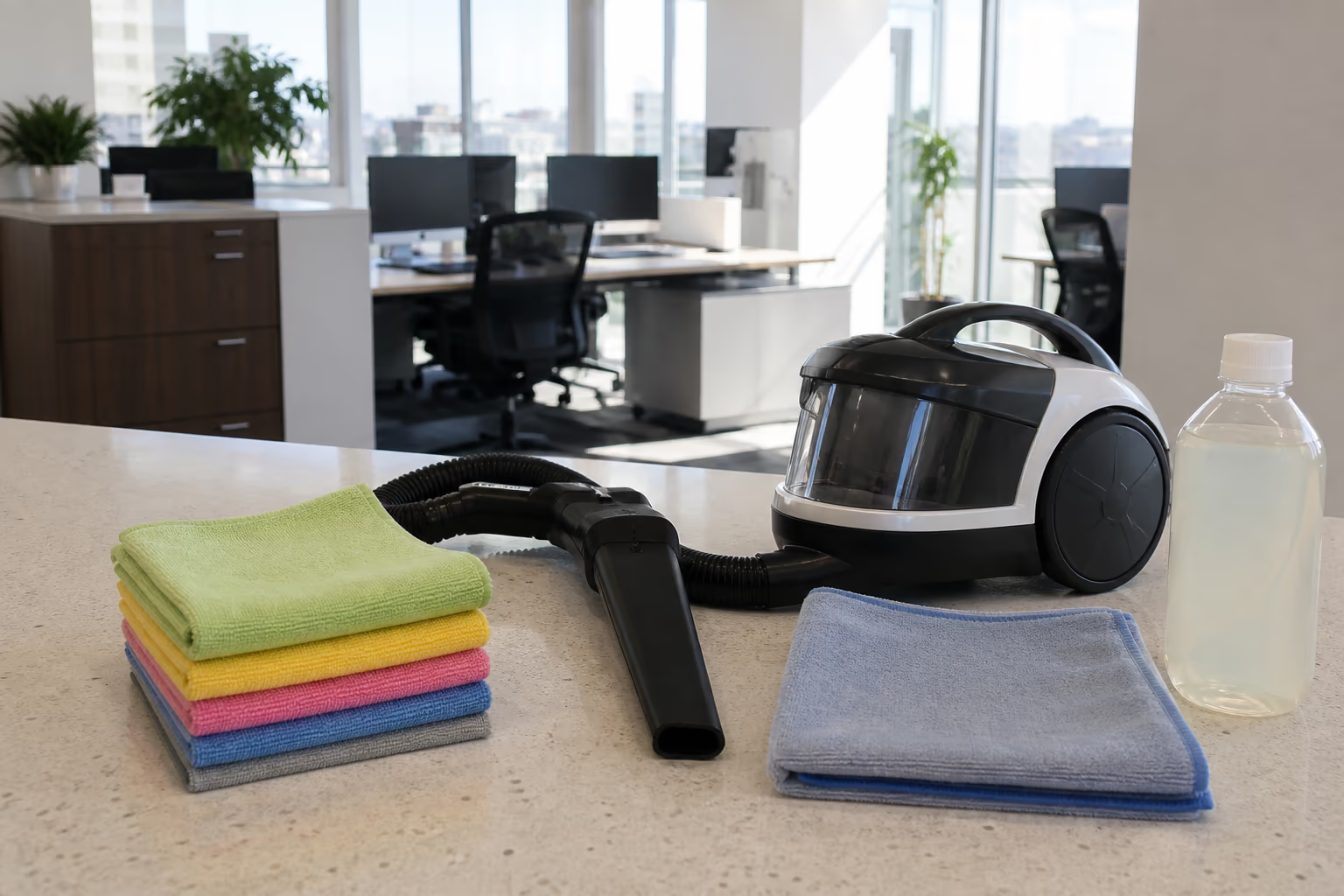
A vacuum with a HEPA filter earns its place in any office. It captures fine dust instead of blowing it back into the room, and with a brush and crevice attachment it reaches keyboards, vents, and the corners under desks. For the dust that a cloth cannot hold, a vacuum with the right filter is the tool that actually removes it.
For electronics and screens, use a lint-free cloth and the manufacturer's guidance. Avoid spraying liquid directly onto monitors or keyboards; apply the product to the cloth instead, then wipe. This protects the equipment while it removes the dust that makes screens look grey.
Keep the tools clean, or they stop working. A cloth that has gone grey spreads the dust it should be collecting, so rinse and launder cloths on a schedule and empty vacuum bags or canisters before they are full. Clean tools are the difference between removing dust and rearranging it.
Keeping Dust Down Between Cleanings
A dusting pass does not have to happen every day to keep an office clean, as long as the routine is smart. The goal is to slow the dust down so a weekly or bi-weekly pass is enough to stay ahead of it.
Air handling is the biggest lever. Change filters on the manufacturer's schedule, keep grilles and vents wiped, and consider the ventilation settings for the season. In winter, dry air keeps dust airborne longer, so surfaces need more frequent attention even when the building looks closed up. In spring, pollen drifts in through open windows, and in summer, outdoor dust arrives with traffic.
Decluttering is prevention in disguise. Dust settles on every surface, so open shelving, stacks of paper, and collections of personal items all add to the dust load and slow down the cleaning pass. Offices that keep surfaces clear find that both dusting and the general clean become faster and more effective.
The frequency depends on the office. A busy open-plan space with many people and heavy foot traffic collects dust faster than a small quiet practice, and an office near a construction site or a busy road sees more outdoor dust than one on a quiet street. Review the schedule when the office changes, because a routine that fits a two-person team will not keep up with a twenty-person one. High density workspaces such as call centres see even heavier foot traffic, and call centre cleaning for high density workspaces follows the same frequency-first approach to stay ahead of the dust.
Small daily habits also help. Wiping down the kitchen counter and the coffee station, emptying bins before they overflow, and keeping the entrance mats clean all reduce the dust that would otherwise find its way onto the desks. Prevention is not glamorous, but it is what makes the deeper pass last.
Building a Dust Routine That Matches Your Office
A dust routine works when it matches how the office is actually used. The goal is not to dust everything every day; it is to put the right effort at the right interval so the space stays consistently clean. A simple framework keeps it manageable. For a broader look at long-term upkeep, our guide on maintaining a dust free office environment expands on these ideas.
The daily pass covers the essentials: floors, touchpoints, and the surfaces people see every day. On a weekly basis, add the desks, monitors, keyboards, vents, and the shelves that collect dust between cleanings. Monthly attention is where the deeper dust lives: under furniture, behind computers, along baseboards, and on blinds, shades, and window sills. A monthly reset catches what the weekly pass misses and keeps the space from accumulating a layer that suddenly becomes obvious.
Tracking the routine can be as simple as a checklist posted in the supply closet or a shared task list. When the office knows who owns each pass and when it is due, the dust routine becomes a habit instead of a debate about whose turn it is. A short written plan also makes it easy for a cleaning partner to pick up exactly where the team leaves off.
The best routine is the one that survives a busy week. If a plan is too ambitious to follow, it will be abandoned, so start realistic and add tasks as the habit sticks. A consistent pass every week beats an ambitious plan that collapses under the first busy month.
What It Costs to Keep Office Dust Down
Keeping office dust in check does not have to be expensive, and the cost is mostly a matter of how much you do in-house and how much you hand to a professional. The good news is that the basics are affordable for most offices.
The tools are the cheapest part. A pack of microfibre cloths, a lint-free cloth for screens, and a vacuum with a HEPA filter and attachments cover most offices, and these are one-time purchases that last. Filters and cloths need replacing on a schedule, but they are routine supplies rather than large expenses.
The real cost is time. Dusting is not hard, but it takes a person and a schedule to do it consistently, and time is the resource most offices are shortest on. That is where the decision between an internal routine and professional help usually lands.
Professional dust control is priced by the size of the office, the frequency, and the scope, so there is no single number that fits every space. What matters is an itemised quote for the tasks you need and a schedule that suits your team. If you are comparing providers, our guide to comparing commercial cleaners is a useful starting point for the questions that matter, from training to how a company checks quality.
Formatted Step-by-Step Dust Control Checklist
This five-step checklist turns the fixes into a routine your office can follow. Adapt it to the size of the space and the amount of equipment in it.
- 1.Remove clutter from the surfaces you plan to dust. Clear the desks, shelves, and cabinet tops so you can reach the actual surfaces instead of dusting around objects.
- 2.Dust from high to low. Start with shelves, vents, light fixtures, and the top of the monitor, then work down to the desk, chair, and lower surfaces.
- 3.Use the right tool for each surface. Use a slightly damp microfibre cloth for hard surfaces, a lint-free cloth for electronics, and a vacuum with a HEPA filter for vents, keyboards, and tight corners.
- 4.Vacuum or sweep the floor last. Collect the dust that fell during the pass, and reach the corners, baseboards, and the spaces under furniture that a quick wipe misses.
- 5.Check the sources on a schedule. Change the air filters, clean the entry mats, and review the vents and grilles so the office is not dusting itself between passes.
- 6.For offices that want this standard kept every week, our professional office cleaning teams in Ottawa provide trained teams, proper equipment, and a routine built around your space.
FAQ
Why does dust come back so quickly in my office?
Dust is produced constantly by people, paper, printers, carpets, and the air itself. Dry Canadian winter air keeps dust airborne longer, and the ventilation system moves it around, so a layer can reappear within a day or two if the sources are not addressed.
What is the best cloth for dusting?
A slightly damp microfibre cloth traps and holds dust, while a dry cloth or a feather duster tends to push it into the air. Use a lint-free cloth on electronics and screens, where moisture could be a problem.
Should I dust or vacuum first?
Dust from high to low, then vacuum or sweep the floor last. Starting high and finishing on the floor collects the dust that falls during the pass instead of letting it settle back onto cleaned surfaces.
Do air filters really help with office dust?
Yes. A loaded filter lets dust recirculate through the office, so changing filters on the manufacturer's schedule and keeping grilles clean reduces the dust in the air and on the surfaces.
How often should I dust my office?
It depends on the office. Many offices do a daily pass on floors and touchpoints, a weekly dusting of desks, monitors, and vents, and a monthly reset of the deeper areas. Busy offices or those near construction may need more.
Does winter make office dust worse?
Winter heating dries the indoor air, which keeps dust particles lighter and airborne longer, and windows stay shut, so there is less fresh air mixing in. That is why offices often notice more dust on surfaces during the heating season.
When should I bring in a professional for dust control?
Consider professional help when the dust has built up beyond a routine pass, when the office has high ceilings or hard-to-reach vents, or when allergies or equipment issues make a thorough reset worthwhile. A clear scope and an itemised quote help set expectations.
Can dusting really help with allergies at work?
Yes. Removing dust from surfaces reduces the amount that stays airborne, and keeping filters and vents clean lowers the particles people breathe. For employees with allergies or asthma, a consistent dusting routine makes a noticeable difference.
Wrapping Up
Office dust comes back fast because it is constantly being produced, by people, paper, printers, carpets, and the air itself. The fixes are simple once you understand the sources: remove dust instead of moving it, change the air filters, use entry matting, declutter, and keep a routine that matches how the office is used. When the routine is more than your team can carry, a professional cleaning partner can keep it on track. Contact Good Cleaner Co. for a free quote and a cleaning plan built around your office and your schedule.
Keep reading
More from Good Cleaner
Services that fit
- Professional Office Cleaning Services in OttawaOffice cleaning services in Ottawa for corporate offices, clinics and professional suites. After-hours scheduling, eco-friendly products, free quote.
- Janitorial Services in OttawaRecurring janitorial services in Ottawa for offices, warehouses, retail, dealerships and schools. Eco-friendly commercial cleaning, customized plans.
About the author
Service areas
- Ottawa
- Kanata
- Nepean
- Orléans
- Barrhaven