
DIY Products for Eco-Friendly Cleaning: Non-Toxic Household Recipes
Most of what a commercial cleaning spray does, you can do at home with ingredients you can buy in bulk for a fraction of the price. This guide walks through the environmental case for making your own cleaners, five recipes that actually work, and the honest limits of DIY products, so you know when they are the right tool and when it makes sense to call in a professional team.
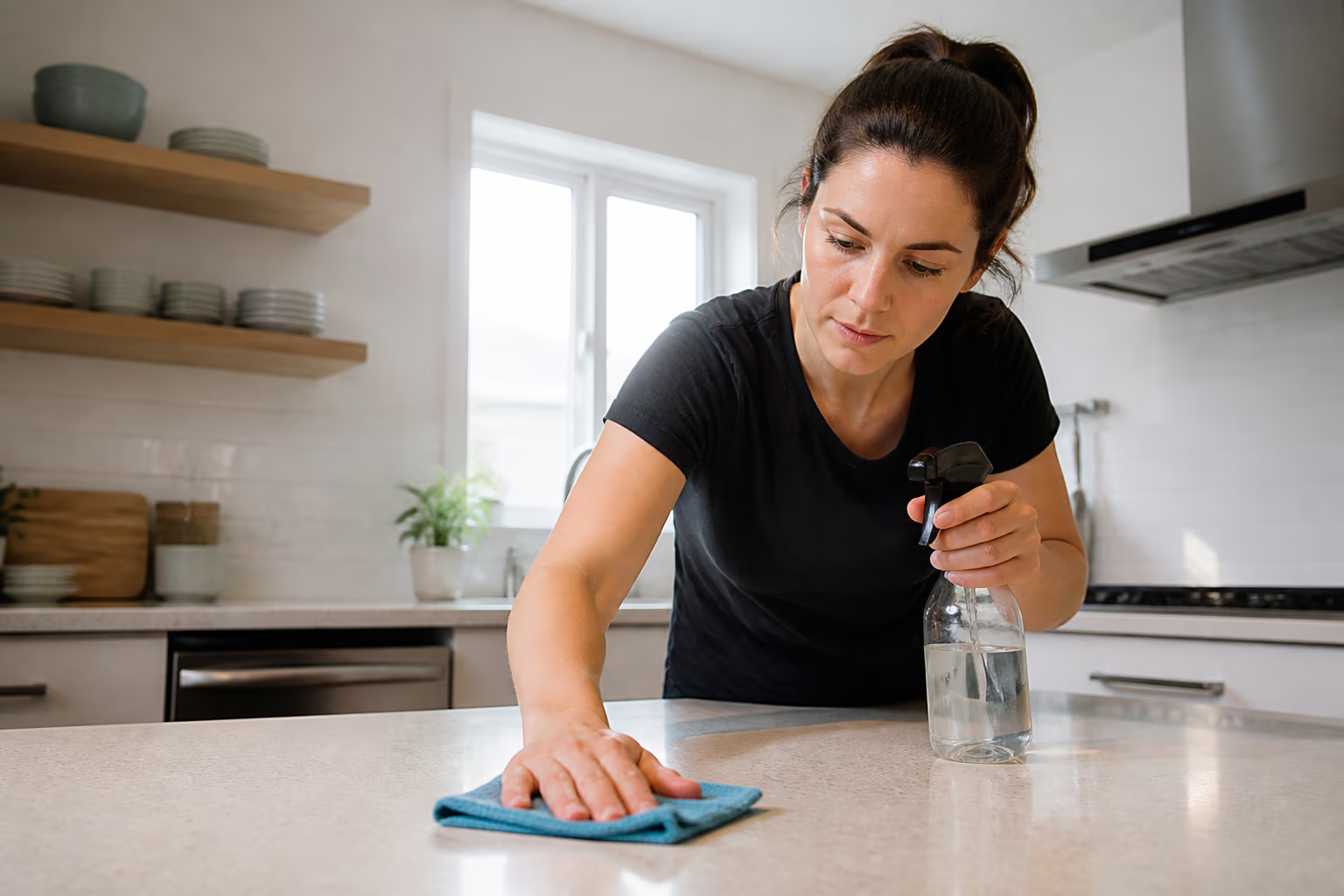
Quick Summary
You can replace a whole shelf of single-use sprays with a handful of recipes made from vinegar, baking soda, castile soap, and a few essential oils. This guide explains why DIY eco-friendly cleaners are easier on your wallet and the environment, gives you five simple recipes, and covers the bottles, storage, and safety habits that make them last.
In this guide
The Environmental Impact of Single-Use Chemical Cleaners
The cleaning aisle is full of products that do one narrow job, come in a single-use plastic bottle, and end up in the recycling bin or landfill within weeks. Across a year, a household can go through dozens of these bottles, most of them mostly water.
There is an indoor cost as well as an environmental one. Health Canada's indoor VOC guidance lists cleaning products and air fresheners among the household sources of volatile organic compounds, so what you stop buying changes the air inside the house too. Health Canada also keeps the risk in proportion: “For most VOCs, levels found in indoor air in Canadian homes do not usually pose a significant health risk.”
The ingredients themselves also travel. Synthetic surfactants, artificial fragrances, and chemical preservatives wash down household drains and end up in municipal wastewater, eventually reaching local waterways. A simpler pantry approach means fewer plastic bottles, less synthetic chemistry, and less energy spent manufacturing and shipping all that water.
That is not to say every homemade cleaner is automatically perfect. The point is that a small set of well-chosen ingredients, used correctly, covers most of the everyday cleaning a home needs, with a fraction of the packaging and a much gentler footprint.
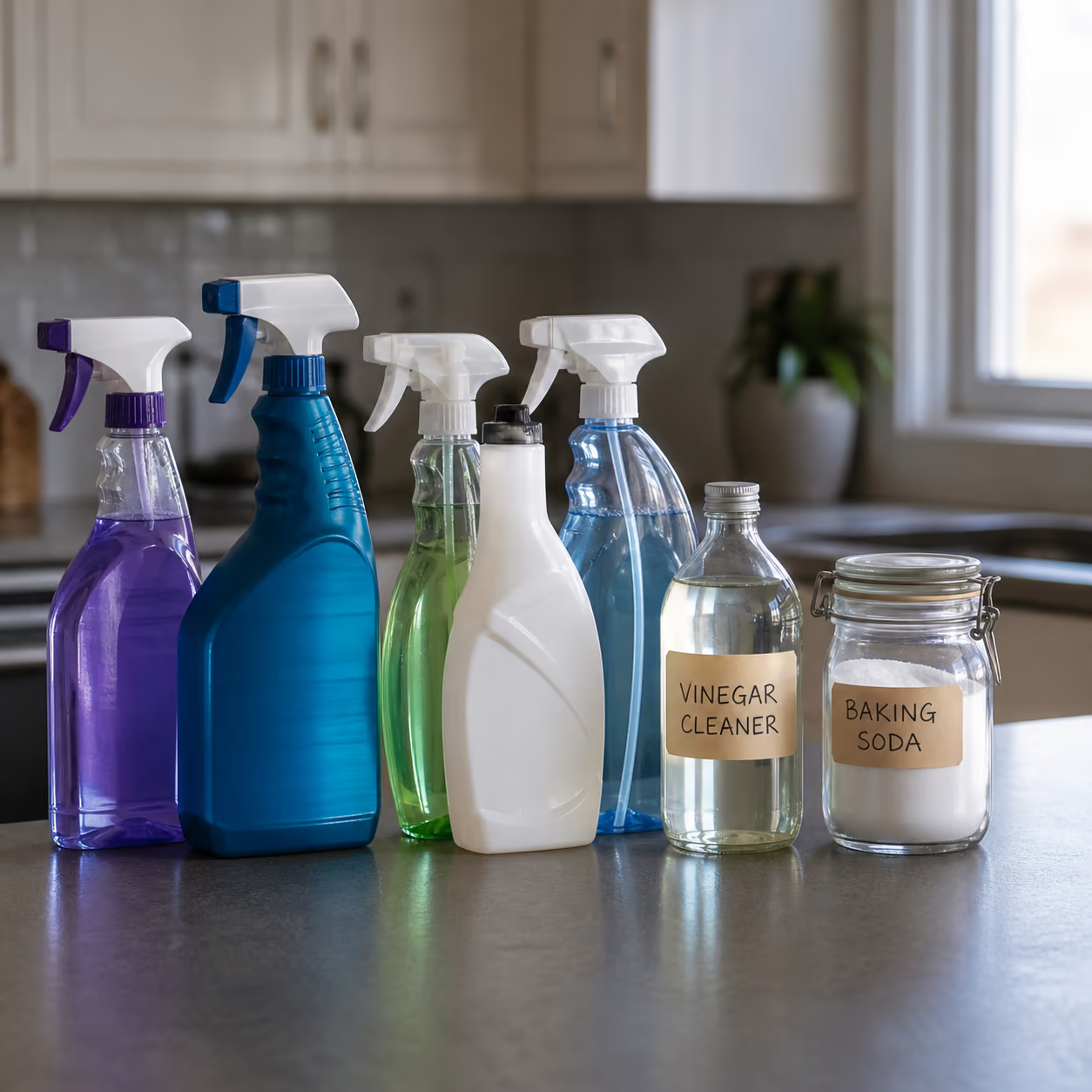
5 Essential DIY Eco-Friendly Cleaning Recipes
Formulate these five green cleaning products at home:
How Each DIY Recipe Actually Works
A recipe is only useful if you know what it is doing and where it works best. Here is the honest breakdown of the five formulas above.
The citrus vinegar spray leans on two things at once. The vinegar is a mild acid that dissolves mineral deposits and soap scum, while the citrus peels contribute natural d-limonene, a plant-based solvent that helps cut grease. That combination makes it a solid daily spray for counters, sinks, and fixtures.
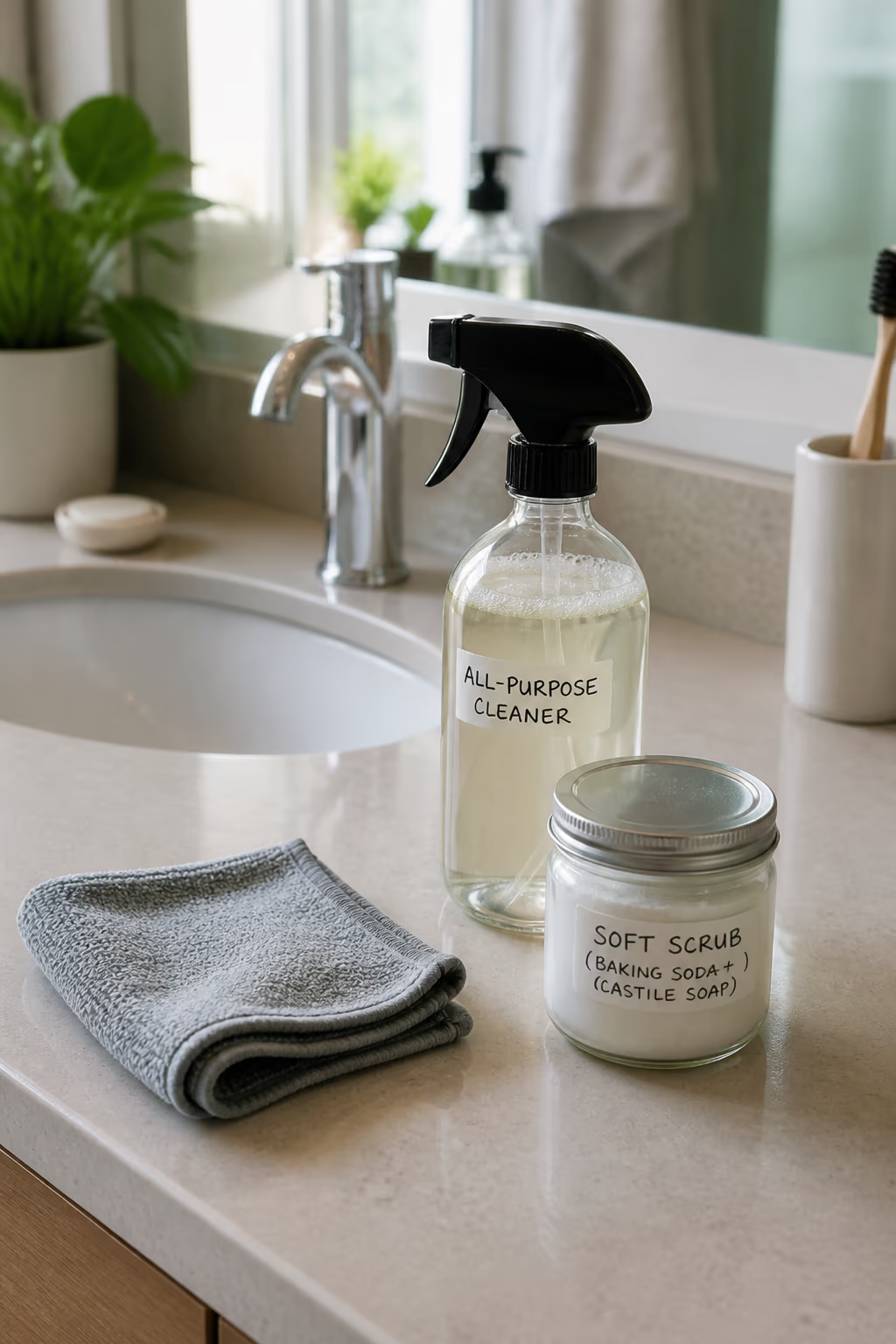
The soft scrubbing paste is all about gentle abrasion. Baking soda is soft enough not to scratch porcelain, fibreglass, or acrylic, while the castile soap lifts oily grime and the glycerin keeps the paste from drying out into a brick between uses. Our diy soft scrub an eco friendly cleaning solution guide walks through the full recipe and application steps in more detail.
The wood and floor wash keeps things simple on purpose. Castile soap is a plant-based surfactant that lifts everyday dirt, and a drop of tea tree oil adds a pleasant natural scent. Because the mix is pH-neutral, it is gentler on sealed floors than harsher all-purpose cleaners.
The glass and mirror cleaner uses alcohol, which evaporates quickly and leaves almost no residue behind. The vinegar helps cut hard-water film, and because you make it in a reusable glass bottle, you skip both aerosol cans and single-use plastic.
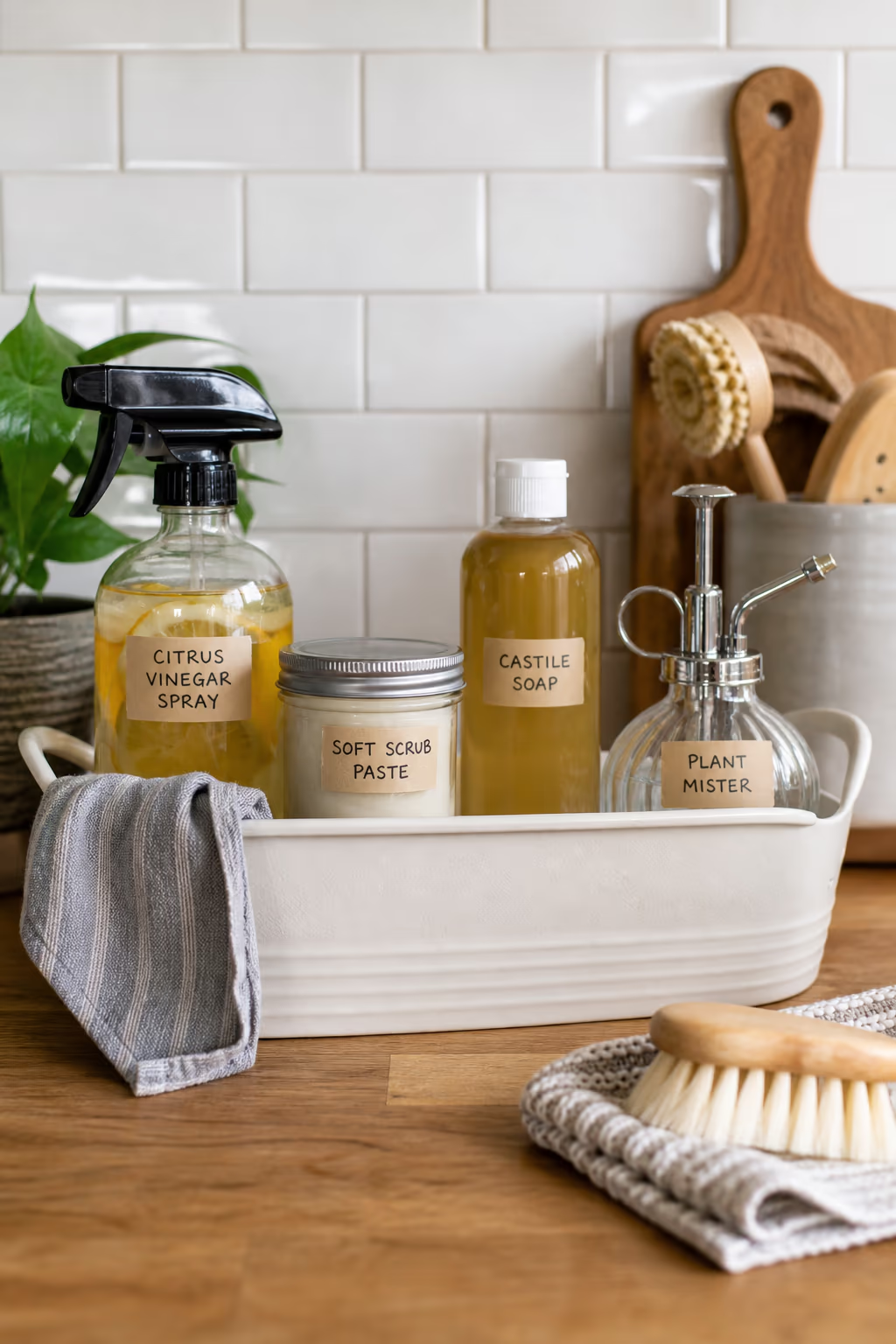
Bottles, Storage, and Safe Handling
How you store your homemade cleaners matters almost as much as the recipe. Glass spray bottles are the best choice for vinegar and citrus mixes, because the acid can slowly degrade soft plastics over time and glass keeps the solution stable for much longer. Label every bottle clearly, and keep all cleaning products out of the reach of children and pets.
A few simple habits keep your DIY cleaners effective. Keep citrus-infused vinegar in the fridge between uses if you steep the peels, and strain them out before bottling. Store hydrogen peroxide in its original dark bottle, out of sunlight, because light breaks it down. Write the date on each bottle and make smaller batches so you are always working with fresh solution.
The Cost of DIY vs Store-Bought Cleaners
It is fair to ask whether making your own cleaners actually saves money, because the eco-friendly aisle at the store is rarely the cheapest option. The honest answer is that DIY is cheaper, but only when you buy the right base ingredients and use them across several recipes.
A box of baking soda, a jug of white vinegar, and a bottle of castile soap cost a few dollars each, and together they replace dozens of single-purpose sprays. When you price it per use, a homemade spray costs pennies compared with a commercial product that is mostly water, fragrance, and packaging.
The savings grow when you add reusable tools. Microfibre cloths replace rolls of paper towels, glass spray bottles replace single-use plastic, and a simple cleaning caddy keeps everything in one place so you are not buying a duplicate of something you already own. Over a year, the difference is easy to see.
Zero-Waste Cleaning Habits That Add Up
Going further down the zero-waste path is mostly about habits, not new products. Small changes in how you clean reduce what you throw away without adding any extra work.
Use old cotton t-shirts as dusting cloths instead of buying disposable wipes, and cut worn-out towels into rags for the messier jobs. Refill the same glass spray bottles instead of buying new ones, and keep one caddy with your bulk ingredients so you are never tempted to grab a single-use product for a small job.
When you do finish a commercial product, choose refills or larger containers over small single-use bottles. Our eco friendly commercial cleaning products canada 2 guide covers similar refill and bulk-buying strategies for office and business settings. And remember that the most eco-friendly cleaner is the one you already have in your cupboard, so try a recipe before you buy another spray.
Formatted Step-by-Step Green Cleaning Transition Checklist
Follow this checklist to transition your home to eco-friendly cleaning:
- Step 1.Swap Single-Use Paper Towels for Reusable Microfibre Cloths:Microfibre cloths trap dirt electrostatically and can be washed hundreds of times before they wear out.
- Step 2.Replace Aerosol Cans with Glass Spray Bottles:Glass bottles prevent chemical leaching and eliminate propellant aerosol gas emissions.
- Step 3.Formulate All-Purpose Citrus Vinegar Spray in Glass Jars:Steep citrus peels in white vinegar for about two weeks, then strain and dilute into reusable spray bottles.
- Step 4.Use Sodium Carbonate (Washing Soda) for Heavy Kitchen Grease:Washing soda provides stronger alkaline grease-cutting power than baking soda for the toughest stovetop and oven messes.
- Step 5.Scent Cleaning Products with Pure Botanical Essential Oils:Use lavender, tea tree, or peppermint oils instead of synthetic fragrance oils to keep the scent natural.
- Step 6.Contracting professional residential home cleaning services in Ottawa through Good Cleaner Co. guarantees sustainable home maintenance with trained, green-minded technicians.
Green Cleaning Across Ottawa's Neighbourhoods
These DIY recipes travel well across the city, whether you live in a high-rise in Centretown, a townhouse in Kanata, or a family home in Barrhaven. Homes in older areas like Old Ottawa South and Sandy Hill often have original woodwork and stone that appreciate the gentler chemistry, while newer builds in Orleans have the same everyday grime that vinegar and baking soda handle so well. Wherever you are in Ottawa, the recipes are the same, and the smaller footprint helps everyone downstream.
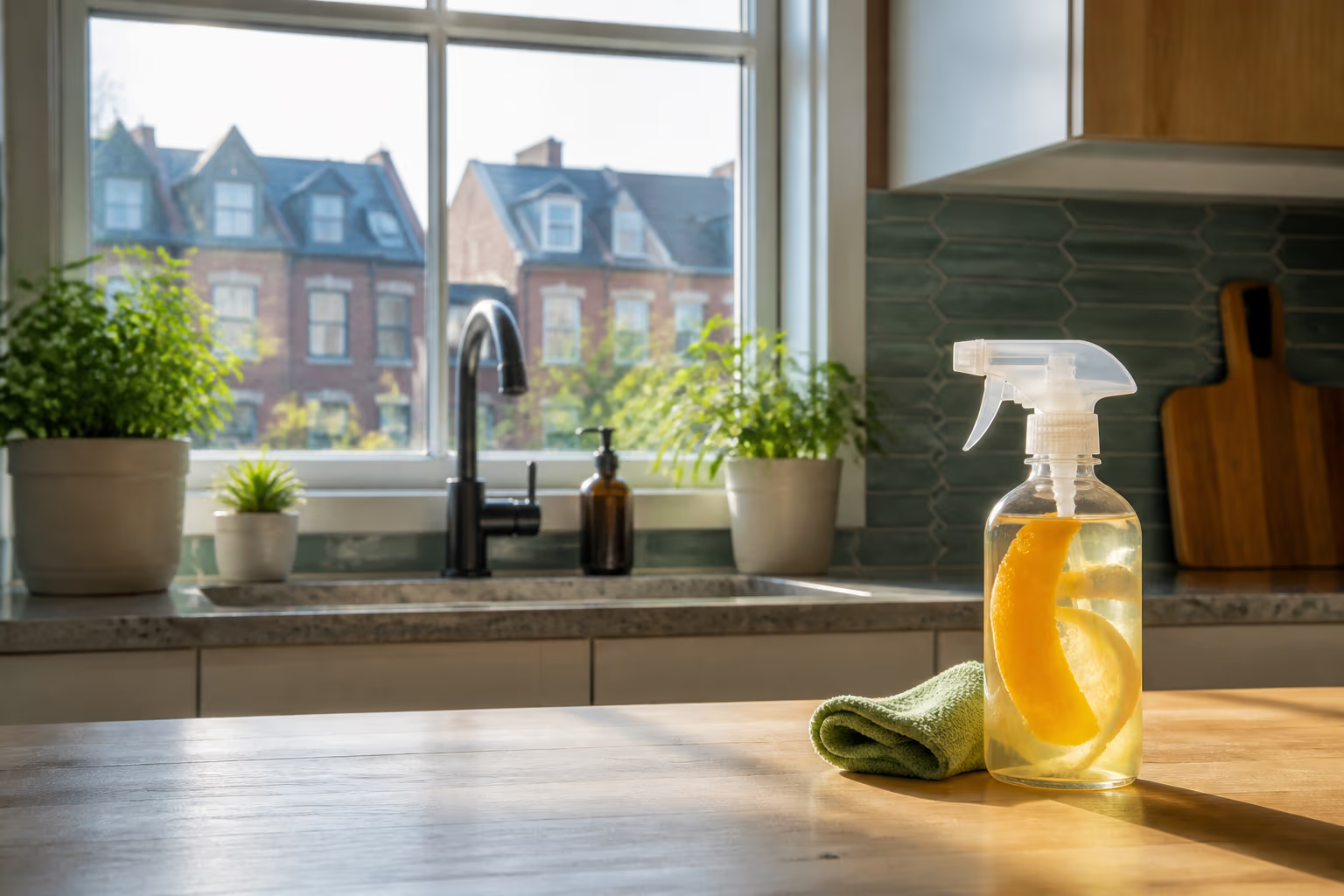
Put Diy products eco friendly cleaning Into a Sensible Routine
Use the method in this guide with the surfaces and ingredients you actually have. Start with a small test area, keep product labels and care instructions in view, and stop if a finish changes. A useful home-cleaning routine is specific enough to follow on a busy day and gentle enough not to create a repair job.
Keep the result practical: a room that is easier to use and a method you can repeat safely.
Adjust the Method to the Conditions
Diy products eco friendly cleaning is not a fixed recipe for every home. Change the approach when the material, amount of residue, room ventilation, pets, children, or access changes. Work in small sections, use fresh water or cloths when they are dirty, and avoid combining products in a bottle, bucket, or drain.
Ottawa weather can change what enters a home on footwear or how quickly a room dries, but surface care still depends on the actual material and condition. Deal with moisture, damaged seals, and recurring marks as maintenance questions instead of escalating to stronger products.
Check the Result Before Adding More Product
Look at the area in normal light and decide whether the task is finished, needs another careful pass, or points to a problem cleaning cannot solve. A clear note or photograph can help when you need to explain a recurring issue to a landlord, manufacturer, repair person, or pest professional.
Pause for product-specific, electrical, plumbing, damage, pest, or health concerns. Follow the product label and responsible authority's instructions, and seek qualified help where appropriate. A DIY cleaning guide cannot replace a repair assessment or professional health advice.
Matching DIY Cleaners to Each Room
The recipes in this guide are most useful when you know which room they suit best. Here is how we would use them across a typical Ottawa home.
In the kitchen, the all-purpose citrus vinegar spray handles daily counter wipes, the soft scrub is excellent for the stainless steel sink and stovetop, and a heavier dose of washing soda cut with hot water takes on the oven racks and greasy range hood.
In the bathroom, the soft scrub is the workhorse for tubs, sinks, and tiles, while the glass and mirror cleaner keeps the mirror and shower doors streak-free. A weekly vinegar rinse on faucets keeps mineral scale from building up in hard-water homes.
In the living room and bedrooms, the floor wash is gentle enough for sealed hardwood and laminate, and the citrus spray works well on window sills, door frames, and switch plates. A light dusting with a microfibre cloth and a monthly vinegar wipe on baseboards keeps dust from settling between deep cleans.
The key is to keep the bottles you actually use in the room where you use them. A small caddy with the soft scrub, a cloth, and the glass cleaner under each bathroom sink means you clean when you notice the mess, instead of putting it off until you feel like hauling supplies across the house.
A Practical Product-Choice Note
Choose a product for the surface and task, not for a colour, scent, or marketing word on the bottle. Read the label, keep the original container, and test an unfamiliar product on a small hidden area. Using less product and avoiding waste are worthwhile, but they do not replace the care instructions for stone, wood, fabric, electrical items, or food-contact surfaces.
FAQ
What is the difference between castile soap and conventional liquid dish soap?
Castile soap is made from saponified plant oils such as olive and coconut oil, so it is biodegradable and free of the synthetic petroleum-based surfactants found in many conventional soaps.
Can I store DIY eco-friendly cleaning products in plastic bottles?
You can, but glass is better for the long run. High-concentration essential oils and acidic vinegar can slowly degrade soft plastics over time, and glass keeps the solution stable and easy to clean between batches.
How do DIY green cleaning products help protect the Ottawa River?
Plant-based ingredients like vinegar, baking soda, and castile soap break down quickly in municipal wastewater treatment, which keeps synthetic surfactants and fragrances from building up in local waterways.
Is homemade citrus vinegar spray strong enough to cut kitchen grease?
For everyday grease, yes. The combination of acid and citrus d-limonene dissolves light oil film well. For a heavily baked-on stovetop or oven, you will still want a dedicated degreaser or a professional deep clean.
Do I need to use essential oils in every recipe?
No. Essential oils mainly add scent and, in some cases, a mild antimicrobial note. If you prefer fragrance-free cleaning, simply leave them out and the recipe still works.
Are DIY cleaners as effective as commercial disinfectants?
For everyday cleaning, they are excellent, but they are not registered disinfectants. When you need true disinfection, use a product with a Health Canada DIN and follow the label's contact time.
How often should I make a fresh batch of citrus vinegar spray?
A small batch every few weeks works well. The vinegar itself keeps for months, but the citrus infusion tastes its best, so to speak, when fresh, and smaller batches mean you are always using something that still smells bright.
Is baking soda-based soft scrub safe for my bathtub finish?
Yes, for porcelain, fibreglass, and acrylic tubs, when you use a soft cloth and rinse well. Avoid harsh metal scouring pads and always test an inconspicuous spot on any unfamiliar surface.
Can these recipes replace my whole cleaning cupboard?
For most everyday jobs, yes, with a few exceptions. You will still want a proper disinfectant for illness, a degreaser for heavy kitchen build-up, and a professional service for carpets, deep cleans, and move-out sanitation. For jobs beyond DIY, eco friendly cleaning services Ottawa providers use many of these same plant-based principles at a larger scale.
Will homemade cleaners save me money?
Generally yes. A box of baking soda, a jug of vinegar, and a bottle of castile soap cost a fraction of the sprays they replace, and because you buy them in bulk, you cut both the price per use and the plastic waste.
Wrapping Up
Making your own eco-friendly cleaners is one of the simplest ways to cut plastic waste, save money, and keep your home genuinely clean with a handful of honest ingredients. When you need a deeper clean, a professional carpet treatment, or a full seasonal refresh, Good Cleaner Co. is here to help with green-minded, professional home cleaning in Ottawa. Contact Good Cleaner Co. today to book professional home cleaning services in Ottawa.
Keep reading
More from Good Cleaner
About the author
Service areas
- Ottawa
- Kanata
- Nepean
- Orleans
- Barrhaven