
Cleaning vs. Sanitizing vs. Disinfecting: The Official Hygiene Spectrum Guide
Whether you manage an office, run a clinic, or simply want a healthier home, the words on a cleaning product label matter more than most people realise. Cleaning removes soil, sanitizing reduces germs to a safe level, and disinfecting inactivates pathogens on hard surfaces. We explain the practical difference, the rules that make disinfection work, and how Good Cleaner Co. applies all three tiers across our commercial janitorial services in Ottawa.
Quick Summary
Cleaning, sanitizing, and disinfecting are three different jobs, and understanding the difference is what separates a genuinely hygienic facility from one that simply looks clean. This guide explains each tier in plain language, when to use which, how dwell time and Health Canada registration fit in, and how to build a routine that keeps homes and workplaces across Ontario genuinely safe. The federal advice starts at the shelf: “When you are buying a household chemical product, read the label to determine its ingredients and any special handling instructions.”
In this guide
Defining the 3 Tiers of Environmental Hygiene
Environmental hygiene is best understood as a spectrum, with each tier doing a different job.
Cleaning is the physical removal of dirt, dust, grease, and organic debris using detergent, water, and friction. It does not claim to kill germs, but it removes the film that germs hide in and grow on.
Sanitizing reduces the number of germs on a surface to a level that public health considers safe. It is the middle tier, and it is the right choice for surfaces that touch food.
Disinfecting goes a step further and inactivates viruses, bacteria, and fungi on hard, non-porous surfaces. It is the strongest tier, and it is required wherever the risk of infection is highest.
The order always matters: cleaning comes first, because a disinfectant cannot do its job through a layer of dirt.
Cleaning: Physical Removal First
Cleaning is the workhorse tier, and it is easy to undervalue.
That tier is also the safest. Health Canada tells users to read the label and follow the instructions, ventilate while working, and never mix household chemical products, because some mixtures produce harmful gases. Physical removal needs none of those precautions, which is part of why it comes first.
Every surface in your home or facility collects a layer of soil made up of dust, dead skin cells, food residue, and the oils from hands. Left alone, that layer is not just unattractive; it actively shelters microorganisms and makes the next tier less effective.
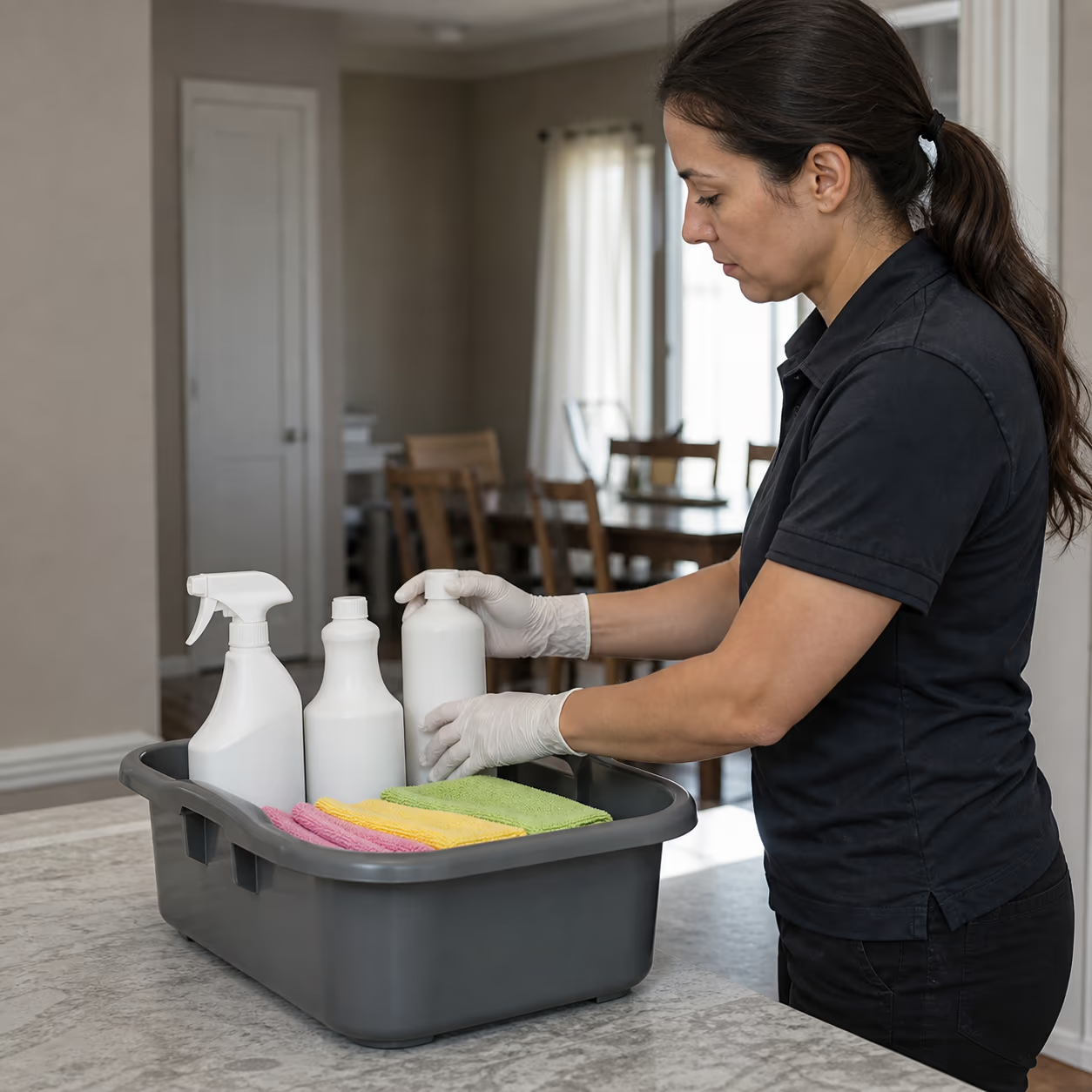
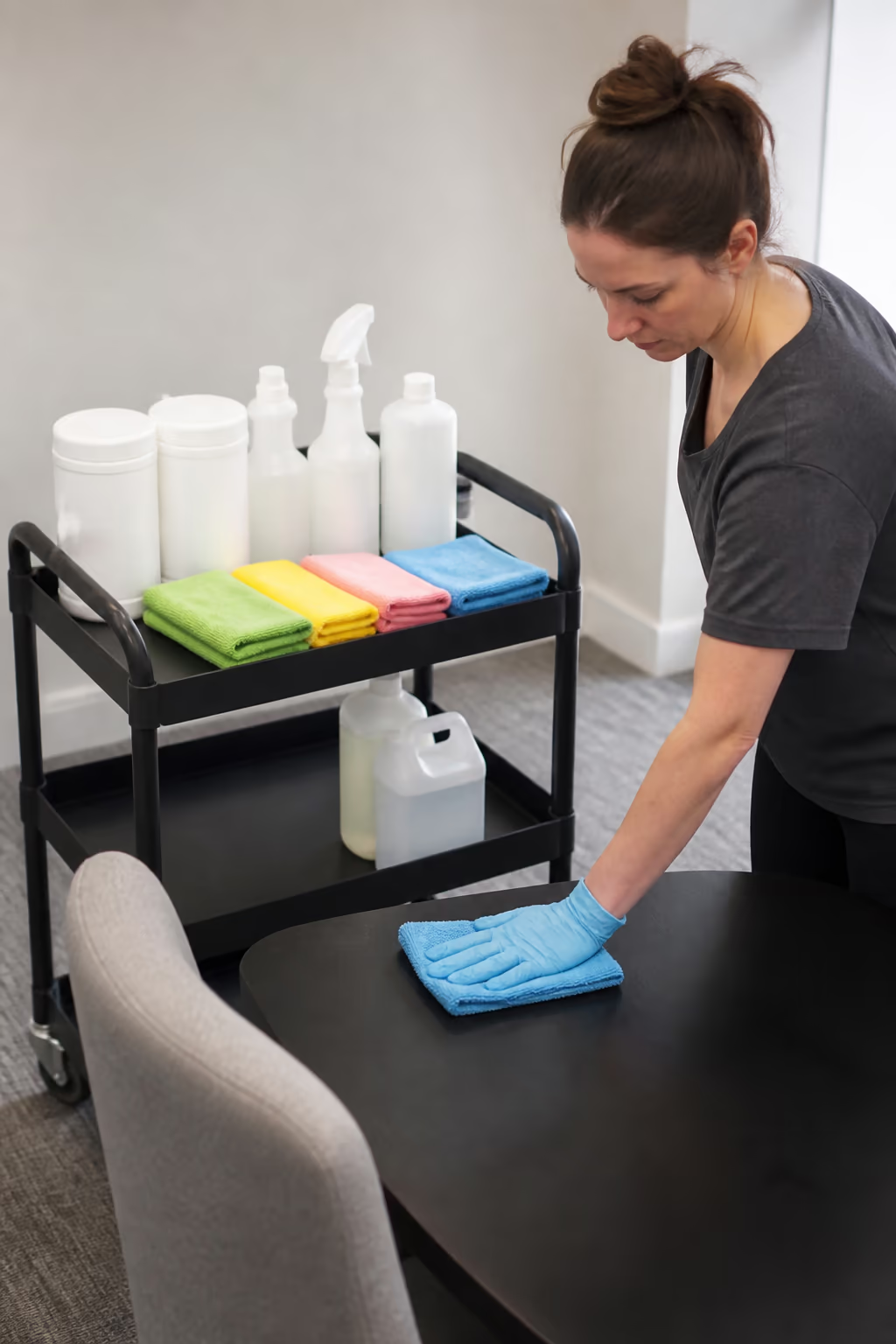
A good cleaning pass combines a detergent that lifts soil with a colour-coded microfibre cloth that captures it rather than pushing it around. The cloth does the work that plain water cannot.
Daily cleaning of high-traffic areas like kitchens, washrooms, entryways, and desks keeps the base layer under control so that weekly sanitizing and targeted disinfection stay effective.
Sanitizing: The Middle Tier for Food-Contact Surfaces
Sanitizing sits between cleaning and disinfecting, and it has a very specific job.
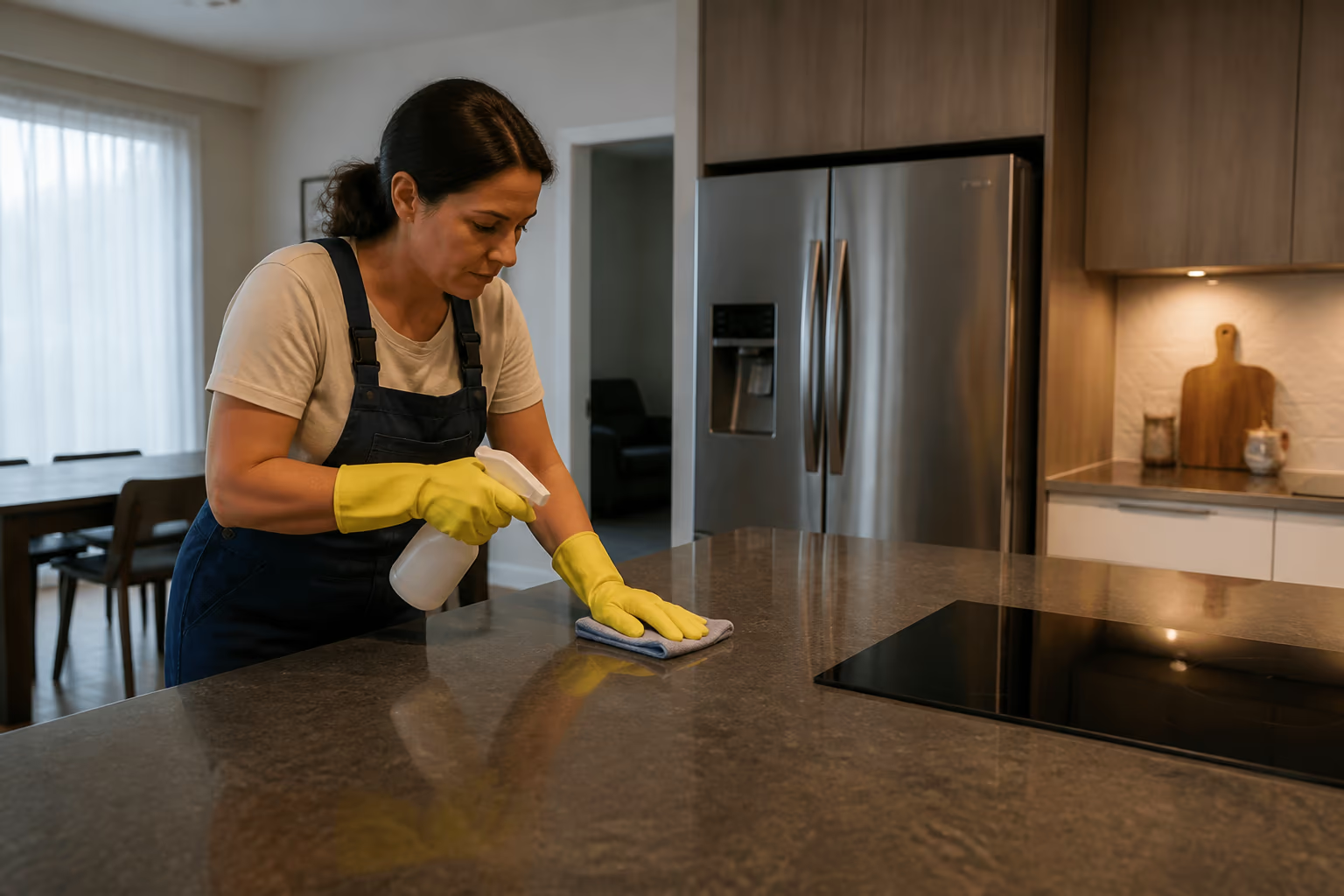
Food-contact surfaces such as kitchen counters, prep tables, cutting boards, and high chairs come into contact with what we eat and drink. On these surfaces, a strong disinfectant can leave residues you do not want near food. A food-safe sanitizer reduces germs to a safe level without that concern.
Most food-safe sanitizers work quickly, which makes them practical for busy kitchens and restaurants where surfaces need to be treated between tasks.
For home kitchens and commercial food service alike, the rule is simple: wash the surface, apply the sanitizer, let it sit for the time on the label, and allow it to air dry or follow the label's rinsing instructions.
Disinfecting: Inactivating Pathogens on Hard Surfaces
Disinfecting is the tier you reach for when the stakes are highest.
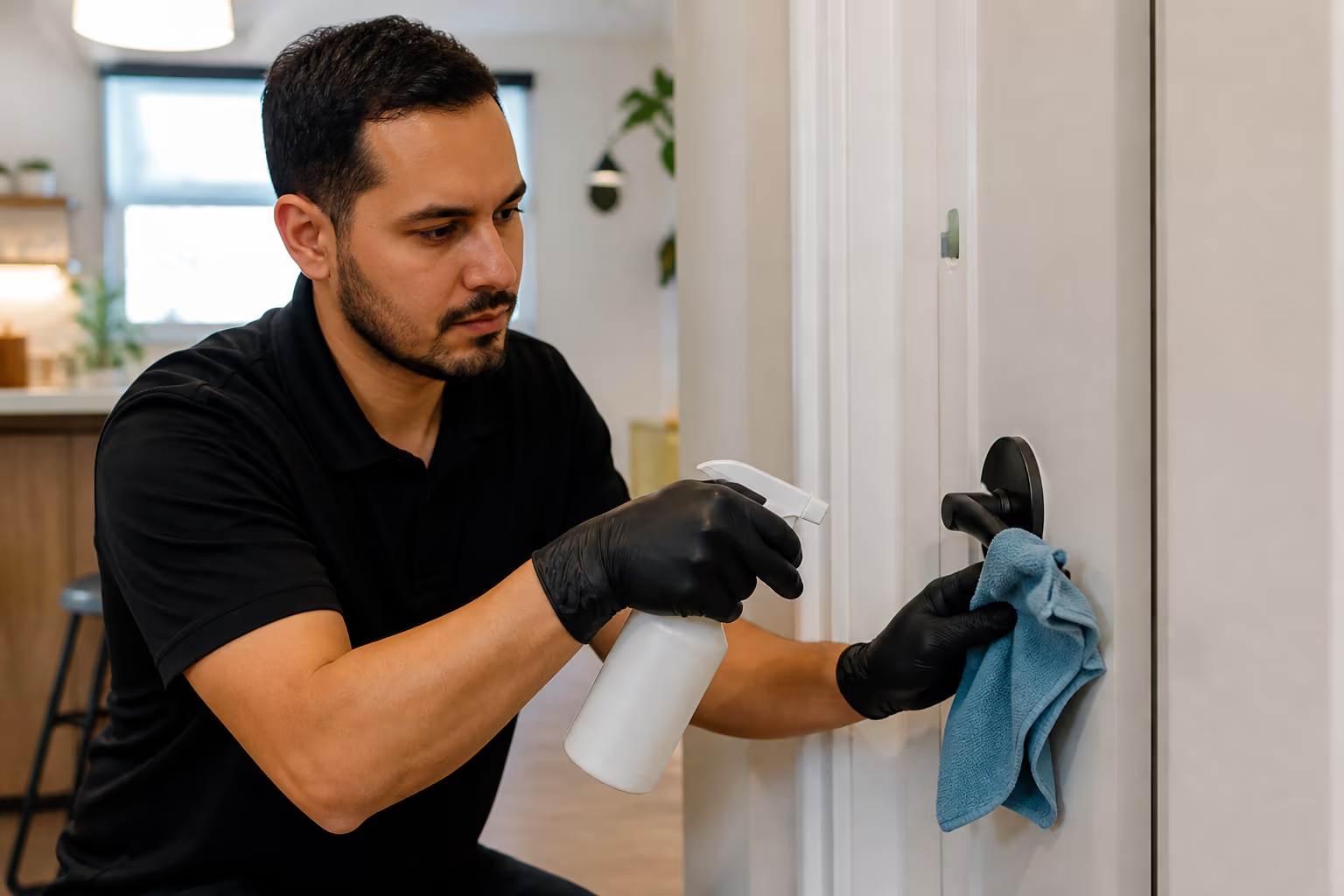
High-touch points like door handles, light switches, phones, keyboards, elevator buttons, and washroom fixtures are touched constantly and can carry viruses and bacteria from person to person. Disinfecting inactivates those pathogens on hard, non-porous surfaces.
The word "inactivate" is important. Disinfection does not necessarily remove dirt, and it only works on surfaces that have been cleaned first. A disinfectant applied over soil can miss the very germs it is meant to control.
Disinfecting is especially important in healthcare settings, schools, gyms, and any facility where people who are vulnerable to illness gather.
Chemical Dwell Times & Health Canada DIN Regulations
Disinfectants need time to work, and that time is called dwell time or contact time.
| 1. Cleaning Precedes Disinfection | Disinfectants cannot penetrate dirt or organic biofilm, so surfaces must be cleaned first. |
|---|---|
| 2. Dwell Time Is Non-Negotiable | Most disinfectants require 3 to 10 minutes of wet contact time to inactivate viral and bacterial pathogens. |
| 3. Health Canada DIN Registration | Disinfectants sold in Canada that make germ-killing claims must carry a valid 8-digit Drug Identification Number (DIN) issued by Health Canada. |
| 4. Reviewing our guide to making a citrus cleaner offers a natural, residue-free option for everyday surface cleaning between professional visits. |
Most disinfectants require several minutes of visibly wet contact to inactivate viruses and bacteria. If the surface is wiped dry too early, the product does not finish the job. Reading the label and following the stated dwell time is the single most common step people skip.
Two regulatory details matter for anyone buying disinfectants in Canada:
Choosing the Right Product for Each Surface
Not every surface needs the same product, and using the wrong one can cause damage.
Hard, non-porous surfaces like glass, stainless steel, and sealed counters can handle disinfectants. Porous surfaces like unfinished wood, fabric, and upholstery cannot be disinfected the same way, so they rely on cleaning and laundering instead.
Electronic devices are a special case. Screens and keyboards should not be soaked, so the right approach is a lightly dampened microfibre cloth, followed by a product that is safe for electronics.
When you are choosing products, check the label for the surface types it is meant for, the dwell time it needs, and whether it requires rinsing after use.
Reading a Cleaning Product Label
A few minutes with the label tells you almost everything you need to know about how to use a product safely and effectively.
Look for the claim type first. A product labelled as a cleaner removes soil, one labelled as a sanitizer reduces germs to a safe level, and one labelled as a disinfectant inactivates pathogens on hard surfaces.
Check the surface list. Every product is tested on specific materials, and the label tells you where it is safe to use.
Find the dwell time. The label states how long the surface must stay wet, and that number is the difference between effective disinfection and a wasted application.
Note the safety instructions. WHMIS 2015 labelling, first-aid directions, and storage guidance matter, especially in workplaces where several people handle the chemicals.
Building a Realistic Daily Hygiene Routine
A practical routine is one you can actually follow, not a perfect one.
Start with the surfaces people touch most. Door handles, light switches, remotes, phones, and washroom fixtures are the highest-traffic points in any space, so they deserve daily attention.
Work from clean to dirty. Treat kitchen surfaces before washroom surfaces, and finish with floors, so you are not dragging soil back onto the areas you just cleaned.
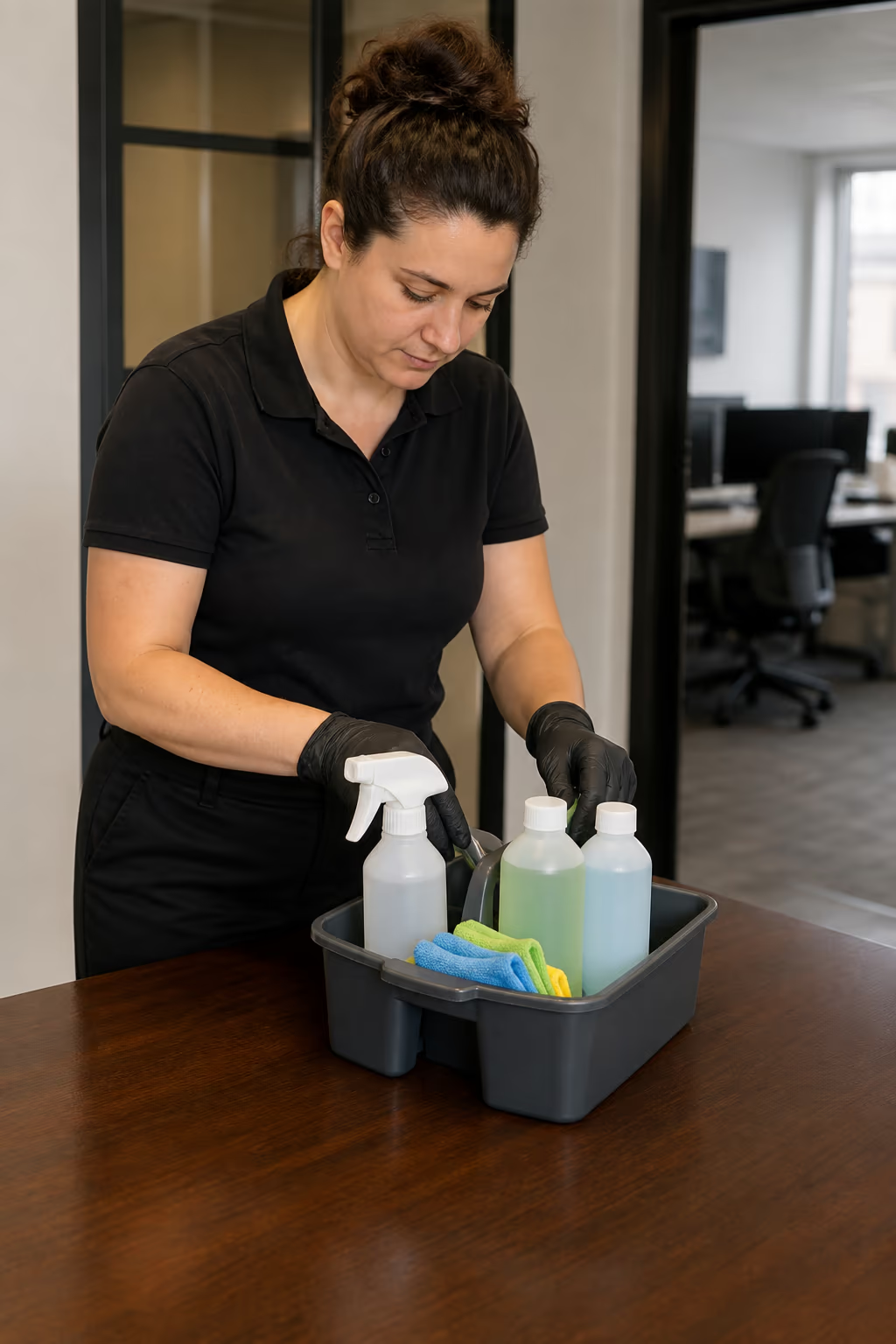
Keep the right tools close. A small caddy with a general cleaner, a food-safe sanitizer, a disinfectant, and colour-coded microfibre cloths makes the routine fast enough to stick.
Rotate the deep work weekly. Baseboards, vents, behind appliances, and under furniture do not need daily cleaning, but they do need a scheduled weekly or monthly pass so grime never becomes a long-term problem.
- Clean as you go in the kitchen to keep food-contact surfaces safe between meals.
- Wipe down the bathroom vanity and fixtures every few days to stop soap scum and hard-water film.
- Disinfect shared electronics and workstations at the end of the day in shared offices.
- Launder cloths and mop heads regularly so you are not spreading soil from one room to the next.
Formatted Step-by-Step 3-Tier Sanitation Protocol Checklist
Follow this checklist for hospital-grade facility hygiene:
- Step 1.Clean Hard Surfaces First with Microfibre and Detergent to Remove Biofilm:Wash away organic dirt layers before anything else.
- Step 2.Apply Food-Safe Sanitizer to Kitchen Counters and Food Preparation Tables:Reduce bacteria without leaving harsh chemical residue where food is prepared.
- Step 3.Saturate High-Touch Facility Surfaces with Health Canada DIN Registered Disinfectant:Target door handles, light switches, phones, and railings.
- Step 4.Enforce the Label's Wet Chemical Dwell Time for Complete Pathogen Inactivation:Let the disinfectant stay visibly wet for the full time stated on the label.
- Step 5.Wipe Dry with Clean Microfibre and Let the Space Air Out Before Re-entry:Remove streaks and chemical film, then ventilate the room.
- Step 6.If you need a team or a recurring schedule, use commercial janitorial services in Ottawa to discuss scope, access, and timing before deciding whether it fits.
Serving Ottawa's Homes and Businesses
Good Cleaner Co. applies the same clean-then-disinfect order in Ottawa homes and workplaces, from condos downtown to clinics, daycares and offices across Kanata, Nepean, Barrhaven and Orléans. For a home, home cleaning services in Ottawa apply these same tiers to kitchens, bathrooms, and high-touch surfaces during a routine visit.
Practical planning for this situation
For a household or workplace, the sensible starting point is choosing between cleaning, sanitizing, and disinfecting. Begin with a walk-through and write down the surface, the soil, who uses the space, the product label, and the time the product needs to work. That gives the work a real boundary and avoids treating a generic package as if it already understood the space.
Use the written notes to decide what belongs in a regular routine and what needs separate time, access, or approval. The useful test is whether another person could read the scope and understand the task without being told to rely on a promise.
Seasonal considerations in Ottawa
Local conditions matter, but they do not require a script. In this topic, cold-and-flu season may make high-touch areas a higher priority, while ordinary cleaning still matters all year. Review the condition of the actual space before changing the products, equipment, or frequency.
A short seasonal review is usually enough: notice what has changed, name the affected area, and agree on the practical response. That keeps maintenance connected to the property rather than a broad list of place names.
Safe, responsible cleaning
Choose methods that suit the material and follow the product or equipment instructions. Keep people away from a wet or actively cleaned area, and stop when a surface reacts unexpectedly.
When a task involves an unfamiliar finish, access issue, or safety concern, ask before continuing. A careful pause is more useful than a confident shortcut and protects the people using the space.
Considering professional help
A service conversation should stay anchored in the space and the requested work. For choosing between cleaning, sanitizing, and disinfecting, explain the surface, the soil, who uses the space, the product label, and the time the product needs to work. Ask for the proposed tasks, timing, and any limits in writing.
If you want to explore help, use janitorial cleaning teams in Ottawa to describe the scope and decide whether it suits the situation. This is a request for information, not a promise about a result.
How to review the routine
Before changing the routine, take a few minutes to describe the present condition in plain language. Start with the surface, the soil, who uses the space, the product label, and the time the product needs to work. This makes it possible to decide what is necessary without inflating a small issue into a large project.
Ask the people who use the space what causes the most friction. Their answer may be a difficult entry, a storage gap, a time when work cannot happen, or a surface that needs a gentler method. Those details are the basis for a useful plan.
Try one visible adjustment at a time. Record why it was made, what area it affects, and what a satisfactory result looks like. That approach is easier to review than changing a whole routine at once.
Keep feedback specific: name the room, surface, timing, and expected result. Clear notes help a household, volunteer group, or service team work through a problem without blame or vague expectations.
Revisit the plan after a genuine change in use, condition, or season. A routine should be steady enough to follow and flexible enough to stay useful.
FAQ
What is the difference between cleaning, sanitizing, and disinfecting?
Cleaning removes dirt and soil with detergent and water. Sanitizing reduces germs on a surface to a safe level. Disinfecting inactivates viruses and bacteria on hard surfaces. You clean first, then sanitize or disinfect depending on the surface and the risk.
How long do disinfectants need to stay wet to work?
Most disinfectants need several minutes of visible wet contact, usually between 3 and 10 minutes. The exact time is printed on the label, and wiping the surface dry early can undo the treatment.
Why does Health Canada require a DIN on disinfectants?
A Drug Identification Number means Health Canada has reviewed the product's safety and its germ-killing claims. If a disinfectant makes a disinfection claim in Canada, it needs a valid 8-digit DIN.
Do I need to clean before I disinfect?
Yes. Disinfectants cannot penetrate a layer of dirt or organic biofilm. Cleaning first removes the film that shelters germs, so the disinfectant can actually reach the surface.
Is sanitizing enough for kitchen counters?
For food-contact surfaces, a food-safe sanitizer is usually the right choice. It reduces germs to a safe level without leaving the harsh residues you would not want near food.
Can the same product be both a cleaner and a disinfectant?
Some products combine cleaning and disinfecting, but they still require cleaning-style effort and a full dwell time. When in doubt, clean the surface first and then apply the disinfectant separately.
How do I disinfect a keyboard or phone without damaging it?
Do not soak electronics. Use a lightly dampened microfibre cloth with a product safe for electronics, and follow the manufacturer's guidance for screens and keyboards.
What does dwell time mean in plain English?
Dwell time is how long the product must stay wet on the surface to finish its job. It is the difference between a disinfectant that works and one that only smells like it did.
How often should high-touch surfaces be disinfected?
It depends on traffic. Busy commercial spaces often disinfect door handles, railings, and washroom fixtures daily, while lower-traffic homes may disinfect during weekly cleaning and after illness.
Can sanitizing replace disinfecting in a daycare or clinic?
Not for high-risk settings. Sanitizing reduces germs to a safe level, but where the risk of infection is high, such as clinics, daycares, and schools, disinfecting high-touch surfaces is the standard because it inactivates a broader range of pathogens.
Wrapping Up
Cleaning, sanitizing and disinfecting are three different jobs, and doing them in the wrong order wastes all three. Clean first so the surface is actually reachable, then sanitize or disinfect according to what the space is used for.
Keep reading
More from Good Cleaner
- Regular Cleaning vs Deep Cleaning: Scope, Differences & Frequency Guide
- Can I Disinfect an Entire Office Using Regular Disinfectant? DIN & Dwell Time Guide
- DIY Cleaning Products That Do More Harm Than Good: Chemical Combination Hazards
- Commercial Cleaning Checklist by Industry: Customized Janitorial Tasks
About the author
Service areas
- Ottawa
- Kanata
- Westboro
- Barrhaven