
How to Clean Stainless Steel Sinks Like a Pro: Scratch-Free Polish Guide
Most sink damage is not caused by dirt; it is caused by the wrong cleaning tools and products. In this guide, we show you the grain-following method professionals use, what to avoid at all costs, and the simple habits that keep a stainless steel sink bright and streak-free in a Canadian home. By the time you finish reading, you will know exactly why your sink turns white, why bleach is the worst thing for it, and how one drop of oil keeps it shining for years.
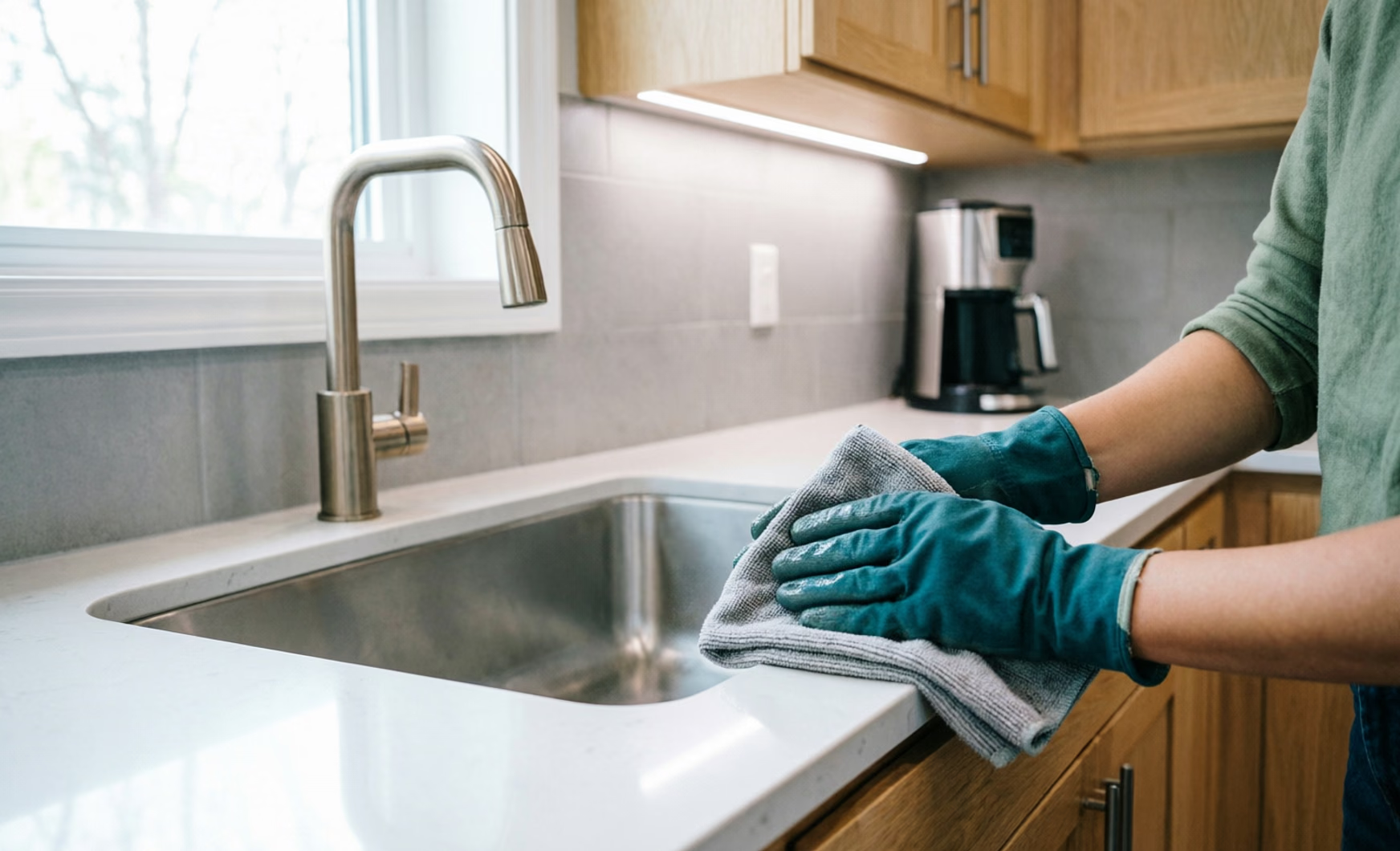
Quick Summary
A stainless steel sink can look like new for years, but only if you clean it the right way. This guide explains how to remove hard water spots and grease without scratching the steel: baking soda for gentle scrubbing, white vinegar for mineral scale, and a drop of oil for a protective shine. The same kitchen detailing standards apply whether your sink is in a Kanata family home or a downtown Ottawa condo. Good Cleaner Co. provides residential home cleaning services in Ottawa that include scratch-free kitchen detailing.
In this guide
The Metallurgy & Grain Alignment of Stainless Steel Sinks
Stainless steel sinks in Ottawa kitchens require specific cleaning methods to maintain their metallic shine without dulling or scratching the protective chromium oxide layer.
How you dry and wipe it matters as much as the grain. Health Canada's safe food storage guidance recommends wiping kitchen surfaces with paper towels or changing dishcloths daily, and advises against sponges because they are harder to keep bacteria-free. Health Canada puts the priority plainly: “Storing your food properly is one of the key things you can do to protect yourself and your family from foodborne illness.”
Using harsh steel wool or abrasive scouring powders cuts across the steel grain, leaving permanent scratches and inviting rust stains over time. Once those cross-hatch marks are in the metal, no polish will truly remove them.
Adopting a gentle baking soda scrub paired with white vinegar restores metallic lustre safely while sanitizing the sink basin. The method is simple, but the sequence matters: scrub along the grain, dissolve the minerals, rinse, dry, and protect.
The good news is that stainless steel is forgiving if you change your habits early. A sink that already has some clouding or fine scratches can still be brightened with the grain-following method; it simply needs gentler care from here forward.
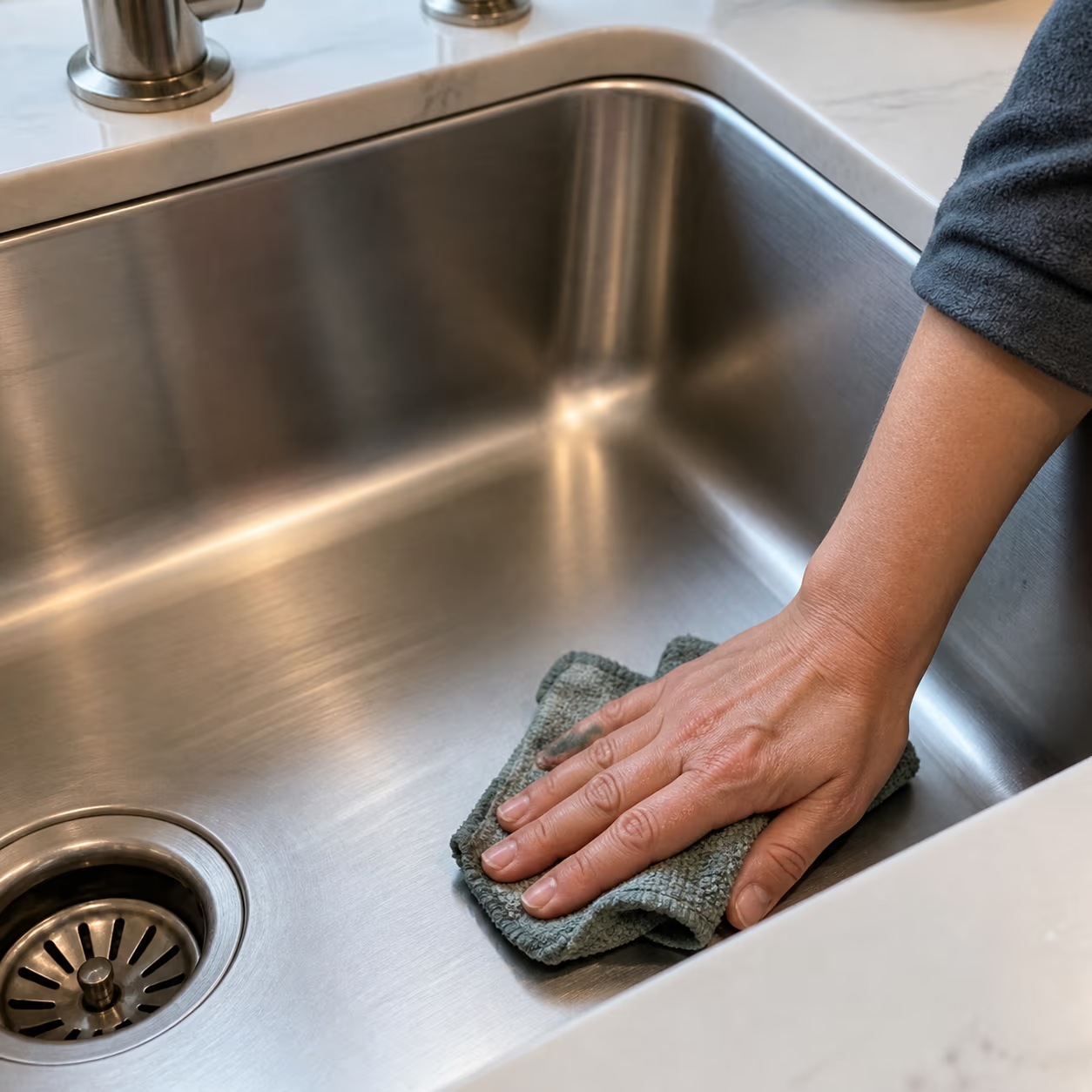
Baking Soda & Vinegar Chemical Reaction for Scale Removal
Discover 4 core principles of scratch-free stainless steel sink care:
Why the Grain Matters: A Closer Look at Stainless Steel
Stainless steel is not one smooth sheet of metal; it is brushed in one direction during manufacturing, and that directional texture is called the grain. Understanding it is the key to a scratch-free sink.
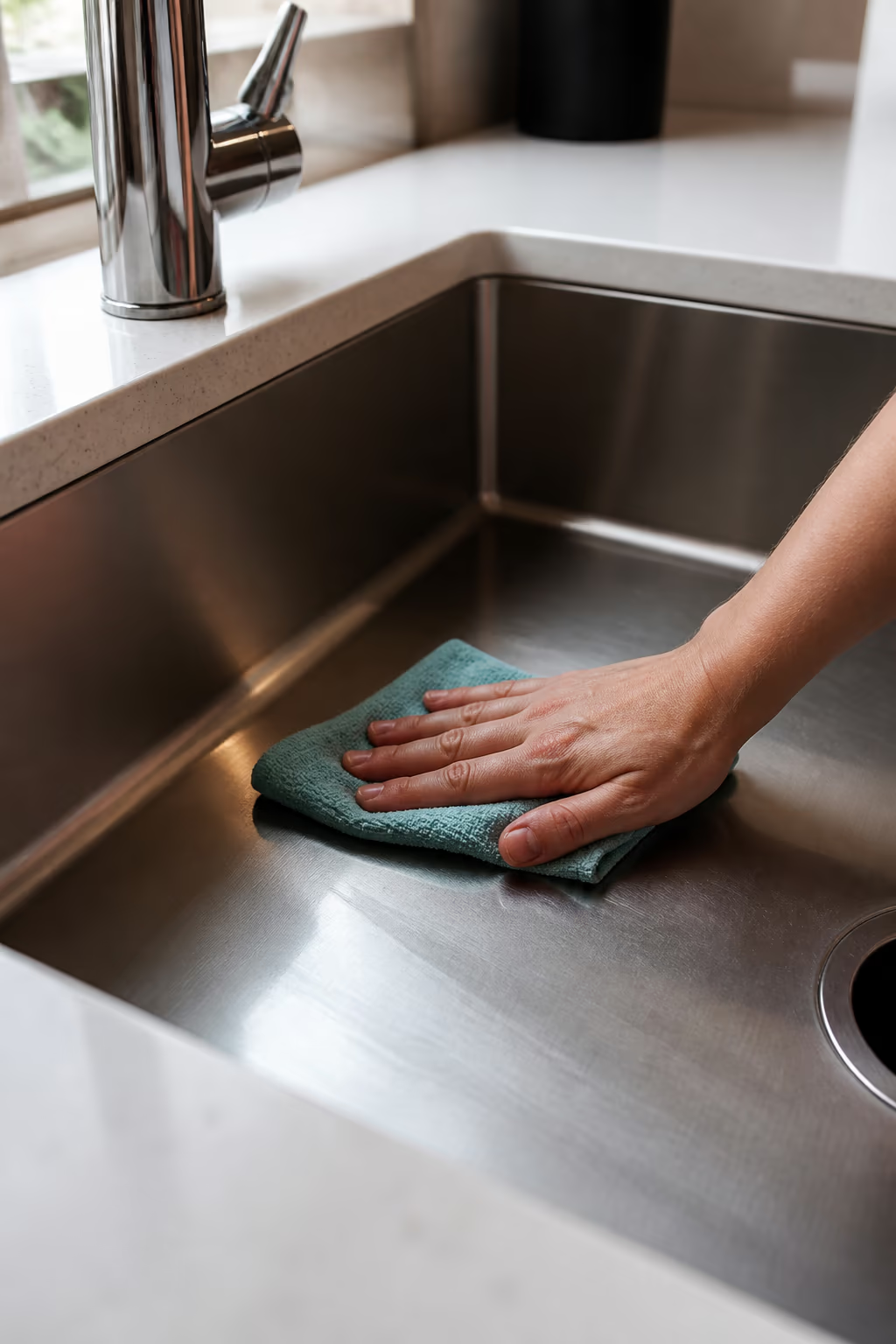
What Not to Use on a Stainless Steel Sink
A few common products can do more harm than good on stainless steel. If you want to avoid pitting, scratching, and dulling, keep these out of the routine:
- Steel wool and abrasive pads:They cut across the grain and leave fine scratches that trap dirt and encourage rust.
- Bleach and chlorine cleaners:Chlorine attacks the protective chromium oxide layer, leading to pitting and rust spots over time.
- Harsh scouring powders:Coarse grit grinds the finish down and leaves a dull, hazy look that is hard to reverse.
- Undiluted acid descalers:Strong acids can etch the metal if left on too long, so stick to gentle diluted vinegar for regular care.
- Leaving metal cans or utensils sitting wet:Contact with other metals can leave tiny rust-like marks, so rinse and remove them promptly.
When in doubt, the gentler product is the safer choice, because a mistake on stainless steel is visible for years and there is no easy undo. The same caution applies to stainless steel cookware; how to clean a burnt stainless steel pan walks through safe methods for scorched pots and pans without scratching them.
Daily Habits That Keep a Stainless Sink Looking New
Most of the work is prevention. A few small habits stop water spots, stains, and grime from building up in the first place:
- 01Rinse and dry after heavy use:A quick rinse after food prep, followed by a wipe with a dry microfibre cloth, prevents hard water spots from forming.
- 02Clear food debris promptly:Acidic foods like tomatoes and citrus can dull stainless steel if they sit, so rinse the basin soon after use.
- 03Use a protective rinse now and then:A very light wipe of olive oil or mineral oil after a deep clean fills microscopic pores and helps water bead off.
- 04Keep a separate sink sponge:A sponge used on greasy pans can leave residue, so keep one designated for the sink itself.
- 05Close the drain when scrubbing:Small food particles and grit settle in the drain rim, so flush the basin after scrubbing to keep the edges clean.
These habits take seconds, not minutes, and they make the deep cleaning far easier. The fewer minerals and stains that dry onto the steel, the less often you need the full baking soda treatment. The same kitchen deserves the same care for other stainless surfaces too, and if baked-on grease is the bigger challenge, clean oven properly like a pro using easy off covers a similar grain-safe approach for oven interiors.
The Right Tools for the Job
The tools you reach for decide whether you protect the finish or slowly dull it. For stainless steel, the right toolkit is smaller and gentler than people expect:
Good Cleaner Co. Metal Detailing Standards
When our teams detail a kitchen, we apply the same grain-following method every time. These are the standards that protect your sink investment:
Grain-Guided Scrubbing:
Eliminates cross-hatch scratching on brushed steel basins.
Non-Toxic Scale Dissolution:
Baking soda and vinegar eliminate harsh synthetic acid cleaners.
High-Shine Buffing:
Restores showroom lustre to residential and commercial sinks.
Drain Sanitization:
Deodorizes garbage disposals and sink traps with citrus oil.
The goal is a finish that looks cared for, not scrubbed, so every pass follows the steel's own lines.
Formatted Step-by-Step Stainless Steel Sink Polishing Checklist
Follow this checklist to restore stainless steel sinks to showroom quality:
- Step 1.Rinse Sink Basin with Warm Water and Dust Heavy Baking Soda Layer:Cover wet basin surfaces evenly.
- Step 2.Gently Scrub Following the Grain Lines with a Non-Abrasive Sponge:Rub back and forth along the metallic grain.
- Step 3.Spray Distilled White Vinegar to Fizz Away Hard Water Scale Deposits:Allow reaction to lift mineral scale.
- Step 4.Rinse Thoroughly with Hot Water and Buff Dry with a Microfibre Cloth:Remove all water droplets to prevent spotting.
- Step 5.Apply 2 Drops of Olive Oil or Mineral Oil for High-Shine Protective Shield:Buff oil into steel for water resistance.
- Step 6.If you need a team or a recurring schedule, use residential home cleaning services in Ottawa to discuss scope, access, and timing before deciding whether it fits.
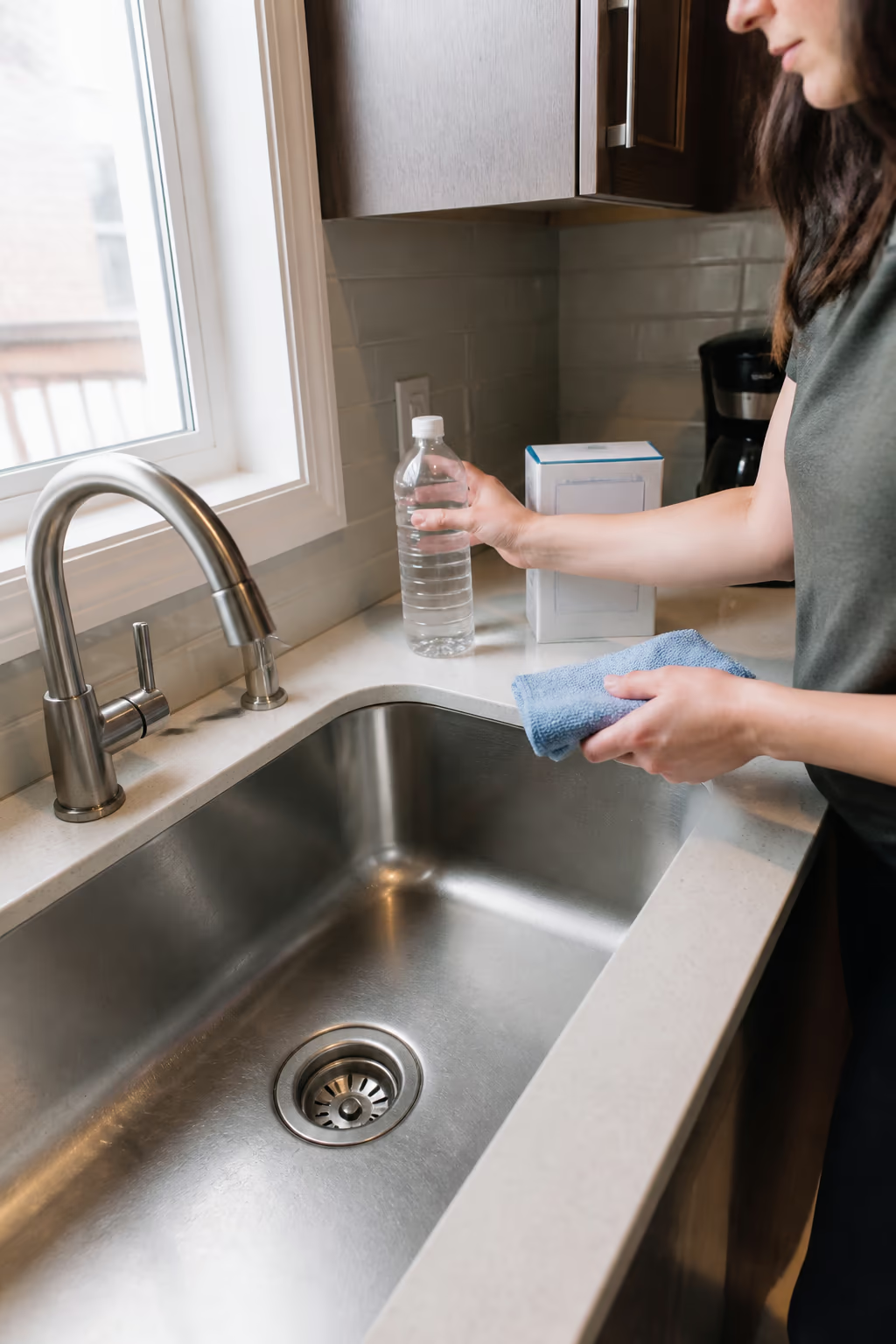
Gather a soft sponge, baking soda, white vinegar, and a clean microfibre cloth before you start. Working from the outer rim toward the drain and rinsing the basin between steps keeps the process tidy and prevents streaks.
Kitchen Detailing Coverage Across Ottawa
Good Cleaner Co. brings the same scratch-free sink care to kitchens across Ottawa and the surrounding region, from family homes in Barrhaven and Orleans to condos in downtown Ottawa. The same grain-following method also applies to shared break room sinks in busy offices, where call centre cleaning high density workspace hygiene programs keep high-traffic kitchenettes looking just as sharp.
We also reach the heritage kitchens of The Glebe and the newer subdivisions of Kanata, so your stainless steel gets the same treatment wherever you live. If your neighbourhood is not mentioned, just ask, because our teams cover the whole city with the same careful, detail-first approach.
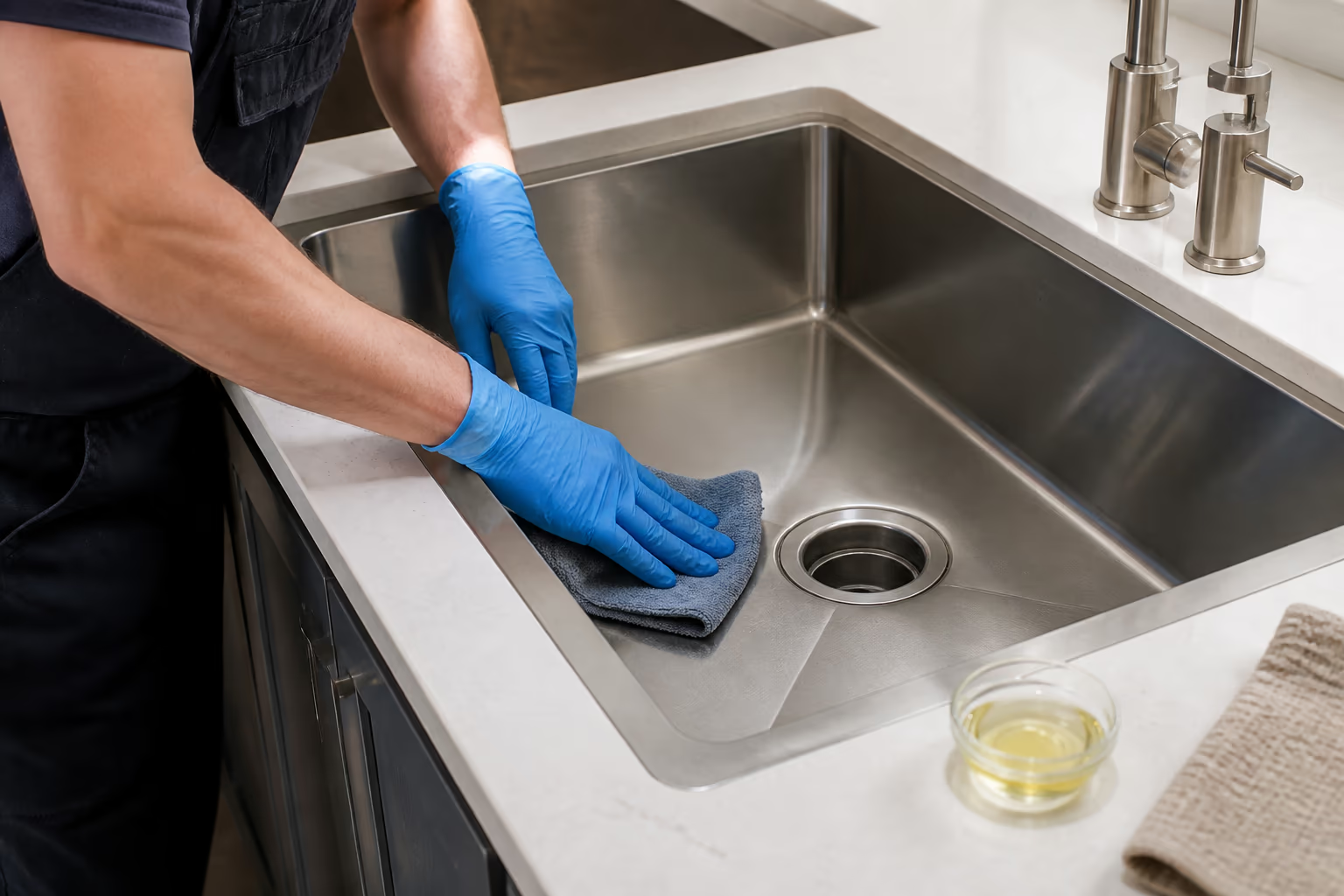
Putting this guidance into practice
For a homeowner looking after a working kitchen sink, start with a gentle sequence: remove food residue, rinse, use a non-abrasive cleaner suited to the finish, then dry. That keeps the conversation tied to the actual space instead of a generic promise.
Review the steel grain, existing scratches, hard-water spotting, the drain edge, and whether a product leaves a film. A written scope should say what happens on a normal visit, what needs approval, and who should hear about a recurring issue.
Seasonal considerations in Ottawa
Holiday cooking can mean more grease and residue, while dry winter air can make water spots more noticeable. Regular drying beats an aggressive monthly scrub.
Look at the actual condition, the number of people using the space, and the material being cleaned before changing products, equipment, or frequency.
Safe, responsible cleaning
Avoid mixing cleaners and abrasive pads unless the sink maker permits them. Test a new product on a discreet section first.
When a surface, product, or site requirement is unclear, ask before continuing. A careful decision protects people and property better than a shortcut.
How to review this as a homeowner looking after a working kitchen sink
Before changing this routine, take a short walk through the actual space and describe what you see in ordinary language. Start with a gentle sequence: remove food residue, rinse, use a non-abrasive cleaner suited to the finish, then dry. That gives everyone the same starting point and prevents a broad request from quietly becoming a different job.
Ask someone who uses the space every day what creates the most friction. Their answer may be a messy entry, an awkward storage area, a surface that marks easily, or a time when work cannot happen. A useful plan respects that local knowledge instead of replacing it with a standard script.
Choose one change that can be observed over a few visits. It might be a different order of work, a clearer handover, or more attention to the steel grain, existing scratches, hard-water spotting, the drain edge, and whether a product leaves a film. Write down the reason for the change and what would show that it is helping. That is a better test than relying on a vague impression.
Keep the discussion specific when something is not working. Name the room, surface, timing, and result you expected, then decide what should happen next. Clear feedback is fair to the people doing the work and far more useful than a blanket complaint.
Finally, revisit the plan when the building, household, or season changes. A routine should be stable enough to follow and flexible enough to respond to real conditions. That balance is what makes cleaning guidance practical.
Considering professional help
If you decide that this work needs help, begin with the practical details: the condition of the space, the tasks that matter, access, timing, and anything the crew should not touch.
Use recurring home cleaning services in Ottawa to start that scope conversation. A clear request makes it easier to decide whether a service is suitable without relying on promises about results.
FAQ
Why does my stainless steel sink get cloudy white water spots?
Ottawa tap water contains calcium and magnesium minerals that dry into white film deposits on stainless steel basins. A rinse and dry after each use, plus regular vinegar treatment, keeps them at bay and stops the film from building into a stubborn scale.
Is bleach safe to use on stainless steel kitchen sinks?
No. Bleach and chlorine cleaners corrode the protective chromium oxide coating on stainless steel, causing pitting and rust spots over time, so stick to gentler cleaners like baking soda and vinegar.
How does olive oil help maintain a clean stainless steel sink?
Buffing a tiny drop of olive oil into dry steel fills microscopic pores, repelling water droplets and fingerprints and giving the sink a protective sheen.
What is the best way to remove light scratches from stainless steel?
Light scratches can be minimized by buffing along the grain with a soft cloth and a stainless steel polish, though deep scratches may be permanent and are best avoided in the first place by never using abrasive pads.
Can I use a magic eraser on stainless steel?
It is risky. Melamine foam acts as a fine abrasive and can dull the finish, so test it on an unseen spot first or stick to a soft microfibre cloth.
Should I use steel wool on stainless steel sinks?
No. Steel wool cuts across the grain, leaves fine scratches, and can even embed tiny particles that rust, so use a non-abrasive sponge and a soft microfibre cloth instead.
How do I clean a stainless steel sink without streaks?
Work in small sections, rinse thoroughly, and buff dry immediately with a dry microfibre cloth so no water is left to dry into spots. Finishing with a light oil buff locks in the shine.
Why does my stainless steel sink rust even though it is stainless?
Stainless steel resists rust but is not immune. Chlorine, prolonged contact with other metals, and deep scratches can break down the protective layer and expose the metal underneath.
How often should I polish a stainless steel sink?
A thorough baking soda and vinegar clean plus an oil buff once every week or two keeps most Ottawa sinks bright; daily rinsing and drying handles the time in between. Homes with hard water will want the vinegar step a little more often.
What should I do about a smelly garbage disposal in the sink?
Run cold water with a bit of baking soda and lemon or citrus oil through the disposal, and clean the drain flange regularly to keep odours from building up. If the smell returns quickly, a deeper drain treatment may be needed, which a professional detailing service can handle.
Wrapping Up
Proper grain-aligned cleaning restores stainless steel sinks without scratches or dulling. Contact Good Cleaner Co. today to book home cleaning in Ottawa for a bright, streak-free kitchen finish.
Keep reading
More from Good Cleaner
About the author
Service areas
- Ottawa
- Kanata
- Barrhaven
- Orleans
- The Glebe
- Downtown Ottawa