


Office Dust Comes Back Fast: 7 Simple Fixes That Last
If office dust comes back fast in your workplace, you are not imagining it. Canadian offices deal with dry winter heating, tracked-in salt and grit, open-plan airflow, and constant foot traffic. Dust does not just sit on desks. It cycles through vents, settles on high surfaces, and gets lifted again every time someone walks through the room.
This guide explains why dust rebounds, how to stop the cycle, and what actually works in Canadian offices. You will get a realistic cleaning frequency plan, a 45 to 60 minute routine you can repeat, surface-specific methods, product recommendations available in Canada, and a clear DIY versus professional cost comparison. If you want a broader view of professional cleaning standards, start with cleaning: a comprehensive overview.
It is designed for teams that want lasting results without wasted effort.
Why Office Dust Comes Back Fast in Canadian Workplaces
When office dust comes back fast, it usually means multiple sources are feeding it at the same time. Dust is a mix of fine fibres, skin cells, paper particles, outdoor grit, and microscopic debris. In offices, the most common culprits are:
- HVAC circulation that moves particles through vents and ducts, then redistributes them onto surfaces.
- Tracked winter salt and grit that breaks down on mats and carpets and spreads into the air.
- Dry heated air that keeps dust floating longer instead of settling quickly.
- Paper clutter that sheds fibres and creates dust traps on shelves and desks.
- Carpets and upholstered chairs that store dust and release it when disturbed.
- Open-plan airflow from fans, doorways, and windows that keeps dust circulating.
In Canada, seasonal swings make this worse. Winter heating reduces humidity, so dust remains airborne longer. Spring pollen adds to the load. Summer humidity can make dust stick to surfaces and mix with moisture, which is why office dust sometimes looks like a light film instead of dry powder.
When office dust comes back fast, it is less about one missed wipe-down and more about a system that keeps feeding dust into the air. You fix it by reducing inputs (mats, filters, clutter), capturing what is airborne (HEPA vacuums and air purifiers), and cleaning top-down so dust does not resettle on freshly cleaned surfaces.
Where the Dust Is Hiding: Office Hotspots You Probably Miss
Dust in offices rarely comes from one spot. It accumulates in predictable zones, then redistributes when people move around. A quick hotspot audit helps you target the real sources instead of endlessly wiping desks.
- High horizontal surfaces such as ledges, cabinet tops, and door frames collect the most dust per week.
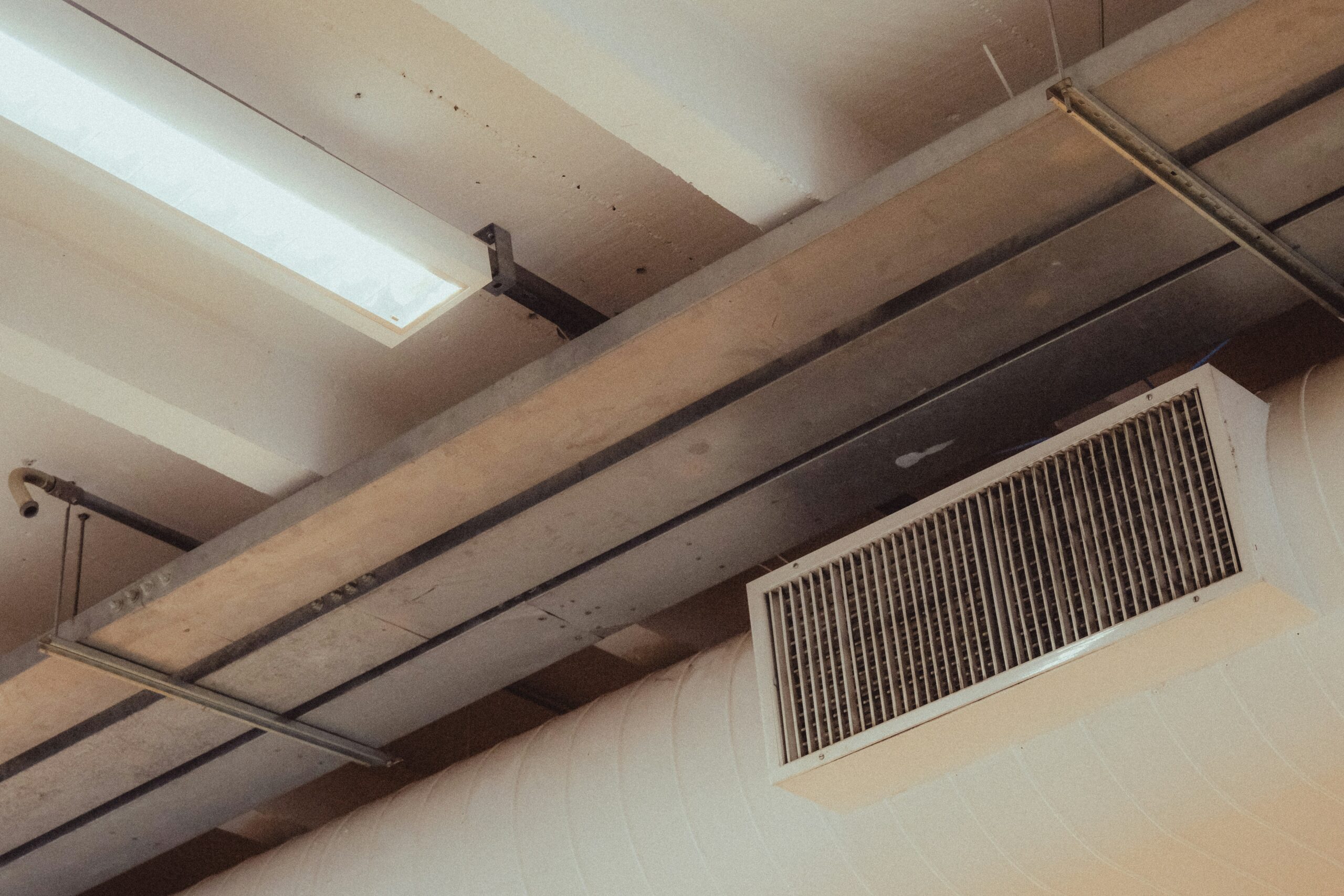
- Vents, returns, and ceiling diffusers trap and release particles with every HVAC cycle.
- Office chairs and fabric panels release dust when people stand up or slide chairs.
- Shared equipment like printers and copiers generate paper dust and toner residue.
- Entry zones hold the greatest concentration of grit and salt in winter.
- Under-desk areas collect fibres, crumbs, and carpet dust that resuspend when chairs roll.
Once you identify these zones, your routine gets faster and more effective. You can also compare dust levels over time by doing a quick white-glove wipe test on the same ledge weekly. That is a simple quality check that helps offices track whether office dust comes back fast because of frequency or because the method needs improvement.
Office Dust and Indoor Air Quality: Why It Matters
Dust is more than a visual issue. It is a basic indoor air quality problem, especially in Canadian winters when windows stay closed and HVAC systems recycle the same air. When air circulation is high and filtration is weak, fine particles stay suspended and settle repeatedly. That is why the same desk can look dusty again a day after cleaning.
In office settings, dust can irritate eyes, trigger allergies, and make shared spaces feel stale. People notice it first in meeting rooms and reception areas because smooth surfaces show residue quickly. A reliable routine reduces complaints and protects the professional appearance of the space.
CCOHS and Health Canada both stress the basics of indoor air quality: good ventilation, safe product use, and cleanable surfaces. Use products as directed, ventilate when using cleaners, and avoid mixing chemicals. Those simple steps prevent odours, reduce residue, and make dust control more effective. If your office is working on greener practices, see cleaning businesses go green for low-VOC and waste-reduction tips.
When office dust comes back fast and staff report dry eyes or irritation, it is usually a signal that airflow and filtration need attention. That does not mean a major renovation. Often, the solution is smaller: replace filters on schedule, reduce clutter that traps dust, and run a HEPA purifier in the most-used room.
Signs dust control is failing
Use this quick diagnostic to decide whether you need a better routine, better tools, or more frequent service:
- Visible dust within two to three days after cleaning.
- Frequent complaints about dry eyes, coughing, or stale air.
- Dusty vents and returns even after surface wipe-downs.
- Salt or grit film near entryways during winter months.
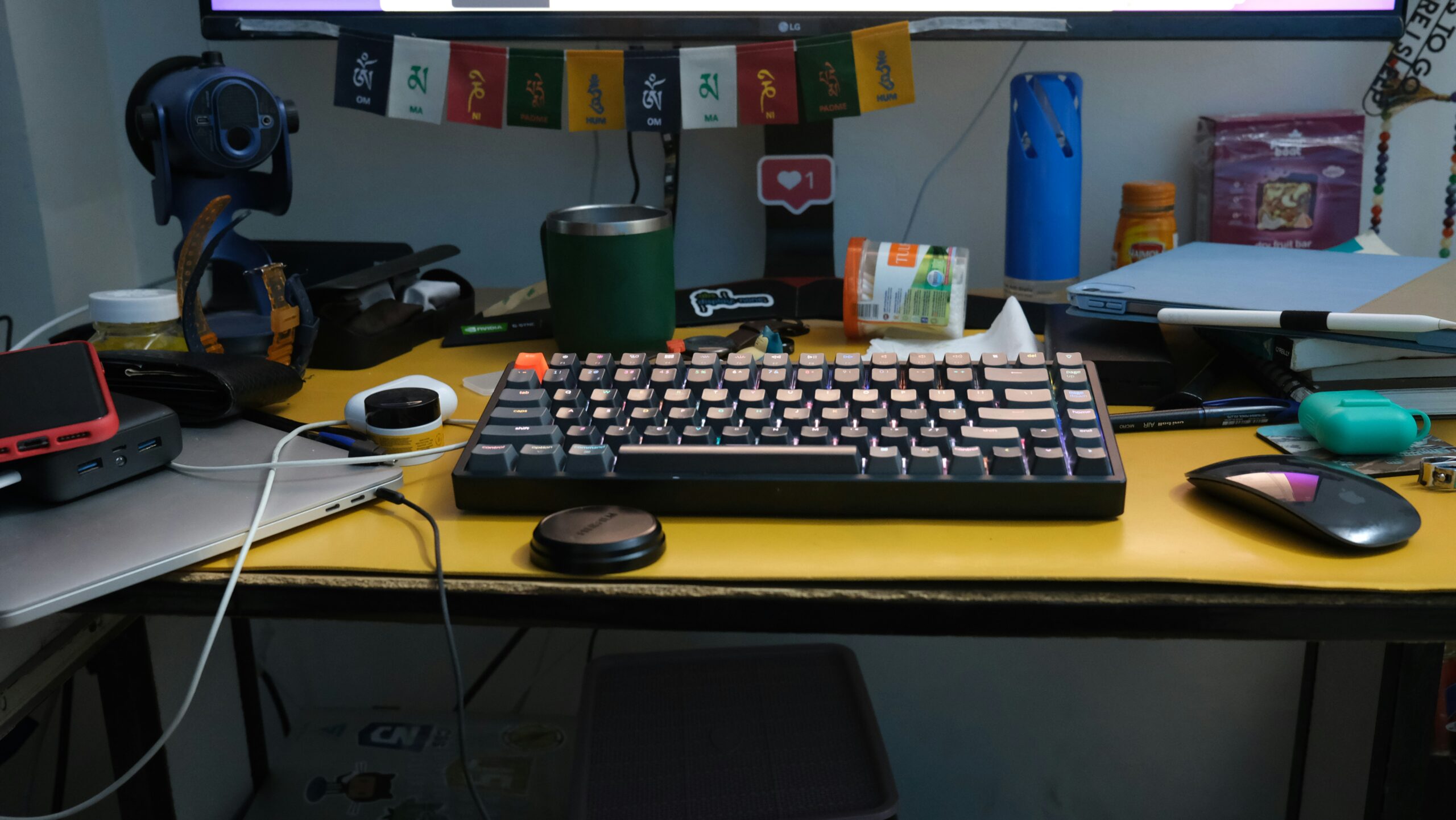
- Dusty keyboards and monitors despite weekly wiping.
If two or more of these signs show up regularly, it usually means the office needs HEPA filtration, better entry matting, or a stronger schedule for high surfaces.
How Often Should You Dust? A Canada-Friendly Frequency Guide
Most offices need a blend of weekly dusting and seasonal deep cleaning. The exact timing depends on foot traffic, floor type, and indoor air quality. A good baseline for Canadian offices looks like this:
- Weekly: Workstations, keyboards, meeting room tables, reception counters, and visible shelving.
- Bi-weekly: Blinds, vents, light fixtures, baseboards, and window sills.
- Monthly: Deep dusting behind furniture, inside storage rooms, and along less-used hallways.
- Quarterly: High dusting with extension poles, HVAC filter checks, and carpet extraction if needed.
Seasonality matters in Canada. A few adjustments make a big difference:
- Winter (salt season): Increase entry-zone cleaning and mat vacuuming. Dust and grit rebound quickly when salt is tracked indoors.
- Spring: Add a mid-season deep clean to handle pollen buildup on sills and vents.
- Summer humidity: Focus on moisture control so dust does not cling to surfaces and mix with damp air.
Zone-by-zone frequency that works in most offices
- Entry and reception: Quick dust and floor vacuuming daily in winter; weekly in low-traffic seasons.
- Workstations: Weekly dusting for most teams, bi-weekly for private offices with low usage.
- Meeting rooms: Two to five times per week if heavily booked, weekly if lightly used.
- Kitchen and break areas: Daily touchpoint wiping and weekly deep dusting of shelves and appliance tops.
- Storage rooms: Monthly dusting is usually enough, but check vents and filters quarterly.
Seasonal deep-clean add-ons
- Pre-winter reset: Clean vents, replace HVAC filters, and deep vacuum carpets before salt season starts.
- Mid-winter refresh: Focus on entry mats, baseboards, and window sills where salt film collects.
- Post-winter clean: Extract carpets and wipe down lower walls to remove salt dust residue.
- Spring pollen sweep: Dust blinds, sills, and vents to prevent airborne pollen from settling.
When office dust comes back fast, the most reliable fix is to increase frequency for just two zones: entry areas and shared spaces. That often solves 70 percent of the problem without increasing full-office cleaning time.
If your team is deciding between cleaning, sanitising, and disinfecting after dusting, this overview helps: cleaning vs sanitising vs disinfecting.
Step-by-Step Routine to Stop Rebound Dust (45 to 60 Minutes)
This routine is built for a small to mid-size office (1,000 to 3,000 sq ft). It prioritises top-down cleaning, captures dust instead of spreading it, and follows basic Health Canada and CCOHS guidance for ventilation and safe product use.
- Step 1: Prep and ventilation (5 minutes) – Open doors or windows where possible. Put on a mask and gloves if dust is heavy or people have allergies. Remove loose clutter so you can clean surfaces fully.
- Step 2: High dusting first (10 to 15 minutes) – Use an extendable microfibre duster on vents, ledges, light fixtures, and the tops of cabinets. Avoid feather dusters; they push dust into the air instead of trapping it.
- Step 3: HEPA vacuum floors and upholstery (15 minutes) – Vacuum carpets, chair bases, and under desks. A HEPA filter captures fine particles so they do not get blown back into the room.
- Step 4: Damp wipe surfaces (10 to 15 minutes) – Use a lightly damp microfibre cloth for desks, shelves, and window sills. For tougher film, add a mild vinegar-water mix (about 1:10) or a neutral all-purpose cleaner.
- Step 5: Air reset (5 minutes) – Run a HEPA air purifier continuously in the most used area, especially in winter when windows stay closed.
Most offices can complete this routine with one person in about 45 to 60 minutes. The key is sequencing. If you vacuum after wiping, dust resettles on clean desks. Always go top-down, then floor, then final wipe.
Use colour-coded microfibre cloths to avoid cross-contamination: one colour for desks and common areas, another for kitchen surfaces, and a separate set for washrooms. This keeps dust and grime from being moved between spaces and reduces rework.
Short on time? Use this 20-minute triage routine for the most visible areas:
- Quick high dust: One pass on visible ledges and vents.
- HEPA vacuum high-traffic paths: Reception, hallways, and meeting rooms.
- Desk reset: Wipe the most used desk clusters and shared tables.
Office Dust Comes Back Fast Checklist
Use this simple checklist to make sure the core dust sources are handled. The list is short on purpose, so it gets done every week.
- High surfaces: Ledges, cabinet tops, and door frames wiped top-down.
- Vents and returns: Light dusting on covers and surrounding walls.
- Workstations: Desks, keyboards, and monitor stands wiped with microfibre.
- Floors and chair zones: HEPA vacuumed, especially under desks and meeting tables.
- Window sills: Wiped for pollen and salt residue.
- Entry mats: Vacuumed and shaken out to reduce tracked grit.
- Air filtration: HEPA filters checked or replaced quarterly.
If your tools are worn, dusty, or frayed, they spread particles instead of trapping them. Replace them as needed, and use this guide for timing: cleaning tools you should replace often.
Surface-Specific Methods (Wood, Tile, Carpet, Electronics)
Different materials need different approaches. Using the wrong method can either damage the surface or fail to capture dust, which is why office dust comes back fast in many workplaces.
Wood desks and cabinetry
Use a lightly damp microfibre cloth. Too much water can warp finishes. A mild vinegar-water mix works for dusty film, but avoid heavy soaking and wipe dry immediately. If wood looks dull after dusting, it may need a gentle polish once or twice per year, not weekly.
If desks are near entry zones, salt residue can land on wood surfaces in winter. Wipe those areas more frequently and dry immediately to protect the finish.
Tile, concrete, and hard floors
Dry vacuum first to remove grit and salt. Then use a neutral pH cleaner. Harsh acids or bleach can damage grout or sealed concrete. In winter, pay extra attention to entry zones where salt residue builds quickly.
For textured tile or porous concrete, focus on the edges and corners where dust collects. A soft-bristle brush loosens dust without scratching the surface.
If concrete is unsealed, consider sealing it annually to reduce dust release and make cleaning easier.
Carpets and upholstered chairs
Carpets store dust deep in fibres. Use a HEPA vacuum weekly and consider quarterly extraction for high-traffic offices. Baking soda can help neutralise odours before vacuuming, but do not leave it too long in humid seasons.
If the office uses fabric dividers or panels, vacuum them as well. Those surfaces shed fibres that contribute to fine dust buildup.
Electronics and keyboards
Dust settles in vents and between keys. Use compressed air or a soft brush attachment on a vacuum. Wipe surfaces with a barely damp cloth and avoid spraying liquids directly on devices. If disinfecting is needed, use a product approved for electronics and avoid over-wetting.
For shared keyboards and hot desks, schedule a quick wipe at the end of each day and do a deeper clean weekly. Keeping electronics clean reduces fan noise and helps equipment last longer.
Quick do-and-don’t summary
- Do: Use microfibre, vacuum first, and dry surfaces right after wiping.
- Do: Test new products on a hidden spot to avoid finish damage.
- Don’t: Over-wet wood or electronics.
- Don’t: Use abrasive pads on tile or sealed concrete.
Best Products for Office Dust Control in Canada
These options are widely available in Canada and match the tools used by professional cleaners. Prices are typical ranges and can vary by retailer and region.
Consumer-friendly products
- Microfibre cloths (E-Cloth, Swiffer, or generic packs) – $10 to $20 CAD at Canadian Tire, Walmart Canada, or Amazon.ca.
- Electrostatic dusters (OXO Good Grips or Swiffer 360) – $15 to $25 CAD at Home Hardware or Costco Canada.
- HEPA vacuums (Dyson, Shark, or similar) – $300 to $500 CAD at Costco Canada or Best Buy Canada.
- Vinegar spray or mild all-purpose cleaner – $5 to $8 CAD at Loblaws or Superstore.
- HEPA air purifiers – $150 to $300 CAD at Home Hardware or Amazon.ca.
Professional-grade upgrades
- Commercial microfibre cloth bundles – $40 to $80 CAD per 100-pack from janitorial suppliers.
- Backpack HEPA vacuums – $800 to $1,500 CAD, faster for cubicles and larger floors.
- Dust magnet sprays – $15 to $30 CAD, useful for hard surfaces when used with microfibre.
Microfibre works best when it is clean. Wash cloths separately from linty fabrics, skip fabric softener, and air dry or tumble dry on low. A dirty cloth can smear dust back onto surfaces and make it look like you did not clean at all.
Air purifier placement matters. Put the unit in the most-used room and away from walls so air can circulate. If the office is long or split into rooms, one unit per zone is more effective than a single large unit.
Choosing the right tool matters as much as the schedule. A standard vacuum without a HEPA filter can recirculate dust, which is why office dust comes back fast even after a full clean. For most offices, upgrading to a HEPA vacuum and replacing filters quarterly delivers the biggest improvement.
DIY vs Professional: Costs and When to Hire in Canada
Cost is the deciding factor for many workplaces. Here is a realistic view of what dust control costs in Canada.
DIY cost snapshot (small office under 1,000 sq ft)
- Supplies: $50 to $150 CAD per month (microfibre, wipes, basic cleaners, vacuum bags).
- Time: 5 to 10 hours per week of staff time for full coverage.
- Effectiveness: Temporary unless you have HEPA filtration and consistent scheduling.
Professional cost snapshot (small office under 1,000 sq ft)
- Hourly pricing: $30 to $60 CAD per hour in most Canadian cities.
- Per square foot: About $0.10 to $0.25 per sq ft for routine cleaning.
- Monthly contracts: $100 to $500 CAD for small offices, higher for deep dust removal.
Do not overlook hidden DIY costs. Staff time is the biggest one, and it can be more expensive than a contract once you add up hours. DIY also tends to be inconsistent because cleaning tasks get skipped during busy weeks. That inconsistency is a major reason office dust comes back fast even when a company believes it has a routine in place.
In Toronto, typical rates run $35 to $50 per hour, while Vancouver averages around $30 to $40 per hour. For deep dust removal or heavy buildup, expect an additional $0.20 to $0.50 per sq ft. Bundling dust control with regular cleaning can save 10 to 20 percent compared to one-off visits.
When it is worth hiring a professional
- Client-facing spaces where reception and meeting rooms must look dust-free every day.
- Allergy complaints or staff sensitivity to dust and indoor air quality issues.
- Open-plan layouts where dust spreads quickly from one zone to another.
- Large floor plates over 1,000 sq ft where staff time becomes more expensive than a cleaning contract.
- Recurring dust despite weekly cleaning, which usually signals the need for HEPA tools and a professional process.
DIY works for low-traffic offices, but if office dust comes back fast despite weekly cleaning, it is a sign you need better tools, a tighter routine, or professional help. For offices with allergies, high client traffic, or large open floors, professional cleaning is usually more cost-effective once you account for staff time.
If you want a quick estimate for your space, use the cleaning cost estimator to compare options.
Prevention Tactics That Keep Dust Away Longer
Cleaning is only half the equation. Prevention is what keeps dust away for longer than a week. The best prevention tactics in Canadian offices are simple and practical:
- Entry mats trap up to 80 percent of tracked dirt and salt when placed at entrances and maintained weekly.
- HEPA air purifiers reduce airborne dust in open-plan areas, especially in winter when windows stay closed.
- Filter changes on HVAC systems every quarter stop dust from recirculating.
- Moisture control with dehumidifiers in humid months prevents dust from sticking to surfaces.
- Decluttering reduces paper dust and gives you fewer surfaces to clean.
Entry protocols make a big difference. A two-mat system (one outside, one inside) captures more grit than a single mat. Rotate and vacuum mats weekly so they keep working. If your office allows it, a simple “wipe shoes” sign near the door can cut down on winter grit by a surprising amount.
In very wet winters, some offices use temporary shoe covers or a no-shoe zone near the entry to prevent slush and grit from spreading.
Storage also matters. Open shelving collects dust faster than closed cabinets. If shelves are necessary, assign a quick weekly wipe to keep dust from building into a film that spreads when disturbed.
When office dust comes back fast, focus on the first three prevention steps: mats, HEPA filtration, and filter changes. They make the biggest difference for the least effort.
Quality Control and Time Estimates for Offices
Professional cleaners rely on quick quality checks to confirm dust control is working. You can use the same approach in-house:
- Visual inspection under bright light: Check ledges, sills, and desk edges for dust haze.
- White glove swipe test: Run a clean glove along a shelf to confirm the surface is actually dust-free.
- Floor safety check: Ensure no residue or damp spots remain, especially in entry zones.
- Filter check: Confirm HVAC and air purifier filters are clean and seated properly.
Time estimates help set realistic expectations. A 2,000 sq ft office typically requires 2 to 3 hours for a full weekly dust routine with one cleaner. Deep cleans may take 4 to 6 hours depending on layout and furniture density. If weekly cleaning fails repeatedly, it is usually a workload issue, not an effort issue. Increase frequency or reduce the scope per session.
Documentation keeps dust control consistent. A simple checklist with initials and timestamps helps managers see what was done and when. For larger offices, taking quick before-and-after photos of high-dust zones (entry mats, vents, ledges) builds accountability and makes it easier to spot recurring problems.
Common Mistakes That Make Dust Reappear Faster
- Dry dusting with feather tools: This spreads particles and makes them settle again within hours.
- Skipping high areas: Dust falls from vents and ledges back onto desks the same day.
- Using non-HEPA vacuums: Fine dust is blown back into the room.
- Over-wetting surfaces: Dampness traps dust and increases the risk of mould in humid seasons.
- Ignoring entry zones: Winter salt and grit are constant sources of airborne dust.
- No documentation: Without a checklist, small tasks get skipped and dust rebounds quickly.
A Simple Weekly Dusting Schedule You Can Copy
One reason office dust comes back fast is that everything is cleaned in one long session and then ignored for a week. Splitting dust control into smaller chunks keeps surfaces clean without creating a heavy workload for any one day.
Here is a practical weekly schedule for a typical small to mid-size office:
- Monday: Entry mats, reception counters, and visible shelves. Focus on the first impressions.
- Tuesday: Workstations and shared desks. Wipe keyboards and monitor stands.
- Wednesday: Kitchen and break areas. Dust appliance tops, cabinet fronts, and window sills.
- Thursday: Meeting rooms and shared equipment like printers and copiers.
- Friday: Full-floor HEPA vacuum, quick vent dusting, and a final walk-through.
If the office is very small, compress the schedule into one or two days. If it is large, assign zones to different team members. The goal is to keep dust from building up for long stretches.
Supply checklist for a weekly schedule
- Microfibre cloths (at least two colours for different zones).
- HEPA vacuum with clean filter and empty dust bin.
- Extendable duster for vents and ledges.
- Neutral all-purpose cleaner for desk and shelf wipe-downs.
- Compressed air for keyboards and vents.
Keeping these supplies in a single labelled kit reduces setup time and makes it easier for anyone on the team to follow the routine.
Frequently Asked Questions
Why does office dust come back fast in Canada?
Canadian offices deal with winter salt tracking, dry heated air, and open-plan airflow. Dust also builds up in vents and carpets, then gets redistributed when people move around. Addressing sources and ventilation stops the cycle.
How often should I dust an office?
Weekly dusting is the baseline for most offices, with bi-weekly attention to vents and window sills. Add a seasonal deep clean before winter and after spring pollen peaks to keep dust from rebounding.
What is the best way to stop dust from settling on desks?
Use a top-down routine, vacuum with a HEPA filter before wiping, and reduce airflow that stirs up particles. Air purifiers and regular filter changes are the fastest long-term fixes.
How much does professional office dust cleaning cost in Canada?
Most companies charge $30 to $60 CAD per hour or about $0.10 to $0.25 per square foot for routine service. Small offices typically spend $100 to $500 per month depending on frequency and size.
Is DIY dust control enough for a small office?
DIY can work in low-traffic offices if you use HEPA filtration and follow a consistent schedule. If dust keeps returning within a week, professional tools and routines are often more cost-effective.
How long should a full dusting take for a 2,000 sq ft office?
A full weekly dust routine usually takes 2 to 3 hours for one cleaner, depending on layout and furniture density. A deep clean with high dusting and extra vacuuming can take 4 to 6 hours.
Can air purifiers replace dusting?
No. Air purifiers reduce airborne particles, but dust still settles on desks, vents, and floors. Use purifiers alongside a regular top-down dusting routine for the best results.
What products work best for office dust?
Microfibre cloths, HEPA vacuums, and a simple all-purpose cleaner handle most surfaces. For prevention, entry mats and air purifiers deliver the biggest improvement per dollar.
Do I need to disinfect after dusting?
Disinfect only when needed, such as after illness or in shared touchpoint areas. For most offices, regular cleaning and sanitising are enough. Follow Canadian guidance from CCOHS and Health Canada for safe product use.
Conclusion
Office dust comes back fast when air circulation, tracked grit, and missed high areas keep feeding new particles into the room. The fix is not a bigger wipe-down. It is a smarter routine: top-down dusting, HEPA vacuuming, targeted frequency increases in entry zones, and prevention with mats and filtration.
Even small changes like rotating mats weekly and keeping a dedicated dust kit on site can extend clean results by several days.
If you want help setting up a dust control plan for your workplace, GoodCleaner can help. Explore cleaning services and get a quote that fits your space and schedule.