
Stairwell Cleaning: 7 Smart Safety & Hygiene Guidelines
Stairwells are the part of a building everyone uses and almost nobody thinks about. They catch the salt and slush that come off boots in winter, the dust that settles between floors and the daily foot traffic that wears down surfaces, and yet they are often the last thing cleaned. That matters more than it may seem. A stairwell that is clean and well maintained is safer, because the leading risk on stairs is a slip or a fall, and most of the hazards that cause them are preventable. This guide sets out seven practical guidelines for cleaning stairwells in Canadian buildings, covering the surfaces, the winter challenges and the routines that keep stairs safe and presentable.
Quick Summary
Safe, clean stairwells rely on seven habits: frequent sweeping or vacuuming, managing winter salt and slush at the door, wiping high-touch handrails and switches, matching cleaning methods to the stair material, good lighting, fixing hazards like loose treads promptly, and scheduling periodic deep cleans. Together these prevent slips as much as they remove dirt.
In this guide
Why Stairwell Cleaning Matters for Safety and Hygiene
The safety case for stairwell cleaning is straightforward. Stairs concentrate risk because each step is a raised edge that a foot can miss, and a tiny slip on a step can have serious consequences. The hazards that cause those slips are exactly the things a regular cleaning routine removes: salt and slush tracked in from outside, moisture that turns smooth flooring slippery, loose debris and dust that hides the edge of a step, and worn or soiled treads that offer less grip. In a Canadian winter, when boots carry snow and salt through the entrance, the stairwell can become hazardous within a single day if it is not managed.
The safety half of that has a legal name. Ontario's industrial establishments regulation requires a floor or other surface used by any worker to be kept free of obstructions and hazards, and it separately forbids a finish likely to make the surface slippery. On a stair, both clauses apply at once. The same regulation sets the floor standard: “A floor or other surface used by any worker shall, (a) be kept free of, (i) obstructions, (ii) hazards, and (iii) accumulations of refuse, snow or ice; and (b) not have any finish or protective material used on it that is likely to make the surface slippery.”
There is a hygiene case too. Stairwells are shared, high-traffic spaces, and the handrails are touched by nearly everyone who climbs them, yet they are rarely cleaned. Over the course of a season, handrails, door plates and light switches in a stairwell carry the same kind of accumulated germs as any other shared touchpoint. Regular cleaning of these surfaces is a simple, effective way to keep a whole building healthier, which is one reason a consistent stairwell routine matters alongside the obvious sweeping and mopping.
There is also a first impression. In an apartment building or an office, the stairwell is often the first shared space a visitor or resident meets, and its condition says a lot about how the building is run. A clean, well-lit, tidy stairwell signals that the space is cared for, while a dusty, salt-streaked one quietly undermines confidence. For anyone responsible for a building, from a homeowner with a front staircase to a property manager running a tower, the stairwell is a small space with an outsized effect.
There is also a responsibility angle in buildings with common areas. Whether you own a duplex, manage a condo or run an office, the stairwell is part of the space people rely on every day, and keeping it clean and hazard free is part of keeping that space safe. A documented cleaning schedule is not bureaucracy; it is a practical record that the routine is actually happening.
The 7 Smart Guidelines at a Glance
These seven guidelines cover the essentials of stairwell cleaning. Each one is practical, repeatable and aimed at the two things that matter most: preventing slips and keeping the space genuinely clean.
- 1.Sweep or vacuum the stairwell often, because loose debris and grit hide the edge of each step.
- 2.Manage winter moisture at the door, using good mats and cleaning up salt and slush quickly.
- 3.Clean handrails, door plates and light switches regularly, since they are the most-touched surfaces.
- 4.Match your cleaning method to the surface, because stairs are built from several different materials.
- 5.Keep the stairwell well lit and free of clutter, so the full edge of every step is visible.
- 6.Check for and fix hazards such as loose treads, worn nosings and slippery residue promptly.
- 7.Schedule a periodic deep clean, because the daily routine cannot reach every corner.
Surface-by-Surface Stairwell Cleaning
Stairs are rarely made of one material, and each surface needs a method that suits it. Start by understanding what you are cleaning, then choose the right tool and product for that surface.
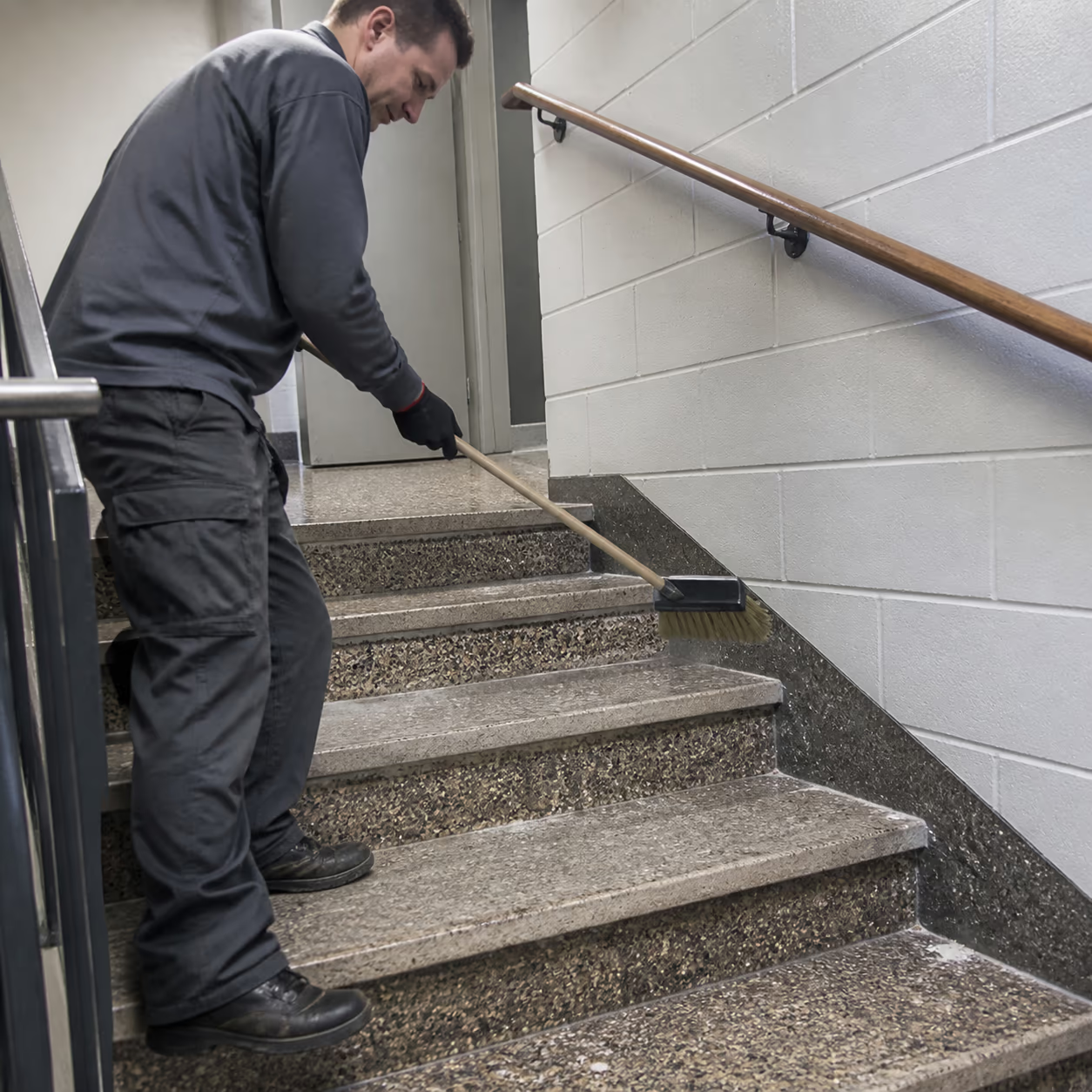
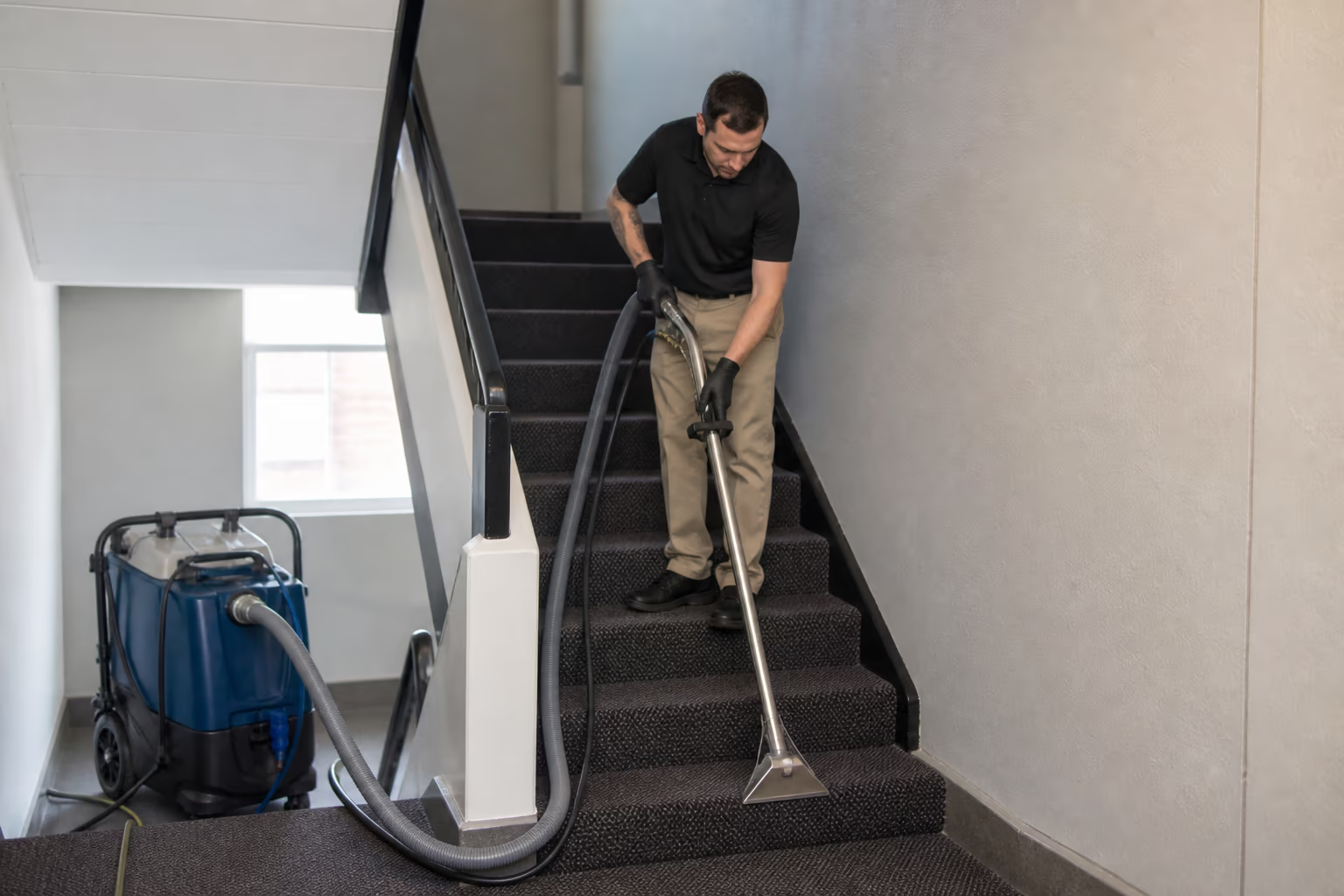
Stair treads take the heaviest wear and the most attention. On hard treads such as wood, tile, stone or concrete, sweep or vacuum the grit away first, then wash with a product suited to the surface and dry it well, because a damp hard surface is slick. On carpeted treads, vacuum thoroughly, paying attention to the nose of each step where dirt and salt build up, and spot clean any stains with a carpet-safe product. Carpeted stairs also benefit from periodic extraction, because vacuuming cannot pull the deep, ground-in soil out of the pile.
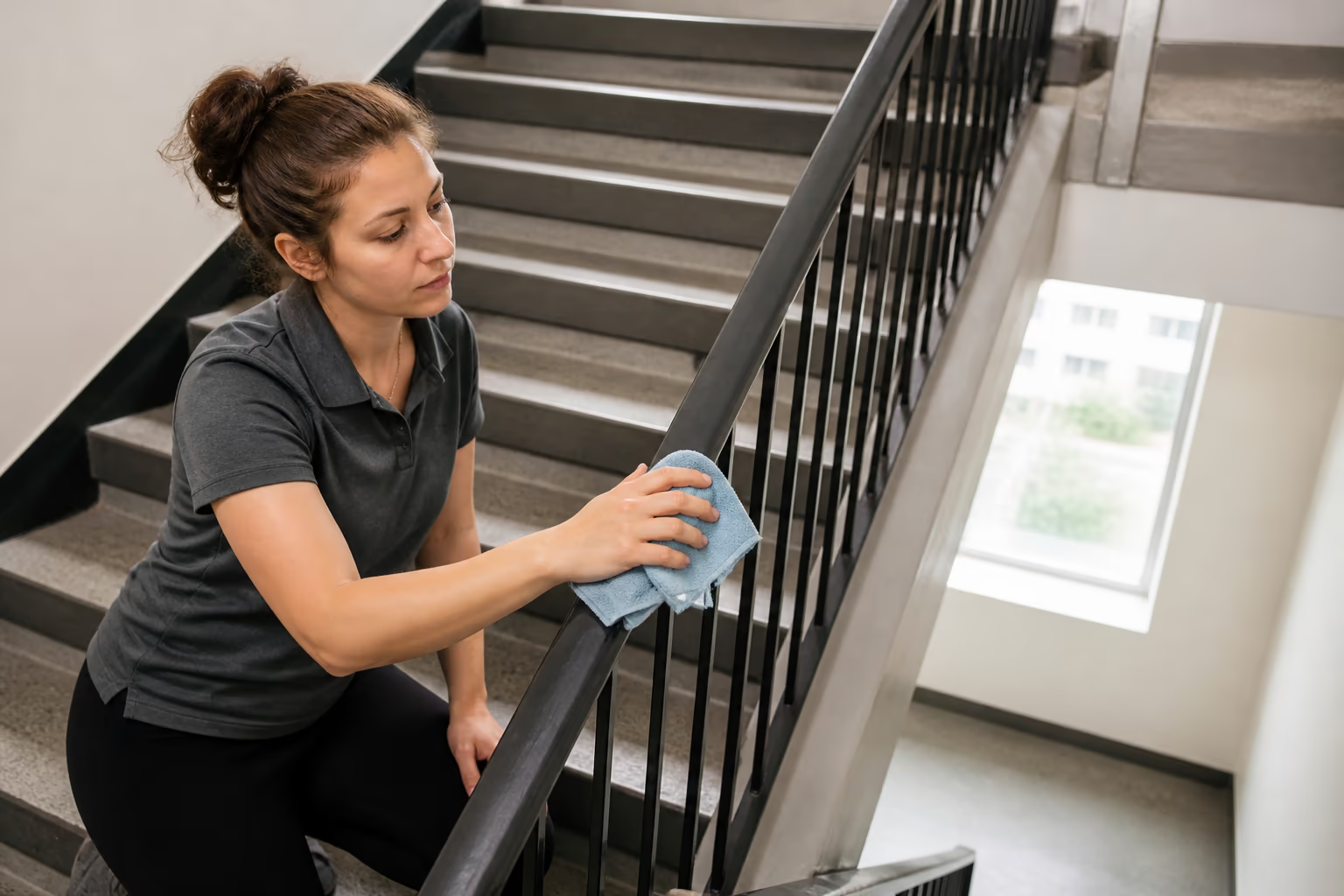
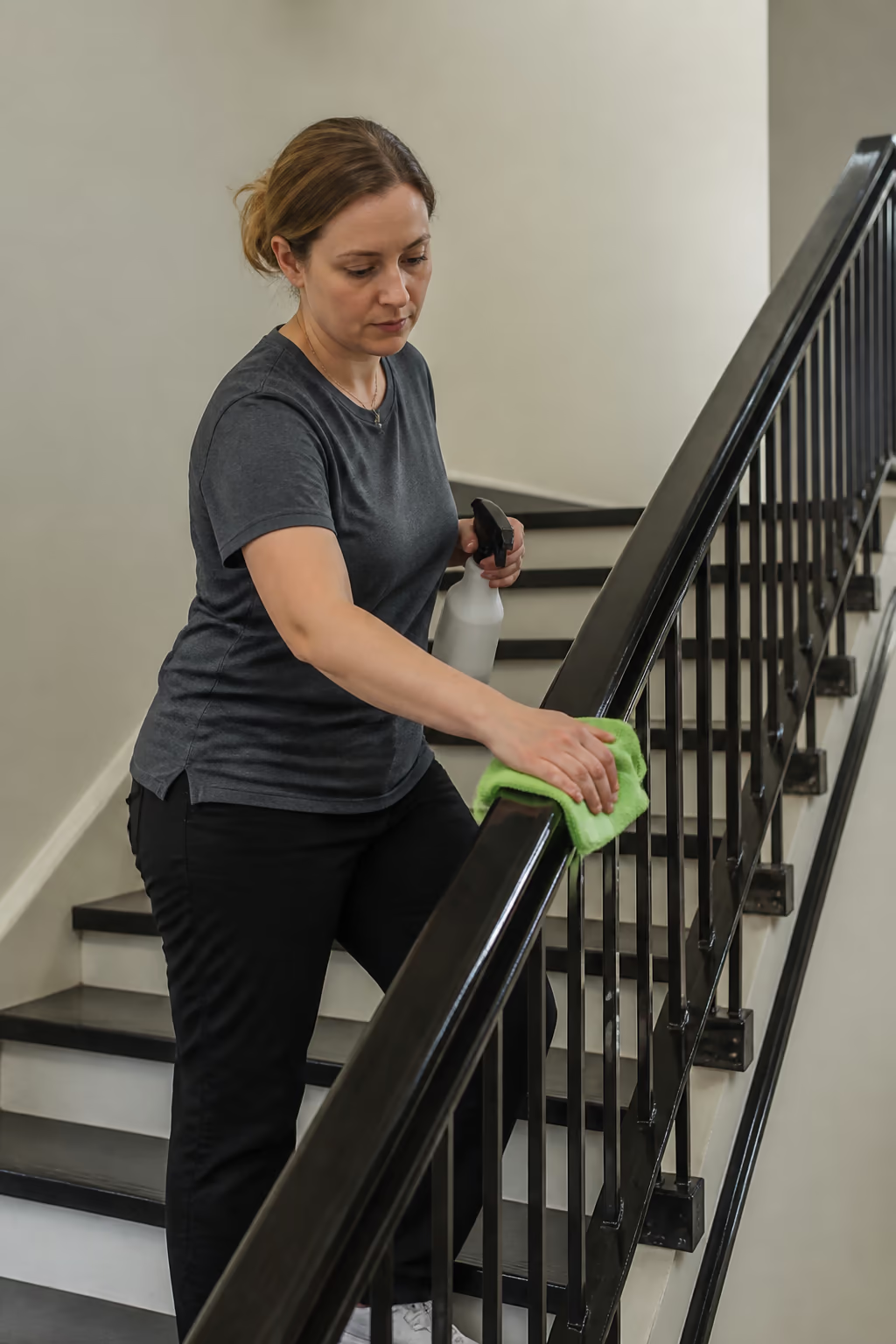
Handrails are the surface people touch, so they deserve regular wiping. Wood, metal, vinyl and painted rails each have a suitable cleaner, but the principle is the same: wipe the rail along its full length, including the underside and the brackets, and dry it so it is not slippery. Door plates, kick plates and light switches around the stairwell should be wiped in the same pass, because these are the touchpoints that carry the most germs.
Walls, stringers and risers collect dust and scuffs even when they are not touched. Dust the walls from the top down, wipe marks from the risers and stringers, and treat any chipped or scuffed paint at the same time you clean. Landings and the floor at the top and bottom of the stairs are high-traffic areas in their own right and should be swept and washed just like the treads, with mats kept clean so they keep trapping moisture instead of passing it on.
For the outside stairwells and steps that many Canadian homes and storefronts have, the winter rules change slightly. Snow should be cleared promptly and ice treated before anyone walks on the stairs, and the salt and sand used to manage the ice should be swept once conditions dry, so the treads underneath stay visible and the drainage stays clear.
What You Need Before You Start
A small set of tools is all it takes to keep a stairwell clean. Most buildings already have these on hand.
- 01A vacuum with a crevice tool for the edges, nose of each step and corners.
- 02A broom and dustpan, or a dust mop, for quick daily sweeps.
- 03A mop and bucket for hard treads, landings and floors.
- 04Microfibre cloths for handrails, walls and touchpoints.
- 05A multi-surface cleaner matched to your treads and handrails.
- 06A carpet-safe cleaner for any carpeted stairs.
- 07Good entrance mats inside and outside the door, plus a plan to clean them.
- 08Safety signage so you can warn people the stairs are wet while they dry.
When you buy products for a shared stairwell, read the label and match the product to the surface and the task. For a sanitising pass on handrails and touchpoints, choose a product with a Health Canada Drug Identification Number, or DIN, and follow the contact time on the label. Under WHMIS 2015, every commercial cleaning product ships with a safety data sheet that explains how to handle and dilute it, and a professional company trains its staff to follow those sheets and use the right protection. Eco-certified options carrying a label such as EcoLogo do the work with fewer harsh ingredients, which matters in an enclosed space where fumes linger.
Building a Stairwell Cleaning Routine
A stairwell routine works best when it has two speeds: a quick, frequent pass and a deeper, less frequent one. The quick pass is a sweep or vacuum of the treads and landings, done daily or every couple of days depending on traffic, plus wiping the handrails and touchpoints. This is the pass that keeps salt, grit and germs from building up in the first place.
The deeper pass is the weekly or biweekly wash of the hard treads, the proper cleaning of the carpeted stairs, the dusting of the walls and the reset of the entrance mats. In winter, both speeds need to run more often, because salt and slush arrive with every weather change and their damage accelerates if they sit. Many buildings also schedule a seasonal deep clean, such as a carpet extraction in the spring, to undo the ground-in soil of the winter months.
Assign the routine clearly, whether that is a caretaker, a cleaning team or a rota in a small building. Keep a simple checklist at the top of the stairwell or on the cleaning cart, so nobody has to remember what the routine covers. The goal is not perfection every hour; it is a dependable rhythm that prevents the hazards from forming in the first place.
Common Mistakes and How to Avoid Them
Stairwells are easy to clean badly, because the routine mistakes are so common. Avoiding them keeps the stairs safer and the cleaning more effective.
- 01Sweeping only the middle of the step and leaving the salt and grit along the edges and the nose.
- 02Leaving the stairs wet and unmarked after washing, turning the cleanest moment into the most hazardous.
- 03Forgetting the handrails and touchpoints, so the most-used surfaces stay dirty.
- 04Using a strong cleaner on a delicate surface, which can strip finishes and leave residue.
- 05Ignoring loose treads, worn nosings and slippery patches until they become a problem.
- 06Cleaning the entrance mats rarely, so they stop trapping moisture and start spreading it.
- 07Missing the walls, risers and corners, which lets the stairwell look grubby no matter how often the treads are swept.
Each mistake has a simple fix. Reach the full width of every step, dry washed surfaces and sign them, wipe the rails every time, and fix hazards as soon as you notice them. A little consistency in these habits keeps a stairwell safe and presentable all year.
Costs, Timing and When to Call a Professional
The cost of stairwell cleaning depends on the building, the number of stairwells, the surfaces and how often they are cleaned, so honest quotes are always site-specific. For a broader sense of typical Ottawa cleaning costs across different service types, our pricing guide is a useful reference point before you request quotes. For a small building or a home, the routine sweeping, wiping and mopping is easy to manage in-house, and the only real cost is a few supplies and a small amount of time each week. The deeper work, such as carpet extraction, is where professional equipment earns its keep.
A professional team is worth considering for a few situations: when a building has many stairwells that need a consistent schedule, when carpeted stairs need a proper extraction rather than a surface vacuum, or when the winter buildup has become more than the routine can handle. A trained team also handles the products correctly, which matters in an enclosed space, and can bundle the stairwells with the rest of the building's cleaning so nothing falls between the gaps.
Good Cleaner Co. combines local experience, background-checked staff and carefully selected products to keep Ottawa and area buildings safe and clean. Our residential home cleaning services in Ottawa are built around your schedule and standards, from a quick routine pass to a deep clean of the surfaces that take the most wear.
If you are comparing providers, our guide to comparing commercial cleaners is a useful starting point for the questions that matter, from training to how products are chosen and applied.
Formatted Step-by-Step Stairwell Cleaning Checklist
Work through these steps on a set schedule, and repeat the quick pass more often in winter.
- 1.Sweep or vacuum the full width of every tread, landing and the top and bottom of the stairs.
- 2.Wipe the handrails, door plates, kick plates and light switches along the whole stairwell.
- 3.Wash the hard treads and landings with a surface-appropriate product, and dry them fully.
- 4.Spot clean or extract the carpeted stairs, and dust the walls, risers and corners.
- 5.Clean the entrance mats, check the lighting and look for any loose treads or hazards.
- 6.When the deep cleaning is more than a routine can handle, reviewing our Ottawa residential cleaning teams connects you with a trained team for a thorough, safe stairwell clean.
FAQ
How often should a stairwell be cleaned?
In most buildings, the treads and handrails should be swept or wiped daily or every couple of days, with a fuller wash weekly and a deeper clean seasonally. Winter calls for a faster routine because salt and slush build up quickly.
Why are stairwells more dangerous when they are wet?
Water on a hard surface reduces the grip of a shoe, and a step adds the risk of a missed foot. Washing the stairs and leaving them wet, or allowing moisture to linger, creates exactly the hazard cleaning is meant to remove, so dried, signed surfaces matter.
How do I deal with salt on the stairs in winter?
Sweep or vacuum the salt off quickly, use good entrance mats to catch it at the door, and wash the treads with a method that removes the residue without leaving a slippery surface. Rinse thoroughly so the salt does not keep drawing moisture.
What should I use to clean handrails?
Match the product to the rail material, but any reliable multi-surface or disinfecting wipe suited to the surface works. Wipe the full length, including the underside and brackets, and dry it so the rail is not slippery.
Is it better to have carpeted or hard stairs for safety?
Hard stairs are easier to keep clean and see clearly, while carpet can feel warmer and quieter but hides soil and can become worn. The safest choice is the one you keep well maintained, with secure treads, good grip and full visibility of every step.
How do I prevent slips on smooth stair surfaces?
Keep the surface dry and clean, remove grit that masks the step edge, use slip-resistant mats and nosings where appropriate, and fix loose or worn treads promptly. Good lighting and clear edges are the simplest preventive measures.
Can a homeowner manage stairwell cleaning alone?
For a typical home staircase, yes. The routine sweeping, wiping and mopping is quick to do yourself. A professional clean is most valuable for carpet extraction, for buildings with many stairwells, or when winter buildup has become too much to keep on top of.
When should a building hire a professional stairwell cleaner?
When there are multiple stairwells that need a consistent schedule, when carpeted stairs need proper extraction, or when the routine has fallen behind. A professional team keeps the whole building on one dependable plan.
Wrapping Up
A clean stairwell is a safer stairwell. Sweep the grit that hides the step edges, manage the winter salt and moisture at the door, wipe the handrails people actually touch, and match your cleaning method to each surface. Keep the stairs well lit and clutter free, fix hazards as soon as they appear, and schedule the deeper clean the routine cannot reach. For buildings where the winter buildup or the number of stairwells has outgrown the routine, Good Cleaner Co. can help with a cleaning plan tailored to your space.
Keep reading
More from Good Cleaner
- High-Rise Building Cleaning: Challenges And Solutions For Multi-Floor Properties
- Building Cleaning Standards in Canada: Compliance & Quality Protocols
- After-Hours Janitorial Services in Ottawa: Benefits of Evening Office Cleaning
- Carpet Cleaning DIY vs. Professional: Deep Extraction vs. Rental Machine Guide
Services that fit
- Residential Home Cleaning Services in OttawaRecurring home cleaning services in Ottawa for one-time, weekly, biweekly and monthly care, built around your schedule and your standards.
- Janitorial Services in OttawaRecurring janitorial services in Ottawa for offices, warehouses, retail, dealerships and schools. Eco-friendly commercial cleaning, customized plans.
About the author
Service areas
- Ottawa
- Kanata
- Nepean
- Orléans
- Barrhaven