
Gym Cleaning Services: 9 Pro Must-Do Tasks For Safer Facilities
A gym is one of the most heavily used spaces you can manage, and members touch the same handles, mats, and machines day after day. That constant contact is exactly why a clear, repeatable routine matters so much. In this guide we walk through the nine pro must-do tasks that keep Canadian fitness facilities safer, and we explain when a professional team is the smartest call.
Quick Summary
Gyms are heavily shared spaces where equipment handles, mats and benches pass from person to person, so a documented, repeatable cleaning routine matters more than speed. Nine pro must-do tasks, matched to each surface material, keep Canadian fitness facilities safer and help retain members.
In this guide
Why Gym Cleaning Deserves a Professional Routine
Gyms are unlike most other commercial spaces because nearly every surface is shared, warm, and touched by sweaty hands. Equipment handles, benches, yoga mats, door handles, lockers, and water fountains all pass from person to person, which makes the facility a busy environment for germs and odours.
Cleaning a gym is not the same as tidying an office. The floor plan mixes hard rubber, brushed metal, upholstered seats, and woven mats, and each material needs a different product and method. A routine that works on one surface can damage another, which is why a thoughtful, documented approach matters more than speed.
A strong gym cleaning programme also protects your business. A facility that looks and smells clean keeps members coming back, lowers the risk of skin and respiratory complaints, and makes a far better impression on new visitors taking a tour.
- Shared equipment means shared germs, so high-touch points need daily attention.
- Sweat and body oils create a film that ordinary dusting does not remove.
- Odours travel in fabric and rubber, so laundering and deodorising must be part of the routine.
- A clean, fresh-smelling gym is a marketing asset as much as a safety measure.
The High-Touch Hotspots That Spread Germs in a Gym
If you only had time to clean a handful of places, these are the ones that matter most. Members grab them constantly, and each one connects one person to the next.
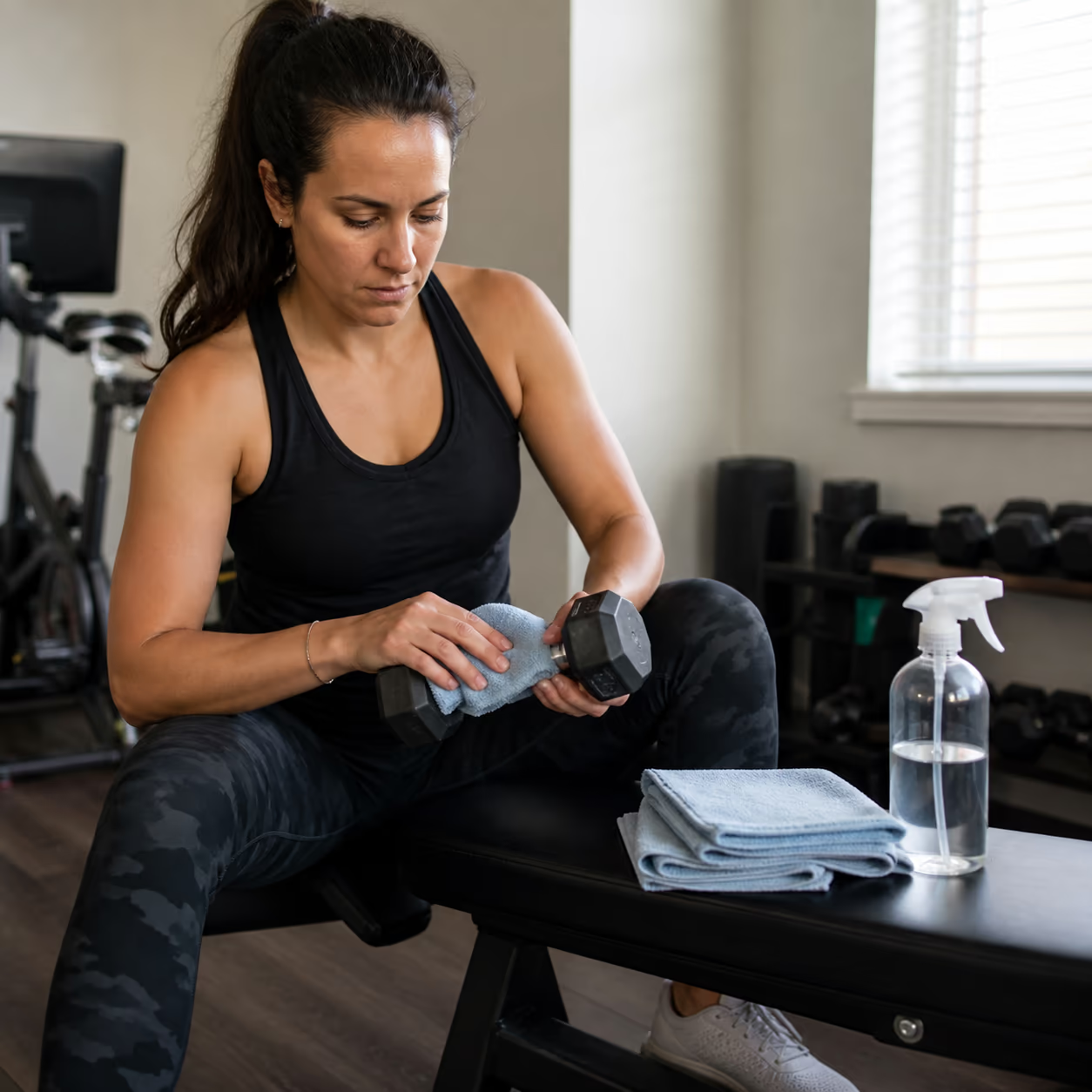
Start with equipment handles and grips. Dumbbells, barbells, cable attachments, machine grips, and touchscreens are handled by dozens of people every day, and they rarely get wiped between users. Free-weights in particular get set down on benches, mats, and the floor, spreading whatever they have picked up along the way.
Yoga mats and exercise mats are another hotspot because they lie on the floor and hold moisture. Shared mats should be wiped after every class and deep-cleaned or laundered on a schedule.
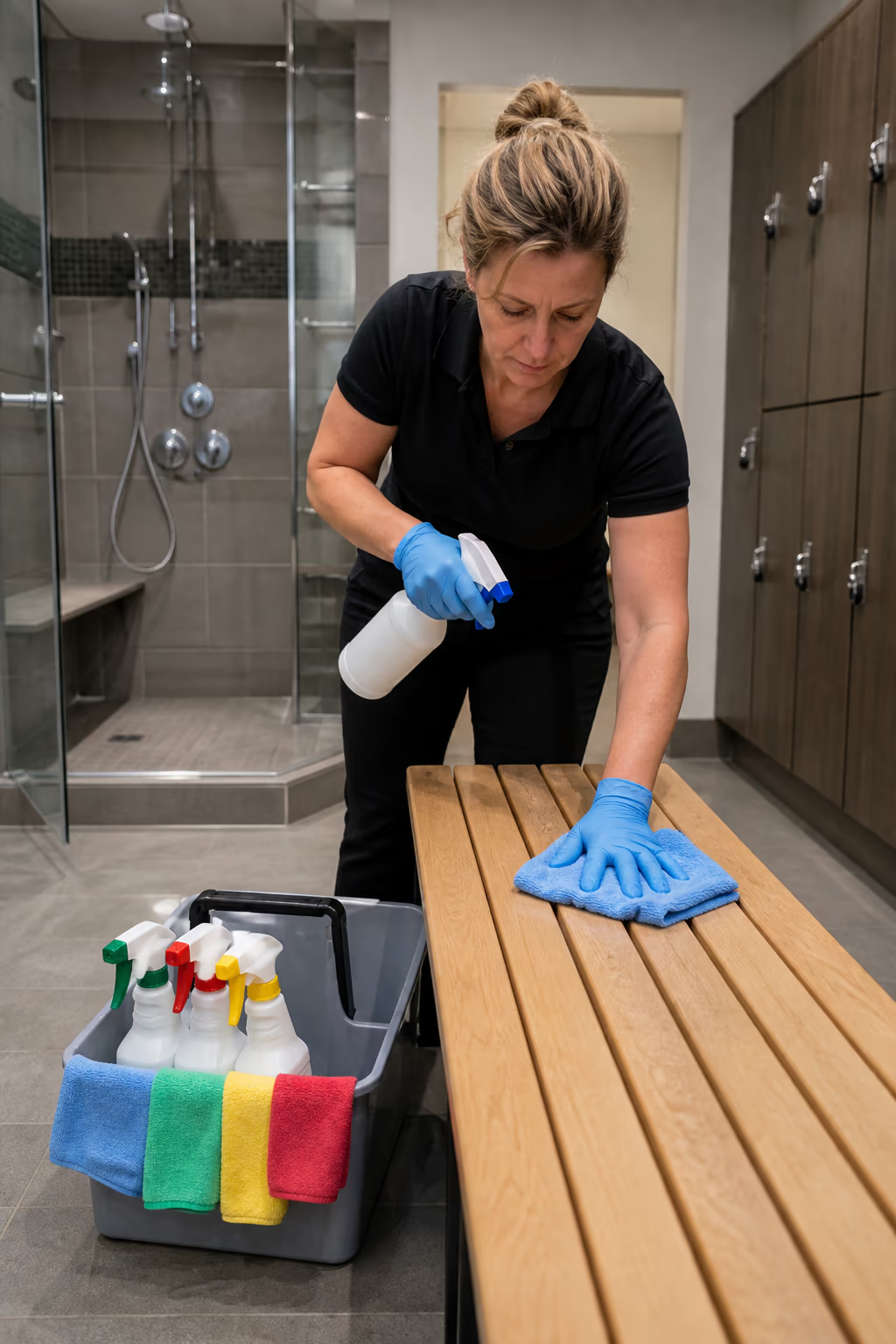
The locker room is where moisture, bare feet, and warm air meet, and it is the area that most easily develops musty smells. Benches, lockers, showers, and floors all need regular attention, with proper drainage and ventilation.
- Cardio machine handles and consoles.
- Dumbbells, barbells, and weight benches.
- Yoga mats, exercise mats, and floor cushions.
- Door handles, light switches, and railings.
- Locker room benches, lockers, showers, and washroom fixtures.
- Water fountains and bottle-filling stations.
The 9 Pro Must-Do Tasks for Safer Fitness Facilities
The title of this guide promises nine tasks, and here they are in the order a professional team would work through them.
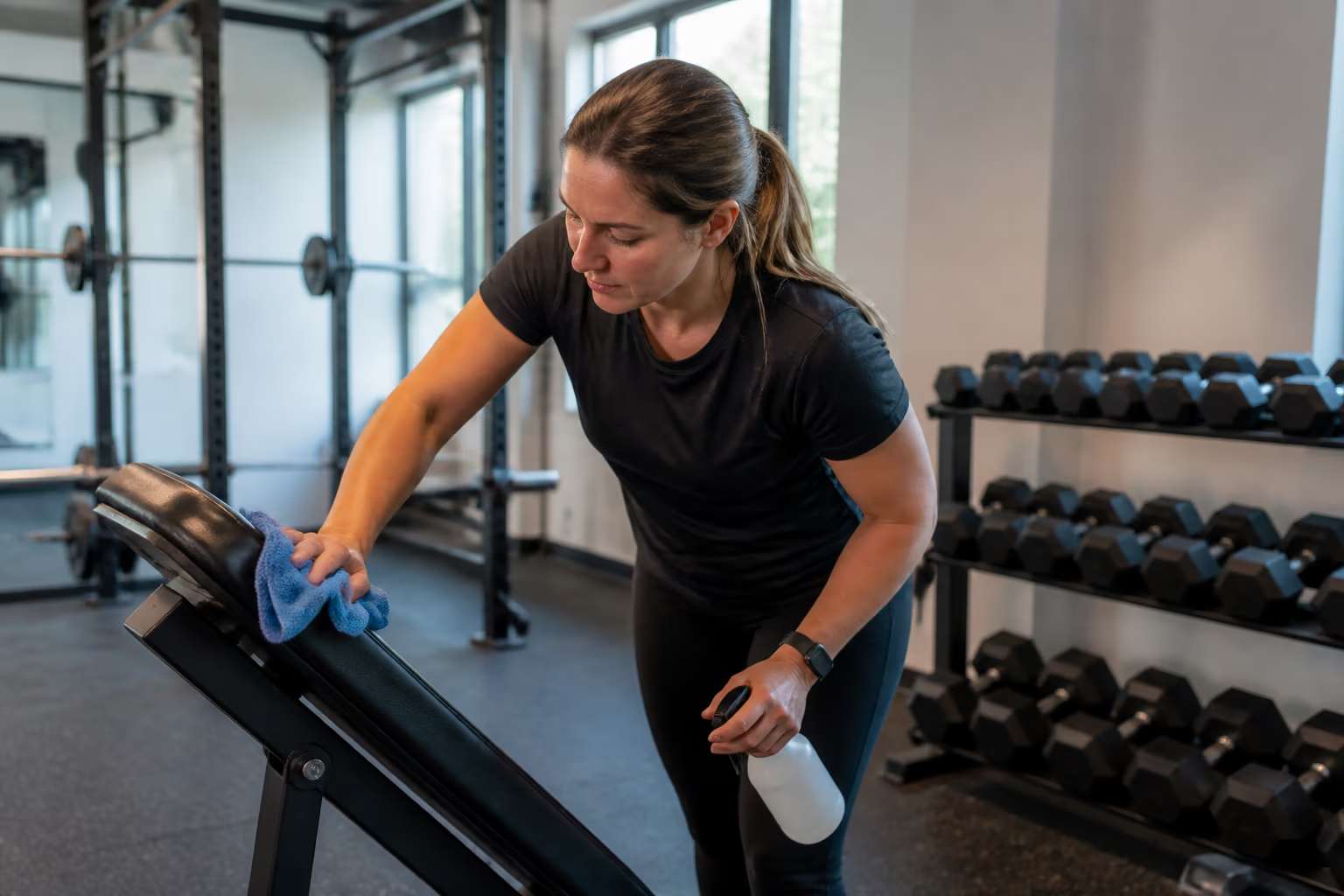
- 01.Wipe down all equipment handles and grips after use, using a product that is safe for the finish and a clean cloth for each machine.
- 02.Spot-clean benches and seats between users so sweat and oils never build a film.
- 03.Sanitise shared yoga mats and exercise mats after every class, and launder them on a weekly schedule.
- 04.Disinfect high-touch points like door handles, light switches, railings, and touchscreens daily with a Health Canada-registered product.
- 05.Clean and deodorise locker room surfaces, showers, and washrooms daily, and check drains for odour.
- 06.Vacuum and mop all flooring, using the right method for rubber, carpet, and hard surfaces.
- 07.Empty bins, spot-clean walls and mirrors, and remove scuff marks as part of every shift.
- 08.Launder towels, cloths, and mop heads on a regular cycle so soil and moisture are never redistributed.
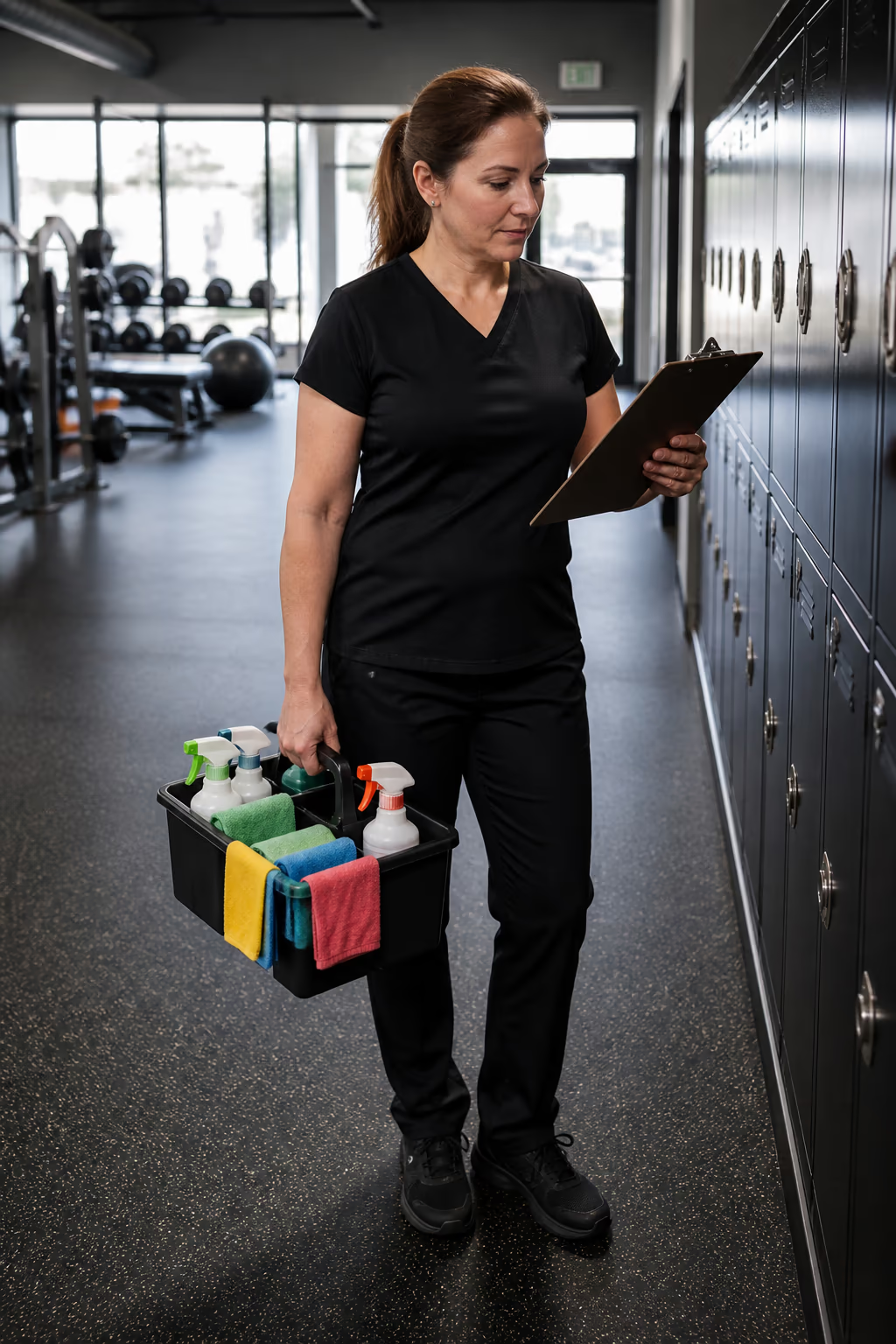
- 09.Keep a written checklist and inspection log so every task is completed, checked, and dated.
Each task feeds into the next. Equipment stays clean because handles and benches are wiped constantly, floors stay fresh because mats and towels are handled on schedule, and the whole facility keeps its standard because someone checks the work.
Surface-Specific Methods: Rubber, Steel, Fabric and Glass
Gyms are full of materials that each need a different approach, and using the wrong method is one of the most common mistakes we see.
- Rubber flooring:pH-neutral mop and an occasional machine scrub.
- Brushed steel and chrome:soft cloth and a mild cleaner, never abrasive pads.
- Fabric and upholstery:regular vacuuming plus a professional deep clean.
- Glass and mirrors:microfibre and a streak-free product.
- Touchscreens and electronics:a lightly dampened cloth, never a soaking spray.
Rubber flooring is forgiving but porous. It should be mopped with a pH-neutral cleaner and allowed to dry, and rubber floors often respond well to an occasional deeper machine scrub when they begin to look dull.
Brushed metal and chrome need gentle treatment. Abrasive pads scratch the finish, so a soft cloth and a mild cleaner are the safer choice.
Fabric seats and upholstered machines hold sweat and odour. They should be vacuumed regularly and cleaned with a method designed for the specific textile, and they benefit from a professional deep clean from time to time.
Glass mirrors and doors streak easily. A clean squeegee or a microfibre cloth with a streak-free product keeps them presentable without smearing.
Choosing Products That Are Safe and Effective
Product choice is where a lot of gym cleaning goes right or wrong. In Canada, any disinfectant that claims to kill germs must carry a valid Health Canada Drug Identification Number, or DIN. We are not going to quote a specific number here, because you should read the label on the bottle you actually buy, but the DIN is the marker that tells you the claim has been reviewed.
- Confirm every disinfectant carries a valid Health Canada DIN.
- Choose EcoLogo-certified or low-impact products where practical.
- Keep safety data sheets accessible and train staff on WHMIS 2015 basics.
- Never mix chemicals, and store concentrates clearly labelled and out of reach.
- Rotate stock so products do not sit past their expiry date.
Safe and effective also means documented. Ontario's WHMIS legislation requires hazardous-product information to be delivered through container labels, safety data sheets and worker education programs in every Ontario workplace except farms, and a gym is no exception. The province states the supplier duty: “Suppliers of hazardous products must label their products and give safety data sheets before they sell or import them.”
Prefer products that carry a recognised certification such as EcoLogo or an equivalent third-party mark when the situation allows. Certified products tend to be formulated with lower-impact ingredients, which matters in a warm, well-used space where members are breathing while they exercise.
Staff who handle cleaning chemicals should understand the basic rules of WHMIS 2015. That means reading the safety data sheet, knowing the hazard symbols, wearing the right gloves and eye protection, and never mixing products. Mixing bleach with other cleaners can release dangerous fumes, so dilution and storage rules matter.
Building a Daily, Weekly and Monthly Cleaning Schedule
A gym stays safe when the cleaning is spread across a schedule rather than crammed into one big clean. Dividing the work keeps every task realistic and makes sure nothing is left to chance.
- Daily:wipe equipment, spot-clean benches, disinfect high-touch points, mop floors, empty bins.
- Weekly:launder mats and towels, descale showers, clean fabric seats, polish glass.
- Monthly:machine-scrub rubber floors, shampoo upholstery, dust vents and baseboards, inspect for damage.
Daily cleaning covers the surfaces members touch all day. Equipment handles, benches, high-touch points, floors, and bins should be handled every day the facility is open, with a full disinfecting pass at closing time.
Weekly cleaning goes deeper. Yoga mats get laundered, locker room showers get descaling treatment, fabric surfaces get a vacuum and spot clean, and mirrors and glass get a proper polish.
Monthly and seasonal cleaning handles the rest. Rubber floors get a machine scrub, upholstered benches get shampooed, baseboards and vents get dusted, and any damaged or worn surfaces get flagged for repair.
A written schedule also helps you notice problems early. If a task keeps being skipped, it is usually a sign that the frequency or the tool is wrong, and that is easier to fix than a surprise deep clean later.
Common Gym Cleaning Mistakes and How to Avoid Them
Even well-intentioned routines can fall short, and a few mistakes show up over and over in fitness facilities.
- One rag for every job spreads germs instead of removing them.
- Wiping disinfectant off before the dwell time passes wastes the product.
- Forgetting floors lets moisture and odour build up underfoot.
- Cleaning only what is visible means vents, drains, and the space behind benches get neglected.
- Skipping the laundry lets soiled towels and mop heads carry germs around the building.
Using one cloth for everything spreads soil from washrooms to equipment, which is why colour-coding matters. A blue cloth for glass, a different cloth for washroom surfaces, and a fresh cloth for equipment keeps the work honest.
Skipping dwell time is another common error. Disinfectants need to stay wet for the time printed on the label, and wiping them off early means the surface was cleaned but not actually disinfected.
Ignoring the floor is a third mistake. Members notice a sticky rubber floor far more than a dusty shelf, and floors hold the moisture and odour that make a gym feel unclean.
Winter, Slush and Canadian Climate Factors
Canadian gyms deal with seasons that most cleaning guides ignore. In winter, members walk in with salt, slush, and road grime on their boots, and that material lands on the entryway first.
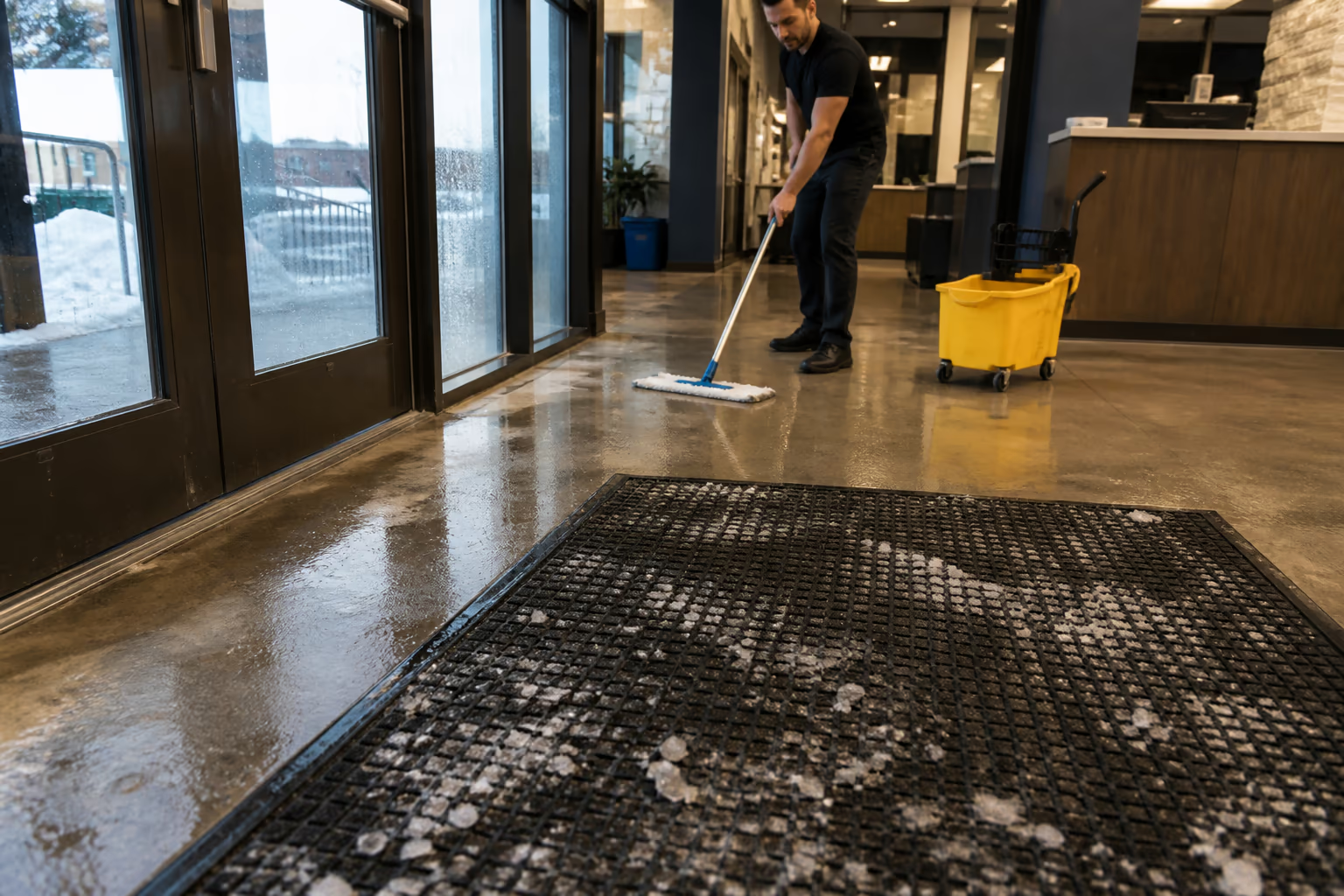
- Vacuum and clean entry mats daily during winter.
- Mop entry and lobby floors more often when salt and slush arrive.
- Check locker room ventilation and fans during humid months.
- Launder towels and cloths on a tighter cycle when the gym is busiest.
A heavy-duty entry mat and a scheduled floor care routine handle the worst of it. Mats need to be vacuumed, cleaned, and replaced when they are saturated, and the entry floor should be mopped more often when the weather is wet or snowy.
In summer, heat and humidity make moisture linger longer. That can mean more frequent laundry, extra attention to shower and locker room ventilation, and a closer eye on any rubber or fabric that stays damp.
The principle is simple: adjust the routine to the season rather than running the same checklist all year. A team that plans for Ottawa winters and humid summers keeps the facility consistent in a way a one-size-fits-all schedule cannot.
Spring and the thaw bring their own workload, with mud and pollen tracked through the entryway. The same heavy-duty mats and frequent mopping that carry the facility through winter also handle the changeable shoulder seasons, so keep them in place longer than the weather forecast suggests.
How Good Cleaner Co. Approaches Gym Cleaning
At Good Cleaner Co. we treat every facility as its own project. We start with a walk-through of the space, note the surfaces and the high-touch points, and build a checklist around the hours your gym is actually open.
We choose registered and low-impact products, we use colour-coded cloths so the same rag never moves from washroom to equipment, and we document the work so you can see exactly what was done.
We also keep the plan practical. A busy fitness floor gets cleaned around class schedules and peak hours, and we agree on timing, access, and communication before we start, so the cleaning never disrupts your members.
Finally, we treat the plan as a living document. When your class timetable changes, when a new piece of equipment arrives, or when a season brings a different kind of grime, we update the checklist and let you know. That is the difference between a cleaning service and a partner in how your facility runs.
When to Hire a Professional Cleaning Team
You can handle the day-to-day wipe-downs yourself, but a few situations make a professional team the better choice. If your gym has more than a few dozen daily visitors, if locker rooms are heavily used, or if you simply do not have staff to spare for daily mopping and laundering, an experienced crew takes the load off.
A professional also brings the depth that daily spot-cleaning misses. Deep scrubbing rubber floors, shampooing upholstered benches, descaling showers, and sanitising the hard-to-reach corners of a locker room are tasks best done on a schedule with the right equipment.
If you are comparing providers, our commercial cleaning company evaluation guide is a useful starting point for the questions that matter. Ask about training, product choices, and how they would handle the specific surfaces in your facility.
Whatever you decide, ask for a written scope and an itemised quote rather than a flat price. An honest provider explains what is included, how often each task happens, and what they expect from you, such as access times and locked areas. That transparency protects you and makes the working relationship far easier to judge. Our affordable cleaning pricing guide breaks down what drives cost across different property types if you want more detail before you ask.
Formatted Step-by-Step Gym Cleaning Checklist
Use this checklist to turn the guidance above into a repeatable weekly rhythm:
- Step 1.Walk the floor with a checklist and identify every high-touch point, from dumbbells to door handles, before you start.
- Step 2.Work from clean to dirty, starting with equipment and benches and finishing with floors, so soil is never dragged back onto finished surfaces.
- Step 3.Apply the correct Health Canada-registered product to each surface and let it sit for the full dwell time stated on the label.
- Step 4.Wipe and rinse with clean, colour-coded cloths, and launder all towels, cloths, and mop heads on a regular cycle.
- Step 5.Inspect the space, log each completed task, and address any odour, damage, or heavy soiling you noticed during the walk-through.
- Step 6.Reviewing our commercial office cleaning services in Ottawa provides a trained team for regular, thorough upkeep of your fitness facility.
FAQ
How often should gym equipment be cleaned?
At minimum, high-touch equipment handles and benches should be wiped down after every use or several times a day during peak hours, with a deeper disinfecting pass at closing time.
Are disinfectants safe to use on gym equipment?
Most are, but the label matters. Choose a product that is listed as safe for the specific finish, let it sit for its full dwell time, and follow any rinsing instructions so members are not exposed to residue.
Do shared gym mats need to be cleaned after every class?
Shared mats should be wiped or sprayed after every class because they hold moisture and skin oils, and they should be laundered or deep-cleaned on a weekly schedule.
How do I stop locker rooms from smelling musty?
Focus on ventilation and moisture. Run fans, clean drains regularly, launder towels and cloths often, and treat showers and floors with a cleaner that removes the film that causes odour.
How can I tell if a cleaning provider understands gyms?
Ask how they would handle rubber flooring, upholstered benches, shared mats, and locker rooms, and ask whether they use trained staff and follow a documented checklist. Our guide to choosing a commercial cleaning company lists the questions worth asking, and our guide on how to choose a cleaning service covers the same ground for smaller facilities.
How much does professional gym cleaning cost in Ottawa?
Costs depend on the size of the facility, the frequency of visits, and how much of the space needs deep work. Ask for an itemised quote based on a walk-through rather than a flat rate, and remember that the cheapest option is not always the most thorough. Our affordable cleaning services Ottawa page has more detail on how pricing typically breaks down for other property types.
Wrapping Up
A safe, welcoming gym comes down to consistent attention to the surfaces members actually touch. Wipe down equipment, protect your flooring, choose Health Canada-registered products, and adjust the routine for the season. When daily upkeep and deep cleaning become more than your team can manage, contact Good Cleaner Co. for a free quote and a cleaning plan built around your facility's schedule and standards.
Keep reading
More from Good Cleaner
- How to Choose the Best Commercial Cleaning Company in Ottawa: Vendor Selection Guide
- Commercial Cleaning Checklist by Industry: Customized Janitorial Tasks
- Commercial Cleaning Frequency Guide: Setting Nightly vs Weekly Schedules
- Clean Offices & Employee Health: Reducing Sick Days Through Janitorial Hygiene
Services that fit
- Professional Office Cleaning Services in OttawaOffice cleaning services in Ottawa for corporate offices, clinics and professional suites. After-hours scheduling, eco-friendly products, free quote.
- Janitorial Services in OttawaRecurring janitorial services in Ottawa for offices, warehouses, retail, dealerships and schools. Eco-friendly commercial cleaning, customized plans.
About the author
Service areas
- Ottawa
- Kanata
- Nepean
- Orléans
- Barrhaven