
Salt Stain Removal: 9 Safe Ways To Clean Entryway Floors
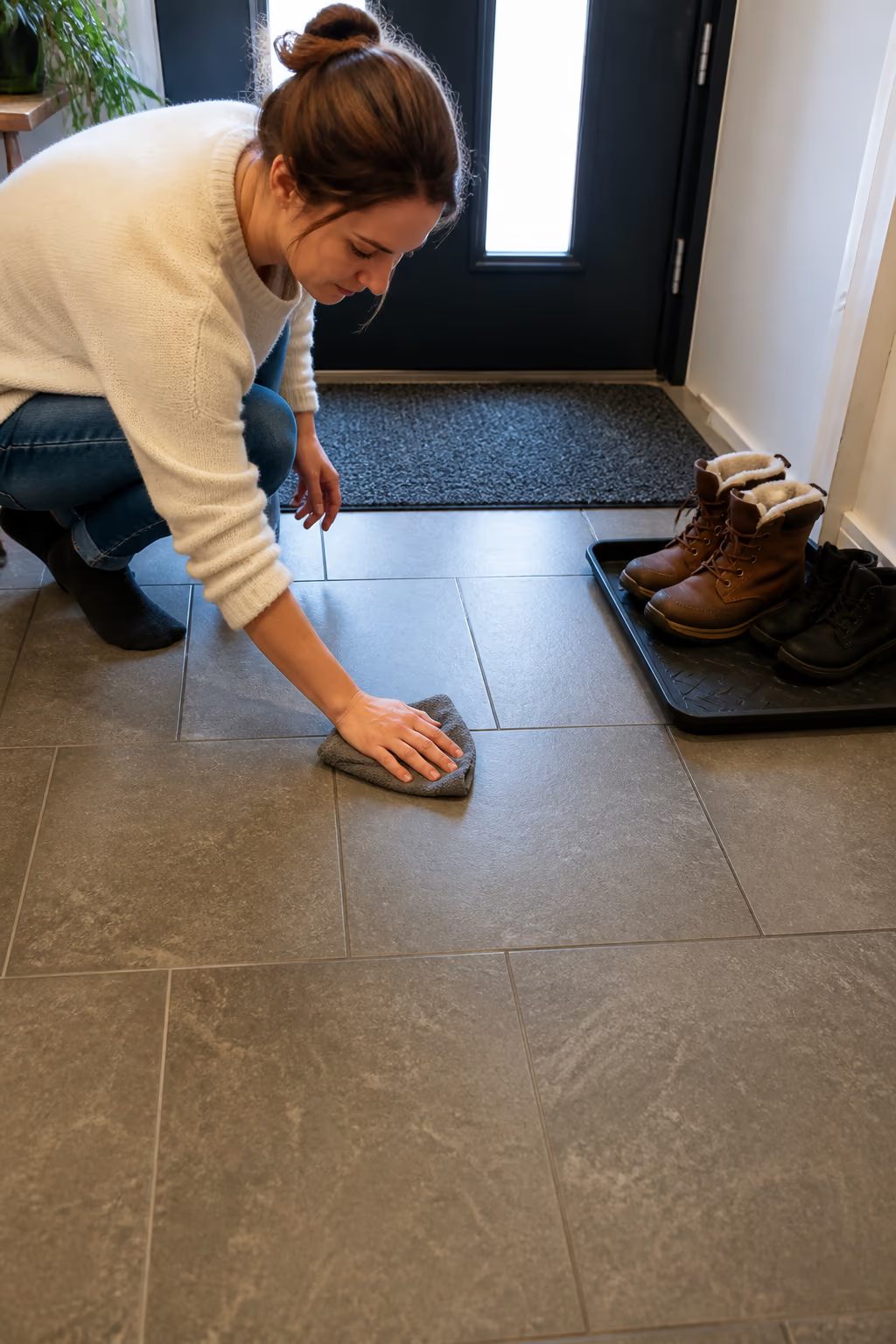
If you live in Canada, you know the winter drill: snow comes in on boots, melts on the mat, and leaves behind a white crust of salt across your entryway floors. Left alone, that crust turns into cloudy streaks, gritty residue and, over time, real damage to tile, stone, vinyl and wood. This guide walks you through nine safe ways to remove salt stains from entryway floors, explains which method suits which surface, and shows how to stop the stains from coming back all season.
Quick Summary
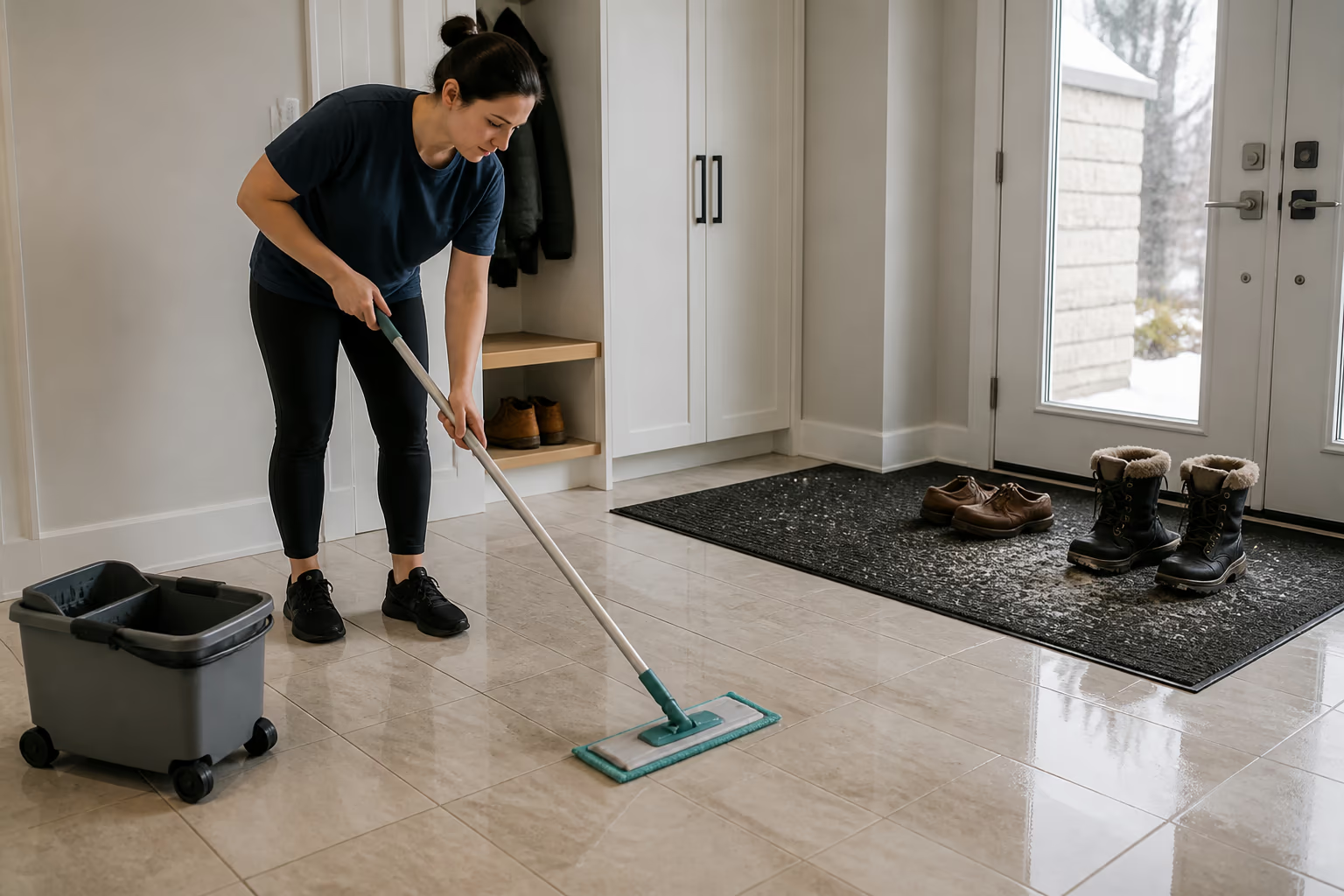
Winter salt tracked in on boots dries into a white crust of salt, grit and hard-water minerals on entryway floors, sinking into porous stone but sitting on top of sealed floors. Nine safe, surface-specific methods lift the stains without damaging tile, stone, vinyl or wood, and help prevent them from returning.
In this guide
Why Salt Stains Are a Winter Problem
Salt stain removal entryway floors guide for Canada: step-by-step methods, surface-specific tips, product picks, costs, and prevention to stop winter damage. Municipalities across Ontario spread salt and sand on roads and sidewalks from late November through March, so boots carry the residue into homes, apartments and offices almost every day of the season.
In a workplace the same grit becomes a regulated hazard. Ontario's industrial establishments regulation requires a floor or other surface used by any worker to be kept free of accumulations of refuse, snow or ice, so an entryway that stays wet and salted through February is an unmet duty rather than a stained floor. The same regulation covers lighting: “Where natural lighting is inadequate to ensure the safety of any worker, artificial lighting shall be provided and shadows and glare shall be reduced to a minimum.”
The white film you see is not simply salt sitting on the surface. It is a mix of salt residue, tracked-in grit, melted snow and hard-water minerals that dry into a thin crust. On porous surfaces such as natural stone and unsealed grout, that mix can sink below the surface and become much harder to lift. On sealed floors it sits on top, but it still dulls the finish and can leave a cloudy haze if it is left for weeks.
Time is the real enemy. A fresh salt stain lifts quickly with a damp mop and a mild cleaner, while a stain that has been walked on for a month has usually settled into the surface and needs a stronger approach. That is why what should i know about salt stain removal 9 safe? really comes down to acting before the season does its worst.
Good Cleaner Co. sees this pattern every winter across Ottawa homes and businesses. The properties that stay in the best shape treat the entryway as the first cleaning priority of the day, and they schedule a deeper clean once the salt season ends so the finish recovers before spring.
This guide covers the practical side of salt stain removal entryway floors: what to use, what to avoid, and when a trained team is the safer choice. The goal is a clean, dry entryway that looks cared for even in the middle of February.
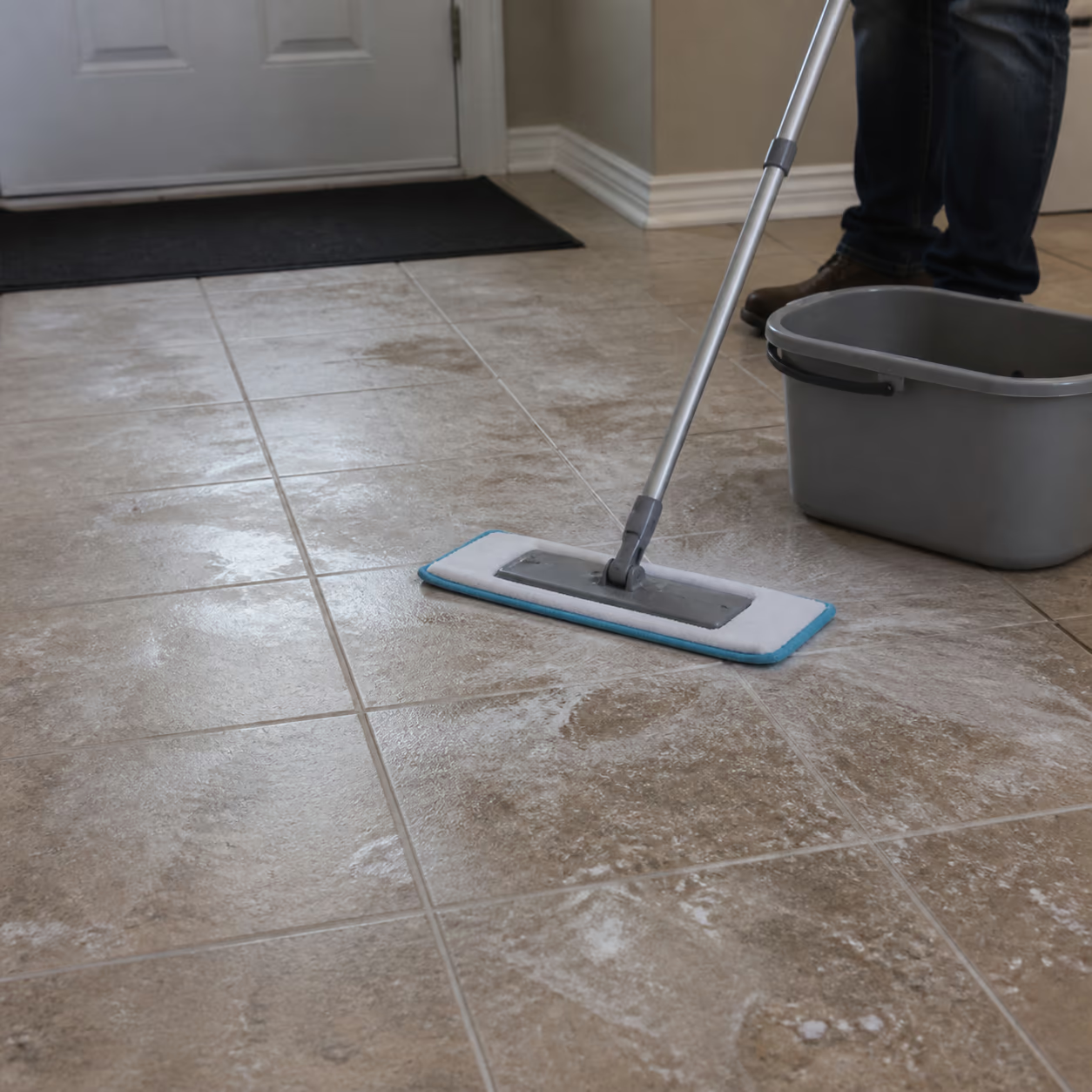
How Salt Affects Different Entryway Floors
The right removal method depends on what is under your feet. Salt affects surfaces in different ways, and the wrong product can cause more harm than the stain you are trying to lift.
- 01Porcelain and ceramic tile:mostly resistant, but salt can etch the glaze if it sits and the grout lines absorb the residue
- 02Natural stone such as limestone, travertine and slate:porous, so salt and moisture can soak in and stain or weaken the surface
- 03Luxury vinyl and vinyl tile:sealed and fairly easy to clean, but abrasives and harsh chemicals can dull the finish
- 04Hardwood and engineered wood:salt and moisture are both enemies, and either can mark the finish and damage the wood beneath
- 05Concrete and brick:absorbent and prone to white residue marks that need a different treatment than ordinary floor polish
- 06Rubber and laminate entry matting:salt collects in the texture and needs a rinse rather than just a vacuum
Once you know the surface, choosing the cleaner is straightforward. A gentle pH-neutral floor cleaner suits most sealed surfaces, while unsealed stone needs a product made for stone. Good Cleaner Co. always tests a small, hidden area before treating an unfamiliar floor, so the chosen product does not do more damage than the stain.
What You Need Before You Start
Gathering the right supplies is half the job. You do not need a cupboard full of specialist products, but you do need the correct basics for your floor type.
- 01A dry vacuum or soft broom to remove grit before any liquid touches the floor
- 02A pH-neutral floor cleaner for most sealed surfaces
- 03A stone-safe cleaner or a little mild dish soap diluted in warm water for porous stone
- 04White vinegar diluted in warm water, used in moderation, for stubborn residue on sealed tile and vinyl
- 05Clean microfibre mops or cloths, rinsed often, so you are not re-spreading the stain
- 06A soft-bristle brush or non-scratch pad for grout lines and textured surfaces
- 07A spray bottle for spot treatment and a bucket of clean water for rinsing
Skip the harsh stuff. Bleach, undiluted vinegar on natural stone, steel wool and abrasive scouring powders can etch, dull or scratch floors, and the damage is visible in an entryway that everyone walks through.
The Step-by-Step Salt Removal Process
A consistent routine keeps salt stains under control and protects your floors through the whole season.
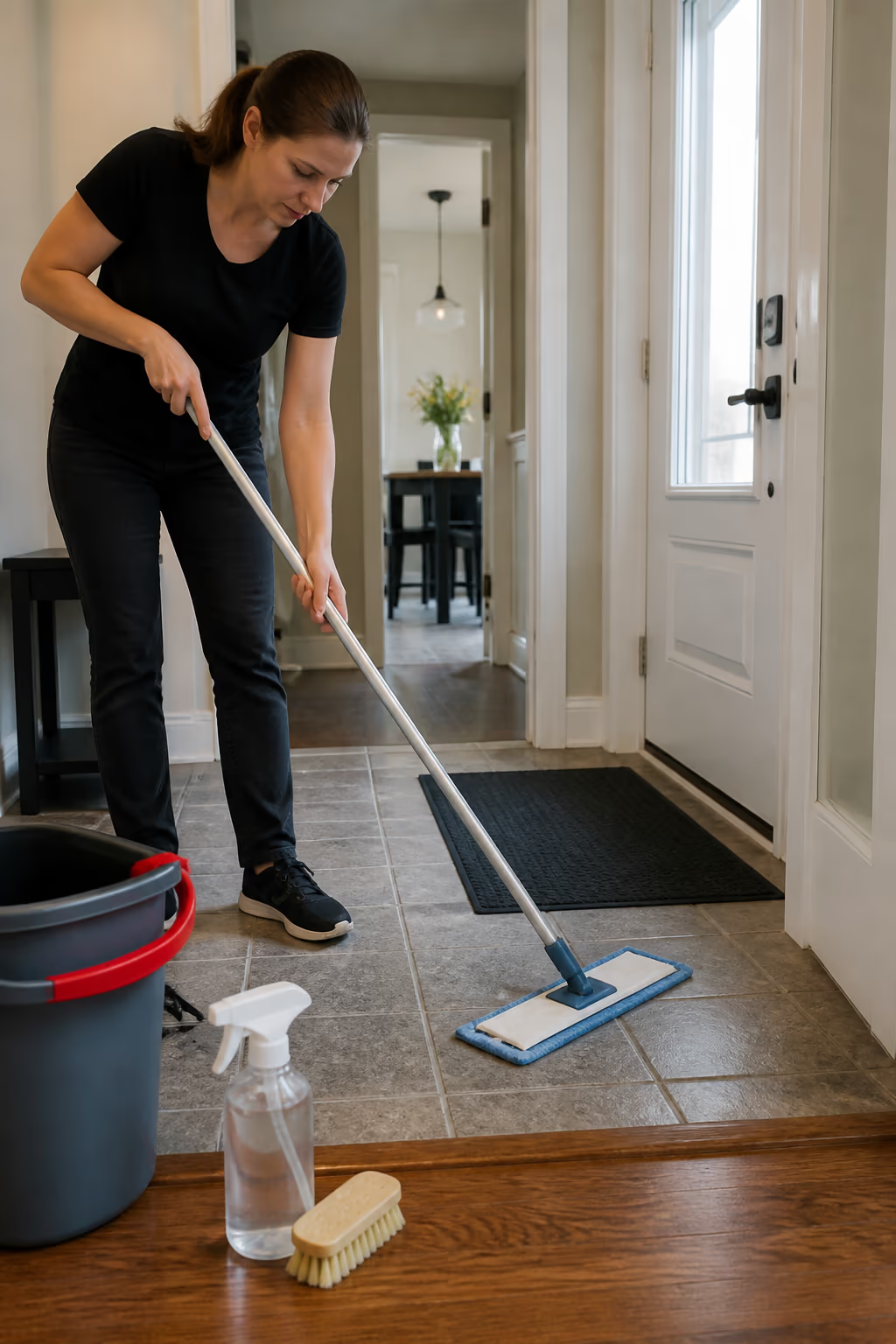
- 01Vacuum or sweep the entryway to lift loose grit and sand, working from the outside edge inward
- 02Apply your chosen cleaner to a mop or cloth and work in a section so the product does not dry before you wipe
- 03Gently agitate stubborn lines and grout edges with a soft brush, without pressing hard enough to scratch
- 04Rinse the area with clean water and a fresh mop head so no residue is left to redeposit
- 05Dry the floor with a clean cloth or let it air dry before it is walked on
- 06Repeat on a schedule that matches traffic, rather than waiting until the white film is visible
For heavy, long-standing stains, let the cleaner dwell for the time the label recommends before you wipe. If you are unsure which product suits your floor, ask a professional to look at it before you treat it yourself.
Nine Safe Ways to Remove Salt Stains
The title promises nine ways, so here they are, ordered from the gentlest to the most intensive.
- 01Use a clean dry mop or vacuum first, so you are never grinding salt into the floor with a wet cloth
- 02Damp-mop with plain warm water for light daily residue on sealed floors
- 03Wipe with a pH-neutral floor cleaner for typical tracked-in salt and grit
- 04Dilute a small amount of white vinegar in water for stubborn film on sealed tile and vinyl only
- 05Scrub grout lines and textured matting with a soft-bristle brush and warm soapy water
- 06Spot-treat heavy patches with a spray-on gentle cleaner, letting it dwell briefly before wiping
- 07Use a dedicated stone cleaner for natural stone and follow the product instructions exactly
- 08Rinse every cleaned area with clean water so cleaner residue does not attract more dirt
- 09Finish with a dry microfibre pass to lift the last film and restore the floor's shine
Work from the gentlest method upward and stop as soon as the stain lifts. If you reach the third or fourth method and the mark has barely moved, the stain may be set, or the surface may need professional care rather than a stronger chemical.
Common Mistakes and How to Avoid Them
Salt stain removal usually goes wrong for a handful of repeatable reasons. Knowing them helps you avoid the most common forms of floor damage.
- 01Scrubbing too hard, which risks scratching the finish before the stain lifts
- 02Using bleach or acid on stone and grout, which can discolour or etch the surface
- 03Leaving cleaner to dry on the floor, which leaves a film that attracts new dirt
- 04Skipping the rinse, so cleaner residue looks like a new stain the next day
- 05Mopping before vacuuming, which pushes grit across the floor and scratches it
- 06Using too much product, which does not work faster and leaves more residue
If your floor shows etching, pitting or persistent cloudiness, that is usually a sign the surface needs reconditioning rather than another clean. A professional can assess the finish and advise whether a gentle polish or a deeper treatment is the right call.
Choosing the Right Salt Stain Cleaner
Not every cleaner is safe for every entryway, and the label matters more than the marketing. A good rule of thumb is to choose the gentlest product that actually works.
- 01A pH-neutral all-purpose floor cleaner for most sealed tile, vinyl and laminate
- 02A stone-specific cleaner with a neutral pH for natural stone and polished surfaces
- 03A grout-cleaning gel or cream for stained grout lines, used with a soft brush
- 04A mild dish soap diluted in warm water for everyday residue on most floors
- 05White vinegar diluted with water, used sparingly, on sealed tile and vinyl only
Check the label for the surfaces it is safe on, and test any new product on a hidden corner first. In Canada, commercial cleaning chemicals are covered by WHMIS 2015, which means every product a professional team uses has a clear label and a Safety Data Sheet. A reputable company reads those sheets and dilutes products to the label, so you never have to guess whether a solution is too strong for your floor.
This is one place where a professional team earns its keep. Cleaning crews see hundreds of entryways a season, so they know which products lift salt without dulling stone or stripping the finish from wood.
Preventing Salt Stains Before They Form
Prevention beats removal, and it is far gentler on your floors.
- 01Use a double layer of mats:a rough scraper mat outside and an absorbent one just inside the door
- 02Shake and vacuum entry mats weekly, and wash them when they are visibly soiled
- 03Encourage dry footwear indoors, and keep a tray or rack where wet boots can drain
- 04Set a quick daily routine of sweeping and a light damp mop of the entryway in winter
- 05Wipe up meltwater promptly before it sits on stone, grout or wood for long
- 06Keep a mild cleaner and a clean cloth near the door for spot cleaning on busy days
Entry mats do the heavy lifting, but they only work when they are maintained. A mat that is saturated with salt stops absorbing anything else, so a clean, dry mat is the single best defence your floor has.
Entryway rugs and carpet runners need their own care too, and our DIY carpet shampoo for stain removal guide covers a gentle homemade option for lifting spots from those fabrics.
A Year-Round Entryway Cleaning Plan
Salt is a winter problem, but the entryway deserves attention all year. A simple seasonal plan keeps the floor protected no matter the weather.
- 01Fall:add scraper mats before the first snow, and reseal grout or stone that has worn thin
- 02Winter:sweep daily, damp mop a few times a week and spot-clean meltwater as it arrives
- 03Spring:schedule a deeper clean to lift the last of the season's salt before it dries in
- 04Summer:maintain the mats, rinse the entry and let the floor recover on a lighter routine
- 05All year:treat spills promptly and keep a small kit of cleaner, cloths and a soft brush near the door
A consistent plan matters more than an occasional marathon clean. Homes that follow a light, regular rhythm through the winter come into spring with floors that still look their best, and they avoid the cloudiness and etched finishes that come from letting salt sit.
Entryways that also see muddy paws year round can benefit from our pet stain odor removal guide, which covers a similar gentle approach for pet-related messes.
Costs, Timing and When to Call a Professional
Removing salt stains is not expensive when you catch it early. A bottle of gentle floor cleaner, a set of microfibre cloths and a soft brush cover most entryways for a season, and daily prevention costs little more than a few minutes of routine.
When stains are set, the cost depends on the surface, the size of the area and the treatment required. Sealed tile and vinyl usually lift quickly with standard cleaning, while natural stone, grout and hardwood may need a specialist treatment that costs more and takes longer. In every case, a reputable provider will quote based on your actual floors and scope, and the price varies by market rather than following one fixed rate.
A professional is the right call when stains keep returning after a thorough clean, when you suspect the finish is damaged, or when the entryway is large and you want it done before guests arrive. A trained team removes the residue, treats grout and stone correctly, and protects the finish so the stain does not come back. If you are comparing providers, our commercial cleaning company vetting guide is a useful starting point for the questions that matter.
Good Cleaner Co. combines local experience, background-checked staff and certified products to keep Ottawa and area entryways clean and healthy. Our residential cleaning visits in Ottawa are built around your schedule and standards, and the teams follow a documented process for floors and finishes alike.
For a broader look at everything we offer beyond entryway care, our cleaning services overview page lists the full range of residential and commercial programs available in Ottawa.
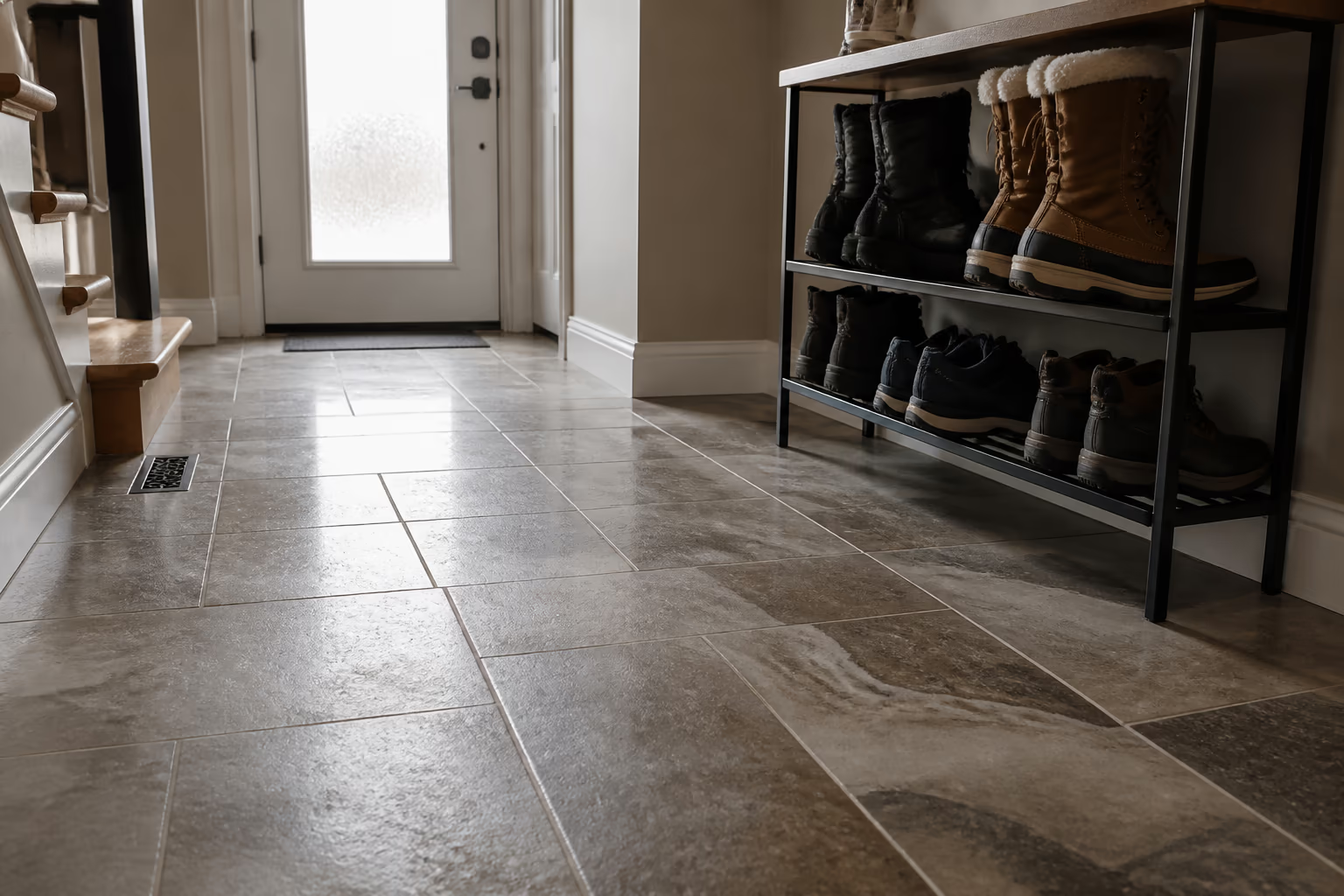
Formatted Step-by-Step Salt Stain Removal Checklist
Here is a condensed five-step version you can follow in under half an hour, plus a sixth step that makes the difference on busy winter weeks.
- Step 1.Sweep or vacuum the entryway to lift all loose salt, sand and grit.
- Step 2.Wipe the floor with a pH-neutral cleaner and a clean microfibre mop, working from the door inward.
- Step 3.Spot-treat stubborn film on grout and textured areas with a soft brush and warm soapy water.
- Step 4.Rinse with clean water and a fresh mop head so no residue is left behind.
- Step 5.Dry the floor and refresh the entry mats so the next snowfall is captured at the door.
FAQ
How often should I clean salt off my entryway floors in winter?
In a busy household, a quick sweep and light damp mop every few days keeps salt from building up. A deeper clean once a week, and a full treatment at the end of the season, protects the finish all year.
Can I use vinegar to remove salt stains from my floors?
Diluted vinegar works on sealed tile and vinyl, but it should not be used on natural stone or unsealed grout, where the acid can etch the surface. When in doubt, use a pH-neutral cleaner instead.
Are salt stains dangerous to my floors?
They are not dangerous, but they can be damaging. Over a winter, salt and moisture can dull sealed floors, stain porous stone and affect hardwood finishes, so regular removal is worth the effort.
How do I remove salt stains from natural stone entry floors?
Use a stone-safe cleaner and a soft cloth, work in small sections and rinse thoroughly. Avoid vinegar and bleach on stone, and if the stain has soaked in, ask a professional before using anything stronger.
What is the best way to clean salt off grout?
Warm soapy water and a soft-bristle brush lift most salt from grout. For set-in stains, let a mild cleaner dwell for the label time, then brush and rinse. Sealing the grout once it is clean helps prevent the next season of stains.
Should I clean my entry mats as well as the floor?
Yes. Entry mats absorb the salt and moisture that would otherwise reach your floor. Shake them out weekly, wash them when soiled and keep a dry set ready so there is always a clean layer at the door.
When should I call a professional for salt stains?
Call a professional when stains return after a thorough clean, when you suspect the finish is etched or dulled, or when the entryway is large and you want it done properly in one visit. A trained team protects the surface while it removes the residue.
How do I get an accurate quote for entryway cleaning?
Ask for an assessment of your floors, the stains you are seeing and the size of the area, then compare itemised quotes rather than bare prices. A provider that looks at the surface before quoting is more likely to give a realistic plan.
Does hot water or cold water work better for salt stains?
Warm water dissolves salt residue more effectively than cold, but very hot water can be risky on some finishes. Use warm, not boiling, water and always follow the cleaner label.
Wrapping Up
Salt stains are a fact of Canadian winter, but they do not have to damage your floors. Clean early, use the right product for your surface, keep your mats working and schedule a professional treatment when the season leaves marks behind. Good Cleaner Co. can help you protect your entryway all winter. Contact Good Cleaner Co. for a free quote and a cleaning plan tailored to your home or business.
Keep reading
More from Good Cleaner
Services that fit
- House Cleaning Services in OttawaRecurring home cleaning services in Ottawa for one-time, weekly, biweekly and monthly care, including entryway, floor and winter salt-stain care with eco-friendly products and a free quote.
- Janitorial Services in OttawaRecurring janitorial services for offices, warehouses, retail, dealerships and schools, with eco-friendly commercial cleaning and customized plans that keep high-traffic entryways clean through winter.
About the author
Service areas
- Ottawa
- Kanata
- Nepean
- Orléans
- Barrhaven