
How To Clean An Office Space Like A Professional Cleaner
Professional office cleaning is not about scrubbing harder; it is about a system. A trained cleaner works top to bottom, clean surfaces before dirty ones, and handles high-touch points that most people never think about. This guide explains the method professionals use to keep a workspace looking and feeling clean, what to include in your routine, and when to bring in a team.
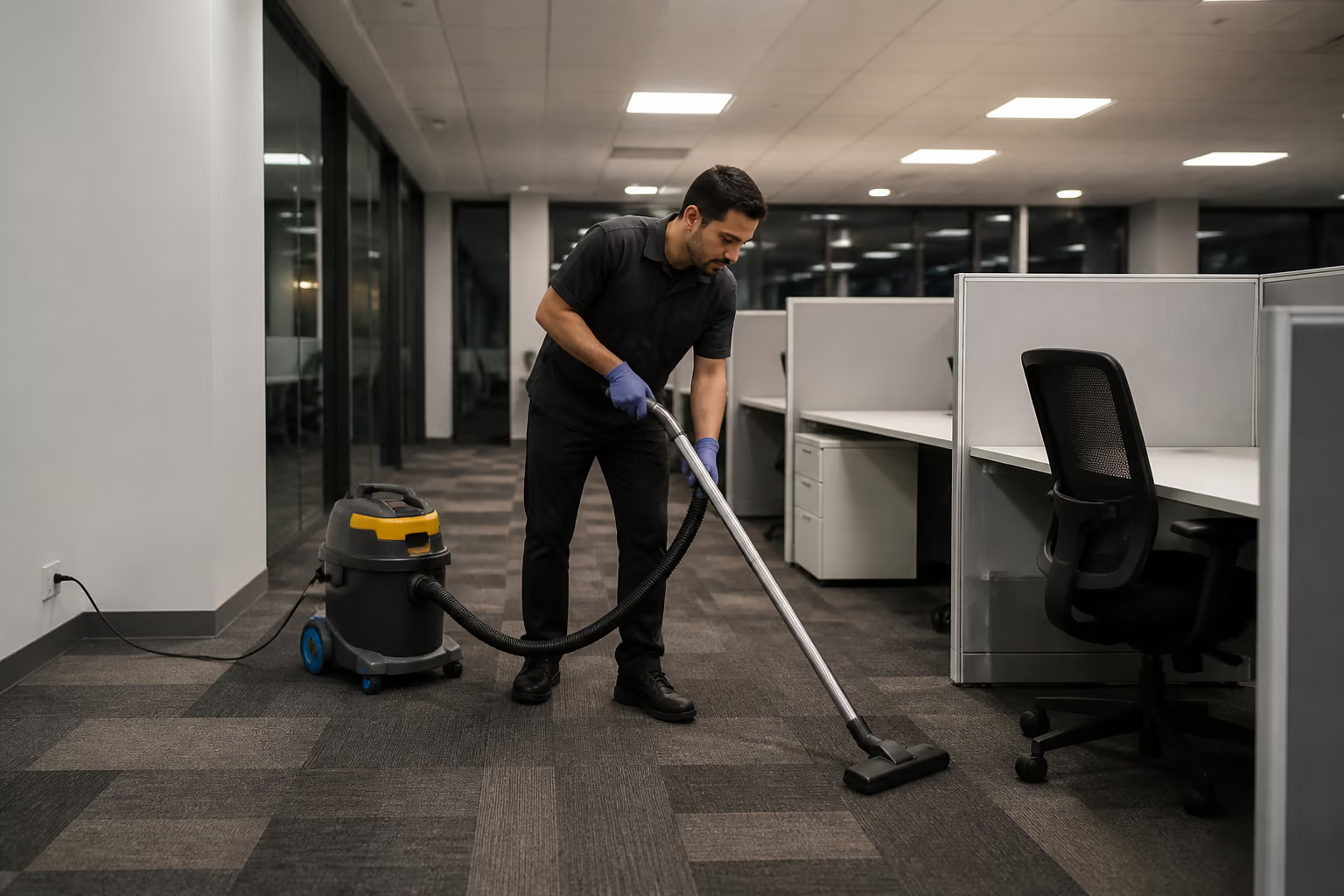
Quick Summary
Professional office cleaning follows a system rather than extra effort: work top to bottom and from the least dirty room to the most, use colour-coded cloths to avoid cross-contamination, and give high-touch points like door handles and light switches attention every visit.
In this guide
Why Office Cleaning Needs a System
An office is not one room; it is a set of very different surfaces that all need different care. Desks and monitors, carpets and hard floors, kitchens, washrooms and shared equipment each collect dirt in their own way, and a single cleaner cannot treat them all the same.
- Desks, keyboards and phones collect skin oils, food crumbs and dust throughout the day.
- Door handles, light switches and shared equipment carry the most hand contact of any surface.
- Carpets hold dust, dirt and spills that a quick vacuum misses near edges and under desks.
- Kitchens and washrooms need the most attention and the most careful product choice.
A system matters because the order changes the result. Working from the ceiling down, and from the least dirty room to the most, stops you from cleaning a surface and then dirtying it again with the next step. Professionals also work during off-hours or around a schedule, so the space is clean and dry before people arrive.
For an office, "clean" also means presentable. Clients, visitors and staff all notice a dusty monitor or a sticky kitchen counter, and a clean workspace supports a professional image. A regular system keeps that standard without anyone having to think about it.
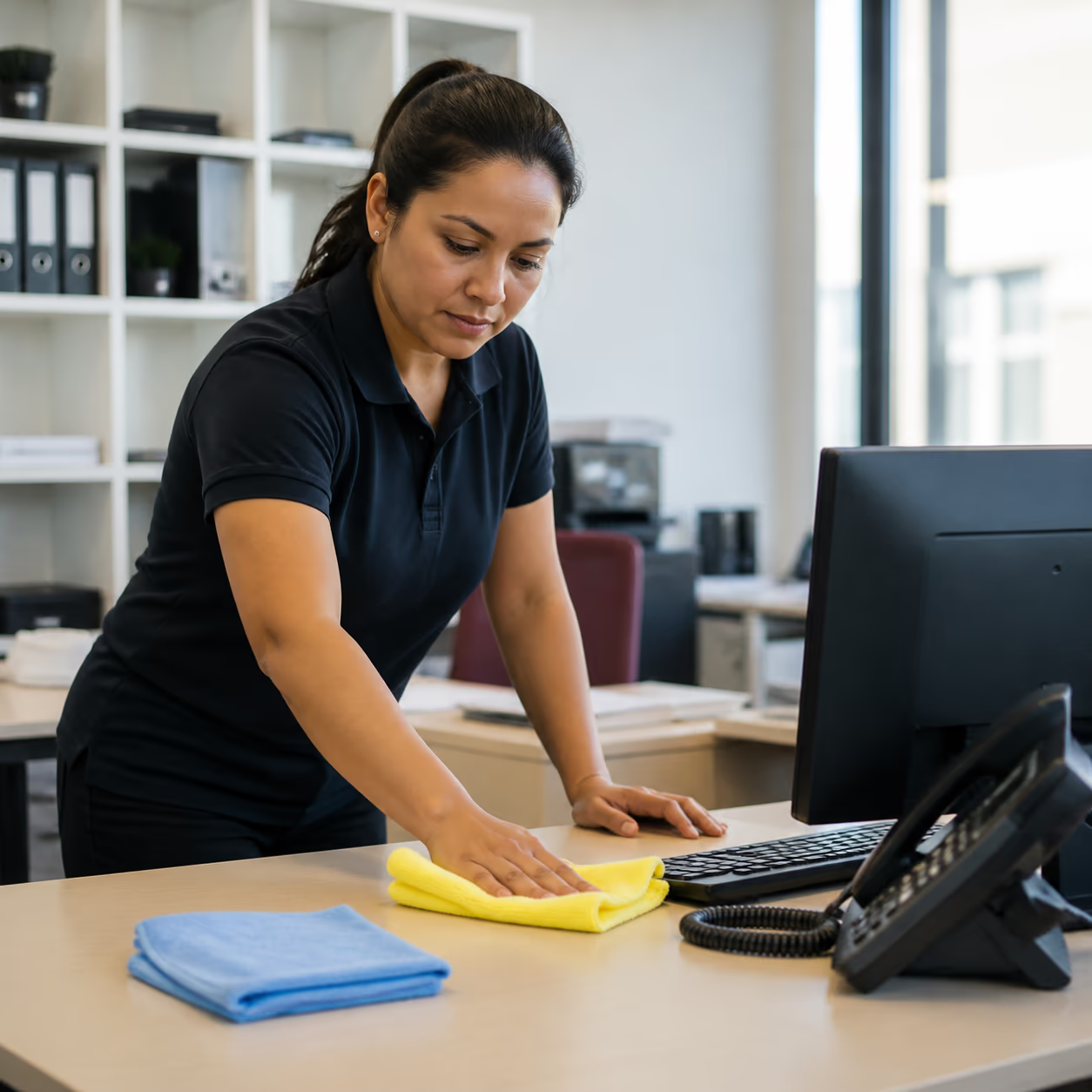
The Professional's Office Cleaning Kit
A professional office cleaner carries a focused kit that works across many surfaces without carrying a different product for everything. You can assemble the same kit at home.
- Microfibre cloths in several colours, one set for desks and one for washrooms, so you never cross-contaminate.
- A neutral multi-surface cleaner and a glass cleaner, both safe for the office surfaces you touch most.
- A vacuum with attachments for edges, crevices and keyboard dust.
- A mop and bucket for hard floors, with a fresh water change between rooms.
- A duster with a telescopic handle for vents, blinds and high shelves.
- Disposable gloves and a mild disinfectant for washrooms and high-touch points.
Colour-coded cloths are not a gimmick. The cloth that wipes a desk should never wipe a washroom counter, and the cloth that touches a keyboard should not touch a doorknob. Keeping the sets separate is the simplest way to stop moving germs from one surface to another.
Choose products that are certified and low-fume so the office does not smell like a cleaning supply closet after the work is done. Many commercial cleaners in Canada choose EcoLogo-certified products for this reason, and a mild disinfectant is reserved for the surfaces that genuinely need it, not every countertop in the building.
Working Top to Bottom and Clean to Dirty
The first rule of professional cleaning is the direction. Dust and debris fall, so if you clean the floor first, everything you wipe above it lands back on the clean floor.
- 01Dust and wipe high surfaces first, including shelves, vents, blinds and the tops of cabinets.
- 02Move to mid-height surfaces such as desks, counters and window sills.
- 03Clean glass and mirrors next so drips are caught on the surfaces below.
- 04Finish with the floors, vacuuming or mopping the last layer of the space.
The second rule is clean to dirty. Start in the least contaminated area, such as the reception or a meeting room, and finish in the kitchen and washrooms. This way, the tools you carry and the water you use are fresh for the surfaces that need them most.
Within a single room, the same logic applies. Wipe the desk before the keyboard, the keyboard before the floor, and never let a washroom cloth or bucket touch a workstation. The order is what keeps the result genuinely clean rather than just moved around.
Kitchens, Break Rooms and Washrooms
Kitchens, break rooms and washrooms are where the grime and the germs live, and they need the most care. These rooms also need the clearest product discipline.
- Wipe countertops, handles, the fridge door and the microwave outside before the inside.
- Clean the sink and the faucet, and empty the bins so nothing sits overnight.
- Wipe down the coffee station, including the machine and the area around the pods and cups.
- In washrooms, wipe the fixtures, mirrors, sinks and the touch points on doors and dispensers.
The kitchen and break room are used by everyone, so the surfaces people touch the most are the ones to prioritise. The fridge handle, the microwave handle and the tap on the sink are touched hundreds of times a day and rarely wiped. Give them a pass every single clean.
For washrooms, the professional rule is to clean from the cleanest surface to the dirtiest and to use a fresh cloth and fresh water. The mirror and the sink come before the toilet, and the cloth never returns to a clean surface after touching a dirty one. A mild disinfectant on the fixtures and the touch points keeps the room safe for the next user. That same clean-to-dirty order is also how to clean a bathtub like a professional cleaner at home.
Floors, Trash and the Finishing Pass
Floors carry the most dirt in the building, and trash is the part of the routine that has to happen every time or the office quickly looks neglected.
- Collect trash and recycling first so you do not push bags and bins around a freshly cleaned floor.
- Vacuum carpets, including edges and under desks where crumbs settle.
- Mop hard floors with fresh water, and change the water between rooms or at least between major areas.
- Leave wet floors marked or time the mopping so staff do not walk through before it dries.
The finishing pass is the difference between a cleaned office and a clean-looking office. After the floors are done, walk the space and check the small things: a straight chair, a wiped light switch, a closed cupboard, a full paper towel dispenser. These details tell visitors and staff that the space is cared for.
For a professional team, the finishing pass is part of the routine. Every cleaner does a final walkthrough of each room before moving on, checking for smudges, drips and anything missed. That last look is what keeps the standard high between deep cleans.
Common Mistakes That Leave an Office Looking Unclean
A few habits explain why some offices always look dusty no matter how often they are cleaned.
The first is cleaning top to bottom in the wrong order. When the floors are done first, the dust from the shelves lands right back on them, and the office looks dirty an hour later.
The second is skipping the high-touch points. A spotless floor is overshadowed by a smudged doorknob or a dusty phone, because those are the surfaces people touch and see constantly.
The third is using one cloth for everything. A cloth that wiped a washroom counter and then a desk has moved the germs onto the desk, which is the opposite of cleaning.
The fourth is using the wrong product on the wrong surface. A harsh spray on a monitor or a wood desk can damage the finish, and a degreaser in the wrong place leaves a film that attracts dust.
The fifth is ignoring the details. The dust on top of a filing cabinet, the crumbs under a keyboard and the smudge on a light switch are all noticed, even when the main surfaces are clean.
The sixth is leaving wet floors unmarked. A freshly mopped floor with no sign is a safety hazard and leaves footprints that make the clean look wasted.
How Often to Clean an Office
The right schedule depends on the office, the number of people and the traffic, but most spaces settle into a clear rhythm.
- Daily tasks cover trash, kitchen counters, washrooms and the floors in high-traffic areas.
- Weekly tasks include vacuuming everything, dusting surfaces and wiping desks and shared equipment.
- Monthly or quarterly deep tasks cover vents, blinds, the tops of cabinets and a full washroom deep clean.
- Carpet shampooing and floor maintenance run on a longer schedule set by the flooring and the wear.
A small office with a handful of people can keep up with a lighter daily routine and a deeper weekly clean. A busy office with shared kitchens and a constant flow of visitors needs daily attention in those rooms and a full pass on a fixed schedule.
In Ottawa, the seasons add to the list. Winter brings sand and road salt onto the floors and entryways, so entrance mats need extra vacuuming and hard floors need more frequent mopping. Spring dust and summer humidity add their own film, which is why a seasonal deep clean keeps an office from sliding.
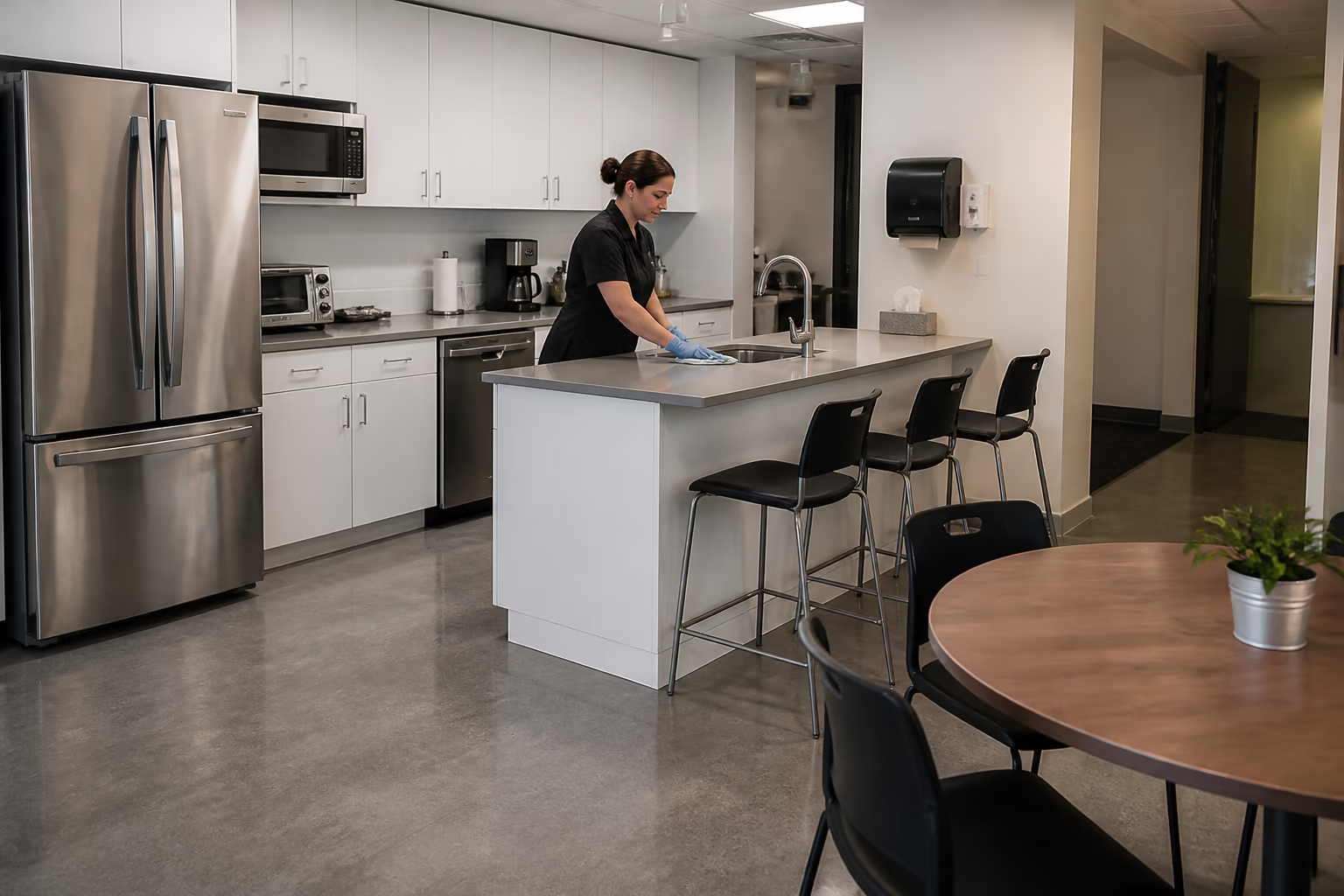
Safety, Products and How Good Cleaner Co. Handles Offices
Cleaning an office safely means using the right products, marking hazards and working around people. The same care principle behind WHMIS 2015 training applies on every commercial site: read the labels, know what each product is for, and never mix cleaners.
Professional product handling follows a written standard. Ontario's WHMIS legislation requires hazardous-product information to be delivered through labels, safety data sheets and worker education programs, and it places the duty to pass that information on with the employer. The province states the supplier duty: “Suppliers of hazardous products must label their products and give safety data sheets before they sell or import them.”
Good Cleaner Co. follows that discipline in every office it cleans. That keeps an office clean without leaving a strong chemical smell behind.
Our teams also plan the work around the business. We clean during off-hours or at a set time that avoids disrupting staff, mark wet floors so nobody slips, and keep the products and equipment out of the way. The result is a workspace that is ready to use the moment people arrive.
When to Hire a Professional Office Cleaner
Many offices clean in-house, and many discover that a professional team is a better fit once the space grows.
- An office where the cleaning falls behind because staff are too busy with their own work.
- A space with kitchens, washrooms and carpets that need regular, consistent care.
- A move-in or move-out where the whole space needs a reset at once.
- A business that wants a reliable standard without managing the products and the schedule internally.
How much you book depends on the space and the scope, not a fixed rule. A smaller office might need a few hours a week, while a larger floor needs daily service. A professional team quotes on the square footage, the tasks and the frequency, and adjusts the plan as the office changes. For a home office attached to a residence, pairing this with house cleaning services in Ottawa for the rest of the house keeps the whole property on one consistent standard.
When you compare providers, ask what is included, how they train their staff and how they handle washrooms and high-touch points. If you are comparing options for your business, our guide to vetting commercial cleaners is a useful starting point for the questions that matter.
Formatted Step-by-Step Professional Office Cleaning Checklist
Use this checklist to clean an office the way a professional team does.
- Step 1.Collect trash and recycling, and wipe the high-touch points like door handles, light switches and shared buttons.
- Step 2.Dust and wipe high surfaces, vents, blinds and the tops of cabinets before moving down.
- Step 3.Clean workstations, including desks, keyboards, phones and monitor screens with a screen-safe cloth.
- Step 4.Clean the kitchen, break room and washrooms with fresh water, fresh cloths and a mild disinfectant where needed.
- Step 5.Vacuum or mop the floors, mark wet areas, and finish with a walkthrough of the details.
- Step 6.For a professional standard that covers every desk, kitchen and washroom, review our commercial office cleaning services in Ottawa to compare scope and scheduling.
FAQ
How often should an office be cleaned?
Daily tasks cover the kitchen, washrooms, trash and high-traffic floors, with weekly full cleans and seasonal deep cleans for vents, carpets and hard-to-reach spots.
What surfaces are most often missed?
High-touch points like door handles, light switches, printer buttons, fridge handles and monitor screens are the most overlooked and the most visible.
Can a professional team clean while staff are working?
Yes. Many teams work during off-hours or at a set time that avoids peak traffic, and they mark wet floors and keep equipment out of the way.
Are the cleaning products safe for an office?
Professional companies use certified, low-fume products and reserve disinfectants for the surfaces that need them, so the office is safe to use after cleaning.
How long does it take to clean an office?
It depends on the size and the scope. A small office might take a few hours a week, while a larger space needs daily service planned around the layout.
Do I need to clean the kitchen and washroom daily?
In a busy office, yes. Those rooms are used constantly and are the first place a space starts to look neglected.
What is the best way to clean a monitor?
Use a clean microfibre cloth and a screen-safe product, and never spray directly onto the screen. Wipe lightly and buff dry.
Why does my office always look dusty?
Dust on high shelves, vents and the tops of cabinets is usually the culprit. Working top to bottom and dusting those surfaces first fixes the look.
Does a clean office really matter to staff?
Yes. A clean, well-kept workspace supports a professional image, reduces clutter and makes the space more pleasant to work in every day.
Does Good Cleaner Co. provide office cleaning in Ottawa?
Yes. Our crews clean offices, kitchens, washrooms and shared spaces across Ottawa, and plan the work around your business hours.
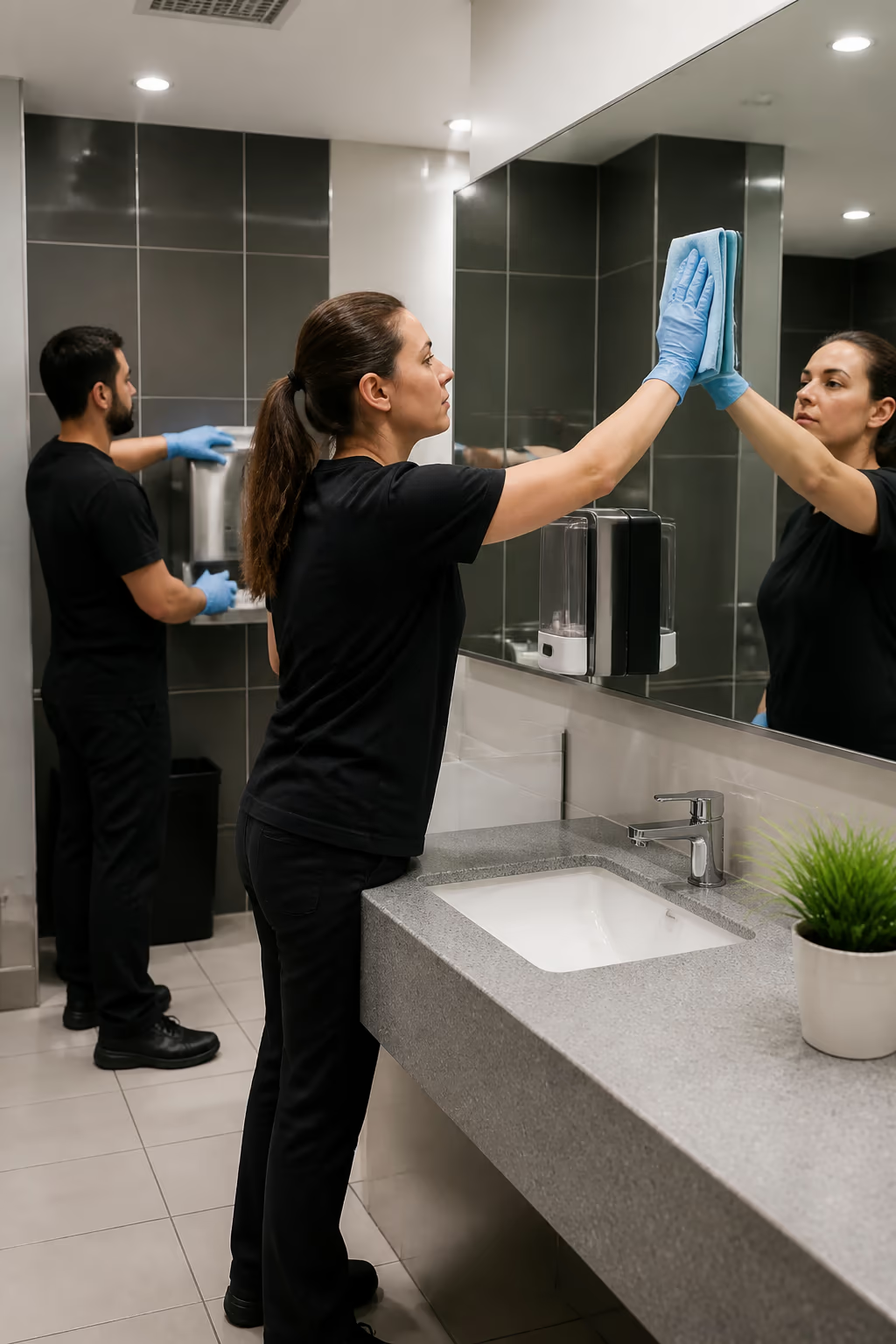
Wrapping Up
Cleaning an office like a professional is a matter of system, not strength. Work top to bottom and clean to dirty, wipe the high-touch points every time, give the kitchen and washrooms their own careful pass, and finish with the floors and the details. Keep the products certified and low-fume, and mark wet floors so everyone stays safe. When the space grows, the schedule slips or you want a reliable standard without managing it yourself, a professional team brings the training, the products and the plan to keep the office clean and ready. The same top-to-bottom system works at home too; see our guide on how to clean a messy house like a professional cleaner for the room-by-room version.
Keep reading
More from Good Cleaner
Services that fit
- Professional Office Cleaning Services in OttawaOffice cleaning services in Ottawa for corporate offices, clinics and professional suites. After-hours scheduling, eco-friendly products and a free quote.
- Janitorial Services in OttawaRecurring janitorial services in Ottawa for offices, warehouses, retail, dealerships and schools. Eco-friendly commercial cleaning, customized plans, free quote.
About the author
Service areas
- Ottawa
- Kanata
- Nepean
- Orleans
- Barrhaven