
Impact Of Office Cleaning On Employee Well-being
A clean office is more than a matter of appearances; it is part of how your team feels when they walk in each morning. The state of the workplace affects focus, morale, illness and how people judge the organisation they work for, and the connection between office cleaning and employee well-being is real and measurable. This guide explains what a well-planned commercial cleaning programme does for your people, what the common gaps look like, and when a professional team is the right investment.
Quick Summary
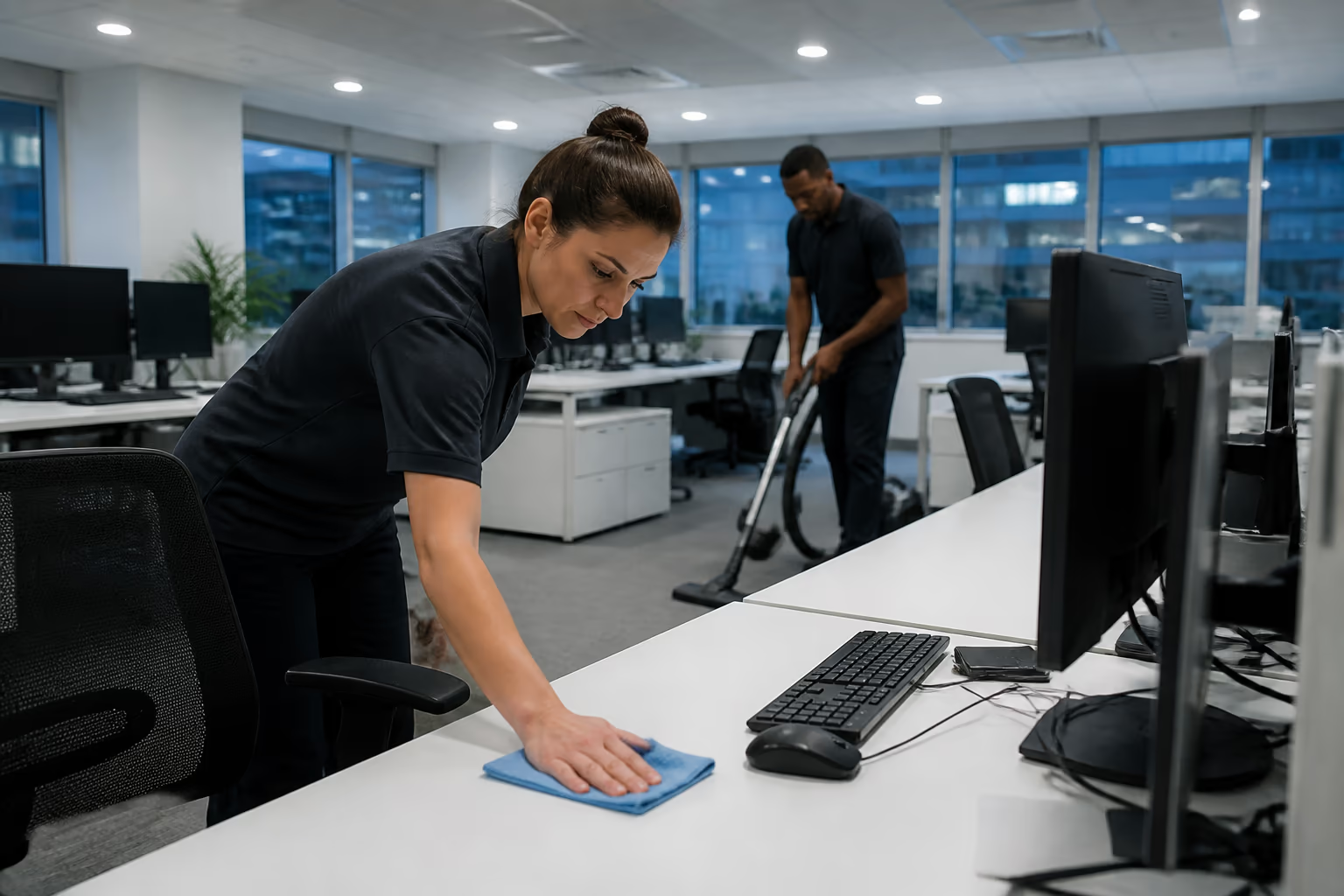
Office cleanliness shapes employee well-being by affecting focus, morale and illness levels, since a tidy space signals that people matter while a neglected one wears away at morale even when the work is unchanged. Regular cleaning of shared surfaces like door handles and keyboards reduces germ spread, cutting sick days and absences.
In this guide
How Office Cleanliness Shapes Employee Well-being
Employees notice the space around them whether anyone talks about it or not. A tidy, fresh, well-maintained office sends an unspoken signal that people and their comfort matter, while a neglected one wears away at morale even when the work itself is unchanged. That first impression sets the tone for the whole day, which is why the entrance, the washrooms and the shared kitchens carry so much weight.
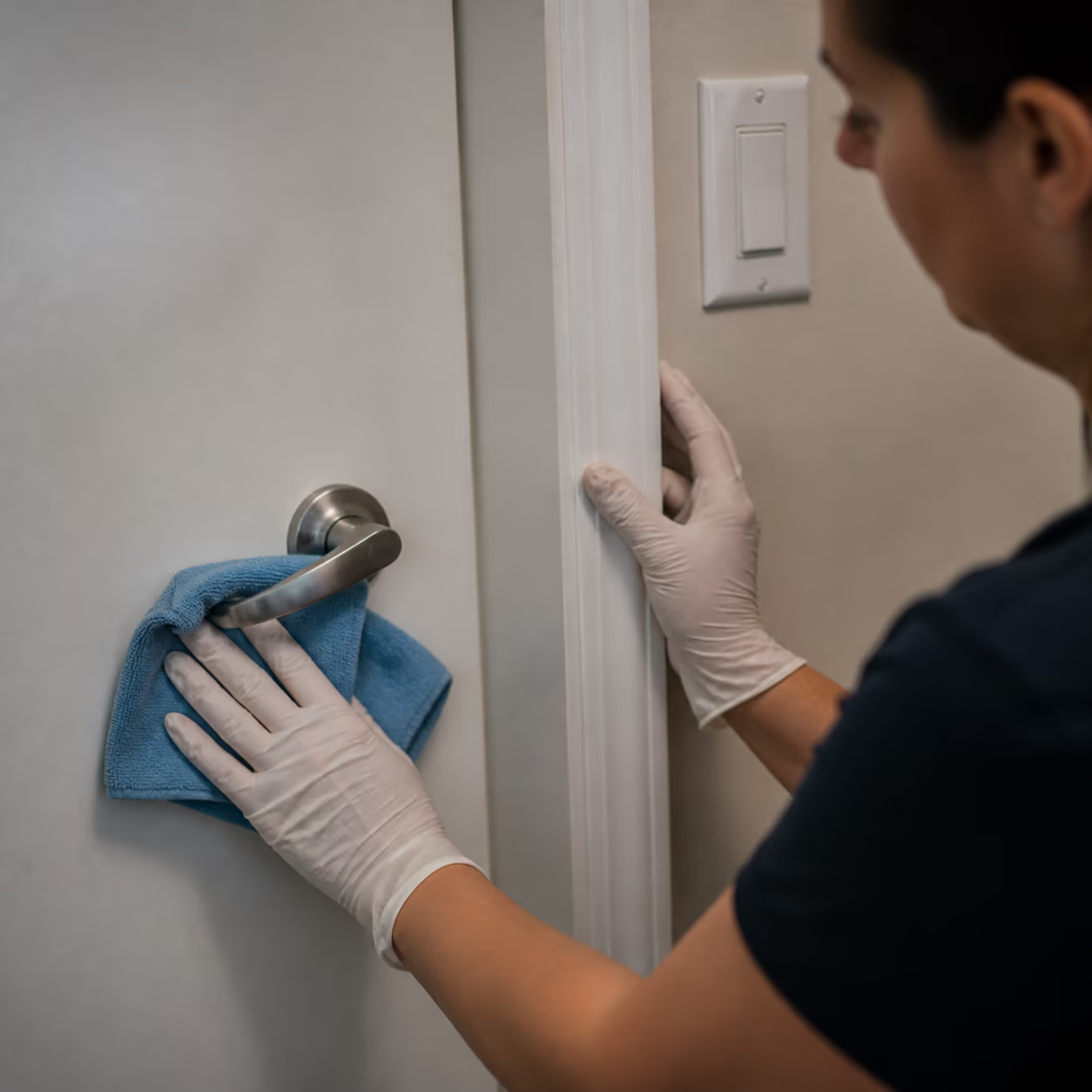
Cleanliness also protects health directly. Shared surfaces, door handles, keyboards and break-room counters are exactly where germs travel between people, and a consistent cleaning routine reduces the load that moves around the office. Fewer illness days mean fewer absences, steadier team capacity and less disruption for everyone, which is why well-run organisations treat hygiene as a business priority rather than an optional extra.
There is a psychological layer as well. Clutter and grime are known to add to cognitive load and stress, while an orderly, clean environment helps people feel calmer and more in control. The workplace is where many Canadians spend the largest share of their week, so the quality of that space influences how people feel about their jobs, their health and their employer. For a closer look at this connection, how office cleaning improves employee mental health is worth reading.
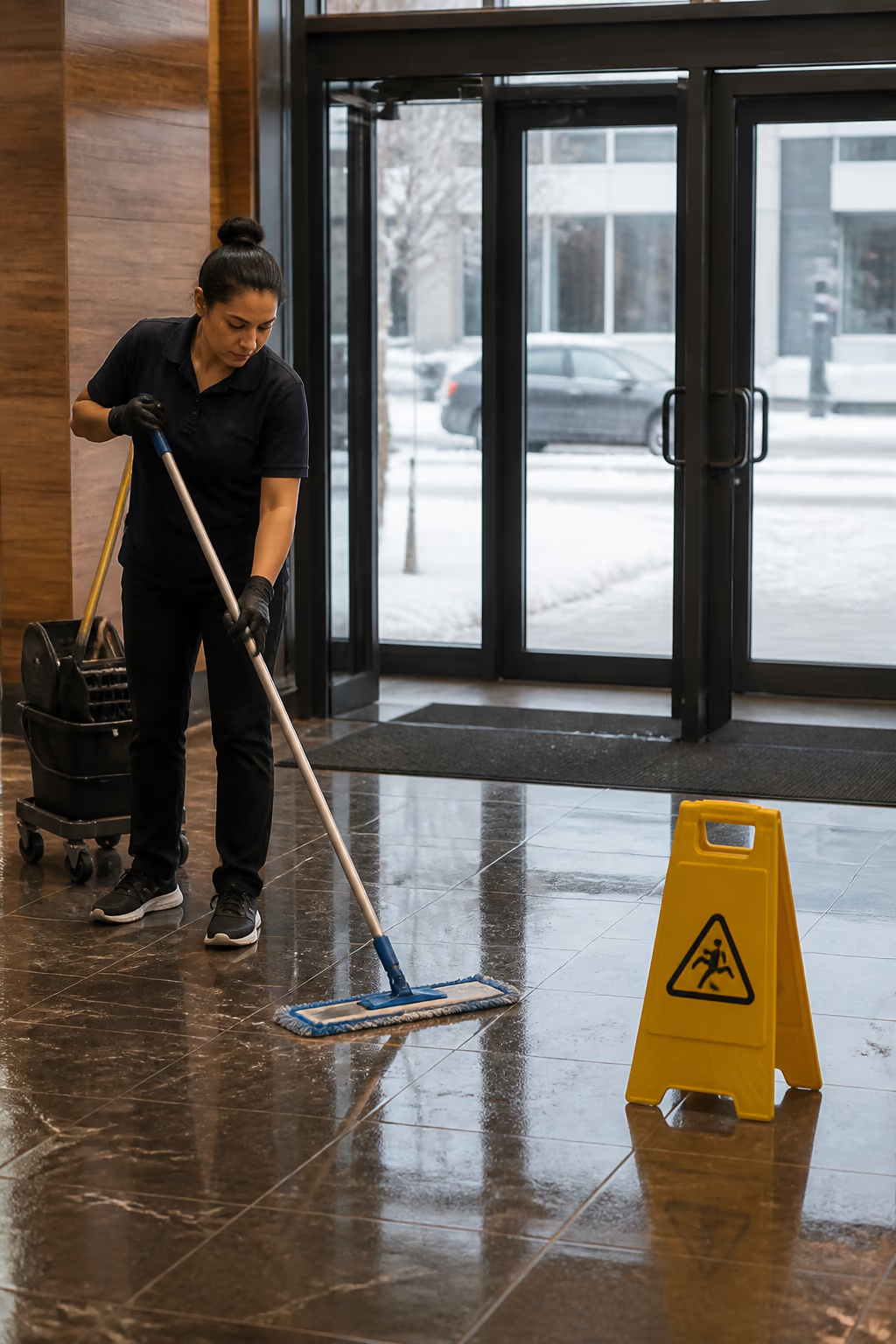
The benefits also reach the people who visit. Clients, customers and job candidates form impressions within seconds, and a clean, organised space says the business is capable, careful and worth trusting. That is especially true in Ottawa, where long winters bring mud, salt and slush through the entrance, and a lobby that looks after itself on the worst weather days leaves a strong impression that a neglected one never will.
What a Clean Workplace Actually Affects
When you map the impact of office cleaning onto daily life, the effects show up in several practical ways. Keeping these in mind helps you prioritise where the cleaning budget goes.
- Fewer sick days, because routine cleaning reduces the germs shared on surfaces.
- Better focus, because an orderly space carries less distraction and visual clutter.
- Higher morale, because employees feel the organisation cares about their comfort.
- A stronger impression on clients, visitors and job candidates.
- Fewer odours and allergens, which matters for staff with sensitivities.
- Longer-lasting furniture and finishes, because dirt wears surfaces down over time.
Air is one of the things a clean workplace actually changes. Health Canada's ventilation advice notes that good ventilation reduces indoor air pollutants, removes stale air and limits the moisture buildup that contributes to mould growth. Health Canada states it plainly: “The most effective way to improve your indoor air is to identify activities that can contribute to poor indoor air quality and remove or reduce the sources of indoor air pollutants.”
None of these effects is a nice-to-have. Absences and turnover cost far more than a cleaning contract, and a single unprofessional impression in the entrance can colour a client's view of the whole company. When the workplace is consistently clean, the everyday experience of employees improves in small but constant ways that compound over the year.
The evidence is not hard to find in daily experience. Most people can remember walking into an office that felt fresh and professional, and the opposite, and how each made them feel about doing their best work. That feeling is not sentimental; it shapes retention, recruitment and the quiet everyday decisions that add up to a productive team.
What You Need Before You Start
Building an office cleaning programme starts with knowing what your space actually needs, not just what a standard checklist says. Begin with a clear picture of your office.
- A walkthrough of every zone, from the entrance to the loading dock.
- A list of high-touch surfaces that need daily attention.
- A schedule that separates daily, weekly and deep tasks.
- Clear expectations for washrooms, kitchens and shared areas.
- An approved list of products, with the manufacturer's instructions for each.
- A way to inspect results and collect feedback from the team.
When products are chosen, look for the same discipline a trained team applies. Commercial cleaning products used in Canada carry safety data sheets under WHMIS 2015, and staff should be trained to read them, dilute correctly and use the right protective gear. For tasks that genuinely require disinfection, use a product with a Drug Identification Number, or DIN, registered with Health Canada and respect the labelled dwell time. Wherever an eco-friendly option can do the job, a recognised certification such as EcoLogo signals a responsible formulation. To check where your program stands, is your office cleanliness compliant covers the requirements worth reviewing.
The Step-by-Step Process
A reliable office cleaning routine follows a rhythm. Daily tasks keep the visible surfaces and high-touch points fresh, weekly tasks handle the deeper wipe-downs, and periodic deep cleans tackle carpets, upholstery, vents and the build-up that daily cleaning cannot reach.
Start with the high-touch surfaces every day: door handles, light switches, keyboards, phones, railings, elevator buttons and washroom fixtures. These are where germs travel, and consistent daily attention keeps the load low. In shared kitchens, wipe counters and clean the handles and appliances on a daily basis, and empty bins before odours take hold.
These everyday routines are supported by the right products and the right habits. Colour-coded cloths and microfibre supplies stop the same rag from carrying grime from the washroom to the kitchen, and matching each product to its task means you are not over-using chemicals where plain water and a cloth will do. The result is a workplace that is not only cleaner but healthier to be in.
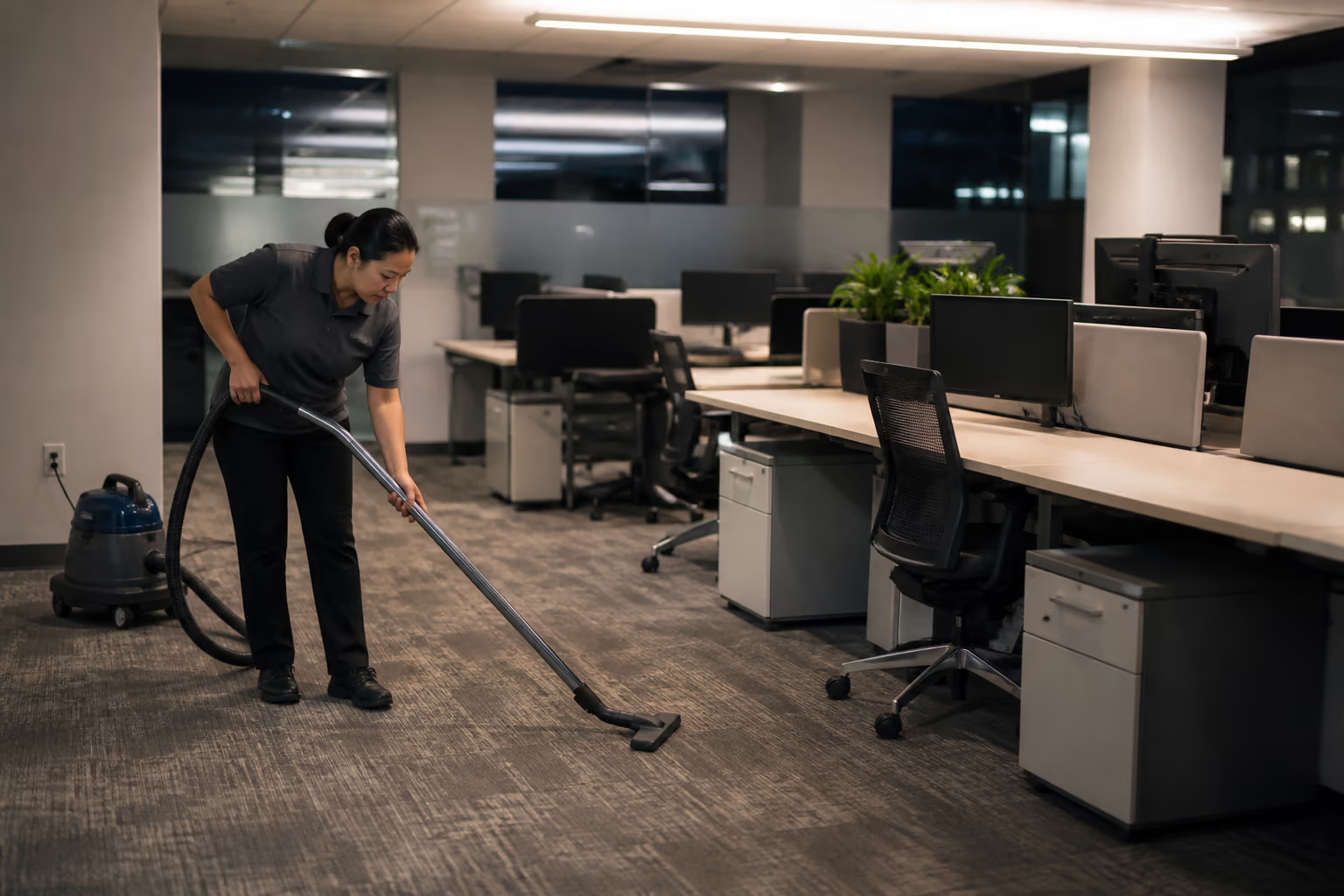
Schedule the deeper work on a predictable cycle so it does not get forgotten. Floors need regular vacuuming and periodic mopping or extraction, washrooms need a full sanitising routine, and desks and monitors deserve a careful clean. During Ottawa winters, the entrance and lobby need extra attention, because salt, slush and grit tracked in from the street dull floors and leave residue that daily sweeping alone will not fully remove.
Finally, inspect and adjust. A cleaning programme that nobody checks drifts, so build in a simple review, ask employees what they notice, and let the schedule flex when use changes, such as after an event, a renovation or a busy season. The best programmes treat cleaning as a living system rather than a fixed checklist.
Timing matters for occupied offices. Many teams clean in the evening so surfaces are fresh for the morning, but a quick daytime touch-up of washrooms and shared kitchens keeps mess from building up while everyone is at their desks. Agree on a timing that works for both the cleaner and the team, and keep security and access arrangements clear so the work can happen without disruption.
Designing a Schedule That Fits Your Office
The exact schedule should reflect how your office actually works, not a one-size-fits-all package. A small team in a low-traffic space needs a lighter routine than a busy call centre or a healthcare-adjacent office, and the frequency should match real use.
- Daily attention to high-touch surfaces, washrooms and shared kitchens.
- Regular vacuuming and mopping on a schedule that matches foot traffic.
- Weekly detail on desks, monitors and hard-to-reach ledges.
- Periodic deep cleans for carpets, upholstery and vents.
- Seasonal refreshes, including the extra entrance care that Ottawa winters demand.
When you build the schedule this way, you stop paying for generic cleaning and start paying for the results your team actually needs. A provider should be willing to walk the space, discuss how it is used, and shape the plan around those realities, then review it with you as things change.
Common Mistakes and How to Avoid Them
Many offices spend money on cleaning without getting the well-being benefit, usually because of a few recurring gaps. Knowing them helps you avoid the same trap.
- Cleaning the visible areas while neglecting high-touch points and shared kitchens.
- Using the same product for every surface, regardless of what the label requires.
- Rushing disinfecting, so the product never sits for its labelled contact time.
- Cleaning only at night, so daytime mess accumulates in shared spaces.
- Skipping inspections, so standards drift without anyone noticing.
- Ignoring feedback, so recurring problems never get fixed.
- Forgetting carpets, vents and upholstery, where dust and allergens build up.
Each gap has a practical fix: match the task to the surface, respect dwell times, schedule touch-ups during the day, inspect on a regular cadence, and act on what employees report. A cleaning programme is only as good as its follow-through, and the offices that see the real benefits are the ones that treat the plan as a living commitment.
It is worth remembering that well-being is about more than the visible shine. How a space smells, how often the bins are emptied, whether the washroom feels cared for and whether the entrance is free of winter salt all feed into the same impression. When the little things are handled consistently, employees notice, and the everyday experience of coming to work improves.
Costs, Timing and When to Call a Professional
Office cleaning is an investment with a clear return, because the cost of a contract is usually far smaller than the cost of absences, turnover and a diminished workplace. The exact figure varies with the size of the space, the frequency, the scope and the market, so a professional provider should always give an itemised proposal based on a walkthrough rather than a guess.
The right timing depends on your operation. Daily service keeps high-use offices consistently fresh, two to three times a week suits many mid-size teams, and a periodic deep clean handles the seasonal build-up. The key is to match the frequency to real use rather than a generic standard, and to review it as your team grows or your layout changes.
Good Cleaner Co. combines local experience, background-checked staff and carefully selected products to keep Ottawa workplaces clean, healthy and welcoming. Our commercial office cleaning services in Ottawa are built around your schedule and standards, and we can tailor the frequency, the high-touch focus and the deep cleaning schedule to your space. If you are comparing providers, our commercial cleaning provider checklist is a useful starting point for the questions that matter, because the same standards of transparency, training and product choice apply to any good cleaning company. Good Cleaner Co. is also a home cleaning provider in Ottawa for households that want the same level of care.
Formatted Step-by-Step Office Well-being Cleaning Checklist
Work through these steps to build an office cleaning programme that supports employee well-being.
- 1.Walk through every zone and map the high-touch surfaces that need daily attention.
- 2.Choose products with documented use, respecting WHMIS 2015 safety data sheets and Health Canada DIN requirements where disinfection is needed.
- 3.Set a schedule that separates daily, weekly and deep tasks, including entryways during Ottawa winters.
- 4.Clean high-touch points daily, disinfect washrooms and kitchens properly, and let products sit for their labelled dwell time.
- 5.Inspect results on a regular cadence, collect feedback, and adjust the plan as use changes.
- 6.For a tailored programme that keeps your workplace consistently healthy, reviewing our office cleaning programs in Ottawa provides a trained team for regular, thorough upkeep.
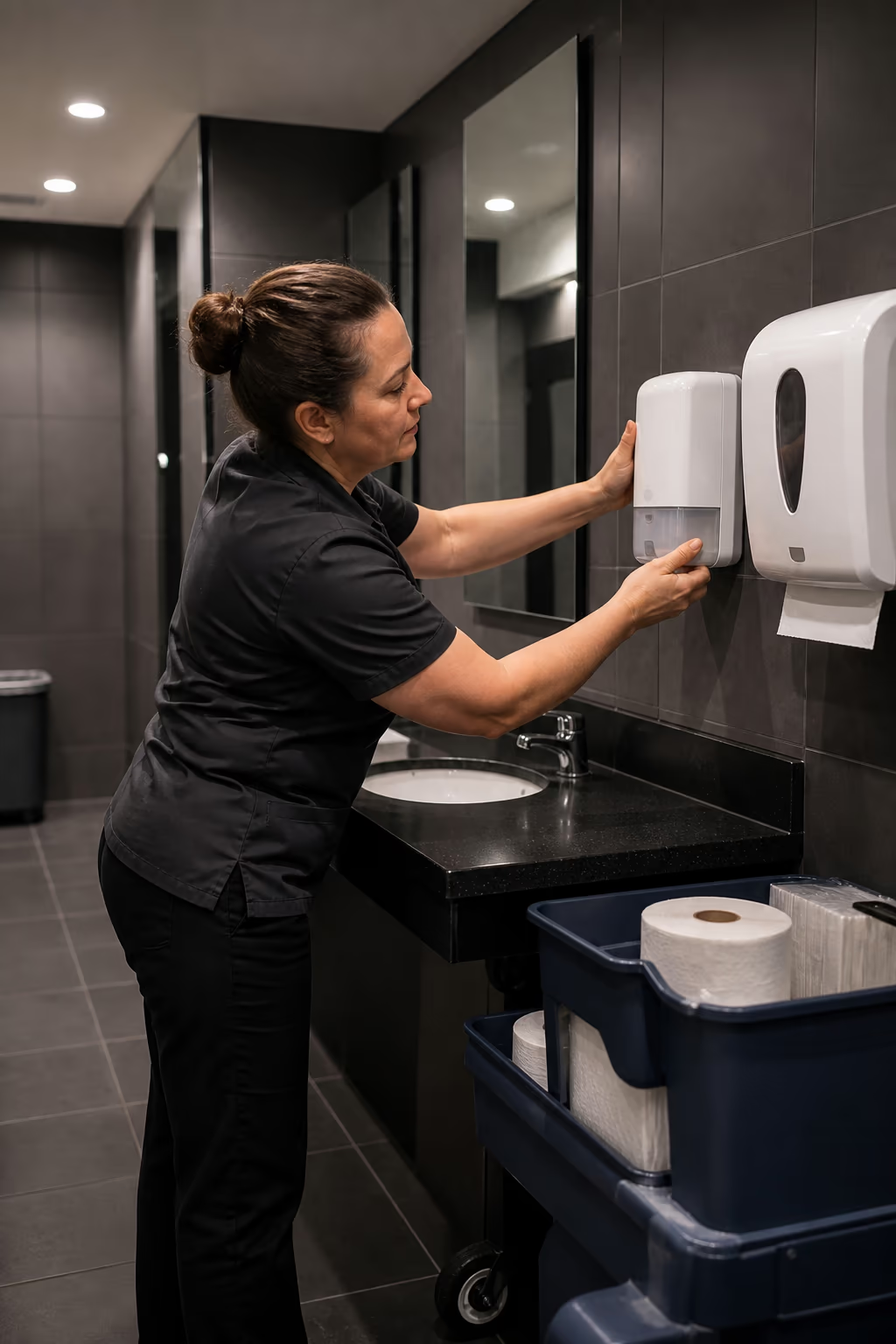
FAQ
How often should an office be cleaned to support well-being?
Most offices benefit from daily attention to high-touch surfaces and shared areas, with a deeper clean on a weekly or periodic schedule. The right frequency depends on the size of the team and how the space is used.
Does office cleaning really reduce sick days?
Routine cleaning reduces the germs shared on high-touch surfaces, which can lower the spread of common illnesses and the absences they cause. Combined with good ventilation and hygiene habits, it supports a healthier workplace.
What is the difference between cleaning and disinfecting?
Cleaning removes dirt and grime, while disinfecting kills germs using a product registered for that purpose. Most offices need both: clean first, then disinfect high-touch and washroom surfaces with a DIN-registered product at the labelled dwell time.
Can I keep office cleaning costs predictable?
Yes, when the scope is clear. A provider that walks through your space and itemises daily, weekly and deep tasks gives you a predictable proposal, and the cost is usually a small fraction of the absenteeism it helps prevent.
How do I know if my cleaning programme is working?
Look at employee feedback, the condition of washrooms and shared kitchens, and the level of touch-up work needed during the day. A simple inspection checklist and regular feedback catches drift before it becomes a problem.
Should employees be involved in office cleanliness?
To a point. Employees can keep their own desks tidy and report issues, but a professional team is what keeps the shared environment consistently clean. Clear expectations for both sides work best.
Is eco-friendly office cleaning effective?
Yes. Many eco-labelled products are effective for everyday cleaning when applied correctly, and they are often better tolerated in occupied spaces. Where disinfection is genuinely required, a registered product is still the right choice.
What should a provider walkthrough cover?
A good walkthrough covers every zone, high-touch surfaces, washrooms, kitchens, floor types, and your schedule and security needs. It should end with a clear scope and an itemised proposal, not a vague estimate.
Should cleaning happen during or after office hours?
Many offices prefer evening cleaning so surfaces are fresh for the morning, while a light daytime touch-up handles washrooms and kitchens. The right balance depends on your space, your team and your security arrangements.
How do winter conditions affect office cleaning?
Ottawa winters bring salt, slush and mud through the entrance every day, so lobbies, entryways and floors need more frequent attention and a proper deep clean in spring. A good provider plans for the season rather than treating every month the same.
What signs show that office cleaning quality is slipping?
Sticky counters, full bins, dusty ledges, an off smell in the washroom and grime building in the entrance are early signs. A quick weekly walkthrough and a short employee check-in usually catch the drift before it becomes a real problem.
What high-touch surfaces should be cleaned every day?
Door handles, light switches, keyboards, phones, railings, elevator buttons, washroom fixtures and kitchen handles are the highest-traffic points. Cleaning these daily keeps the germ load low and prevents grime from settling in.
Why does a clean office matter for recruitment and retention?
Candidates and employees form an impression of a company from its physical environment. A well-maintained office signals that the employer cares about people and quality, which supports morale and makes the business more attractive to keep and to join.
Wrapping Up
Office cleaning is not an afterthought; it is a direct contributor to how your team feels, how often they get sick and how they see the organisation they work for. Daily attention to high-touch surfaces, a sensible schedule for deeper tasks, proper product use and a regular review keep the workplace genuinely healthy. Good Cleaner Co. can help with a commercial office cleaning programme tailored to your space and schedule, so your team can focus on their work in an environment that supports them.
Keep reading
More from Good Cleaner
Services that fit
- Professional Office Cleaning Services in OttawaOffice cleaning services in Ottawa for corporate offices, clinics and professional suites. After-hours scheduling, eco-friendly products and a free quote.
- Janitorial Services in OttawaRecurring janitorial services for offices, warehouses, retail, dealerships and schools, with eco-friendly commercial cleaning and customized plans.
About the author
Service areas
- Ottawa
- Kanata
- Nepean
- Orleans
- Barrhaven