
Eco-Friendly Cleaning vs Traditional Cleaning Products: Efficacy & VOC Matrix
Most people assume green cleaning is a compromise: safer for the environment, weaker on the mess. After years of cleaning homes across the region, we have found that assumption is usually wrong. Modern plant-based cleaners match conventional products on everyday grime, while traditional chemical sprays still have a place in specific situations. This guide gives you the straight comparison so you can choose with confidence.
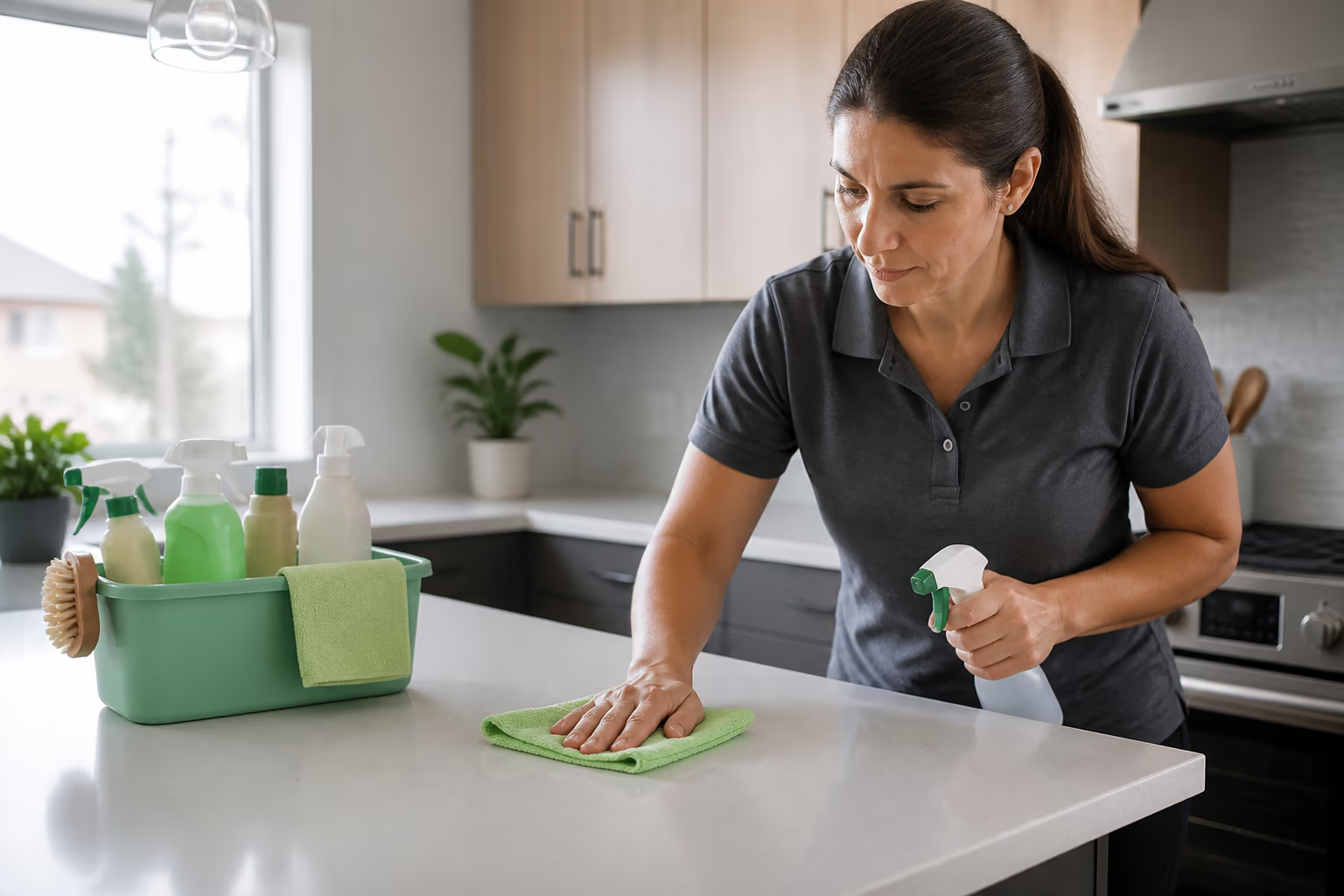
Quick Summary
Choosing between eco-friendly and traditional cleaning products comes down to three honest questions: how well it cleans, what it leaves behind in your indoor air, and what happens to it after it goes down the drain. This guide compares green and conventional cleaners on those three questions, shows you how to read labels like a professional, and helps you pick the right products for an Ottawa home.
In this guide
What Traditional and Green Cleaners Actually Are
Traditional cleaning products are built around synthetic chemistry. Think chlorine bleach, ammonia, and quaternary ammonium compounds, often suspended in petroleum-based solvents that lift grease quickly and evaporate fast. They are powerful, predictable, and inexpensive, which is why they dominated household cupboards for decades.
Green cleaning products replace those synthetic workhorses with plant-derived surfactants, citric acid, hydrogen peroxide, and botanical ingredients such as thymol. The technology has matured a great deal in the last ten years. A modern bio-based cleaner is no longer the weak natural option it used to be; it is a carefully engineered formula that has to match the same performance expectations to earn certification. Our collection of DIY products for eco-friendly cleaning shows what a few of these formulas look like when you mix them yourself.
The real difference is not strength. It is what each type leaves behind. Traditional formulas release volatile organic compounds, or VOCs, into the air as they dry. Green formulas are designed to keep that residue to a minimum, which matters in a home where children, pets, and people with asthma spend hours every day.
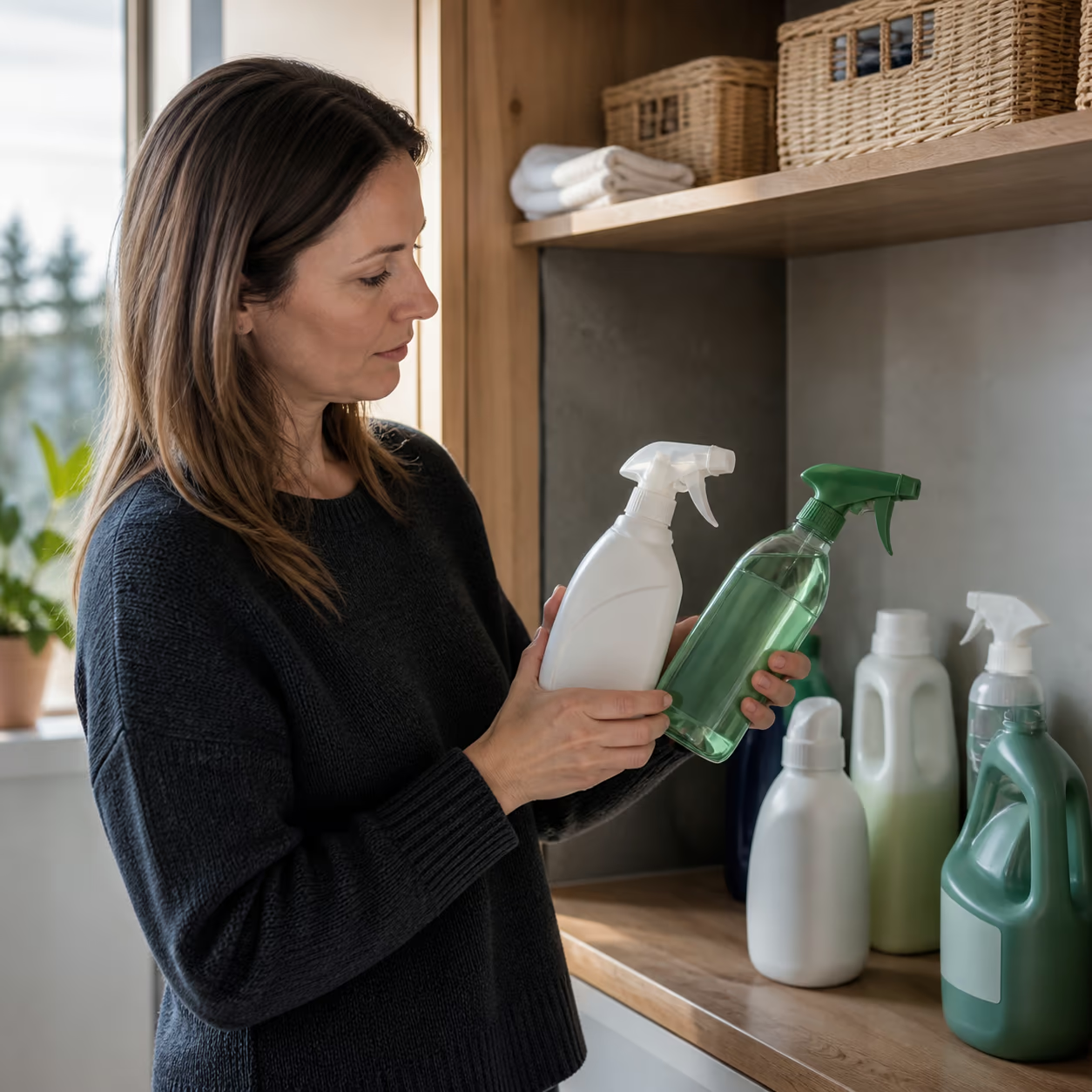
How They Compare on Everyday Cleaning Tasks
To make this concrete, here is how green and traditional products stack up on the jobs most homes actually need done:
| Kitchen Grease | Traditional degreasers cut through cooked-on oil quickly, but plant-based degreasers using citrus d-limonene or plant glucosides handle the same mess with less smell and no harsh fumes. |
|---|---|
| Bathroom Soap Scum | A citric-acid descaler dissolves mineral buildup and soap film as well as a bleach-based scrub, without the chlorine odour that lingers for hours. Our DIY soft scrub tile and grout cleaner recipe is a good homemade option for grout lines specifically. |
| Glass and Mirrors | Both types give a streak-free finish when applied correctly; green concentrates often rely on plant surfactants instead of ammonia, so the room does not smell like a cleaning closet afterwards. |
| Floors | pH-neutral green floor washes protect hardwood, vinyl, and tile finishes, while harsher traditional products can slowly strip wax and sealant if overused. |
| Disinfection | For surfaces that need a registered disinfectant, hydrogen peroxide and botanical thymol formulas work to the same Health Canada standard as chlorine-based products, so you are not giving up germ control for a greener label. |
The honest caveat is dwell time. Some green disinfectants need to sit on the surface a little longer than bleach sprays to reach their full effect. Read the label, give the product the time it asks for, and you get the same result.
Indoor Air Quality and the VOC Question
This is where the two types of cleaner genuinely part ways. VOC stands for volatile organic compound, a family of chemicals that evaporate into the air at room temperature. In a well-ventilated commercial kitchen that is a minor concern. In a closed-up Ottawa bedroom in February, it is a different story.
A federal source settles part of the question. Health Canada's indoor VOC guidance names cleaning products and air fresheners as indoor sources of volatile organic compounds, and puts increasing ventilation at the top of its list for reducing exposure at home. Health Canada also keeps the risk in proportion: “For most VOCs, levels found in indoor air in Canadian homes do not usually pose a significant health risk.”
Indoor air measurements consistently show that cleaning products are a meaningful source of VOCs in homes. Traditional sprays can leave a chemical haze that lingers, contributing to headaches, eye irritation, and breathing trouble for sensitive family members.
Green products are not automatically zero-VOC, and you should not assume they are. The honest approach is to read the label: look for low-VOC or no-fragrance claims, check for EcoLogo certification, and ventilate the room while you clean no matter what product you use. If you want a completely natural option for everyday touch-ups, our homemade citrus all-purpose cleaner recipe shows you how to mix a simple citrus and vinegar surface spray at home. It is a useful habit for families who want to reduce the number of packaged products they buy in the first place.
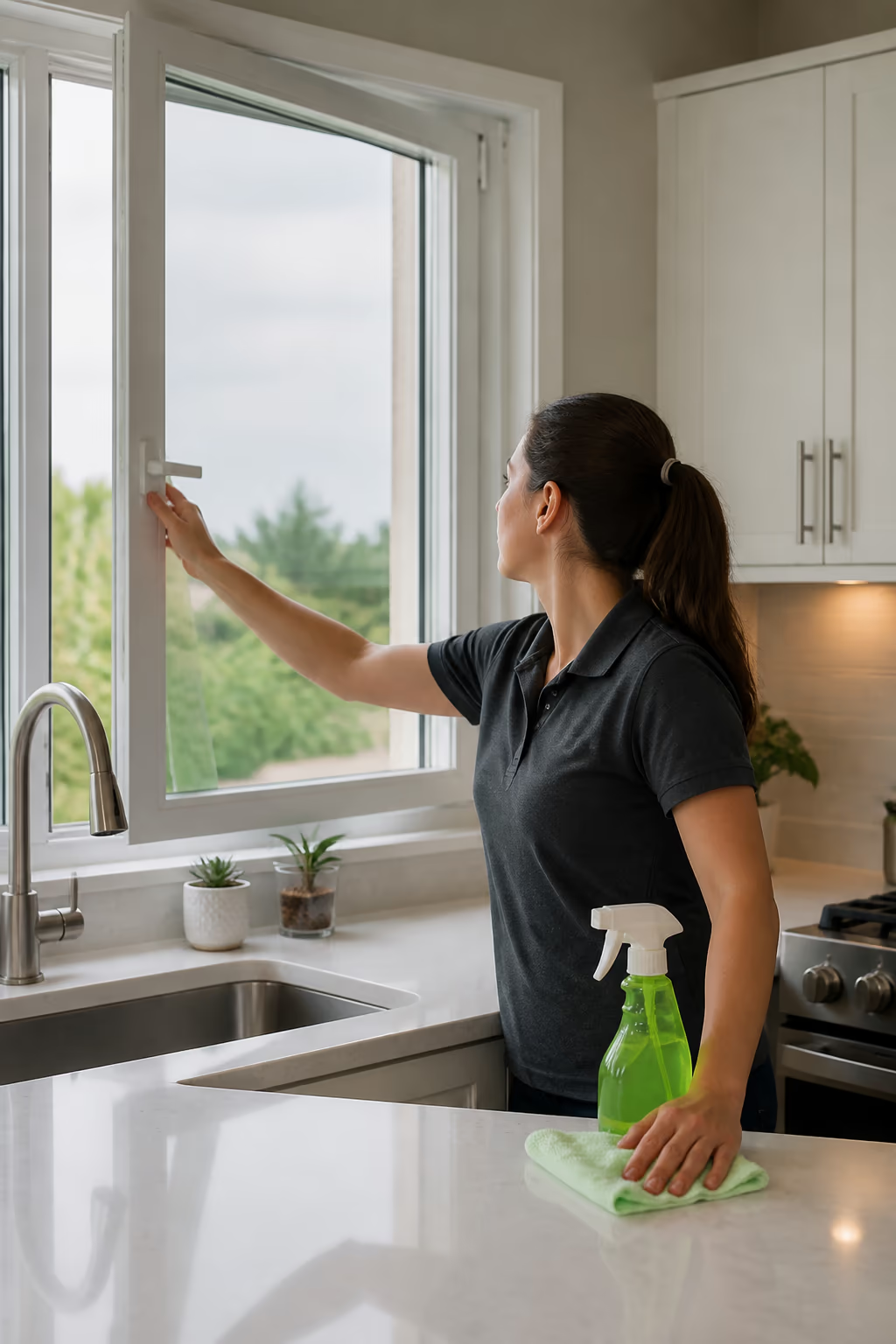
How to Read a Cleaning Product Label Like a Professional
Cleaning product labels are marketing documents first and technical documents second. Here is how to cut through the wording and find what matters:
- 01Check the VOC rating:A label that says low VOC or shows an EcoLogo mark is a stronger signal than a picture of a leaf on the front.
- 02Look for a DIN on anything that claims to disinfect:A Health Canada Drug Identification Number means the germ-kill claim has actually been tested and approved. No DIN, no verified claim.
- 03Read the Safety Data Sheet:Manufacturers publish SDS sheets online. Genuine green products list plant-derived surfactants, while vague terms like fragrance can hide synthetic mixtures.
- 04Match the product to the job:An all-purpose cleaner, a degreaser, and a disinfectant are different tools. Buying one product to do all three usually means compromising somewhere.
- 05Watch the dilution ratios:Concentrated green products are economical, but only if you mix them to the labelled ratio. More product is not better; it just leaves residue.
When Traditional Cleaners Still Make Sense
A balanced comparison should be honest about the cases where traditional products are the better tool. Heavy industrial grease, certain stubborn stains, and some commercial disinfection situations can still call for conventional chemistry. In a typical home, those cases are rare.
The practical approach is a mixed cupboard: green products for daily cleaning, floors, and most surfaces, plus one or two targeted traditional products for the specific jobs where nothing else works. That is not a marketing compromise; it is how professional cleaners actually operate, and it is the same balance you get when you book eco-friendly cleaning services in Ottawa.
Making the Switch Without Making a Mess
Switching your home over to green cleaning does not require throwing everything out at once. A simple transition plan keeps your house running while you test what works:
The whole switch usually takes two to four weeks, and there is no wrong order to do it in. The goal is simply to get to a cupboard you feel good about reaching into every day, with products that do the job you bought them for.
Formatted Step-by-Step Cleaning Products Evaluation Checklist
Work through this checklist the next time you stock up on household cleaning supplies:
- Step 1.Read the Safety Data Sheet Before You Buy:Check the VOC level and full ingredient list on the manufacturer's website, not just the claims on the front of the bottle.
- Step 2.Verify the DIN for Anything That Claims to Disinfect:A valid 8-digit Health Canada Drug Identification Number means the disinfection claim has been proven. No DIN, no verified claim.
- Step 3.Look for a Third-Party Certification Mark:EcoLogo, Green Seal, and similar programs test products independently, so the mark means more than the word green on the label.
- Step 4.Match the Product to the Surface and Soil:A degreaser, an all-purpose cleaner, and a disinfectant each have a job. Using the right tool gets better results with less chemical.
- Step 5.Ventilate, Dilute, and Give Dwell Time:Open a window, mix to the labelled ratio, and let disinfectants sit for the time the label requires.
- Step 6.Contracting professional residential home cleaning services in Ottawa through Good Cleaner Co. gives you certified green chemistry and trained technicians without the guesswork.
Green Cleaning for Homes Across Ottawa
Whether your home is in Kanata, Nepean, Barrhaven, or close to downtown Ottawa, the same standards apply. Ottawa's mix of older housing stock and newer builds means surfaces and finishes vary, but the chemistry question is the same everywhere: what cleans well without leaving harsh residue in the air you breathe. Good Cleaner Co. applies consistent green protocols to homes right across the city, from Orleans to the Glebe, so the routine that works in one neighbourhood transfers cleanly to the next.
Good Cleaner Co. Professional Service Introductions & Specializations
Good Cleaner Co. has been cleaning Ottawa homes and businesses for years, and we keep the same thoughtful chemistry standards across everything we do. Here is what we offer:
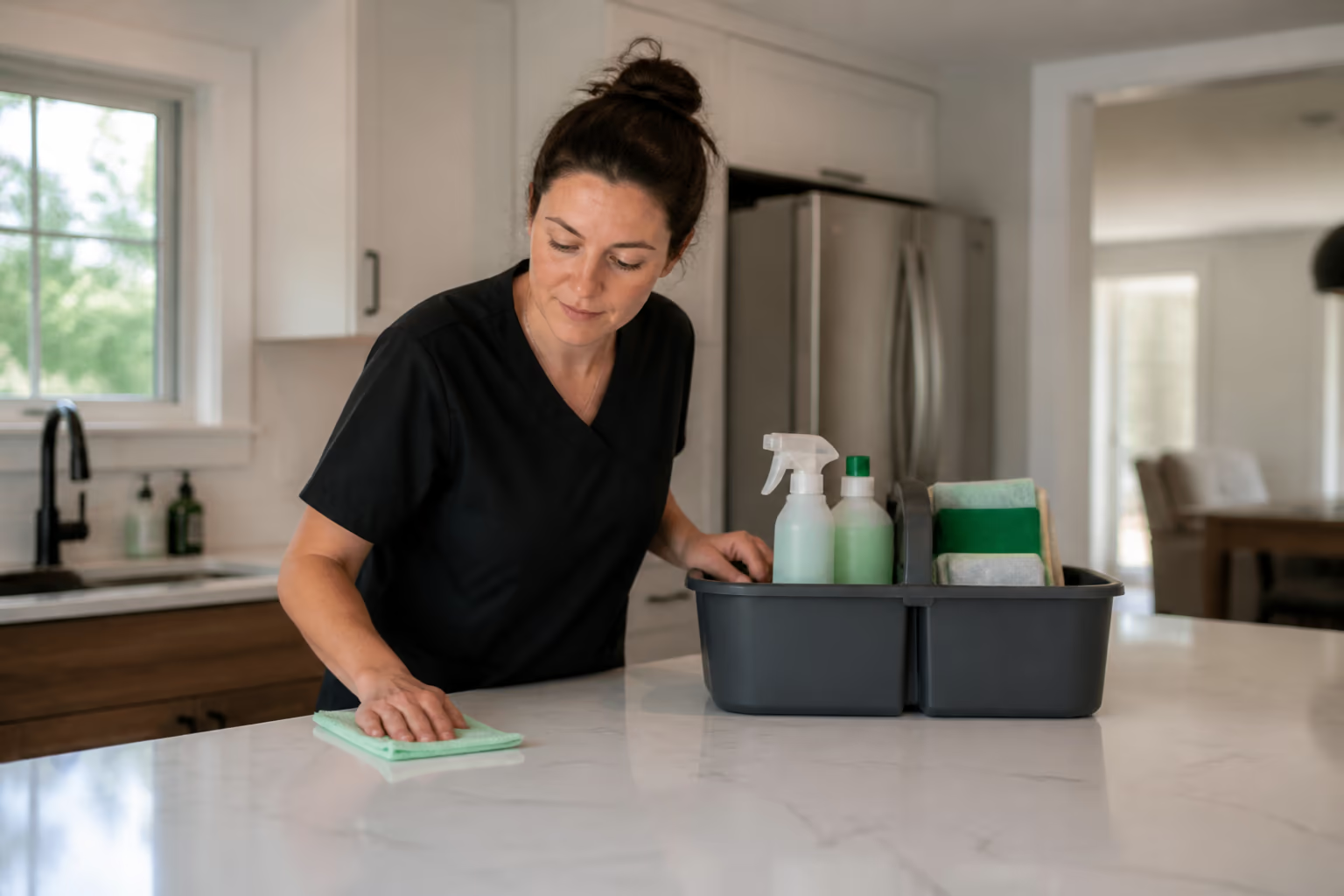
Seasonal Maintenance & Local Environmental Factors in Ontario
Home maintenance across Ottawa and the National Capital Region means adapting your cleaning routine to serious seasonal weather shifts:
Quality Assurance & Health Canada Disinfection Compliance
Homes and businesses in Ontario work within a clear set of safety and health rules, and we follow them on every job:
FAQ
Do eco-friendly cleaners clean as well as traditional chemical products?
For everyday household jobs, yes. Modern plant-based surfactants break down grease, soap scum, and general grime as effectively as petroleum-based solvents, and hydrogen peroxide disinfectants meet the same Health Canada standard as bleach-based ones when used at the labelled dwell time.
Why do traditional cleaning products matter for indoor air quality?
Traditional sprays release volatile organic compounds into the air as they dry. In a closed-up home, those fumes can linger for hours and irritate eyes, throats, and lungs, which is why low-VOC green products are a sensible choice for everyday cleaning.
How can I tell whether a product is genuinely eco-friendly?
Look for an independent certification such as EcoLogo or Green Seal, check the Safety Data Sheet for the full ingredient list, and treat vague claims like natural on the front of the bottle with scepticism until the label backs them up.
Are green disinfectants safe to use around children and pets?
When used according to the label, most plant-based and hydrogen peroxide disinfectants are gentler on the household than chlorine-based products. Still, keep any cleaning product out of reach and ventilate the room while you clean.
Is there anything green cleaners do not do well?
A few heavy-duty jobs, such as cutting through industrial grease or removing certain set-in stains, can still be easier with a targeted conventional product. In a typical home, those situations are rare and one strong product in the cupboard covers them.
What does the DIN number on a disinfectant actually mean?
A Drug Identification Number is issued by Health Canada after a product's disinfection claim has been tested. If a product claims to kill germs but has no DIN, that claim has not been verified, so check before you rely on it.
Does green cleaning cost more than traditional cleaning?
Green concentrates can cost a little more per litre, but because they are diluted on site, the cost per use is often similar. Over a year, efficient dilution and less waste tend to even things out.
How do I switch my home to green products without it being a big project?
Replace products one category at a time as you use them up, start with the ones you reach for most, and trial a green disinfectant in the bathrooms before committing. Most homes are fully switched over within a month.
Should I throw away my old traditional cleaners right away?
No. Use them up on the tough jobs where they are most useful, then replace them with green versions. Pouring chemicals down the drain is wasteful and hard on the plumbing and the environment.
Wrapping Up
Choosing eco-friendly cleaning over traditional chemicals does not mean giving up a clean home. It means choosing products that clean well, keep indoor air fresher, and leave less behind in the environment. Contact Good Cleaner Co. today to book green home cleaning in Ottawa, or ask us about house cleaning options in Ottawa for your household.
Read the Label Before Choosing a Side
Eco-friendly and conventional are broad categories, not performance guarantees. Start with the surface, the soil, and the instructions on the product you are considering. For a routine wipe, a lower-fragrance option may be a sensible fit; for a product making a disinfection claim, use one that is labelled for that purpose and follow its directions. Good ventilation and accurate dilution matter whichever product you choose.
Keep reading
More from Good Cleaner
Services that fit
- Home Cleaning Services in OttawaRecurring weekly, bi-weekly and monthly house cleaning built around your family's routine, with non-toxic chemistry and background-checked staff.
- Professional Office Cleaning Services in OttawaNightly and after-hours office cleaning for corporate offices, clinics and professional suites, with after-hours scheduling and eco-friendly products.
About the author
Service areas
- Ottawa
- Kanata
- Nepean
- Orleans
- Barrhaven