
How Eco-Friendly Cleaning Enhance Your Health
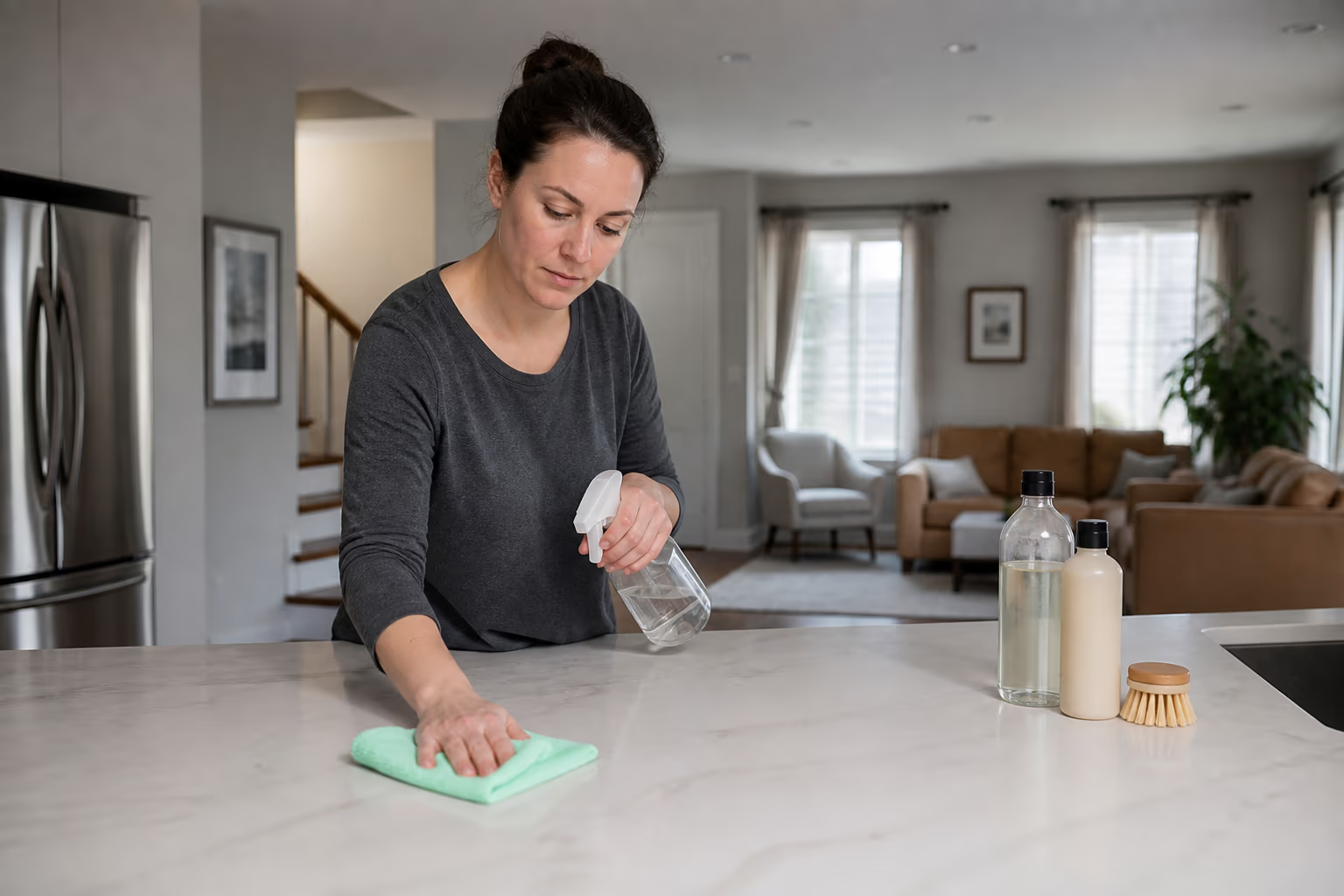
Eco-friendly cleaning is about more than swapping a few products; it is a way of keeping a home clean while lowering the amount of chemical residue, fragrance and volatile compounds people breathe and touch. For anyone with allergies, asthma, young children or pets, those choices matter for health as well as for the environment. This guide explains what eco-friendly cleaning really means, the health benefits it can offer, and how to put it into practice in an Ottawa home.
Quick Summary
Eco-friendly cleaning keeps a home clean while lowering the chemical residue, fragrance and volatile compounds people breathe and touch, which matters most for anyone with allergies, asthma, young children or pets. The payoff is a healthier home, not just a greener label.
In this guide
Why Eco-Friendly Cleaning Matters for Your Health
Every time you clean, you change the air and the surfaces you live with. Conventional cleaning products can leave residues on counters and floors, and their fragrance can linger in the air long after the mopping is done. For most people that is simply a smell, but for someone with asthma, sensitive airways or a skin condition, the same products can be the difference between a comfortable home and one that triggers symptoms.
Federal guidance backs the health framing. Health Canada's indoor VOC guidance names cleaning products and air fresheners as indoor sources of volatile organic compounds, and lists increasing ventilation first among the ways to reduce exposure in a home. Health Canada also keeps the risk in proportion: “For most VOCs, levels found in indoor air in Canadian homes do not usually pose a significant health risk.”
The health concern is not about a single ingredient being dangerous; it is about the cumulative load of repeated exposure in an enclosed space. A home is cleaned again and again, and products are used in kitchens where food is prepared, on floors where children play and in bathrooms that are small and poorly ventilated. Choosing products with fewer volatile compounds, less fragrance and a lower chemical load gives your respiratory system and your skin less to react to.
Indoor air quality is part of the same story. The air inside a Canadian home can be far more concentrated with the chemicals it carries than the air outside, because there is less circulation in winter when windows stay shut. In an Ottawa winter, when homes are sealed against the cold, the products you use become the main thing affecting the air your family breathes indoors. That is a strong reason to make cleaning choices that keep those indoor levels low.
What Eco-Friendly Cleaning Really Means
Eco-friendly is a broad label, so it helps to know what is actually being claimed. Some products are genuinely lower-impact, while others rely on marketing language. Understanding the difference lets you choose products that deliver both a clean home and a healthier one.
- Fragrance-free or low-fragrance products, which reduce airborne irritants for sensitive noses and lungs.
- Products with EcoLogo certification, the Canadian environmental standard that vets everything from manufacturing to disposal.
- Disinfectants registered with Health Canada, which carry a DIN number and have been evaluated for safety and effectiveness.
- Concentrated products that need less packaging and less shipping energy.
- Reusable tools such as microfiber cloths and washable mop heads that cut down on single-use waste.
- Plant-based and biodegradable formulas, where the claims are backed by a recognizable certification.
The Canadian context is worth knowing. EcoLogo is one of the most recognised environmental certifications in the country, and it has long been a trusted marker for cleaning products. When a product claims to be a disinfectant, Health Canada regulates that claim: a disinfectant for use in Canadian homes should carry a DIN number, which tells you it has been assessed for what it promises. Green does not mean weak, but a truly effective green disinfectant will still meet the standard the label claims.
The term "green" or "natural" on its own is not a regulation, so a little label reading goes a long way. You do not need to become a chemist; checking for a recognised certification and for a clear list of what a product does and does not contain is usually enough to make a confident choice.
Certification also helps you compare products quickly. When two bottles claim to be green, the one carrying a recognised mark such as EcoLogo gives you a documented basis for the claim, while the other may be relying on a label and a colour scheme. That is not to say unmarked products are always worse, only that a mark saves you the research.
The Health Benefits You Can Feel
The payoff of eco-friendly cleaning shows up in the details of daily life. Homes that switch to lower-fume, lower-residue products often notice less eye and nose irritation during and after cleaning, fewer headaches linked to strong product smells, and surfaces that feel cleaner to the touch rather than slick with leftover product.
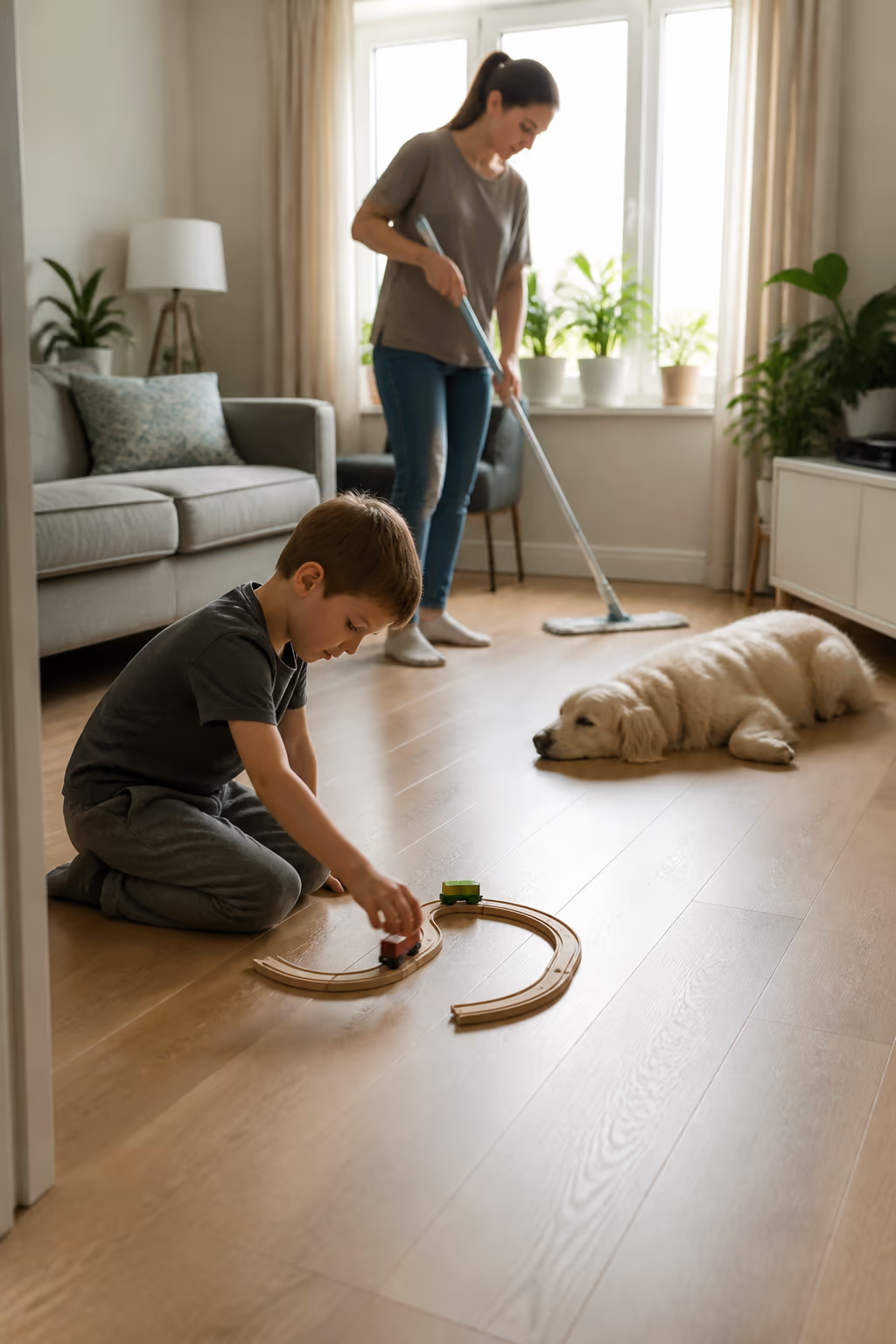
For families with children and pets, the benefit is about what is left behind. Babies and toddlers put hands and objects in their mouths, and pets groom themselves and lie on the floor, so the residues that remain on surfaces matter. Choosing products that rinse clean and leave less chemical film means the people and animals who live closest to the floors and counters are exposed to less.
People with asthma and allergies often see the clearest difference. Cutting down on fragrance and airborne chemicals indoors can reduce the irritants that trigger symptoms, alongside the usual steps of dusting, vacuuming with a HEPA-filter vacuum and controlling humidity. Eco-friendly cleaning is not a cure, but it removes one more manageable source of irritation from the home. Households that would rather have this routine handled by a professional team can turn to home cleaning support in Ottawa built around the same low-residue approach.
There is a practical benefit too. Many eco-friendly methods rely on simple, inexpensive ingredients such as vinegar, baking soda and warm water, which are gentle on surfaces when used correctly and easy on the budget. A healthier cleaning routine does not have to cost more; in many cases it costs less.
What You Need Before You Switch
Switching to eco-friendly cleaning does not require a full cupboard of new products. Most homes already have the basics, and the additions are modest.
- Microfiber cloths and mop heads that trap dust and dirt and wash clean.
- White vinegar for glass, mirrors and hard-water film, used with care.
- Baking soda for gentle scouring and odour neutralising.
- Castile soap or a mild plant-based dish soap for general washing.
- An EcoLogo-certified multi-purpose cleaner for day-to-day surfaces.
- A Health Canada DIN-registered disinfectant where you genuinely need disinfection, such as after handling raw meat or in a sick room.
One caution before you start: vinegar and other acidic cleaners should not be used on natural stone such as marble or granite, because the acid can etch the surface. Baking soda should not be used on aluminium. And eco-friendly does not mean mixing things freely; never combine vinegar with bleach, because the two produce a harmful gas. A little knowledge of which product goes where keeps a green routine safe. For more homemade options beyond this basic kit, our diy products eco friendly cleaning guide covers additional pantry-based recipes.
The Step-by-Step Eco-Friendly Cleaning Process
A healthy eco-friendly clean follows the same sensible order as any good clean, with a few green habits layered in. Start by clearing and dusting, then move to the surfaces, then finish with the floor, so the last step collects everything that fell during the earlier passes.
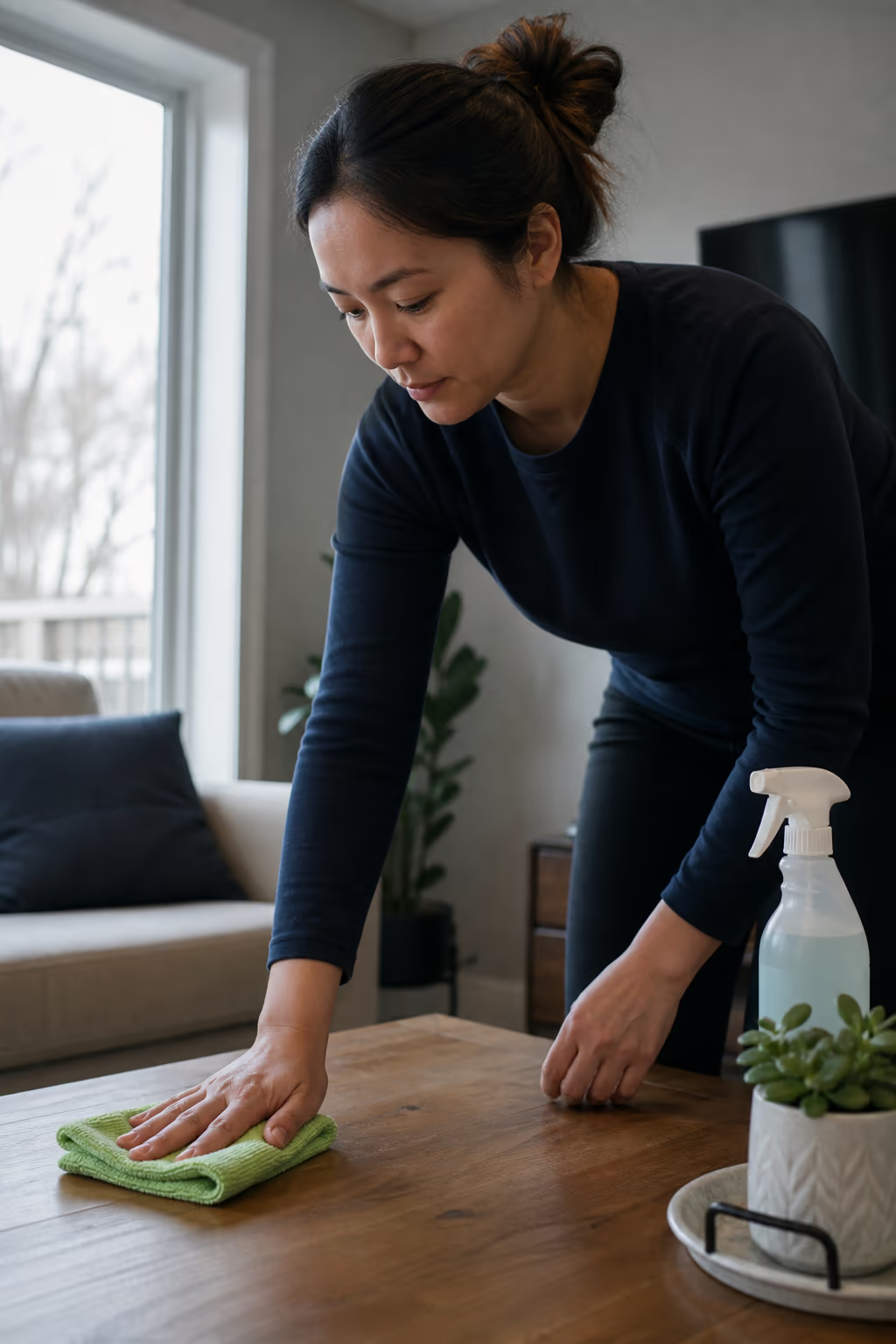
For everyday surface cleaning, a microfiber cloth and a diluted plant-based cleaner handle most counters and tables. Let the cleaner sit briefly where there is grease or build-up, then wipe. The dwell time matters just as much with green products as with conventional ones; the chemistry needs a moment to break down the soil.
For glass and mirrors, a vinegar-and-water mix in a spray bottle leaves a streak-free shine when wiped with a clean, dry microfiber cloth. For tough spots in a kitchen, a paste of baking soda and a little water lifts cooked-on food gently. For a bathroom, an EcoLogo-certified bathroom cleaner tackles soap scum, and a registered disinfectant handles the spots where you truly need disinfection, such as around the toilet. For tackling tougher tub and sink stains, our diy soft scrub an eco friendly cleaning solution guide shows how to make a similar paste at home.
Where a disinfectant is needed, the label matters more than the brand. A product carrying a Health Canada DIN number has a set dwell time, which is how long the surface must stay visibly wet for the disinfection to work. Following that time is what makes the claim real; rushing the dwell time is the most common way a disinfectant, green or not, fails to do its job.
A simple weekly rhythm keeps the whole approach manageable. Do the dusting and surface cleaning two or three times a week, give the bathroom and kitchen a little more attention when they need it, and leave the deep tasks for a separate session. Because the process itself is short, a green routine is easier to keep up than one that depends on strong products and long sessions.
Common Mistakes and How to Avoid Them
A few common missteps keep people from getting the health benefits they are after, and they are easy to fix once you know them.
- Assuming "natural" always means safe and "synthetic" always means harmful, when it is the specific ingredient that matters.
- Mixing products, especially vinegar with bleach, which produces a harmful gas.
- Using an eco-friendly disinfectant without following its dwell time, so the disinfection does not actually happen.
- Forgetting to rinse, leaving a film of cleaner on counters and floors that defeats the purpose of a lower-residue routine.
- Overlooking ventilation, so even low-fume products accumulate in a closed-up room.
- Judging effectiveness by how the product smells, when a strong scent is often the fragrance you are trying to avoid.
The biggest single fix is to read the label. Look for the certification, the DIN number where disinfection is claimed, and the recommended dwell and rinse steps. A product used as directed will do what it promises, and a product that does not make a clear claim is not the one to trust for a task that needs disinfection.
It is also worth remembering that effectiveness is not judged by suds. Many green cleaners do not foam the way conventional ones do, and a surface can be perfectly clean without a layer of bubbles. Expecting foam is one reason people over-apply product, which then leaves residue that defeats the purpose of a lower-residue routine.
How Good Cleaner Co. Approaches Healthier Cleaning
Good Cleaner Co. treats the health of the people in the space as part of the job, not an afterthought. The team chooses products suited to the surface and the task, prefers lower-fume and certified options where they work well, and follows the label for dwell time so that disinfectants actually do what they claim. Residue is rinsed, tools are kept clean, and high-touch surfaces are given the attention they need without drenching the home in product. Our eco friendly cleaning services Ottawa program follows these same principles for clients who want the work done for them.
The company also plans for the way Ottawa homes are lived in. Entryways get the extra attention winter demands, when salt and sand are tracked through the door and then carried on footwear into the rest of the home. A lower-residue, well-ventilated cleaning routine fits naturally with a home that is sealed up for months at a time, and it keeps the indoor air as clean as the surfaces.
Choosing a provider that understands healthy cleaning is worth a few questions. If you are comparing companies, our commercial cleaning company evaluation guide is a useful starting point for the questions that matter, including what products the team uses, how it handles disinfectants and whether it will adapt to your household's sensitivities. A company that can talk about its products and process is more likely to respect yours.
Adaptability is part of the service. Whether a household wants fragrance-free options, needs a stronger disinfectant in a sick room or simply prefers a lower-residue routine, a good provider asks first and adjusts the plan to match. The healthiest cleaning is the one that fits the people living in the home.
Formatted Step-by-Step Eco-Friendly Cleaning Checklist
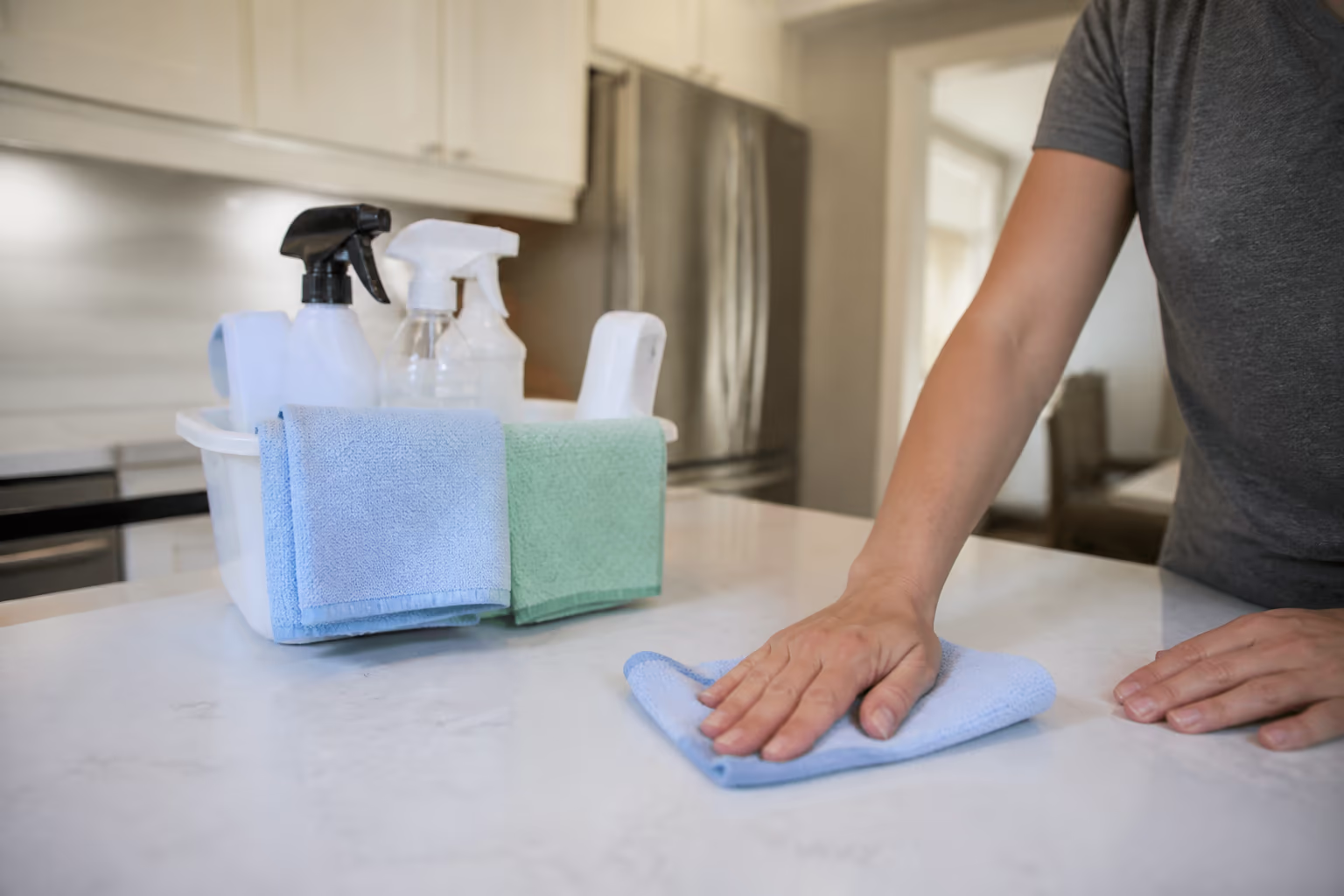
Use this checklist for a lower-residue, healthier clean in any room.
- Step 1.Dust from the top down with a damp microfiber cloth so dust is trapped rather than spread.
- Step 2.Clean surfaces with a diluted plant-based or EcoLogo-certified cleaner, letting it dwell where there is build-up.
- Step 3.Tackle glass and mirrors with a vinegar-and-water mix and a dry cloth, then rinse away any remaining film.
- Step 4.Disinfect only where you truly need it, using a Health Canada DIN-registered product and following its dwell time.
- Step 5.Finish with the floor, ventilate the room, and let surfaces dry completely before use.
FAQ
Is eco-friendly cleaning as effective as conventional cleaning?
For everyday dirt and grime, yes. Green products handle routine build-up well when used correctly, and a registered disinfectant works as well as any other when you follow its dwell time. The difference is more about reading labels and technique than about strength.
Can eco-friendly products really disinfect?
Yes, if they are registered for it. A disinfectant sold in Canada for home use carries a Health Canada DIN number, and it works when you follow the label's dwell time. Not every green product is a disinfectant, so check the claim before relying on it.
Are "natural" products always safer?
Not automatically. Natural ingredients can still irritate, and some are not ideal for certain surfaces. The safer approach is to choose products with a recognised certification and a clear label, rather than assuming a single word guarantees anything.
Do eco-friendly cleaners cost more?
Not necessarily. Many effective green methods use vinegar, baking soda and water, which are inexpensive. Certified commercial products may cost a little more, but they are often concentrated and used in smaller amounts.
Will eco-friendly cleaning help my allergies or asthma?
It can remove one more source of irritation from the home by cutting fragrance and airborne chemicals. Combined with regular dusting, HEPA-filter vacuuming and humidity control, it is a sensible part of managing sensitive airways, though it is not a treatment.
How do I know a green product is genuinely certified?
Look for a recognizable environmental certification such as EcoLogo, and for a Health Canada DIN number where disinfection is claimed. These marks mean the product has been evaluated against a standard rather than relying on marketing language.
Is vinegar safe to use everywhere?
No. Vinegar can etch natural stone such as marble and granite, and it should not be mixed with bleach. It is excellent on glass, mirrors and hard-water film, but keep it off stone and away from bleach.
How does winter affect my choice of cleaning products?
In an Ottawa winter, homes are sealed for months, so products release into a closed space. Choosing lower-fume, lower-residue options keeps the indoor air healthier, and managing the salt and grit at the door keeps the floors from carrying dirt through the whole home.
Do I need separate products for different rooms?
Not necessarily. A good plant-based all-purpose cleaner and a registered disinfectant cover most homes. Keep vinegar for glass and mirrors and baking soda for gentle scouring, and you have a small kit that handles nearly every room without a cupboard full of bottles.
Wrapping Up
Eco-friendly cleaning improves your health by lowering the chemical residue, fragrance and airborne compounds you live with, and it is easier to adopt than many people expect. Choose certified products, read the labels, let disinfectants do their full dwell time, and keep the entryway clean through the winter. for a free quote and a cleaning plan tailored to your household.
Keep reading
More from Good Cleaner
- 10 Proven Eco-Friendly Cleaning Hacks for a Healthier & Chemical-Free Home
- How Eco-Friendly Cleaning Products Help Your Environment & Indoor Health
- DIY Natural & Safe Cleaning Solutions: Pantry Ingredient Sanitation Guide
- How to Choose the Best Commercial Cleaning Company in Ottawa: Vendor Selection Guide
Services that fit
- Home Cleaning Services in OttawaRecurring weekly, bi-weekly and monthly house cleaning built around your family's routine, with certified green chemistry and background-checked staff.
- Janitorial Services in OttawaRecurring janitorial services in Ottawa for offices, warehouses, retail, dealerships and schools, with eco-friendly commercial cleaning and customized plans.
About the author
Service areas
- Ottawa
- Kanata
- Nepean
- Orleans
- Barrhaven