
Reasons Why You Don't Use Bleach On Chrome Faucet
Chrome faucets are meant to shine, but the wrong cleaner can quietly destroy them. Bleach is one of the most common household products that people reach for without realising how damaging it is to chrome. This guide explains what bleach actually does to a chrome finish, what signs of damage to watch for and what to use instead so your taps stay bright for years.
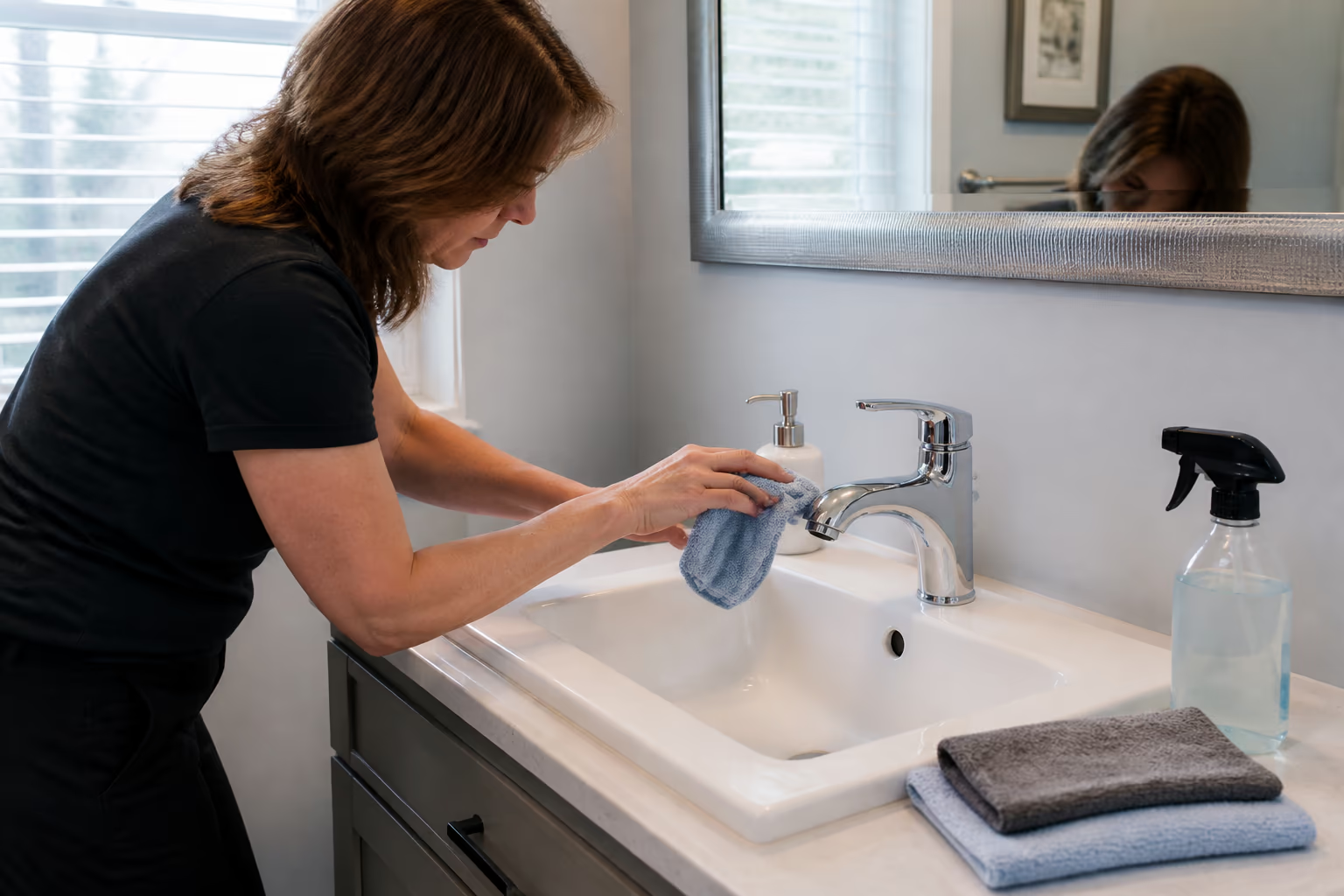
Quick Summary
Bleach damages chrome faucets because its chlorine attacks the thin chrome plating over the base metal, gradually causing pitting, dark spots, a dull or hazy finish, and eventually peeling that exposes the metal underneath. The harm builds slowly and often is not connected to the cleaner until damage appears.
In this guide
What Bleach Does to a Chrome Finish
Chrome faucets are not solid chrome; they are usually a base metal, often brass, with a thin layer of chrome plated over it. That plating is what gives the tap its mirror shine, and it is far more fragile than it looks.
Damage to the finish is not the only reason to be careful with bleach. Health Canada directs users to read the label, follow the instructions, ventilate the space, and never mix household chemical products, because some mixtures produce harmful gases. A bathroom is a small enclosed room, which makes ventilation part of the instruction rather than an optional extra. Health Canada is explicit about the risk: “Household chemical products, such as cleaning liquids and powders, drain cleaners, paint and paint thinners, liquid laundry detergent packets and windshield washer fluid can be dangerous.”
The damage is usually gradual. A single wipe with a bleach-based cleaner might not show anything, but the chlorine leaves the surface slightly weaker each time. Over months, the build-up of small exposures turns a bright tap into a dull, stained one.
The problem is that the damage does not always show immediately. Chrome can look fine right after a bleach wipe and deteriorate slowly, which is why many people do not connect the cleaner to the damage they see later.
It is also worth knowing that bleach can damage more than the finish. On some faucets, bleach residue can work its way into the moving parts, drying out seals and making handles stiff over time. The visible damage is only part of the problem.
The damage is also uneven. Bleach pools in the low points of a faucet, like the base and the rim of the basin, so those areas often show the worst effects first. What looks like a few random spots is usually a pattern left by where the liquid sat.
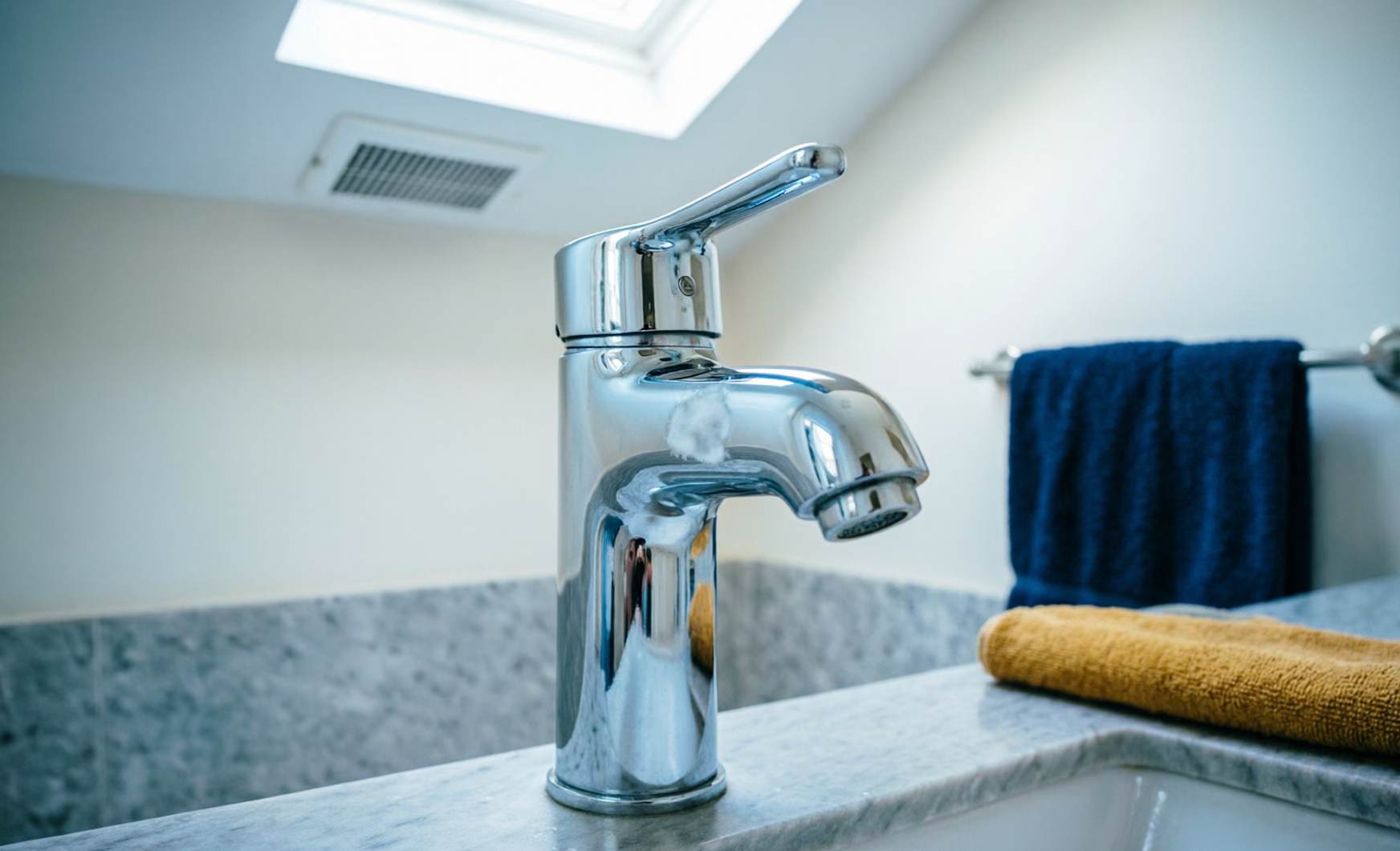
- Bleach contains chlorine, which attacks the thin chrome plating over time.
- Repeated exposure weakens the surface and can cause pitting and small dark spots.
- Bleach can dull the mirror finish, leaving a cloudy or hazy look.
- In severe cases, the plating can lift or peel, exposing the metal underneath.
Why Chlorine and Chrome Do Not Mix
The reason bleach damages chrome comes down to basic chemistry, and understanding it makes the choice of cleaner obvious.
- Chlorine is an oxidiser, which means it reacts with metals rather than simply cleaning them.
- Chrome plating is only a few micrometres thick, so there is very little material to protect.
- The reaction is faster at the edges and around the aerator, where water and cleaner pool.
- Even diluted bleach can be damaging with repeated contact.
When chlorine reacts with the chrome surface, it can break down the protective oxide layer that gives chrome its shine. Once that layer is compromised, the metal below is exposed to moisture and air, which leads to the corrosion and pitting you eventually notice.
That is why the safest approach is to keep bleach entirely away from chrome. There are plenty of cleaners that remove soap scum, hard water spots and fingerprints without attacking the finish, so there is no reason to risk the damage.
Another reason the reaction is a problem is that it is hard to reverse. Once chlorine has reacted with the surface, the dulled or pitted area cannot be polished back to its original condition with regular cleaners. The best defence is preventing the exposure in the first place.
The risk is present even with rinsing. People often assume that a quick rinse washes the bleach away, but residue can remain in the small gaps and joints of a faucet, where it keeps working on the metal long after the wipe.
The Signs of Bleach Damage on Chrome
If you have been using a bleach-based cleaner on your faucets, there are a few signs worth checking for.
- Small dark spots or pitting on the surface.
- A cloudy or hazy area where the mirror finish used to be.
- A yellow or brown tint that will not wipe off.
- Rough patches near the base, handles or aerator.
- Flaking or peeling in the worst cases.
Catching the damage early matters because some of it is reversible with the right care, while deep pitting is permanent. Cloudy spots caused by chemical residue can often be buffed out, but once the plating itself is corroded, the only real fix is re-plating or replacement.
If you notice any of these signs, stop using the cleaner that caused them and switch to a gentler approach. The sooner you change habits, the more of the finish you save.
Checking is quick and worth doing. Every couple of months, give the fixtures a close look in good light, especially around the base, the handles and the aerator. Early signs are easier to treat than the damage that follows them.
What to Use Instead of Bleach
The good news is that chrome is easy to keep clean without bleach, using products most homes already have.
- Warm water and a mild dish soap for everyday cleaning.
- A dedicated stainless steel or chrome cleaner for stubborn spots.
- White vinegar diluted with water for hard water spots and mineral build-up.
- A clean microfibre cloth to dry and polish after cleaning.
- A soft-bristled brush for the aerator and tight corners.
The order matters as much as the product. Wipe the faucet with soapy water, rinse, then dry with a microfibre cloth. Drying is the step most people skip, and it is the step that prevents water spots from forming in the first place.
For hard water areas like Ottawa, the mineral build-up is the main enemy of a shiny tap. A dilute vinegar solution removes the white film, and a final dry polish restores the shine. Avoid letting the vinegar sit for long, and rinse it off so it does not dull the finish.
One useful habit is keeping a dedicated bottle of the gentle cleaner under the sink, so reaching for the right product is as easy as reaching for the wrong one. When the safe option is the convenient one, you use it without thinking.
Common Mistakes That Damage Chrome
Most chrome damage comes from a few repeatable habits, and changing them protects the finish.
- Using bleach or bleach-based cleaners on the chrome.
- Using abrasive scrubbers or scouring pads, which scratch the plating.
- Leaving cleaning product or water to dry on the surface.
- Spraying harsh chemicals directly onto the faucet.
- Ignoring the base and aerator, where residue builds up fastest.
The scratch risk is easy to underestimate. Chrome is a hard, thin surface, and an abrasive pad cuts tiny lines into it that dull the shine and trap more dirt. A soft cloth and the right liquid cleaner do the job without the scratches.
It is also worth cleaning the aerator regularly. When the aerator clogs with mineral build-up, the water flow changes and the residue spreads onto the faucet, making the whole tap look dull even when it is clean.
Drying is the habit that saves the most headaches. A tap that is dried after a clean rarely develops the cloudy film that makes people reach for stronger and stronger cleaners, which is where the damage usually starts.
The Products to Avoid on Chrome
Bleach is the main offender, but it is not the only product that can damage a chrome finish.
- Bleach and chlorine-based bathroom cleaners.
- Abrasive powders and scouring creams.
- Ammonia-heavy glass cleaners used on metal.
- Acidic descalers left to sit on the surface.
- Any product with harsh solvents or labels you do not recognise.
When a label does not clearly say a product is safe for plated metals, treat it as a risk and choose a gentler option. The price of the cleaner is far lower than the cost of re-plating a faucet.
The safest products for chrome are the simplest: warm water, a mild soap, a dilute vinegar rinse and a microfibre cloth. Everything else is optional, and none of it is worth risking the finish.
It also pays to read the label even on products that sound gentle. Many all-purpose sprays contain ingredients that are fine on some surfaces but too harsh for plated metal. The safest rule is to use the product that is made for the surface you are cleaning.
How Good Cleaner Co. Cares for Chrome
The same principles a professional team follows for chrome are the ones worth using at home.
Good Cleaner Co. treats chrome and other delicate surfaces as finishing details. The same careful routine that keeps a tap bright also protects the rest of a bathroom, and our teams never reach for a harsh product when a gentle one will do the job. That same attention carries over to shared workplace washrooms, including call centre cleaning for high-density workspace hygiene, where chrome fixtures see heavy daily use from rotating shifts of staff.
When a professional team cleans a bathroom, the fixtures are wiped, rinsed and dried properly, so the room looks clean and the chrome stays bright. If you are comparing options for your home, our commercial cleaning provider checklist is a useful starting point for the questions that matter.
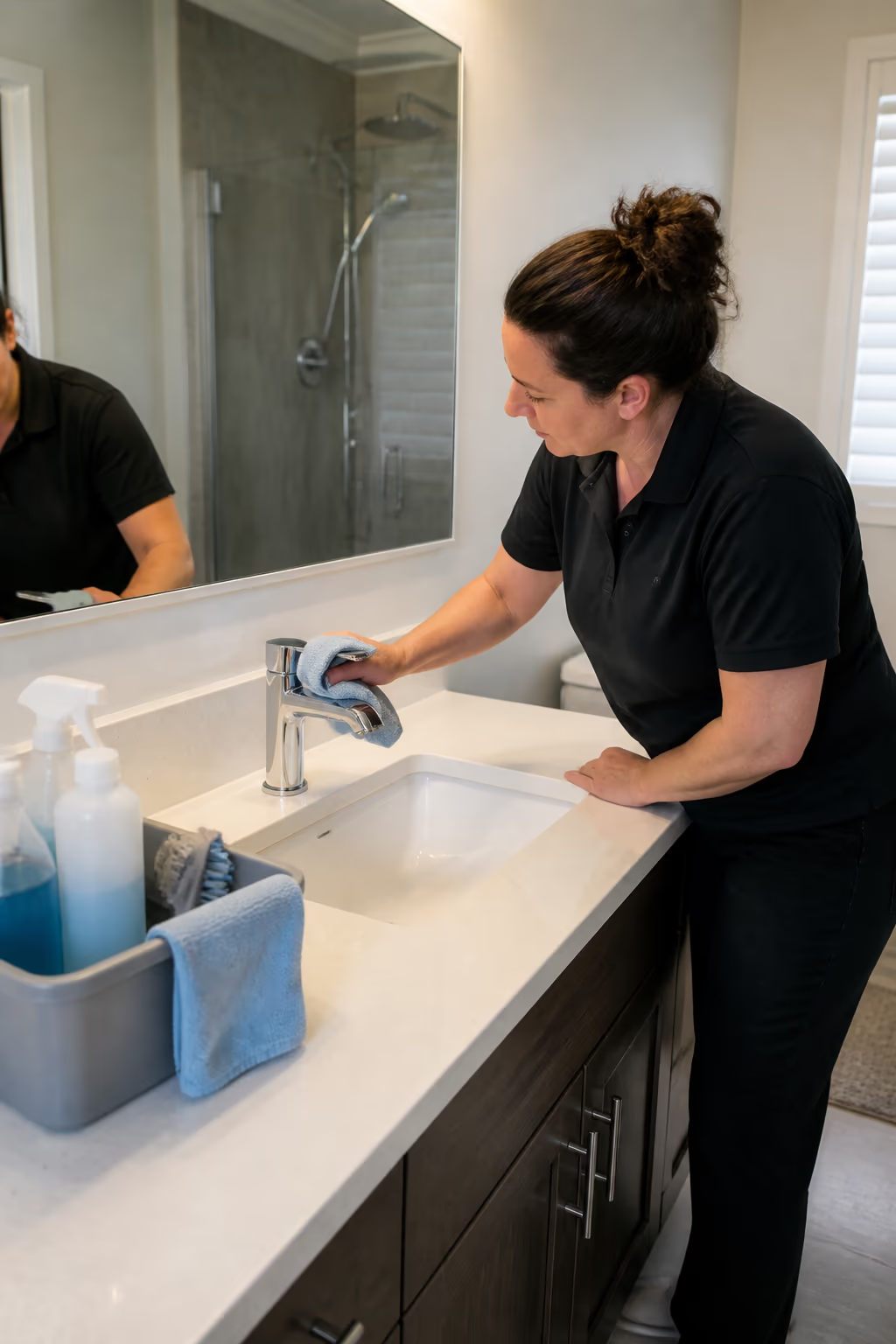
- Microfibre cloths and soft brushes rather than abrasive scrubbers.
- Products chosen for the surface, with EcoLogo-certified, low-fume cleaners preferred.
- Staff trained under WHMIS 2015 to read labels, handle products safely and never mix chemicals.
- A Health Canada DIN-registered disinfectant used only where a surface genuinely needs one, always following its label.
- A careful rinse and dry on every finished surface so residue does not dull the shine.
Canadian Context: Chrome and Hard Water
In a city like Ottawa, chrome faucets face a double challenge: daily use and mineral-heavy water.
The hard water in the region makes the dry-and-polish step essential. Water that dries on chrome leaves calcium deposits, and over time those deposits bond to the surface. Wiping and drying the tap after use, or at least after a clean, keeps the build-up from starting.
It also helps to have a squeegee or cloth near the tap if you want to be diligent. A few seconds of wiping while the water is still fresh saves a longer clean later, and it is the single most effective habit for keeping chrome bright in a hard water area.
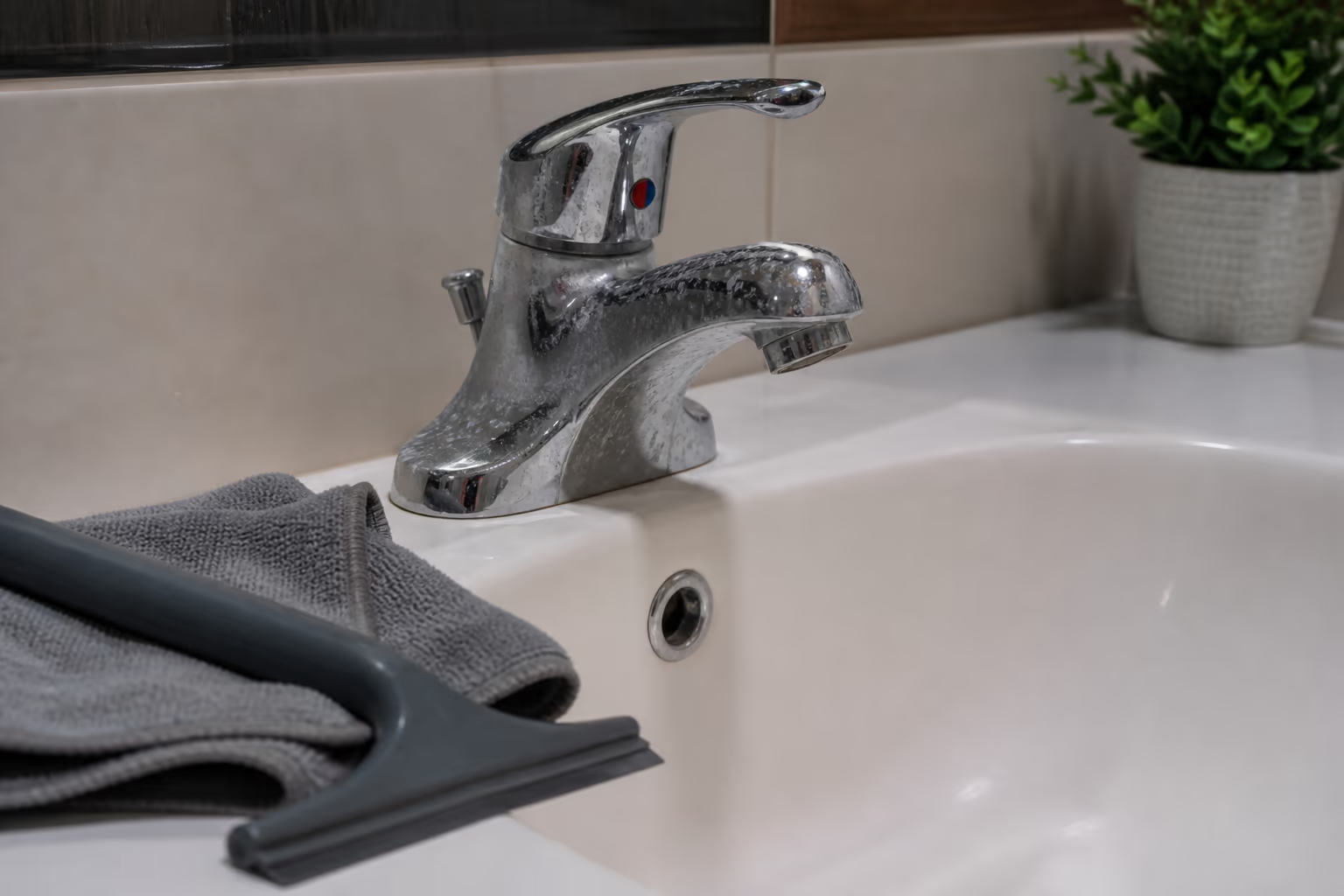
- Hard water leaves white spots and film on chrome that build up quickly.
- Winter means more handwashing and more moisture, so taps stay wet longer.
- Salt and moisture from snowy footwear can end up on bathroom floors and fixtures.
- A regular wipe and dry routine keeps mineral build-up from becoming a deep stain.
Keeping Chrome Bright Over Time
Chrome stays bright with habits, not just products, and a little consistency goes a long way.
- Wipe and dry the tap after a clean so water spots never form.
- Clean the aerator every few months to keep water flow and residue in check.
- Use a dedicated cloth for chrome so grit from other surfaces never touches the finish.
- Fix drips and leaks, because constant running water ages a finish faster.
- Replace a badly pitted fixture rather than scrubbing it further.
None of these habits take more than a minute, and together they keep a bathroom looking cared for. The same consistency is what a professional team brings to every visit, which is why freshly cleaned rooms stay clean longer.
If you notice a fixture is beyond saving, a replacement is usually simpler than trying to restore heavy pitting. For most taps, the daily routine above prevents that point from being reached.
A quick weekly wipe of all the bathroom fixtures, not just the tap you use most, keeps the whole room looking consistent. The small effort spreads the build-up evenly instead of letting one fixture fall behind.
Formatted Step-by-Step Checklist for Cleaning a Chrome Faucet
Use this checklist to keep a chrome faucet clean without risking the finish.
- Step 1.Wipe the faucet with warm, soapy water using a soft cloth to remove soap scum and everyday grime.
- Step 2.Rinse the soap off with clean water so no residue is left to dry on the surface.
- Step 3.Treat hard water spots with a dilute vinegar solution, then rinse it away promptly.
- Step 4.Dry and polish the whole faucet with a clean microfibre cloth to restore the shine.
- Step 5.Clean the aerator and the base with a soft brush so mineral build-up does not spread onto the chrome.
- Step 6.For a thorough, careful clean of your fixtures and surfaces, review our house cleaning options in Ottawa to compare scope and scheduling.
FAQ
Why does my chrome faucet have dark spots?
Dark spots are often pitting from chlorine or abrasion, or mineral build-up from hard water. Switching to a gentle cleaner and drying the faucet can prevent new spots.
Is bleach safe to use on any part of a bathroom?
Bleach is fine on many non-porous surfaces when used correctly and diluted, but it should stay away from chrome and other plated metals.
What removes hard water spots from chrome?
A dilute white vinegar solution lifts mineral build-up. Apply it, let it work briefly, rinse and dry. For stubborn spots, a dedicated chrome cleaner works well.
Can I use a scouring pad on chrome?
No. Abrasive pads scratch the thin chrome plating and dull the finish. Use a soft cloth or a gentle sponge instead.
How do I make a chrome faucet shine?
Clean with soapy water, rinse, then dry and polish with a clean microfibre cloth. Regular drying prevents the water spots that make chrome look dull.
Why is my chrome faucet turning yellow?
A yellow tint is usually a sign that the protective coating is breaking down, often from repeated chlorine exposure. Switch to gentler products to slow the damage.
Should I dry the faucet after every use?
Drying after each use prevents water spots, especially in a hard water area. If that feels like too much, at least dry it after a clean and once a day.
Can vinegar damage chrome?
Used carefully, no. Dilute vinegar with water, rinse it off after a short dwell time and do not let it sit or soak. Prolonged exposure can dull the finish.
What is the best everyday cleaner for chrome?
A mild dish soap and warm water are perfect for everyday use. A dedicated chrome or stainless steel cleaner handles tougher spots without risk.
Does Good Cleaner Co. clean bathroom fixtures?
Yes. Our teams clean chrome and other fixtures with safe products and a careful rinse-and-dry routine as part of a full bathroom clean.
Why does my chrome faucet look cloudy even after cleaning?
A cloudy look usually means residue is drying on the surface, either mineral build-up from hard water or leftover product. A dilute vinegar rinse followed by a dry polish usually restores the shine.
Wrapping Up
Bleach might seem like the strongest cleaner in the cabinet, but it is the wrong tool for chrome, and using it can cost you a shiny faucet. The chlorine attacks the thin plating, leading to pitting, clouding and dullness that a dry wipe never causes. The fix is simple: clean with soapy water, treat hard water spots with dilute vinegar, rinse and dry with a microfibre cloth. Keep bleach away from the chrome, keep the habit of drying the tap and your fixtures will keep their shine for years.
Keep reading
More from Good Cleaner
Services that fit
- House Cleaning Services in OttawaHouse cleaning services in Ottawa for one-time, weekly, biweekly and monthly home care, with customizable cleaning and eco-friendly options.
- Janitorial Services in OttawaRecurring janitorial services in Ottawa for offices, warehouses, retail, dealerships and schools. Eco-friendly commercial cleaning, customized plans, free quote.
About the author
Service areas
- Ottawa
- Kanata
- Nepean
- Orléans
- Barrhaven