
Clean A House Professionally Step By Step
Cleaning a whole house is not about scrubbing harder; it is about order. Professional cleaners work top to bottom, room by room, with the right tools and a clear sequence, so they never clean the same surface twice. This guide turns that system into a step-by-step routine you can follow at home, whether you live in a downtown Ottawa condo or a family house in the suburbs.
Quick Summary
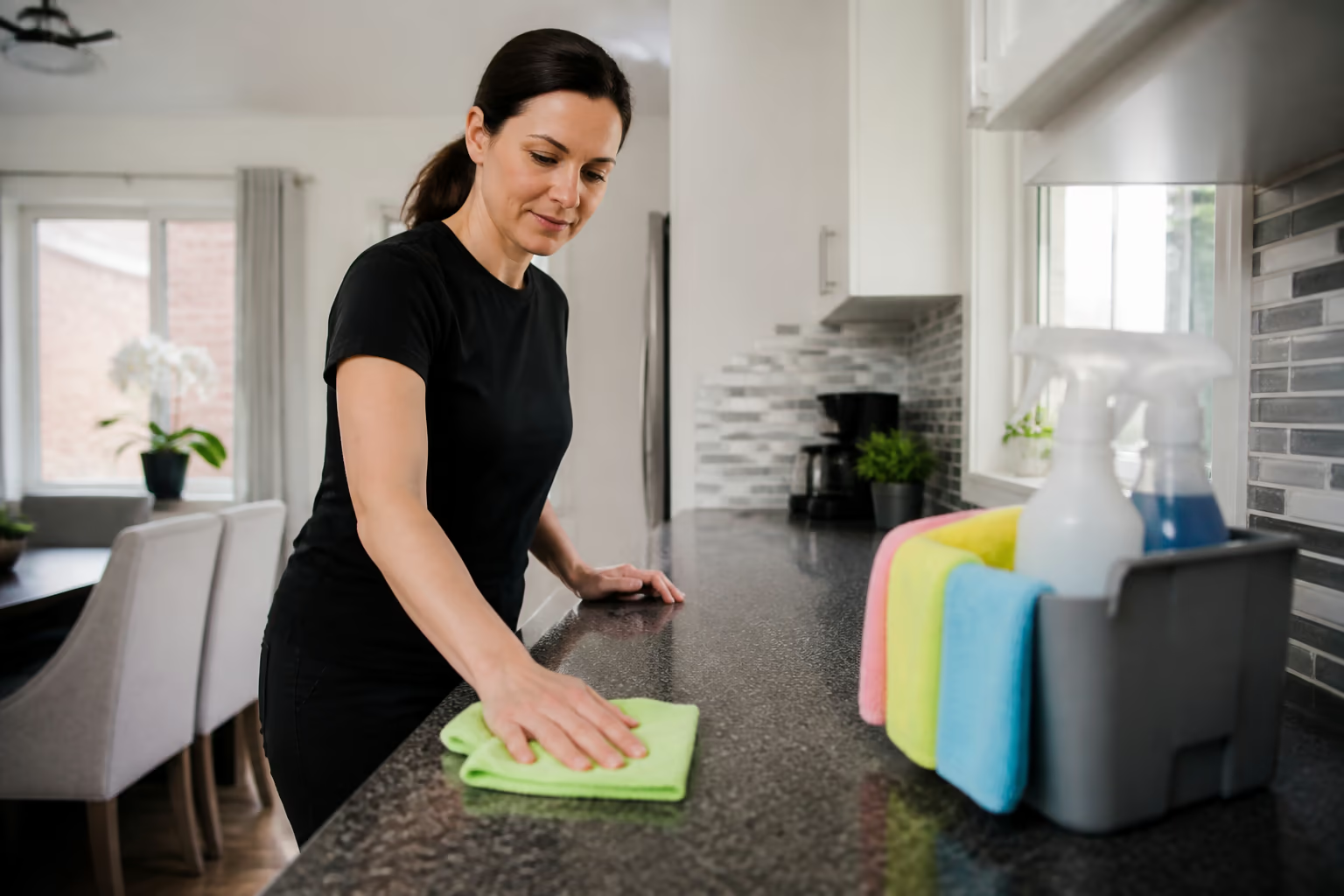
Cleaning a house like a professional is about order, not extra scrubbing: working top to bottom and room by room with the right tools staged in advance so no surface gets cleaned twice. A repeatable step-by-step routine and a consistent schedule keep the whole home clean without wasted effort.
In this guide
What "Cleaning Professionally" Really Means at Home
There is a difference between tidying and cleaning, and professionals are clear about it. Tidying puts things away; cleaning removes soil, dust and grime from surfaces. A professional clean starts with tidying so the cleaning has clear surfaces to work on, and it happens in a deliberate order so no step is wasted.
- Clean from high to low so falling dust lands on surfaces you have not finished yet.
- Clean dry surfaces before wet ones, so you do not push moisture onto fresh dust.
- Work in one continuous path around each room so you never cross back over a finished area.
- Clean the rooms people use most often when you have the most energy.
- Finish with floors, because every other task drops dust onto them.
The point of the order is simple: each step prepares the next. Vacuuming before dusting means re-vacuuming, so professionals dust first. Wiping counters before cleaning the floor means the floor gets the mess twice, so floors are last. Once the logic clicks, the whole house stops feeling like an endless list.
The Professional Room Order
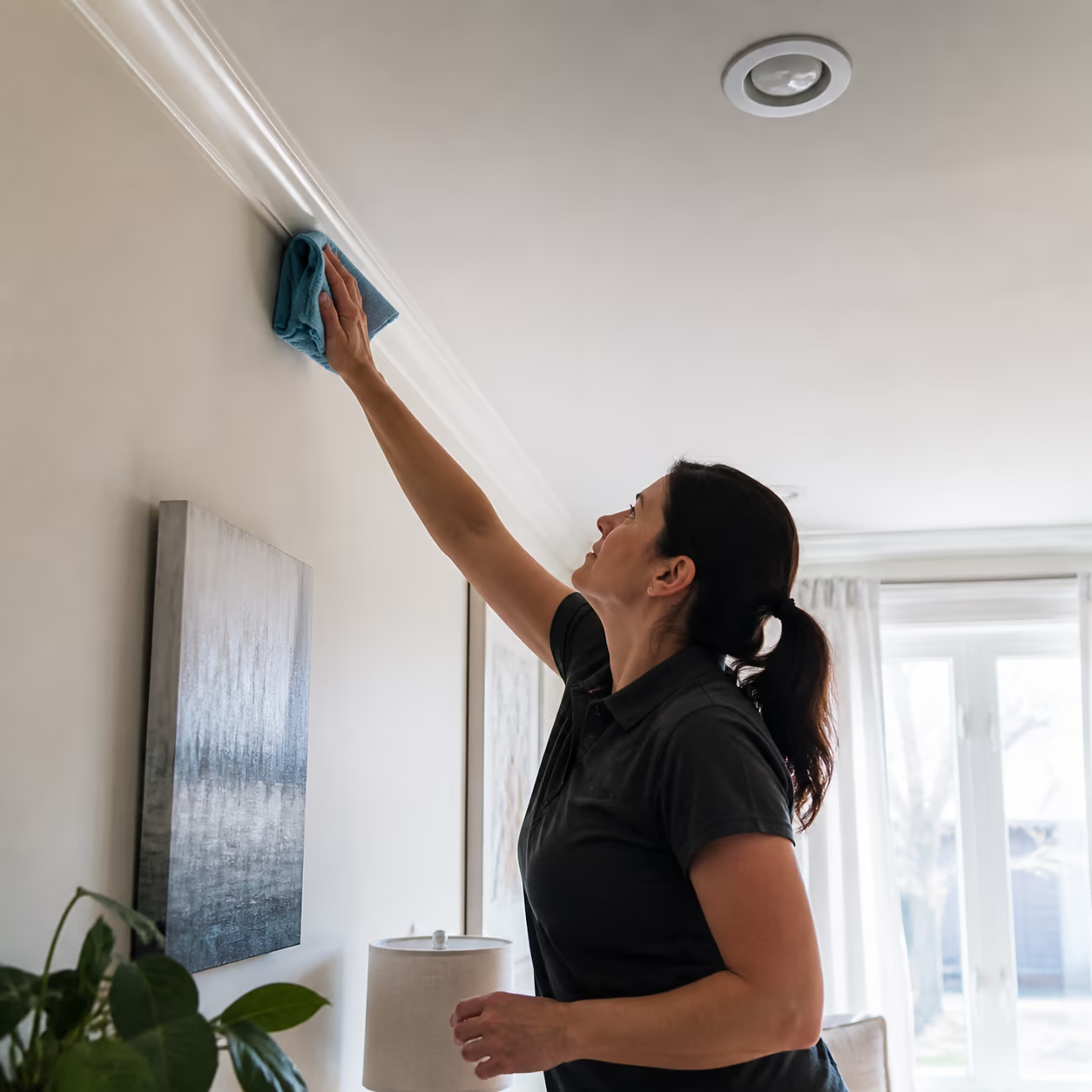
Most professionals start with the bathroom, because it is small, the dirt is concentrated, and finishing it gives an early win. Then they move to the kitchen, where grease and food residues need the most attention while surfaces are still clean.
- Start with bathrooms:spray, let products dwell, then wipe mirrors, counters and fixtures.
- Move to the kitchen:clear counters, degrease the stove and backsplash, and finish the sink.
- Then living areas and bedrooms:dust high points first, wipe surfaces, then do floors.
- Finish with entryways and stairs, which collect the most tracked-in dirt in Canadian homes.
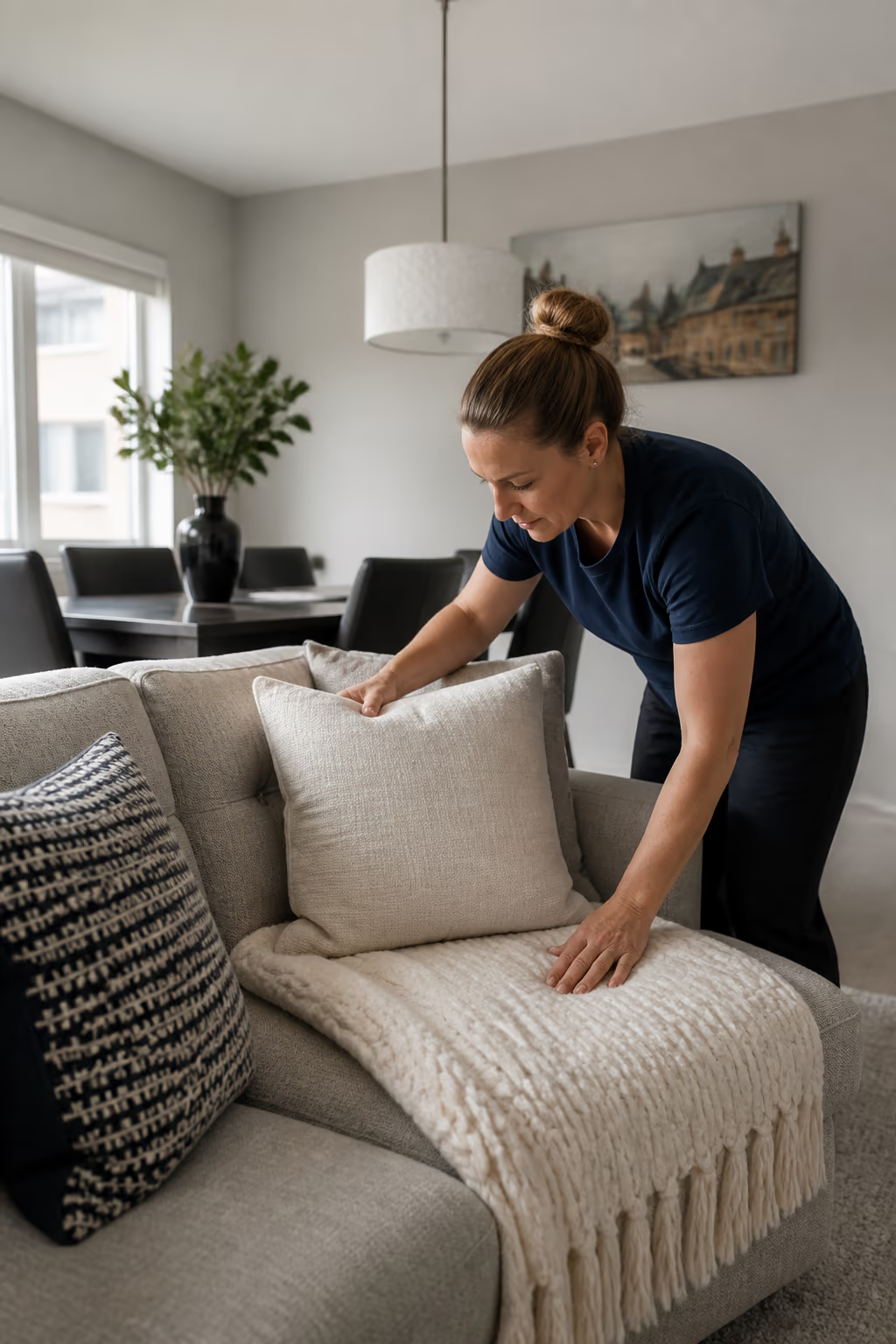
- Save the final detail pass for the end:fold throws, fluff pillows, open windows briefly.
Rooms are cleaned top to bottom and left to right. In winter, entryways and mudrooms deserve extra attention because boots track in salt, sand and slush that would otherwise spread through the whole house.
The room order is a guide, not a law. If the kitchen is the worst spot, start there and save the bathroom for later; the point is to finish one space before starting the next. Working in finished rooms is what makes the whole house feel clean, rather than every room half done.
What You Need Before You Start
A professional kit is smaller than most people expect. A handful of good tools replaces a shelf of single-purpose products.
- Microfibre cloths in separate colours for bathrooms, kitchens, glass and floors, to avoid cross-contamination.
- A pH-neutral all-purpose cleaner for most surfaces.
- A glass cleaner for windows, mirrors and shower doors.
- A bathroom disinfectant and a kitchen degreaser for the two toughest rooms.
- A HEPA vacuum for carpets and a microfibre flat mop for hard floors.
- A caddy or bucket to carry the kit from room to room.
Look for EcoLogo-certified, low-VOC products that are safe for children and pets. A HEPA vacuum makes the biggest difference to a home's overall clean because it traps dust and allergens instead of pushing them back into the air. Keep the kit stocked so you are never mid-clean without a cloth. For carpets that need more than routine vacuuming, homeowners can book a carpet cleaning service Ottawa provider to handle deeper stains between resets.
Keep a dedicated cloth set for each room type and wash them between uses. Storing them colour-coded means the right cloth is always easy to grab, and clean cloths prevent the streaks and cross-contamination that make a clean home look unfinished.
Setting Up Your Cleaning Station
Before you touch a surface, set up so you are not running back and forth for supplies. A mobile station keeps the whole routine moving.
- Fill the caddy with the cloths, cleaners and brushes you need for the first room.
- Carry a small bin or bag for collecting rubbish as you go.
- Keep a bowl or bucket for rinsing cloths and refilling spray water.
- Replace or refresh cloths between rooms so the next surface starts clean.
The station moves with you, room to room, and it gets refilled the way a professional restocks a cart. This single habit removes the trips to the kitchen cupboard that break up the rhythm of cleaning. Take the bin with you and empty it when it fills, and wipe the caddy down at the end of the day so the next clean starts tidy. A station that works is the one you do not have to think about.
Reading Labels and Handling Products Safely
A professional clean is also a safe one, and safety starts with reading the label before you spray. Products tell you exactly what they are for, how long they need to sit, and how to handle them, and skipping that step is how cleaning accidents happen.
- Check the surface compatibility and dwell time before you apply.
- Use gloves and ventilate when a label asks for it.
- Never mix bleach with vinegar, ammonia or other acids; the reaction releases a dangerous gas.
- Store products out of reach of children and pets, and follow disposal instructions.
When someone is paid to clean, the home becomes their workplace. Ontario's WHMIS legislation applies to all workplaces except farms and requires hazardous-product information to reach the worker through labels, safety data sheets and an education program. The province states the employer duty: “Employers must pass the information about workplace hazardous products on to their employees and provide worker education programs.”
These are the same habits behind WHMIS 2015 training that commercial cleaners follow, applied to the products you keep under your sink. Reading a label takes seconds, and it prevents the mistakes that end in damaged surfaces or a trip to urgent care.
The Step-by-Step Professional Routine
With the order and the kit in place, the routine itself is straightforward. Declutter each room first, putting away the items that have migrated and gathering laundry or dishes into one place. Clear surfaces let you clean instead of moving things around.
Dust high to low: ceiling corners, light fixtures, window sills and shelves first, then furniture and baseboards. Wipe surfaces with the all-purpose cleaner, then clean the high-touch points that spread germs, such as door handles, light switches and remotes.
Clean the bathrooms and kitchen with their dedicated products, letting dwell times do the heavy work. Then vacuum carpets and mop hard floors, working from the back corners toward the doors so you do not walk on the clean floor. Finish with a detail pass: mirrors, glass, and anything that catches the eye.
When a room feels overwhelming, break it into passes rather than trying to finish it in one. Clear the floor and main surfaces, clean them, and set anything that needs sorting aside in a box. You can deal with the box later without letting it block the cleaning, which is how a professional keeps a deeply cluttered room moving. For a full walkthrough on tackling an especially cluttered space, see how to clean a messy house like a professional cleaner.
Room-by-Room Cleaning Details
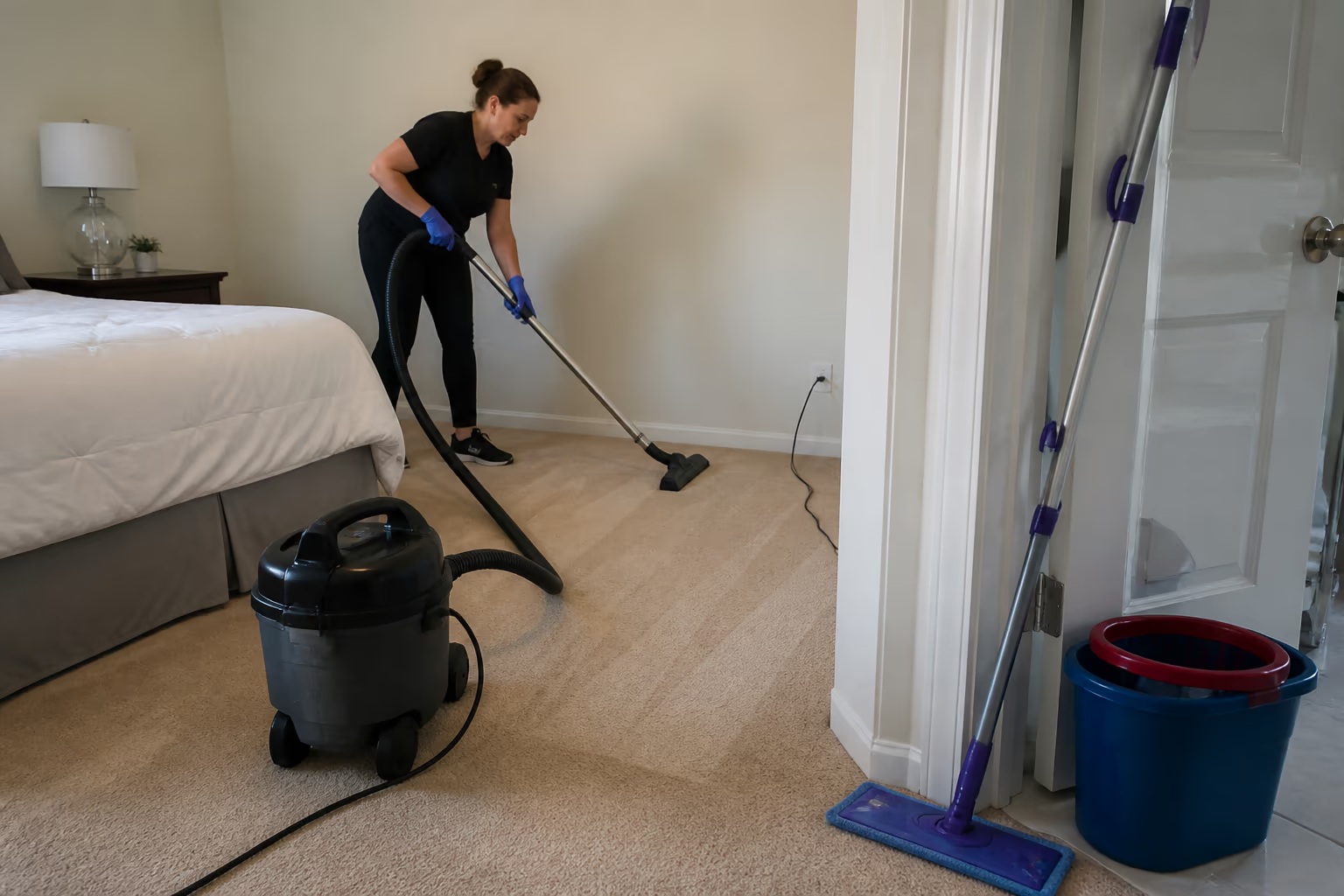
Each room has a couple of details that make the difference between a quick pass and a proper clean. Add these to the routine and the results look professional, not just tidy.
- Bathrooms:spray the shower, toilet and sink first, let them dwell, then wipe glass and chrome while the chemistry works.
- Kitchens:degrease the stove and backsplash, wipe the front of the appliances, and finish the sink so it does not spot.
- Bedrooms:dust the headboard and frames, wipe surfaces, and fluff the bedding before you move on.
- Living rooms:dust electronics and shelves, wipe remotes and switches, and vacuum under cushions.
The order inside each room still follows the same rule: high to low, dry to wet, and floors last. The details simply make the room feel finished, which is what people notice when they walk in.
Formatted Step-by-Step House Cleaning Checklist
Use this checklist to clean a house professionally, one step at a time.
- Step 1.Declutter each room and gather laundry, dishes and misplaced items before cleaning.
- Step 2.Dust top to bottom, from ceiling corners and light fixtures down to baseboards.
- Step 3.Wipe surfaces and high-touch points with an all-purpose cleaner.
- Step 4.Clean the bathrooms and kitchen with dedicated products and let dwell times work.
- Step 5.Vacuum carpets and mop hard floors from the back of each room toward the door.
- Step 6.For a whole-home clean on a schedule, review our residential cleaning visits in Ottawa to compare scope and timing.
Common Mistakes That Slow Down a Home Clean
The mistakes below are why home cleaning takes all day instead of a few focused hours.
The biggest is skipping the declutter step. Spraying cleaner around clutter just moves the mess from the counter to the floor, so you handle the same items twice.
The second is letting products dry on surfaces. Spray, wait, then wipe. A cleaner that dries onto a counter leaves residue you have to scrub off, which takes far longer than the original dust.
The third is using one cloth everywhere. A single rag moves bathroom bacteria to the kitchen and leaves streaks on glass. Colour-coded microfibre cloths keep each job clean and cut down on re-wiping.
The fourth is cleaning from the bottom up. Vacuuming before dusting means the falling dust lands on a floor you already finished. Always work top to bottom.
Once these four habits are fixed, the same effort produces a visibly better result. That is the difference between cleaning hard and cleaning smart.
Building a Cleaning Schedule That Works
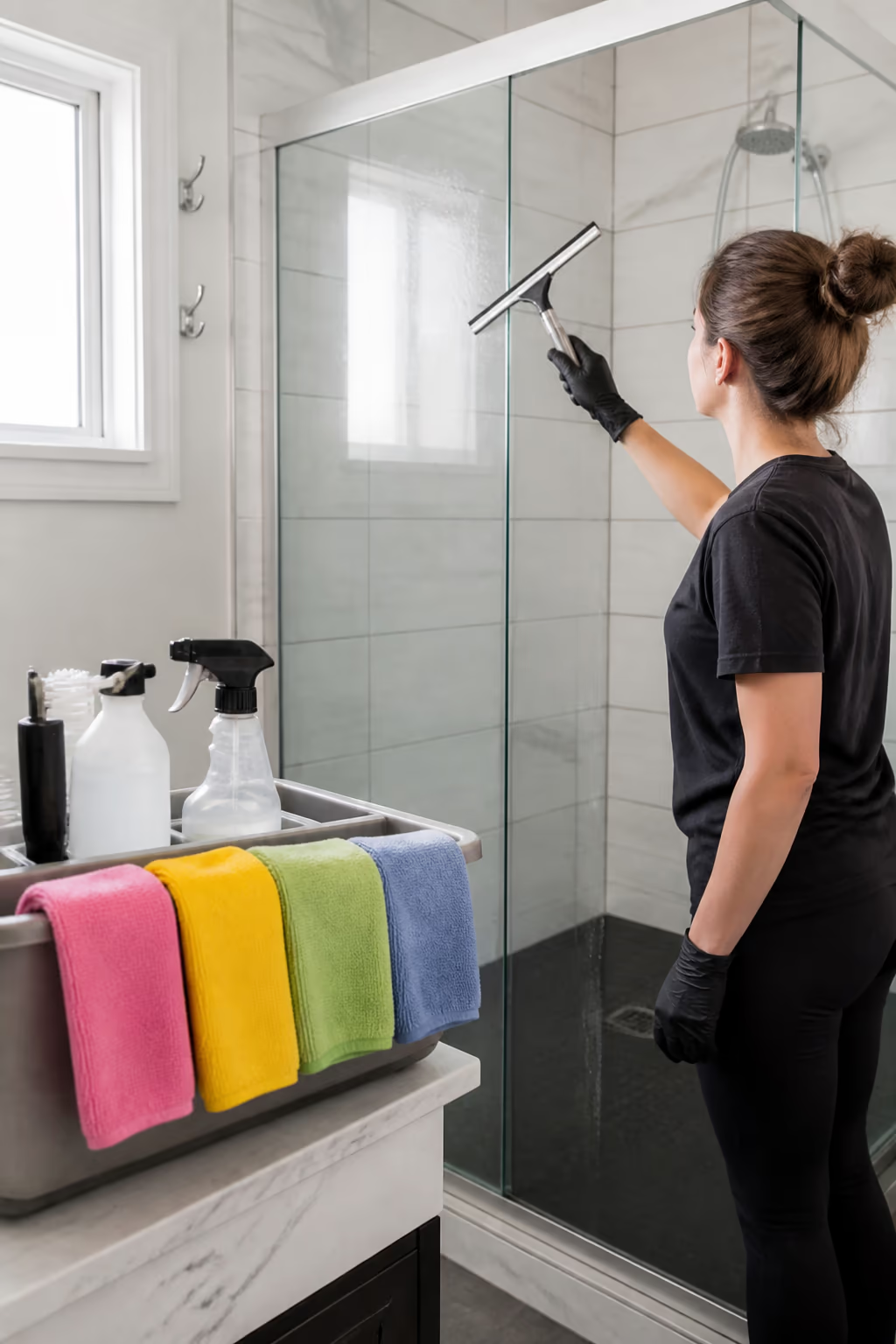
A professional clean is a reset, and a schedule keeps it from sliding back. Most homes do well with three layers of cleaning, and each layer protects the next.
- Daily:clear counters, do a quick wipe of high-touch points, and keep floors from collecting grit.
- Weekly:dust and vacuum, clean the bathrooms and kitchen, and do the floors properly.
- Seasonal:deep-clean windows, behind appliances, and the areas you normally skip.
The schedule matters more than the products. A short daily pass means the weekly clean stays quick, and a monthly or seasonal reset means the deep tasks never turn into a weekend project. A written cleaning checklist to keep your house always clean makes this daily, weekly and seasonal rhythm easier to stick to.
Ontario Seasons and How Good Cleaner Co. Handles Them
A house in Ottawa faces a different cleaning rhythm in January than in July, and professionals adjust for it.
- Winter brings salt, sand and slush to entryways, so mudrooms and floors need more frequent attention.
- Winter also means closed windows and less fresh air, so dust and cooking smells build up faster indoors.
- Spring pollen and fall leaves get tracked in on shoes and pets.
- Summer humidity makes kitchens and bathrooms feel grime-heavy, and open windows let in more dust.
Good Cleaner Co. builds these local realities into its routine.
Spring is a natural time for a deep reset in Ottawa. The salt from a long winter has worked its way into entryways and floors, and the warmer weather is the right moment to wash windows and clear the dust that settled while the house was closed up. Many families schedule a seasonal deep clean for exactly this reason.
When to Call a Professional
Most households can handle a weekly maintenance clean, but a full professional clean makes sense in a few situations.
- A deep seasonal reset, especially after winter, when salt and grime have built up.
- A busy household where regular cleaning keeps getting postponed.
- A move-in or move-out clean where the whole home needs doing at once.
- A rental or property you manage, where consistent standards matter.
How much you book depends on the home, not a fixed rule. A one-time deep clean suits a seasonal reset or a move; a recurring visit keeps a busy household from slipping back. Either way, the same method applies, so the result is consistent visit after visit.
When you compare providers, ask for the exact scope, what is included, and how they handle your specific home. If you are comparing options for your home or a property you manage, our commercial cleaning company vetting guide is a useful starting point for the questions that matter.
What a Professional Team Does Differently
A professional team brings more than speed; it brings consistency. Because crews follow the same documented sequence every visit, you get the same result whether the cleaner is the owner or a new staff member.
- A written scope that says exactly which rooms and tasks are included.
- A full kit of their own products, so your cupboards are not emptied between visits.
- A system for restocking, so you are never told to supply something mid-clean.
- A final walkthrough with you, so missed spots are caught on the spot.
That consistency is the real value of a professional clean. Anyone can scrub a tub once; a team that repeats the same standard every week keeps a home in a different category of clean.
FAQ
How long does a professional house clean take?
A full clean depends on the size and condition of the home. A team works through the rooms in a deliberate order, so a standard home is usually finished in a few hours rather than a full day.
Which rooms should I clean first?
Start with the bathroom for an early win, move to the kitchen, then living areas and bedrooms, and finish with floors and a final detail pass.
Do I need to declutter before a professional clean?
It helps. Clearing surfaces lets the team actually clean instead of moving items around, and it protects your belongings from being shifted.
How often should a home be professionally cleaned?
Many Ottawa families book a deep clean seasonally, with weekly or bi-weekly maintenance in between to keep the build-up small.
What is the difference between tidying and professional cleaning?
Tidying puts items away; cleaning removes soil, dust and grime. A professional clean starts with tidying so the cleaning has clear surfaces to work on.
Do I need different cloths for each room?
It is the safest habit. Colour-coded microfibre cloths keep bathroom and kitchen jobs separate and stop streaks on glass, which is why professionals never carry one rag through the whole house.
Should I dust before or after vacuuming?
Dust first, top to bottom, then vacuum. Dusting drops particles onto the floor, so vacuuming last means you only clean the floor once.
What order should I clean in a two-storey house?
Work from the top floor down and front of the house to the back. That keeps dust moving downward and away from finished rooms, the same logic that applies inside a single room.
Is it better to hire a professional or clean my own house?
It depends on your time and the standard you want. The system in this guide works for both; a professional team simply applies it faster and with their own equipment when your schedule does not allow the hours.
Wrapping Up
Cleaning a house professionally is a system, not a marathon. Declutter, work high to low and room by room, use the right tool for each surface, and finish with floors and a detail pass. When the routine matches the season and the schedule, a whole home stays clean with far less effort, and a professional team is there for the resets that need more hands.
Keep reading
More from Good Cleaner
Services that fit
- House Cleaning Services in OttawaHouse cleaning services in Ottawa for one-time, weekly, biweekly, and monthly home care, with customizable cleaning and eco-friendly options.
- Janitorial Services in OttawaRecurring janitorial services in Ottawa for offices, warehouses, retail, dealerships and schools, with eco-friendly commercial cleaning and customized plans.
About the author
Service areas
- Ottawa
- Kanata
- Nepean
- Orleans
- Barrhaven