
DIY Air Fresheners for a Naturally Scented Home: Non-Toxic Essential Oil Recipes
Many people reach for a plug-in or a spray can when a room smells stale, without thinking much about what is in it. The problem is that many commercial air fresheners do not clean the air; they cover the smell with fragrance, and some of those fragrances contain compounds that can irritate sensitive lungs. The good news is that making your own natural air fresheners at home is simple, inexpensive, and gives you full control over what you are breathing.
Quick Summary
Store-bought air fresheners can mask smells while adding synthetic chemicals to the air you breathe. This guide shares simple, non-toxic DIY air freshener recipes using essential oils and everyday pantry ingredients, plus safety notes for homes with pets and children.
In this guide
Why Store-Bought Air Fresheners Can Be a Problem
Commercial air fresheners work by releasing fragrance into a room, but that fragrance has to come from somewhere. Many products use synthetic fragrance blends, and in some cases those blends include volatile organic compounds that can contribute to indoor air pollution.
The concern is recognised at the federal level. Health Canada's indoor VOC guidance lists air fresheners by name among the household products that release volatile organic compounds into indoor air, and recommends increasing ventilation to reduce exposure. Health Canada also keeps the risk in proportion: “For most VOCs, levels found in indoor air in Canadian homes do not usually pose a significant health risk.”
In a well-sealed home, especially during the cold months when windows stay closed, those compounds have nowhere to go. For someone with asthma, allergies, or sensitivity to strong smells, a plug-in can be the difference between a comfortable living room and a headache.
None of this means every commercial air freshener is bad. It simply means it is worth reading labels, choosing products with transparent ingredients, and considering the natural alternatives, which are easy to make and often smell better anyway.
What You Need for Natural Air Fresheners
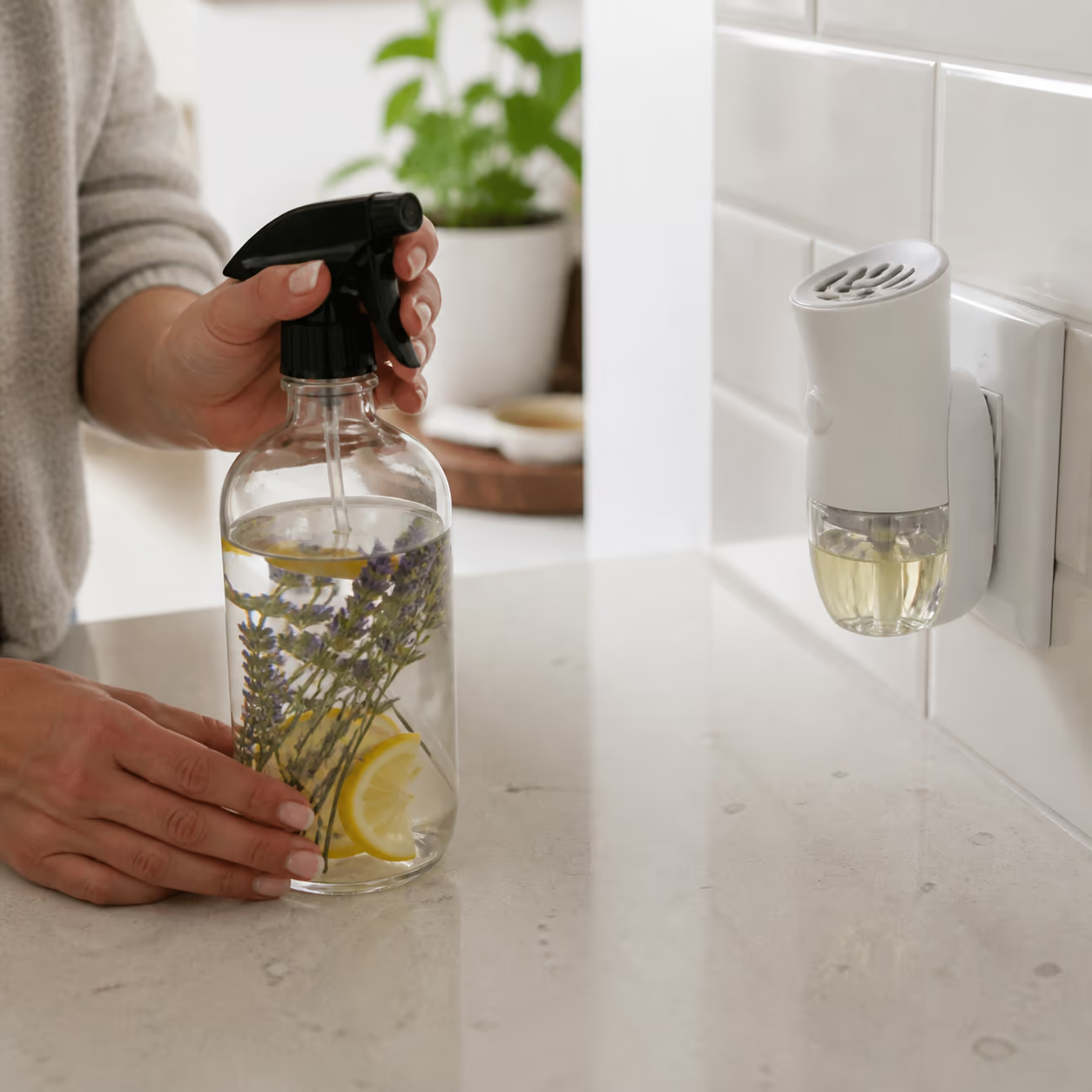
The great thing about DIY air fresheners is that most of the ingredients are already in your kitchen or available cheaply at any grocery store:
With those basics, you can make a room spray, a simmer pot, a deodorizing jar, and a reed diffuser, all without a single synthetic ingredient.
Four Non-Toxic DIY Air Freshener Recipes
These four recipes cover the main ways people freshen a home. Start with the amounts listed and adjust to your own nose.
Safety Notes for Homes with Pets and Children
Essential oils are natural, but natural does not automatically mean safe for everyone, especially pets and young children.
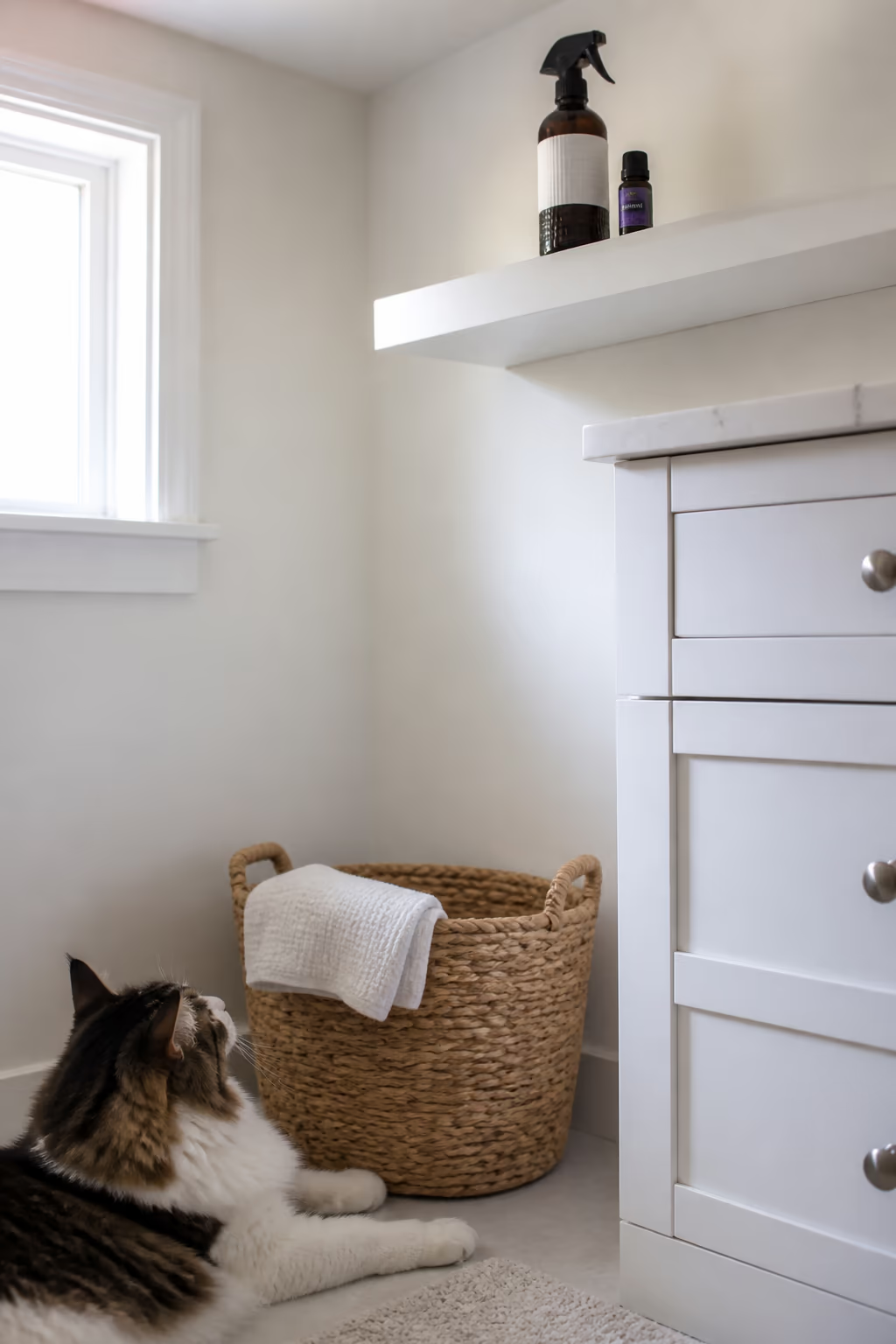
Cats and dogs process essential oils differently than people do. Oils such as tea tree, wintergreen, and citrus can be harmful to pets, so if you share your home with animals, stick to pet-friendly options like lavender and chamomile, use them in well-ventilated areas, and keep bottles and diffusers out of reach.
For children, the main concerns are ingesting the liquid and having it in the eyes. Store your DIY sprays and diffuser oils up high, label the bottles clearly, and avoid spraying directly into a child's face or bedding.
It is also a good idea to test any new scent in a small way first. Some people are sensitive to strong aromas, so start with fewer drops than the recipe suggests and add more only if it feels right.
How to Make Scents Last Longer
Natural scents are lighter than synthetic ones, and they fade faster. A few small habits help them last:
- 01Use dark glass bottles and keep them out of direct sunlight, which breaks down essential oils.
- 02Shake a room spray before every use, because the oil and water separate as it sits.
- 03Stir a baking soda jar once a week to expose fresh, scented soda to the air.
- 04Flip the reeds in a diffuser every few days for a stronger burst of scent.
- 05Refresh a simmer pot with a little more water or another slice of citrus whenever the scent fades.
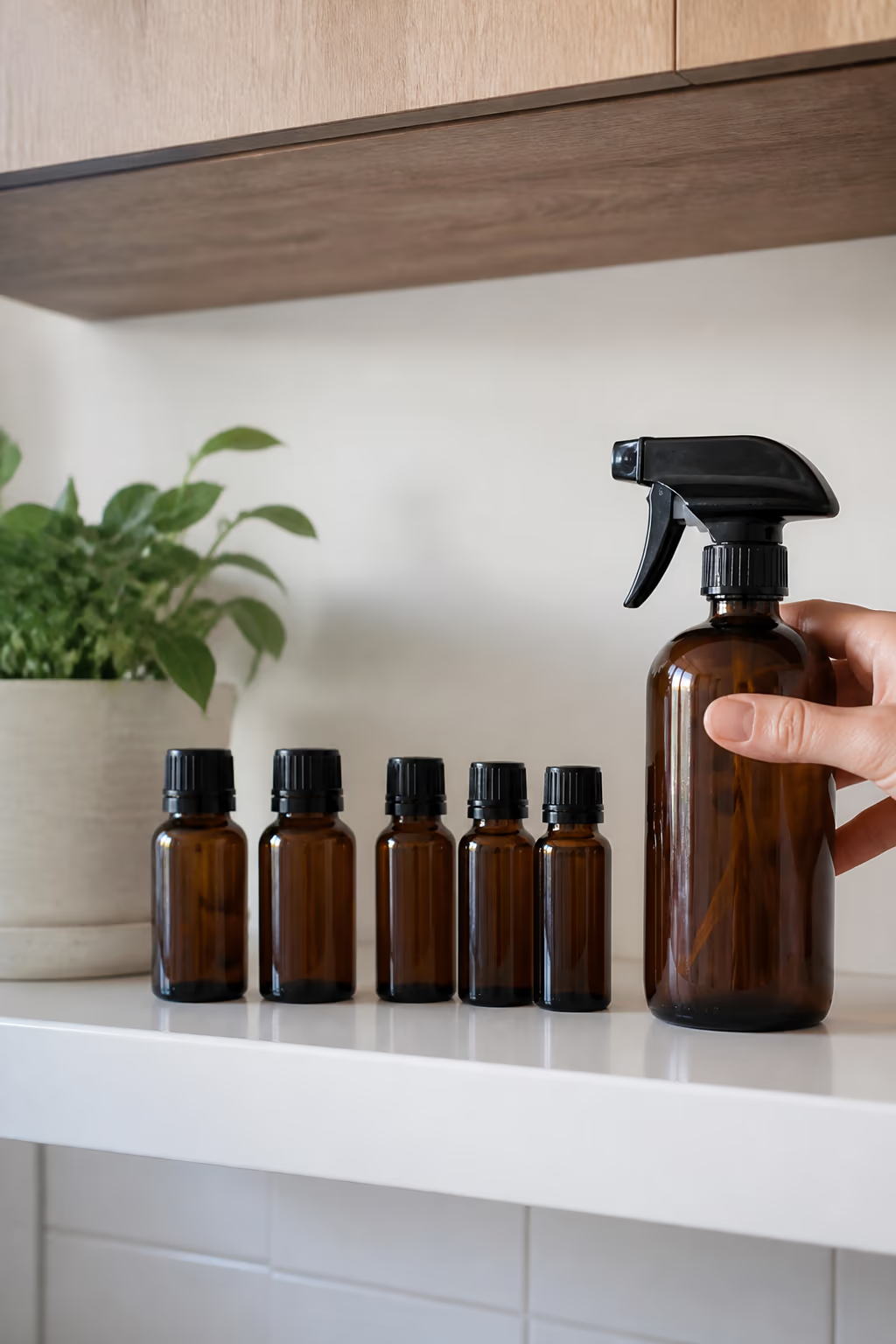
If you have several scents you like, label the bottles clearly so you can tell them apart at a glance. A simple label with the name and the date you made it helps you use the oldest batch first and keeps your homemade sprays organized.
None of these are extra work; they are just the small steps that keep a natural scent working in your home.
When Natural Scent Is Not Enough
A DIY air freshener adds scent, but it does not remove the source of an odour. If a room keeps smelling stale no matter what you spray, the problem is usually the surfaces, not the air.
Carpets, upholstery, and curtains hold onto cooking smells, pet odours, and smoke. A regular vacuum and an occasional deep clean do more for a fresh-smelling home than any spray. If odours are coming from a specific spot, cleaning that surface directly is a better fix than covering it up.
When your home needs that deeper reset, a professional cleaning service can tackle the carpets, drapes, and hard-to-reach areas that hold odours, so the natural scents you add actually have a clean base to work with. If you are curious about the average price of cleaning services in Ottawa before booking that reset, our pricing guide breaks down what affects the total cost.
For kitchen counters and general surface cleaning, our homemade citrus all-purpose cleaner recipe pairs well with these scent recipes and uses the same natural ingredients.
Formatted Step-by-Step Essential Oil Room Spray Checklist
Follow this checklist the first time you make a room spray, and you will have a reliable recipe for years:
- Step 1.Choose a Glass Spray Bottle:Use dark glass when you can, since it protects the essential oils from light and keeps them fresh longer.
- Step 2.Add the Emulsifier:Measure two tablespoons of witch hazel or rubbing alcohol into the bottle first, so the oil has something to bind with.
- Step 3.Add Your Essential Oils:Start with twenty to thirty drops, combining two or three oils for a more interesting scent.
- Step 4.Top Up with Distilled Water:Fill the bottle nearly to the top, leaving a little room to shake.
- Step 5.Shake Before Every Spray:Shake well before each use, mist into the air and over fabrics, and adjust the recipe next time based on how strong you like it.
- Step 6.When your home needs a deeper clean, residential home cleaning services in Ottawa through Good Cleaner Co. leave your surfaces fresh and your air easier to keep scented naturally.
Naturally Fresh Homes Across Ottawa
Ottawa homes have their own scent challenges in every season, whether you live in a century home in Hintonburg, a condo in Centretown, a family house in Barrhaven, or a townhouse in Orleans. Older homes hold onto smells in their plaster and wood, while newer, tightly sealed homes trap cooking odours. In every neighbourhood, a natural freshening routine and a clean base work the same way.
Put Diy air fresheners for a naturally scented home Into a Sensible Routine
Use the method in this guide with the surfaces and ingredients you actually have. Start with a small test area, keep product labels and care instructions in view, and stop if a finish changes. A useful home-cleaning routine is specific enough to follow on a busy day and gentle enough not to create a repair job.
Keep the result practical: a room that is easier to use and a method you can repeat safely.
Adjust the Method to the Conditions
Diy air fresheners for a naturally scented home is not a fixed recipe for every home. Change the approach when the material, amount of residue, room ventilation, pets, children, or access changes. Work in small sections, use fresh water or cloths when they are dirty, and avoid combining products in a bottle, bucket, or drain.
Ottawa weather can change what enters a home on footwear or how quickly a room dries, but surface care still depends on the actual material and condition. Deal with moisture, damaged seals, and recurring marks as maintenance questions instead of escalating to stronger products.
Check the Result Before Adding More Product
Look at the area in normal light and decide whether the task is finished, needs another careful pass, or points to a problem cleaning cannot solve. A clear note or photograph can help when you need to explain a recurring issue to a landlord, manufacturer, repair person, or pest professional.
Pause for product-specific, electrical, plumbing, damage, pest, or health concerns. Follow the product label and responsible authority's instructions, and seek qualified help where appropriate. A DIY cleaning guide cannot replace a repair assessment or professional health advice.
Partnering with Good Cleaner Co. for Healthy Home Care
Good Cleaner Co. combines years of local experience, background-checked technicians, EcoLogo green chemistry, and commercial HEPA equipment to deliver consistent results across Ottawa.
Our account managers work directly with homeowners to build schedules that fit your household routine and budget. Contact Good Cleaner Co. today to request a home cleaning quote.
A Practical Home Note
Keep the method small enough to repeat: label what you mix, keep ingredients away from children and pets, and stop if a scent or surface causes concern. Fresh air, clean textiles, and removing the source of an odour are often more useful than adding another fragrance. If an odour persists, look for moisture, spoiled food, a drain issue, or another cause that cleaning alone cannot repair.
FAQ
Are essential oil sprays safe to use around pets?
Some essential oils are not safe for cats and dogs. Oils like tea tree, wintergreen, and citrus can be harmful to pets, so choose pet-friendly options such as lavender and chamomile, use them in well-ventilated areas, and keep bottles out of reach.
Why do I need witch hazel or alcohol in a room spray?
Essential oils and water do not mix on their own. Witch hazel or rubbing alcohol acts as a solubilizer, so the oil disperses evenly through the water instead of floating on top.
How often should I change the baking soda in a deodorizing jar?
Refresh it about once a month, or whenever the scent fades. Stirring it once a week helps, and replacing it monthly keeps it working well.
Can I use tap water in a room spray?
You can, but distilled water gives better results. Tap water can leave mineral residue on fabrics and surfaces, while distilled water stays clean and clear.
How long do natural room sprays last on fabrics?
Natural scents are lighter than synthetic ones and usually last a few hours on fabric. That is normal; you simply reapply as needed, or use a simmer pot for a longer-lasting scent in one area.
Are essential oils safe to put directly on surfaces?
Essential oils are concentrated and can damage some finishes, especially wood and certain plastics. In a spray, they are heavily diluted, which makes them safe for most fabrics and air. For cleaning surfaces directly, use a purpose-made natural cleaner instead.
What is the best essential oil for a bedroom?
Lavender is the most popular choice for bedrooms because its scent is calming and subtle. Chamomile and cedarwood are also gentle options for a relaxed space.
Will a simmer pot waste a lot of energy?
A simmer pot runs on low heat and only needs a small pot of water, so the energy use is modest. Keeping the heat low and the pot partially covered helps it last for hours without boiling away.
How do I get rid of a strong smell like smoke or pet odour?
Scent alone will not remove the source. Wash or deep-clean the surfaces that hold the smell, such as carpets, curtains, and upholstery, then use natural fresheners to keep the space pleasant.
How do I book an eco-friendly home cleaning in Ottawa?
Contact Good Cleaner Co. with the size of your home and the areas you want covered, and we will build a cleaning schedule that fits your household.
Make the Source of the Smell the First Job
A pleasant scent is a finishing touch, not a substitute for removing the cause. Empty the bin, wash a pet blanket, air out damp laundry, or clean a spill before reaching for a spray or simmer pot. Keep any homemade mixture clearly labelled and out of reach of children and pets. If a musty smell returns after cleaning, look for moisture rather than adding more fragrance.
Wrapping Up
Making your own air fresheners is a simple, affordable way to keep your home smelling clean without the synthetic ingredients found in many store-bought products. Pair it with a genuinely clean home, and the difference is obvious. Contact Good Cleaner Co. today to book trusted home cleaning crews in Ottawa for a fresh, healthy space.
Keep reading
More from Good Cleaner
Services that fit
- House Cleaning Services in OttawaRecurring weekly, bi-weekly and monthly house cleaning built around your family's routine, with non-toxic chemistry and background-checked staff.
- Professional Office Cleaning Services in OttawaNightly and after-hours office cleaning for corporate offices, clinics and professional suites, with after-hours scheduling and eco-friendly products.
About the author
Service areas
- Ottawa
- Centretown
- Barrhaven
- Orleans
- Kanata
- Hintonburg