
DIY Natural & Safe Cleaning Solutions: Pantry Ingredient Sanitation Guide
Cleaning with pantry staples is cheaper, simpler, and easier on the air inside your home than reaching for a new chemical spray every week. This guide walks through four natural cleaners that have earned a permanent place in most Canadian kitchens, gives you plain-language recipes, and covers the safety rules that matter most, including the stone and metal surfaces where natural acids can do real damage if you are not careful. Along the way, we are honest about where a home DIY job is worth doing yourself and where a professional service will save you time and frustration.
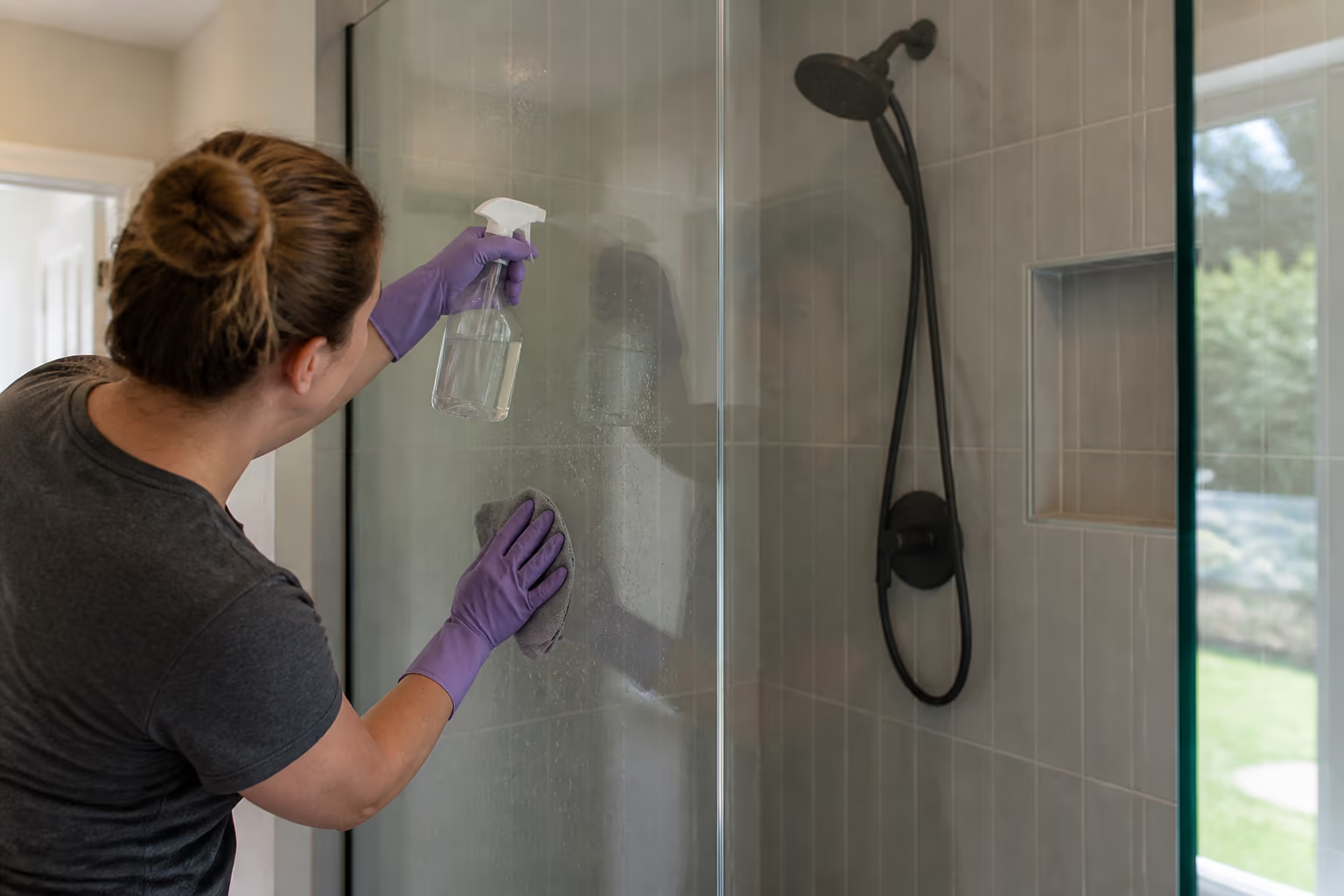
Quick Summary
You do not need a cabinet full of synthetic sprays to keep a home genuinely clean. Baking soda, white vinegar, lemon, and hydrogen peroxide handle most everyday grime safely when you match the right ingredient to the right surface. This guide explains what each pantry cleaner actually does, where it can damage finishes, and how to use them without spending your whole weekend.
In this guide
The Foundation of Safe Household Cleaning Chemistry
Every commercial spray in your cleaning cupboard is built on the same chemistry as the ingredients in your pantry, just concentrated and packaged with preservatives and fragrance. Understanding the basic chemistry lets you clean more with less and stop paying for water in a plastic bottle.
The two ideas that matter most are pH and abrasion. Vinegar and lemon are acids, which makes them excellent at dissolving mineral scale, soap scum, and hard-water film. Baking soda is a mild alkali that neutralizes odours and provides a soft, scratch-free scrubbing action. Hydrogen peroxide is an oxidizing agent that lifts stains and adds a useful sanitizing step on food-contact surfaces.
When you understand these three families, most of cleaning becomes common sense. Grease and oil respond to soap and a little friction. Mineral deposits respond to acid. Odours respond to a base like baking soda. Stains on white or light surfaces respond to peroxide. Match the chemistry to the mess and you will clean faster, using far less product.
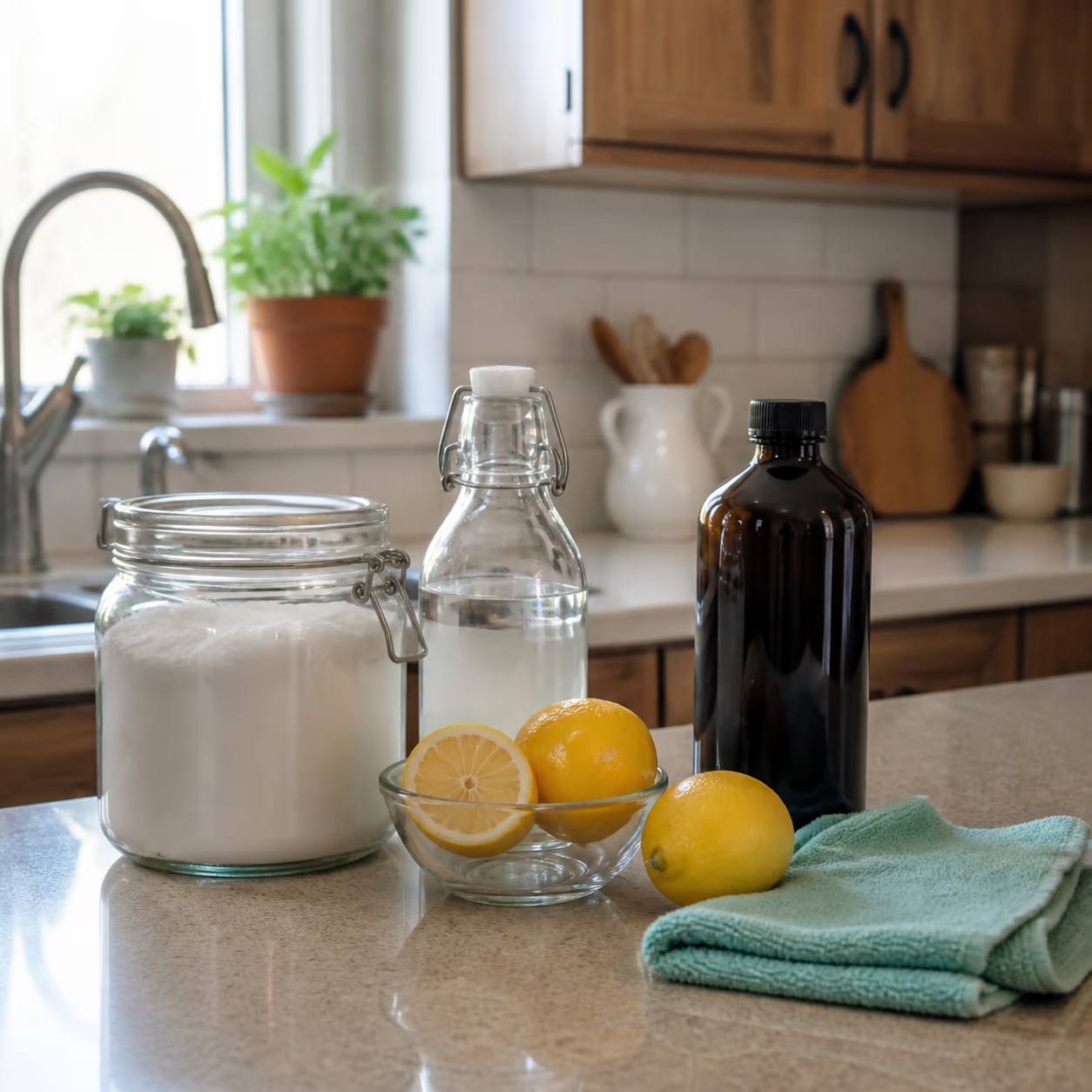
Essential Pantry Ingredients for Natural Cleaning
Master these four non-toxic cleaning staples:
1. Sodium Bicarbonate (Baking Soda):
A mildly alkaline powder that neutralizes acidic odours and provides safe, scratch-free abrasive scrubbing for sinks, tubs, and ovens.
2. White Distilled Vinegar:
An acidic liquid (about 5 percent acetic acid) that breaks down alkaline mineral deposits, soap scum, and hard-water film on glass, fixtures, and shower doors.
3. Fresh Lemon Juice:
A high-acid citrus juice with natural d-limonene terpenes that cut grease and leave a fresh, botanical scent without synthetic fragrance.
4. Hydrogen Peroxide (3 Percent):
A gentle oxygenating cleaner that lifts stains and helps sanitize food-preparation surfaces safely when used as directed.
5. Reviewing our citrus cleaning spray recipe provides additional recipe ideas for everyday spot cleaning.
Matching the Right Cleaner to the Right Surface
Natural cleaners are powerful, which means they also need respect. The same acid that makes vinegar brilliant on glass will etch the polish on natural stone. The same gentle abrasive that is perfect for a porcelain sink can dull a high-gloss acrylic surface if you scrub too hard. Here are the rules we follow in our own homes.
Where Natural Cleaning Has Limits
It would be dishonest to suggest pantry staples can replace every product in a professional cleaning kit. Vinegar and baking soda are outstanding for everyday cleaning and deodorizing, but they are not registered disinfectants. When a household truly needs disinfection, such as after illness or on food-prep surfaces, follow the label directions on a product that carries a Health Canada Drug Identification Number.
Natural does not automatically mean vapour-free. Health Canada's indoor VOC guidance recommends increasing ventilation to reduce exposure to volatile organic compounds indoors, which is sound advice whether the bottle came from a shop or from your own kitchen. Health Canada defines them this way: “Volatile organic compounds (VOCs) form a large group of chemicals commonly found in both indoor and outdoor air.”
Natural cleaners also work on their own schedule. Acids need a little dwell time to dissolve scale, and peroxide needs time on the surface to lift a stain. If you spray and wipe immediately, you lose most of the benefit. And for deep-set problems, like years of soap scum in grout or salt-stained carpet near the front door, a professional deep clean is often the faster, more reliable answer than a long afternoon of DIY scrubbing.
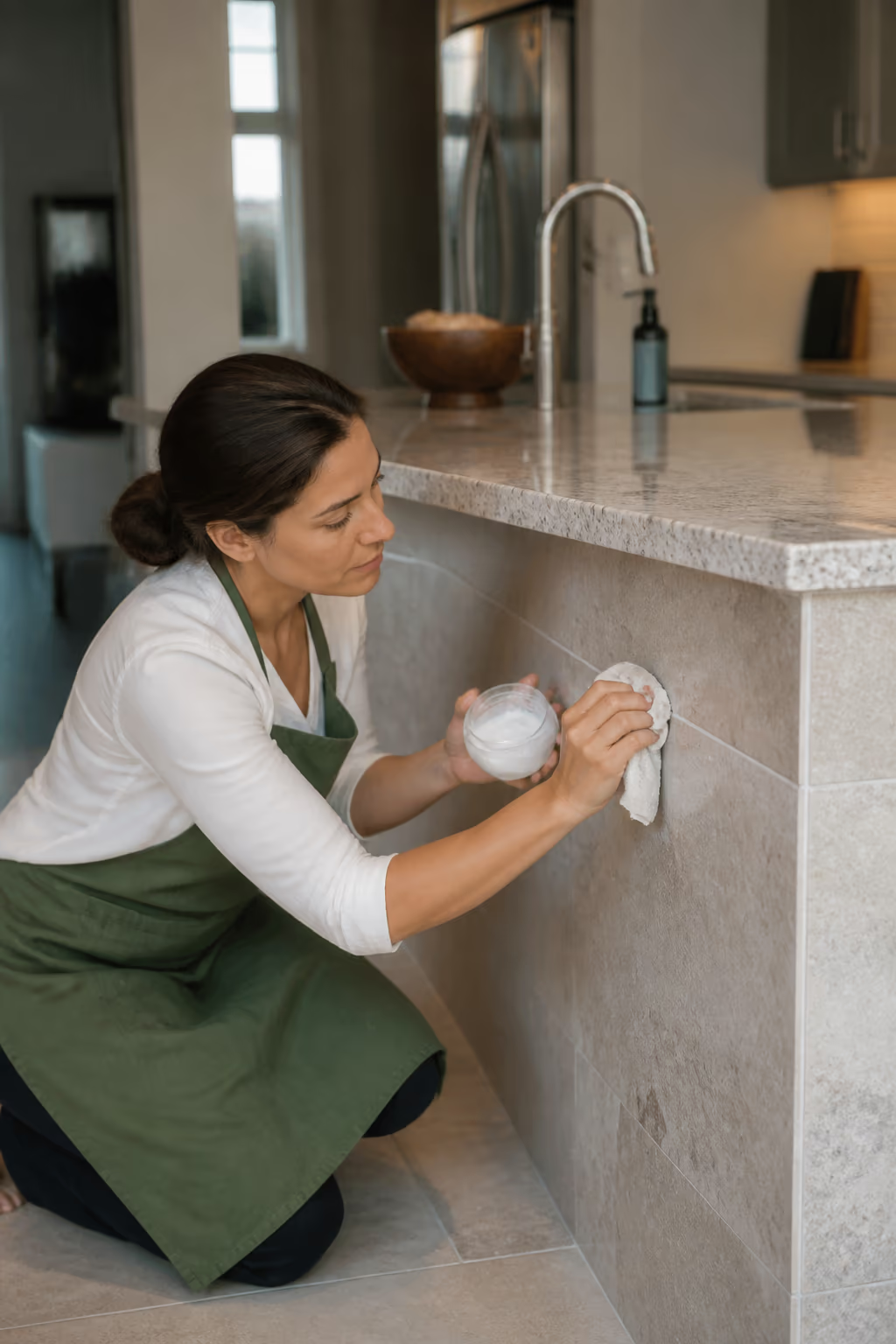
A Realistic Weekly Routine with Pantry Cleaners
You do not need to scrub every surface every day. A simple rhythm keeps a home consistently clean without burnout, and these diy cleaning hacks to save time and money are a good starting point to build the routine from:
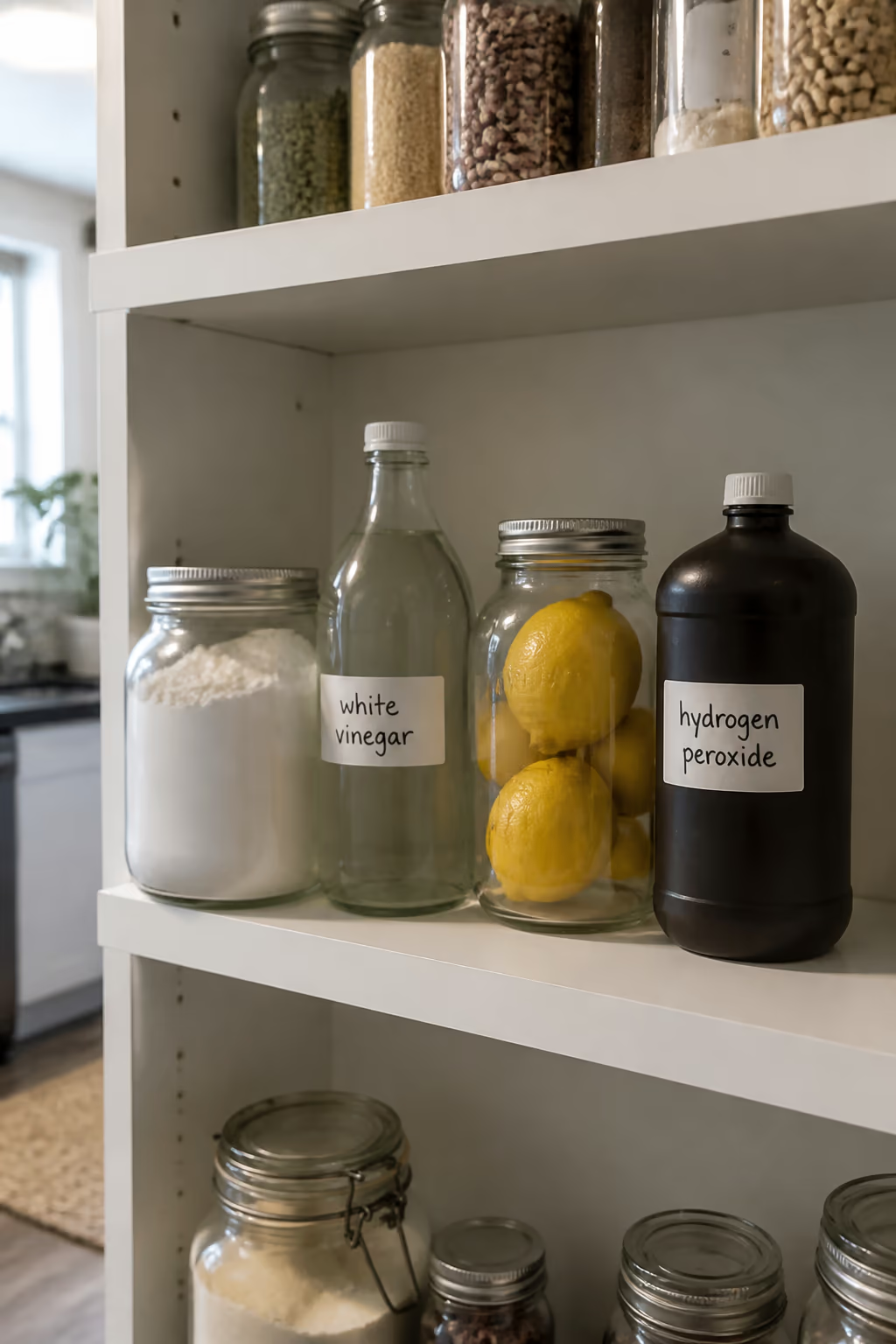
Storing Your Pantry Cleaners
Homemade cleaners only stay useful if you store them properly, and the rules are simpler than you might think. The goal is to keep the ingredients stable and clearly labelled so nobody reaches for the wrong bottle in a hurry.
Formatted Step-by-Step Non-Toxic Home Cleaning Protocol
Execute this 5-step protocol for a safe, thorough house clean:
- Step 1.Scrub Sinks & Tubs with Baking Soda & Liquid Soap Paste:Combine baking soda with a splash of castile soap to scour porcelain and stainless steel without scratching.
- Step 2.Deodorize & Remove Mineral Scale with 5% White Distilled Vinegar:Spray vinegar on glass shower doors and faucets and let the acid sit a few minutes to dissolve mineral crust.
- Step 3.Cut Grease & Brighten Cutting Boards with Fresh Lemon Halves:Rub half a lemon dipped in coarse salt over wooden cutting boards to lift stains and neutralize lingering kitchen odours.
- Step 4.Polish Natural Wood Furniture with a 2:1 Olive Oil & Lemon Juice Blend: Mix olive oil and lemon juice to nourish dry wood finishes and restore a soft lustre, using a light hand so the wood does not feel greasy.
- Step 5.Sanitize Food-Contact Surfaces with 3% Hydrogen Peroxide Spray:Mist hydrogen peroxide on kitchen counters and cutting boards, let it sit briefly, then rinse or wipe as the label directs.
- Step 6.Contracting professional residential home cleaning services in Ottawa through Good Cleaner Co. guarantees eco-friendly home care with trained, background-checked technicians.
Natural Cleaning Across Ottawa's Neighbourhoods
These recipes work the same whether your home is a condo in Centretown, a townhouse in Kanata, or a family house in Barrhaven. Older homes in New Edinburgh and Sandy Hill tend to have more natural stone and original woodwork, so the surface rules in this guide matter most there. Wherever you live in the city, the chemistry is the same, and the only thing you need to adjust is which surfaces you are cleaning.
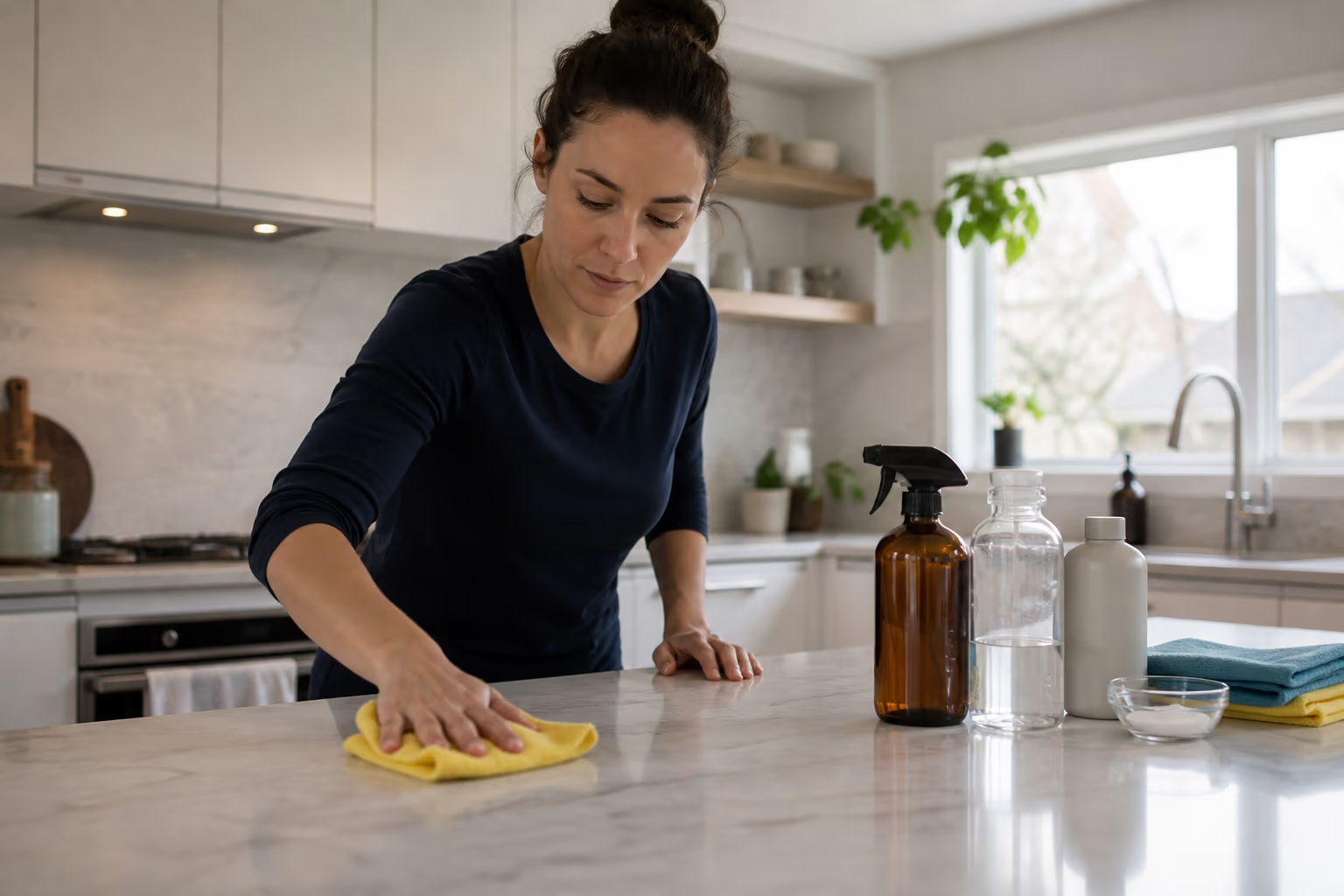
Put Diy natural and safe cleaning Into a Sensible Routine
Use the method in this guide with the surfaces and ingredients you actually have. Start with a small test area, keep product labels and care instructions in view, and stop if a finish changes. A useful home-cleaning routine is specific enough to follow on a busy day and gentle enough not to create a repair job.
- Prepare only what the task needs:A labelled container, clean cloth, and protected work area reduce avoidable mix-ups.
- Match the method to the material:Glass, painted surfaces, stone, fabric, and food-contact areas need different care.
- Record a recurring issue:A stain, odour, leak, or pest problem may need maintenance rather than another cleaner.
Keep the result practical: a room that is easier to use and a method you can repeat safely.
Adjust the Method to the Conditions
Diy natural and safe cleaning is not a fixed recipe for every home. Change the approach when the material, amount of residue, room ventilation, pets, children, or access changes. Work in small sections, use fresh water or cloths when they are dirty, and avoid combining products in a bottle, bucket, or drain.
Ottawa weather can change what enters a home on footwear or how quickly a room dries, but surface care still depends on the actual material and condition. Deal with moisture, damaged seals, and recurring marks as maintenance questions instead of escalating to stronger products.
Check the Result Before Adding More Product
Look at the area in normal light and decide whether the task is finished, needs another careful pass, or points to a problem cleaning cannot solve. A clear note or photograph can help when you need to explain a recurring issue to a landlord, manufacturer, repair person, or pest professional.
Pause for product-specific, electrical, plumbing, damage, pest, or health concerns. Follow the product label and responsible authority's instructions, and seek qualified help where appropriate. A DIY cleaning guide cannot replace a repair assessment or professional health advice.
Natural Cleaning for Common Ottawa Household Problems
Every home has a handful of recurring messes, and most of them have a simple pantry-based answer. Here is how we handle the ones Ottawa homeowners ask us about most often.
Hard water film on glass shower doors and faucets is usually the top complaint. White vinegar is the answer, but only with patience. Spray it on, let it sit for several minutes so the acid can dissolve the mineral film, then scrub with a sponge or microfibre cloth and rinse. In very hard-water areas, a weekly vinegar wipe keeps the film from building up in the first place.
Soap scum in tubs and sinks responds well to the baking soda and castile soap paste from earlier in this guide. The paste lifts the oily film that soap scum is made of, and the soft abrasive handles the dried-on edges without scratching porcelain or acrylic.
Stale odours in carpets and upholstery, especially after a damp Ottawa spring, come out well with a baking soda treatment. Sprinkle a light, even coat over the fabric, let it sit for at least half an hour to absorb the odour, then vacuum thoroughly with a clean vacuum. For a deeper comparison of when this kind of home method is enough versus when to call in help, our carpet cleaning diy vs professional guide breaks down the tradeoffs in more detail.
Grease splatters on the stovetop and range hood are the stubborn ones. A degreasing spray of warm water with a squeeze of castile soap handles fresh splatter, and for baked-on build-up, the citrus vinegar spray from this guide is worth trying before you reach for anything stronger.
FAQ
Is baking soda safe to use on fibreglass bathtub enclosures?
Yes. Baking soda is a soft abrasive, around 2.5 on the Mohs hardness scale, which makes it gentle enough to clean fibreglass and acrylic tubs without scratching when you use a soft cloth and rinse well afterwards.
Why should vinegar never be used to clean natural granite or marble?
Vinegar is acidic and slowly dissolves the calcium carbonate matrix in natural marble, granite, and limestone. Over time it leaves dull, etched spots that need professional restoration to fix, so keep it on glass and glazed surfaces instead.
How long does a homemade hydrogen peroxide cleaner stay active?
Hydrogen peroxide breaks down into water and oxygen when exposed to light and air. Keep it in its original dark brown bottle and replace it after a few months so it stays effective for lifting stains and sanitizing.
Can I mix vinegar and baking soda together in one spray bottle?
No. Mixed together, the acid and the base react immediately and neutralize each other into water and a salt, which is why the famous fizz disappears so fast. For the best results, use them as separate steps.
Is white vinegar safe on hardwood floors?
Only with care. A small amount of vinegar diluted in water is generally fine on sealed hardwood, but vinegar can dull unsealed or damaged wood over time. For routine hardwood care, a damp microfibre mop with a pH-neutral cleaner is the safer choice.
Does baking soda or vinegar actually disinfect surfaces?
Vinegar and baking soda are excellent everyday cleaners and deodorizers, but they are not registered disinfectants. For surfaces where disinfection matters, use a product that carries a Health Canada DIN and follow its contact time on the label.
How do I remove soap scum from a glass shower door naturally?
Spray white vinegar onto the glass, let it sit for a few minutes to dissolve the mineral and soap film, then scrub with a sponge or microfibre cloth and rinse. For stubborn build-up, follow with a paste of baking soda and a little water.
Will lemon juice damage my stainless steel appliances?
Used briefly and rinsed off, lemon is fine, but do not let it sit. Lemon's acid can dull stainless steel if it dries on the surface. Wipe with a damp cloth, then buff dry with a clean cloth for the best finish.
Can natural cleaners be used safely around children and pets?
One of the main reasons people switch to pantry cleaners is peace of mind around kids and pets. These ingredients are far gentler than many commercial sprays, but they are still household products, so store them out of reach and keep peroxide away from eyes and mouths.
How do I know when it is time to call a professional cleaner?
If you are facing years of grout build-up, salt-stained carpets, heavy appliance grease, or a full move-in or move-out clean, a professional deep clean will save you hours and give a more reliable result. For everyday upkeep, the pantry recipes in this guide do the job well, though small businesses often prefer the office cleaning services Ottawa providers offer instead of DIY office upkeep.
Wrapping Up
Switching to natural DIY cleaning solutions is one of the simplest ways to protect your family's health, cut plastic waste, and keep your home genuinely clean without a cupboard full of chemicals. For the big seasonal deep cleans, or whenever life gets too busy, Good Cleaner Co. is here to help with professional, eco-friendly home cleaning in Ottawa. Contact Good Cleaner Co. today to book house cleaning options in Ottawa.
Keep reading
More from Good Cleaner
About the author
Service areas
- Ottawa
- Centretown
- Kanata
- Barrhaven
- New Edinburgh
- Sandy Hill