
Microbial “Good Clean” Or “Sterile Clean”?
If you have ever stood in the cleaning aisle wondering whether your home needs to be spotless or just clean enough to live in comfortably, you are asking exactly the right question. Most Ottawa households do best somewhere between the two extremes, and this guide helps you decide where your own routine should sit. You will learn what the terms actually mean, when a deeper clean is worth the effort, and how to keep the approach realistic week after week.
Quick Summary
Deciding between a microbial good clean and a sterile clean comes down to how spotless a home truly needs to be day to day. Most Ottawa households land somewhere between the two extremes; this guide explains what each term means and when a deeper clean is actually worth the effort.
In this guide
What “Good Clean” and “Sterile Clean” Actually Mean
Cleaning language gets thrown around loosely, so it helps to define the two ends of the scale before you pick a side. A “Good Clean” removes dirt, dust, grease, and most germs from surfaces so the space is hygienic for everyday life. It does not promise to kill every last microorganism, and it does not need to. A “Sterile Clean” goes further, using stronger disinfectants and longer contact times to eliminate nearly all microbes, which is why hospitals and food-preparation areas rely on it.
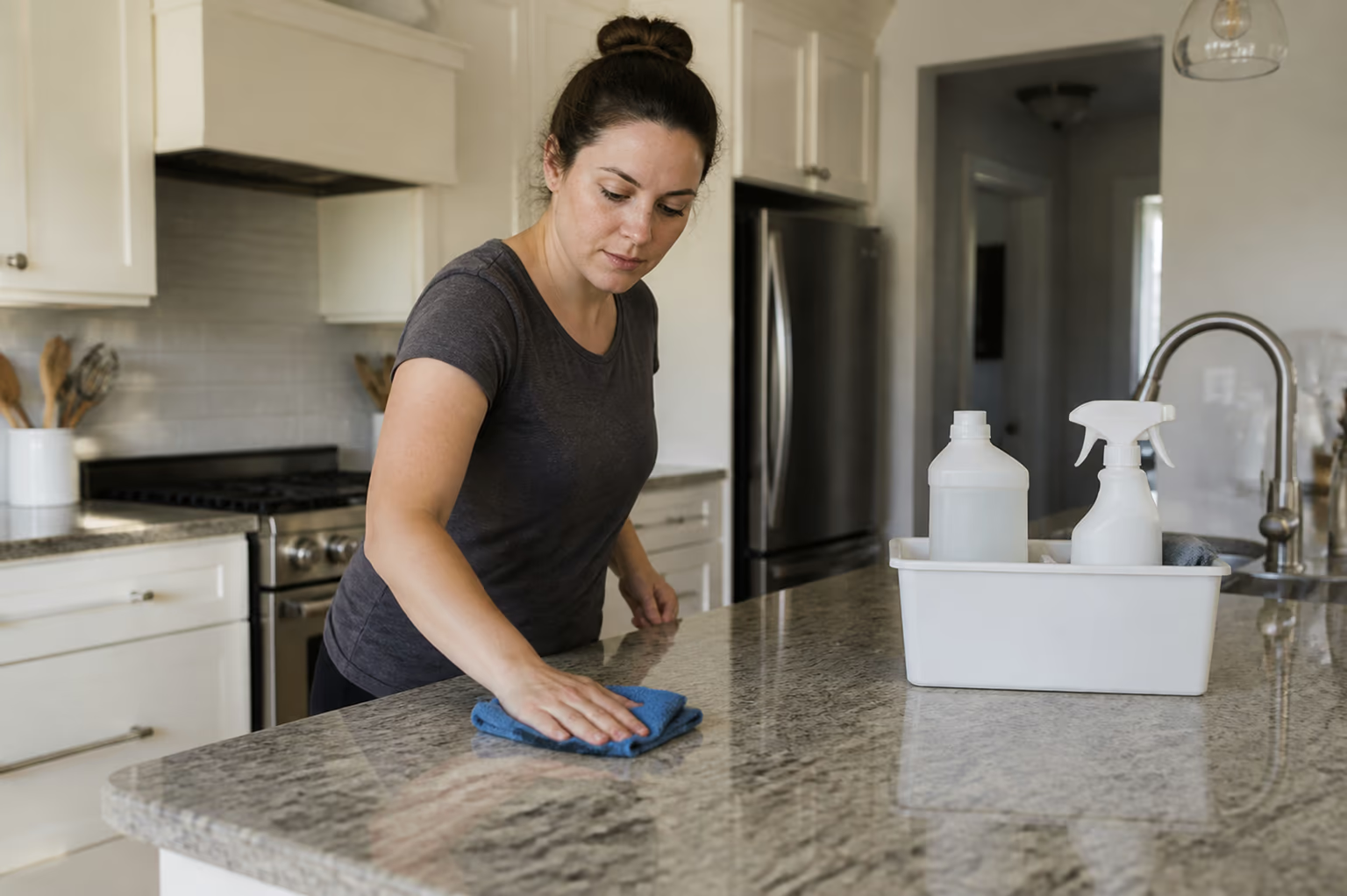
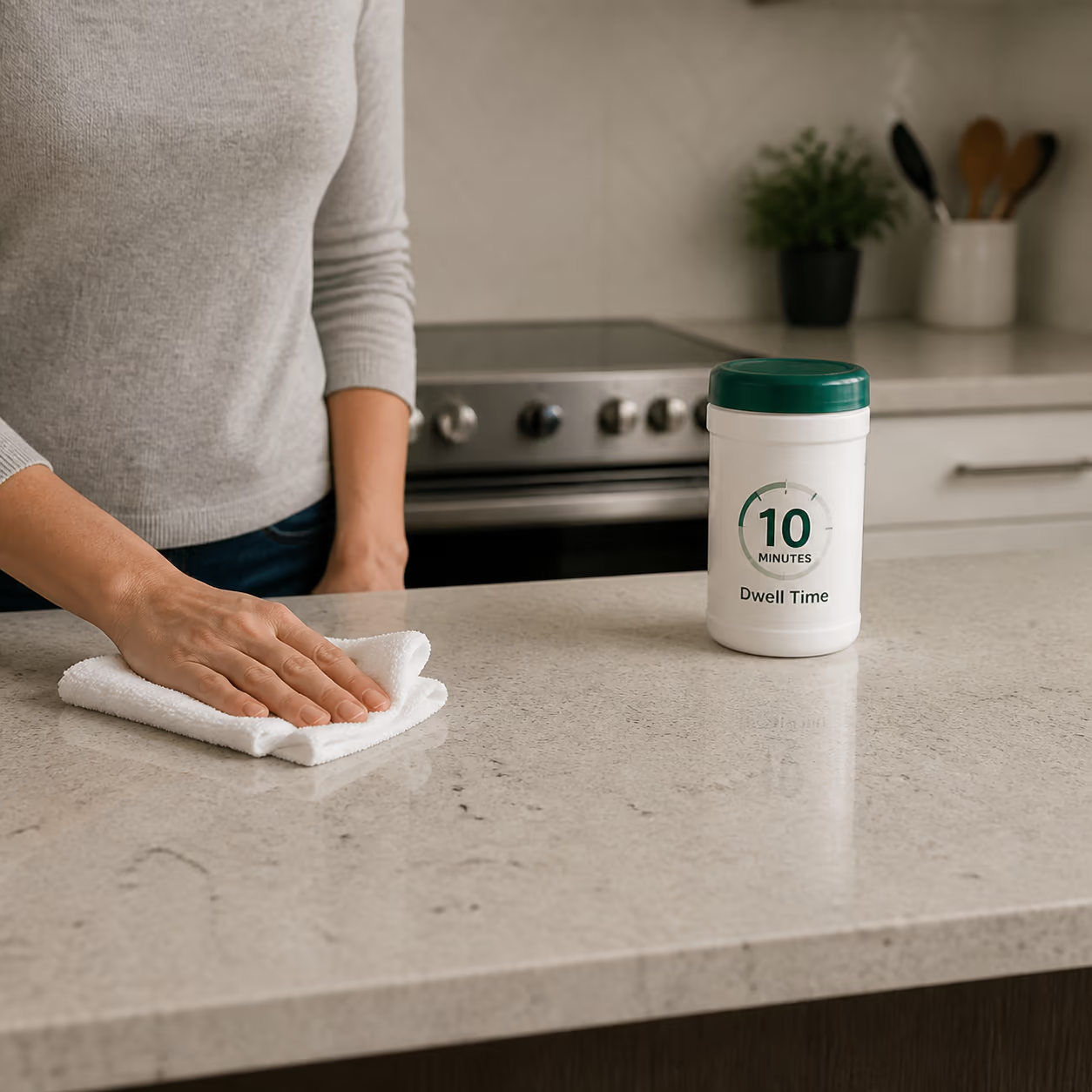
A good way to picture the difference is to think about your kitchen counter. After a normal wipe with a mild cleaner you have a Good Clean: the surface is visibly clean and safe to prepare food on. To reach something close to sterile, you would use a disinfectant registered with Health Canada, leave it wet for the full dwell time printed on the label, and then follow up. Both results have their place, but they answer different questions.
One more distinction is worth keeping straight, and it is the difference between cleaning, sanitising, and disinfecting. Cleaning removes dirt and some germs from a surface. Sanitising reduces germs to a level that is considered safe for everyday contact. Disinfecting kills a much higher percentage of them, which is what the strong products are for. Most homes only need true disinfecting in a handful of spots, and knowing which level each task requires stops you from buying far more strength than you actually use.
The two approaches differ in practical ways:
- The products involved:everyday cleaners for most surfaces versus registered disinfectants for the rest.
- The time required:a quick wipe versus the full dwell time on the label.
- The goal:visible cleanliness and sensible hygiene versus near-total microbe reduction.
- The trade-off:gentler chemistry versus stronger chemicals that need care and ventilation.
The Case for a Balanced “Good Clean”
For most homes, a consistent Good Clean is the healthier and more realistic goal. Beneficial microbes live on your skin and in your home, and wiping out everything is neither possible nor necessary. Some exposure to everyday microbes helps children build resilient immune systems, which is why experts talk about a healthy balance rather than an empty battlefield. That is not an excuse to be dirty; it is a reason to spend your effort where it matters instead of chasing an impossible standard.
A balanced approach looks like this in practice:
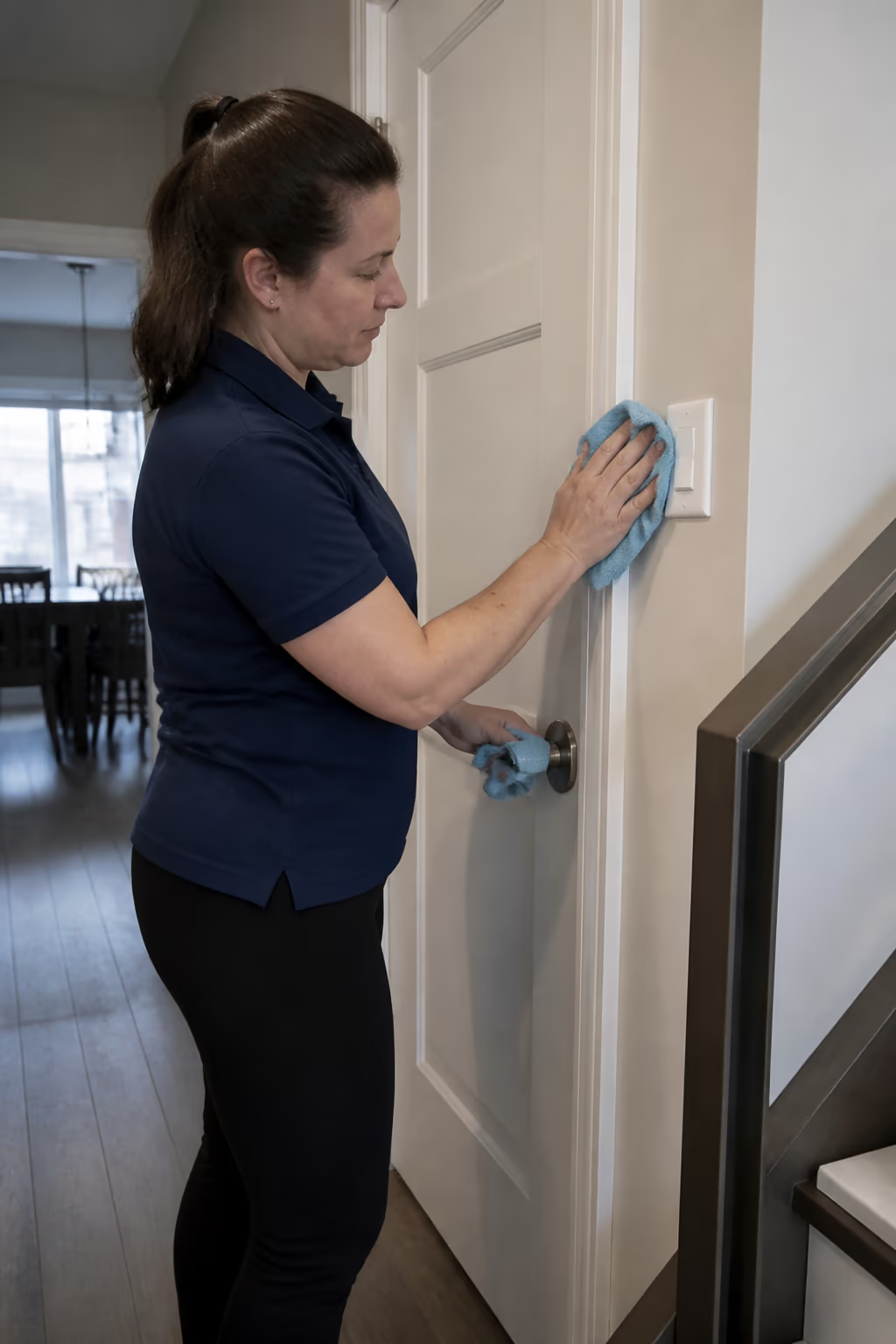
- Focus daily attention on high-touch points such as door handles, light switches, taps, and the flush lever.
- Use mild, everyday products for most surfaces, and save disinfectants for food zones and bathrooms.
- Keep your routine consistent rather than dramatic but rare.
- Open windows when the weather allows, since ventilation controls moisture and stale air.
Notice that a Good Clean is not the same as a lazy clean. It is a deliberate choice about where to put your effort. The routine matters more than the occasional marathon, and a home that gets a little attention every day will be cleaner and more comfortable than one that gets a huge clean once a month. For families with young children, that steady rhythm also means less chance that spills, food, and everyday messes become something worse before they get dealt with.
A balanced Good Clean also protects your home and your budget. Harsh chemicals used too often can dull finishes, strip protective coatings on wood and stone, and irritate skin and lungs. Gentler products used consistently deliver the cleanliness people actually notice, without the hidden damage.
Ottawa winters add their own twist. Salt and slush tracked in from the sidewalk end up on your entry mat and floors, and that gritty residue needs regular vacuuming and mopping even when the rest of the home is tidy. A quick floor pass near the door helps you stay on top of it without turning cleaning into a weekend project.
When “Sterile Clean” Makes Sense
Even though a fully sterile home is not a realistic or necessary goal, there are moments when you want the extra confidence of a disinfection-level clean. Illness in the household, vulnerable family members, and shared spaces such as bathrooms are all good reasons to reach for a registered disinfectant.
In a workplace the choice is partly made for you. Ontario's employer duty under subsection 25(1) of the Occupational Health and Safety Act requires prescribed measures and procedures to be carried out, so a regulated setting follows its prescribed standard rather than a preference. The province lists the duty in one line: “Take every precaution reasonable in the circumstances for the protection of a worker”.
- When someone in the home is sick, especially with a virus or stomach bug.
- After a deep clean of the bathroom, where germs and moisture gather.
- In the kitchen, around raw food prep and the bin, where cross-contamination matters.
- If you have an immunocompromised family member whose immune system needs more support.
- After moving into a new home, as a one-time reset before you start living in it.
Consider a disinfection pass in these situations:
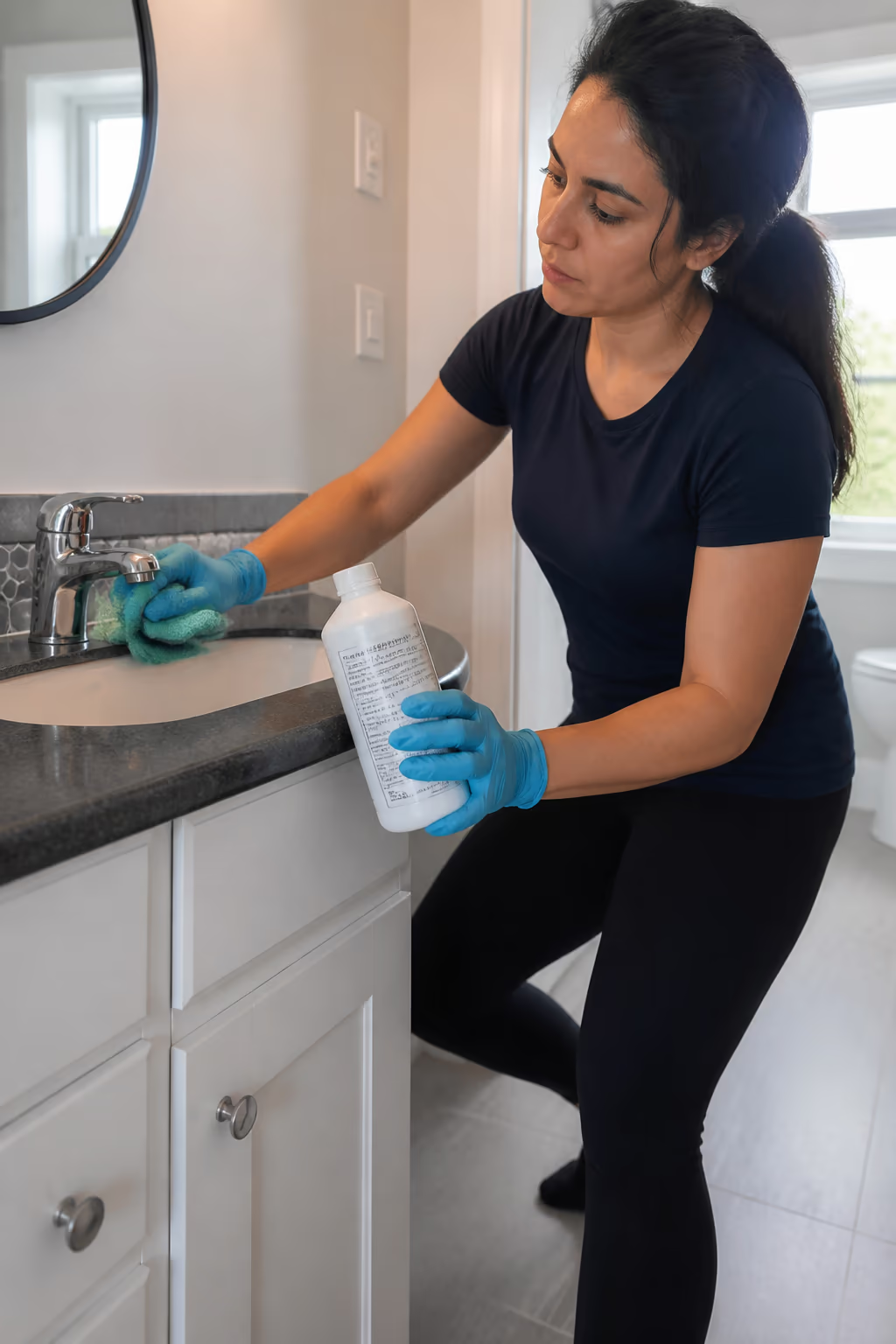
Two things to remember when you do choose a disinfectant. First, check that the product carries a Health Canada Drug Identification Number, or DIN. That number means the disinfection claims on the label have been reviewed rather than simply printed there. Second, read the contact time. Most disinfectants need to stay wet on the surface for a set number of minutes to work, and wiping them off immediately defeats the purpose.
Professional cleaners in Ontario handle concentrated products under the Workplace Hazardous Materials Information System, or WHMIS 2015. The labels and safety data sheets tell staff how to dilute and handle products safely, which is one reason a trained team is better suited to strong chemistry than a well-meaning do-it-yourself session.
Finally, remember that a sterile clean is an event, not a lifestyle. Use it deliberately and then return to your everyday routine. If you find yourself reaching for disinfectants every single day across the whole house, step back and ask whether the effort is buying real protection or simply peace of mind. Usually a targeted, well-timed pass is enough, and the rest of the home is better served by steady, gentle cleaning.
What You Need Before You Start
You do not need a cupboard full of specialist chemicals to run a sensible cleaning routine. Start with a small, honest kit and add to it as you find gaps.
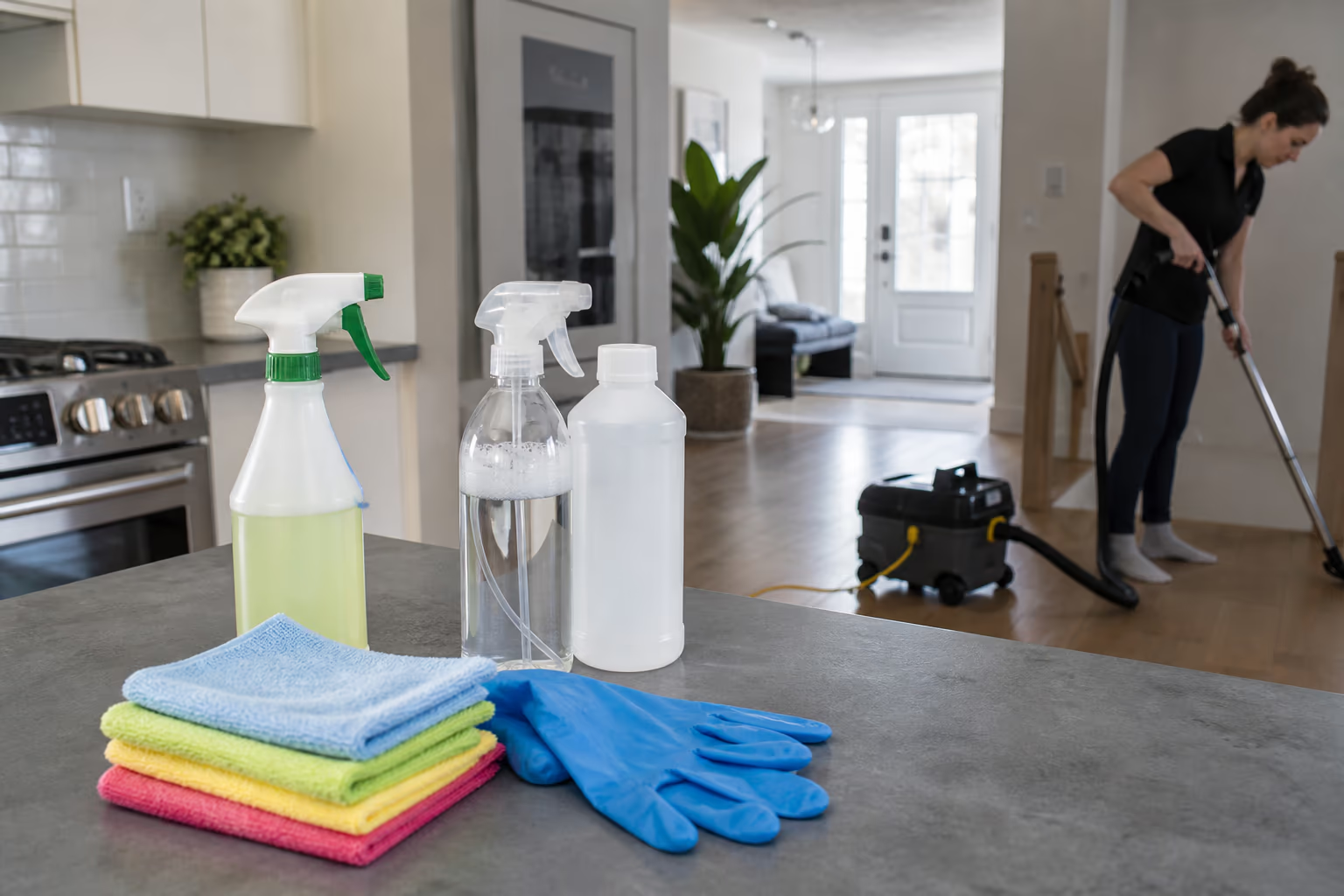
A practical starter kit looks like this:
- Microfibre cloths, one set for everyday surfaces and a separate colour for bathrooms.
- A pH-neutral all-purpose cleaner for most hard surfaces.
- A registered disinfectant for food zones, bathrooms, and illness periods.
- A decent vacuum and a mop that actually picks up rather than pushing water around.
- Rubber gloves and good ventilation for the stronger products.
Before you start a deeper clean, take a few minutes to prepare the room. Clear counters, move small items, and open a window. Working on an empty surface is faster, safer, and gives you a better result. It also lets the products reach the surfaces you are actually cleaning instead of cleaning around clutter.
A note on storage: keep your products out of reach of children and pets, and never mix cleaning chemicals together. Some combinations, such as bleach with acidic products, release harmful fumes. Keeping a small, labelled kit in one place makes it easy to find what you need and harder to grab the wrong thing in a hurry.
The Step-by-Step Process for a Good Clean
A good clean does not need a rigid script, but a sensible order makes the work easier and stops you from redoing surfaces. Work from top to bottom and from dry to wet. Start by dusting high surfaces so the particles fall to the floor, then vacuum, and finish with mopping. That order means you clean up the mess you make, not the mess you are about to make.
A dependable order looks like this:
- 01Dust and wipe ceiling fans, vents, and the tops of shelves and cabinets.
- 02Wipe horizontal surfaces such as counters, tables, and window sills.
- 03Clean mirrors and glass so you can see the streaks you missed.
- 04Vacuum carpets and rugs, and sweep hard floors before mopping.
- 05Mop hard floors, rinsing the mop head often so you do not spread grime.
- 06Finish with high-touch points and handles as the last pass.
Within that order, give each product the time it needs. Spray, let it dwell for the recommended time, then wipe. For a disinfectant, the dwell time is not optional; it is the part of the label that makes the product work. If you are cleaning for a sick household, let the disinfectant stay wet on the surface before you dry it.
How often you run this full process depends on the room and the season. Kitchens and bathrooms earn a deeper pass more often, while bedrooms and formal living spaces can go longer between thorough cleans. During Ottawa's winter, entryways and floors need more frequent attention because of the salt and moisture people bring inside. During summer, pollen and open windows change the dust patterns, so air filters and window sills take more of your time. Keeping up with that vacuuming between deeper cleans is easier with some automation, and our robotic vacuum cleaners pros and cons guide covers whether one is worth adding to your routine.
Appliance interiors such as the oven often need a slower, more deliberate pass than an everyday wipe, and our five tips to clean your oven walk through that process step by step.
Common Mistakes and How to Avoid Them
The most common mistakes in a cleaning routine have nothing to do with how hard you scrub and everything to do with small habits. Fixing these habits delivers more improvement than buying a fancier product.
Watch out for these:
- Using one cloth for everything, which spreads germs instead of removing them.
- Wiping disinfectant off before the dwell time, so it never gets a chance to work.
- Cleaning around clutter, which hides the dirt you are meant to remove.
- Reaching for stronger chemicals when a gentler product would do the same job.
- Forgetting high-touch points, which are where the real germs live.
An equally common mistake is judging your cleaning by how it looks rather than how it works. A surface can look clean and still carry germs, while a surface that looks dull can be perfectly hygienic. That is why a consistent routine matters more than a single dramatic scrub.
If you keep fighting the same problems, it may be time to reconsider the products you use. Look for products with recognised certifications such as EcoLogo, which point to environmentally responsible formulas that still do the job. And when a space needs more than you can reasonably manage, a professional team brings the tools and the training to handle it properly.
There is also the mistake of comparing your home to an unrealistic standard. Every photo-perfect kitchen in a magazine has been staged, not lived in. The goal is a home that is healthy to live in, not a showroom, and keeping that in mind makes the routine much easier to sustain over the long run.
Costs, Timing and When to Call a Professional
The cost of keeping your home clean depends on how much of the work you do yourself. A basic kit of everyday products and tools costs a modest amount and lasts for months, while registered disinfectants and specialist tools add a little more. There is no single fixed price because every home and every level of service is different.
For the deeper tasks, many Ottawa households choose to book professional help on a schedule that suits them. A regular professional clean gives you the consistency of a Good Clean without spending your weekend doing it. One-off deep cleans are also an option after an illness, before a family gathering, or when you simply want a reset. Businesses face a similar decision at a larger scale, and many rely on ongoing janitorial services to keep shared workspaces at a consistent Good Clean standard between deeper disinfection passes.
When you compare providers, look beyond the headline price. Ask about the products they use, the training their staff receive, and how they handle the tricky tasks. Our commercial cleaning provider checklist is a useful starting point for the questions that matter, even when you are hiring for a home rather than a business.
How Good Cleaner Co. Approaches This Balance
At Good Cleaner Co., we build our routines around the same balance this guide describes. Our teams clean thoroughly with everyday products, then bring out registered disinfectants where the situation calls for them. That means you get a genuinely clean home without unnecessary chemicals, and a deeper pass exactly where it helps.
Before we clean, we assess the space with you. We look at how the home is used, who lives in it, and what worries you most, then tailor the routine to fit. The result is not a one-size-fits-all service; it is a plan built around your household, your schedule, and your standards. If you prefer everyday products for most of the home and a disinfectant pass in the kitchen and bathrooms, that is exactly the mix we will put in place.
Formatted Step-by-Step Microbial Good Clean Checklist
Use this five-step checklist to keep a healthy balance between clean and convenient in your home:
- 1.Clear the surfaces and gather your cleaning kit before you begin.
- 2.Work from the top down, dusting high areas before you vacuum and mop.
- 3.Clean each room with the right product, letting disinfectants sit for their full dwell time.
- 4.Finish every room by wiping the high-touch points, from handles to light switches.
- 5.Reset the space:hang cloths to dry, ventilate the room, and note what needs a deeper pass next time.
- 6.For a consistent routine that actually fits your schedule, trusted home cleaning crews in Ottawa give you a trained team that handles the deep work for you.
FAQ
Is it bad to aim for a completely sterile home?
Not bad, but unnecessary. A truly sterile environment is nearly impossible in a home and can be harsher on finishes and on your family's health. A consistent Good Clean gives you the hygiene you need without the downsides.
How often should I disinfect high-touch surfaces?
Daily for the obvious ones such as door handles, taps, and light switches, especially during cold and flu season. Once a day is usually enough; you do not need to disinfect everything.
Do I need a Health Canada DIN to kill germs?
If a product claims to disinfect, look for a DIN. It means Health Canada has reviewed the claim. Everyday cleaners without a DIN are still fine for routine cleaning; they just do not make disinfection claims.
Will stronger chemicals make my home cleaner?
Not necessarily. Stronger is not always better, and harsh chemicals can damage surfaces and irritate your family. Choose the right product for the task and use it correctly.
What about the beneficial bacteria we hear about?
Beneficial microbes are a normal part of any home, and some exposure helps children build immunity. The goal is to remove harmful germs and obvious dirt, not to eliminate every microorganism.
When should I call in professional cleaners?
When the work is beyond your schedule or energy, after an illness, before a family gathering, or when you want a deep reset. A professional team brings the products, the tools, and the process to handle it for you.
Can I mix different cleaning products to save time?
No. Never mix cleaning chemicals. Combinations such as bleach with acidic cleaners release harmful fumes, and mixing can also damage the surfaces you are trying to clean. Use one product per task and rinse your tools between uses.
How do I choose between a cleaner and a disinfectant?
Ask what the task needs. Everyday cleaning removes dirt and most germs, while disinfecting is for illness, bathrooms, and food zones. If a product says disinfectant, look for the Health Canada DIN and follow the dwell time printed on the label.
Wrapping Up
You do not have to choose between a spotless home and a livable one. The middle ground, a consistent Good Clean with targeted disinfection where it matters, is healthier, easier, and cheaper to maintain. Understand what each approach involves, build a routine that works for your household, and reach for professional help when the job outgrows your time.
Ready to put a balanced routine into practice? Contact Good Cleaner Co. for a free quote and a cleaning plan tailored to your Ottawa home.
Keep reading
More from Good Cleaner
Services that fit
- House Cleaning Services in OttawaHouse cleaning services in Ottawa for one-time, weekly, biweekly, and monthly home care, with customizable cleaning and eco-friendly options.
- Janitorial Services in OttawaRecurring janitorial services in Ottawa for offices, warehouses, retail, dealerships and schools, with eco-friendly commercial cleaning and customized plans.
About the author
Service areas
- Ottawa
- Kanata
- Nepean
- Orléans
- Barrhaven