
Common Allergens in an Office: Dust Mite, Mould & Pollen Reduction Guide
Allergens do not respect office schedules. Whether your workplace is in Kanata, Nepean, or downtown Ottawa, the same offenders tend to show up in commercial buildings: dust mites in carpet and upholstery, mould spores in damp HVAC systems, and pollen that gets tracked in on shoes and clothing. This guide walks through each one, explains how it builds up, and gives you a practical reduction plan that works alongside your regular cleaning routine. For offices that want the job handled properly, professional commercial office cleaning services in Ottawa are a reliable option.
Quick Summary
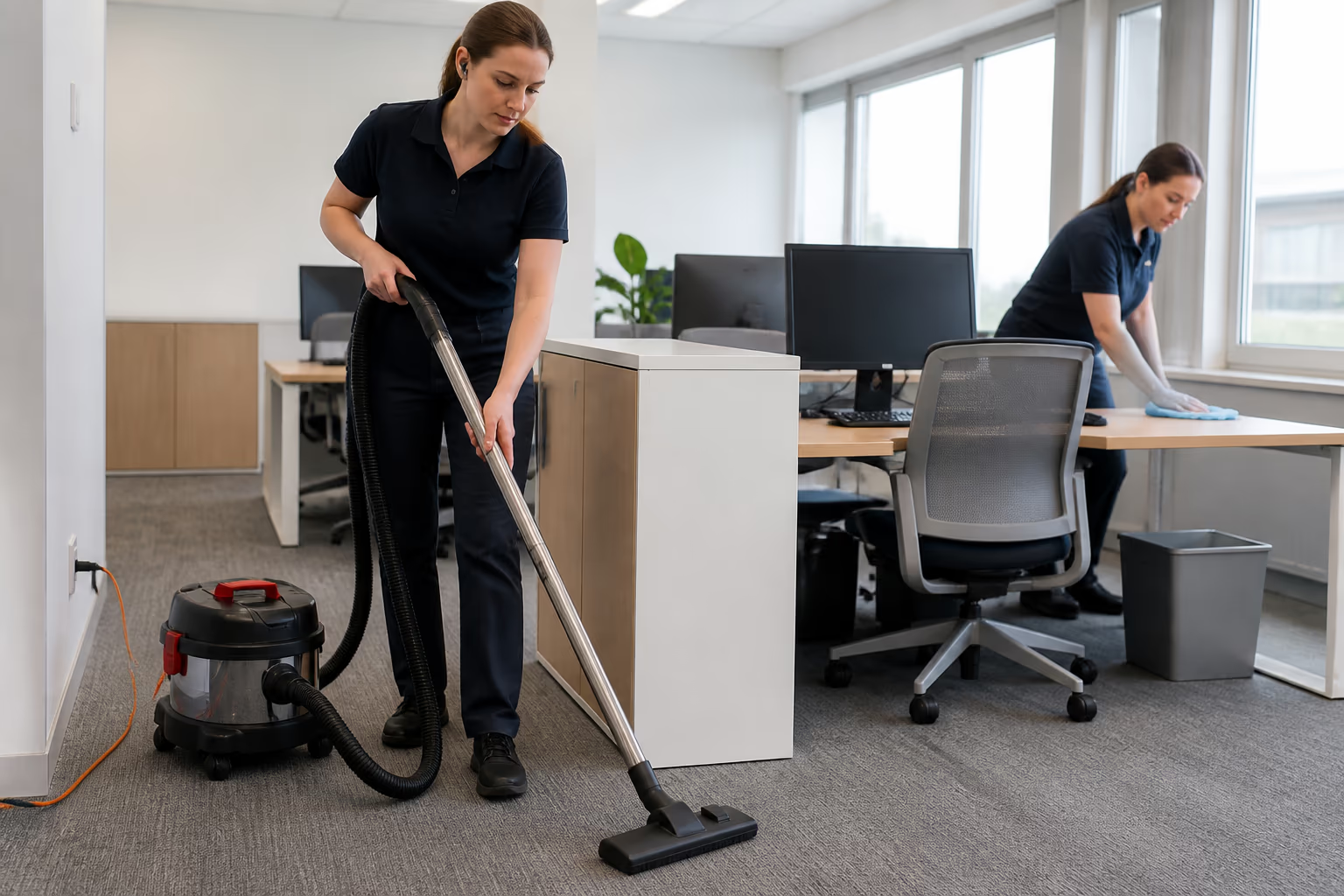
If your team seems to be sneezing, rubbing their eyes, or reaching for tissues more often at work than at home, the office itself may be the trigger. This guide explains the allergens that accumulate in offices, where they hide, and the cleaning habits that genuinely reduce them, so you can improve the air your people breathe every day.
In this guide
Why Office Allergens Build Up Without Anyone Noticing
An office can look clean and still be full of allergens. Daily tidying picks up visible messes, but the microscopic particles that trigger allergies settle into carpet fibres, fabric chairs, and ceiling-level dust that a quick wipe never reaches.
Air is recirculated constantly in most commercial buildings. Whatever is released in one area, whether it is skin dander, pollen, or mould spores, gets distributed through the HVAC system and settles evenly across workstations, meeting rooms, and common areas.
The result is a slow build-up. Nothing looks dirty, yet week after week the allergen load in the space climbs, and the people who are sensitive to it start to feel it first.
The Main Allergens You Will Find in an Office
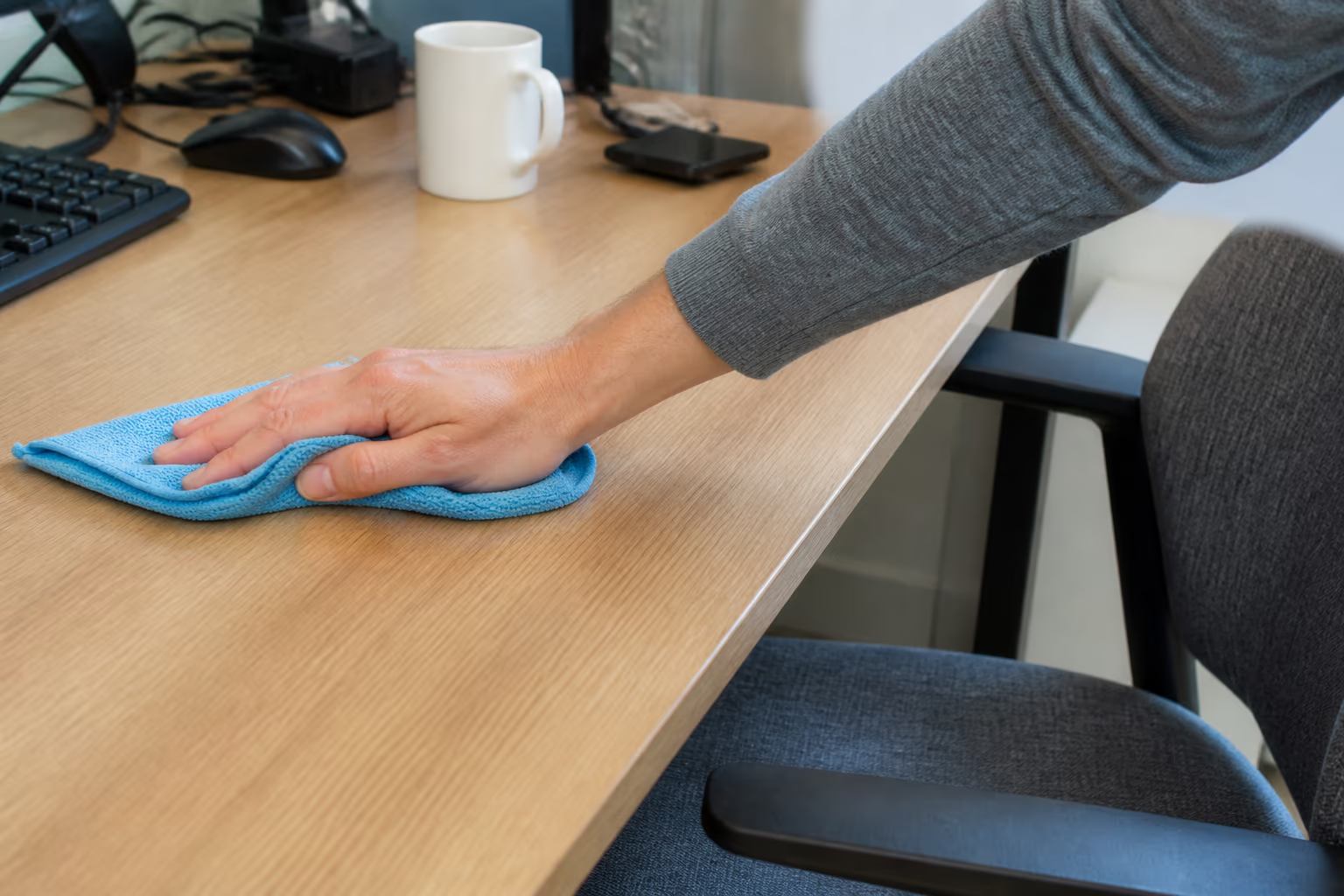
Most office allergy problems come down to a small set of indoor allergens. Knowing what you are dealing with makes it easier to target the cleaning where it matters.
How Allergens Affect People at Work
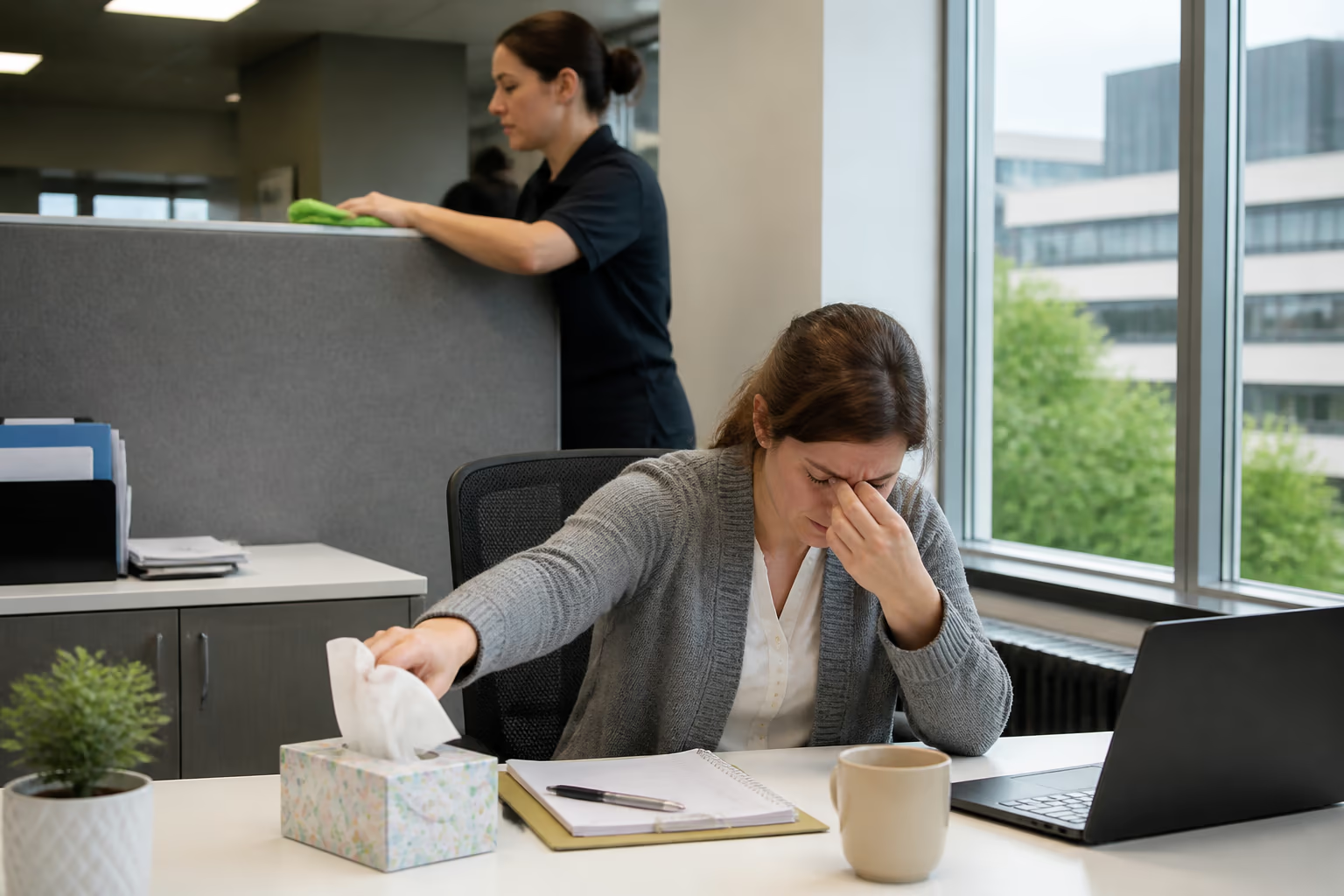
The symptoms are familiar: sneezing, a runny or stuffy nose, itchy and watery eyes, and a scratchy throat. For people with asthma, higher allergen levels can mean more frequent flare-ups and more sick days.
There is a quieter cost too. Someone who feels miserable at work is less focused, less productive, and more likely to call in sick. When a whole floor is affected, absenteeism climbs and the office atmosphere takes a hit.
That is why allergen reduction is not just a comfort issue. For an employer, it is a practical way to protect the team's health and keep the workplace running smoothly.
The Cleaning Habits That Actually Help
You do not need industrial equipment to make a meaningful difference. A few consistent habits, done on the right schedule, reduce the allergen load noticeably.
- 01Vacuum with a sealed HEPA machine:A HEPA filter traps fine particles instead of blowing them back into the air. Focus on carpeted areas and the edges where dust collects.
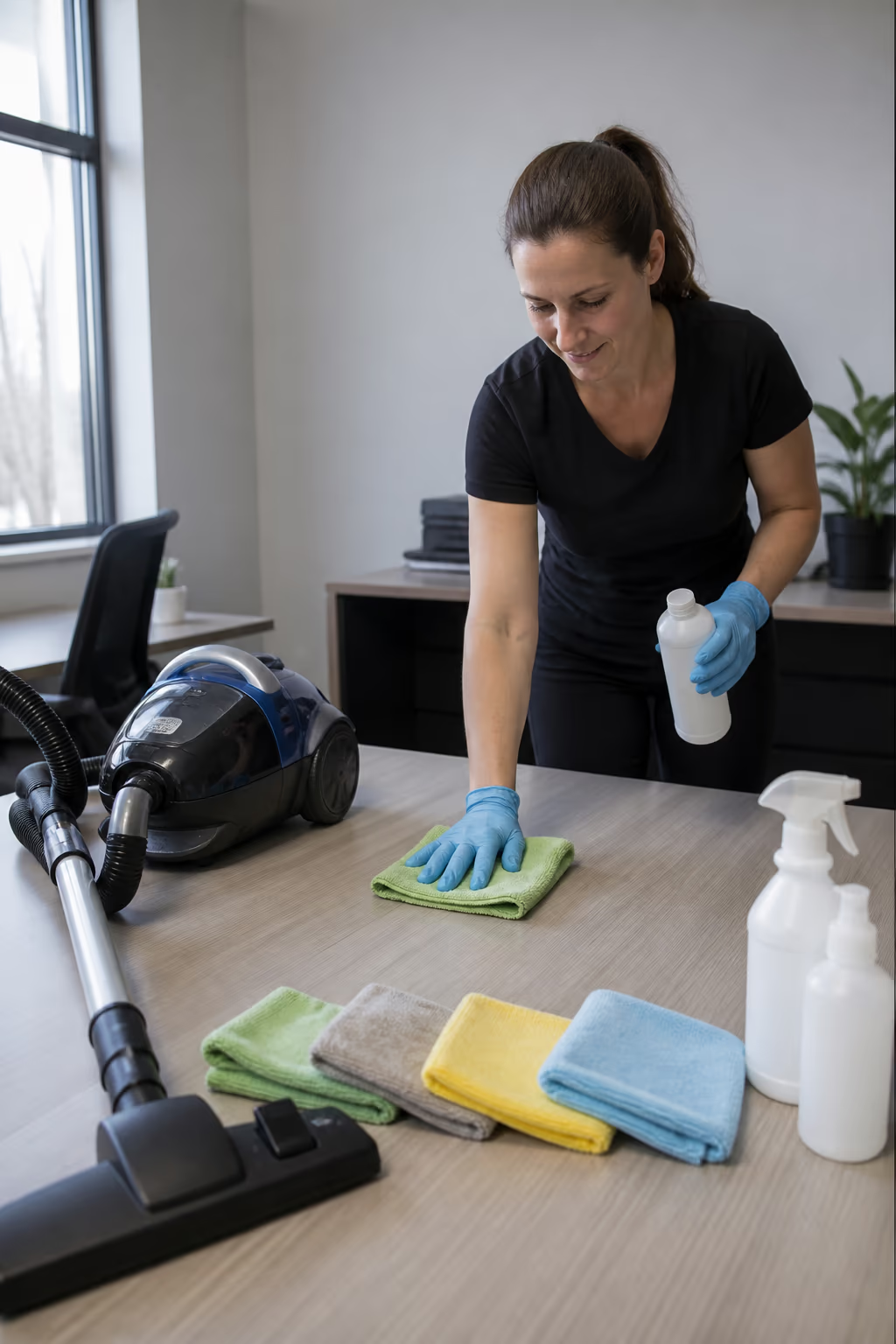
- 02Damp-wipe surfaces with microfibre cloths:Dusting with a dry cloth just pushes allergens around. A slightly damp microfibre cloth picks them up and holds them.
- 03Control humidity below 50 percent:Mould needs moisture to grow. Dehumidifiers and good ventilation keep the air dry enough to slow it down.
- 04Change HVAC filters on a schedule:A clean filter catches more of what passes through the system. Mark the date on the calendar and stick to it.
- 05Deep-clean upholstery and carpet regularly:Hot water extraction flushes out the skin cells and dust mites buried deep in the pile that vacuuming cannot reach.
- 06Clear the clutter:Piles of paper, boxes, and stored items are dust traps. Fewer surfaces means fewer places for allergens to settle.
- 07For everyday desk wipes, our DIY citrus all-purpose cleaner guide offers a natural, low-fragrance option that keeps surfaces clean without adding new triggers.
Those habits line up with federal guidance. Health Canada's guidance on fine particulate matter recommends cleaning with a mop, a damp cloth or a HEPA vacuum to reduce indoor exposure, and notes that indoor particulate is a mixture that includes pollen and fungal spores. Health Canada states: “Ventilation can help reduce indoor fine particulate matter levels by removing emissions from indoor sources like cooking.”
When to Bring in a Professional
Daily habits take you a long way, but they have limits. If your team still struggles with allergies despite a solid routine, the allergen load may be built into surfaces and systems that only professional equipment can reach.
Commercial cleaning teams bring commercial-grade HEPA vacuums, hot water extraction units, and trained staff who know where allergens hide. A professional deep clean, repeated on a schedule, resets the baseline and keeps it manageable. Reviewing typical cleaning cost expectations in Ottawa helps set a realistic budget for that kind of program.
Signs Your Office May Have an Allergen Problem
Allergen problems in an office usually announce themselves through people before they show up in the dust. If several employees are dealing with the same symptoms, especially at the same time of year, it is worth treating the space itself as part of the cause.
- Symptoms clear up on weekends: If runny noses, sneezing, and itchy eyes ease when people are away from the building, the trigger is likely somewhere inside it.
- Complaints cluster around certain areas: Trouble tends to concentrate near carpeted zones, fabric seating, or the damp areas around kitchens and washrooms.
- Visible dust and musty smells: Heavy dust on sills, a musty smell near vents, or condensation on windows all point to the conditions allergens need to build up.
- The HVAC system runs constantly: A system that never cycles off may be recirculating dust and spores without enough fresh-air dilution.
- Seasonal spikes: If symptoms worsen every spring or fall, outdoor pollen is getting in and settling on indoor surfaces.
Focusing on the Highest-Impact Areas First
You cannot fix every allergen source at once, and you do not need to. The highest-impact areas are usually the ones where allergens collect and then get stirred back up into the air.
Carpet and fabric are the biggest reservoirs. They hold dust mites, pollen, and skin cells, and every footstep and sit-down releases some of it back into the room. A regular HEPA vacuum and a seasonal extraction make the biggest difference here.
The HVAC system is the second priority. If the filters and coils are dirty, the system pushes allergens around the building all day. Changing filters on schedule and keeping the vents dust-free reduces the load everywhere at once.
Damp zones come third. Washrooms, kitchens, and unventilated storage areas are where mould is most likely to start. Keeping them dry and clean stops spores from ever becoming a problem.
Once these three areas are under control, the remaining tasks, like dusting sills and clearing clutter, become maintenance rather than damage control.
A Weekly Allergen Reduction Schedule
A schedule makes allergen control automatic. Here is a practical weekly rhythm that works for most offices and can be adjusted to your size and budget:
- 01Monday:HEPA vacuum the carpeted areas and fabric chairs, with extra attention to the edges and under desks.
- 02Tuesday:Damp-wipe desks, keyboard trays, and window sills with microfibre cloths.
- 03Wednesday:Check the HVAC vents and filter condition, and clear visible dust from ceiling vents and returns.
- 04Thursday:Spot-clean fabric and upholstery, and address any spills or stains before they set.
- 05Friday:Clear clutter from shared surfaces and empty the bins, so the space enters the weekend clean.
Every month, add a deeper pass: extract the carpet and upholstery, wipe the tops of partitions and cabinets, and check the humidity in damp zones. Every season, bring in a professional deep clean to reset the baseline and give the building a fresh start.
Formatted Step-by-Step Office Allergen Reduction Checklist
Work through this checklist to keep office allergens under control from week to week:
- Step 1.Vacuum Carpeted Areas with a Sealed HEPA Vacuum:Run the full floor, including edges and under desks, to capture dust, pollen, and dust mite fragments.
- Step 2.Damp-Wipe Desks, Keyboard Trays, and Window Sills with Microfibre:A slightly damp cloth picks up allergens instead of sending them back into the air.
- Step 3.Inspect HVAC Vents and Replace Filters on a 90-Day Schedule:Clean airflow means fewer allergens circulating through the workspace.
- Step 4.Keep Indoor Humidity Below 50 Percent:Use dehumidifiers in damp zones to slow mould growth at the source.
- Step 5.Deep-Clean Upholstered Chairs and Carpet on a Seasonal Basis:Hot water extraction flushes out the dust mites and skin cells that vacuuming cannot remove.
- Step 6.Contracting professional commercial office cleaning services in Ottawa through Good Cleaner Co. gives your team an allergen-reduction program that is built, scheduled, and maintained for you.
Serving Ottawa's Business Neighbourhoods
Good Cleaner Co. runs allergen-reduction programs for offices across the city, from the tech campuses of Kanata to the towers in downtown Ottawa and the business districts in Nepean, Orleans, and Barrhaven. The cleaning standards are the same everywhere we work, so the air quality your team gets does not depend on which neighbourhood you are in.
Practical Next Steps for Common allergens in an office
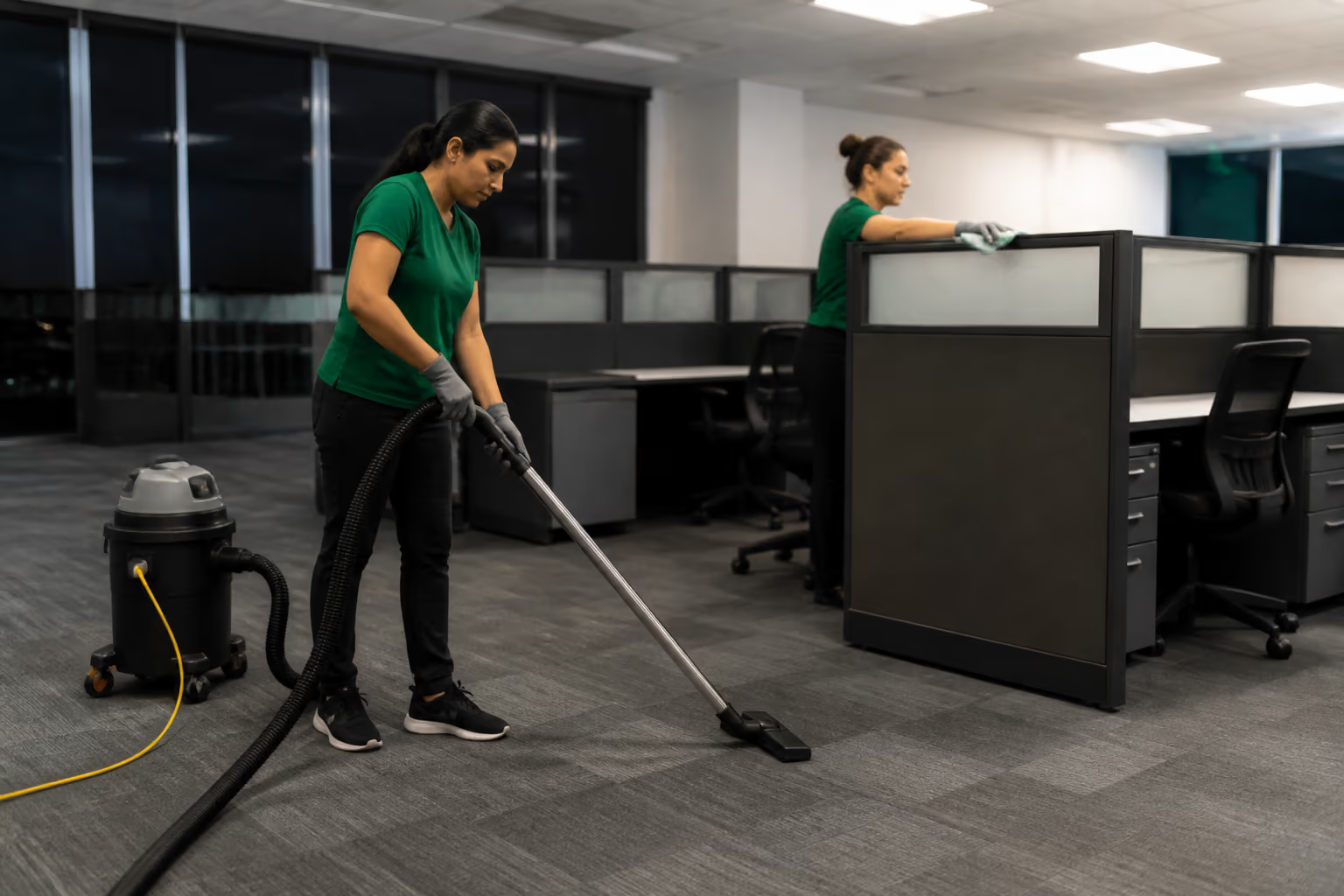
Turn this guide into a short task list for the actual rooms, materials, and people involved. Name the visible result you need, the surface limits to respect, and the access or timing that changes the order of work. That gives the next person clear decisions instead of a broad catalogue of services.
Keep the list with the supplies or site notes, then revise it when the space or its use changes.
When the Routine Needs to Change
Review common allergens in an office when use, materials, or conditions change instead of following a generic seasonal script. A spill, event, occupancy change, construction dust, new equipment, or recurring mark may need a specific adjustment. Inspect the affected area, record what changed, and update the task rather than adding unrelated products or extra steps.
Canadian weather can change the moisture or grit arriving at an entrance, but the right response still depends on the flooring, access, and actual condition. Check mats, floors, storage, and drying areas regularly. Treat a recurring issue as a maintenance question, not as dirt that must be scrubbed harder.
Check Results and Escalate the Right Problems
A useful review asks whether the agreed task is complete, whether the surface was treated appropriately, and whether anything needs follow-up. Walk the area in normal light, compare it with the written scope, and note what remains. It is better to record a limitation honestly than to promise a perfect result.
Pause when a request involves product-specific, safety, plumbing, electrical, damage, infection-control, or health concerns. Use the responsible organisation's instructions or a qualified specialist where appropriate. Cleaning advice cannot replace a repair assessment, product label, workplace policy, or professional health guidance.
Partnering with Good Cleaner Co. for Allergen-Free Office Spaces
Good Cleaner Co. combines years of regional experience, background-checked technicians, EcoLogo green chemistry, and commercial HEPA technology to deliver consistent results across Ottawa.
Our account managers work directly with home and business owners to build schedules that fit your budget and timeline. Contact Good Cleaner Co. today to request a commercial facility audit.
FAQ
How do HEPA vacuums help with office allergens?
A sealed HEPA vacuum traps fine particles like dust, pollen, and dust mite fragments in the filter instead of blowing them back into the room. That makes it a much better choice for allergen reduction than a standard vacuum.
What is the most effective way to deal with dust mites in office carpet and chairs?
A combination works best: hot water extraction on a seasonal schedule to flush out the skin cells dust mites feed on, plus regular HEPA vacuuming in between. Upholstery and carpet both need attention.
How does indoor humidity affect mould growth in an office?
Mould needs moisture to grow. When relative humidity stays above 50 percent for long stretches, mould can start on drywall, ceiling tiles, and inside HVAC coils. Keeping the air drier slows it down.
Can pollen really build up inside an office?
Yes. Pollen rides in on shoes, clothing, and through open windows, then settles on desks, sills, and partition tops. Regular damp-wiping and HEPA vacuuming remove it before it accumulates.
How often should office carpet be deep-cleaned to control allergens?
For most offices, a deep clean every three to six months keeps allergen levels manageable. High-traffic areas may need it more often, especially during pollen season.
Are scented cleaning products a problem for allergy sufferers?
They can be. Artificial fragrance is a common trigger. Low-fragrance or unscented products, and natural options like the recipes in our homemade citrus all-purpose cleaner recipe, are easier on sensitive teams.
Does decluttering really help with allergies?
Yes. Clutter collects dust, and every pile of paper or stored box adds surface area for allergens to settle. Fewer surfaces means less dust and an easier space to keep clean.
Will better office cleaning reduce employee sick days?
It can. Allergens aggravate asthma and allergy symptoms, which contribute to absenteeism. A consistent allergen-reduction program helps keep the air cleaner and the team healthier.
How long does it take to notice a difference after a professional deep clean?
Most people notice within a few days, especially in the first week after upholstery and carpet are extracted. The real difference comes from repeating the process on a schedule.
How do I get an allergen-reduction cleaning program for my office?
Contact Good Cleaner Co. with your square footage and the size of your team, and we will put together a schedule that fits your building and your budget.
Wrapping Up
Reducing allergens in an office is one of the most practical health investments a workplace can make. Contact Good Cleaner Co. today to book professional professional office cleaning teams in Ottawa and give your team cleaner air.
Keep reading
More from Good Cleaner
Services that fit
- Professional Office Cleaning Services in OttawaNightly and after-hours office cleaning for corporate offices, clinics and professional suites, with HEPA vacuuming, after-hours scheduling and eco-friendly products.
- Janitorial Services in OttawaComplete facility hygiene for multi-tenant buildings, retail spaces and clinics, with allergen-conscious routines and background-checked staff.
About the author
Service areas
- Ottawa
- Kanata
- Nepean
- Orleans
- Barrhaven