
How Office Cleaning Improves Employee Mental Health
Office cleaning plays a crucial role in maintaining a healthy and productive workspace, and one of its most underappreciated effects is on the people who work there. A clean office does more than look presentable: it shapes how employees feel when they walk in, how easily they focus, how much they trust the workplace and how they carry the day. This guide explores the links between a clean office and mental wellbeing, and the practical routine that keeps a workspace supporting the people in it.
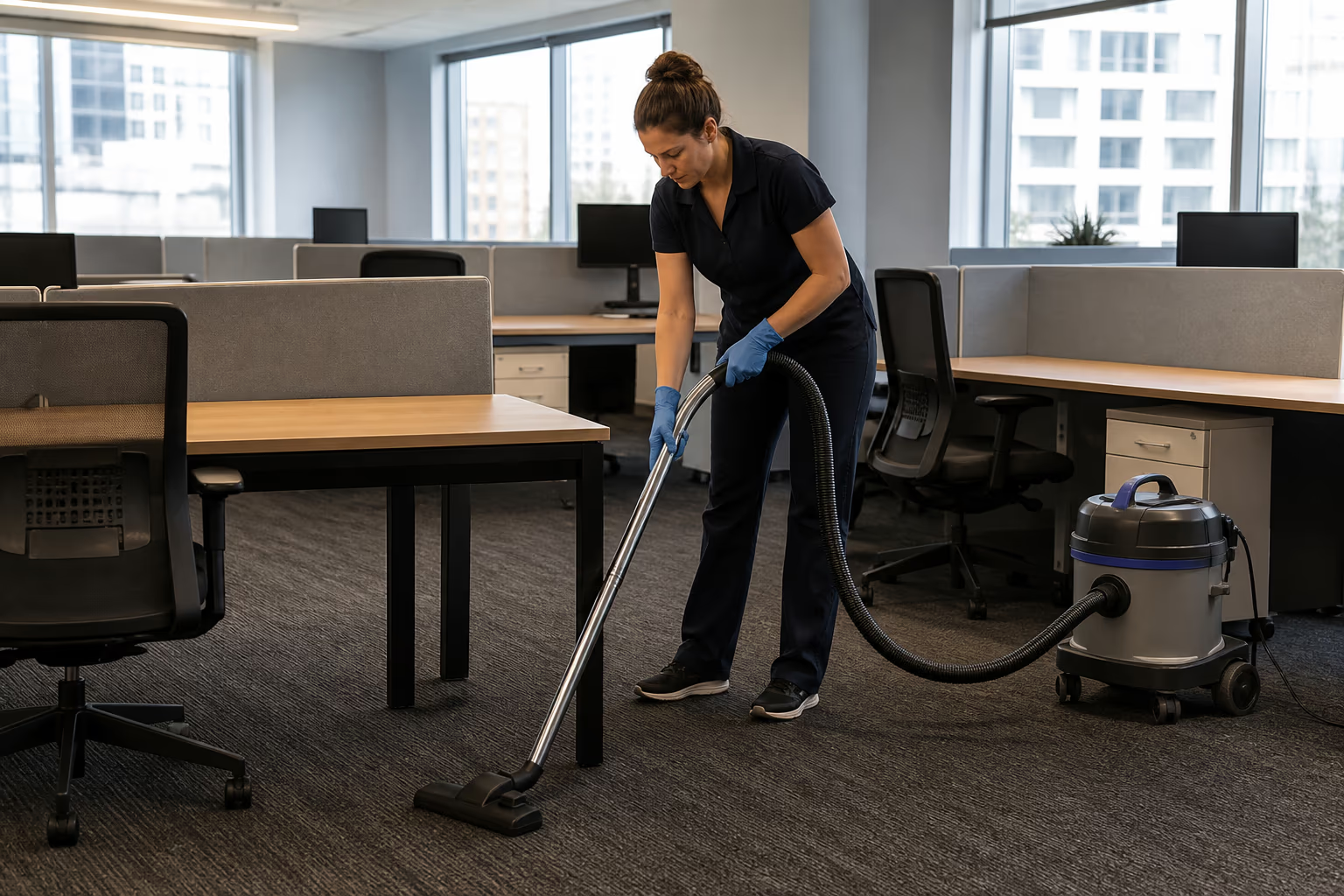
Quick Summary
A clean office supports employee mental health by reducing the visual and mental weight of clutter, helping people focus, and giving them peace of mind through consistent hygiene and freshness. Building a regular cleaning routine turns a tidy workspace into an ongoing source of wellbeing rather than a one-time effort.
In this guide
Clean space
Why a Clean Workspace Supports Mental Wellbeing
Office cleaning plays a crucial role in maintaining a healthy and productive workspace, because the space around us affects how we feel more than most of us notice. The physical environment is not a neutral backdrop for work; it is a constant input, and a workspace that feels cared for tends to support people who feel cared for.
The link is not about being fussy or tidy for its own sake. When a workspace is clean and ordered, it sends a signal that the workplace values the people who spend their days in it. That simple signal shapes morale in quiet ways, and it is one of the reasons professional cleaning is part of a healthy workplace rather than an afterthought. Our related guide on the link between cleaning and mental health explores this connection in more depth, including how it plays out beyond the office.
A clean office also removes a low-level source of daily stress. Nobody enjoys starting the week at a desk that was never wiped down, or meeting clients in a washroom that has been ignored. Small, recurring annoyances like these add up, and removing them is one of the least expensive ways to support staff.
None of this is about a spotless showroom. It is about a consistent, reliable standard that people can count on, which is exactly the kind of stability that supports mental wellbeing at work.
The benefits are also cumulative. One clean week does not change how people feel about their workplace, but a year of clean, predictable weeks does. When the standard holds, the office stops being something people have to brace against and becomes something that quietly works for them.
Control
How Clutter and Disorganisation Weigh on the Mind
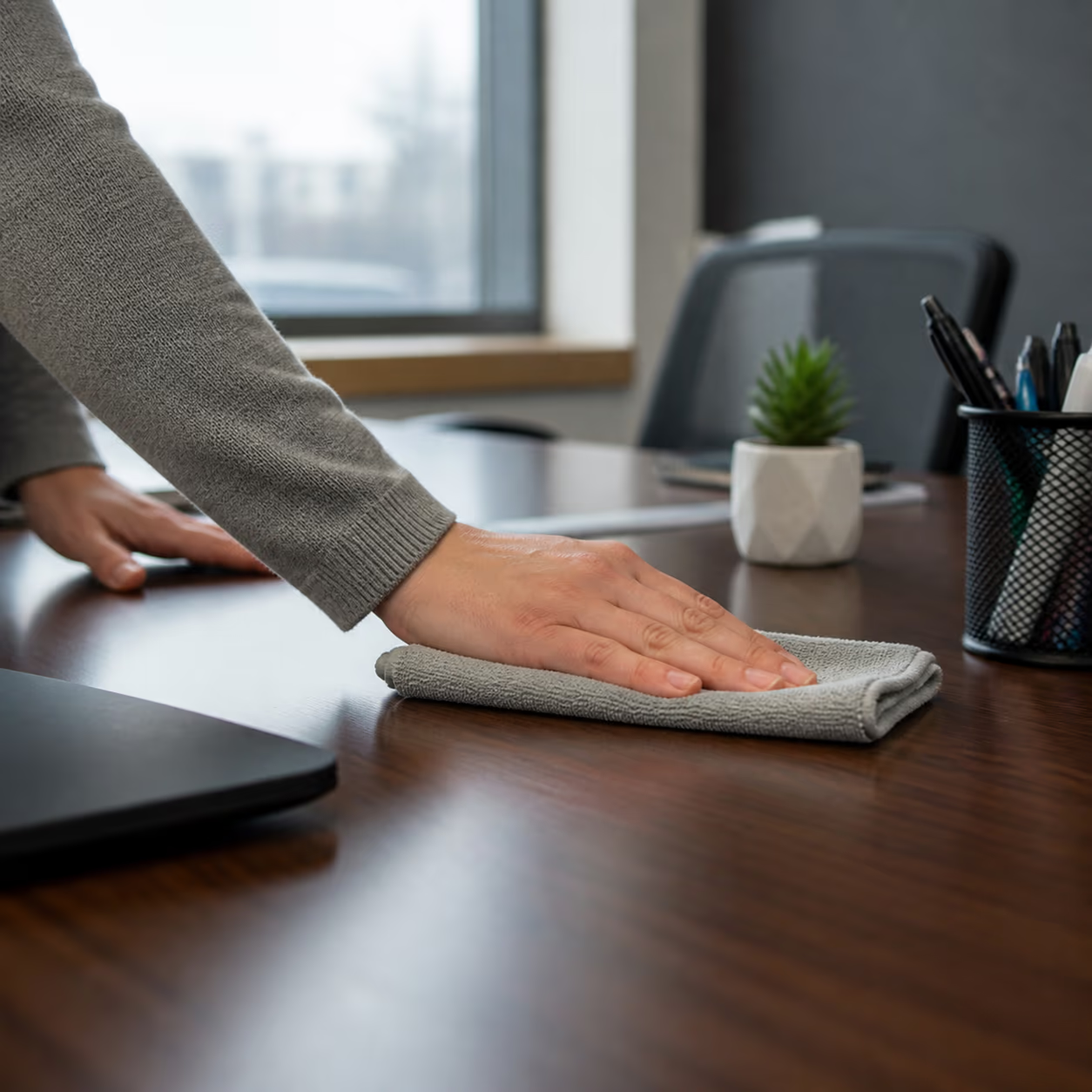
Clutter has a measurable effect on attention, and most of us have felt it without naming it. A desk covered in old papers, a shared kitchen with unwashed dishes or a corner piled with deliveries all compete for a piece of your attention, whether you look at them or not. The mind has to work to filter the mess before it can focus on the task.
That filtering costs energy, and it compounds over a day and a week. Rooms and surfaces that stay cluttered keep the brain busy processing what it is looking at, which leaves less room for the actual work. This is why a cleared and cleaned space so often feels like a lighter space: the visual noise drops, and focus has less to push against.
Disorganisation has the same effect in a different form. When things are hard to find, when the kitchen is unreliable or when a meeting room is not ready, every small hitch is a small friction, and friction repeated all day is exhausting. A clean office removes a meaningful share of that friction.
It is worth being clear that cleaning is not the same as decluttering, and a professional team will not reorganise your files. But a clean, ordered workspace makes the clutter you do keep easier to live with, and it keeps the shared spaces reliable so the whole office is not doing the compensating.
The effect is most visible in the spaces everyone shares, because no one person can fix them alone. A kitchen that is clean and stocked as expected, a meeting room that is ready and a washroom that is maintained take the responsibility off every individual and put it where it belongs. Shared reliability is a kind of shared care.
Focus
The Role of a Clean Space in Focus and Productivity
The connection between a clean office and productivity is easier to feel than to measure, but it shows up in everyday ways. When the space around you is clean and organised, you spend less mental energy ignoring it and more on the work in front of you. Focus is a limited resource, and a clean environment helps protect it.
A clean office also makes the working day run more smoothly, which is its own kind of support. Floors that are vacuumed, surfaces that are wiped and washrooms that are reliable mean fewer interruptions and fewer small problems to solve. Each one seems trivial alone, but together they shape how much a person can get done without friction.
There is a social dimension too. People are more likely to use shared spaces, invite clients in and stay a little longer when the space feels cared for. A workspace people are comfortable in supports collaboration and keeps the office feeling like a good place to work, not just a place that work happens.
The aim is not to chase a pristine ideal, but to keep the standard steady. A predictable, consistent clean is what lets people stop thinking about the office and get on with the work.
It is also a matter of fairness. Employees cannot control whether the office is cleaned, so a neglected workspace feels like a place their time and comfort are not valued. A maintained one, by contrast, feels like a place the organisation invests in, and that feeling runs under a lot of daily motivation.
Peace of mind
Hygiene, Freshness and Peace of Mind
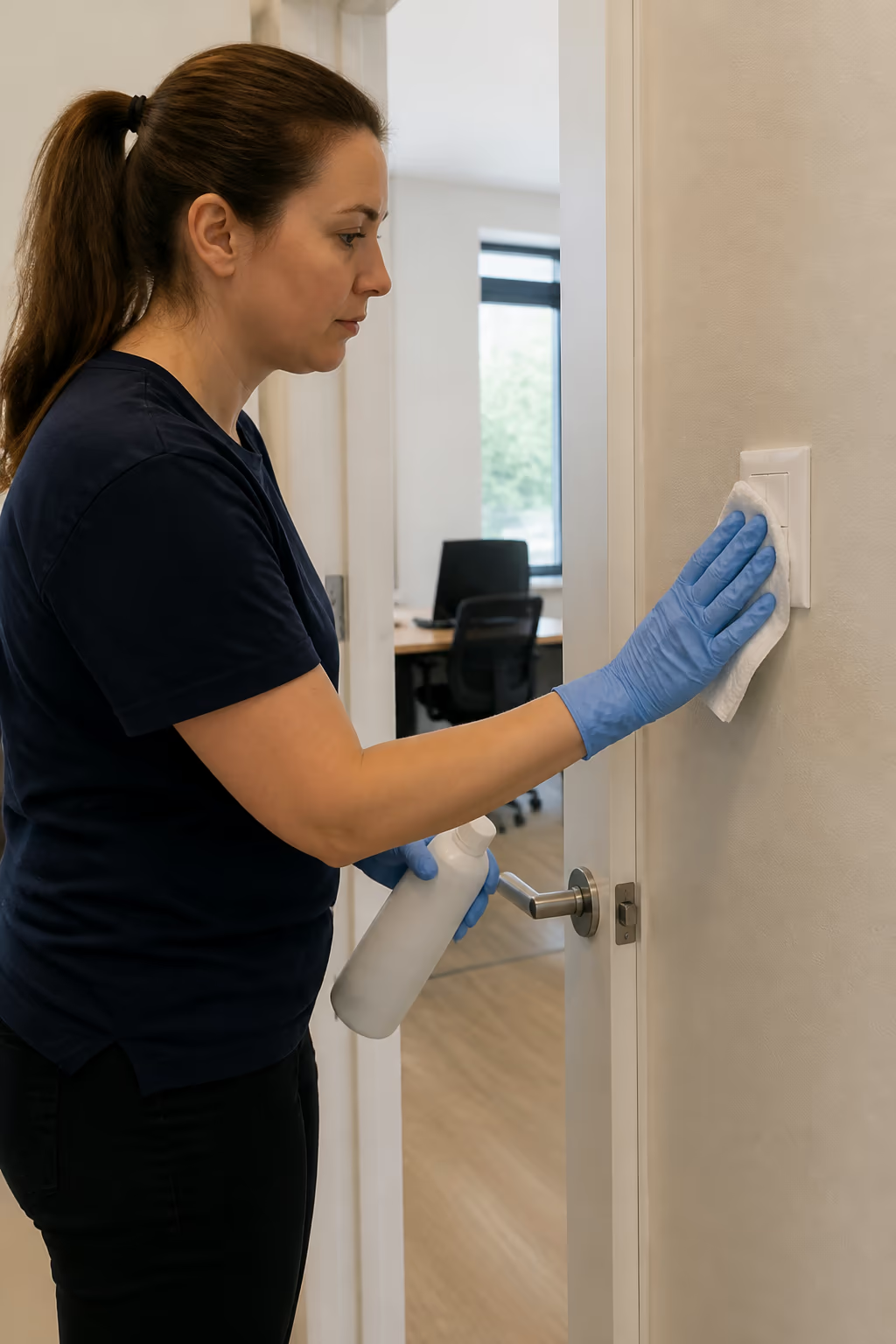
Beyond the visual, a clean office protects health, and health is inseparable from mental wellbeing. High-touch surfaces such as door handles, light switches, kitchen counters and washroom fixtures are touched constantly, and regular cleaning of these points reduces the spread of everyday germs. Fewer colds and flus mean fewer people working while unwell, and less of the guilt and exhaustion that come with it.
Freshness has a mechanical explanation. Health Canada's ventilation advice explains that good ventilation removes stale indoor air, brings in outdoor air and limits the moisture buildup that contributes to mould growth. Health Canada states it plainly: “The most effective way to improve your indoor air is to identify activities that can contribute to poor indoor air quality and remove or reduce the sources of indoor air pollutants.”
Where disinfection is part of the routine, the products should carry a Health Canada DIN and be applied according to the label. Good providers follow the manufacturer's instructions and give products the dwell time they need, so the protection is real and the space is safe to use. Handled by trained staff and stored under WHMIS 2015, the products do their job without becoming a concern of their own. This is part of the wider picture of office cleaning and occupational health and safety, where hygiene protocols support both compliance and comfort.
Freshness matters as much as cleanliness. Air that smells clean, waste that is emptied regularly and kitchens that are kept tidy all shape how a space feels. In an Ottawa winter, when windows stay shut and entryways track in salt and moisture, a regular routine keeps the air and the floors from feeling stale.
For teams that want greener options, EcoLogo-certified products are available, and many workplaces find that a visibly greener cleaning programme is itself a small boost to how people feel about where they work.
Building a Cleaning Routine That Supports Your Team
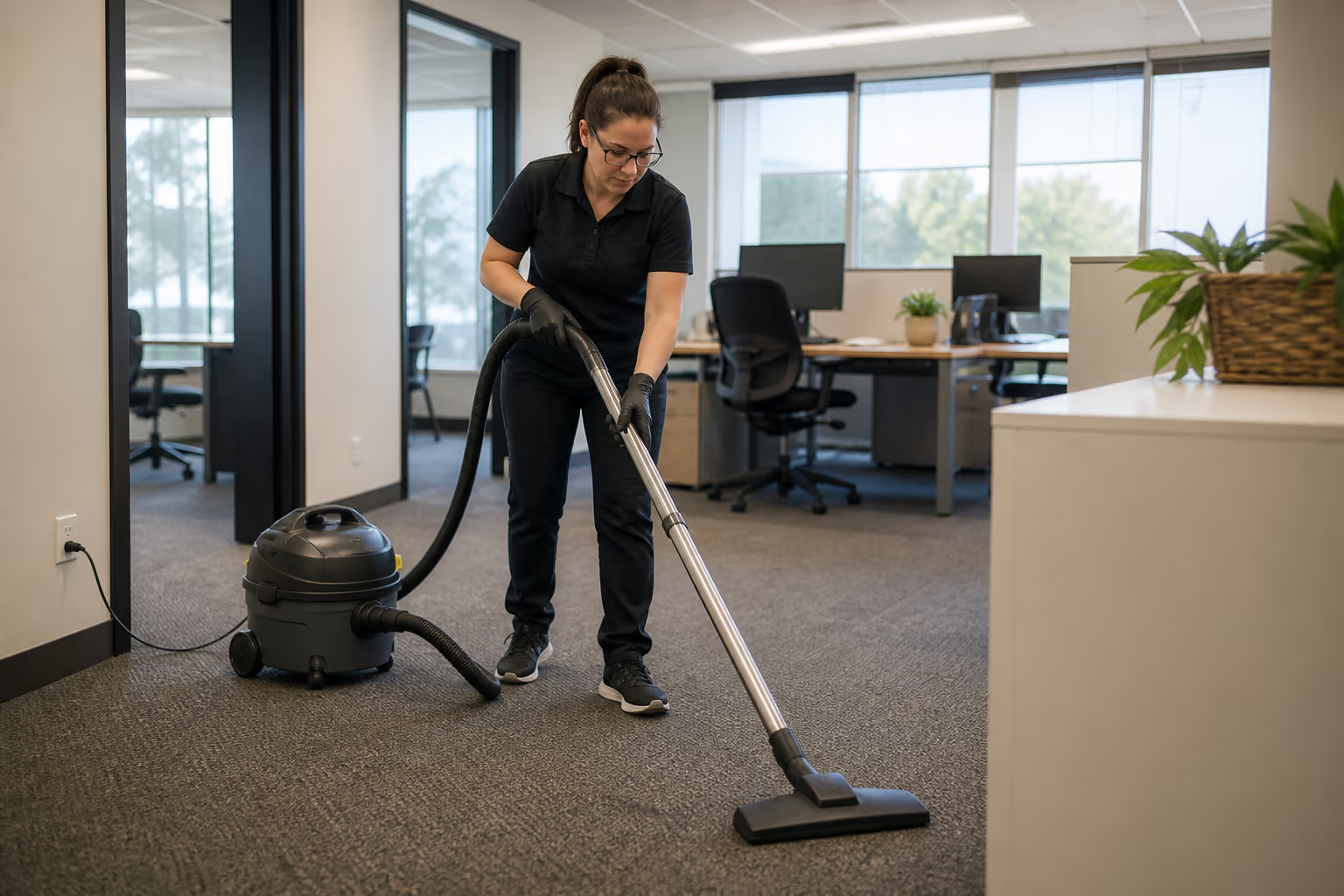
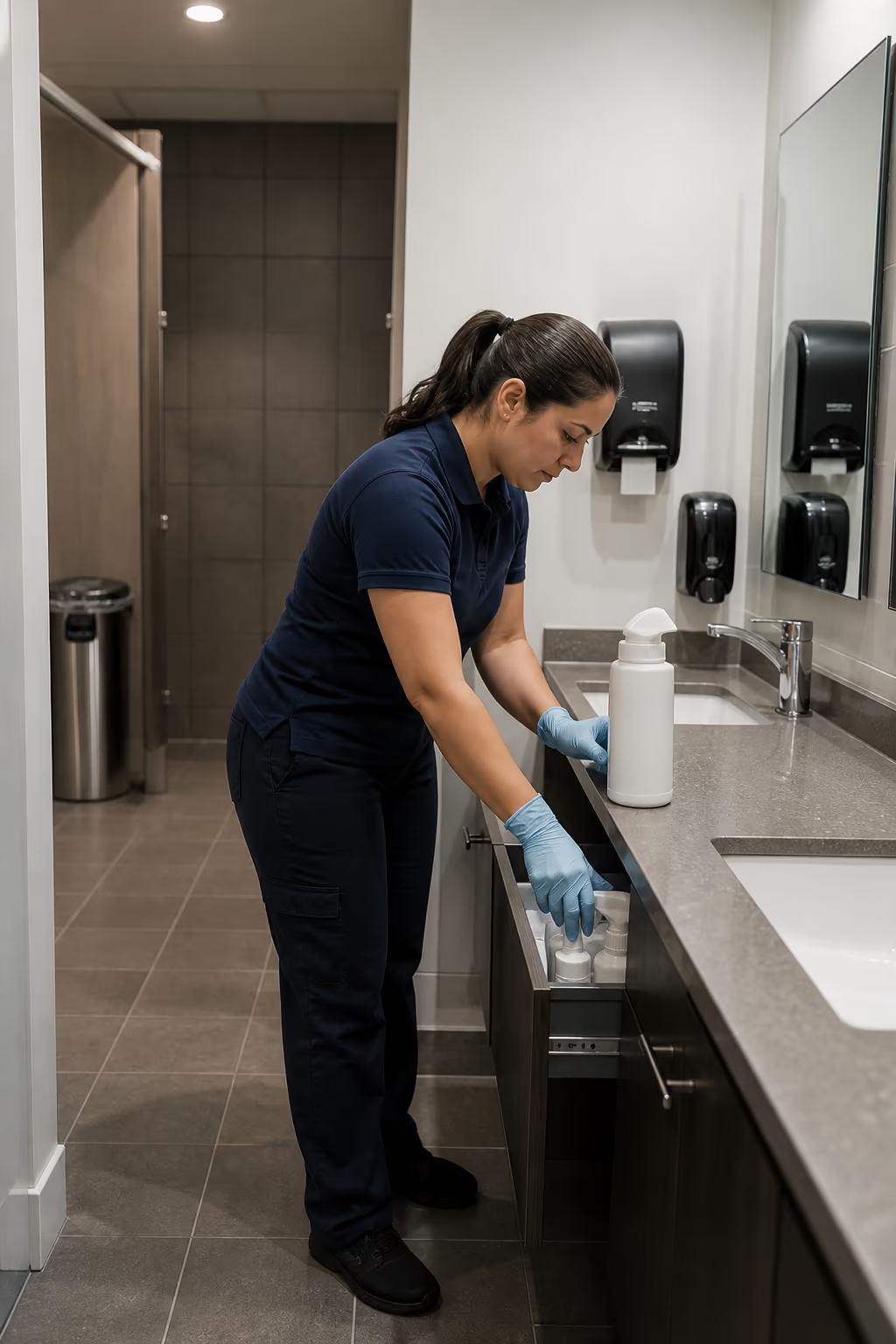
A clean office is built on a routine, and the routine works best when it matches how the space is actually used. High-traffic areas, washrooms and kitchens need daily attention, while quieter zones can be served on a lighter schedule. A good plan is built around the building, not a generic list.
Timing is part of the routine too. Many offices schedule cleaning outside working hours so the space is ready when people arrive, which keeps the work invisible and the standard consistent. When visits do happen during the day, a provider that works around the team is a genuine comfort.
Communication is what turns a schedule into a standard. A good provider reports what was done, flags anything that needs attention and responds when a standard slips. That feedback loop is how a cleaning routine keeps supporting the people in the building, rather than just passing through it.
It is also worth involving the team in small ways. Knowing who to contact, what the routine covers and how to flag a concern makes people feel heard, and feeling heard is part of feeling supported at work.
Finally, the routine should be visible enough to be reassuring and quiet enough to be unobtrusive. A schedule that is explained, reliable and responsive gives people something steady to count on, which is exactly the kind of certainty that supports mental wellbeing in a busy workplace.
Common Mistakes and How to Avoid Them
A few common mistakes quietly undo the wellbeing benefits of office cleaning.
- Cleaning only when something looks bad, then letting the standard drift between visits.
- Skipping high-touch points, which are exactly the surfaces people touch all day.
- Ignoring shared spaces such as kitchens and washrooms, where the standard is most visible.
- Using strong products without following the label, which creates fumes instead of freshness.
- Scheduling without considering when the space is available, so the clean gets in the way.
- Treating cleaning as invisible work, then wondering why the office feels neglected.
The most useful habit is consistency. A predictable routine, a clear scope and a provider that communicates keeps the office at a standard people can rely on, which is precisely what supports mental wellbeing in a shared space.
How Good Cleaner Co. Approaches Office Cleaning
Good Cleaner Co. approaches office cleaning as care for the people in the building, not just care for the surfaces. The team starts with how the space is used, then builds a routine that keeps it ready for the people who work there. Trained, background-checked staff follow a documented process, and the products are chosen for the surfaces and the occupants.
The Canadian context shapes the details. Products are handled and stored according to WHMIS 2015, so staff know the risks and the safe handling steps for everything they use. Where disinfection is part of the job, the products carry a Health Canada DIN and are applied according to the label. For clients who want greener options, EcoLogo-certified products are available without a drop in performance. Households looking for the same standard of care can turn to our home cleaning services in Ottawa, which apply the same trained approach to residential spaces.
Winter in Ottawa is a reminder of why a consistent routine matters for wellbeing. Long months of closed windows and tracked-in salt can leave a building feeling heavy, and a team that keeps the floors, entryways and air fresh through the season helps the space stay somewhere people want to be. It is a small thing that shows up in how the whole office feels.
Choosing a provider for office cleaning is a decision worth making carefully, and the same questions apply across Canada. If you are comparing companies, our commercial cleaning company evaluation guide is a useful starting point for the questions that matter, including what the quote covers, what products are used and how the team handles the details. A company that is clear about all of it is the one worth booking.
Formatted Step-by-Step Office Mental Health Checklist
Use this checklist to keep your office supporting the people who work in it.
- Step 1.Schedule high-touch points, washrooms and kitchens for daily attention so the standard never drifts.
- Step 2.Keep shared spaces clean and ordered so the whole office can rely on them.
- Step 3.Use products that carry a Health Canada DIN where disinfection matters, applied according to the label.
- Step 4.Choose certified, low-fume products and handle them safely so freshness never becomes fumes.
- Step 5.Set a predictable routine and a clear point of contact so the team knows the standard and can flag concerns.
- Step 6.When you want a team that keeps your office clean, healthy and ready for the people in it, our commercial office cleaning services in Ottawa are built around your schedule and standards.
FAQ
Can office cleaning really affect employee mental health?
Yes, in practical everyday ways. A clean, ordered space reduces visual clutter and friction, signals that the workplace cares, and helps protect health, all of which support focus and a more settled day. The effect is not dramatic, but it is constant.
How often should an office be cleaned to support wellbeing?
It depends on how the space is used. High-traffic areas, washrooms and kitchens need daily attention, while quieter zones can be served on a lighter schedule. A plan built around the building keeps the standard steady without over-cleaning.
What parts of the office matter most for mental wellbeing?
The shared spaces people use most, such as kitchens, washrooms, meeting rooms and entryways, and the high-touch points everyone touches, have the biggest effect. These are the places where a visible, reliable standard makes people feel cared for.
Are the products used safe for people with sensitivities?
Reputable companies use certified, low-fume products and train staff to apply them correctly. For workplaces with specific sensitivities, a provider can often adjust the products, and asking is the right first step.
How does a clean office help with focus and productivity?
A clean space removes visual noise and small daily frictions, which lets people spend less energy filtering the environment and more on the work. Fewer interruptions and reliable shared spaces compound into a more productive day.
Do I need a commercial cleaner or can my team handle it?
A commercial cleaner brings trained staff, the right products and a consistent schedule, and it keeps cleaning out of the team's hands. For workplaces where hygiene and a reliable standard matter, a professional routine is usually the better support.
How is office cleaning scheduled around my team?
Most providers work outside core hours so the space is ready when people arrive, and they adapt when visits need to happen during the day. Asking about scheduling before you book keeps the clean supportive rather than disruptive.
What should I look for when choosing an office cleaning provider?
Look for a provider that trains and vets its staff, documents its process, names its products and communicates clearly. If you are comparing companies, our commercial cleaning provider checklist is a useful starting point for the questions that matter.
Does office cleaning help reduce sick days?
Regular cleaning of high-touch surfaces and shared spaces helps reduce the spread of everyday germs, which can mean fewer colds and flus across a team. Where disinfection products are used, they should carry a Health Canada DIN and be applied according to the label to be effective.
Is a green cleaning programme better for employee wellbeing?
Many workplaces find that certified, lower-impact products are a genuine plus for people who are sensitive to strong scents, and that a visibly greener programme feels like a values-driven choice. EcoLogo-certified products can deliver the same standard with a smaller footprint.
How quickly will employees notice a better cleaning routine?
The visible parts, such as clean washrooms, kitchens and entryways, are noticed almost immediately, while the subtler effects on focus and morale build over weeks. The important thing is that the standard holds, because consistency is what people learn to rely on.
Wrapping Up
Office cleaning plays a crucial role in maintaining a healthy and productive workspace, and the wellbeing benefits are real: less clutter and friction, more focus, better health and a workplace that signals its people are valued. The way to get those benefits is a consistent routine built around the building, with products applied correctly and a team that communicates. If you would like a team that keeps your office clean, healthy and ready for the people in it, contact Good Cleaner Co. for a free quote and a cleaning plan tailored to your commercial space.
Keep reading
More from Good Cleaner
Services that fit
- Professional Office Cleaning Services in OttawaOffice cleaning services in Ottawa for corporate offices, clinics and professional suites. After-hours scheduling, eco-friendly products and a free quote.
- Janitorial Services in OttawaRecurring janitorial services for offices, warehouses, retail, dealerships and schools, with eco-friendly commercial cleaning and customized plans.
About the author
Service areas
- Ottawa
- Kanata
- Nepean
- Orleans
- Barrhaven