
10 Proven Eco-Friendly Cleaning Hacks for a Healthier & Chemical-Free Home
Many homeowners want to use fewer synthetic cleaners but are not sure where to start. The good news is that the switch can be gradual: swap one product at a time, try a homemade formula, and keep what works. This guide explains the natural ingredients that actually do the job, lists 10 practical hacks, and shows when it makes sense to bring in professional green cleaning.
Quick Summary
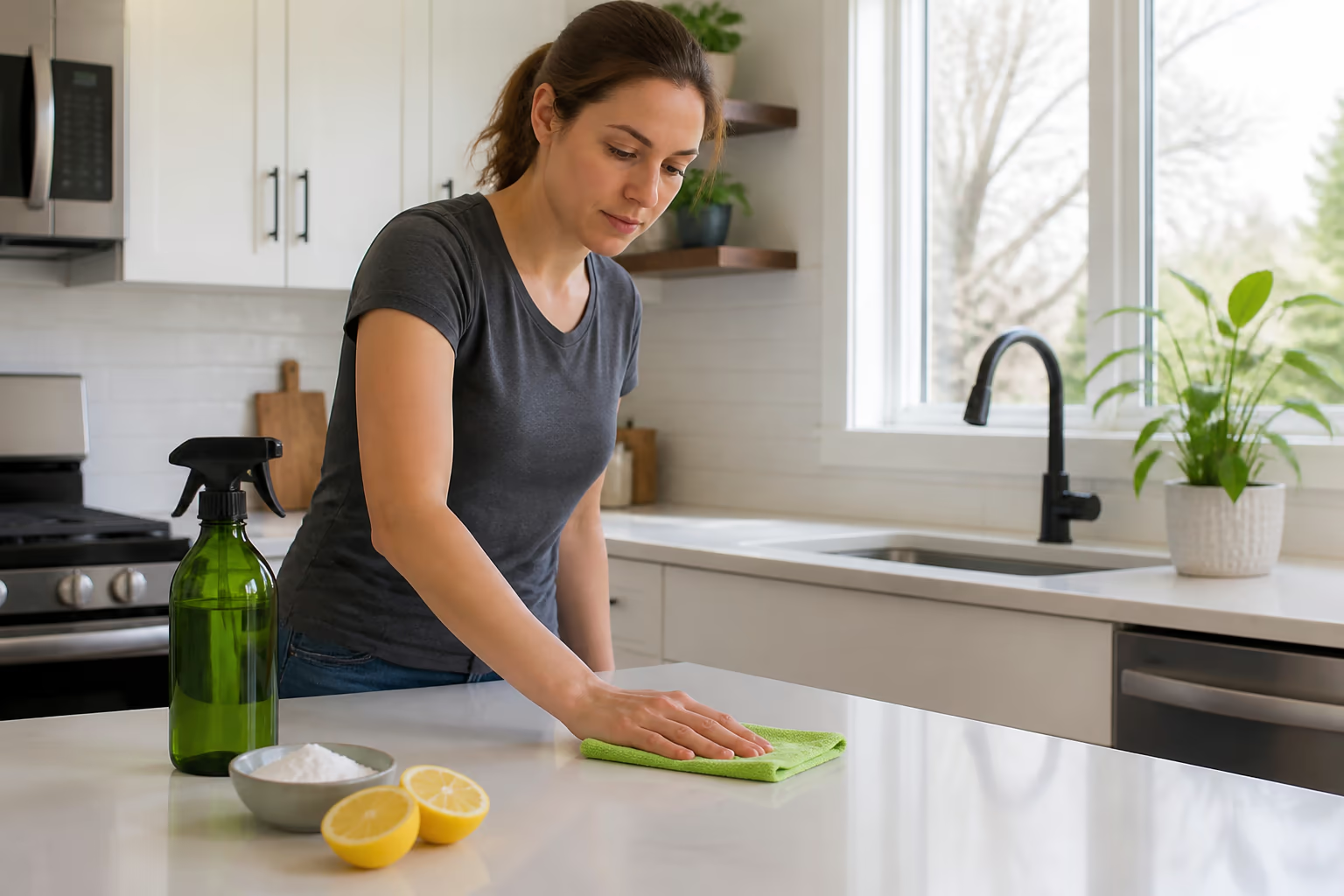
You do not need a cupboard full of harsh sprays to keep a home clean. These 10 proven eco-friendly cleaning hacks use simple pantry ingredients such as vinegar, baking soda, and lemon to cut grease, remove hard water, and freshen rooms, while reducing the chemical load in your indoor air and your waste stream.
In this guide
Why More Households Are Switching to Green Cleaning
Canadian families are moving away from synthetic aerosol sprays and chlorine-based cleaners, and the reasons are practical as well as environmental. Conventional products often rely on strong solvents and synthetic fragrances that can linger in the air, irritate sensitive noses, and leave a chemical smell long after the cleaning is done.
There is a concrete reason behind the switch. Health Canada's indoor VOC guidance identifies cleaning products and air fresheners as indoor sources of volatile organic compounds, which is why the ingredients you keep under the sink change the air as well as the surface. Health Canada defines them this way: “Volatile organic compounds (VOCs) form a large group of chemicals commonly found in both indoor and outdoor air.”
For households with children, pets, or anyone with asthma or allergies, cutting down on those products is an easy win. Choosing plant-based ingredients and simple pantry staples keeps the home fresh without adding to the cocktail of chemicals floating in indoor air. It also reduces the number of plastic bottles that end up in the recycling bin, because many natural formulas start with a few refillable basics.
None of this means you have to give up a sparkling home. The natural ingredients people have used for generations are genuinely effective when matched to the right job. Vinegar cuts grease and mineral deposits, baking soda deodorizes and scrubs, and lemon adds natural cleaning power and a bright scent.
Understanding Common Natural Ingredients
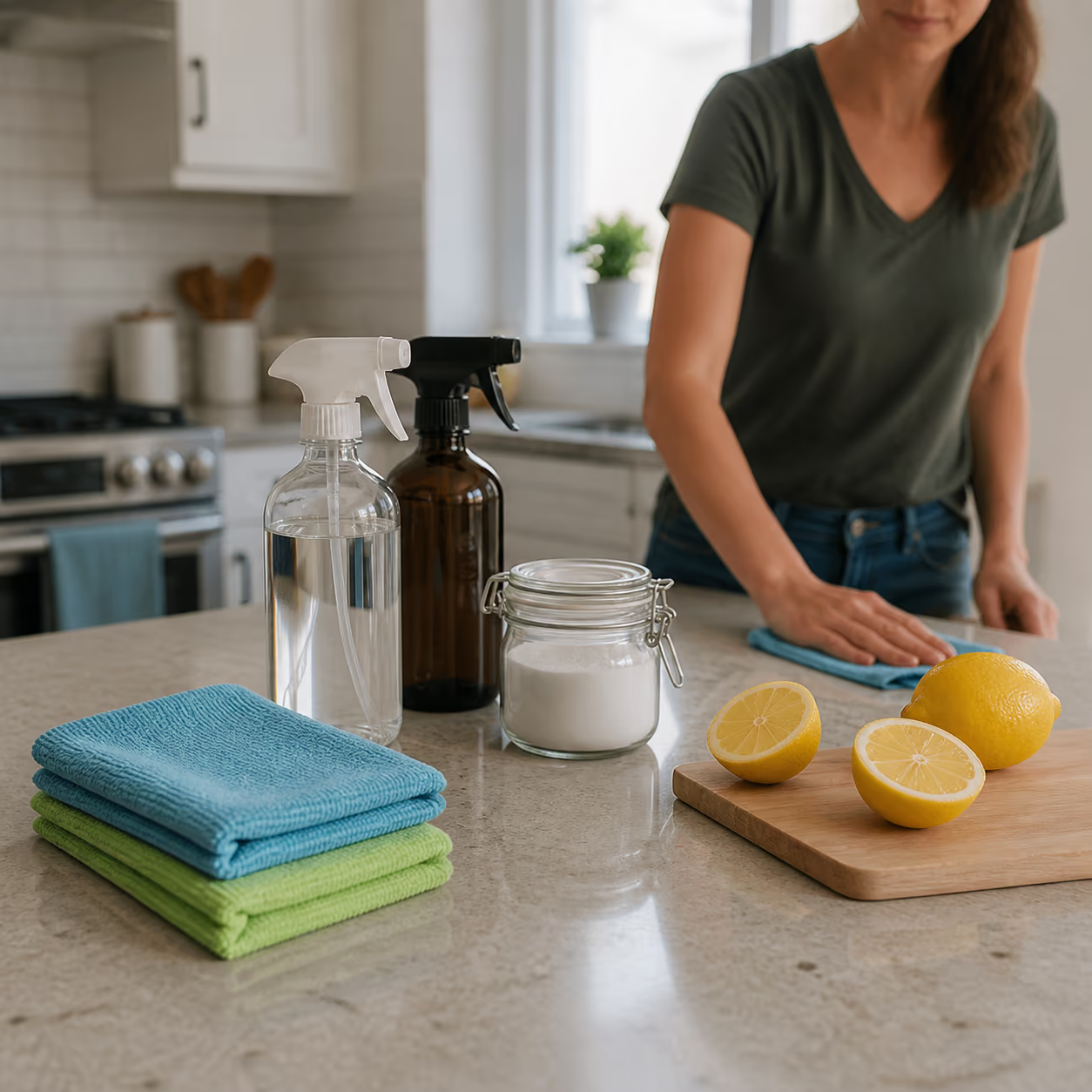
The four pantry staples that do most of the work in a green cleaning routine are white vinegar, baking soda, lemon, and castile soap. Each one has a specific strength, and knowing which to reach for is the real skill.
White vinegar is a mild acetic acid solution. It breaks down alkaline residue, soap scum, hard water spots, and light grease, which makes it a workhorse for kitchens and bathrooms. It is also cheap and completely biodegradable.
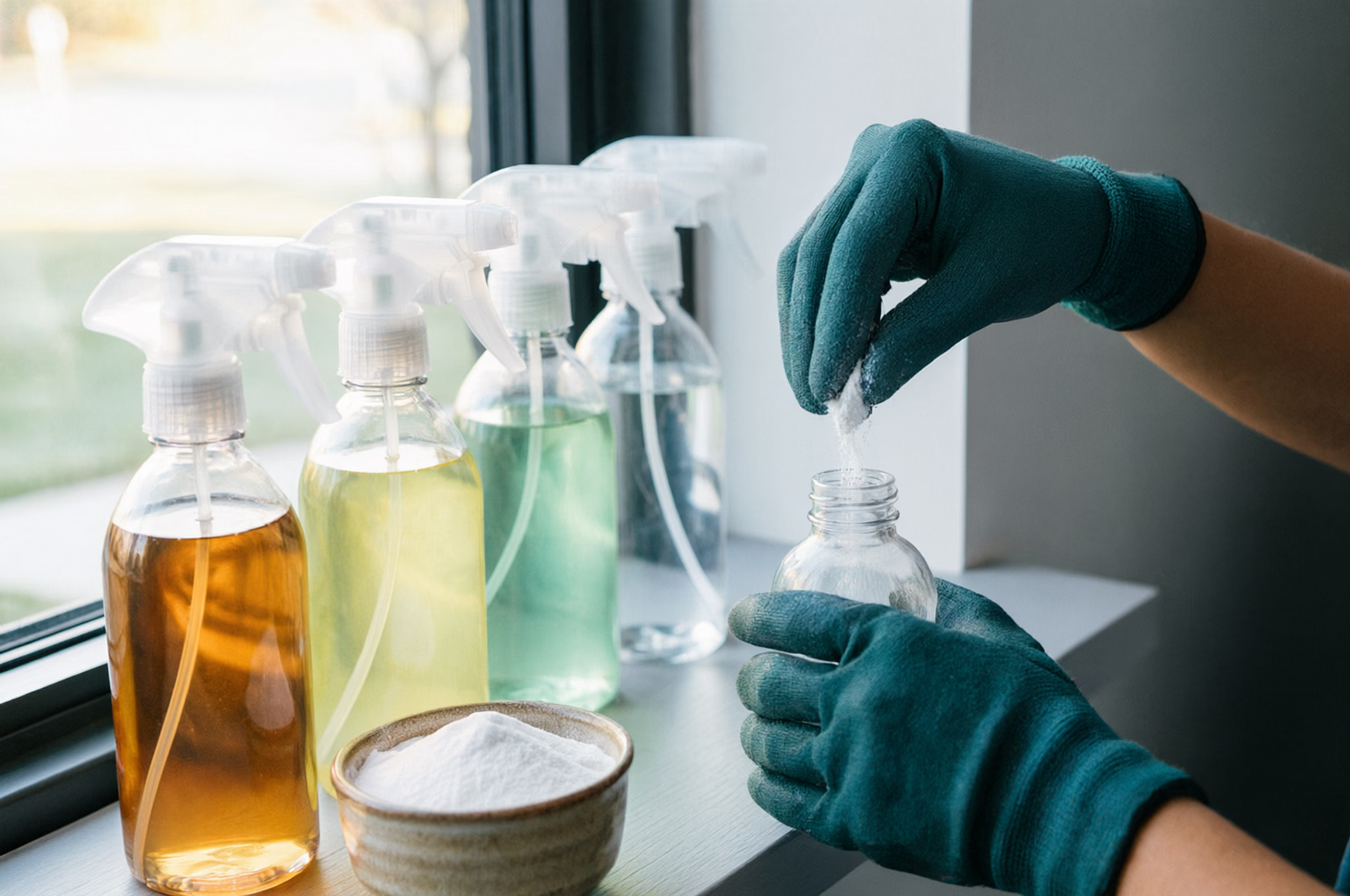
Baking soda is a fine, mild abrasive and a natural deodorizer. It absorbs odours, lifts light grime, and can be sprinkled on carpets before vacuuming or used as a gentle scrub on sinks and tubs. Because it is so soft, it will not scratch most surfaces.
Lemon contains natural citric acid, which helps dissolve mineral build-up and adds a fresh, clean scent. Castile soap, made from plant oils, is a gentle all-purpose soap that can be diluted for everything from countertops to floors. Together these four ingredients replace a surprising amount of the chemistry under your sink, and our roundup of DIY products for eco-friendly cleaning turns them into ready-to-use recipes.
10 Essential Green Cleaning Hacks
Master these 10 practical eco-friendly cleaning hacks:
How to Make Green Cleaning Affordable
One common worry is that eco-friendly cleaning costs more. In practice, a green routine built on vinegar, baking soda, and castile soap is often cheaper than a shelf of branded sprays, because a single bottle does many jobs. Concentrated castile soap and bulk baking soda cost very little per use.
Start with what you already have. Most kitchens contain vinegar, baking soda, and lemons, so you can try several of these hacks with no new purchases. When you do buy supplies, look for refillable spray bottles and concentrated refills to cut down on packaging and save money over time.
Spend a little more where it matters. If you want a professional, plant-based all-purpose cleaner or a certified eco-friendly disinfectant, that is a reasonable purchase, especially for high-touch areas. The goal is not perfection; it is reducing the overall chemical load while keeping your home clean.
When Professional Green Cleaning Makes Sense
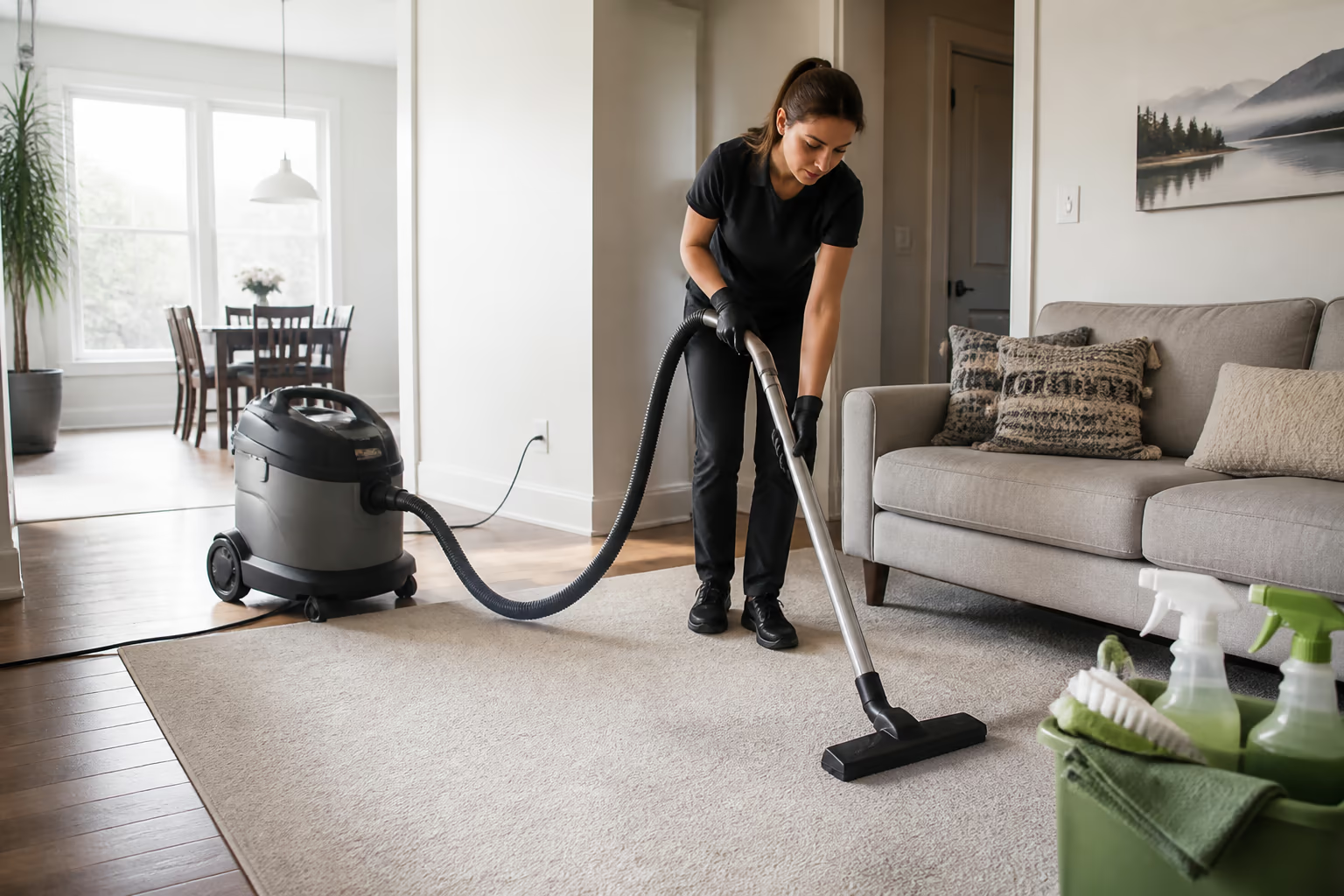
Homemade hacks are brilliant for daily upkeep, but some jobs simply need commercial equipment and training. Deep carpet extraction, upholstery cleaning, and the kind of top-to-bottom refresh you want before guests arrive are all easier and more effective with professional tools.
Professional green cleaning also takes the guesswork out of product choice. A company that uses EcoLogo-certified chemistry and commercial HEPA vacuums delivers the health and environmental benefits without you having to research every bottle. That matters most for busy households and for anyone managing allergies or respiratory sensitivities. Booking eco-friendly cleaning services in Ottawa is the simplest way to get that certified chemistry without building the routine yourself.
You can combine both approaches: handle the weekly routine with natural hacks and book a professional green deep clean seasonally. That balance keeps the home healthy without making cleaning a second job.
Myths About Natural Cleaning Worth Forgetting
A few myths keep people from trying eco-friendly cleaning, and they are mostly unfounded. The first is that natural means weak. Matched to the right job, vinegar, baking soda, and lemon are genuinely strong cleaners; the trick is knowing when to use each one rather than expecting a single miracle product.
The second myth is that green cleaning takes much longer. Most of these hacks are faster than dragging out several specialty bottles, because one simple formula handles many surfaces. A vinegar-and-water spray cleans mirrors, counters, and taps with a single cloth and no colour-coded products.
The third myth is that eco-friendly means paying more for boutique brands. Pantry staples cost pennies per use, and when you do buy ready-made green products, concentrates and refills keep the cost competitive with conventional brands. Once these myths are out of the way, the switch feels much easier than it sounds.
A Simple Weekly Green Routine
You do not need a complicated system to keep a chemical-free home. Try a light routine: dust and wipe counters daily with a vinegar-and-water spray, vacuum carpets weekly after a baking soda refresh, and save the deeper tasks for the weekend.
Rotate the heavier jobs so nothing builds up. Clean the microwave with lemon steam on a Monday, soak faucets in vinegar midweek, and give the bathroom a baking soda scrub on the weekend. Written down, it looks like a lot, but each task is short, and most use the same four ingredients.
The routine becomes automatic within a couple of weeks, and the benefits show up in fewer bottles under the sink, less packaging in the bin, and a home that smells clean rather than chemical. If a busy week gets away from you, that is exactly when a professional green team can step in for the deeper reset.
Formatted Step-by-Step Eco-Friendly Home Cleaning Checklist
Follow this checklist to build a greener cleaning routine:
- Step 1.Steam-Sanitize Microwave Interiors with Water and Lemon:Heat water with lemon slices to loosen splatter, then wipe clean with a microfibre cloth.
- Step 2.Deodorize Carpets with Baking Soda Before Vacuuming:Sprinkle baking soda over carpets, wait about 20 minutes, then vacuum thoroughly.
- Step 3.Remove Hard Water with Vinegar Soaks:Soak faucets and showerheads in vinegar-dampened cloths to dissolve mineral build-up.
- Step 4.Clean Glass with Vinegar and Water in a Reusable Bottle:Spray glass and mirrors and wipe dry with a lint-free or microfibre cloth.
- Step 5.Refresh Upholstery and Mattresses Gently:Air bedding regularly and spot-clean with plant-based cleaners instead of aerosol sprays.
- Step 6.Contracting professional residential home cleaning services in Ottawa through Good Cleaner Co. ensures a certified green clean for the deeper work.
Eco-Friendly Cleaning in Ottawa Neighbourhoods
Ottawa households are embracing green cleaning from the older homes of Sandy Hill and the Glebe to newer builds in Barrhaven and Kanata, and from Riverside South to Orléans. The routines look the same in each setting, though older homes with original bathrooms may need a little more vinegar for hard water, while newer homes often benefit most from managing dust and humidity. Whether you live in a downtown condo near the ByWard Market or a family house in Nepean, the same natural ingredients and the same professional standards apply.
Good Cleaner Co. Professional Service Introductions & Specializations
Good Cleaner Co. has been caring for Ottawa homes and businesses for years, and we bring the same eco-friendly standards to every visit. Here is what we offer:
Seasonal Maintenance & Local Environmental Factors in Ontario
Property maintenance across Ottawa and the National Capital Region means adapting your cleaning routine to real seasonal changes:
Quality Assurance & Health Canada Disinfection Compliance
Homes and workplaces in Ontario operate within a clear set of safety and health rules, and Good Cleaner Co. follows them across every visit:
FAQ
Why is white vinegar an effective natural cleaner?
White vinegar is a mild acid that breaks down alkaline residue, soap scum, grease film, and hard water spots, and it rinses away without leaving harsh fumes.
Can eco-friendly cleaning products disinfect as well as bleach?
For everyday home germs, yes, when you choose the right product and follow the label. Hydrogen peroxide and Health Canada-registered botanical disinfectants clean effectively without the strong chlorine smell of bleach.
How do microfibre cloths help the environment?
They replace single-use paper towels, cutting down on waste, and they trap dust and grime well enough to do most cleaning jobs with less product.
Is baking soda safe to use on all surfaces?
It is safe on most surfaces because it is a very mild abrasive, but test an inconspicuous spot first on delicate finishes, and avoid it on bare aluminium and some coated surfaces.
What is the best way to clean windows without streaks?
Use a vinegar-and-water solution in a reusable spray bottle and wipe with a microfibre or lint-free cloth, changing to a dry section as you go.
Can I make my own all-purpose cleaner?
Yes. A simple mix of water, a little vinegar or castile soap, and a few drops of essential oil handles most everyday counters and spills. Keep it in a labelled spray bottle.
How do I remove hard water stains naturally?
Soak the affected fixture in a vinegar-dampened cloth and let it sit, then scrub gently and rinse. Repeat for heavy build-up rather than reaching for harsh descalers.
Are natural cleaners safe around pets and children?
Most pantry-based formulas are much gentler than conventional products, but keep cleaning supplies out of reach and always store them clearly labelled, just as you would any product.
How often should I clean my mattress?
Air the bedding weekly and give the mattress a gentle vacuum monthly. For deeper freshening, sprinkle baking soda, let it sit, and vacuum, and consider professional upholstery cleaning once or twice a year.
Do eco-friendly cleaning products cost more?
Not necessarily. A routine built on vinegar, baking soda, and castile soap is often cheaper than a cabinet of single-purpose sprays, and concentrates reduce the cost per use further.
Wrapping Up
Switching to eco-friendly cleaning does not mean working harder or spending more; it means choosing simpler ingredients and smarter habits. Start with a few of these hacks, swap out one product at a time, and book a professional green deep clean when you want the thorough version. Contact Good Cleaner Co. today to arrange trusted home cleaning crews in Ottawa.
Keep reading
More from Good Cleaner
About the author
Service areas
- Ottawa
- Kanata
- Nepean
- Orleans
- Barrhaven