
Effective Office Cleaning Schedules And Checklists
A spotless office does not happen by accident, and it does not come from one heroic cleaning day. It comes from a schedule that spreads the work across the week and a checklist that makes sure nothing is forgotten. This guide walks through how to build effective office cleaning schedules and checklists, what to put on them, and how to keep them working for your team.
Quick Summary
Effective office cleaning schedules spread daily, weekly, monthly and seasonal tasks across the week rather than relying on one big cleaning day, and a checklist keeps every zone from being missed. Assigning clear ownership and reviewing what is not working keeps the schedule realistic and consistently followed.
In this guide
Why a Written Cleaning Schedule Is Worth the Effort
The difference between a clean office and a messy one is rarely a matter of effort; it is a matter of consistency. When cleaning happens only when someone notices the dirt, the space drifts between extremes, looking fine one week and neglected the next. A written schedule turns cleaning from a reaction into a routine.
A schedule also protects the people doing the work. When tasks are assigned and written down, everyone knows what is expected and when. That removes the guessing about whose turn it is to empty the kitchen bins or wipe the conference table, and it means no one has to carry the whole office on their shoulders.
For a manager, a schedule is a tool for accountability. If a task is not being done, the checklist shows it, and the gap is easy to fix. Without one, problems hide in plain sight and build up until they become obvious, expensive jobs that a simple routine would have prevented.
There is a comfort factor too. Employees notice when the washroom is stocked and the break room is fresh, and visitors form an impression in the first minute. An office that runs on a reliable schedule looks and feels cared for, which is exactly the message most businesses want to send.
The cost side matters too. An office that cleans on a schedule keeps its carpets, furniture, and finishes in better shape, which delays the expensive replacement jobs that neglect invites. In that sense, a routine is not just an expense; it is part of protecting the office's value.
Daily, Weekly, Monthly and Seasonal Tasks
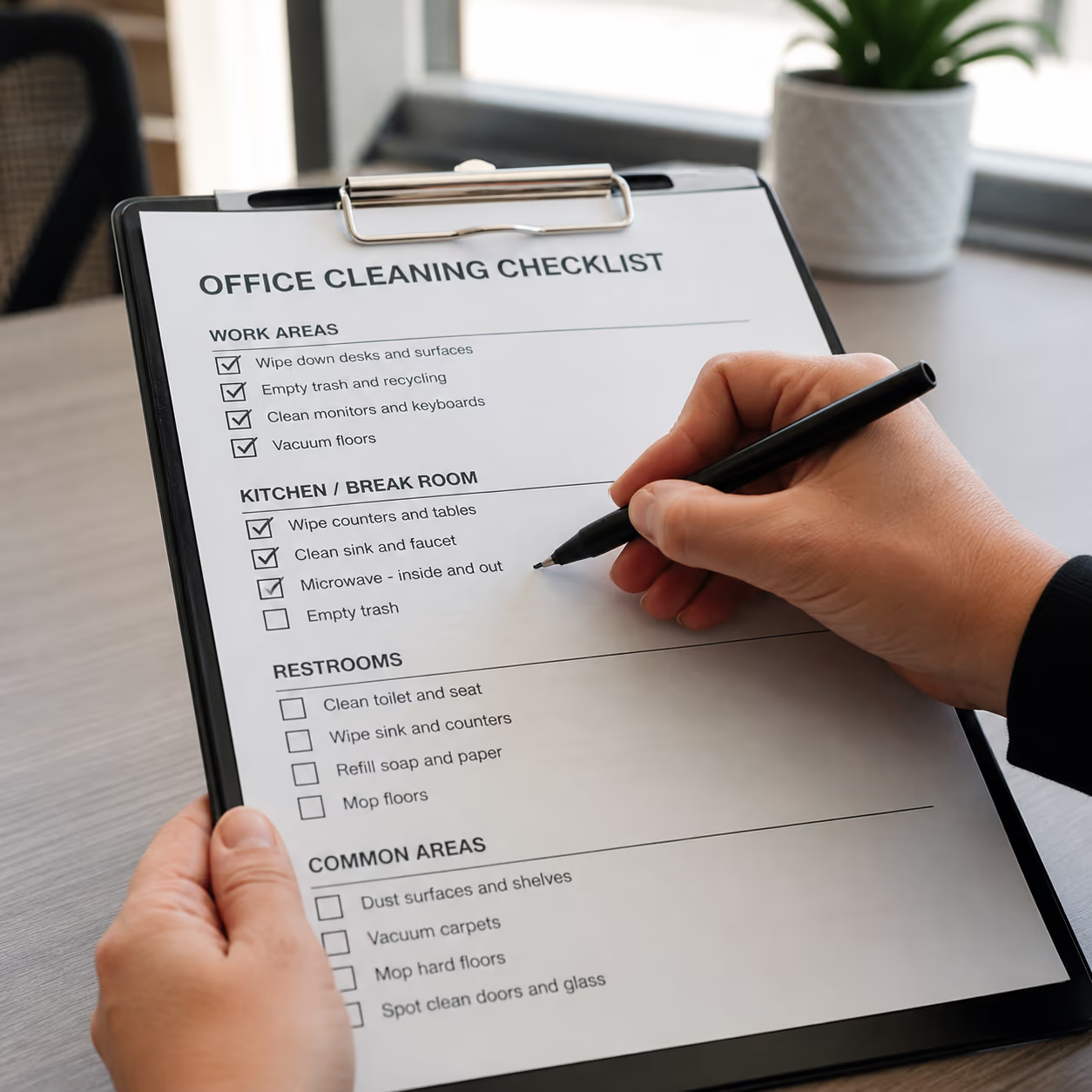
The heart of an effective schedule is sorting tasks by how often they need doing. Daily work keeps the office liveable, weekly work keeps it thorough, and monthly and seasonal work keeps it from slowly degrading. Write all four into the plan so nothing falls through the cracks.
Daily tasks are the ones that keep a busy office from feeling tired.
These include emptying bins, spot-cleaning kitchens and washrooms, wiping down high-touch surfaces like door handles and light switches, and tidying common areas. In many offices a daily pass on the essentials is the difference between a space that feels fresh and one that quietly collects clutter.
Weekly tasks go deeper.
Vacuuming or mopping all floors, cleaning washrooms properly, dusting desks and visible surfaces, wiping down phones and keyboards, and tackling the kitchen appliances all fit on a weekly list. This is where most offices notice the biggest visible difference, because weekly attention resets the layer of everyday grime.
Monthly and seasonal tasks handle the build-up that weekly cleaning misses.
These include cleaning windows and blinds, vacuuming vents and under furniture, wiping baseboards, deep-cleaning the kitchen, and caring for the carpets and upholstery. In Ottawa, seasonal work also matters, because winter salt and sand on the floors and spring pollen at the entrances add real work that a standard checklist should reflect.
A good schedule marks each task with its frequency and its owner. It does not list everything as a daily chore, because that would be impossible, and it does not push everything to monthly, because then the office would never stay clean. The balance is what makes the plan realistic enough to follow.
Setting the right frequency takes observation more than guesswork. Start with a standard pattern, daily essentials, weekly thorough clean, monthly detail work, and adjust based on how the office actually looks at each interval. If the washroom needs attention mid-week, increase it; if a storage room barely gets used, stretch it. The schedule should follow the dirt, not the other way around.
Building a Checklist That Actually Gets Followed
A checklist only works if people use it, and people use checklists that are clear, short, and easy to verify. A checklist that lists fifty tasks on one page feels like homework, while a checklist that groups tasks by room and by frequency feels like a map. Keep the wording simple enough that anyone can confirm a task is done.
Organise the checklist by zone or by room. Rather than a single endless list, break it into areas: reception, workstations, washrooms, kitchen, and meeting rooms. Each zone gets its own tasks and its own frequency, which makes the checklist quicker to scan and easier to hand to someone who is new to the space.
Make each item specific and checkable. "Clean the kitchen" is vague, but "wipe counters, empty the bins, and restock paper towels and dish soap" is a task someone can actually confirm. The more concrete each line is, the more useful the checklist becomes, because there is no debate about whether it was done.
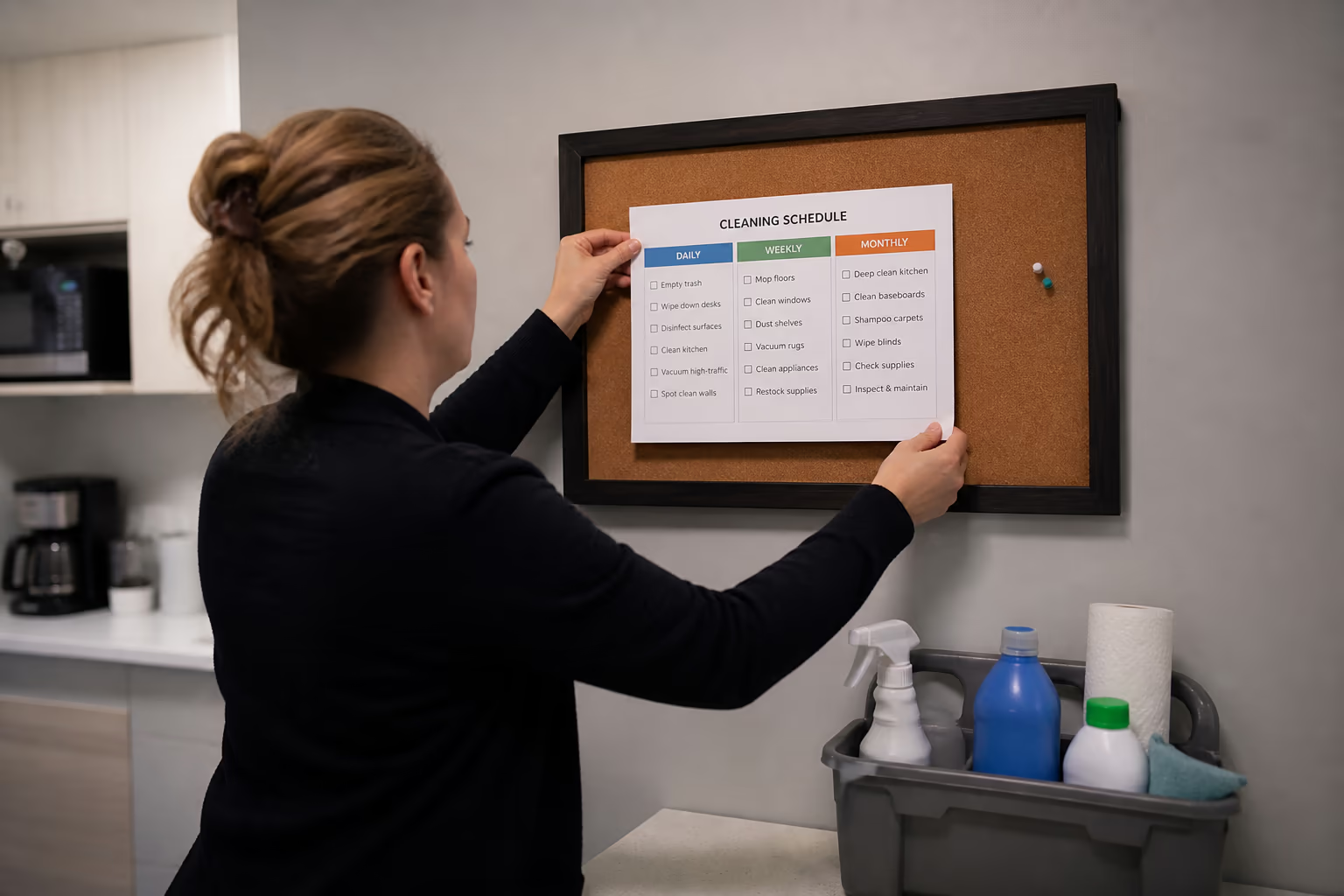
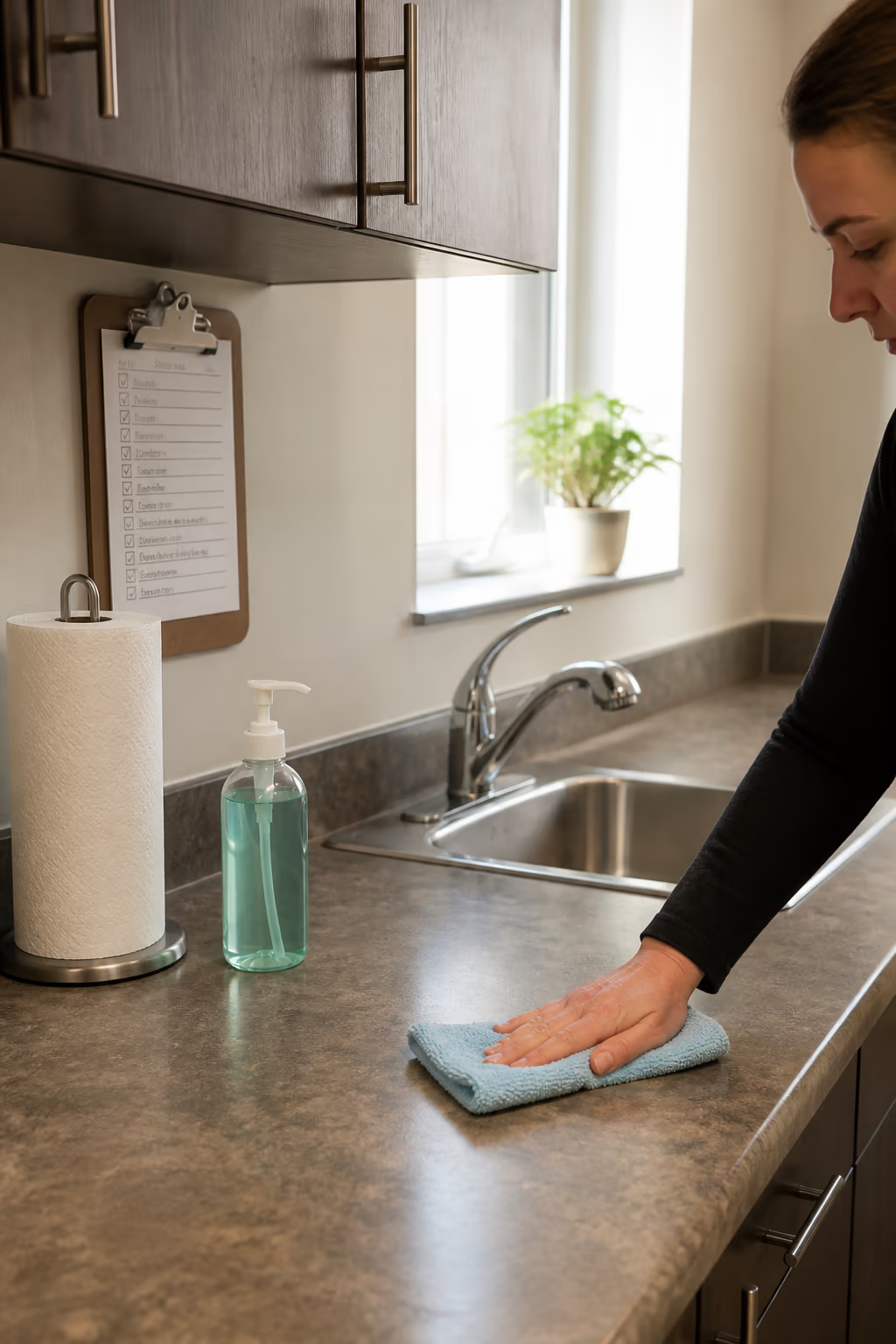
Keep the schedule visible. A printed checklist on a supply room wall, a shared task list in the office app, or a sign-off sheet that staff complete each day all keep the routine in front of people. When the schedule is visible, it becomes a habit rather than a hidden document that only the person who wrote it remembers.
The final piece is a simple review. Once a month, look at the checklist and ask whether it matches the office. If tasks have changed, if a room is used more or less, or if the team has found a better way, update the list. A checklist that changes with the office stays useful, while a frozen one slowly drifts out of step with reality.
It also helps to keep the checklist honest about who finishes what. A simple tick or initial beside each task gives the plan a light form of accountability without turning it into paperwork. When people can see that their part is noticed, the routine tends to stick.
Zones and Details That Checklists Often Miss
Most schedules cover the obvious surfaces, and that is exactly where the gaps hide. The surfaces that catch attention, desks, floors, and washrooms, get cleaned, while the corners, the backs, and the undersides quietly accumulate. A strong checklist reaches into the places that the daily pass skips.
High and out-of-sight surfaces deserve a line on the schedule.
The tops of shelving and cabinets, ceiling fixtures, vents and diffusers, and the top edges of doors all collect dust that floats back down onto clean desks. In winter, dry indoor air keeps that dust airborne longer, so these spots need regular attention even when they are not visible at eye level.
Behind and under the furniture is another easy gap.
Cables, dust, and debris collect behind desks, under workstations, and along baseboards, and they are exactly the kind of detail that a rushed pass misses. A weekly or monthly line that moves the furniture and reaches the floor underneath keeps the whole office genuinely clean rather than just tidy on top.
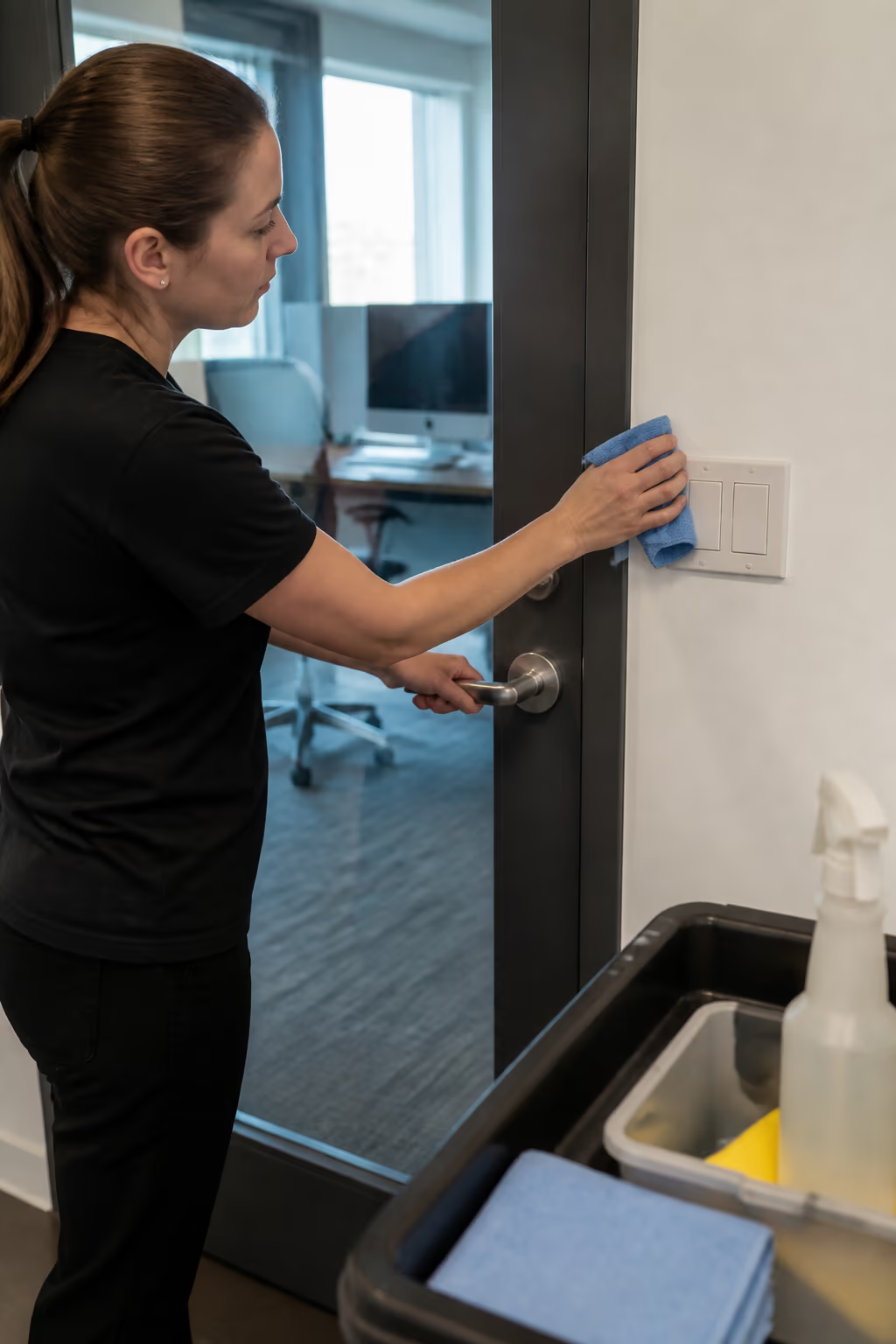
Electronics and touchpoints deserve their own reminders.
Keyboards, mice, phones, remote controls, and light switches are handled constantly and cleaned rarely. Including them on the checklist protects both hygiene and equipment, because a layer of dust on electronics forces them to run warmer and fail sooner.
Finally, remember the shared items that everyone uses and nobody owns.
The photocopier, the coffee machine, the water cooler, the fridge door, and the front-door handles all need regular attention, and because they belong to no single person, they are the easiest to forget. Putting them on the checklist gives them an owner and a frequency.
Assigning Ownership and Keeping the Schedule on Track
A schedule without an owner is a wish, not a plan. For every task on the checklist, someone should know it is theirs, whether that is a staff member, a cleaning team, or a supervisor who checks the work. Clear ownership is what separates a routine that runs itself from one that needs constant chasing.
Ownership only works if the hours exist. Ontario's rules on hours of work cap most employees at eight hours in a day and 48 hours in a week absent a written or electronic agreement, so a schedule that quietly assumes overtime is a schedule that will fail. The provincial guide states the daily limit: “The maximum number of hours most employees can be required to work in a day is eight hours or the number of hours in an established regular workday, if it is longer than eight hours.”
For daily tasks, ownership is often shared across staff. Some offices rotate the kitchen and common-area duties, while others assign them to specific people. The important thing is that each task has a name attached, so a missed task has an obvious owner and can be addressed quickly rather than passed around.
For weekly and deeper tasks, many offices choose professional help, and that is where a schedule becomes a contract. A cleaning partner can work from the same frequency and the same zone-based checklist, so the office and the crew agree on what gets done and when. When the checklist is shared, there is no guesswork about standards.
A short weekly review keeps the system honest. Ten minutes to confirm that the daily pass happened, the weekly list is complete, and nothing needs adjusting can prevent small gaps from growing into bigger problems. The review is also the moment to restock supplies, so the routine never stalls on an empty bottle or a full vacuum bag.
Use the checklist to spot trends, not just to assign blame. If the same task keeps being missed, the question is usually why, and the answer is often a schedule that is too tight, a supply that is missing, or a task that needs a different owner. Fixing the cause keeps the routine on track far better than reminding people to try harder.
What a Professional Team Brings to the Schedule
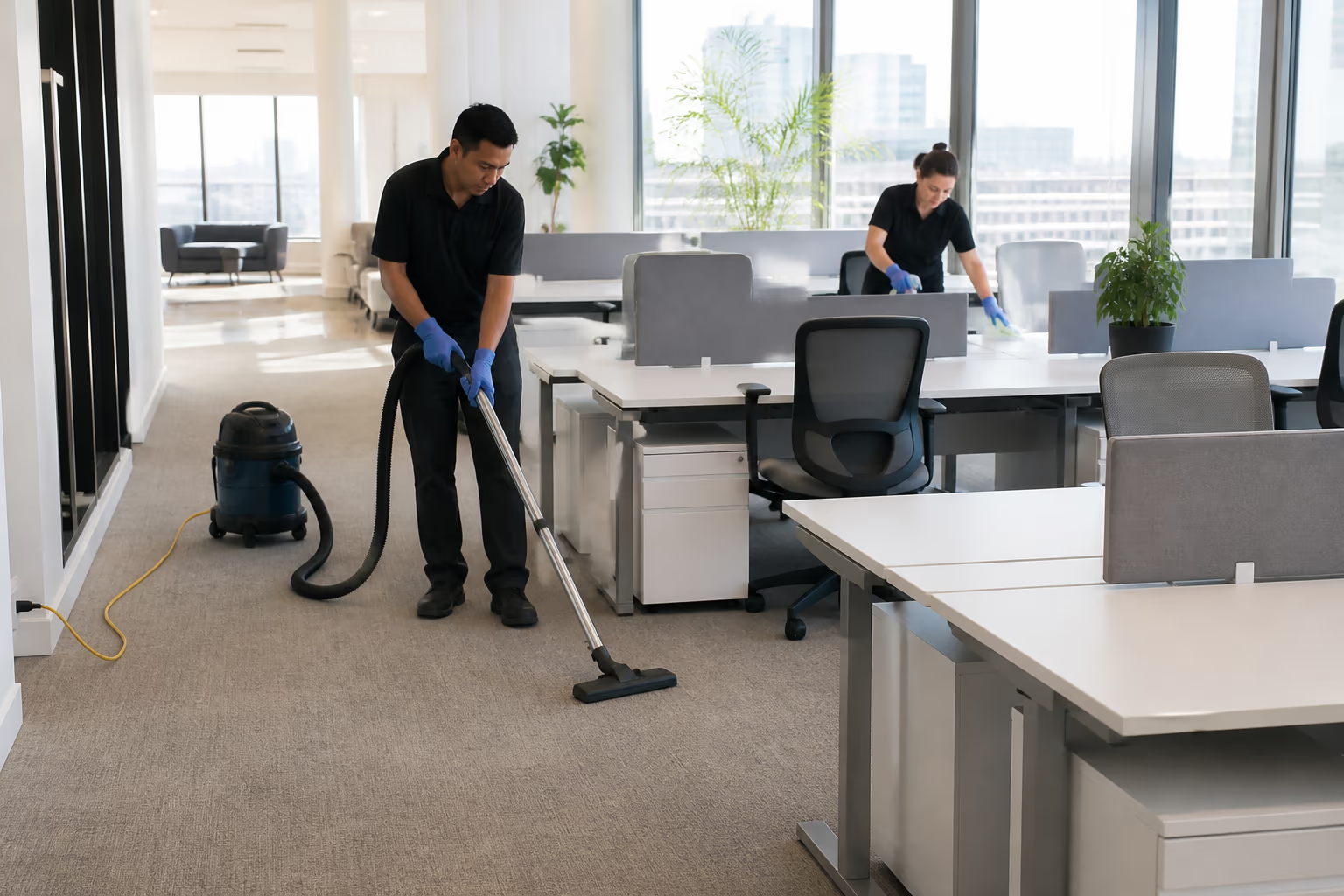
Many offices pair an internal daily pass with a professional team for the deeper work, and it is a combination that keeps costs sensible and standards high. The internal team handles the daily essentials, while the professional crew covers the weekly, monthly, and seasonal tasks that need equipment and training most offices do not have. Our cleaning services overview outlines the wider range of professional support available when daily and weekly work both need covering.
A professional schedule removes the guesswork from deep cleaning. Instead of wondering when the carpets were last extracted or the vents were last cleaned, the office and the crew agree on a calendar, and the checklist keeps it honest. That written agreement is exactly why schedules and checklists matter even when the work is outsourced. Reviewing examples of best office cleaning in Ottawa can help set expectations for how that calendar should look before signing on with a crew.
The crew also brings consistency that a busy team cannot always manage. Staff who are stretched across their own work tend to let the deeper tasks slide, not because they do not care, but because there is always something more urgent. A dedicated team protects the baseline so the office does not depend on goodwill.
Whatever balance you choose, the same principles apply. Define the tasks, sort them by frequency, give them an owner, and review the plan. If you are comparing providers, our commercial cleaning company vetting guide is a useful starting point for the questions that matter, from training to how a company checks quality.
Troubleshooting a Schedule That Is Not Working
Even a well-built schedule can drift, and the fix is usually simpler than starting over. The first sign of trouble is often a space that looks fine on the surface but collects dust in the corners, or a task that keeps getting marked late. Both point to a plan that does not match how the office actually runs.
If tasks keep being missed, check the load before you blame anyone. A schedule that asks one person to do the work of a team will fail no matter how good the list is. Spreading tasks across more people, reducing the frequency, or bringing in professional help for the deeper work all bring the plan back in line with what is realistic. Looking at a best office cleaning service in Ottawa can offer a useful benchmark for how much support outside help typically covers.
If the office looks clean but feels stale, the gaps are probably in the details. Look for dust on vents and electronics, residue on touchpoints, and build-up in the kitchen, the items that a quick pass skips. Adding a monthly line for these details keeps the deeper standard from slipping.
And if the schedule simply stops being used, ask why. The most common reasons are a checklist that is too long, a process that takes too long to complete, or an owner who has moved on. Fix the reason, not the symptoms, and the routine will start working again.
Formatted Step-by-Step Schedule Checklist
Building a schedule that works does not need to be complicated. Work through these five steps, and you will have a plan your office can actually follow.
- 1.List every cleaning task your office needs. Walk each room and write down what has to be done, from emptying bins to deep-cleaning the carpets, so nothing is left to memory.
- 2.Sort the tasks by frequency. Mark each one as daily, weekly, monthly, or seasonal, and note the Ottawa winter and spring work that the seasons add.
- 3.Group the tasks into zones. Organise the checklist by reception, workstations, washrooms, kitchen, and meeting rooms so it is quick to scan and easy to follow.
- 4.Assign an owner to every task. Put a name or a team beside each item, and set a regular review so the schedule stays current as the office changes.
- 5.Post the schedule and track it. Keep the checklist visible, complete it each week, and use the gaps you find to improve the plan rather than ignore them.
- 6.If the daily and weekly routine is more than your team can carry, our professional office cleaning teams in Ottawa can work from the same schedule and keep the standard on track.
FAQ
What should go on a daily office cleaning checklist?
Daily checklists usually cover the essentials: emptying bins, wiping high-touch surfaces, tidying kitchens and common areas, and spot-cleaning washrooms. The goal is to keep the office liveable between deeper weekly cleans.
How often should an office be deep cleaned?
Most offices do a deeper clean weekly or every two weeks, with monthly attention to windows, vents, baseboards, and under furniture. Busy offices may need more, and quieter ones may stretch the intervals.
Who should be responsible for the cleaning schedule?
Every task needs an owner. Daily tasks can be shared across staff, while weekly and deeper cleaning often falls to a professional team or a dedicated cleaner. Clear ownership is what keeps the schedule working.
What is the difference between a schedule and a checklist?
A schedule sets the frequency, when each task happens, while a checklist sets the content, exactly what each task includes. Together they answer both when and what, which is why an effective plan has both.
How do I get the team to follow the checklist?
Keep the checklist short, specific, and visible, and attach a name to every task. A brief weekly review also helps, because it catches missed items early and keeps the routine a habit instead of a chore.
Do cleaning schedules change with the seasons?
They should. Winter adds salt and sand at the entrances, spring adds pollen, and summer brings dust and more foot traffic. Adjusting the schedule for these shifts keeps the office clean all year.
How do I build a cleaning schedule from scratch?
Start by listing every task in the office, sorting it by frequency, grouping it by room, and assigning an owner. A simple spreadsheet or a wall chart is enough to begin, and the plan gets sharper as you review it.
Should the schedule include cleaning supplies?
Yes. A checklist should note the supplies each task needs, and the weekly review should restock them. Running out of paper towel or cleaner is one of the quickest ways to stall a routine.
Wrapping Up
Effective office cleaning schedules and checklists come down to sorting tasks by frequency, grouping them by zone, and giving every task an owner. Start with what your office actually needs, write it down in a form people can use, and review it regularly so it keeps up with the space. When the routine is more than your team can carry, a professional cleaning partner can keep it on track. Contact Good Cleaner Co. for a free quote and a cleaning plan built around your office and your schedule.
Keep reading
More from Good Cleaner
Services that fit
- Professional Office Cleaning Services in OttawaOffice cleaning services in Ottawa for corporate offices, clinics and professional suites. After-hours scheduling, eco-friendly products and a free quote.
- Janitorial Services in OttawaRecurring janitorial services in Ottawa for offices, warehouses, retail, dealerships and schools. Eco-friendly commercial cleaning, customized plans and a free quote.
About the author
Service areas
- Ottawa
- Kanata
- Nepean
- Orleans
- Barrhaven