


Law Office Cleaning: Maintaining Professional Environments
Law office cleaning maintaining professional environments is not just about tidy floors. It protects client confidentiality, preserves the firm’s reputation, and keeps staff healthy in a high-touch workplace. In Canada, winter salt, summer humidity, and strict expectations around privacy mean law firms need a more disciplined cleaning routine than most offices.
This guide gives you a practical, Canada-focused plan: daily, weekly, and monthly checklists, an office cleaning schedule that fits after-hours work, product recommendations from Canadian stores, cost ranges in CAD, and a realistic DIY vs professional comparison. It also covers safe handling of files and equipment and how to clean computer keyboard surfaces without damage.
Use this as your law office cleaning maintaining professional environments guide and adapt it to the size and pace of your firm. The framework works for solo practices and multi-floor firms alike.
If you want a broader view of cleaning standards for professional workplaces, start with cleaning: a comprehensive overview.
Why Law Office Cleaning Needs a Higher Standard
Law firms are different from typical office environments for three reasons:
- Client trust and confidentiality require careful handling of documents, trash, and meeting rooms.
- Professional appearance affects first impressions in reception areas, boardrooms, and partner offices.
- High-touch surfaces like phones, keyboards, and door handles increase germ spread in shared spaces.
CCOHS guidance on workplace hygiene emphasises frequent cleaning of high-touch surfaces to reduce illness. In legal settings, that means a daily focus on desks, phones, doors, and shared conference rooms. It also means cleaner protocols that protect paper files from moisture, chemical residue, and dust.
When law office cleaning slips, it can affect productivity and morale. Some workplace health reviews link poor hygiene to higher absenteeism rates, often in double-digit percentage ranges. A consistent routine is a low-cost way to avoid those losses.
Legal environments also have more materials that show dust and smudges. Glass partitions, polished wood, and leather seating look dull quickly if they are not maintained. Clients notice fingerprints on doors, streaks on boardroom tables, and crumbs around waiting areas. Small details shape the firm’s image.
Finally, confidentiality matters. Cleaning teams should never shuffle paperwork or open file drawers. Sensitive documents should be left untouched, and confidential waste bins should be emptied carefully. That is why many firms use bonded cleaners and clear sign-off procedures.
Law Office Cleaning Checklist (Daily, Weekly, Monthly)
Use this office cleaning checklist as the backbone of a law firm cleaning programme. It balances professional appearance, health, and confidentiality while staying realistic for busy teams.
Daily tasks (15 to 30 minutes, easy)
- Wipe high-touch surfaces like desks, phones, doorknobs, and shared keyboards.
- Empty trash and recycling including confidential shredding bins.
- Vacuum high-traffic carpet zones and spot-clean visible marks.
- Check reception for fingerprints on glass, counters, and door pulls.
Weekly tasks (1 to 2 hours, moderate)
- Dust shelves, blinds, and filing cabinets using microfibre cloths that do not shed lint.
- Clean kitchenette appliances including fridge handles, coffee machines, and microwaves.
- Disinfect washrooms with attention to toilets, sinks, mirrors, and faucets.
- Sanitise conference rooms including tables, chair arms, and shared electronics.
Monthly tasks (3 to 4 hours, moderate to hard)
- Steam-clean carpets to remove winter salt and embedded dirt.
- Wash windows and high vents to reduce dust and control humidity effects.
- Deep-clean computers and printers using compressed air and approved wipes.
- Inspect entry mats and replace or rotate as needed.
This checklist works for most firms. Smaller offices may only need two evening visits per week, while larger practices benefit from daily touchpoint cleaning plus a weekly deep clean.
Law Office Cleaning Tips and Tricks
These tips are pulled from professional routines and help law firms maintain a polished environment without wasting time.
- Use microfibre for desks and shelves to avoid lint on legal documents.
- Schedule after-hours cleaning to reduce distractions and protect client privacy.
- Open windows or use ventilation when applying disinfectants to keep VOC levels low.
- Keep a dehumidifier in file rooms during humid Canadian summers to prevent mould on paper.
- Rotate entry mats in winter to limit salt tracked into reception and boardrooms.
- Label cloths by zone (reception, washrooms, kitchen) to avoid cross-contamination.
Small habits also make a difference. For example, keeping a pack of wipes at reception makes it easier to clean counters and pen holders throughout the day. A five-minute end-of-day reset can prevent dust and smudges from building into a bigger job later.
Law Office Cleaning Guide by Zone
This zone-by-zone guide helps you prioritise the areas that clients and staff notice most. It also protects documents and sensitive spaces from unnecessary handling.
Reception and waiting areas
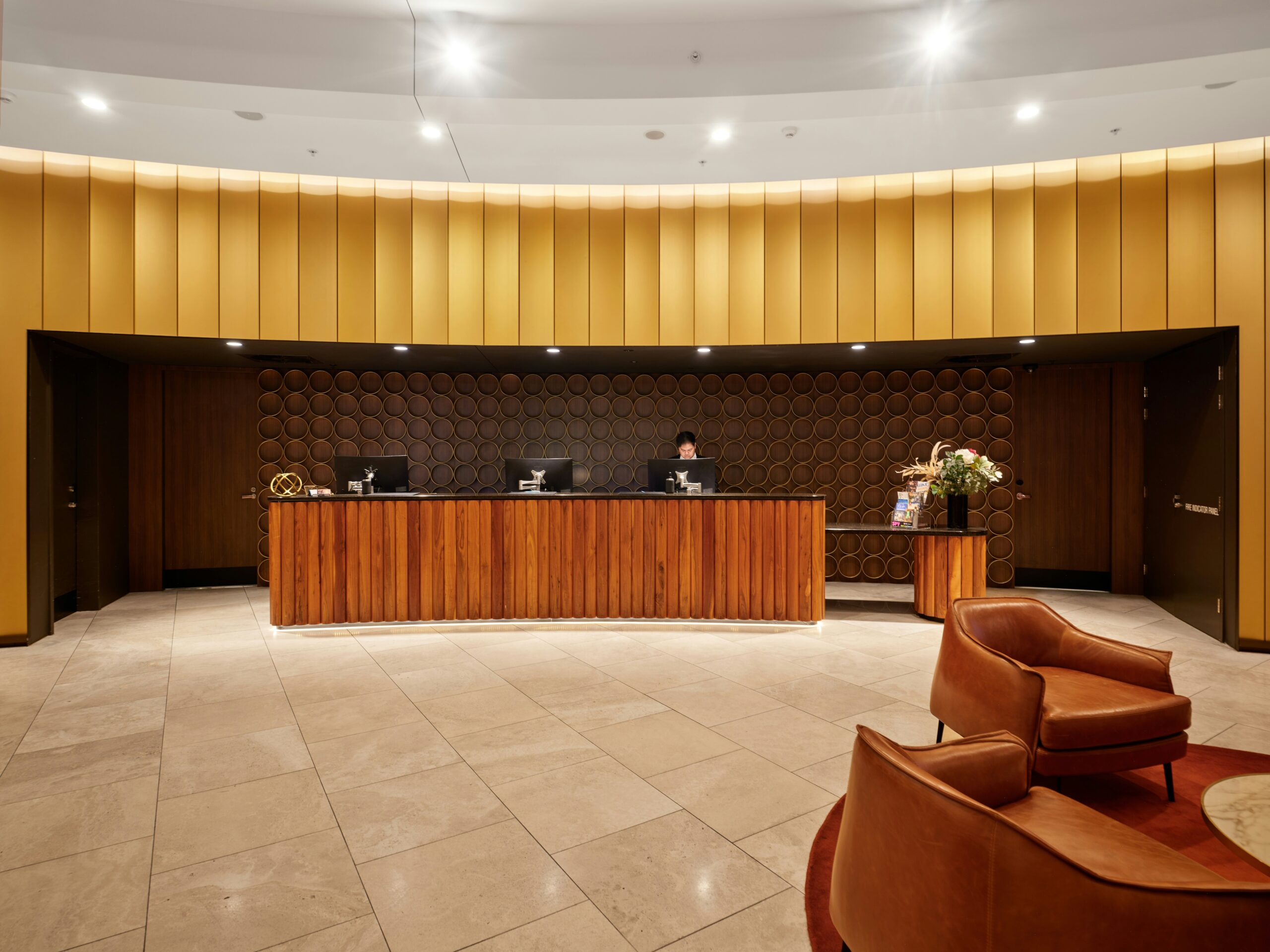
Reception sets the tone for the firm. Focus on glass doors, counters, seating arms, and pen holders. Vacuum entry mats daily in winter to reduce salt residue. Wipe visible fingerprints on glass and door pulls before the morning rush. Keep a small supply of wipes behind the desk for quick touch-ups.
Boardrooms and conference rooms
Conference rooms need to look pristine for client meetings. Wipe tables, chair arms, remotes, and shared electronics before and after meetings. Avoid streaks on glass partitions by using a low-odour glass cleaner. If the room has screens or projectors, dust vents and cables weekly and avoid spraying liquids directly on devices.
Partner offices and private offices
Private offices often hold confidential files. Clean surfaces without moving paperwork. Dust shelves lightly with microfibre and avoid aerosols that can drift onto documents. If files must be moved, coordinate with office management to avoid confidentiality breaches.
File rooms and records
File rooms should be kept dry and dust-free. Use low-moisture cleaning methods and maintain stable humidity to protect paper. Avoid heavy scents or harsh sprays that can linger on documents. A dehumidifier in summer helps prevent curling and mould.
Kitchenettes and staff areas
Shared kitchens can spread germs quickly. Wipe appliance handles daily, clean coffee machines weekly, and sanitise sinks and counters. Empty recycling frequently to prevent odours and pests.
Washrooms
Washrooms require daily disinfection of sinks, toilets, faucets, and mirrors. Stock soap, paper towels, and sanitiser regularly. Slip checks are especially important during winter when wet footwear increases floor moisture.
Law Office Cleaning Schedule and Time Estimates
A clear office cleaning schedule prevents gaps and keeps confidential areas secure. Most firms schedule after-hours cleaning to avoid disrupting client meetings and to protect sensitive files.
- Small offices (under 2,000 sq ft): 1 cleaner, 1 to 2 hours per visit, 2 to 3 times per week.
- Mid-size offices (around 5,000 sq ft): 2 cleaners, 4 to 6 hours nightly for routine cleans, plus 2 to 3 hours weekly for deep rooms.
- Large firms: multi-zone teams with staggered schedules, often 5 nights per week.
Plan for a 15-minute quality check per zone. It is time well spent because it prevents repeat cleaning and client complaints. For seasonal changes, add a monthly deep clean during winter salt season and a mid-summer reset for humidity and dust. If you want service benchmarks, see cleaning prices in Ottawa for local rate context.
Sample weekly schedule
- Monday: Reception reset, boardrooms, washrooms, vacuum high-traffic carpets.
- Wednesday: Private offices, file rooms, kitchenettes, glass partitions.
- Friday: Deep vacuum, spot-clean carpets, disinfect shared devices, polish wood desks.
- Monthly add-on: Steam-clean carpets, clean vents, and deep-clean printers.

Safety, Confidentiality, and Professional Standards
Law office cleaning must protect client privacy and comply with Canadian safety guidance. These rules are non-negotiable in legal environments:
- Schedule after-hours whenever possible to reduce client exposure to cleaning activity.
- Use bonded and insured cleaners for trust and accountability.
- Keep files and evidence secure by avoiding unnecessary handling of paper documents.
- Ventilate properly when using cleaners, in line with Health Canada VOC guidance.
- Use PPE such as gloves and eye protection when required by product labels.
Choose low-VOC, non-toxic options near paper files. Microfibre cloths are preferred because they reduce lint on legal documents. Store chemicals in locked cabinets away from client areas and kitchenettes.
For questions about service scope or compliance practices, check GoodCleaner cleaning services FAQ.
Confidential Waste and Privacy Protocols
Law offices handle sensitive documents, so cleaning routines must include privacy safeguards. The goal is to clean thoroughly without disturbing case files or compromising confidential materials.
- Do not move or read documents on desks or in file rooms.
- Empty confidential shredding bins on schedule and seal bags immediately.
- Lock file rooms when not in use during cleaning hours.
- Limit cleaning access to cleared, bonded staff.
- Document sign-off for sensitive zones after each visit.
These protocols protect client trust and reduce liability. If your firm works with government or corporate clients, confidentiality standards are often contract requirements. Professional cleaners understand these constraints and build them into their workflow.
Surface-Specific Cleaning for Law Offices
Legal workplaces often mix wood desks, glass partitions, carpeted waiting rooms, and hard-floor reception areas. Each surface needs a specific method to stay professional and damage-free.
Wood desks and cabinetry
Dust daily with a microfibre cloth and use a pH-neutral cleaner weekly to prevent scratches. In humid Canadian summers, beeswax sealant from Canadian Tire can protect finishes. Use coasters under files and drinks to prevent water rings.
Tile floors
Sweep daily and mop with a diluted vinegar solution (about 1:10) to neutralise winter salt. Avoid ammonia-based cleaners that can etch grout. Reseal grout biannually for high-traffic reception areas.
Concrete entryways
Neutralise salt with a baking soda paste and rinse monthly during winter. Apply a concrete sealer every six months and use dual entry mats to capture up to 80 percent of debris before it reaches carpets.
Carpeted areas
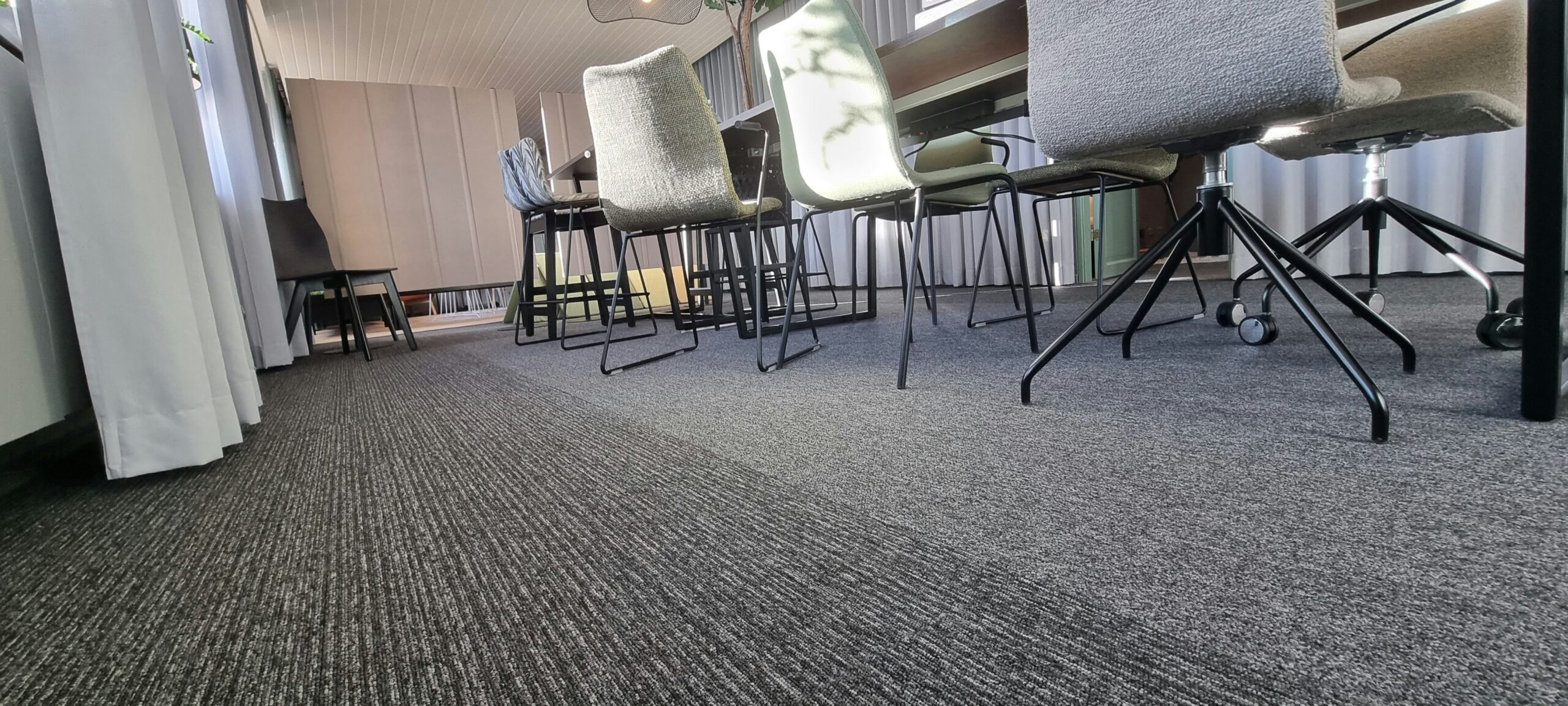
Vacuum twice weekly with a HEPA-filter vacuum to trap allergens. Steam clean quarterly with hot water extraction to remove embedded salt and dirt. Spot-clean stains immediately with enzyme-based cleaners from Walmart Canada.

How to Clean Computer Keyboards in Law Offices
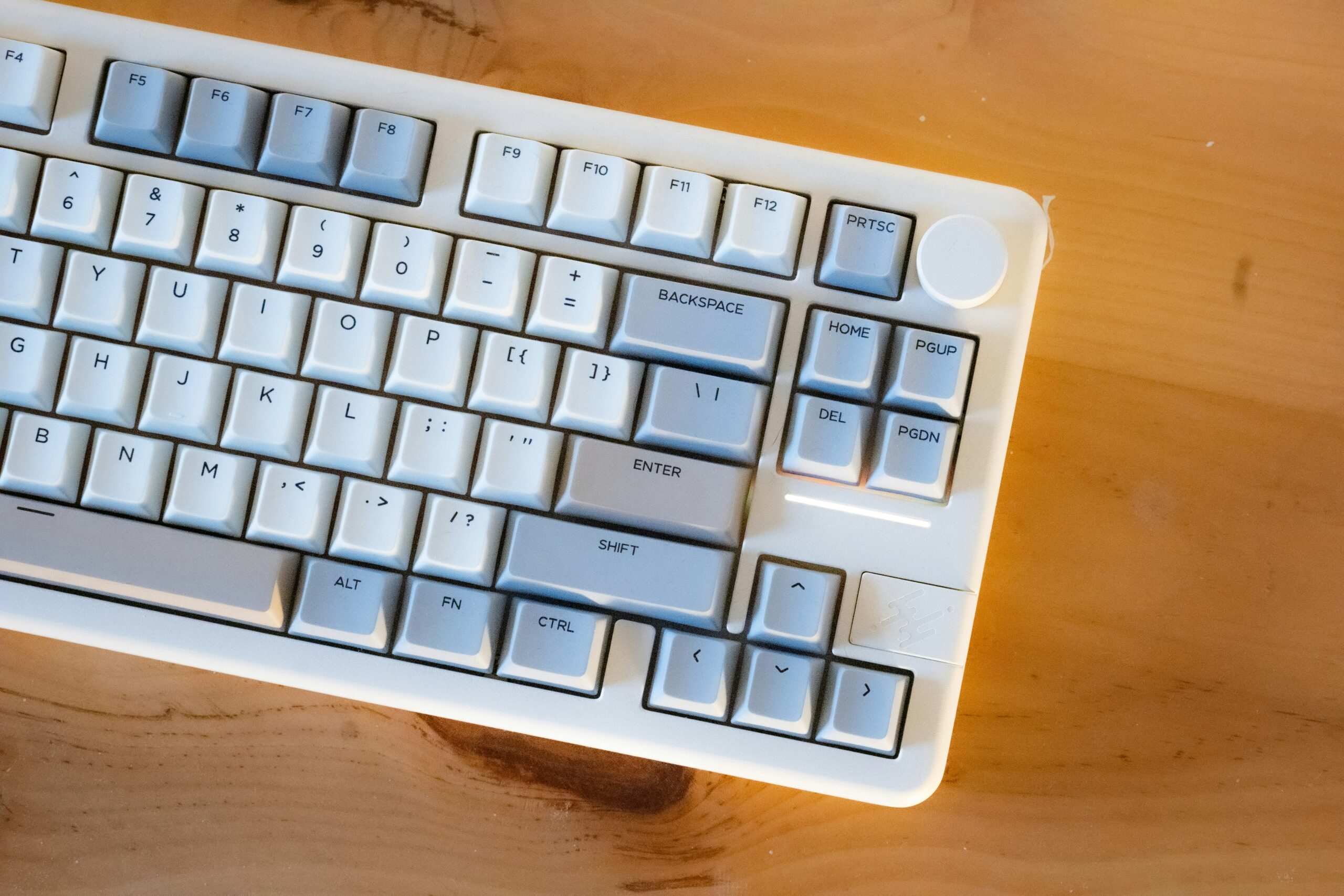
Keyboards in law firms are high-touch and often shared. A clear routine keeps them hygienic without damage.
- Unplug and invert the keyboard to shake out debris.
- Use compressed air to clear dust between keys.
- Wipe keys with 70 percent isopropyl alcohol on a microfibre cloth.
- Air dry for 10 minutes before reconnecting.
Do the same for phones, copier touch screens, and printer panels. These devices are touched by many people and often get overlooked. A weekly wipe routine prevents grime buildup and keeps equipment responsive without using harsh chemicals.
Do not soak keys or spray liquids directly on switches. This five-minute routine is the simplest way to keep a clean computer keyboard in client-facing offices.
Best Products and Tools in Canada (With CAD Prices)
Law office cleaning requires products that are effective but gentle on paper files and finishes. These are reliable options available in Canada.
Core products for daily and weekly use
- Method All-Purpose Cleaner (Walmart Canada, Amazon.ca) – $5 to $8 CAD.
- Lysol Professional Disinfectant Spray (Costco Canada, Canadian Tire) – $8 to $15 CAD.
- Microfibre cloths (E-Cloth Pro) (Home Hardware, Amazon.ca) – $12 to $20 CAD for a 4-pack.
- Swiffer WetJet refills (Walmart Canada, Canadian Tire) – $15 to $25 CAD.
- EcoLogo-certified floor cleaner (Canadian Tire) – $10 to $15 CAD.
- Windex Original Glass Cleaner (Loblaws, Walmart Canada) – $6 to $10 CAD.
Professional-grade add-ons
- Simple Green Industrial Cleaner (Costco Canada, Canadian Tire) – $20 to $35 CAD for 3.78 L.
- HEPA backpack vacuum for quiet, efficient carpet cleaning – $300 to $600 CAD.
- Steam cleaner for hard floors and winter salt residue – $150 to $400 CAD.
- Compressed air for keyboards and printers – $8 to $12 CAD per can.
- Bissell Deep Clean carpet shampoo (Loblaws/Superstore) – around $20 CAD.
Quick product comparison
| Product | Best for | Notes |
|---|---|---|
| Lysol Professional Disinfectant Spray | High-touch areas and desks | Fast kill time, but requires ventilation in small offices. |
| Method All-Purpose Cleaner | Glass and desks | Low odour and streak-free, less effective on heavy stains. |
| Swiffer WetJet refills | Hard floors | Quick mop solution, not suitable for carpets or porous concrete. |
| E-Cloth microfibre | Files and wood surfaces | Lint-free and reusable, higher upfront cost. |
Choose low-VOC products where possible, especially around file rooms. If your firm needs a product refresh, this guide on cleaning tools you should replace often helps avoid worn cloths and ineffective sprays.
Costs in Canada: DIY vs Professional Law Office Cleaning
Costs vary based on office size, frequency, and the level of confidentiality required. In Canada, professional law office cleaning typically costs $0.10 to $0.30 per square foot in major cities, with monthly rates around $200 to $600 for a 2,000 sq ft office. Certified cleaners often charge $25 to $50 per hour.
For small firms, consumer products usually cost $50 to $100 to start, while professional-grade kits run $150 to $300 but last longer. That difference matters if you clean frequently or need consistent results on client-facing finishes.
| Aspect | DIY (per month, CAD) | Professional Service (per month, CAD) |
|---|---|---|
| Supplies | $50 to $150 | Included in service |
| Labour | $400 to $800 (10 to 20 hrs at $20/hr) | $800 to $2,500 |
| Deep cleans | $100 to $200 quarterly | $300 to $600 quarterly |
| Total for 2,000 sq ft | $550 to $1,150 | $1,100 to $3,100 |
DIY can save money for solo practices or small firms, but professional services provide liability coverage, confidentiality protocols, and consistent results. Many firms use a hybrid model: daily in-house touchpoint cleaning plus quarterly professional deep cleans.
Money-saving tips without cutting quality
- Buy in bulk from Costco Canada or Canadian Tire to reduce unit costs on wipes and refills.
- Use microfibre cloths that can be washed hundreds of times instead of disposable wipes.
- Rotate entry mats weekly during winter to reduce carpet cleaning frequency.
- Schedule after-hours cleaning to avoid productivity disruptions and repeated touchups.
Professional cleaning can also save time. Many firms estimate that staff spend 20 or more hours per month on cleaning tasks when no service is in place. Moving those hours to client work often offsets a large part of the service cost.
DIY vs Professional Decision Checklist
Use this quick checklist to decide whether in-house cleaning is enough or if a professional law office cleaning maintaining professional environments service is the better fit. The more “yes” answers you have, the more professional support makes sense.
- You host client meetings daily in reception and boardrooms.
- Your firm has more than five staff or high turnover of visitors.
- Confidential waste handling requires bonded staff and documented disposal.
- Carpets or wood finishes need regular deep cleaning and protection.
- You want consistent documentation for compliance or client expectations.
DIY routines can work for small firms, but they require discipline and the right products. Professional cleaners bring trained staff, ESD-safe tools for equipment, and standardised quality checks. For many law offices, a hybrid approach is the most cost-effective: staff handle daily surface wipes, and a professional team handles weekly or monthly deep cleans.
Professional Law Office Cleaning Workflow
Professional cleaning for law offices follows a structured process that protects client privacy and preserves finishes.
- Assess sensitive areas such as boardrooms, file rooms, and reception zones.
- Gear up with HEPA vacuums, colour-coded microfibre cloths, and low-VOC products.
- Execute top-to-bottom from high surfaces to floors to avoid recontamination.
- Inspect and sign off using checklists and quality control checks.
Typical time per visit is 2 to 4 hours for a mid-size firm, with after-hours scheduling to protect client interactions. A 5,000 sq ft office often needs 4 to 6 hours with a two-person team. Bonded cleaning teams are recommended for trust and accountability.
Example professional routine (time estimate)
- 15 minutes: Reception reset, glass touch points, counters, door pulls.
- 30 to 45 minutes: Conference rooms and private offices, desks and chair arms.
- 30 minutes: Kitchenette appliances and shared coffee stations.
- 45 to 60 minutes: Washrooms and high-touch fixtures.
- 45 to 90 minutes: Floors, vacuuming, and mopping by zone.
Professional teams also use colour-coded cloth systems and HEPA backpack vacuums for quiet, efficient cleaning. This reduces allergen spread and keeps client-facing areas calm even if cleaners are on-site early in the evening.
Quality Control and Documentation
Quality control matters because law offices are client-facing and detail-sensitive. Professional teams often use:
- Blacklight checks to reveal residue on desks and keyboards.
- Slip testing after mopping, especially during winter salt season.
- Visual walkthroughs for glass partitions and meeting rooms.
- Digital logs that document products used, areas cleaned, and HVAC filter status.
Documentation builds trust with office managers and helps schedule seasonal deep cleans. It also demonstrates compliance with CCOHS and Health Canada guidance on workplace hygiene. A good log records what was cleaned, what products were used, and any issues found (such as stained carpets, worn mats, or HVAC filter concerns). That record makes it easier to plan budgets and prevents the same problem from recurring month after month.
Confidentiality checks are part of quality control too. Cleaning teams should confirm that file rooms are locked, shredding bins are sealed, and no documents were moved. For law firms, these checks are as important as spotless glass or polished desks.
Prevention Tactics and Seasonal Planning
Prevention reduces cost and preserves the professional look that law firms rely on.
- Entry mats to reduce salt and debris during Canadian winters.
- Shoe-free zones near carpets and file rooms to reduce tracked dirt.
- Dehumidifiers in summer to protect paper files from mould and curling.
- Ventilation checks to control VOCs and cleaning odours.
- Seasonal deep cleans after winter and before peak client seasons.
These steps also help reduce germs in office areas without adding labour-heavy disinfecting routines. For service options in Ottawa, see GoodCleaner cleaning services.
Seasonal Challenges in Canadian Law Offices
Canada’s climate affects law office cleaning more than most teams expect. Winter salt and slush create gritty residue in reception and hallways, while summer humidity can damage paper files and dull finishes. Planning around seasons keeps the firm’s image consistent year-round.
- Winter: Increase vacuuming near entrances, rotate mats, and wipe baseboards where salt collects. Steam-clean carpets more often to prevent residue buildup.
- Spring: Dust blinds, vents, and window sills to reduce pollen accumulation. This is a good time for a glass and window reset.
- Summer: Use dehumidifiers in file rooms and meeting areas to prevent mould and paper curling. Avoid heavy water-based cleaning methods.
- Fall: Schedule a pre-winter deep clean and replace worn mats before the first snowfall.
Seasonal routines also protect staff health. Dust and salt particles can irritate eyes and trigger allergies. Keeping humidity stable and surfaces clean reduces those risks while protecting the professional appearance of client-facing spaces.
Frequently Asked Questions
How often should a law office be professionally cleaned?
High-touch areas should be cleaned daily, full offices 2 to 3 times per week, and deep cleans monthly or quarterly depending on traffic. Winter salt season often requires more frequent vacuuming.
How much does law office cleaning cost in Canada?
Most firms pay $0.10 to $0.30 per square foot weekly, or $200 to $600 per month for a 2,000 sq ft office. Large firms may spend $800 to $3,000 monthly depending on service scope.
Can I handle law office cleaning in-house?
Yes for small practices, but larger firms benefit from professional protocols, bonded staff, and consistent quality checks. A hybrid approach is common.
What products do professionals use for law offices?
Low-VOC disinfectants, microfibre systems, HEPA vacuums, and neutral pH floor cleaners are standard. Many products are available at Canadian Tire, Costco Canada, and Amazon.ca.
What are the most common law office cleaning mistakes?
Skipping ventilation, over-wetting wood desks, ignoring entry mats in winter, and forgetting confidential waste bins are the most common issues.
How long does a standard law office clean take?
A 5,000 sq ft law office typically requires 4 to 6 hours for routine evening cleaning by a two-person team, with extra time for kitchens and boardrooms.
How do I keep keyboards clean without damage?
Use compressed air and 70 percent isopropyl alcohol wipes weekly, avoid soaking, and let devices air dry. This method keeps keyboards clean and safe for daily use.
Conclusion
Law office cleaning maintaining professional environments requires more care than a typical office routine. When you follow a clear checklist, protect confidential areas, and use the right products, your firm stays professional and healthy year-round.
A consistent routine protects staff, clients, and the firm’s reputation while keeping equipment and documents in good condition.
Need a reliable cleaning partner for your law office? Contact GoodCleaner for a custom plan that protects confidentiality and keeps client-facing spaces spotless.