
Your Duct Can Be The Hidden Problem Of A Dusty House
If you dust every week and the film still returns within days, your cleaning routine is not failing. Your duct can be the hidden problem of a dusty house: the forced-air system that keeps your home warm in winter and cool in summer is also the quiet pipeline that moves dust through every room. This guide explains how ducts spread dust, the signs that point to them, and what actually helps, from better filters to professional duct care.
Quick Summary
A forced-air duct system keeps circulating dust throughout a house, so surfaces stay dusty even after regular cleaning. Leaky joints, weak filters and buildup inside the ductwork push fine particles back through the vents, and better filtration plus professional duct care break that recurring cycle.
In this guide
Why Dust Keeps Coming Back
Dust is not a single thing; it is a mix of shed skin cells, fabric fibres, pet dander, pollen, tracked-in grit and the fine particles that float in through windows and doors. In a forced-air home, most of it is swept through the ductwork by the furnace or air handler. When the fan runs, air is pulled from the rooms, passes through the filter, is heated or cooled, and is pushed back out through the supply vents.
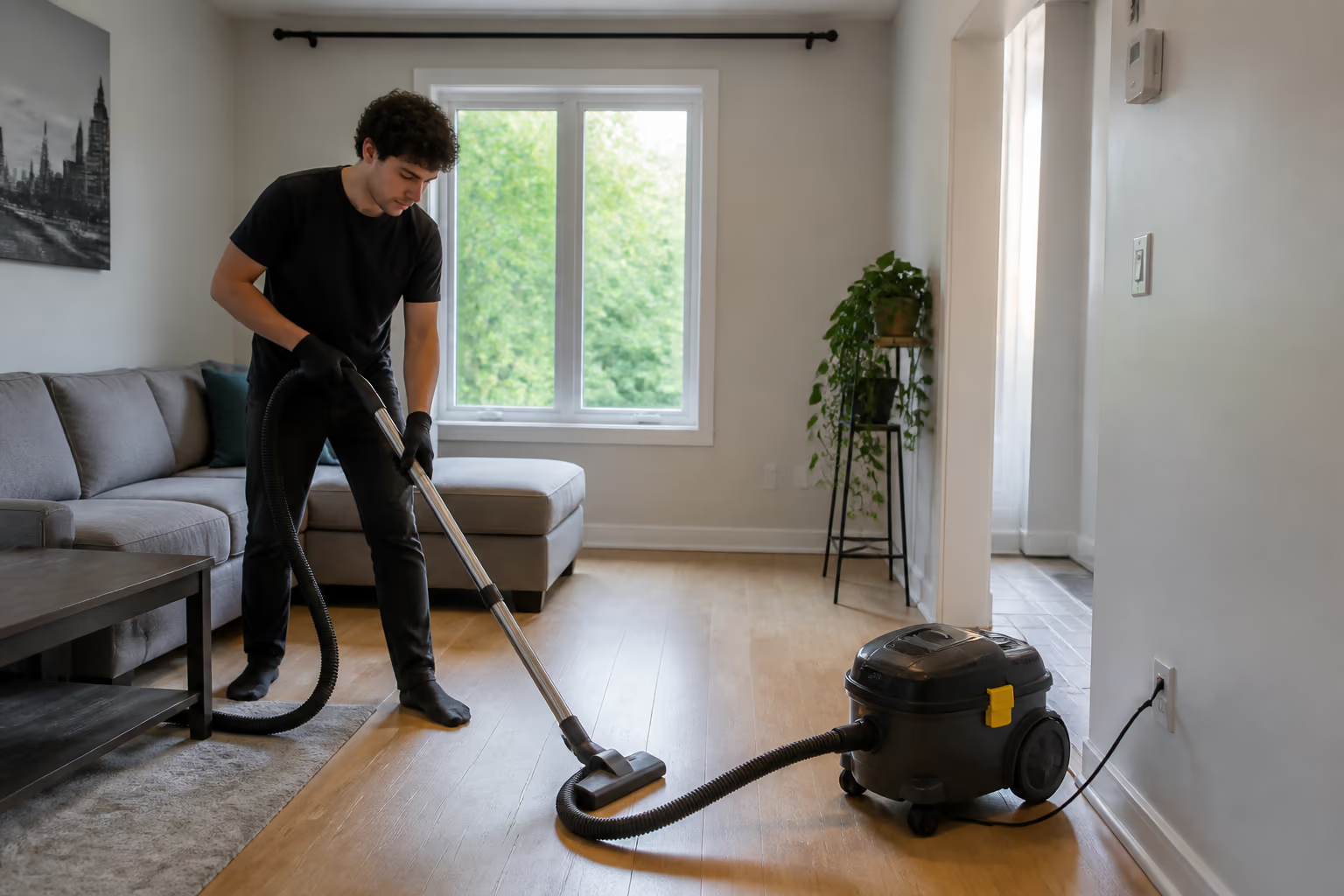
Capture matters as much as frequency. Health Canada recommends a central vacuum vented outdoors, or a portable vacuum fitted with a HEPA filter, so fine particles are trapped rather than passed back into the room, and suggests cleaning floors with a damp mop or cloth. A vacuum that exhausts what it collects simply moves the dust around. The federal guidance opens with the reason it matters: “Poor indoor air quality can affect your health.”
The result is a loop. Dust settles on your furniture, you wipe it away, and the next heating or cooling cycle pushes another wave of fine particles out of the vents. You are not cleaning badly; you are working against a system that keeps reintroducing dust from the ducts themselves.
How Your Duct System Spreads Dust
The ductwork in a typical home is a network of metal or flexible pipes that run through the walls, floors and attic. It works well when it is sealed and clean, but it spreads dust whenever something changes.
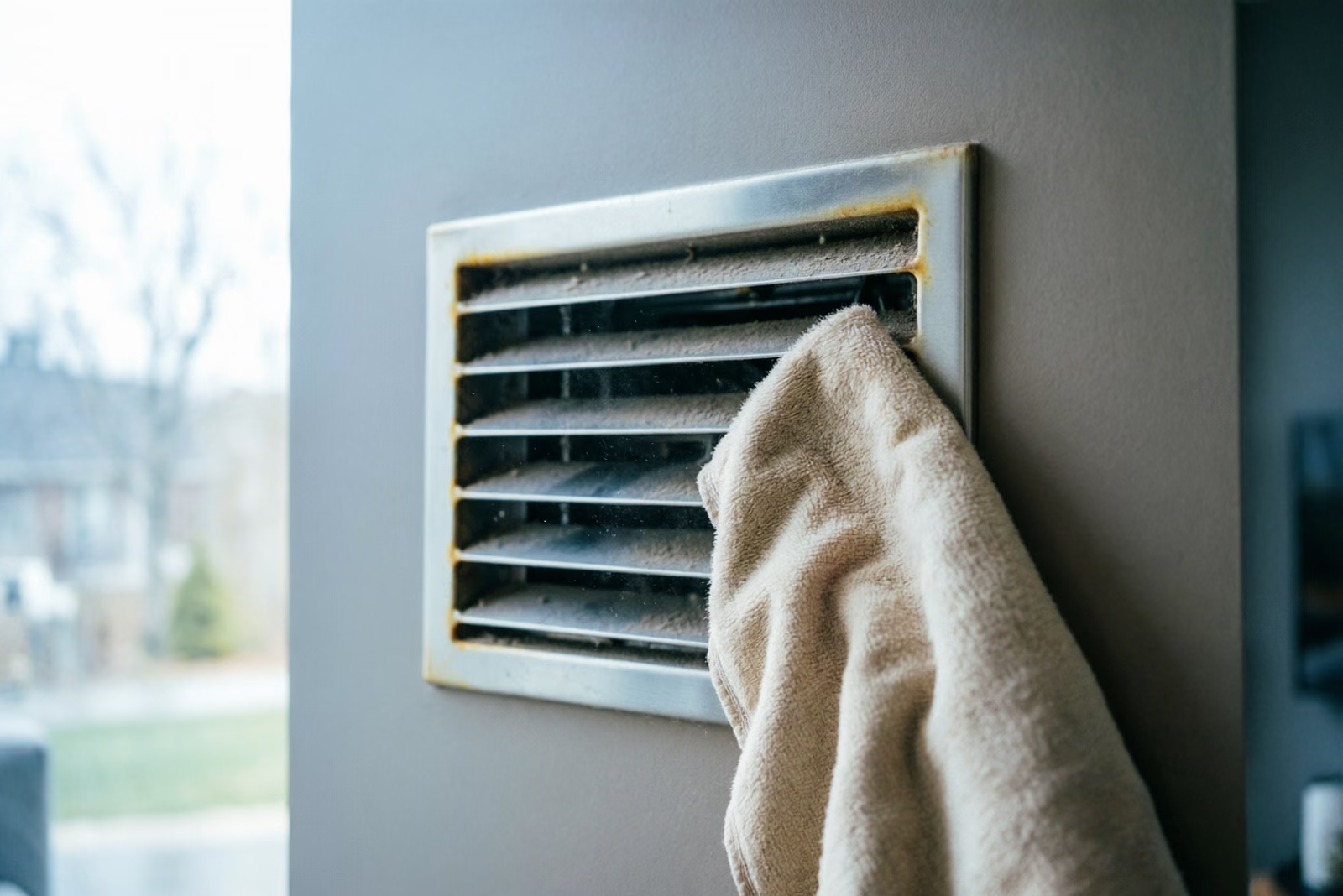
- 01Leaks at joints let conditioned air escape and let dust from the walls, floors and attic get pulled into the airflow.
- 02A poor or overloaded filter lets particles pass straight through the system and back into the rooms.
- 03Unsealed return grilles draw dust from crawl spaces, attics and unfinished areas.
- 04Debris that settles in the ducts, from renovation dust to years of build-up, is stirred up every time the fan turns on.
- 05Supply vents close to floors and walls blow a constant, gentle stream that keeps fine dust circulating.
Once that loop is in place, dust stops being something you clean once and starts being something the house produces, which is exactly the frustration so many homeowners describe.
What Is Actually Sitting in Your Ducts
When a professional opens up a neglected duct system, the contents are rarely dramatic, but they are persistent. Fine dust coats the interior surfaces, and mixed into it are fabric fibres, pet hair and dander, pollen, skin cells and, in older homes, insulation fragments and construction debris. Where moisture has entered, there can be mould growth on the surfaces inside the ducts.
The important thing to understand is that most of this build-up is harmless at rest. The problem is not what sits in the ducts; it is what gets blown out of them. Every time the system runs, the airflow picks up fine particles from the duct walls and delivers them to your rooms, and that is the loop behind the recurring dust.
How Duct Cleaning Works (and When It Helps)
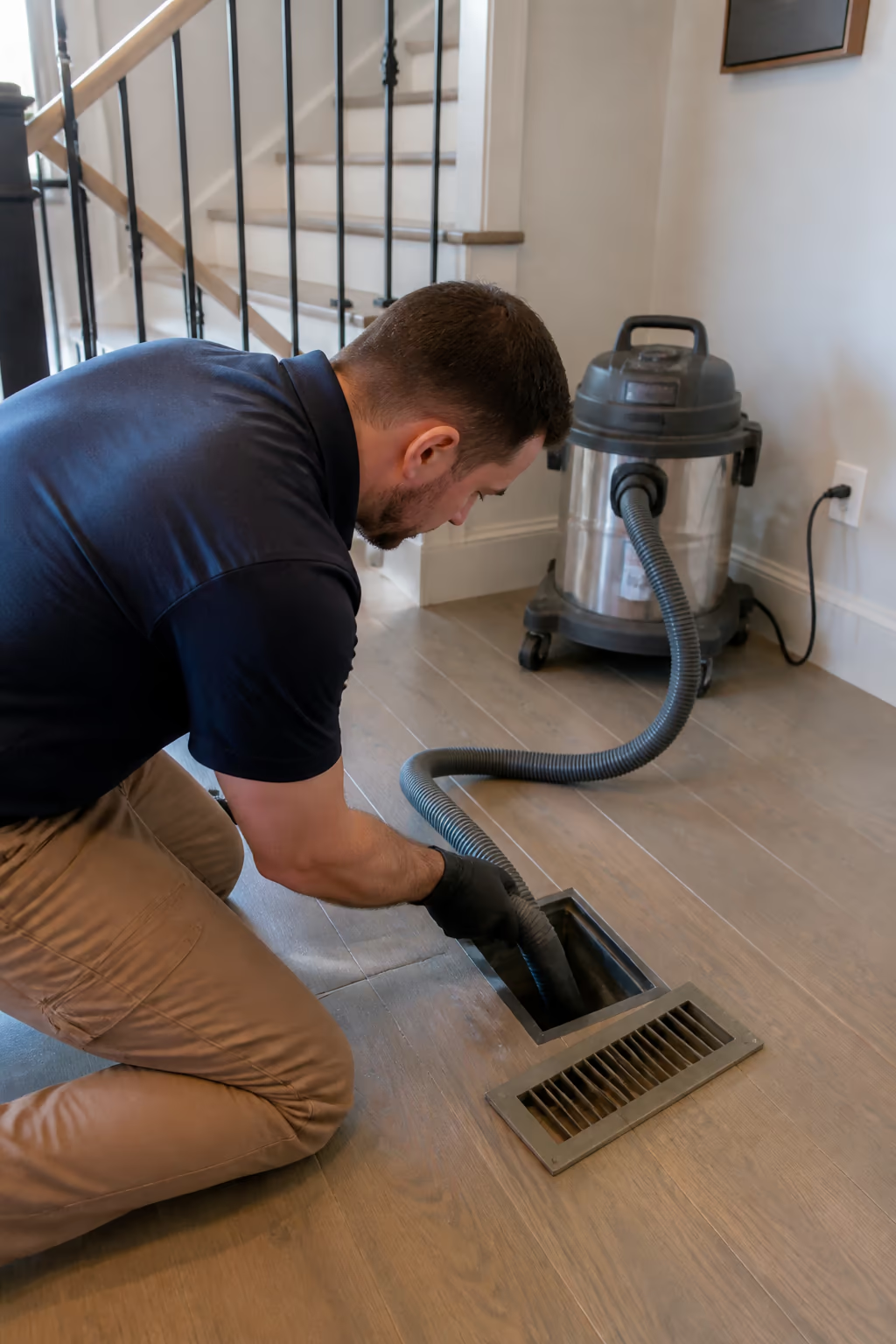
Professional duct cleaning uses specialised equipment to remove the build-up from the inside of the ductwork. The standard method combines agitation with strong suction: a technician brushes or agitates the interior surfaces while a high-powered vacuum, connected at the furnace or a main opening, pulls the loosened debris out of the system rather than letting it settle back into the rooms.
Duct cleaning genuinely helps when there is real debris to remove. After a renovation, when sawdust and drywall dust have been drawn into the system, cleaning clears what a filter never will. For a home with years of build-up, pet dander or visible dust in the vents, a proper cleaning can noticeably reduce how quickly dust settles. The work is done by trained specialists with equipment designed for the job, not by a general household vacuum.
When Duct Cleaning Does Not Solve the Problem
It is just as important to know when duct cleaning is not the answer, because a cleaner duct does not fix a house that stays dusty for other reasons.
- 01If the real problem is an overloaded or low-quality filter, cleaning the ducts will not stop the particles passing through.
- 02If dust comes from poor sealing around windows and doors, or from unsealed return grilles, the ducts are not the culprit.
- 03If the house is simply lived in, with pets, fabric and daily activity, some dust is normal and no amount of duct work removes it.
- 04If you never replace filters, the build-up returns quickly and the cleaning has little lasting effect.
The honest view is that duct cleaning is one tool in the mix. It helps the loop break when the ducts are genuinely dirty, but it is not a substitute for good filters, sensible sealing and regular cleaning of the surfaces where dust lands.
Maintaining Your Duct System
The best way to keep your ducts from becoming the hidden problem is to maintain the system so dust never builds up in the first place. Most of this is simple and cheap.
- 01Change the furnace filter on schedule, and choose a filter with a rating that matches your system and your needs.
- 02Seal obvious leaks at accessible duct joints with the tape and mastic recommended for ductwork.
- 03Keep supply vents and return grilles clear of furniture, rugs and curtains so air moves freely.
- 04Vacuum the vents and grilles when you clean, so visible dust does not get pulled back in.
- 05Check for dampness or condensation around ducts, since moisture is what supports mould.
- 06After a renovation, consider a professional duct clean rather than living with the debris.
Filters deserve special attention. A higher-rated filter captures more of the fine particles that otherwise pass through, which is the single most effective step most homeowners can take to cut the dust the system spreads. Just confirm the higher rating does not restrict airflow too much for your furnace.
Duct Care Through the Ottawa Seasons
Canadian winters put the duct system to work. From late November to March, the furnace runs almost constantly, pulling in the salt, sand and grit tracked through entryways and pushing dry air through the whole house. That constant airflow is also what keeps fine dust moving, which is why the film on your shelves seems worse in winter.
When the seasons turn, the system changes its workload. In spring, pollen and humidity arrive with open windows; in summer, the air conditioning runs and pulls in its own share of outdoor particles; in fall, leaves and the first cold snaps switch the system back to heating. The practical rhythm is to replace or clean the filter at the change of seasons, vacuum the vents and grilles at the same time, and schedule a professional duct inspection whenever you notice a new dust problem or after a major project.

DIY vs Professional Duct Cleaning
DIY
There is a difference between keeping a duct system clean and cleaning it thoroughly. The maintenance tasks above, changing filters, sealing leaks, vacuuming vents, are well within a homeowner's reach and do the most for the everyday dust level.
Professional
A professional duct clean is a different job. It reaches the interior surfaces of the ductwork that no household vacuum can reach, uses agitation and negative pressure to remove built-up debris, and checks the condition of the system while it is open. It is the right call after a renovation, for years of neglected build-up, or when dust in the vents and musty odours point at the ducts. A professional who is trained, with equipment designed for ductwork, is the difference between a real clean and a surface treatment.
What You Need Before You Start
If you suspect your ducts are behind the dust, work through these steps before you spend on professional cleaning.
- 01Change the furnace filter and note whether the dust level changes.
- 02Vacuum the supply vents and return grilles and check what comes out of them.
- 03Check for visible dust, debris or debris trails inside the accessible duct openings.
- 04Inspect duct joints for leaks and seal the ones you can reach.
- 05Look for dampness, condensation or a musty smell around the system.
- 06Have a professional inspect and quote only after the easy steps have been done.
Doing this first means you clean the ducts that need it and skip the ones that do not, and it gives a professional a much clearer picture when you do call.
Common Mistakes and How to Avoid Them
Homeowners repeat a handful of mistakes when they are chasing dust back to its source.
- 01Blaming the cleaning routine and deep cleaning rooms over and over without checking the vents.
- 02Leaving a neglected filter in place and then paying to have the ducts cleaned.
- 03Choosing duct cleaning before replacing filters, sealing leaks and checking for other causes.
- 04Expecting a single duct clean to end all dust in a busy home with pets and fabric.
- 05Hiring an unqualified cleaner who stirs up dust without proper negative-pressure equipment.
- 06Ignoring dampness around the ducts, which is the root of mould problems.
Each of these sends money or effort in the wrong direction. When the right steps are done in the right order, the dust problem becomes manageable and the cleaning budget is spent where it actually works.
Costs, Timing and When to Call a Professional
The cost of professional duct cleaning depends on the size of the home, the number of vents, the length of the ductwork and whether the system is easy to reach, so typical ranges vary with the market and the job. The same job in a compact condo differs from a large family home with a complex layout, and quotes should be based on an inspection of the actual system rather than a fixed price over the phone. The same dust-circulation problem shows up in offices and multi-tenant buildings, where our janitorial services team folds vent and surface care into routine building maintenance.
Timing matters too. Schedule duct work at a change of season, when the system switches between heating and cooling, and do it before or after a renovation rather than years after the dust has settled. If your vents show heavy dust, your filter changes are on schedule and the film still returns fast, that is a clear signal to bring in a professional. Good Cleaner Co. If you are comparing providers, our guide to comparing commercial cleaners is a useful starting point for the questions that matter, and the same standards of transparency, training and equipment apply to residential home care.
Formatted Step-by-Step Dust Control Checklist
Use this checklist to break the dust cycle in a forced-air home.
- 1.Change the furnace filter and vacuum the supply vents and return grilles.
- 2.Seal accessible duct joints and keep vents and grilles clear of furniture and fabric.
- 3.Check for debris, dampness and musty odours around the duct system.
- 4.Clean the surfaces where dust lands, working from high to low.
- 5.Review the filter rating and the seasonal routine as the system switches between heating and cooling.
- 6.For the rooms where dust still settles fastest, and for the thorough clean a busy schedule leaves little time for, reviewing our residential cleaning visits in Ottawa provides a trained team for professional upkeep.
FAQ
Can ducts really make a house dusty?
Yes. In a forced-air home, the duct system moves air and dust through every room, and dust settled inside the ducts gets blown out whenever the fan runs. If the filter is poor and the ducts are dirty, that loop keeps reintroducing dust.
How do I know if my ducts are the problem?
Look for dust that appears most heavily near the supply vents, grey streaks on the grilles, a musty smell when the system starts and allergy symptoms that feel worse at home. These signs point at the ductwork, especially if the dust returns quickly after cleaning.
Does duct cleaning actually reduce dust?
It does when there is real debris to remove, such as after a renovation or years of build-up. It does little if the real problem is a poor filter, poor sealing or everyday living, so it is one tool in the mix rather than a cure-all.
How often should ducts be cleaned?
There is no fixed schedule that suits every home. Clean after a renovation, whenever visible debris sits in the vents, or when dust and odours point at the ducts. For most homes, good filters and maintenance matter more than frequent duct cleaning.
What is the best filter for a dusty house?
A filter with a higher rating that captures more fine particles, chosen to match your system so it does not restrict airflow. Replacing it on schedule does more to cut dust than almost any other single step.
Can I clean my own ducts?
You can maintain them, by changing filters, sealing leaks and vacuuming the vents and grilles. Reaching inside the ductwork to remove built-up debris needs a professional with proper equipment, so the deep clean is best left to trained specialists.
Is duct cleaning worth the cost?
It is worth it when the ducts genuinely need it, after a renovation or with heavy build-up. The cost varies with your home and the job, so get an inspection-based quote and weigh it against what you would keep spending on dust alone.
Do pets make duct dust worse?
Pets add dander and hair to the dust that settles in the system, which can make the loop more noticeable. A good filter, regular vacuuming and seasonal duct care keep pet-related dust under control.
Wrapping Up
A dusty house is rarely a sign that you are cleaning badly; more often, your duct can be the hidden problem, quietly circulating the same fine particles through every room. The fix starts with the simple things: a filter changed on schedule, vents kept clear, accessible leaks sealed and a professional clean at the moments it actually helps. Combined with regular cleaning of the surfaces where dust lands, the loop breaks and the film stops returning within days. For the rooms that still need a thorough, reliable clean, a professional team keeps your home truly dust-free. Contact Good Cleaner Co. for a free quote and a cleaning plan tailored to your home. Houses that turned dusty right after building work are a different case: post-construction cleaning in Ottawa clears the drywall dust a renovation leaves behind before the system spreads it further.
Keep reading
More from Good Cleaner
Services that fit
- Residential Home Cleaning Services in OttawaRecurring home cleaning services in Ottawa for one-time, weekly, biweekly and monthly care, built around your schedule and your standards.
- Janitorial Services in OttawaRecurring janitorial services for offices, warehouses, retail, dealerships and schools, with eco-friendly commercial cleaning and customized plans.
About the author
Service areas
- Ottawa
- Kanata
- Nepean
- Orléans
- Barrhaven