
How To Get Rid Of Bed Bugs Quickly
Finding a bed bug is stressful, but how you respond in the first few days makes the biggest difference. Acting fast contains the problem while it is small, protects the rest of the home and sets up a proper treatment to actually work. This guide covers the quick-response steps to take right now and when to bring in the licensed professionals who can finish the job.
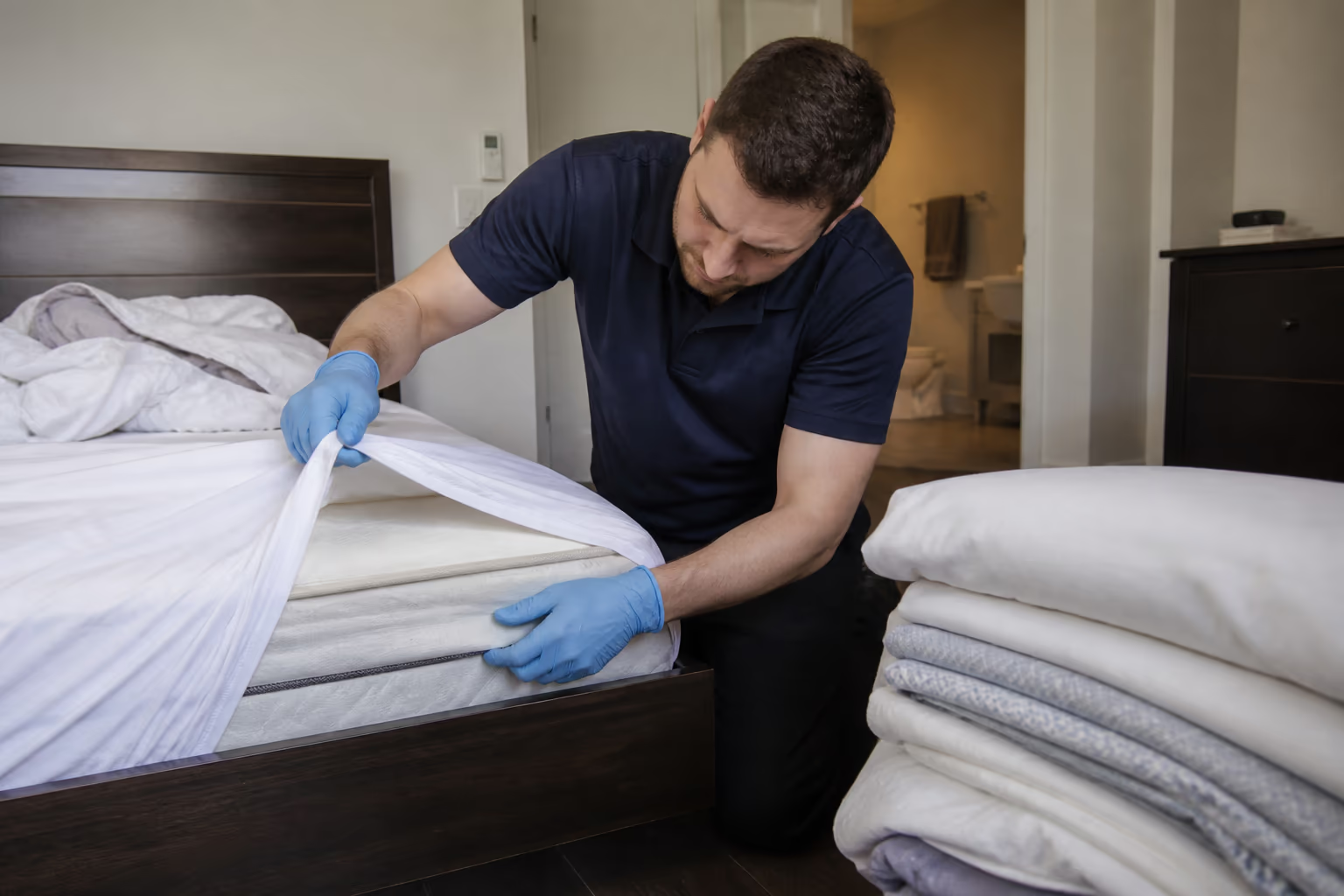
Quick Summary
Acting within the first few days of finding a bed bug contains the problem while it is small and protects the rest of the home. This guide covers quick-response steps like containing the bedroom, laundering and heat-treating items, vacuuming and sealing cracks, plus when to bring in licensed pest professionals.
In this guide
Why Speed Matters With Bed Bugs
Bed bugs are slow-moving insects, but they are efficient at spreading through a home. They hide close to where people sleep and rest, they travel on luggage, clothing and furniture, and a small number found early can grow into a much larger problem if nothing is done.
- Bed bugs spread one room at a time, so containing the affected room early stops the movement.
- The longer they are left, the more hiding places and the harder the treatment.
- Acting fast keeps the problem from reaching mattresses, sofas and neighbouring rooms.
- A quick response also protects guests, roommates and shared walls in apartments.
The arithmetic explains the urgency. Health Canada's bedbug guidance reports that a female lays at least 200 eggs in her lifetime at a rate of about two to four a day, and that those eggs usually hatch in 6 to 17 days. Health Canada describes them this way: “Bedbugs are small, wingless insects that feed on the blood of people and animals while they sleep.”
Speed is not panic. The goal of a quick response is to stop the spread and prepare the room for treatment, which is a job you can start today even before a professional arrives.
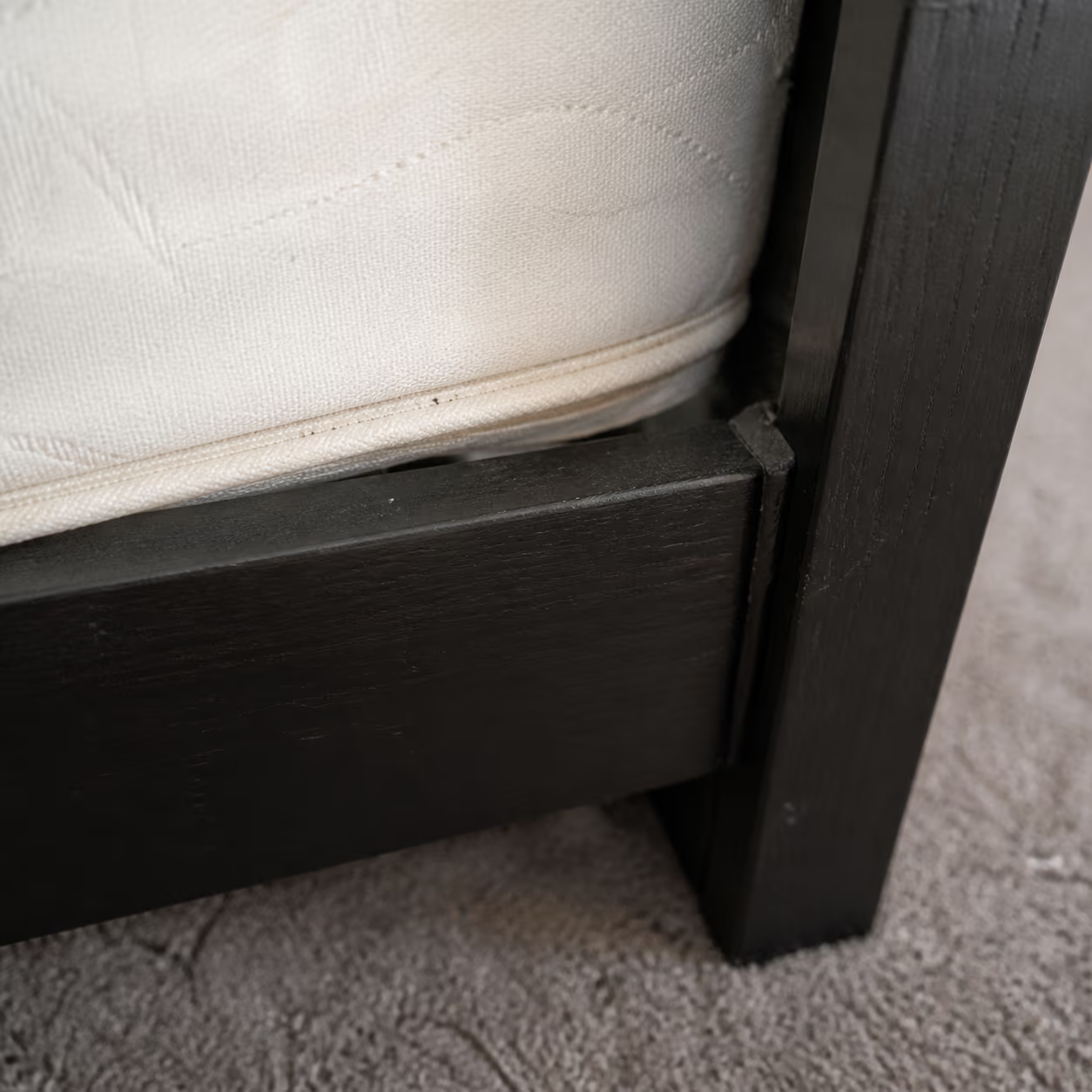
How Bed Bugs Get Into a Home
Bed bugs are excellent hitchhikers, and they usually arrive with people and belongings rather than appearing out of nowhere. Knowing how they travel helps you spot the risk before it becomes a problem.
- Used furniture and mattresses are the most common way bed bugs enter a home.
- Luggage, bags and clothing picked up on travel can bring them back with you.
- Guests and visitors can carry them in from another infested location.
- In apartments, bugs move between units through walls, pipes and shared spaces.
Once you know the usual entry points, you can inspect used furniture, unpack luggage away from the bed and check shared spaces in an apartment. The same habits that prevent them also help you catch a problem early.
First, Confirm It Is Actually Bed Bugs
Before you throw anything out, confirm what you are dealing with. Bed bugs are often confused with other insects and with skin reactions that have nothing to do with bugs, and a false alarm is common.
- Look for live bugs, which are small, flat and brownish, about the size of an apple seed.
- Check the mattress seams, box spring, headboard and baseboard edges for dark spots or tiny shed skins.
- Inspect folds in bedding and the area behind the headboard, where they hide during the day.
- Keep any bug you find in a sealed container so a professional or your landlord can identify it.
If you are unsure, a photograph or a sealed specimen helps an expert confirm it quickly. Do not start ripping up the room until you know what you are chasing.
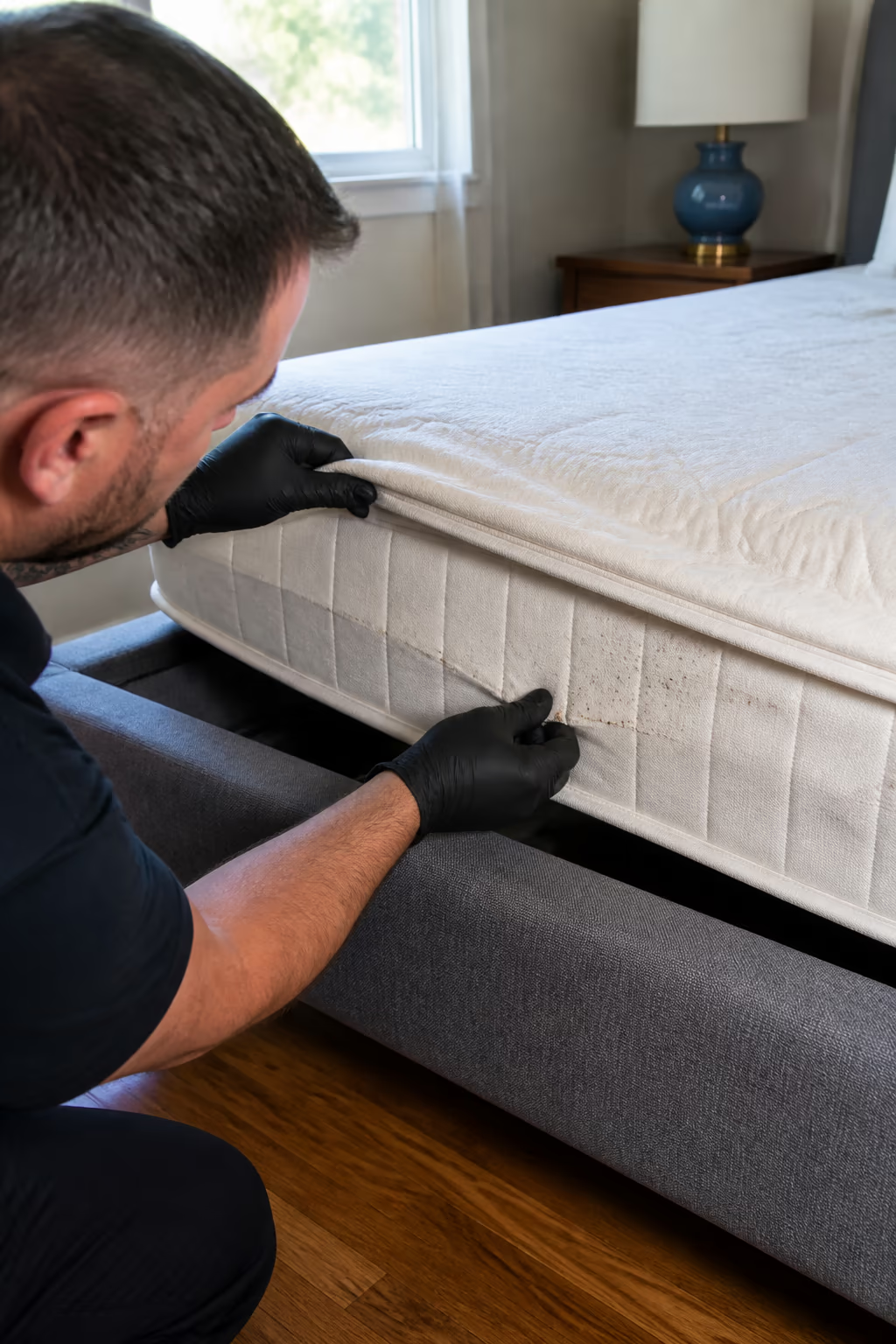
Contain the Bedroom Right Away
Your first move is to stop the bugs from travelling. That means isolating the bed and reducing the places they can hide, not a frantic full-house clean.
- Move the bed away from the wall so bedding does not touch the floor.
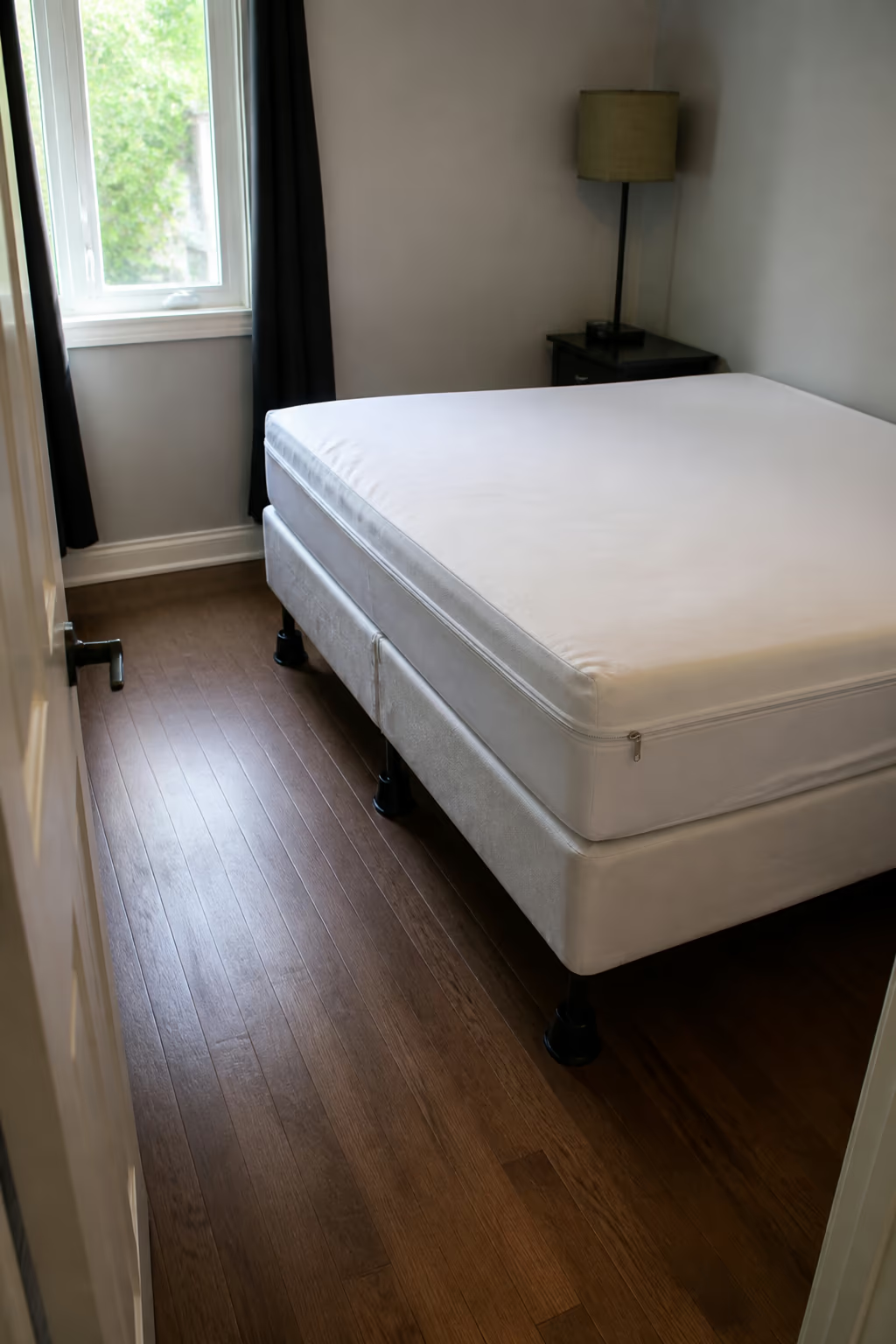
- Fit the mattress and box spring with zippered, bed bug rated encasements, which trap bugs inside.
- Pull bedding off and launder it, and keep the frame and bed area clear.
- Reduce clutter around the bed so there are fewer hiding places and easier inspection.
- Keep clothes off the floor and store them in sealed bags until the room is treated.
Containment does not make the problem go away, but it buys time, keeps the bugs from spreading and makes the room far easier to treat.
Launder and Heat-Treat What You Can
Heat is one of the most reliable ways to deal with bed bugs on fabric, and your dryer can do it. Anything washable that may have been near the bed should go through a hot wash and a long, hot dry cycle.
- Remove all bedding, pillowcases, mattress pads and blankets from the room.
- Wash them in hot water, then dry them on the hottest safe setting for a full, long cycle.
- Treat pillows, stuffed toys and cushions the same way if the fabric allows it.
- Use a lint-free bag for items that cannot be washed but can be dried.
- Set the clean items aside in sealed bags so they do not come back into contact with the room.
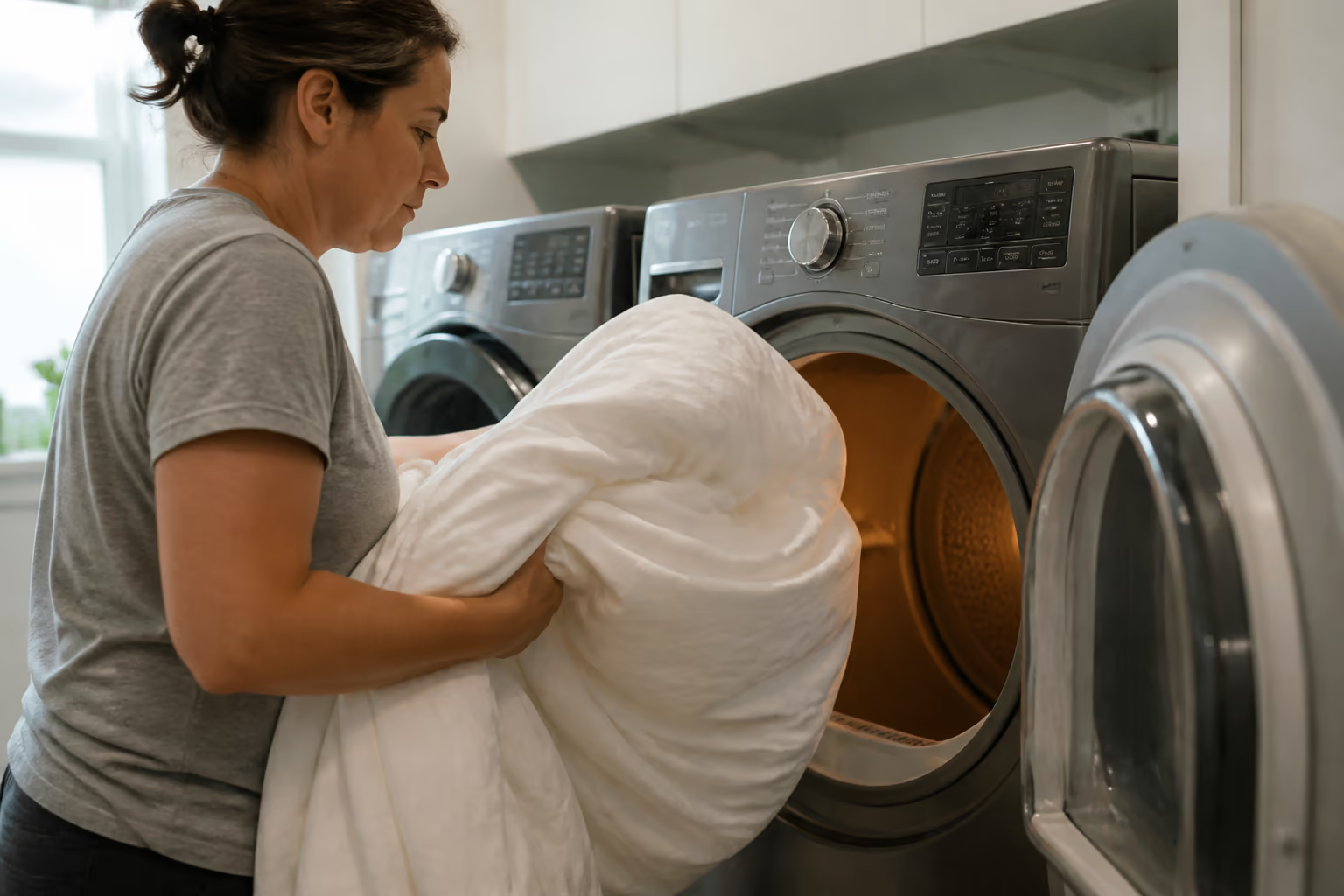
Heat treatment in the dryer is a strong DIY step, but it only covers fabric you can process. It does not reach the bugs hiding in the bed frame, walls or furniture, which is where the professional treatment comes in.
Vacuum Methodically
Vacuuming removes bugs, eggs and debris from the surfaces a professional will treat, and it gives you a clearer picture of where the problem sits. It must be slow and thorough to work.
- Vacuum the mattress seams, tufts and edges, and the box spring, if it is not already encased.
- Move along the bed frame, headboard, baseboards and the floor near the bed.
- Empty the vacuum into a sealed bag and throw it away outside the home.
- Repeat the vacuuming each time you work in the room, not just once.
- Pay extra attention to seams, cracks and corners, where bugs collect.
Vacuuming is a control measure, not a cure. It reduces numbers and clutter for treatment, but the cracks and voids the vacuum cannot reach are exactly where the licensed professional steps in.
Seal Cracks and Reduce Hiding Places
Bed bugs hide in tiny spaces, and the fewer of those there are, the easier the job. Sealing and de-cluttering make the room treatable and harder for bugs to survive.
- Caulk or seal cracks in the baseboards, around the bed frame and along the wall.
- Pull the bed away from the wall and keep it clear of furniture that touches it.
- Move clutter off the floor, out of closets and away from the bed.
- Store belongings in sealed bins or bags until treatment is finished.
- Fix loose wallpaper or panels where bugs can hide behind the surface.
A room with fewer hiding places takes less product, gives the treatment better coverage and is easier to check after, so the effort you put into sealing pays off in the result.
What a Licensed Pest Professional Does
Complete elimination of bed bugs almost always needs a licensed pest control professional. That is not a failure of your cleaning; it is simply how bed bug treatment works, because the bugs hide in places cleaning and DIY products cannot reliably reach.
- A licensed professional inspects the whole unit, not just the visible areas.
- They use Health Canada registered pest control products and apply them according to the label.
- They combine products, vacuuming and follow-up visits to cover the bug's full life cycle.
- They tell you exactly how to prepare the room before each treatment.
- They return to verify the treatment worked and treat again if needed.
Using unregistered or off-label products can be ineffective and unsafe. The registered products and methods that reliably solve bed bugs are reserved for licensed applicators, which is why the professional step is not optional for a thorough result.
Prep and Cleanup Around the Treatment
Cleaning does not kill bed bugs, but it is essential support. A clean, decluttered, sealed room lets the professional treatment reach every hiding place, and proper cleanup afterwards keeps the home comfortable and safe.
- Follow the professional's prep list exactly, including laundering, encasing and decluttering.
- Vacuum after treatment as directed, and keep the encasements on the mattress and box spring.
- Wipe hard surfaces with a mild cleaner to remove debris and dust, not to replace the treatment.
- Keep the room organized so follow-up inspections are quick and clear.
- Protect freshly treated surfaces from recontamination until the follow-up visit.
Think of cleaning as the partner to the treatment, not the treatment itself. The professional handles the bugs; your prep and cleanup make their work possible.
Stop the Spread to Other Rooms
While you treat the main area, the goal is to keep bed bugs from moving into the rest of the home. The bugs travel with belongings, so control the movement, not just the bedroom.
- Keep the affected room closed and reduce traffic in and out of it.
- Do not move bedding, clothing or furniture out of the room until treatment is done.
- Launder and dry anything you carry out before it touches another room.
- Check the seams of sofas and chairs near the bedroom, and vacuum them.
- In an apartment, tell your landlord, because units share walls and the problem may be wider.
Bed bugs do not respect room boundaries, so every item you move is a chance for them to travel. Keep things in place or sealed, and the problem stays contained.
Talking to Your Landlord or Property Manager
In an apartment or rental, dealing with bed bugs is a shared job. Most leases and provincial rules put the treatment responsibility on the landlord, so the sooner they know, the sooner the whole building can be addressed.
- Tell your landlord or property manager as soon as you confirm the problem.
- Ask who is responsible for inspection, treatment and follow-up.
- Coordinate so all affected units are checked, not just yours.
- Keep a record of the dates, communications and treatments.
- Do not hide the issue, because it spreads to neighbours and makes the job larger.
Building-wide problems need building-wide coordination. A landlord who is informed early can bring in the licensed professional for the whole unit, and your quick response gives them the head start the situation needs.
Formatted Step-by-Step Bed Bug Quick Response Checklist
Use this checklist to respond fast and set the room up for a successful treatment.
- Step 1.Confirm the problem by finding and identifying a bug before you take action.
- Step 2.Contain the room by encasing the mattress and box spring and pulling the bed away from the wall.
- Step 3.Launder all bedding and clothing in hot water and dry on the hottest safe setting.
- Step 4.Vacuum seams, edges and baseboards methodically, and seal the vacuum contents.
- Step 5.Declutter and seal cracks so the professional treatment can reach every hiding place.
- Step 6.For deep cleaning and support around the whole home while you address the issue, review our house cleaning options in Ottawa to see how a professional team can help.
Common Mistakes When Acting Fast
The rush to fix a bed bug problem quickly leads to mistakes that make it worse.
- Throwing out furniture too fast is the most common one. Discarded beds and sofas spread the problem and are hard to replace; keep the furniture, encase and treat it, and let the professional decide if anything truly needs to go.
- Using off-label sprays is the second. Unregistered products, foggers and home mixtures rarely solve bed bugs and can push them deeper into hiding, making the real treatment harder.
- Moving belongings out too early is the third. Items carried to another room carry bugs with them, so nothing should leave the room until it is laundered, dried or sealed.
- Skipping the follow-up is the fourth. Bed bugs survive across a life cycle, so a single treatment is rarely enough. The follow-up visit is what actually finishes the job.
How Good Cleaner Co. Supports Ottawa Homes
When a household in Ottawa is dealing with bed bugs, cleaning and pest control work as a team. Good Cleaner Co. supports the professional treatment with the cleaning and prep that make it possible.
- Our cleaners follow the professional's prep list, including laundering, vacuuming and decluttering.
- We do not attempt extermination; licensed pest control professionals handle that, and we support their plan.
Pest control and cleaning are different trades. We keep the home clean, organized and ready while a licensed professional handles the elimination, which is the honest division that produces a real result.
Businesses facing the same problem in a shared workspace can lean on our office cleaning services Ottawa team for the cleaning and prep side, while a licensed pest professional manages the treatment.
Keeping Your Guard Up After Treatment
Once the treatment is done, a little vigilance keeps the problem from returning.
- Keep the mattress and box spring encased, because encasements protect the bed for years.
- Check the seams and edges of the bed and nearby furniture now and then.
- Inspect luggage and clothing after travel before they enter the bedroom.
- Vacuum the bedroom regularly and keep clutter around the bed low.
- Report any new signs to the professional quickly rather than waiting.
Bed bug problems are solved with treatment plus vigilance. The encasements and habits you keep afterwards are what stop a one-time problem from coming back.
The same ongoing vigilance helps with other persistent bedroom pests, and our guide on how to get rid of dust mites naturally covers similar fabric-care habits worth adding to the routine. If a lingering smell is part of the concern as well, our guide on how to get rid of smoking odor walks through the same source-first approach to odour control.
When to Call a Professional
If you find bed bugs, the professional call is not a last resort; it is a first step done in parallel with your quick response. You should also call for cleaning support in several situations.
- You want the professional treatment prepared and supported by a full cleaning of the affected areas.
- The home needs a deep clean before or after treatment, including fabric care and decluttering.
- You are managing a rental or a property and need consistent, documented cleaning between treatments.
- You want trained staff using certified products and a documented process for the whole home.
When you compare cleaning providers, ask what is included, what products they use and how they coordinate with pest control. If you are comparing options for your home or a property you manage, our guide to choosing a commercial cleaning company is a useful starting point for the questions that matter.
FAQ
Can I get rid of bed bugs on my own?
You can contain them, launder fabric, vacuum and prepare the room, which matters a lot. Complete elimination usually still needs a licensed pest control professional, because the bugs hide in places DIY methods cannot reach.
Does vacuuming kill bed bugs?
Vacuuming removes bugs, eggs and debris, which helps a lot, but it does not reliably eliminate an infestation by itself. Think of it as preparation for the professional treatment, not the cure.
Will a dryer kill bed bugs on clothing?
A long, hot dry cycle is one of the most reliable home methods for fabric, because heat deals with all life stages of the bug. It only covers what goes in the dryer, so the bed, walls and furniture still need the professional treatment.
Should I throw out my mattress?
Usually not. Encasements seal the mattress and box spring, and a licensed professional can treat them. Throwing furniture out early often spreads the problem and rarely solves it.
How fast do bed bugs spread?
Bed bugs move one hiding place and one room at a time, and they travel on belongings. The spread is faster when items are moved around, which is why containing the room and controlling movement matters.
Is it safe to use over-the-counter bed bug sprays?
Most over-the-counter sprays and foggers are ineffective on their own and can drive bugs deeper into hiding. Use only products a licensed professional applies, or follow their guidance on prep.
Do I need to clean the whole house if bed bugs are in one room?
Cleaning supports the treatment, but the focus is the affected room and the areas next to it. A professional inspection tells you the real scope, and cleaning that supports their plan is the effective approach.
How do I know if it is a bed bug or a carpet beetle?
Bed bugs are flat, brownish and hide near where people sleep, while carpet beetles are rounder, often patterned and feed on fabric. A photograph or a sealed specimen shown to a professional gives you a certain answer.
Can bed bugs live on pets?
Bed bugs prefer humans and do not live on pets the way fleas do, though they can bite them. Treating the home and bedding is the focus, and your veterinarian can advise if a pet shows bites.
Wrapping Up
Getting rid of bed bugs quickly is really about acting early and correctly: confirm the problem, contain the room, launder and vacuum what you can, declutter and seal, and bring in a licensed professional to finish the job. Cleaning and prep make their work possible, but the elimination is their trade. Respond fast, keep things contained, and let the right people do the right job, and the problem gets solved rather than moved around.
Keep reading
More from Good Cleaner
Services that fit
- House Cleaning Services in OttawaHouse cleaning services in Ottawa for one-time, weekly, biweekly, and monthly home care, with customizable cleaning and eco-friendly options.
- Janitorial Services in OttawaRecurring janitorial services in Ottawa for offices, warehouses, retail, dealerships and schools, with eco-friendly commercial cleaning and customized plans.
About the author
Service areas
- Ottawa
- Kanata
- Nepean
- Orléans
- Barrhaven