
Innovative Office Cleaning Technologies
The days of the mop-and-bucket office clean are not gone, but they have changed. Cleaning technology has moved quickly, and offices now have access to tools that did not exist a decade ago: robots that scrub floors, electrostatic sprayers that coat surfaces in disinfectant, sensors that track when a washroom actually needs attention, and air purification systems that work while people sleep. The question is which of these technologies genuinely help, and which are hype. In this guide we look at what should i know about innovative office cleaning technologies? in a practical sense, and how a professional team uses them to deliver a cleaner, healthier office.
Quick Summary
Office cleaning technology now includes floor-scrubbing robots, electrostatic disinfectant sprayers, UV-C light, touchless sensors and air purification systems, though not every tool is worth adopting. This guide explains which technologies genuinely improve a cleaner, healthier office and how a professional team decides what to use.
In this guide
Why Office Cleaning Technology Matters
Technology changes what a cleaning team can achieve in the same number of hours.
The basics of good cleaning have not changed: soil must be removed, surfaces disinfected, and the building maintained on a schedule. But new tools make each of those tasks faster, more consistent, and easier to verify. A robot can scrub a lobby floor while the cleaner attends to the details a machine cannot reach, and a sensor can tell the team exactly which washroom needs service rather than guessing.
That matters for a practical reason. Cleaning is a labour-heavy business, and the hours in a night are finite. Technology lets a team do more with the same time, and it gives the client better information about what was actually done. Pairing the right tools with trained staff is often what makes the best office cleaning service in Ottawa stand out.
- Technology makes cleaning faster and more consistent.
- New tools free staff for the details machines cannot reach.
- Digital tools make the work easier to verify and report.
Automation and Cleaning Robots
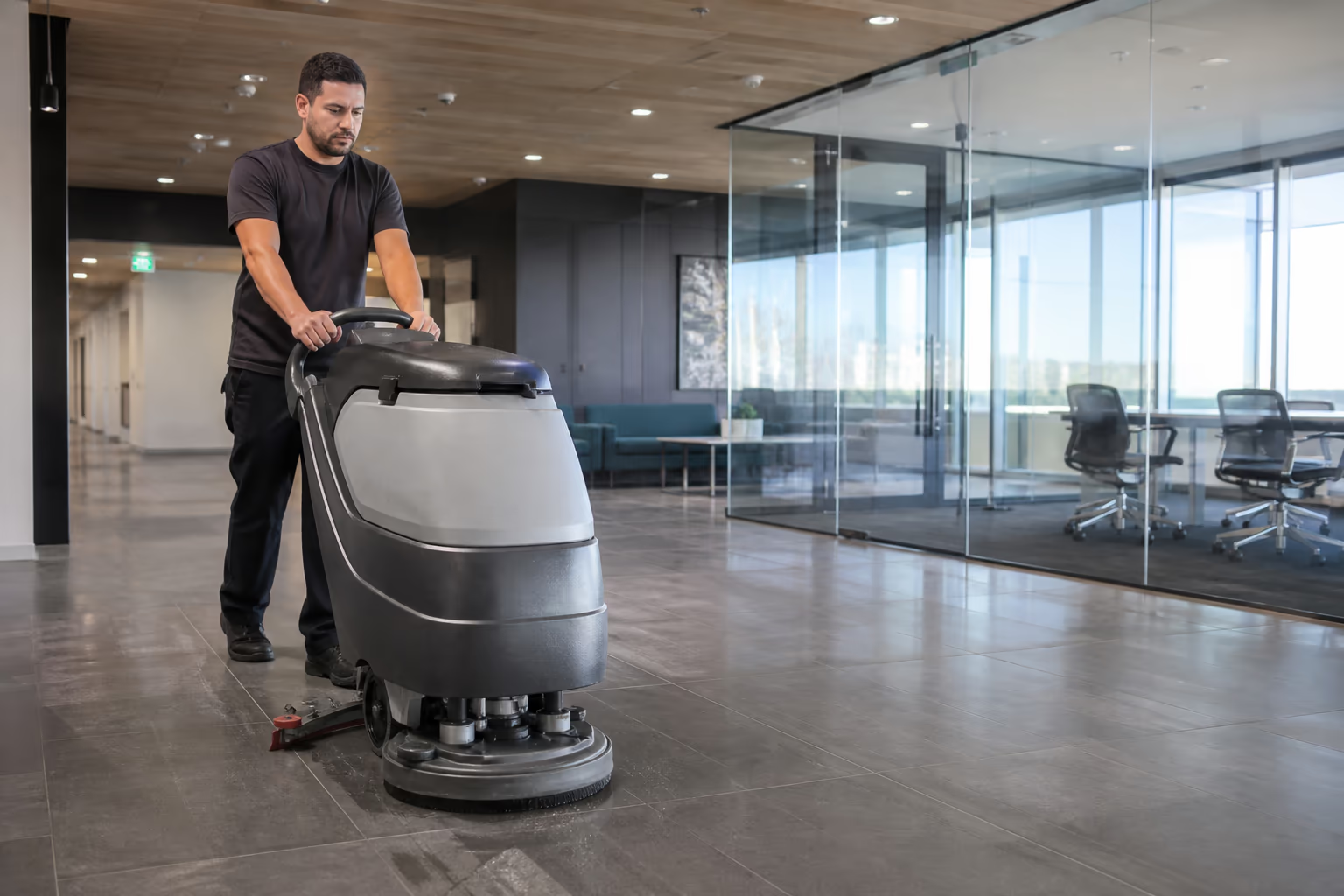
The most visible of the new technologies is the cleaning robot, and the most common in offices is the autonomous floor scrubber.
- Robots excel at large open floors and corridors.
- They map, clean on a path, and recharge themselves.
- Detail work still needs a person.
- Automation frees hours for the tasks that need a human touch.
These machines map a floor, clean it on a set path, avoid obstacles, and return to their dock when the battery runs low. They are at their best on large, open expanses of hard flooring: lobbies, corridors, and open-plan areas that are time-consuming to scrub by hand.
What a robot does not do is the detail work. It will not wipe a door handle, clean a washroom, or clear a spill behind a filing cabinet. The right division of labour is simple: the machine handles the repetitive square footage while the team handles the surfaces, the washrooms, and the finish.
Offices that adopt robots also need to think about the space itself. Cables, clutter, and furniture layout affect how well a machine navigates, so a tidy floor makes the technology work better. That is a small point, but it is the difference between a robot that runs smoothly and one that needs babysitting.
Electrostatic Spraying and Disinfection
Electrostatic sprayers have changed how disinfectant is applied to large areas.
A conventional spray bottle delivers a mist that lands where the nozzle points. An electrostatic sprayer charges the droplets as they leave the wand, so they wrap around surfaces and cling to the fronts, sides, and undersides of objects rather than pooling where they are aimed.
That makes the technology useful for covering a lot of surface quickly, including the hard-to-reach spots that a cloth misses. The disinfectant still needs to dwell on the surface for the time stated on the label, so the technique speeds up application but does not skip the science.
For an office, electrostatic application is most valuable after a deep clean, during an outbreak, or on the frequent-touch surfaces that deserve extra attention. Used properly, it is a genuine improvement; used as a shortcut, it is just a faster way to spray.
UV-C Light Disinfection
UV-C light is a well-established way to kill germs, and portable devices have brought it into the office.
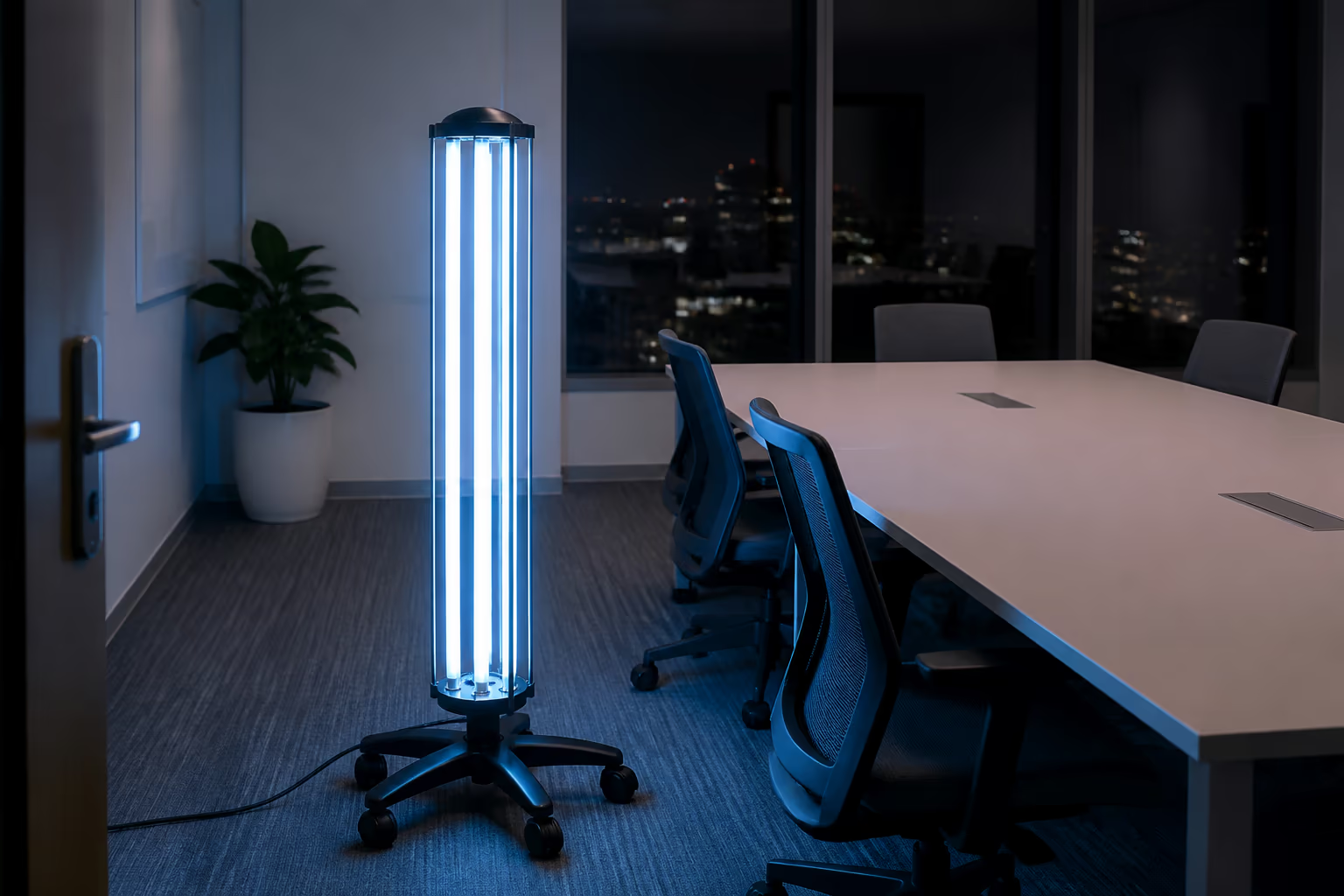
The technology works because UV-C light damages the DNA of microorganisms, leaving them unable to reproduce. Portable units can be used to treat rooms and equipment after cleaning, and they are especially popular for sensitive electronics and shared devices that cannot be soaked in liquid.
There are real constraints. UV-C only treats what the light actually reaches, so shadows protect whatever is behind them, and the room needs to be empty while the unit runs. The device must be used by trained staff because UV-C light is hazardous to skin and eyes.
The honest way to think about UV-C is as a complement to cleaning, not a replacement. It does not remove soil or dust, so the room still needs to be cleaned first, but it adds an extra layer of confidence where infection control matters.
Smart Sensors and Touchless Cleaning
One of the quietest advances is the rise of smart sensors, and they are changing how often offices get cleaned.
- Sensors flag washrooms that actually need service.
- Cleaning responds to demand instead of guesswork.
- Touchless fixtures reduce the surfaces people touch.
- Saved time goes into deeper, more valuable tasks.
Sensors can monitor a washroom and tell the team when the foot traffic has reached the point that service is needed. They can count entries, detect dispenser levels, and flag problems in real time, so the cleaning schedule is driven by demand rather than guesswork.
The result is a more efficient use of staff time. Instead of checking every washroom on a fixed round, the team responds to the spaces that need attention and spends the saved time on deep tasks.
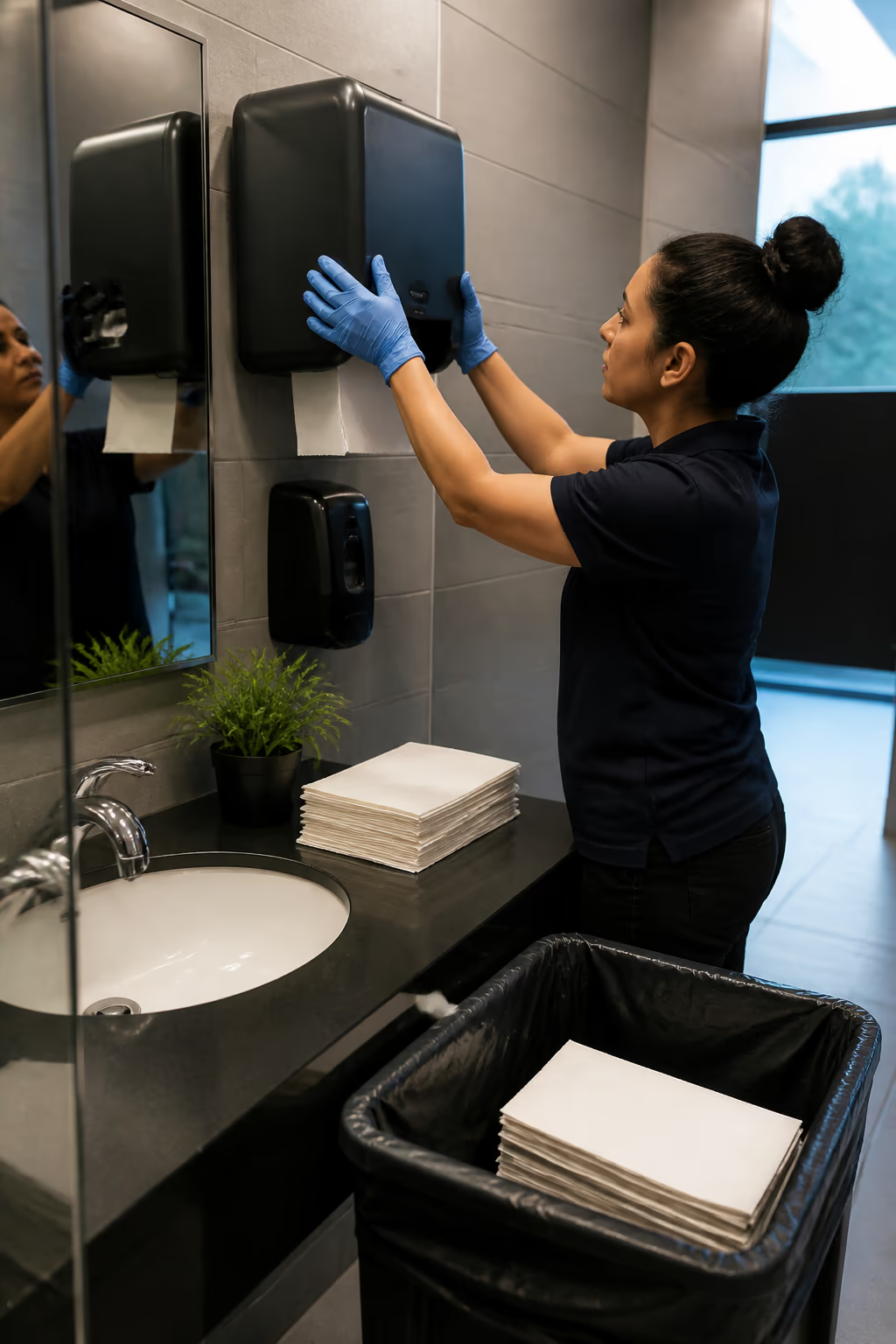
Touchless technology plays a supporting role. Automatic taps, soap dispensers, paper towel dispensers, and door openers reduce the surfaces people touch in the first place, which lowers the spread of germs and makes the washroom easier to keep clean.
Air Purification and Indoor Air Quality
The air in an office is part of the cleaning equation, and air purification technology has improved sharply.
- HEPA and UV systems improve the air people breathe.
- Sealed winter buildings benefit most from purification.
- Air treatment complements, never replaces, surface cleaning.
Before the technology, there is a plainer measure. Health Canada's guidance on fine particulate matter lists cleaning with a mop, a damp cloth or a HEPA vacuum first among the ways to reduce indoor exposure, and adds controlling humidity to prevent mould growth. Health Canada states: “Ventilation can help reduce indoor fine particulate matter levels by removing emissions from indoor sources like cooking.”
The options range from HEPA-filtered purifiers that capture fine particles to systems that use UV light or other methods to treat what passes through. In a sealed Canadian winter building, where windows stay shut and the same air recirculates, improving the air quality has a real effect on how people feel.
Air purification is not a substitute for cleaning surfaces, and it does not remove the soil that must be wiped away. But it complements the surface program by addressing the air people breathe, which is especially valued in offices, clinics, and anywhere the health of occupants matters.
A practical point is that placement and maintenance matter as much as the unit itself. A purifier is only as good as its filters, which need replacing on schedule, and it works best in the spaces people occupy most, such as open-plan areas and meeting rooms. A cleaning team can fold filter checks into its routine so the system keeps performing.
Advanced Materials: Microfibre and Beyond
Some of the most useful innovations are not machines at all but the materials in the hands of the cleaner.
- Microfibre traps dirt instead of pushing it around.
- Colour-coding prevents cross-contamination between areas.
- Newer methods use less chemical and less water.
- EcoLogo marks lower-impact products worth preferring.
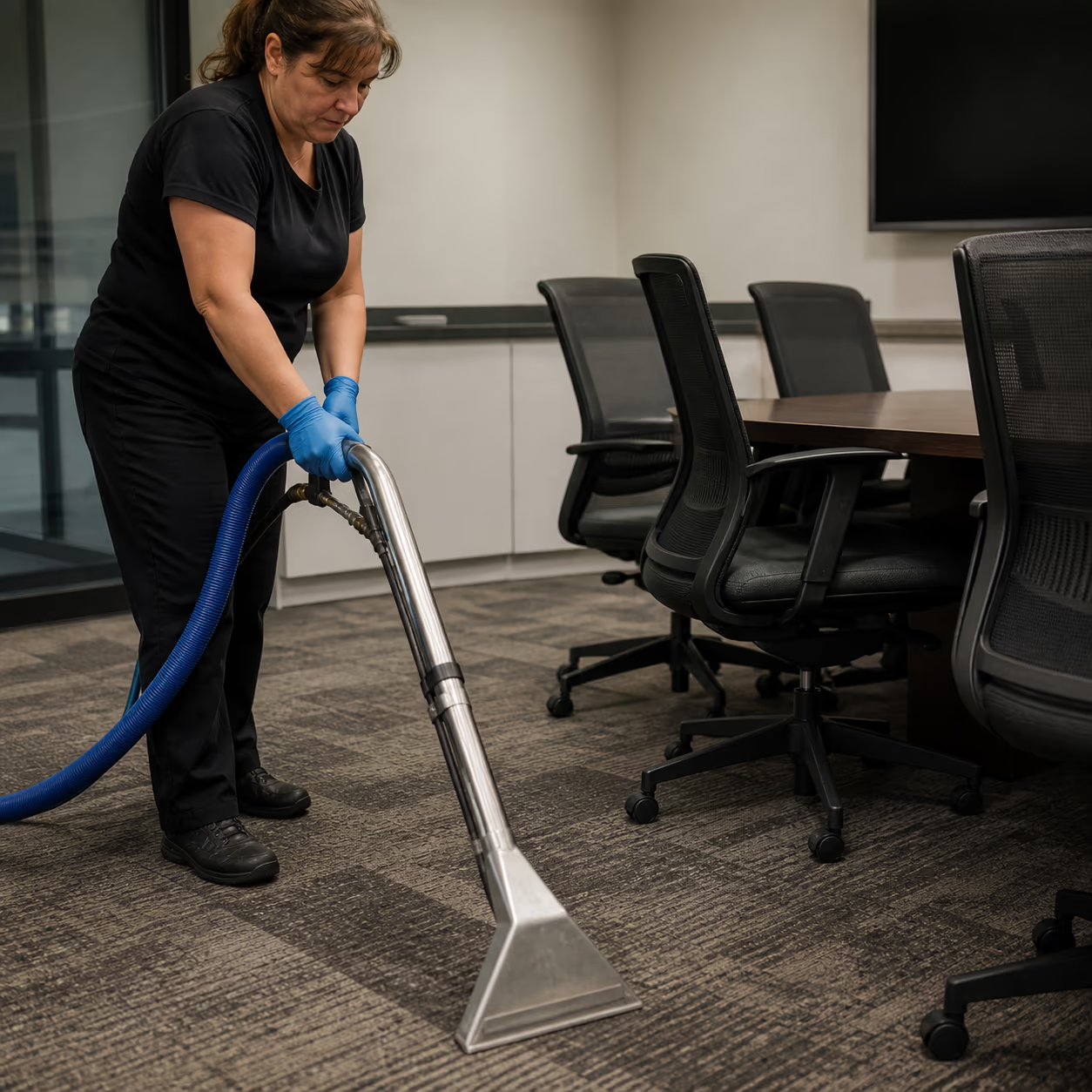
Microfibre cloths are the example everyone knows. Their fine fibres trap and lift dirt rather than pushing it around, and when they are colour-coded by area, they stop a cloth from moving germs from a washroom to a desk. The same logic extends to mops, pads, and applicators designed to work with less water and chemical.
The quiet advance here is a reduction in the chemical load. Newer products and methods let teams achieve the same result with less product and less water, which is easier on cleaners, occupants, and the building alike. Where a recognised certification such as EcoLogo fits, it is a good marker of a lower-impact choice.
Digital Tools and Cleaning Analytics
The other revolution is digital, and it is about knowing what was cleaned and when.
- Digital checklists replace the paper log.
- Clients can see what was cleaned and when.
- Reporting shows where the schedule needs to change.
- Data turns cleaning into a measured operation.
Modern cleaning teams use apps and checklists on a phone or tablet, so the documented process replaces the paper log. Staff check off each task as it is done, a supervisor reviews the results, and the client can see a record of the work without asking.
That data has a second use. Patterns in cleaning reports show which areas need more attention, which times of day are busiest, and where the schedule should change. It turns cleaning from a chore into a measured operation.
What Technology Does and Does Not Replace
With all the tools available, it is worth being clear about the line between technology and people.
- Technology delivers repetition, coverage, and data.
- People deliver judgement, observation, and care.
- The best offices combine both well.
Technology is excellent at repetition, coverage, and data. It scrubs the same floor the same way every night, applies disinfectant evenly across a large room, and records what was done. Those are exactly the tasks that a tired human performs inconsistently.
What technology does not do is judgement. It will not notice that a door handle is sticky, that a smell is coming from a particular corner, or that a client's space needs a different treatment this week. Those observations come from a trained cleaner who knows the building.
A Canadian Perspective on Cleaning Technology
There are a few Canadian realities that shape how office cleaning technology is adopted.
- Winter salt and slush still need a daily people task.
- Canadian disinfectants carry a Health Canada DIN.
- WHMIS 2015 rules apply to new tools and products.
- Compliance travels with a professional provider.
Seasonal conditions are the obvious one. Winter salt and slush are tracked into every lobby, so the entryway floors and mats need daily attention that no amount of automation removes. The right tools help, but the winter routine is still a people task.
The products and the rules matter too. Disinfectants sold in Canada carry a Health Canada drug identification number (DIN), and workplace chemicals fall under WHMIS 2015, so labels, safety data sheets, and training apply to the new tools just as they do to a bottle of cleaner. A professional company brings that compliance with it.
How Good Cleaner Co. Uses Technology
At Good Cleaner Co., we use technology where it genuinely helps the office, and we are honest about where it does not.
We plan the schedule around your office and the season, from the salt and slush at the entrance in winter to the deeper cleaning that keeps carpets and floors looking right. If you are comparing providers, our guide to vetting commercial cleaners is a useful starting point for the questions that matter.
Making the Investment Count
Technology only pays off when it is matched to the space and the team using it.
- Match the tool to the space and the team.
- Train the staff on anything you introduce.
- Start with low-cost basics before adding machines.
- Ask whether each tool saves time and verifiable effort.
The most expensive machine is wasted if the staff do not know how to run it, and the cheapest sensor is worthless if no one acts on the data. The questions to ask are practical: does the tool save meaningful time in this building, does the team train on it, and is the result easier to verify? Comparing that investment to the average cost of cleaning services in Ottawa helps confirm the technology is adding value rather than just adding expense.
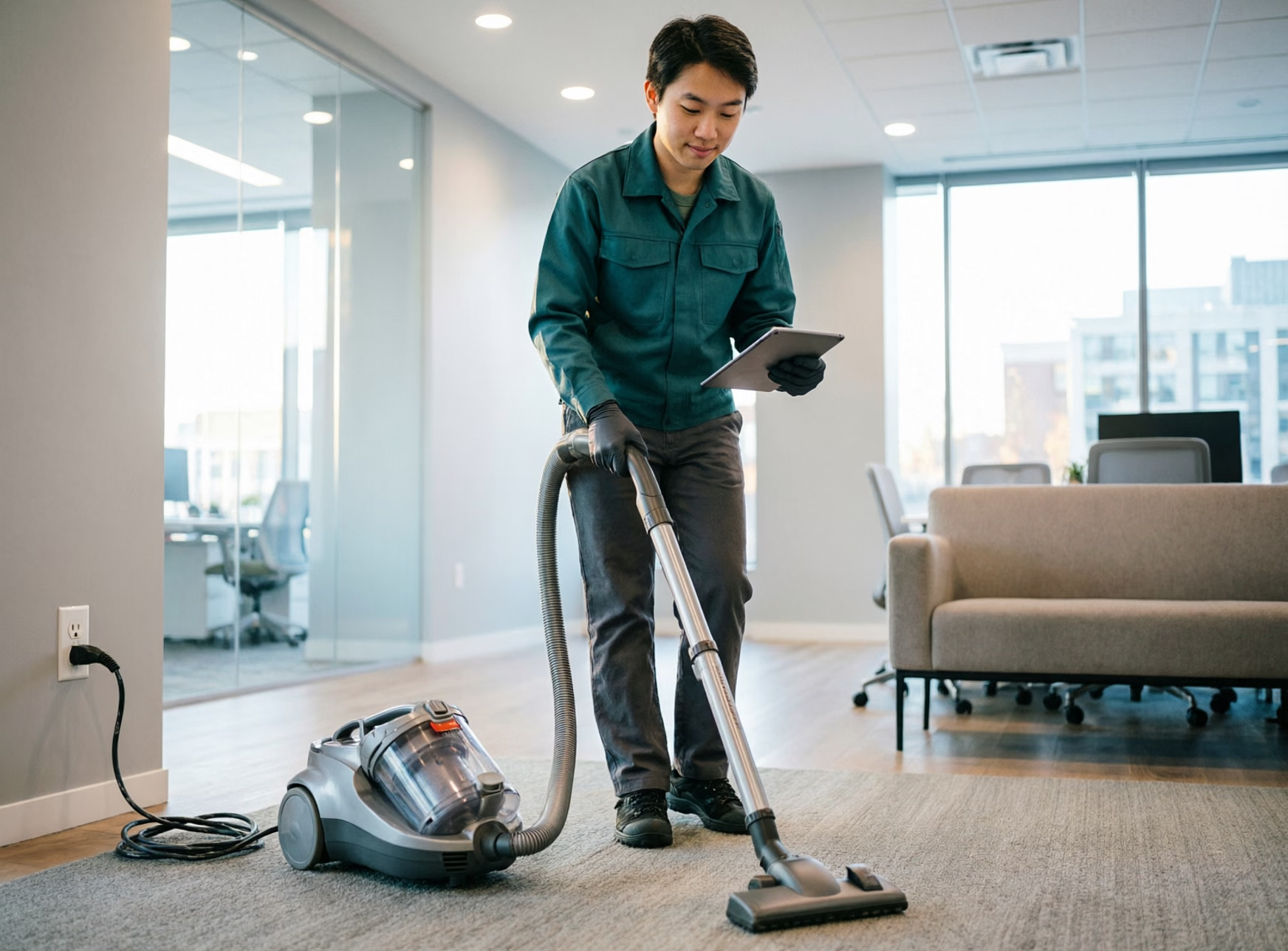
Start small. A digital checklist and a good HEPA vacuum are low-cost changes that improve most offices immediately. Robots, sprayers, and sensors can come later, once the basics are solid.
Choosing What Your Office Actually Needs
The technology that helps one office can be wasted in another, so start from your own building.
The right questions are about your floor plan, your traffic, and your standards. A large open-plan office with big lobbies is a natural fit for a floor-scrubbing robot. An office with busy washrooms and kitchens gets more from sensors and touchless fixtures. A clinic or health-focused space values air purification and verified disinfection most. These technology choices are part of what separates the best office cleaning in Ottawa from a generic routine.
Write down the problems you are actually trying to solve, then look for the tool that solves them. Technology bought to impress rarely earns its keep; technology bought to answer a real problem usually does.
Formatted Step-by-Step Office Cleaning Technology Checklist
Use this checklist to adopt cleaning technology well:
- Step 1.Audit your office and list the tasks that repeat, the surfaces that get touched, and where staff time is spent.
- Step 2.Start with the low-cost basics:HEPA vacuums, colour-coded microfibre, and digital checklists.
- Step 3.Add automation where it pays off, such as a robot for large open floors or sensors for busy washrooms.
- Step 4.Train the team on every tool, and confirm WHMIS 2015 rules and safety data sheets cover new products.
- Step 5.Review the data, verify the results, and adjust the schedule so the technology keeps improving the service.
- Step 6.Hiring our commercial office cleaning services in Ottawa gives your office a trained team using the right tools for the job.
FAQ
Do cleaning robots really work in offices?
Yes, for the right job. Autonomous scrubbers are excellent at large open floors and corridors, and they free the team for detail work. They do not replace a cleaner who wipes surfaces and washrooms.
Is electrostatic spraying better than wiping?
It is faster at covering large areas and reaches spots a cloth misses, but the disinfectant still needs to dwell for the label time. Electrostatic application is a strong complement to wiping, not a replacement for it.
Is UV-C light safe to use in an office?
UV-C is effective but hazardous to skin and eyes, so it must be used by trained staff in an empty room. It treats only what the light reaches, so the space still needs to be cleaned first.
Do smart sensors make an office cleaner?
Sensors make cleaning more efficient by flagging the washrooms that need service, so the team spends its time where it matters. Combined with touchless fixtures, they reduce the surfaces people touch.
Do I need to buy this technology myself?
No. A professional office cleaning service brings the equipment, products, and training with it. You buy the result, and the provider invests in the tools.
How does air purification fit with cleaning?
Air purification complements surface cleaning by improving the air people breathe, which is especially valuable in a sealed winter building. It does not remove the soil that still needs to be wiped away.
How do I know a provider is using technology properly?
Ask how the team is trained, how the results are verified, and what data the client receives. A provider that uses digital checklists and documented processes is easier to audit than one working from memory.
Wrapping Up
Innovative office cleaning technologies have changed what a professional cleaning team can deliver, from robots that scrub floors to sensors that schedule the work and data that proves it was done. The best results come from pairing the right tools with trained people who know the building. When you are ready to see how that combination works, contact Good Cleaner Co. for a free quote and an office cleaning plan built around your space.
Keep reading
More from Good Cleaner
Services that fit
- Professional Office Cleaning Services in OttawaOffice cleaning services in Ottawa for corporate offices, clinics and professional suites. After-hours scheduling, eco-friendly products and a free quote.
- Janitorial Services in OttawaRecurring janitorial services for offices, warehouses, retail, dealerships and schools, with eco-friendly commercial cleaning and customized plans.
About the author
Service areas
- Ottawa
- Kanata
- Nepean
- Orleans
- Barrhaven