
The Ultimate Guide To Move In Cleaning
Moving into a new home is a fresh start, and the very first thing you do in that space sets the tone for everything that follows. Move in cleaning is the deep, room-by-room clean that removes the dust, debris, and leftovers of previous occupants before your furniture, boxes, and daily life arrive. This guide walks you through what you should know about move cleaning, the supplies you will need, and how a professional team can take the deep work off your plate during one of the busiest weeks of the year.
Quick Summary
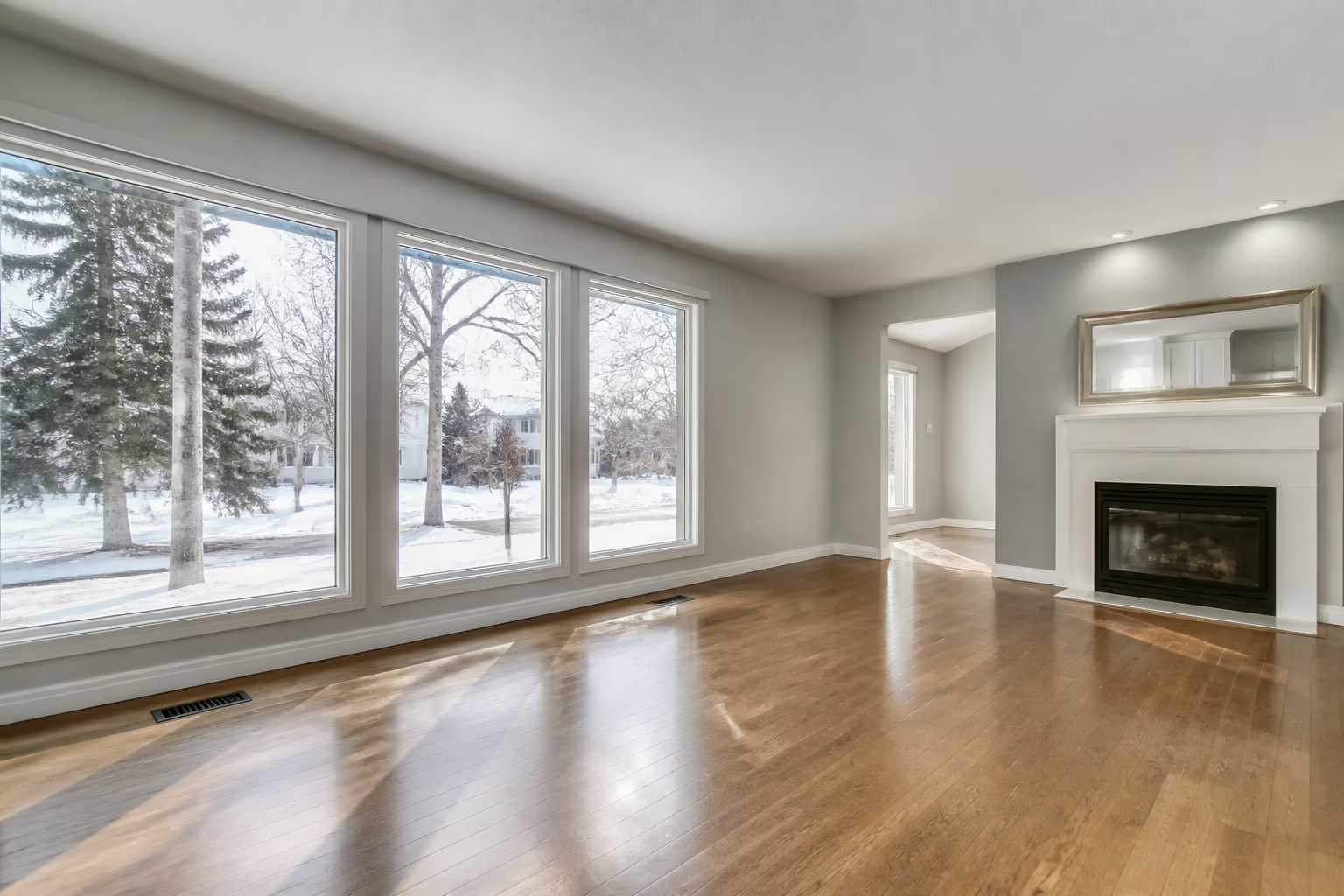
Move-in cleaning is a deep, room-by-room clean that clears out the dust, debris and leftovers of previous occupants before your furniture and daily life move in. This guide covers the walkthrough, the supplies you need, and how a professional team can take the deep work off your plate during a busy moving week.
In this guide
Why Move Cleaning Matters
Move in cleaning is one of the most comprehensive cleaning tasks you'll undertake, as it involves meticulously attending to every nook and cranny of your new home. A home that has been sitting empty, or freshly vacated, carries dust from renovations, tracked-in dirt, and the residue of whoever lived there before. That is not a surface you want to bring your sofa, your kitchen drawers, and your family onto without a proper clean first.
If you are renting, it is worth knowing where the duty actually sits. Section 33 of the Residential Tenancies Act assigns ordinary cleanliness of the unit to the tenant, except to the extent the tenancy agreement requires the landlord to clean it. A move-in clean is therefore usually yours to arrange, and it is far easier before your belongings arrive. The Act states its own purpose: “The purposes of this Act are to provide protection for residential tenants from unlawful rent increases and unlawful evictions, to establish a framework for the regulation of residential rents, to balance the rights and responsibilities of residential landlords and tenants and to provide for the adjudication of disputes and for other processes to informally resolve disputes.”
There is a practical reason to clean before you unpack. Empty rooms are far easier to clean than rooms full of boxes and furniture, and the spots that matter most, such as baseboards, inside cabinets, and the back of the fridge, are only reachable while the space is empty. Cleaning first also means you are not moving your belongings into a layer of dust, and it gives you a genuine fresh start rather than a settled-in mess.
A move-in clean is also a matter of health and comfort. The dust that settles in an empty home can trigger allergies, and the surfaces you touch every day, from light switches to cabinet handles, deserve a wipe-down before your hands make contact. If you are moving with children or pets, that consideration matters even more.
Finally, a clean home is a less stressful home. The first week in a new place is chaotic enough without scrubbing a bathtub ring or discovering a grimy oven on your first evening. A move-in clean, done properly and ahead of time, is one less thing to manage and one more reason to enjoy the new beginning.
Owners and renters often ask whether a move-in clean is worth it when the home looks fine at a glance. A home can look tidy and still carry months of dust in the vents, grime in the oven, and allergens in the carpets. The deep clean is what turns a surface that looks fine into a home that feels genuinely clean, and that is the difference most people notice in the first week.
Start With a Walkthrough
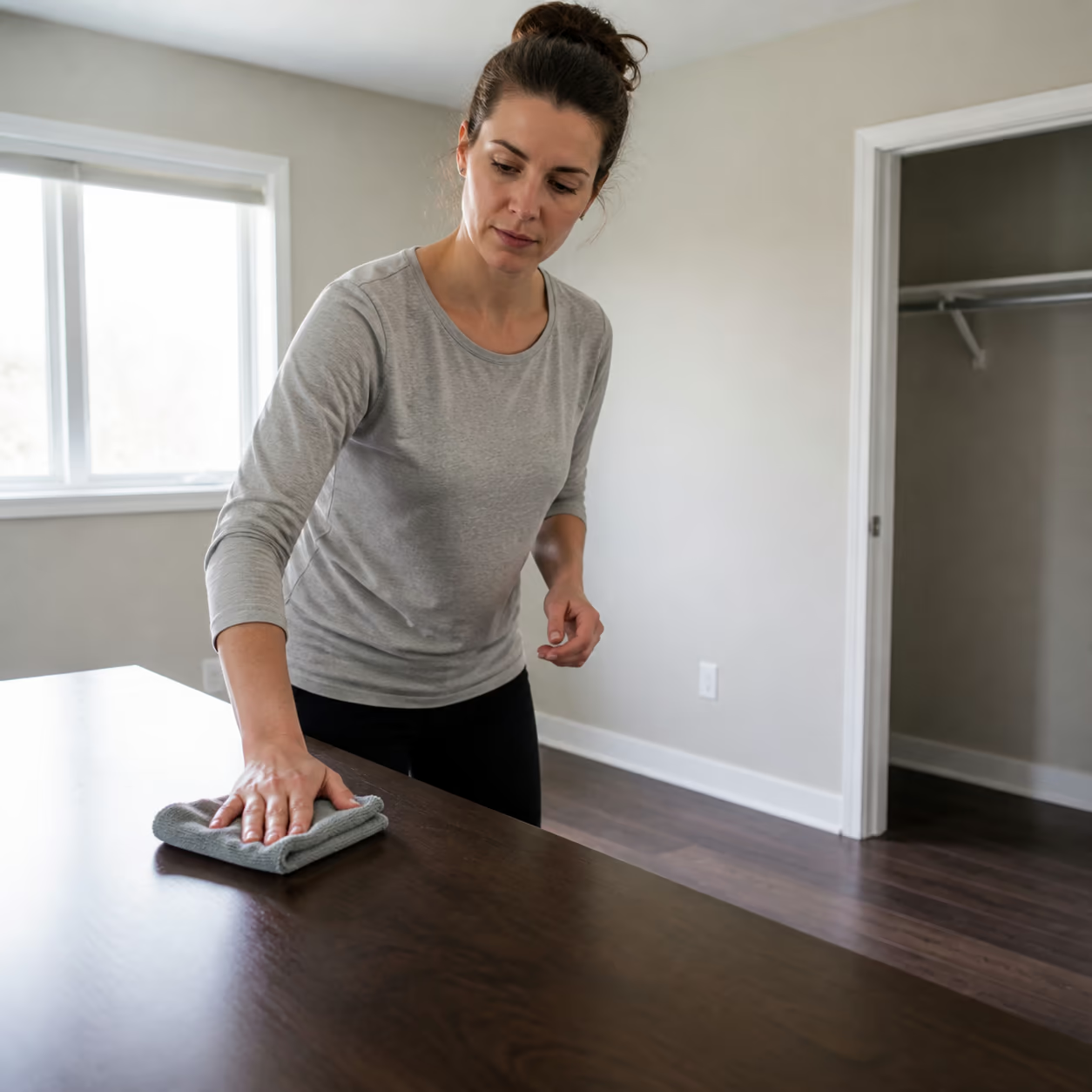
Before you pick up a cloth, walk through the home and make a plan. A walkthrough helps you see what needs the most attention, where the previous occupants left obvious signs, and which rooms deserve your energy first.
- The kitchen, where the inside of the oven, fridge, and cabinets need a deep clean.
- The bathrooms, where soap scum, hard-water stains, and grout need attention.
- The bedrooms and closets, which often hide dust and debris behind closed doors.
- The windows, sills, and tracks, which carry months of built-up grime.
- The floors, which need a proper clean based on the type of surface.
- The high-touch points, such as light switches, door handles, and stair rails.
A written list keeps you honest. Tick each room and each task off as you go, and photograph anything that was damaged or left in poor condition before you moved in. Those photos are useful if a dispute arises with the landlord or the seller later.
The walkthrough is also the moment to decide what you will do yourself and what you will hand to a professional. If you are moving during a busy work week, a team that handles the deep cleaning means you arrive to a fresh, ready home rather than a project.
What You Need Before You Start
Gather your supplies before you begin so you are not stopping mid-task to hunt for a cleaner or a cloth. A thorough move-in clean needs more than a spray bottle and a sponge.
- 01An all-purpose cleaner, a degreaser for the kitchen, and a bathroom cleaner.
- 02Glass cleaner and a good supply of microfibre cloths.
- 03A vacuum with attachments, a mop, and a bucket.
- 04Scrub brushes, a toilet brush, and a grout brush for stubborn spots.
- 05A duster and extendable handles for high ledges and ceiling fans.
If you prefer gentler options, look for products with EcoLogo certification, which points to environmentally responsible formulas that still handle the job. For disinfecting surfaces such as counters and bathroom fixtures, choose a product with a Health Canada DIN, which confirms the disinfectant claim on the label is registered. Whatever you use, apply it correctly and let it dwell for the time on the label so it actually does the work.
Plan the order of rooms before you start. Work from the least-used rooms toward the kitchen and bathrooms, and always finish with the floors. That way dust and debris from one room do not end up in a room you have already cleaned.
The Step-by-Step Process
A room-by-room order keeps the job moving and prevents you from cleaning the same space twice. Start at the top of each room and work down, so dust falls onto surfaces you have not cleaned yet rather than onto finished ones.
- Empty every room completely, including closets and cupboards, before you clean.
- Dust and wipe light fixtures, vents, window sills, and the tops of cabinets.
- Wash walls and doors where they show marks, and wipe baseboards throughout.
- Clean the kitchen inside and out, including the oven, fridge, and every cabinet.
- Scrub the bathrooms from the shower and tub to the toilet, sink, and mirror.
- Finish each room with the floor, vacuuming first and mopping hard surfaces last.
Working top to bottom in each room also protects your effort. If you mop a floor and then dust the ceiling fan, you have cleaned the floor twice. By moving from the highest point in the room to the lowest, you let gravity carry the dust to a surface you are about to clean, which saves time and keeps the finish looking crisp. For walls that show heavier marks, a comprehensive guide to cleaning walls effectively covers safe products and technique for different paint finishes.
The kitchen deserves its own careful pass because it is where the most hidden grime lives. Run the self-clean cycle on the oven if you have time, wipe every shelf in the fridge, and pull out the drawers in the cabinets before you wash them. Give the sink a deep clean and wipe the fronts of the appliances so the room reads as cared for.
Bathrooms need a similar thoroughness. Soap scum and hard-water stains build up quickly, especially around the shower and the base of the toilet, so allow the right cleaner to dwell before you scrub. Clean the grout where it has darkened, and finish with the mirror, the taps, and the handles.
Then do a final walk-through of the whole home. Wipe the light switches and door handles, empty the bins, and check the places people miss, such as the back of the toilet and the inside of the oven door. When every room is clean and the floors are finished, the home is ready for your furniture and your first night in it.
During an Ottawa move in winter, salt and sand may have tracked into the entryways and carpets, so give those areas extra attention. In spring and summer, check window screens and balcony surfaces, which often carry pollen and dust from the months the home stood empty.
Common Mistakes and How to Avoid Them
The most common move-in cleaning mistakes are easy to prevent once you know what they are. Most come from rushing, skipping the deep spots, or using the wrong product on a surface.
- 01Cleaning around appliances instead of pulling them out and reaching behind them.
- 02Using abrasive pads on stainless steel, glass, or painted surfaces and scratching them.
- 03Forgetting the inside of the oven, fridge, and cabinets where grime hides.
- 04Leaving hard-water stains and soap scum in the bathroom, which build up quickly.
- 05Skipping a final inspection, so obvious problems go unnoticed until you unpack.
- 06Bringing boxes in before the floors and surfaces are fully clean.
Another common mistake is trying to do everything in a single exhausting day. A full move-in clean takes longer than most people expect, and rushing leads to missed spots. Split the work across a couple of days, or book a professional team to take the deep cleaning off your hands while you manage the move.
There is also the temptation to focus only on the visible surfaces and skip the hidden ones. A home can look tidy at a glance and still carry dust in the vents, grime in the oven, and build-up in the bathroom drains. The deep spots are the reason a move-in clean is different from a weekly tidy, and they are the spots worth getting right.
How Good Cleaner Co. Approaches Move-In Cleaning
At Good Cleaner Co., we treat a move-in clean as the first gift you give your new home. Before we start, we ask about the size of the property, what the previous occupant left behind, and whether you are moving with children or pets, so we know exactly what the deep clean demands. If the move also includes relocating a business, the ultimate guide to office cleaning tips walks through the equivalent top-to-bottom routine for a workspace.
Our teams work top to bottom and finish with a walkthrough of their own. The goal is a home that is genuinely ready for your furniture and your family, with the dust and grime of the previous occupant fully behind you.
We also work around your move-in date so the home is fresh when your furniture arrives. Whether you need the full deep clean in one visit or a final wipe-down the day before you move in, we fit the schedule around your move rather than the other way around. If you are moving into a shared building, the same walkthrough pairs naturally with our building and condo cleaning services for entryways and common spaces you will use every day.
Costs, Timing and When to Call a Professional
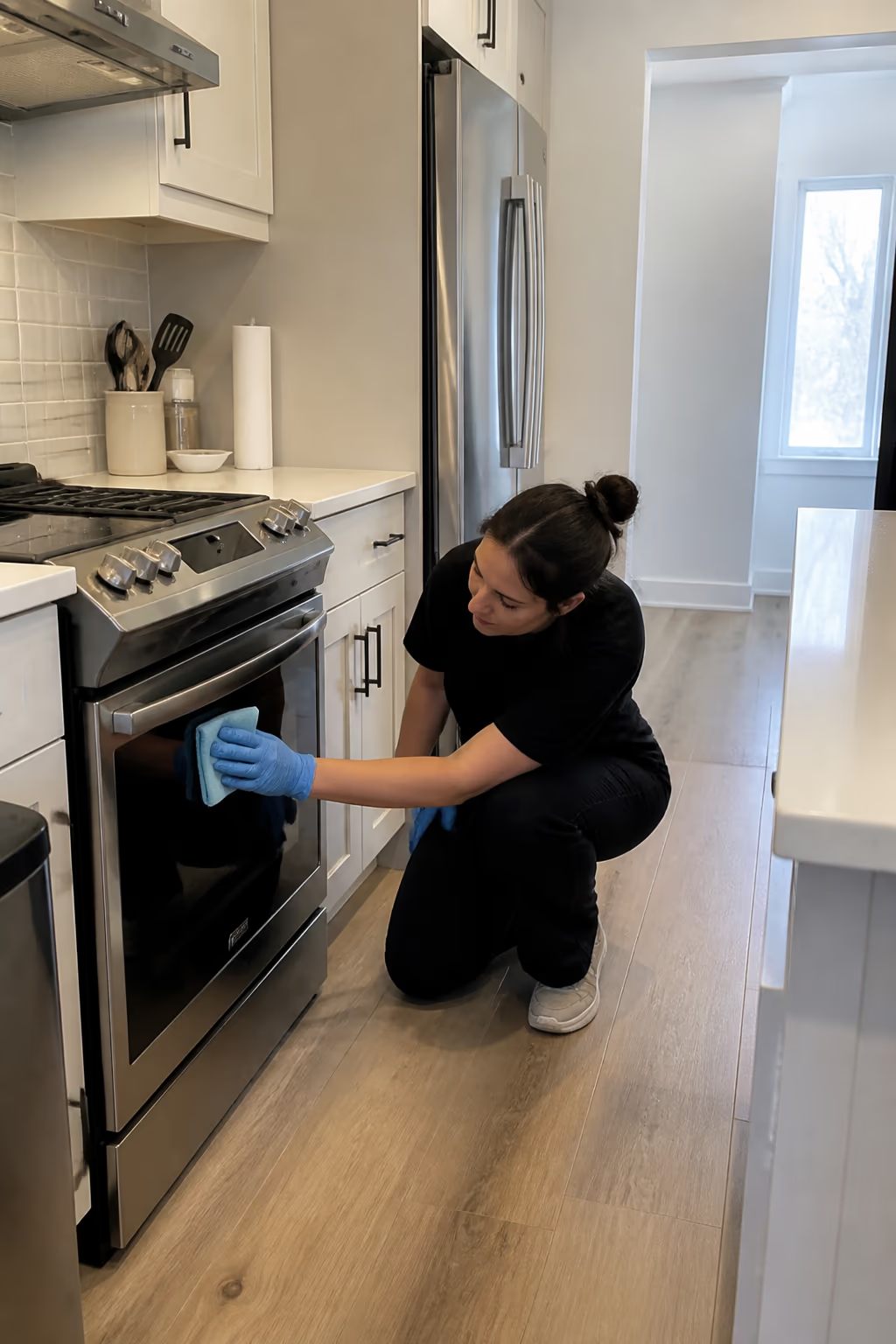
The cost of a move-in clean varies widely because it depends on the size of the home, its condition, and how much deep work is needed. Typical ranges shift with the market and the scope, so it is worth getting an itemised quote rather than assuming a flat price. If you compare a few providers, you will get a realistic sense of what your new home needs.
Timing matters as much as cost. Book the clean for a day or two before you move in, so the home is fresh when your furniture arrives and you are not living around the cleaning. If the property has been sitting empty for months, expect the deep clean to take longer and schedule accordingly.
For most people, the decision comes down to time and confidence. If you are already juggling movers, utilities, and a new commute, a professional team takes one more thing off your plate and brings experience with the spots that are easy to miss. A good provider will use appropriate products, handle stronger chemicals safely, and stand behind the result, and our commercial cleaning provider checklist is a useful starting point for the questions that matter.
Ask each provider what their quote includes before you compare. Oven cleaning, interior windows, and baseboards are sometimes priced separately, and a quote that looks low can grow once those extras are added. An itemised breakdown lets you compare fairly and plan a budget you can trust.
Formatted Step-by-Step Move-In Cleaning Checklist
Work through this checklist once you have the keys and before the boxes arrive:
- 1. Do a full walkthrough of the empty home and gather your supplies and tools.
- 2. Clean from the top down, covering lights, vents, walls, and baseboards first.
- 3. Tackle the kitchen and bathrooms with the right products and enough dwell time.
- 4. Vacuum carpets and mop hard floors, pulling out appliances to reach behind them.
- 5. Do a final walk-through, wiping high-touch points and inspecting each room.
- 6. When the move is busy, recurring home cleaning services in Ottawa bring a trained team to deliver the move-in clean for you.

FAQ
How long does a full move-in clean take?
It depends on the size and condition of the home. A smaller apartment can be handled in a day, while a larger home that has been empty for months can take two days or more. Splitting the work across sessions makes it more manageable.
Do I need to clean the home before I move in?
Yes. An empty home carries dust, debris, and the residue of previous occupants, and the deep spots are only reachable while the space is empty. Cleaning first protects your belongings and gives you a genuine fresh start.
Should I clean inside the appliances?
Yes, especially the oven, fridge, and microwave. These are the spots where grime and leftovers hide, and they are far easier to clean before your own food and furniture are in place.
Can I do the move-in clean myself?
Yes, many people do. A systematic checklist and a couple of sessions will get the job done. Just be realistic about the time it takes and the deep spots that are easy to miss.
Is a move-in clean the same as a move-out clean?
Not quite. A move-out clean aims at the standard a landlord expects at handover, while a move-in clean focuses on making a new home comfortable and ready for you. The deep work is similar, but the goal and the checklist differ.
What should I clean first in a new home?
Start with the kitchen and bathrooms, which hide the most grime, then move through the living spaces and bedrooms. Finish with the floors in every room so dust does not settle onto surfaces you have already cleaned.
When should I schedule the move-in clean?
Book it for a day or two before you move in. That gives you a fresh home for the first night, time for any touch-ups, and space to unpack without living around the cleaning.
Do I need to photograph the condition of the home?
It is a good habit, especially in a rental. Photographing each room before you move in gives you a record of the condition you received, which is useful if a dispute arises later.
Are the cleaning products safe for children and pets?
Reputable companies use certified, low-fume products and train staff to apply them correctly, so treated rooms are safe to use once the clean is finished. If you prefer, ask the provider to use gentler or EcoLogo-certified products.
Wrapping Up
Move in cleaning is the first act of your new beginning, and it is worth doing properly. A thorough clean removes the dust and grime of previous occupants, protects your belongings, and gives you a fresh, healthy space to settle into.
Work through the home room by room, focus on the deep spots, and finish with the floors. Whether you take it on yourself or bring in a team to handle the deep work, the goal is the same: a home that is ready for your furniture, your family, and your first night in it.
Need a hand with the deep work? Contact Good Cleaner Co. for a free quote and a move-in cleaning plan tailored to your new Ottawa home.
Keep reading
More from Good Cleaner
Services that fit
- Residential Home Cleaning Services in OttawaRecurring home cleaning services in Ottawa for one-time, weekly, biweekly and monthly care, built around your schedule and your standards.
- Janitorial Services in OttawaRecurring janitorial services in Ottawa for offices, warehouses, retail, dealerships and schools. Eco-friendly commercial cleaning, customized plans.
About the author
Service areas
- Ottawa
- Kanata
- Nepean
- Orléans
- Barrhaven