
10 Essential Toilet Cleaning Tips You Need To Know
Cleaning the toilet is a chore most people avoid, yet it is one of the most important surfaces in any home to keep hygienic. A toilet is touched dozens of times a day, and a small amount of regular effort keeps the bowl, seat and surrounding floor fresh without the need for harsh chemicals or heavy scrubbing. This guide walks you through ten practical tips that make the job easier, safer and more effective, and it explains how a professional team approaches what are the most important essential toilet cleaning tips you need to know? for Ottawa and Ontario properties.
Quick Summary
Regular toilet cleaning keeps a high-touch fixture hygienic, since moisture, dust and residue build up quickly and Ontario's hard water adds mineral scale around the waterline and under the rim. Ten practical tips covering preparation, the cleaning process and follow-up habits keep the bowl, seat and surrounding floor consistently fresh.
In this guide
Why Cleaning the Toilet Properly Matters
Cleaning the toilet is a chore most prefer to avoid, It's vital for a hygienic home. The toilet is one of the highest-touch fixtures in the house, and the area around it collects moisture, dust and residue that can build up quickly if it is left too long.
The health case for a regular routine is straightforward. A toilet that is wiped down and scrubbed on a consistent schedule stays cleaner between deep cleans, feels more pleasant to use and keeps bacteria from settling into the surfaces you touch every day. Porcelain is smooth and easy to clean, but the seat, lid, flush handle and the floor around the base all need attention as well.
For Canadian homes, the seasons play a role too. Wet boots in winter track moisture into the bathroom, and hard water across much of Ontario leaves mineral scale around the waterline and under the rim. A good routine accounts for both, so you are not fighting the same stains week after week.
Good Cleaner Co. treats the toilet as a key part of any bathroom clean because it is a surface that carries visible and invisible residue.
The Ten Tips at a Glance
The ten tips in this guide cover preparation, the cleaning process and the habits that keep results lasting. They build on each other, so start with the first and work through the list in order.
- Tip 1.Gather the right supplies before you begin, so you are not stopping halfway.
- Tip 2.Vent the bathroom before you start and keep it ventilated while you work.
- Tip 3.Work from the outside in, so the handle, seat and lid are done before the bowl.
- Tip 4.Let the cleaning product dwell where it needs time to dissolve grime.
- Tip 5.Scrub the bowl, waterline and under the rim with the right brush.
- Tip 6.Wipe the exterior, the base and the floor around the toilet.
- Tip 7.Rinse thoroughly so no cleaner residue is left to attract new dirt.
- Tip 8.Dry the surfaces and let the room air out after you finish.
- Tip 9.Keep a small touch-up kit nearby for spot cleans between full sessions.
- Tip 10.Schedule a deeper clean regularly so stains never get the chance to set.
Each tip is small on its own, but together they form a routine that keeps the toilet hygienic without taking more than a few minutes on a typical week.
What You Need Before You Start
A well-stocked cleaning kit makes the difference between a chore that drags and one that is finished quickly. You do not need a cupboard full of specialist products, but you do need the right basics.
- 01A toilet bowl cleaner suited to your water type and porcelain finish
- 02A sturdy toilet brush with a holder that lets it drain and dry
- 03A microfiber cloth or sponge dedicated to the toilet only
- 04A mild disinfecting spray for the seat, lid, handle and exterior
- 05A soft brush or old toothbrush for the rim, hinges and hard-to-reach corners
- 06Rubber gloves to protect your hands from product and moisture
- 07A clean, dry cloth for the final wipe-down
Choose products with clear labels and use them as directed. In Canada, the household cleaners you buy in a store follow strict rules, and a professional team also follows WHMIS 2015 when it uses commercial chemicals, which means every product has a label and a Safety Data Sheet that tells a trained cleaner how to handle and dilute it. Reading labels and diluting to the instructions is what keeps strong products both effective and safe. For a broader rundown beyond the toilet kit, our guide on what are the essential cleaning supplies i need covers the basics every room benefits from.
How to Clean the Inside of the Bowl
The bowl is the part most people think of first, and a little technique makes it far easier. The goal is to remove stains, mineral scale and residue without damaging the porcelain glaze.
- 01Flush before you start so the bowl has fresh water in it
- 02Apply the bowl cleaner around the rim so it runs down the sides
- 03Let the product dwell for the time on the label rather than scrubbing immediately
- 04Scrub under the rim first, where buildup hides, then work down to the waterline
- 05Flush again to rinse, and check that no cleaner is left above the water
- 06For stubborn scale, use a product made for hard-water deposits and follow its instructions
Do not reach for a metal scrubber or abrasive powder. Porcelain glaze scratches easily, and a scratched surface collects stains faster than a smooth one. A good quality toilet brush or a pumice stone made for toilets, used gently, is all you need for even a neglected bowl.
Cleaning the Seat, Lid and Exterior
The outside of the toilet is touched more than the inside, and it often gets less attention. The seat, lid, flush handle and the surface of the cistern all carry the residue of everyday use.
- 01Wipe the flush handle first, since it is the surface hands touch most
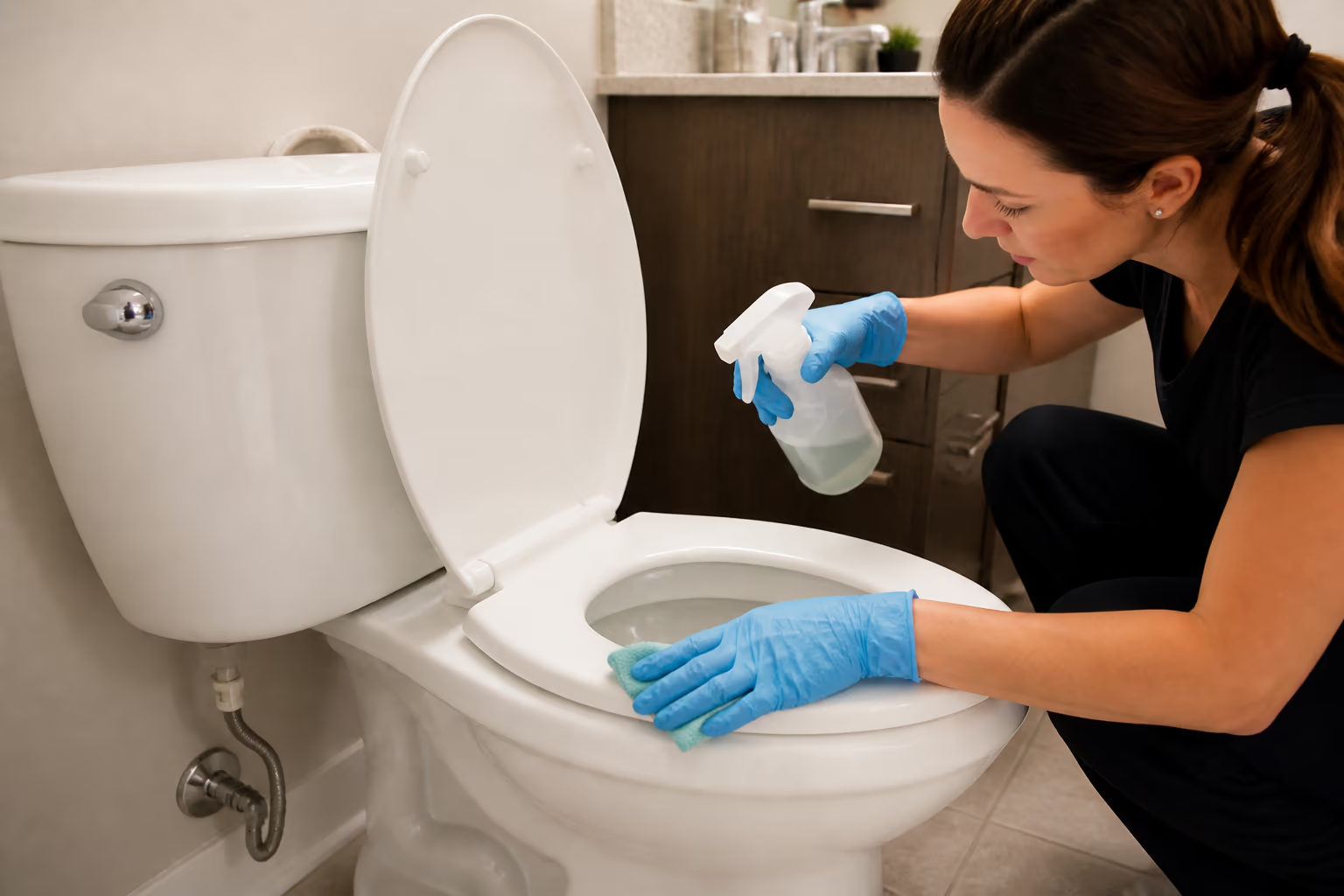
- 02Wipe the seat and lid with a mild spray and a clean cloth
- 03Clean the hinges and the area where the seat meets the bowl with a small brush
- 04Wipe the sides and front of the bowl, and the base where it meets the floor
- 05Finish with the area around the toilet and the floor behind it
Using the same cloth for the toilet and the rest of the bathroom is a common mistake. A dedicated cloth for the toilet, rinsed or replaced after each use, stops you from moving residue from one surface to another. If the seat, hinges or fittings are looking worn, a cleaner that is safe for the material keeps them in better shape for longer.
Common Mistakes and How to Avoid Them
Most toilet cleaning problems come from a small set of repeatable mistakes. Knowing them helps you clean less often and with better results.
- 01Scrubbing too hard, which scratches the glaze and makes stains harder to remove
- 02Using bleach and acid on metal fittings, which can dull or corrode the finish
- 03Skipping the flush handle and seat, which carry the most everyday residue
- 04Leaving product to dry, which leaves a film that attracts new dirt
- 05Mopping the floor before cleaning the bowl, so splash and dust land on a wet floor
- 06Using the same cloth throughout the bathroom, spreading residue instead of removing it
- 07Forgetting the base and the floor behind the toilet, where dust settles
If you clean on a regular schedule, you rarely need to fight heavy buildup. A small weekly routine keeps the toilet presentable, and a monthly deeper clean handles the areas that a quick wipe misses.
Keeping the Bathroom Fresh Between Cleanings
The best toilet cleaning routine is the one that keeps the room fresh even when you are not actively scrubbing. Small daily habits cut down how often you need a full clean.
Freshness between cleans is mostly a moisture question. Health Canada's mould guidance advises fixing moisture problems right away and controlling humidity levels, and treats a musty earthy smell as a signal worth investigating. Health Canada names the cause directly: “Excessive moisture is one of the most common causes of poor indoor air in homes, classrooms and public spaces, because moisture promotes the growth of mould and dust mites.”
- 01Keep the lid down when you flush to limit spray into the room
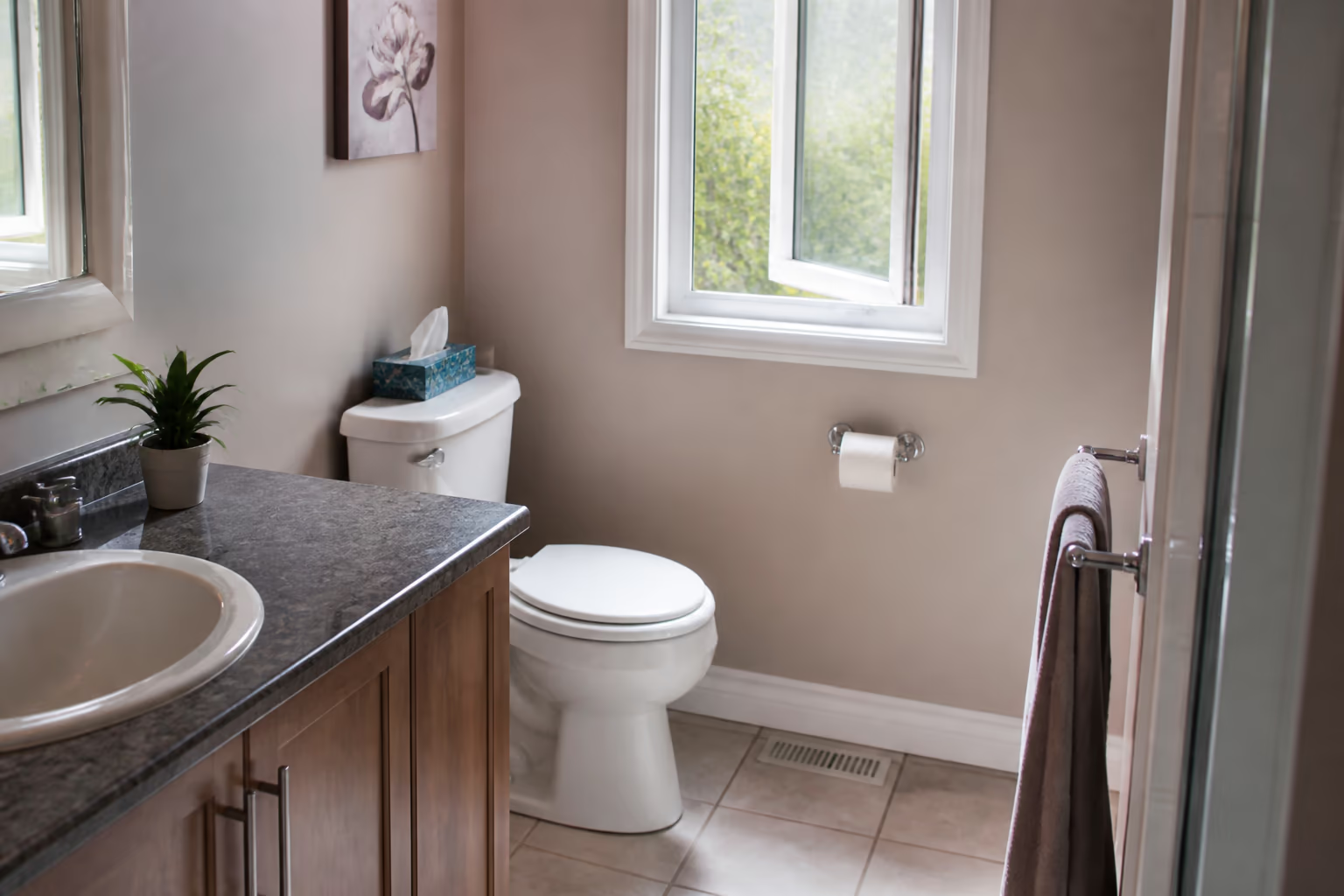
- 02Vent the bathroom after showers and cleaning so moisture does not build up
- 03Wipe up splashes and spills promptly rather than letting them sit
- 04Keep a small spray and cloth under the sink for quick touch-ups
- 05Store the toilet brush where it can drain and dry between uses
- 06Replace worn brushes and cleaning cloths on a schedule
Moisture is the main reason bathrooms need more cleaning than other rooms. A bathroom that is vented and kept dry stays fresher, and the toilet stays cleaner because there is less damp residue for stains and odours to cling to.
Dealing with Stubborn Stains and Hard-Water Scale
Even with a good routine, mineral scale and the odd stubborn stain can build up, especially in areas with hard water. The key is to match the product to the problem and give it time to work.
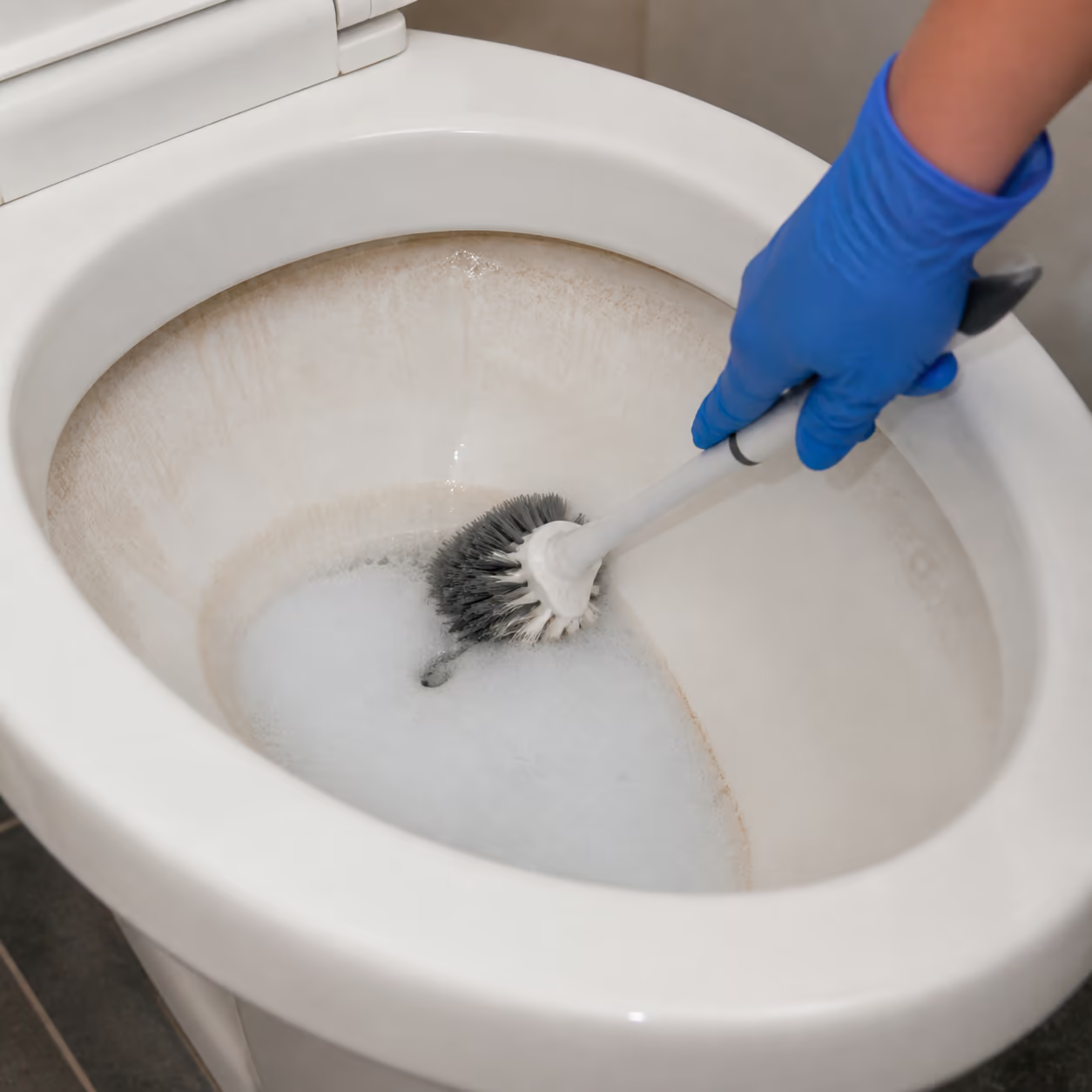
- 01Use a lime and scale remover for white deposits around the waterline
- 02For rust or mineral staining, choose a product labelled for the specific stain
- 03Let any stronger product dwell as the label directs, then scrub gently and rinse
- 04Test on a small, hidden area of the bowl if you are unsure how the glaze will react
- 05Repeat a stubborn treatment rather than increasing the strength of the product
- 06Keep up the regular routine so the tough stain does not return
A stubborn stain is almost always a sign that the surface was left too long or that the wrong product was used. Porcelain glaze is tough but not indestructible, and gentle persistence beats an aggressive product every time. If a stain survives several attempts or the glaze looks scratched, stop and ask a professional before you risk any further damage.
Costs, Timing and When to Call a Professional
Cleaning the toilet is not an expensive task, and the supplies you need for the whole bathroom cost very little spread across the year. The real cost is time, which is why many Ottawa households choose to hand the routine to home cleaning specialists in the Ottawa area instead.
How often a toilet needs cleaning depends on how many people use it and how the bathroom is ventilated. A busy family home may want the toilet wiped down every few days and fully cleaned weekly, while a single-person household can stretch to a lighter schedule. A deeper clean every few months keeps scale and stains from settling into the glaze.
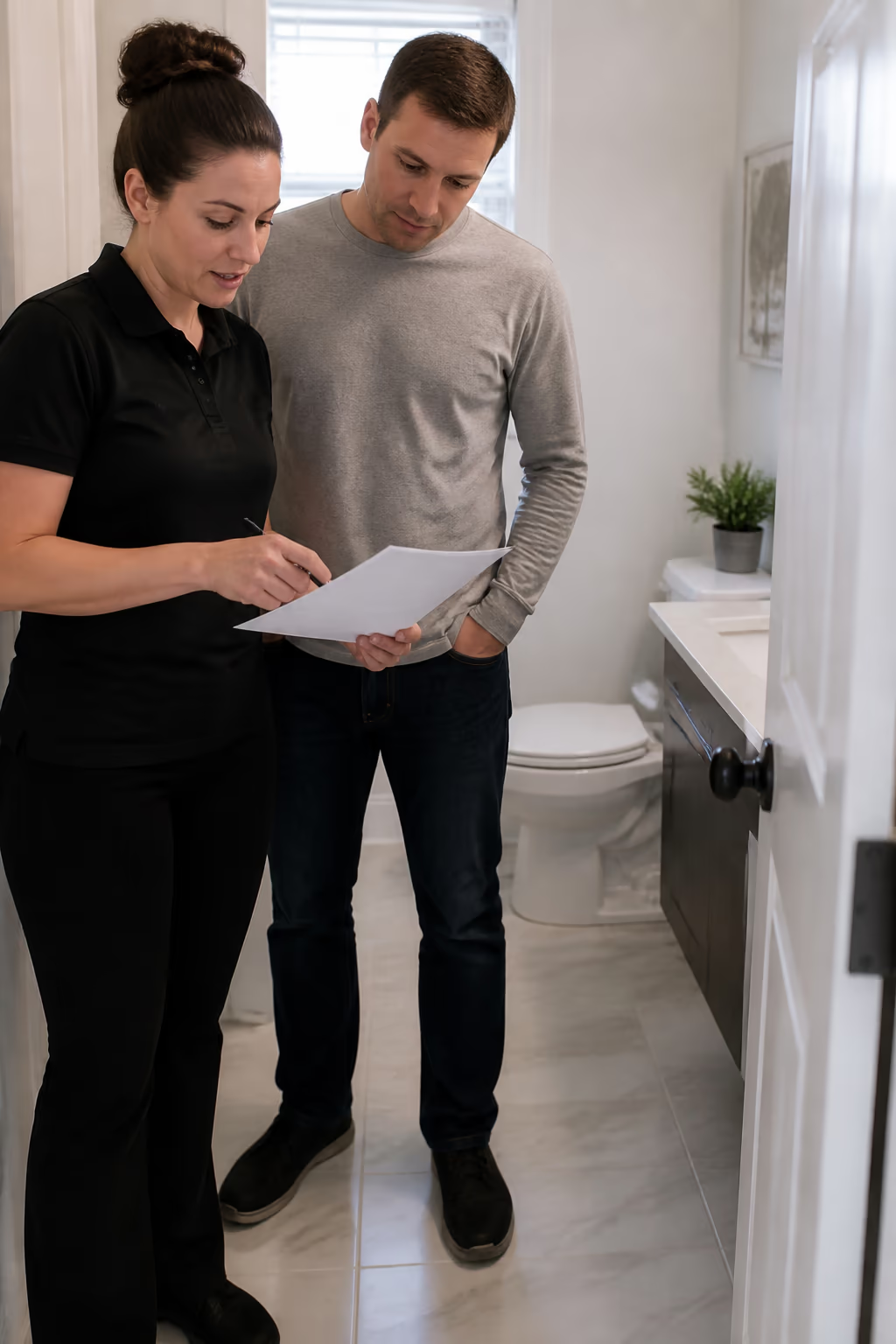
A professional team is the right call when you want the whole bathroom done to a consistent standard, when a deep clean is overdue, or when you simply have better uses for your weekend.
Good Cleaner Co. combines local experience, background-checked staff and certified products to keep Ottawa and area properties clean and healthy. If you are comparing providers, our checklist for hiring a commercial cleaner is a useful starting point for the questions that matter, whether you are looking for a home cleaner or vetting a larger service. If this is your first time hiring help, our guide on what you need to know before booking house cleaning walks through what to expect.
Formatted Step-by-Step Toilet Cleaning Checklist
Here is the routine condensed into five quick steps, plus a sixth that keeps the whole bathroom on track for busy households.
- Step 1.Flush the toilet, apply bowl cleaner under the rim and let it dwell while you clean the rest.
- Step 2.Wipe the flush handle, seat, lid and exterior with a mild spray and a clean cloth.
- Step 3.Scrub the bowl, waterline and under the rim, then flush to rinse thoroughly.
- Step 4.Clean the base and the floor around the toilet with a fresh cloth.
- Step 5.Dry the surfaces, vent the room and store the brush so it can drain and dry.
FAQ
How often should a professional clean this kind of space?
It depends on use, foot traffic and seasonal conditions. A professional team can assess your space and recommend a practical schedule, and many Ottawa homes combine a weekly bathroom clean with a deeper monthly refresh.
Are the cleaning products safe for people and pets?
Reputable companies use certified, low-fume products and train staff to apply them correctly, so treated spaces are safe to use after cleaning. Let the surfaces dry and keep the room ventilated, and pets should be kept away until the area is dry.
Do I need a special cleaner for hard water stains?
Hard water scale builds up around the waterline and under the rim in many parts of Ontario. A cleaner made for mineral deposits, used as directed, lifts the scale without damaging the glaze, and regular cleaning keeps it from returning.
Is it safe to use bleach on a toilet?
Bleach can be used on porcelain if it is diluted and used as the label directs, but it is not the only option and it can be harsh on metal fittings and some seat materials. Many people prefer a gentler certified cleaner that removes stains without the fumes.
How do I get an accurate quote for this service?
Request an assessment of the space, the tasks you need and the frequency, then compare itemised quotes rather than bare prices. A provider that looks at your bathroom before quoting is more likely to give a realistic plan. For more common questions like this one, our cleaning services faq covers pricing, scheduling and product safety in more detail.
Can I clean the toilet and the rest of the bathroom with the same cloth?
No. Use a dedicated cloth for the toilet and separate cloths for sinks, counters and floors. This stops residue from being moved from one surface to another and keeps the whole bathroom genuinely clean.
How do I stop the toilet brush from smelling?
Let the brush drain and dry in a ventilated holder between uses, and rinse it after each clean. A brush that stays wet in a sealed holder is the main source of a musty smell, so a little air circulation solves most of the problem.
What should I do if the toilet is still stained after cleaning?
Let the cleaner dwell longer or use a product made for the specific stain, such as a hard-water or lime remover. If a stain is set in the glaze or the surface is scratched, ask a professional to assess it before using anything stronger.
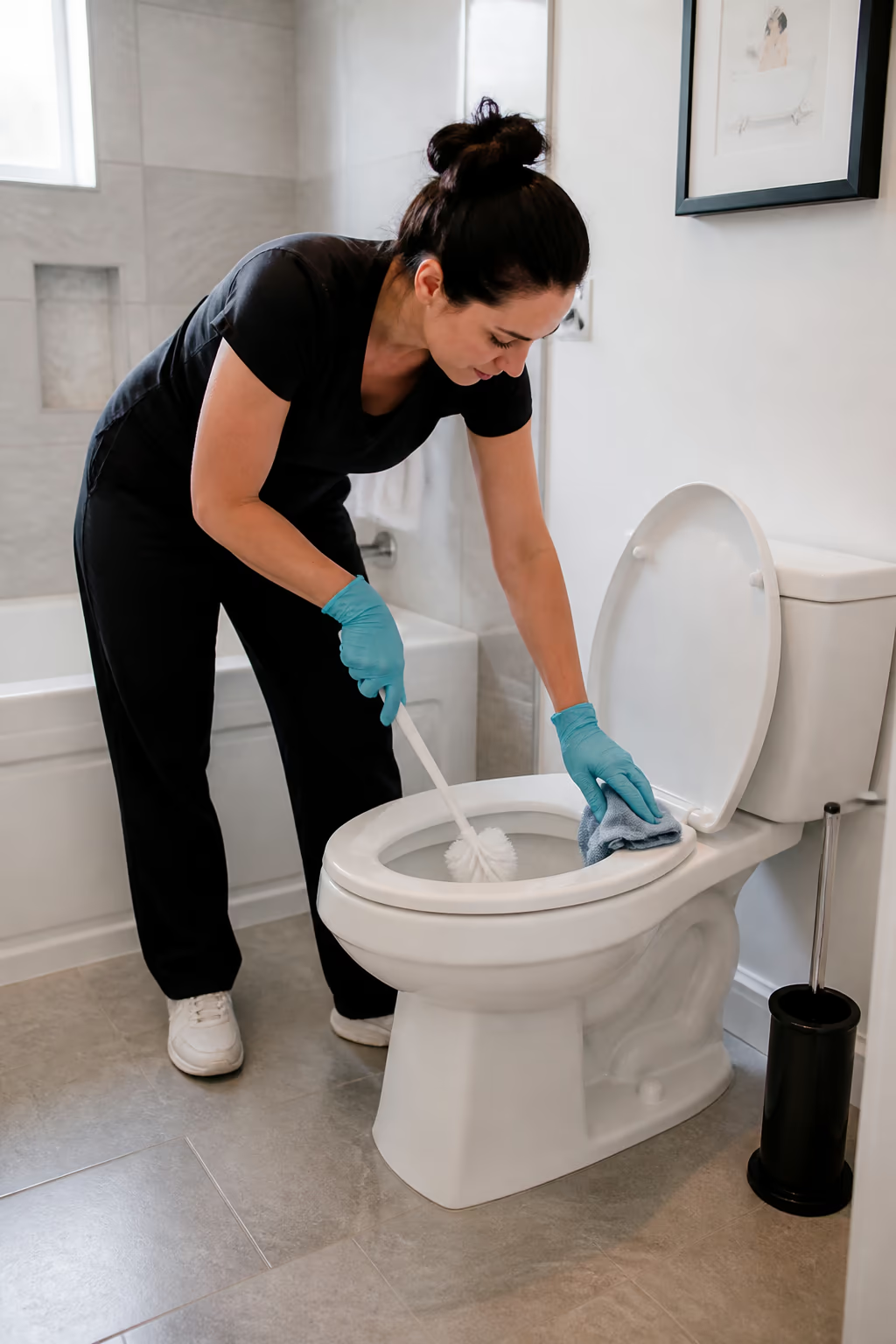
Wrapping Up
A consistent approach to what are the most important essential toilet cleaning tips you need to know? keeps your bathroom hygienic and your toilet looking its best without harsh scrubbing. Gather the right supplies, clean in a sensible order, avoid the common mistakes and keep the room ventilated, and the routine becomes quick and effective. When you would rather leave it to a trained team, Good Cleaner Co. is here to help. Contact Good Cleaner Co. for a free quote and a cleaning plan tailored to your home or business.
Keep reading
More from Good Cleaner
Services that fit
- Residential Home Cleaning Services in OttawaRecurring home cleaning services in Ottawa for one-time, weekly, biweekly and monthly care, built around your schedule and your standards.
- Janitorial Services in OttawaRecurring janitorial services in Ottawa for offices, warehouses, retail, dealerships and schools. Eco-friendly commercial cleaning, customized plans.
About the author
Service areas
- Ottawa
- Kanata
- Nepean
- Orléans
- Barrhaven