
How To Clean A Bathtub Properly Like A Professional Cleaner
You do not need a shelf of specialty products to make a bathtub look professionally cleaned. The real difference is method: a sensible order, the right product for the material, and enough dwell time for the chemistry to work. This guide walks you through the routine our crews use on Ottawa tubs so you can work faster, avoid damaging the finish, and keep the results longer between cleans.
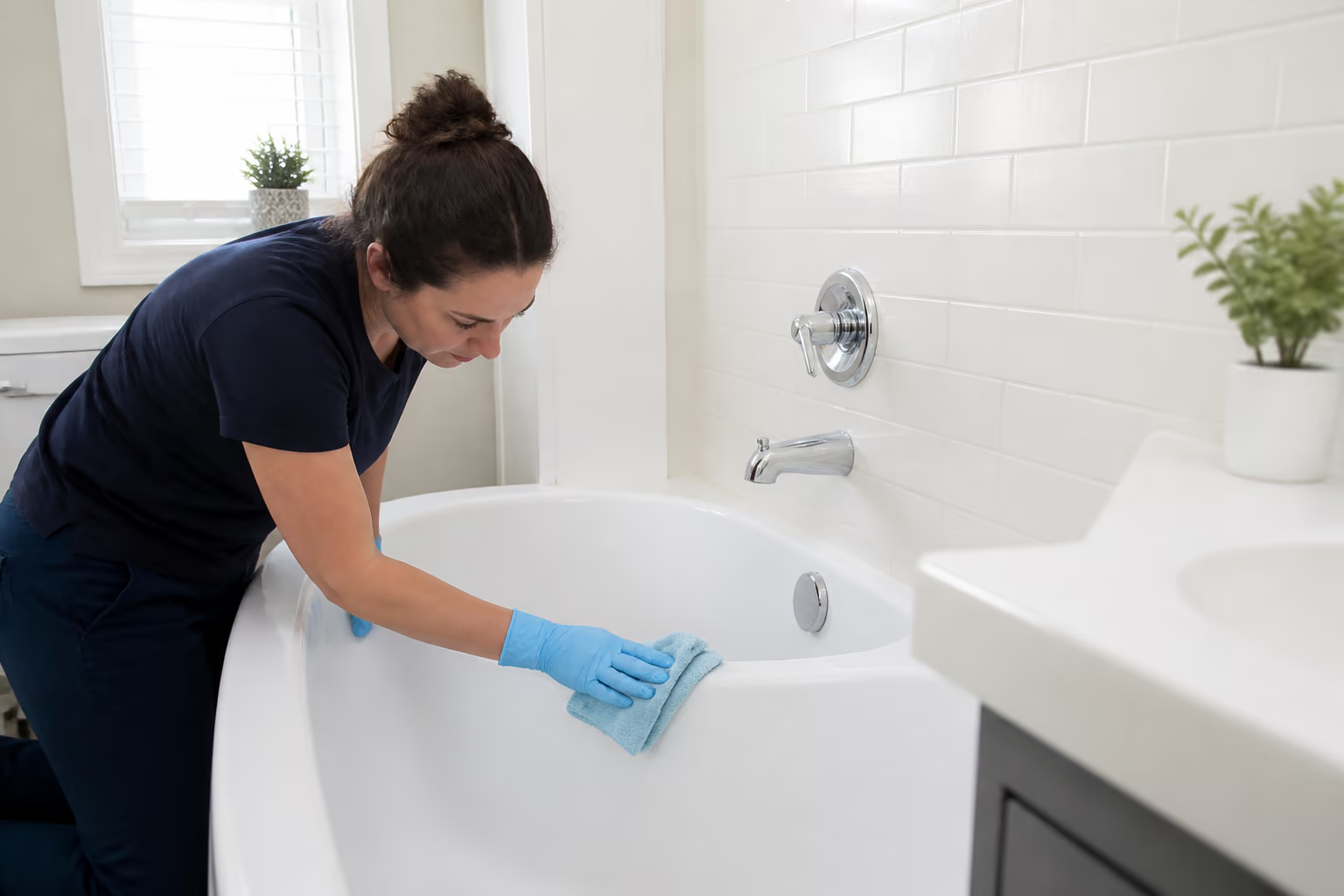
Quick Summary
A professionally clean bathtub comes from a sensible sequence and the right product for the tub material, tackling soap scum, grime and hard-water stains with enough dwell time for the chemistry to work rather than harder scrubbing. Cleaning drains and the overflow, and avoiding common mistakes, keeps results lasting longer between deep cleans.
In this guide
What "Like a Professional Cleaner" Actually Means
A professional cleaner rarely scrubs harder than you do; they simply scrub smarter. The approach rests on a few ideas that sound obvious once you hear them: work in one direction, treat the surface gently, and give every product time to dissolve soil before you wipe it away.
- Rinse the tub with warm water first to lift loose film and grit before any product goes on.
- Choose the cleaner for the material, not the label on the shelf.
- Let the product dwell, then scrub only the areas that still need it.
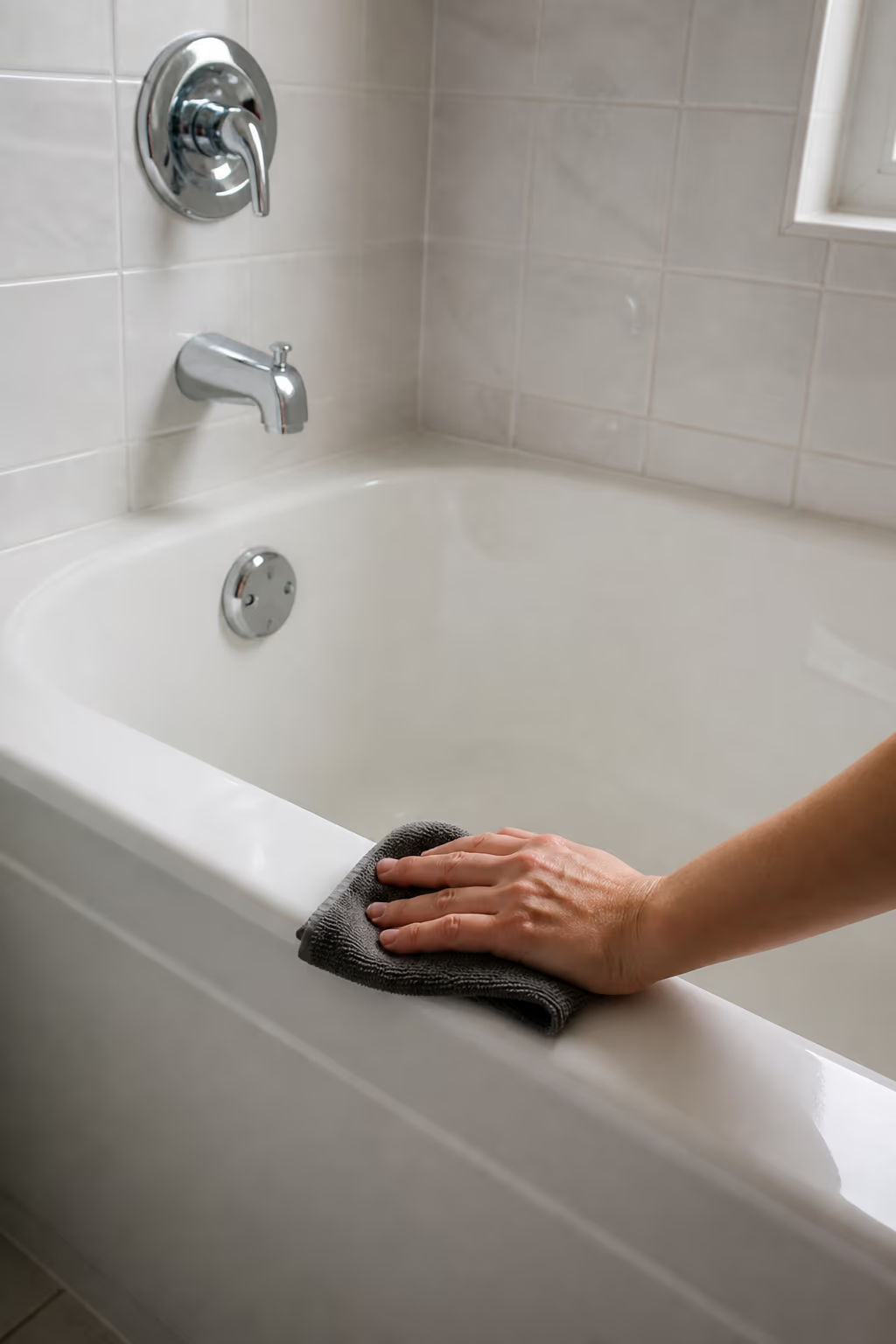
- Rinse thoroughly and dry with a microfibre cloth so minerals and detergent do not re-deposit.
- Clean the bathtub before the room around it so rinsing does not re-soil fresh surfaces.
Follow that order and a tub that looks like it needs an hour of scrubbing usually comes clean in a short session. The tub is also the easiest surface to skip because it looks fine from a distance, so a professional habit is to touch it every time the bathroom is cleaned, not just on a deep clean day. The method matters more than muscle, which is why the same routine works on a compact apartment tub in Centretown and a large family tub in the suburbs. The same order-over-effort principle runs through our guide on how to clean a messy house like a pro, if the mess extends beyond the bathroom.
What You Need Before You Start
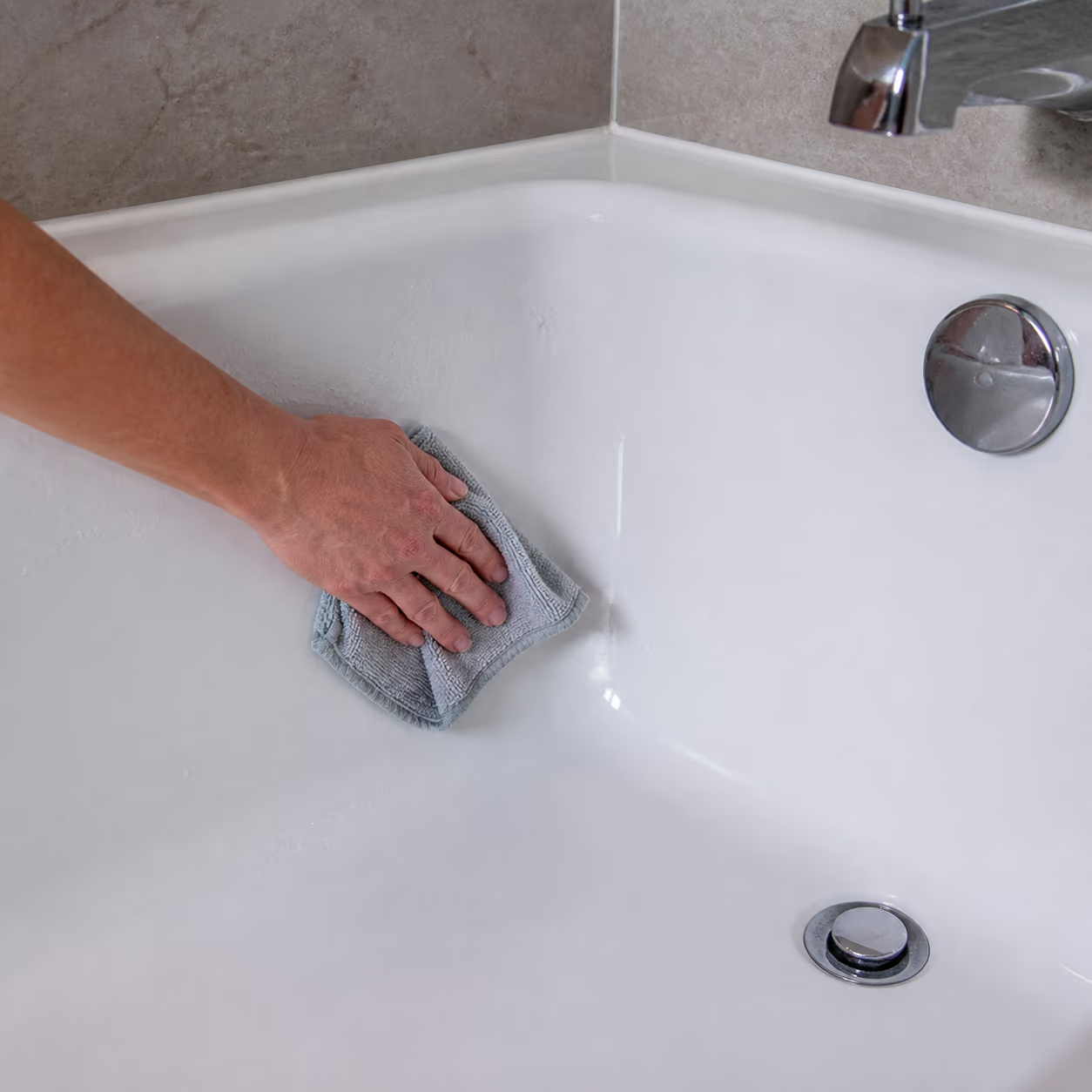
Most of this kit is probably already under your sink. The goal is a small set of tools that covers every bathtub material without scratching anything.
- A soft microfibre cloth or sponge for general wiping.
- A non-abrasive scrub brush for grime lines, corners and the drain area.
- A gentle bathroom cleaner with an EcoLogo certification or a simple pH-neutral multipurpose spray.
- Baking soda and white vinegar for tough soap scum and hard-water streaks.
- A pair of gloves to protect your hands, especially around acidic products.
- A dry microfibre cloth for the final polish.
If your tub is acrylic, fibreglass or painted, skip metal scouring pads entirely; they leave fine scratches that trap dirt forever. Porcelain enamel is tougher, but even there a soft brush does the work without dulling the finish. Low-VOC, certified products keep the bathroom pleasant to be in while you work, which matters in a small, poorly ventilated space.
You do not need everything on the list at once. Start with a microfibre cloth, a gentle cleaner and baking soda; add the vinegar and the dedicated brush as stains appear. A small caddy keeps the kit together so you are not hunting for a spray bottle halfway through.
Ventilation is part of the kit too. Open a window or run the exhaust fan while you clean, especially when a product calls for it. Good airflow dries the room faster, which helps prevent the mildew that follows damp bathrooms.
The Professional Bathtub Cleaning Sequence
The sequence below is the one our cleaners follow on most Ottawa homes. It moves from the least dirty part of the tub to the most, so you are not dragging grime back across a section you already finished.
Rinse the whole tub and splash zone with warm water first. This lifts the loose film and shows you where the real staining sits. Next, spray the sides, the bottom and the rim with your chosen cleaner, and let it dwell for a few minutes. Dwell time does the dissolving; scrubbing is only for lifting what the chemistry has loosened.
Work the walls and rim first, then the tub bottom, then the corners and the drain. Use a circular motion and overlap your passes so no strip is missed. When the surfaces are clean, rinse from the top down so the suds carry debris toward the drain rather than into freshly cleaned areas.
Dry with a microfibre cloth and give the faucet and handles a final wipe. Hard water in the Ottawa region leaves mineral streaks on chrome quickly, so drying every time you clean keeps fixtures looking new for years.
For a heavily soiled tub, do the sequence twice. The first pass lifts the top layer of film and the second gets the actual staining. Professionals would rather do two quick passes than one long, hard scrub, because the finish stays in better shape and the result is more even.
Product form matters as much as the product itself. Foaming cleaners cling to vertical walls instead of running straight to the drain, which makes them ideal for the tub sides. Spray-on gels work well on the bottom and the water line. Whichever you choose, apply it according to the label and give it the dwell time the stain deserves before you scrub.
Tackling Soap Scum, Grime and Hard-Water Stains
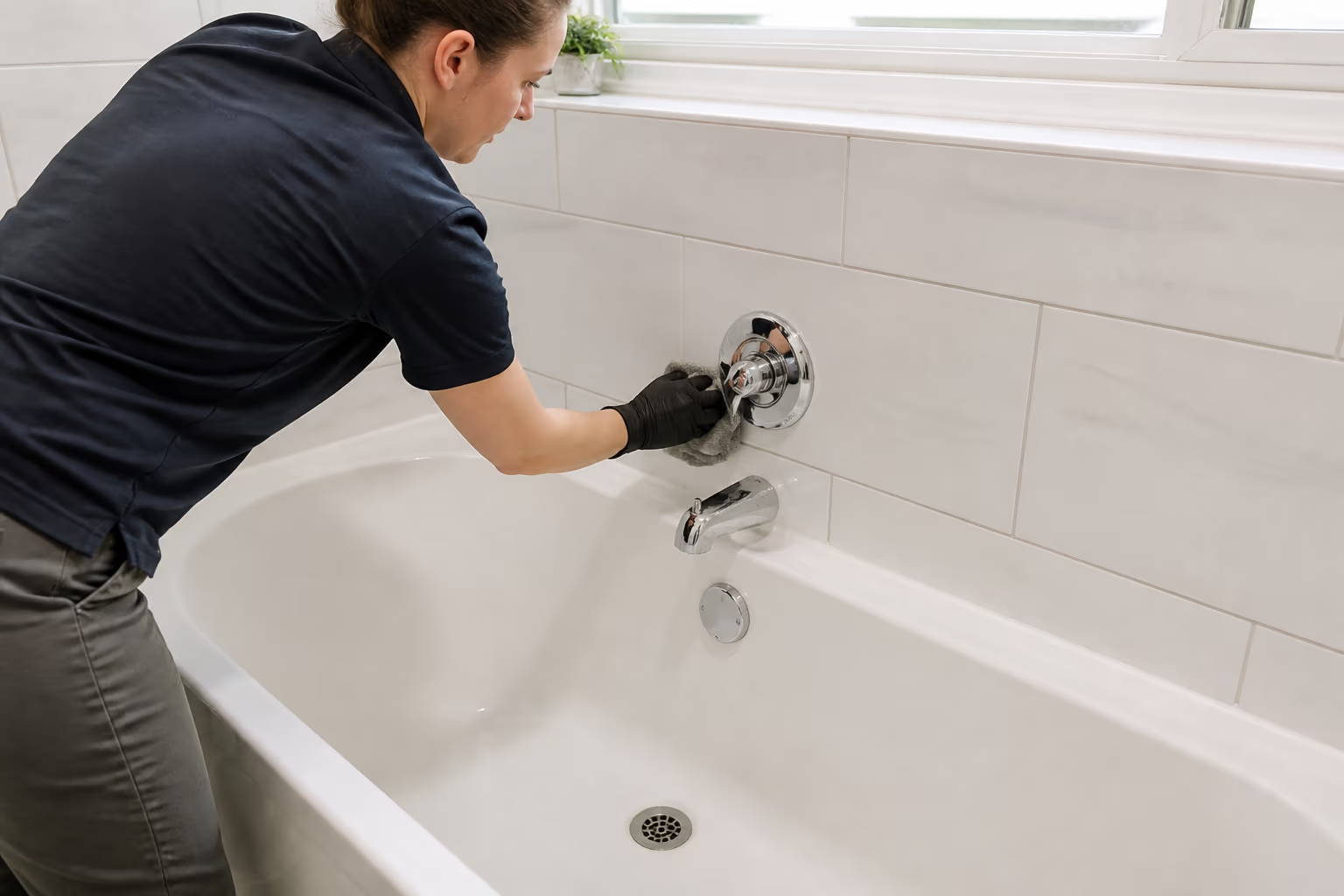
Most bathtub discolouration is not dirt at all. Soap scum forms when bar soap reacts with the minerals in hard water, and hard-water staining is calcium and magnesium, and sometimes iron, left behind as water evaporates. Ottawa's municipal water is fairly hard in many neighbourhoods, so these two problems are the ones you will actually fight.
- For light soap scum, a pH-neutral cleaner with a microfibre cloth is usually enough.
- For a heavier build-up, make a paste of baking soda and a little water, apply it, let it sit, and scrub gently with a soft brush.
- For mineral rings at the water line, white vinegar left to dwell, then a soft scrub, dissolves the scale without scratching.
- For rust-toned streaks, treat the metal first and ask your hardware store for a cleaner matched to the specific mineral.
Some of what looks like scum is worth a second look. Health Canada's mould guidance says to inspect for stains or discolouration on floors, walls, window panes, fabrics and carpets, and to treat a musty earthy odour as a sign rather than a nuisance. Health Canada names the cause directly: “Excessive moisture is one of the most common causes of poor indoor air in homes, classrooms and public spaces, because moisture promotes the growth of mould and dust mites.”
Never mix bleach with vinegar or any other acid; the combination releases a gas that is dangerous to breathe. Read the label before combining anything, which is the same habit behind the WHMIS 2015 training that commercial cleaners follow on the job. If a stain does not move after two honest attempts, stop and reassess the material rather than damaging the finish.
For the water line, a small detail brush or an old toothbrush reaches the seam where the tub meets the wall. That line is where soap and minerals collect first, so giving it a dedicated pass once in a while stops a stubborn ring before it starts.
Choosing the Right Cleaner for Your Tub Material
Not every cleaner suits every bathtub, and the wrong one causes more work than it saves. The material of the tub decides which products are safe, which is why professional cleaners check the finish before they pick a spray.
- Porcelain enamel handles most gentle bathroom cleaners and light mineral treatment.
- Acrylic and fibreglass prefer pH-neutral, non-abrasive cleaners; harsh or highly alkaline products can dull or craze the surface.
- Painted or coated tubs are the most delicate, so stick to mild soap and water and test any cleaner on a small area first.
- Old or damaged finishes should be treated gently and never attacked with abrasives.
When a label is unclear, the safe choice is a pH-neutral cleaner with a soft cloth. That combination works on every material, and it is the one our cleaners default to before switching to something stronger for a specific stain.
Cleaning the Bathtub Drains and Overflow
The overflow cover and the drain are easy to skip, and they are where grime collects most. A slow drain is often more hair and soap residue than a plumbing problem, and a quick clearing keeps it flowing.
- Lift the drain stopper and brush around the grate to remove hair and soap film.
- Wipe the overflow cover and the opening behind it.
- Rinse the drain with hot water at the end of a clean to wash residue through.
- Run a mild drain freshener occasionally if you notice an odour, and always follow the label.
Do not pour harsh chemical drain cleaners down a tub you just spent time polishing; they can dull the finish, and they are unnecessary if you keep the grate clear.
Formatted Step-by-Step Bathtub Cleaning Checklist
Use this checklist to clean a bathtub like a professional every single time.
- Step 1.Rinse the tub, walls and rim with warm water to remove loose film and grit.
- Step 2.Apply a gentle, certified cleaner and let it dwell for a few minutes.
- Step 3.Scrub walls and rim first, then the tub floor, working corners and the drain last.
- Step 4.Rinse from the top down and dry with a microfibre cloth to prevent streaks.
- Step 5.Wipe the faucet and handles and inspect your work under good light.
- Step 6.For regular, thorough upkeep of every bathroom in your home, review our house cleaning options in Ottawa to compare scope and scheduling.
Common Bathtub Cleaning Mistakes
The mistakes below are why clean tubs still look dull or get scratched over time.
The biggest one is using an abrasive scrubber on acrylic or fibreglass. Those scratches collect soap and minerals, and every clean makes them more visible. A soft brush or sponge does the same job without the damage.
The second is skipping the dwell time. Spraying and wiping immediately only moves the cleaner around; the product needs a few minutes to soften the soil before the scrub does anything useful.
The third is not rinsing fully. Leftover detergent dries into a film that dulls the surface and makes it feel sticky, and it is the fastest way to make a freshly cleaned tub look dirty again by morning.
The fourth is forgetting the sealant line. Mildew hides in the caulk and grout around the tub, so wipe those lines and keep them dry between cleans. When the sealant is damaged, no amount of surface cleaning stops the darkening.
How Good Cleaner Co. Approaches Bathtubs in Ottawa
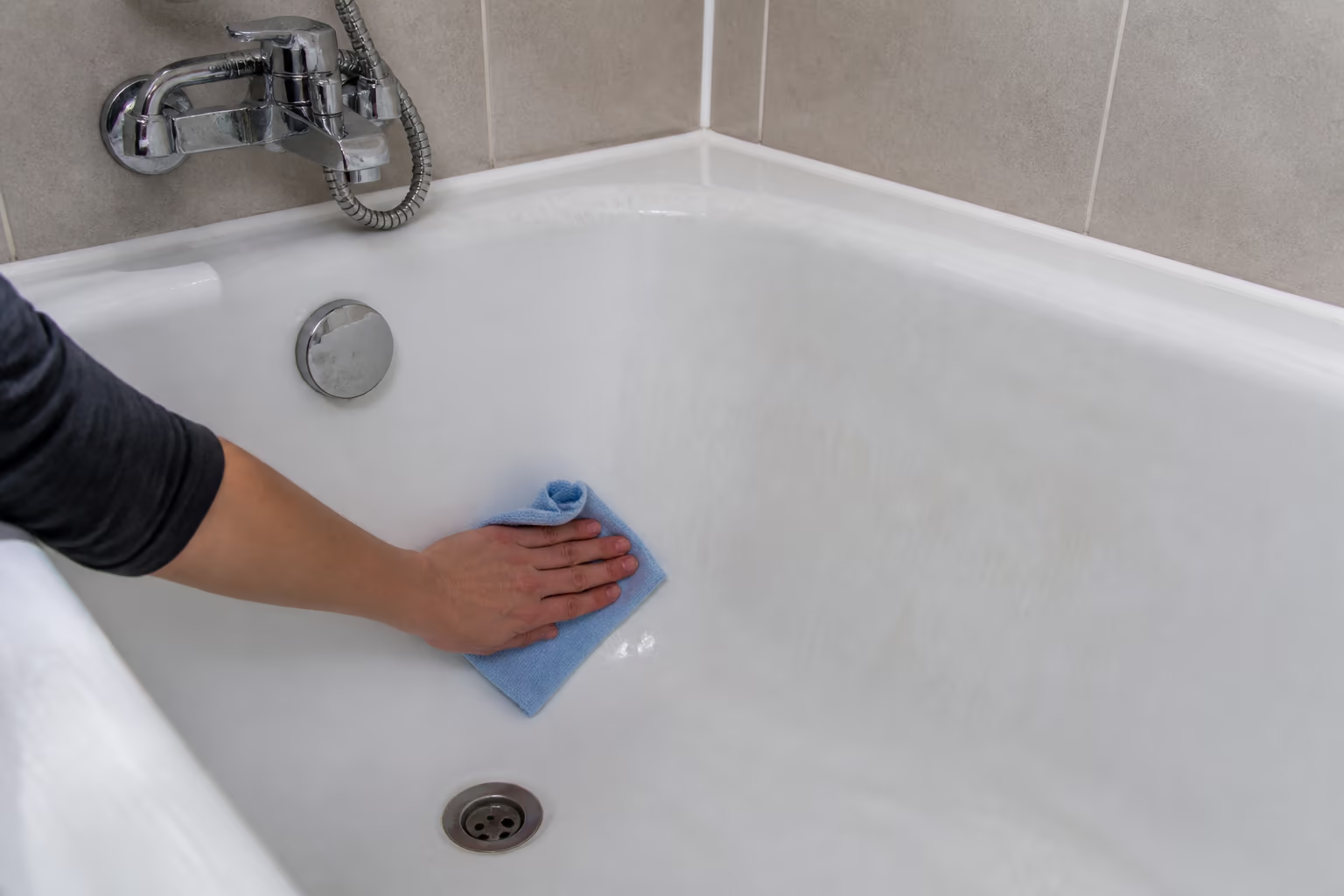
When our crews clean a bathtub in Ottawa, they bring the same routine you just read plus a few extras that come with professional training and equipment.
- Cleaners are trained to read labels and handle products safely, following the same principles behind WHMIS 2015.
- We pay attention to the seasonal stuff, like winter salt and grit tracked in on boots, that collects around the tub and fixtures.
Teams are background-checked and arrive with their own supplies, which keeps the routine consistent whether you book once or on a schedule. You get the same result a cleaner's own home gets, without having to store, buy or handle the products yourself.
The same care extends to the surrounding bathroom. While the tub products dwell, we wipe the shower glass, tile and fixtures so the whole room finishes at once instead of in passes.
Keeping the Bathtub Clean Between Deep Cleans
A few small habits keep a clean tub clean, so the deep clean stays short.
- Squeegee or wipe the walls after your shower to stop minerals drying on the surface.
- Run the exhaust fan and keep the bathroom ventilated so mildew does not take hold.
- Rinse the tub quickly after kids or pets use it.
- Wipe the tub after using bath oils or bath bombs, which leave a film that attracts grime.
- Give the rim and corners a quick wipe whenever you use a bathroom cleaner nearby.
None of these take more than a minute, and together they cut the soap scum and mineral build-up dramatically. In a hard-water city like Ottawa, the habit that pays off most is drying or squeegeeing after use. Once the routine is automatic, the deep clean becomes a maintenance pass instead of a chore you avoid.
When to Call a Professional
A weekly wipe-down keeps most tubs in good shape, but some situations are easier to hand to a team. Book a professional clean when you notice any of these.
- Stubborn mineral rings and soap scum that survive two honest DIY attempts.
- Grime in the caulk, grout or sealant that you cannot reach or lift.
- A tub in a rental unit, a move-out clean or a deep reset where the whole bathroom needs doing at once.
- A busy schedule where the bathroom keeps getting skipped because the job feels too big.
How much you book depends on the home, not a fixed rule. A one-time deep clean suits a reset or a move; a recurring visit keeps a busy household from slipping. For larger properties, our janitorial services extend the same standards beyond a single bathroom. Either way, the same method applies.
When you compare providers, ask what is actually included, what products they use, and how they handle the surfaces in your specific tub. If you are comparing options for your home or a property you manage, our guide to vetting commercial cleaners is a useful starting point for the questions that matter. The same method-over-muscle approach is covered in clean an office like a professional cleaner, for anyone tackling a workplace washroom instead.
FAQ
Why does my bathtub still look dull after I clean it?
Most of the time the culprit is leftover detergent film or hard-water minerals, not dirt. Rinse more thoroughly, dry with a microfibre cloth, and use a pH-neutral cleaner instead of a soapy one.
What is the safest way to remove hard-water stains without scratching?
Let white vinegar or a gentle cleaner dwell on the stain, then scrub with a soft brush. Gentle chemistry plus dwell time beats abrasive scrubbing every time.
How often should a bathtub be deep cleaned?
Most homes need a proper clean every week or two, with a quick wipe-down between. Hard-water homes may need the mineral treatment more often.
Can I use bleach on an acrylic bathtub?
Many acrylic and fibreglass tubs warn against harsh bleach, so check the manufacturer's guidance. A gentle certified cleaner with a soft cloth is safer for most finishes.
Is it safe to combine baking soda and vinegar in the tub?
Used separately they are gentle and effective, but they cancel each other out when mixed. Clean with one, rinse, then use the other if a stain needs a second pass.
What should I never use on a porcelain bathtub?
Avoid metal scouring pads, harsh abrasive powders and undiluted strong acids. They scratch the glaze and make the tub collect dirt faster.
How do I clean a textured or slip-resistant tub bottom?
Use a stiff but non-abrasive brush and a gentle cleaner, and scrub in small sections so the texture gets fully cleaned. A textured bottom hides film easily, so give it the same dwell time as the rest of the tub.
Wrapping Up
Cleaning a bathtub like a professional is mostly about order, product choice and dwell time, not elbow grease. Rinse, apply, dwell, scrub gently, rinse fully and dry, and you will keep even a hard-water Ottawa tub looking cared for between professional visits. When your schedule does not leave room for it, a trained team can take the routine off your hands and keep the whole bathroom consistent.
Keep reading
More from Good Cleaner
Services that fit
- House Cleaning Services in OttawaHouse cleaning services in Ottawa for one-time, weekly, biweekly, and monthly home care, with customizable cleaning and eco-friendly options.
- Janitorial Services in OttawaRecurring janitorial services in Ottawa for offices, warehouses, retail, dealerships and schools, with eco-friendly commercial cleaning and customized plans.
About the author
Service areas
- Ottawa
- Kanata
- Nepean
- Orleans
- Barrhaven