
How To Deep Clean Your Laundry
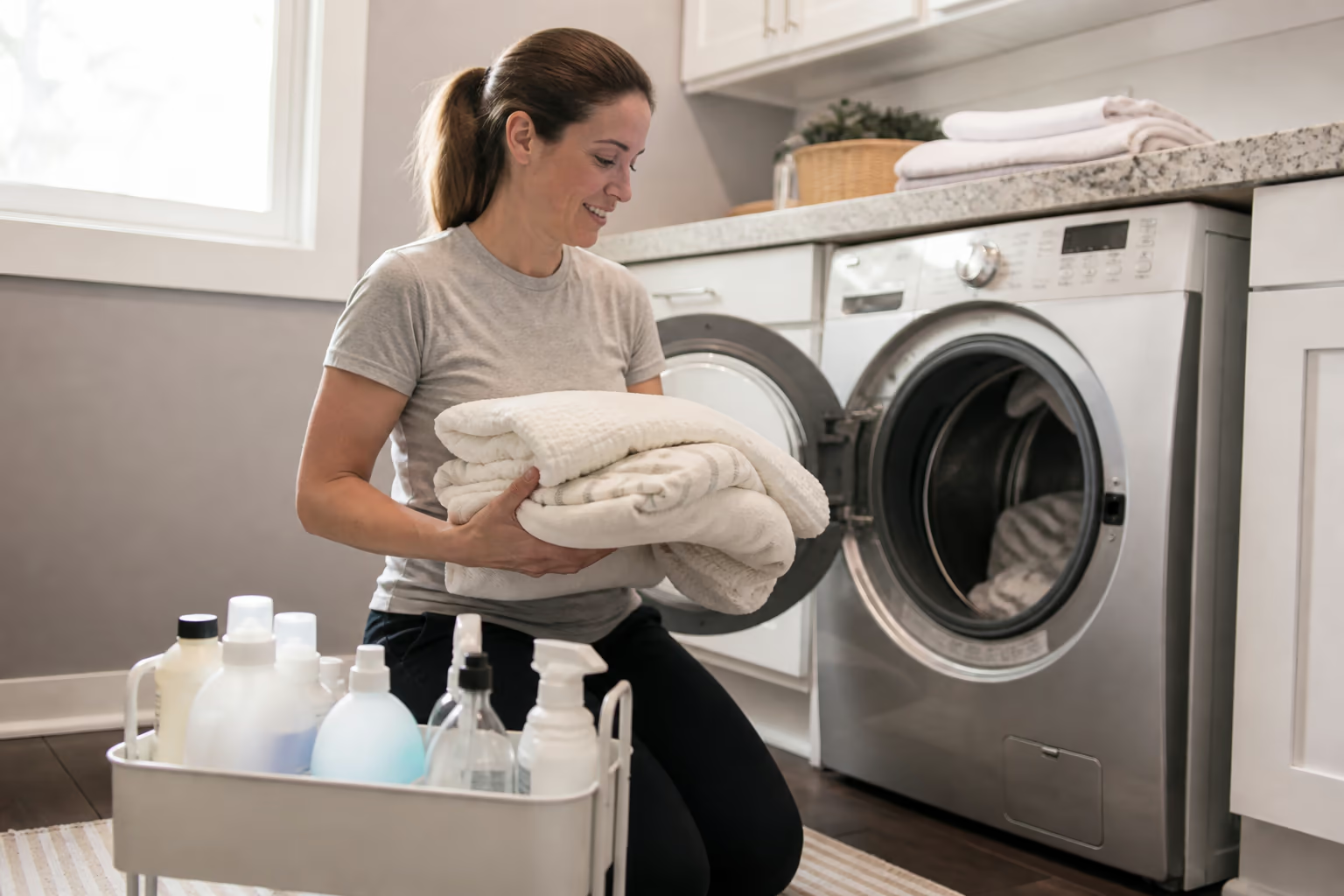
Most laundry looks clean after a regular wash, but a deep clean goes further. It lifts the detergent residue, body oils and mineral build-up that ordinary cycles leave behind, so fabrics come out brighter, softer and slower to pick up odours. This guide walks you through a real laundry deep clean at home and explains how a professional team supports busy Ottawa households.
Quick Summary
A laundry deep clean goes beyond a regular wash to remove detergent residue, body oils and mineral build-up, covering the washing machine itself, sorting and pre-treating, hard water effects, and periodic stripping of towels, linens and bedding. The result is fabric that comes out brighter, softer and slower to develop odours.
In this guide
What a Laundry Deep Clean Actually Covers
A regular wash removes surface dirt. A deep clean targets the residue a regular wash leaves behind: the film from too much detergent, the hard-water minerals that dull fibres, and the body oils and skin cells that build up inside clothing and bedding over time.
- It strips built-up residue from fibres so fabric feels soft again instead of stiff.
- It lifts trapped odours that return as soon as you sweat or dampen the item.
- It brightens whites and restores colour that has gone dull.
- It removes the musty smell that comes from washing at too low a temperature.
- It resets towels, bedding and sportswear that a normal cycle no longer refreshes.
Deep cleaning is not a replacement for regular washing; it is a periodic reset. Most homes benefit from a proper deep clean once a season, with extra attention after busy stretches like hosting, spring cleaning or a long humid summer.
What You Need Before You Start
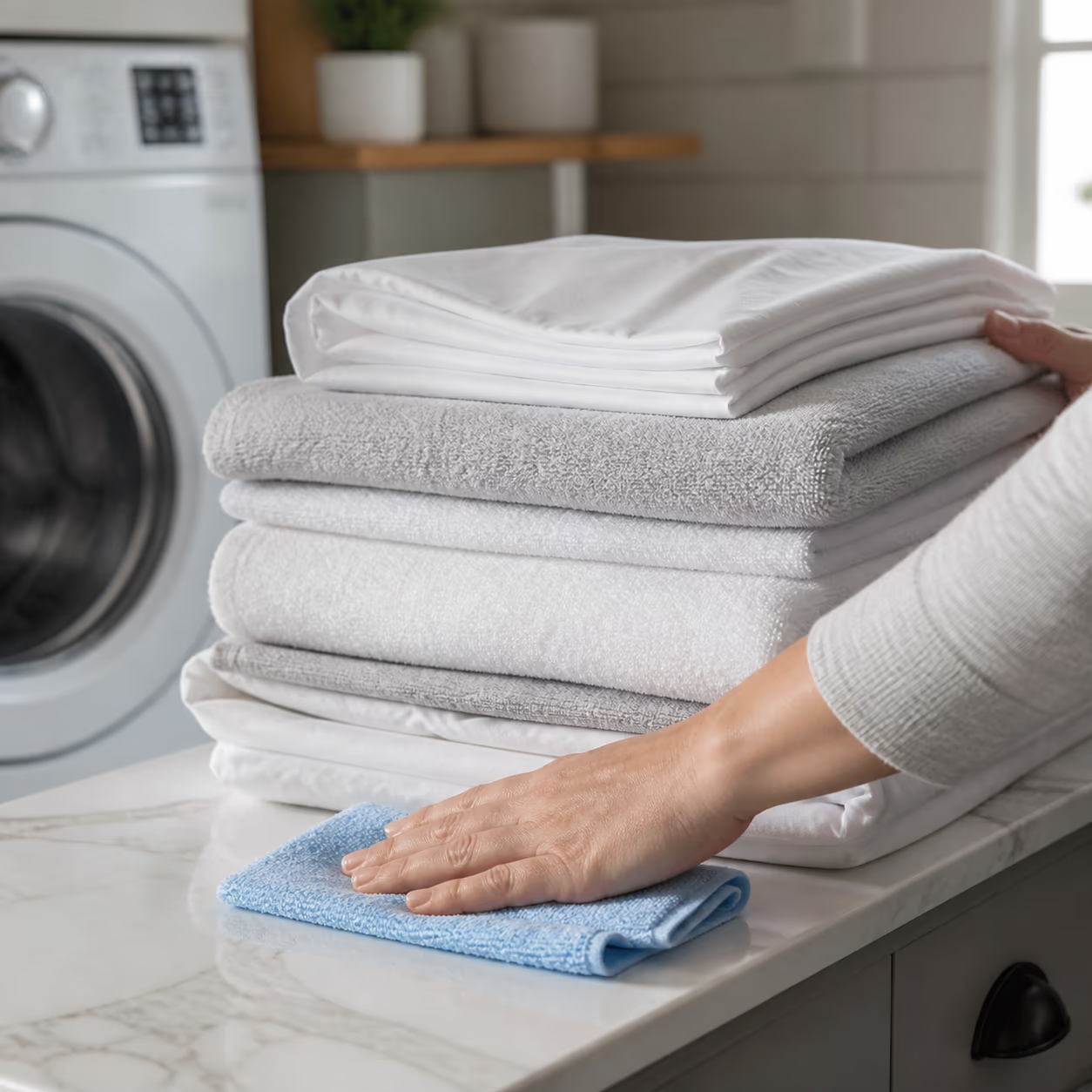
A laundry deep clean uses everyday products you probably already have. The point is not a bigger arsenal; it is using the right product at the right stage.
- A washing machine cleaner or a cup of white vinegar for the drum.
- Baking soda to lift odours and soften water.
- An oxygen-based or enzyme pre-treater for stains and body-soil lines.
- A gentle laundry detergent, measured to the load, not poured generously.
- A clean microfibre cloth to wipe the machine and the dryer lint trap.
- A drying rack for items that should not go in the dryer.
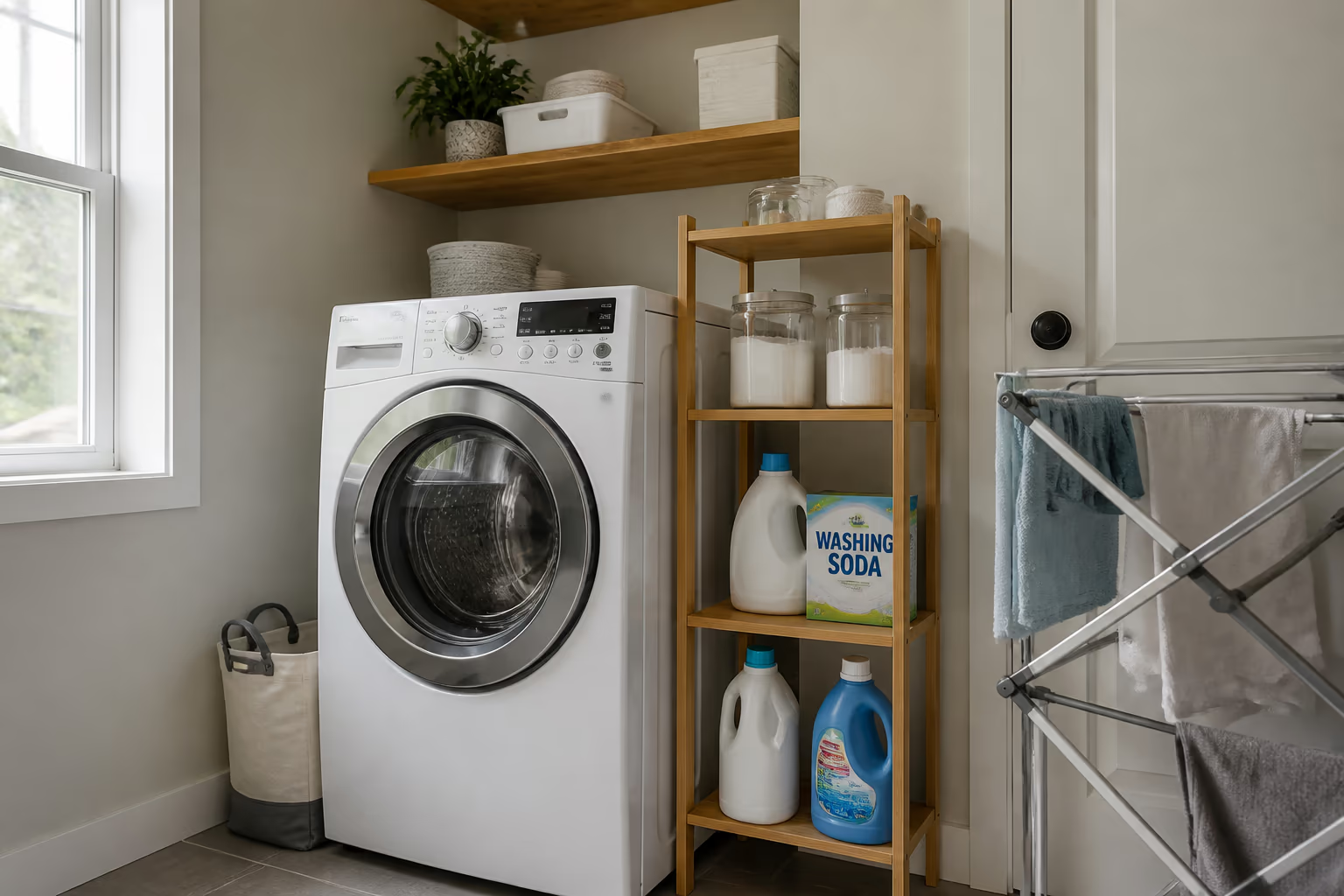
For hard-water homes, common across Ottawa, a small dose of washing soda or a water softener additive helps detergent work. If you are unsure about a product, read the label and follow the amounts; more product rarely means cleaner fabric.
Sort, Pre-Treat and Plan the Wash
Deep cleaning works best when you sort before you wash, not after. Separate by colour, by fabric weight and by how dirty the item is, and treat stains while they are fresh.
- Check every pocket and close zippers to stop snags.
- Pre-treat collars, cuffs and underarm lines where body oil collects.
- Turn delicates and dark items inside out to protect the outside.
- Group heavy items like towels and jeans separately from light shirts.
- Wash heavily soiled workwear or kids' clothes on their own.
The order you wash in matters too. Do the lightest, least dirty load first, then the towels, then the heavily soiled load, so detergent and residue do not transfer from one load to the next.
Choosing the Right Cycle, Temperature and Detergent
Water temperature and detergent amount do most of the heavy lifting in a deep clean. Modern machines and detergents get most loads clean at cooler temperatures, but a deep clean sometimes needs heat to break down oils and freshen bedding.
- Use warm water for everyday loads and for stains that need gentle heat.
- Use hot water for towels, bedding, underwear and anything a household member has been ill with.
- Use cold for dark colours, delicates and items that may shrink.
- Measure detergent by the load and soil level, not by habit.
- Skip fabric softener on towels and moisture-wicking sportswear; it coats the fibres and reduces absorbency.
For towels and bedding that need a deeper reset, a hot cycle with a little baking soda, then a plain rinse with white vinegar in the softener drawer, lifts residue without harsh chemicals. The vinegar smell disappears in the rinse, and the fabric comes out softer and free of detergent film.
Drying, Folding and Odour Prevention
How you dry and store laundry is half the deep clean. A load can come out clean and still smell musty if it sits damp, and a clean towel can pick up dust if it is folded in a warm, humid room.
- Remove laundry from the machine promptly and dry it fully before folding.
- Clean the dryer lint filter before every load.
- Air-dry items that cannot take heat, and keep them out of direct sun if colour fades.
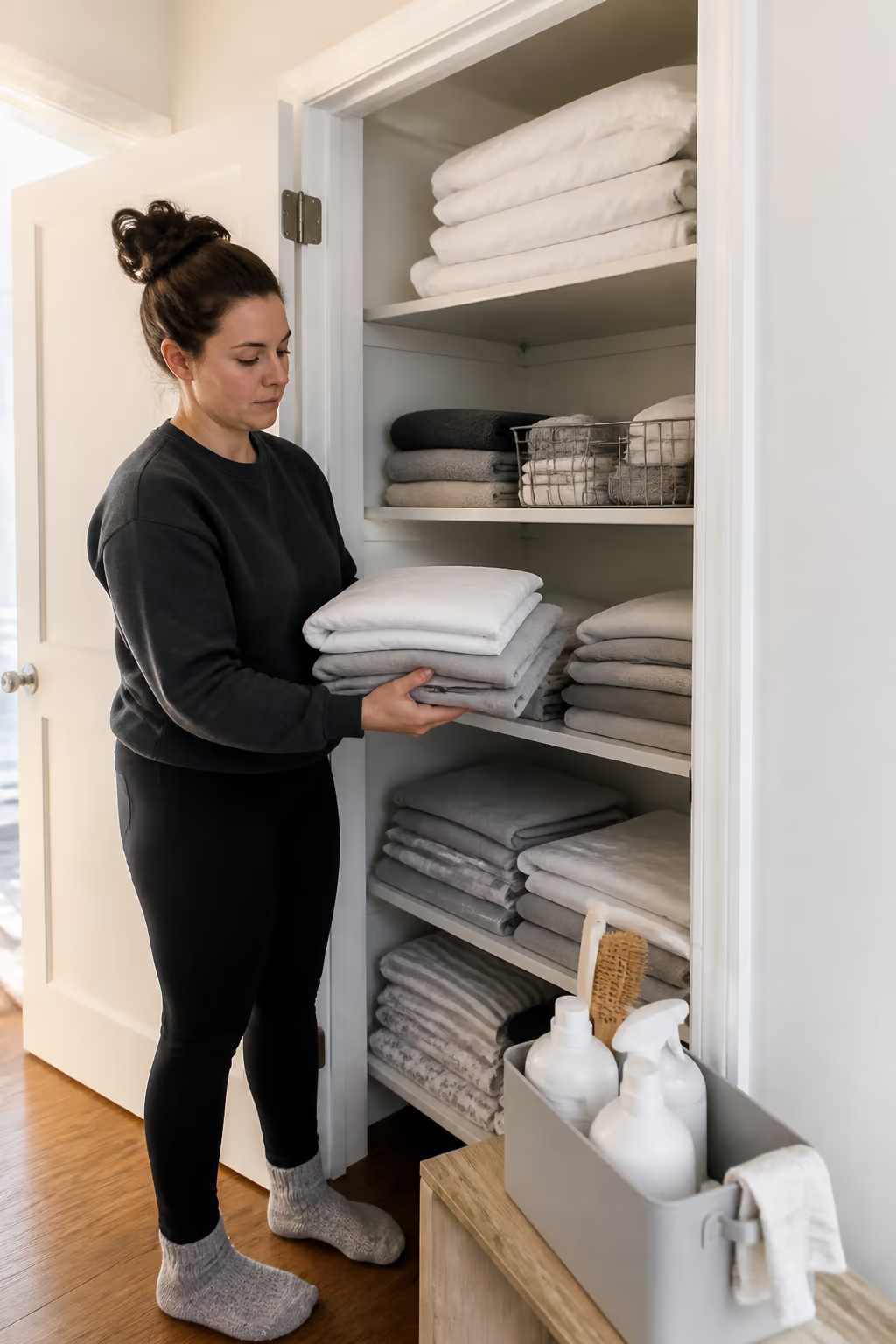
- Fold and store laundry in a dry, ventilated space, not a damp laundry room.
- Let the washing machine door stand open between loads so moisture escapes.
Drying properly is a health step, not just a finishing one. Health Canada's mould guidance identifies excessive moisture as one of the most common causes of poor indoor air, because moisture promotes the growth of mould and dust mites. Health Canada names the cause directly: “Excessive moisture is one of the most common causes of poor indoor air in homes, classrooms and public spaces, because moisture promotes the growth of mould and dust mites.”
If a musty smell keeps returning, the cause is usually in the machine or the storage space, not the fabric. Address the source and the smell stays gone.
Keeping Laundry Fresh Between Deep Cleans
Small habits keep a deep clean from becoming a constant reset.
- Wash towels and bedding on a regular schedule so residue does not build up.
- Use the right detergent dose and let the machine door dry open between loads.
- Air out shoes, gym bags and hampers instead of sealing them damp.
- Run the occasional empty hot cycle to keep the machine fresh.
- Deal with stains and spills when they happen, not at the next laundry day.
Together these take a few minutes a week and dramatically reduce how often a deep clean is needed. The same small habits that keep a home fresh apply at work too; see our guide on the best plants for office to keep it clean and fresh.
Signs Your Laundry Needs a Deep Clean
The easiest way to know when laundry needs more than a regular wash is to look, smell and feel.
- Towels feel rough or stay slightly damp even after a full drying cycle.
- A sour or musty smell returns shortly after items come out of the dryer.
- Whites look grey or yellowed, and colours look flat.
- Clothes feel stiff, sticky or waxy even right after washing.
- Drying leaves dark lines or marks that were not there before the wash.
- Body odour or perfume smells never fully leave gym wear or bedding.
If you notice two or three of these signs, a deep clean will almost always bring the fabric back. The longer the build-up sits, the harder it is to remove, so catching it early keeps the job small.
Start With the Washing Machine
You cannot wash laundry deeply with a machine that is dirty inside. Detergent residue, fabric softener and mould build up in the drum, the detergent drawer and the rubber gasket, and every wash then transfers a little of that build-up onto your clothes.
- Run an empty hot cycle with a washing machine cleaner or two cups of white vinegar once a month.
- Pull out and rinse the detergent drawer, including the softener section.
- Wipe the rubber door gasket and let it dry with the door open.
- Clean the filter or lint screen where your machine has one.
- Wipe the drum and door seal after the cleaning cycle is finished.
In a humid summer or a machine that is used daily, do this more often. The gasket is the part people miss most, and it is the number one source of the musty smell that clings to a full load of otherwise clean laundry.
Deep Cleaning Towels, Linens and Bedding
Towels and bedding are the items that benefit most from a deep clean, because they hold the most moisture, oil and dead skin. A tired towel that feels rough is usually not worn out; it is coated in residue that a hot wash can remove.
- Wash towels in hot water with a half-dose of detergent and a little baking soda.
- Add white vinegar to the final rinse to strip detergent film and soften the fabric.
- Dry towels fully and promptly, and fluff them while they are slightly damp to keep them soft.
- Wash bedding on a hot cycle and let it dry completely before it goes back on the bed.
- Give pillows and duvets an occasional gentle wash and a thorough air-dry to remove dust and oils.
In Ottawa, where winter means thick blankets, flannel sheets and extra layers, bedding gets heavier use for several months of the year. A spring deep clean, followed by another before winter layers come out of storage, keeps linens fresh.
Refreshing Delicates, Workwear and Heavily Used Items
Not everything can take a hot wash, and a deep clean needs to respect the care label. Delicates, workwear and winter gear each need their own approach.
- Hand-wash or use a gentle bag for bras, silks and fine knits.
- Use a dedicated sports detergent for gym wear so oils and odours do not linger.
- Remove winter salt and grit from boots and coats with a damp cloth before washing.
- Wash winter coats on a gentle cycle and air-dry them, never a hot dryer.
- Rotate heavy items so no single load strains the machine.
The salt and meltwater of a Canadian winter are hard on clothing. A quick wipe when you come inside, plus a seasonal deep clean, protects coats, scarves and gloves from the mineral residue that dulls fabric and leaves white marks.
Stripping: The Deep Clean Reset Explained
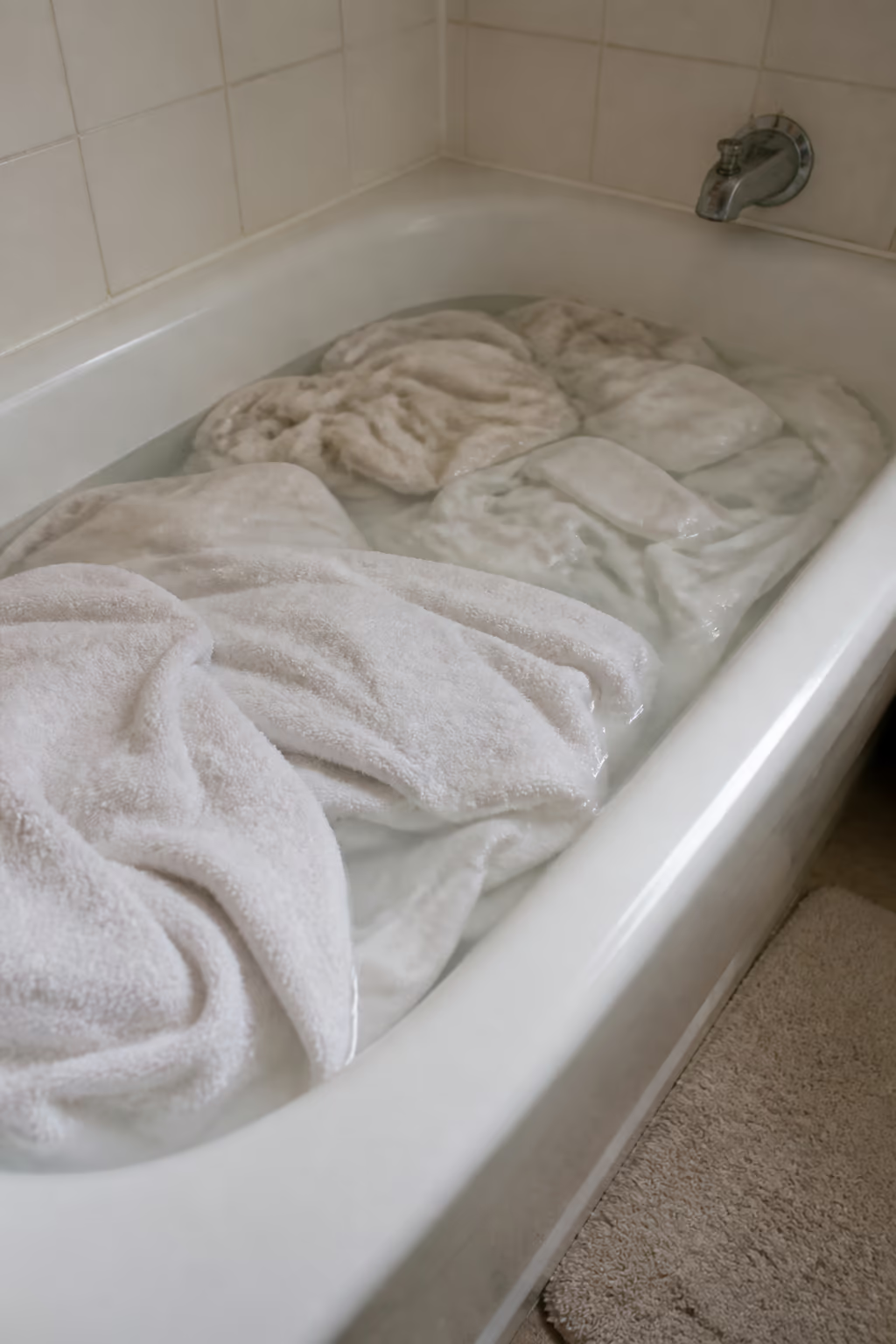
Stripping is the process of soaking fabric in very hot water with a cleaning solution to pull out years of detergent, mineral and body-oil residue at once. It is the strongest form of laundry deep cleaning, and it works best on towels, sheets and clothes that are washable in hot water.
- Fill a bathtub or large container with the hottest water the fabric can take.
- Add washing soda or a dedicated stripping detergent according to the label.
- Let the load soak until the water cools, then drain, rinse and wash normally.
- Reserve stripping for the items that need it, not the whole laundry basket.
- Follow the fabric care label, because not every fabric tolerates a long hot soak.
Stripping is dramatic but not something to do every week. Done a couple of times a year, it resets towels and bedding; overdone, it can wear out fabric and strip dyes. Most homes never need to strip more than a few items per season.
How Good Cleaner Co. Approaches Laundry in Ottawa
When our team supports a household in Ottawa, the same discipline applies to laundry and fabric care as to every other surface in the home.
- We pay attention to seasonal realities like winter salt and meltwater that put extra strain on laundry.
A professional clean is not just about the surfaces you can see. It is a consistent routine that keeps fabric, bedding and the whole home in better shape with less effort on your side.
When to Call a Professional
Most laundry deep cleaning can be done at home, but a busy household sometimes benefits from a professional reset, especially when it is part of a larger deep clean of the whole home.
- You want the entire home deep cleaned at once, including bedding, linen closets and upholstery.
- You are moving, preparing for guests or resetting a home after a long tenancy.
- A recurring routine would help, but your schedule does not leave room for it.
- You want trained staff using certified products and a documented process.
When you compare providers, ask what is included, what products are used and how they handle fabric care. If you are comparing options for your home or a property you manage, our commercial cleaning provider checklist is a useful starting point for the questions that matter. Shared laundry rooms in condos and apartment buildings face the same high-traffic hygiene demands as a call centre cleaning high density workspace hygiene program.
Formatted Step-by-Step Laundry Deep Clean Checklist
Use this checklist to deep clean laundry without missing a step.
- Clean the washing machine with an empty hot cycle, then wipe the gasket and drawer.
- Sort loads, check pockets and pre-treat stains while they are fresh.
- Wash towels and bedding on a hot cycle with a half-dose of detergent and baking soda.
- Add white vinegar to the final rinse to strip residue and soften the fabric.
- Dry fully, clean the lint filter and fold promptly in a dry space.
- For regular, thorough upkeep of the whole home, review our trusted home cleaning crews in Ottawa to see how a professional team can help.
Hard Water and Fabric Care in Ottawa
Ottawa's municipal water is moderately hard in many neighbourhoods, and hardness makes itself known in the laundry room. Minerals in hard water react with detergent to form a film that leaves whites grey, fabric stiff and colours dull, and that film is exactly what a deep clean removes.
- Add washing soda or a water softener to hard-water loads so detergent can do its job.
- Deep clean more often if you see grey whites or stiff towels despite normal washing.
- Run a second rinse on hard-water loads so minerals do not redeposit on fabric.
- Wipe mineral residue from the drum and gasket when you clean the machine.
The same hardness that spots glassware also shortens the life of fabric. Matching your laundry routine to your water is part of the plan, and a deep clean is the reset that keeps it in balance.
Common Laundry Deep Cleaning Mistakes
The mistakes below are why deep cleans sometimes fail or make things worse.
Using too much detergent is the most common one. Excess detergent leaves a film that traps dirt and dulls fabric, and it is the reason clothes come out feeling sticky. Measure by the load and let the machine do the work.
Washing at too low a temperature every time is another. Cold water saves energy, but it cannot break down body oils or properly freshen bedding. Alternate warmer loads for the items that need them.
Skipping the machine itself is the third. A dirty drum, drawer or gasket re-soils clean laundry, so cleaning the machine first is the difference between a real deep clean and a regular wash with extra steps.
Overloading the drum is the fourth. Clothes need room to move and rinse; a packed machine holds detergent and soil in the fabric. Wash smaller loads when you are deep cleaning.
FAQ
How often should I deep clean my laundry?
Most homes benefit from a deep clean once a season, with an extra pass after busy periods or a humid summer. Towels and bedding may need it more often if they feel rough or hold odours.
What is the best way to strip laundry residue at home?
Wash in hot water with a half-dose of detergent and a little baking soda, then add white vinegar to the final rinse. Rinse thoroughly so no vinegar smell lingers.
Can I deep clean laundry with just vinegar and baking soda?
Yes, for light residue. Vinegar in the rinse strips detergent film and softens fabric, and baking soda lifts odours, but a proper detergent is still needed for actual dirt.
Why does my laundry smell musty even after washing?
The musty smell usually comes from the machine, not the clothes. Clean the drum, gasket and detergent drawer, and let the door dry open between loads.
Is hot water always necessary for a deep clean?
No. Hot water helps break down oils and freshen bedding, but many loads come clean at warm or cold temperatures. Match the temperature to the fabric and the soil level.
Can I deep clean delicates and dark clothes?
Yes, with care. Use a gentle bag, cold water and a mild detergent, and air-dry items that cannot take heat. Turn dark items inside out to protect the colour.
Can stripping damage my laundry?
Done sparingly and only on hot-water-safe fabric, stripping is gentle on fibres and harsh on residue. Over-stripping every load can fade colour and wear fabric out faster, so reserve it for towels and sheets a few times a year.
Does Ottawa's hard water affect how I wash?
Yes. Hard water makes detergent less effective and leaves residue behind. A water softener, washing soda or a second rinse helps, and deep cleaning more often keeps whites bright.
Wrapping Up
Deep cleaning your laundry is about resetting the fabric, the machine and your routine. Clean the washing machine, sort and pre-treat, choose the right temperature and detergent, dry fully and store well, and your clothes, towels and bedding will look and smell better for far longer. When your schedule leaves no room for it, a trained team can take the whole home deep clean off your hands and keep the routine consistent. For the same room-by-room reset applied to cooking spaces, see our deep clean your kitchen complete guide.
Keep reading
More from Good Cleaner
Services that fit
- House Cleaning Services in OttawaHouse cleaning services in Ottawa for one-time, weekly, biweekly, and monthly home care, with customizable cleaning and eco-friendly options.
- Janitorial Services in OttawaRecurring janitorial services in Ottawa for offices, warehouses, retail, dealerships and schools. Eco-friendly commercial cleaning, customized plans, free quote.
About the author
Service areas
- Ottawa
- Kanata
- Nepean
- Orléans
- Barrhaven