
DIY Soft Scrub: An Eco-Friendly Cleaning Solution for Tile & Grout
Commercial soft-scrub cleansers often rely on harsh abrasives and chlorine bleach that can dull your fixtures and irritate the air in a small bathroom. A soft scrub you mix yourself cleans just as well on everyday soap scum and grout discolouration, and it is gentle enough for porcelain, fibreglass, and acrylic. Here is the full recipe and the surface rules that keep it safe.
Quick Summary
A homemade soft scrub made from baking soda, castile soap, and vegetable glycerin gives you the scrubbing power of a commercial cleanser without the bleach smell or the scratched surfaces. This guide covers the full recipe, how each ingredient works, and how to use it safely on tile, grout, and tubs.
In this guide
The Benefits of Homemade Soft Scrub Cleanser
The store-bought scrub under most bathroom sinks has two problems. Its abrasive particles can be harder than the surface you are cleaning, which is how fine scratches appear on tubs over the years, and its fragrance and bleach can hang in the air long after you have finished scrubbing.
A homemade mixture is still a chemical product to store properly. Health Canada's household chemical safety tips recommend storing products tightly closed in their original containers, keeping them out of sight and reach of children and pets, and never re-using empty containers. The federal advice starts at the shelf: “When you are buying a household chemical product, read the label to determine its ingredients and any special handling instructions.”
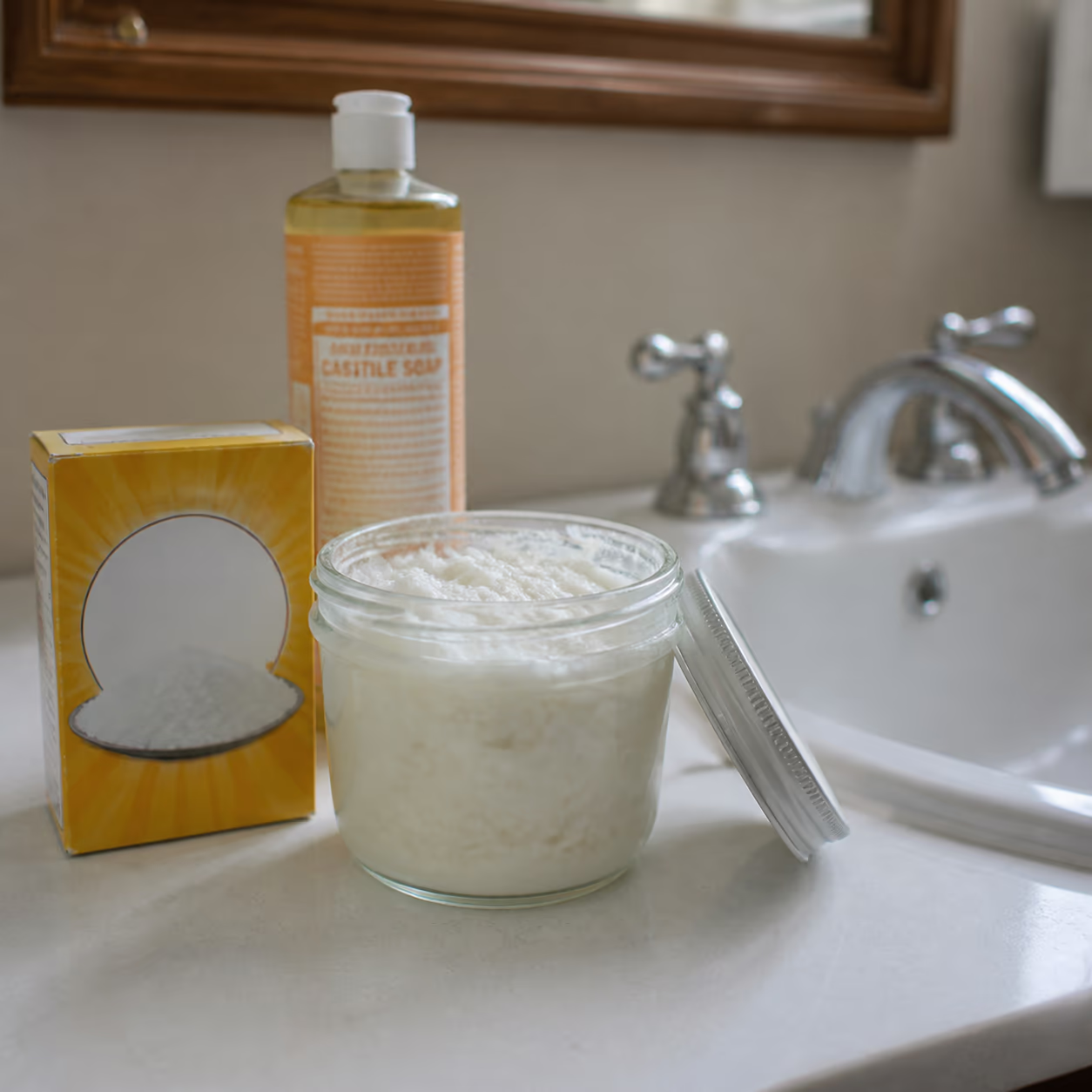
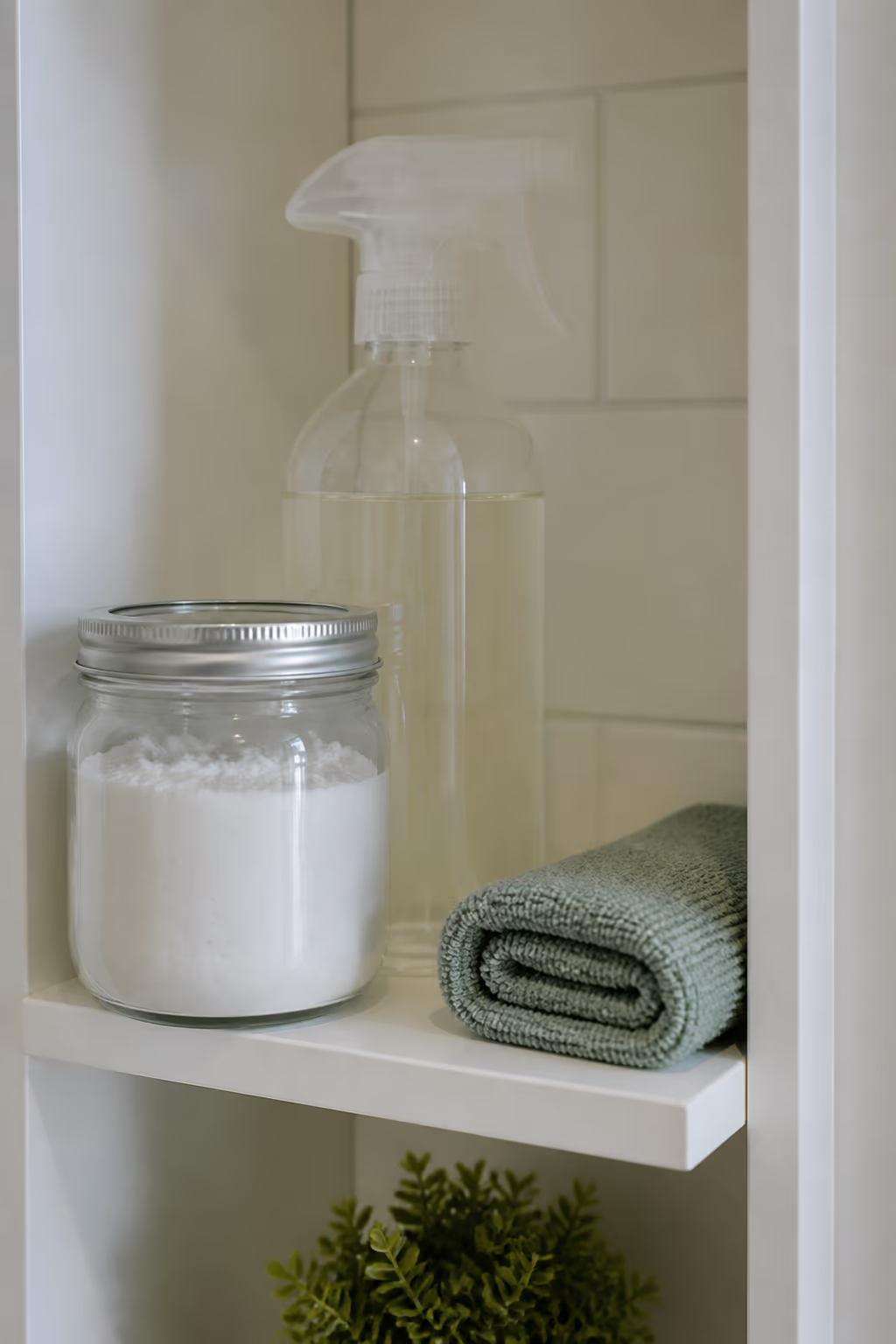
A homemade soft scrub paste solves both problems at once. Baking soda is soft enough to scour without scratching, castile soap lifts the oily film that holds soap scum to the surface, and vegetable glycerin keeps the paste moist so it is ready to use week after week. Add a few drops of tea tree or lavender essential oil and you get a natural scent without synthetic fragrance.
Because you control the ingredients, you also control the strength. Thicker paste for tough grout lines, a looser mix for everyday tub cleaning, and no harsh fumes in a small bathroom. It is one of the most satisfying recipes in the eco-friendly cleaning kit.
There is also the practical side. A single batch costs pennies and lasts for months, you already have most of the ingredients in the cupboard, and you can make a fresh jar in under five minutes whenever you run low. That convenience is exactly why the soft scrub is the recipe most of our clients say they keep making after they try it once. For more recipes beyond this one, our diy products eco friendly cleaning guide rounds up other pantry-based options worth trying.
Step-by-Step Soft Scrub Recipe
Craft your own non-toxic soft scrub at home:
How the Ingredients Work Together
Each ingredient earns its place in the bowl, and understanding that makes the recipe easier to adjust.
Baking soda is the workhorse. It is a mild alkaline mineral that sits around 2.5 on the Mohs hardness scale, which is softer than porcelain, fibreglass, and acrylic. That means it scours soap scum and grime through gentle friction instead of scratching the finish underneath.
Liquid castile soap does the chemical work that water and baking soda cannot. Its plant-based surfactants surround and lift the oils and body soaps that glue grime to the tub, so the paste is both an abrasive and a detergent in one.
Vegetable glycerin is the texture keeper. It is hygroscopic, which means it attracts and holds moisture, so the paste does not dry into a hard block between uses. You can even add an extra drop or two of water if the mix feels stiff.
Essential oils are the finishing touch. Tea tree and lavender are popular for their pleasant, natural scent and their reputation as gentle botanical additions. Use them sparingly, and skip them entirely if anyone in the home is sensitive to fragrance.
Using Soft Scrub on Tile, Grout, and Tubs
The same paste works across most of the bathroom, but each surface deserves a slightly different touch.
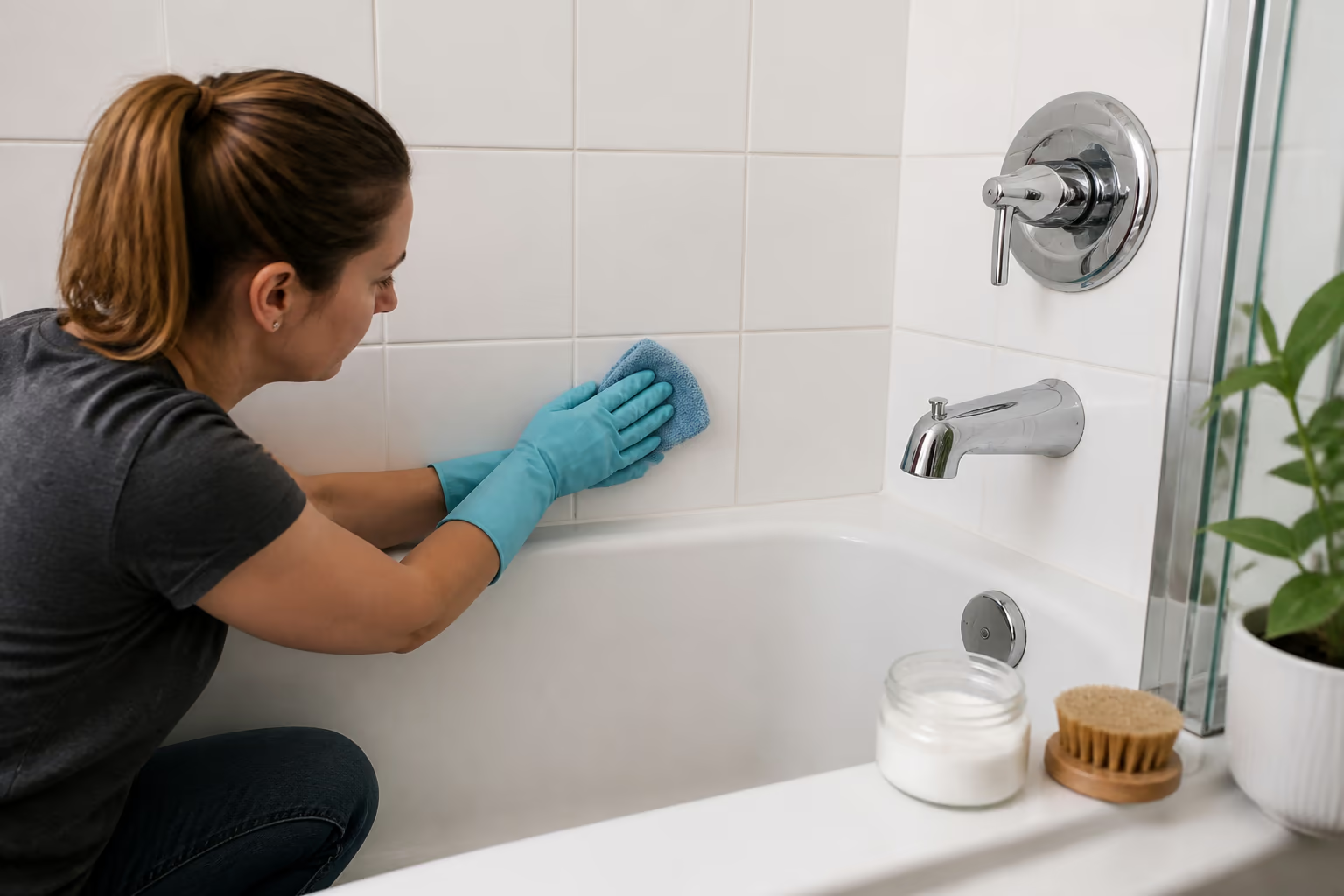
On porcelain tubs and sinks, apply the paste with a damp sponge or soft cloth, work it over the surface in small circles, and rinse thoroughly. The soft abrasive lifts soap scum and the castile soap carries it away without dulling the glaze.
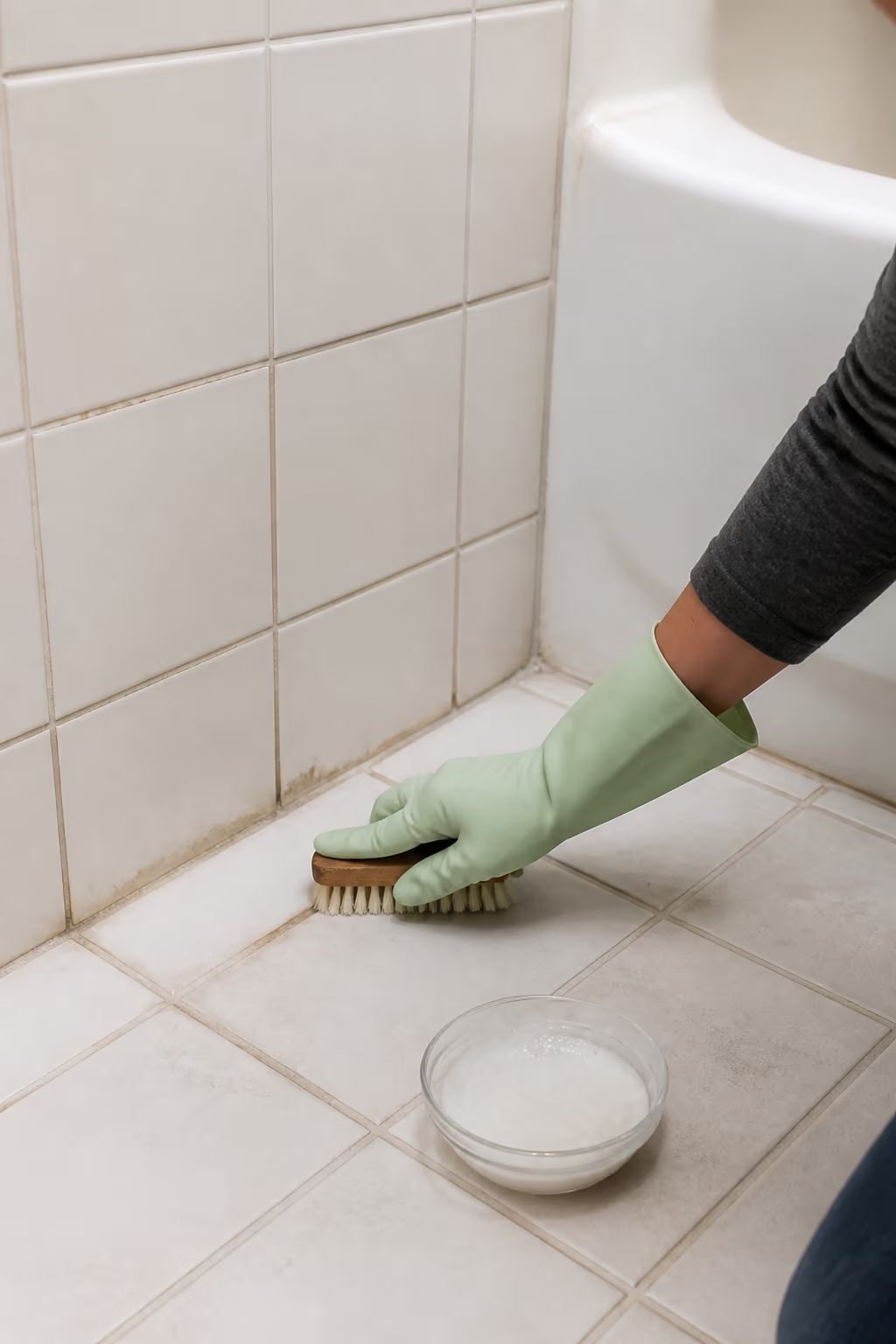
On ceramic tile and grout lines, use a soft-bristled brush and work the paste into the grout in circular motions. Grout is porous, so let the paste sit for a few minutes before scrubbing to give it time to loosen the discolouration, then rinse with clean water and wipe with a damp microfibre cloth.
On acrylic shower surrounds, keep the same gentle approach and never reach for a metal scouring pad. The paste is safe on acrylic, but harsh pads are not. Test any unfamiliar surface in an inconspicuous corner first, and avoid the paste entirely on natural stone, where the alkaline baking soda can be too aggressive.
Troubleshooting Your Soft Scrub
Most problems with a homemade soft scrub are easy to fix, and knowing the cause saves you from abandoning a good recipe over a small mistake.
If the paste is too dry and crumbly, you either used less castile soap than the recipe calls for or let it sit open too long. Stir in a teaspoon of warm water at a time until it reaches a spreadable texture, and keep the jar sealed between uses.
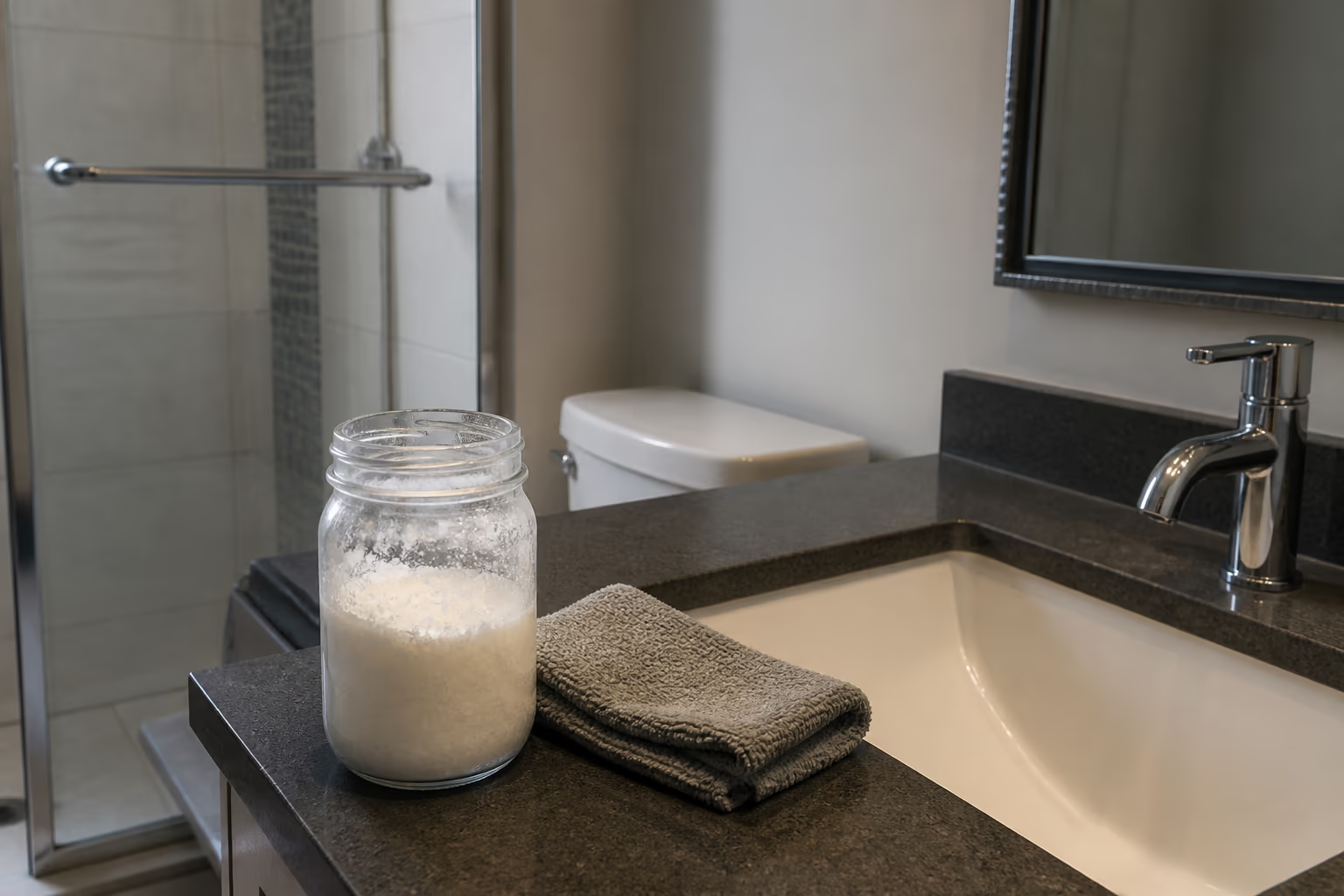
If the paste is too runny, you have the opposite problem. Add baking soda a spoonful at a time until it thickens back up. The consistency you want is like a thick frosting, wet enough to spread but firm enough to stay where you put it on the tub wall.
If the paste separates or looks greasy, that is usually the soap and glycerin settling. Give the jar a good stir before each use, and if it keeps separating, blend the base a little longer next time so the glycerin is fully worked in.
If the scent is too strong, cut the essential oil back to a few drops in your next batch. Some people are sensitive to fragrance, and the paste works just as well with none at all.
Formatted Step-by-Step Soft Scrub Preparation Checklist
Follow this checklist to prepare and apply your natural soft scrub paste:
Soft Scrub Across Ottawa's Neighbourhoods
A good soft scrub recipe is the same in every corner of the city, from a compact condo bathroom in Centretown to a family main bath in Barrhaven or Kanata. Hard water is a common complaint across Ottawa, especially in Nepean and Orleans, and that is exactly where a gentle acid-and-abrasive routine pays off. Older homes in Sandy Hill often have original tile and porcelain worth protecting, so the soft, scratch-free approach matters most there. Wherever you scrub, the recipe stays the same.
Put Diy soft scrub an eco friendly cleaning solution Into a Sensible Routine
Use the method in this guide with the surfaces and ingredients you actually have. Start with a small test area, keep product labels and care instructions in view, and stop if a finish changes. A useful home-cleaning routine is specific enough to follow on a busy day and gentle enough not to create a repair job.
Keep the result practical: a room that is easier to use and a method you can repeat safely.
Adjust the Method to the Conditions
Diy soft scrub an eco friendly cleaning solution is not a fixed recipe for every home. Change the approach when the material, amount of residue, room ventilation, pets, children, or access changes. Work in small sections, use fresh water or cloths when they are dirty, and avoid combining products in a bottle, bucket, or drain.
Ottawa weather can change what enters a home on footwear or how quickly a room dries, but surface care still depends on the actual material and condition. Deal with moisture, damaged seals, and recurring marks as maintenance questions instead of escalating to stronger products.
Check the Result Before Adding More Product
Look at the area in normal light and decide whether the task is finished, needs another careful pass, or points to a problem cleaning cannot solve. A clear note or photograph can help when you need to explain a recurring issue to a landlord, manufacturer, repair person, or pest professional.
Pause for product-specific, electrical, plumbing, damage, pest, or health concerns. Follow the product label and responsible authority's instructions, and seek qualified help where appropriate. A DIY cleaning guide cannot replace a repair assessment or professional health advice.
Beyond the Bathroom: Other Uses for Soft Scrub
A soft scrub is not only a bathroom product. The same gentle abrasive paste earns its place in several other rooms of the house, and it fits neatly alongside other eco friendly cleaning hacks worth keeping in your routine.
In the kitchen, it is excellent on stainless steel sinks, cooktop surfaces, and the inside of the oven door. Baking soda's soft abrasion lifts cooked-on food and grease film without the harsh scratching of a metal scouring pad, and the castile soap cuts through the oily residue.
In the laundry and utility room, a small jar of soft scrub handles soap scum around the washing machine, grime on the utility sink, and the hard-water rings that form around drains and fixtures.
Out on the balcony or patio, the paste lifts light grime on outdoor furniture and railings, though you will still want a proper outdoor cleaner for heavy weather stains and mould.
The one place to keep it away from is natural stone. Marble, granite, and travertine need pH-neutral stone care, and an alkaline abrasive paste can dull their finish. When in doubt, test the paste on an inconspicuous corner and rinse well.
A Practical Soft-Scrub Note
Use light pressure first and test the mixture on a hidden spot before treating a larger area. A paste that feels gentle in a bowl can still dull a glossy finish, scratch a coating, or leave residue in grout and seams. Rinse when the surface care requires it, dry the area, and stop if the material changes. Persistent marks may need a different method or repair rather than more scrubbing.
FAQ
Will baking soda scratch delicate acrylic or fibreglass bathtub surrounds?
No. Baking soda is a soft mineral sitting around 2.5 on the Mohs hardness scale, while fibreglass and acrylic are harder, so baking soda will not scratch them when you use a soft cloth and rinse well.
How long can I store homemade DIY soft scrub in a glass jar?
When stored with vegetable glycerin in an airtight glass jar, a DIY soft scrub stays soft and usable for several months. If it ever feels dry, stir in a teaspoon of water to bring it back.
Can I add white vinegar directly into the soft scrub paste?
No. Mixing acidic vinegar directly with alkaline baking soda neutralizes both ingredients into water and a salt, cancelling out their cleaning power. Use vinegar and the baking soda paste as separate steps instead.
Is the soft scrub safe to use on natural stone tiles?
Skip the baking soda paste on natural stone like marble or travertine. Alkaline abrasives can be too aggressive for stone. Use a pH-neutral stone cleaner or a professional service for those surfaces.
How do I get rid of the white residue left after scrubbing?
That residue is simply baking soda that was not rinsed away. Use clean warm water and a microfibre cloth for a final pass, and in tight grout lines, follow with a damp cloth or a quick rinse in the shower.
Can I use this soft scrub in the kitchen as well?
Yes. The same paste is excellent for stainless steel sinks, ceramic cooktop surfaces, and stovetop grime, as long as you rinse well. Keep a separate jar for the kitchen if anyone prefers different scents.
Will tea tree oil irritate sensitive skin?
Some people are sensitive to essential oils, so start with a small amount or leave it out entirely. The paste still works without it, and you can always add fragrance to your liking in a later batch.
How often should I scrub grout to keep it looking clean?
For most households, a monthly soft scrub pass on shower grout keeps discolouration from building up. In very hard-water areas, a light wipe with diluted vinegar between scrubs helps keep mineral film away.
Does the paste work on rust or hard-water stains?
Baking soda and castile soap will lift surface film and grime, but they are not designed for heavy rust or set-in hard-water rings. For those, a dedicated cleaner or professional treatment is the more reliable option.
When should I call a professional to clean my tile and grout?
If grout is stained to the point that paste and a brush no longer make a difference, or if you want a whole-bathroom deep clean before guests arrive, a professional service will save you hours and give a more consistent result. For ongoing upkeep beyond a single deep clean, eco friendly cleaning services Ottawa providers use similarly gentle, plant-based products.
Wrapping Up
A homemade soft scrub is one of the most useful recipes in an eco-friendly cleaning kit, giving you safe, effective scrubbing power for tile, grout, and tubs without the harsh fumes or scratched finishes. When you want a full bathroom deep clean or a professional refresh before a big event, Good Cleaner Co. is here to help with professional, eco-friendly home cleaning in Ottawa. Contact Good Cleaner Co. today to book residential cleaning visits in Ottawa.
Keep reading
More from Good Cleaner
About the author
Service areas
- Ottawa
- Barrhaven
- Kanata
- Nepean
- Orleans
- Sandy Hill