
How To Create A Weekly Cleaning Schedule - That Works
A weekly cleaning schedule that works is the difference between a home that constantly needs attention and a home that simply stays comfortable. The week is the right unit of time for most cleaning, because it is short enough to feel current and long enough to hold the jobs a daily routine never reaches. How to create a weekly cleaning schedule that works is about building a simple, repeatable plan, matching the jobs to the days you can actually do them, and letting consistency do the heavy lifting. This guide lays out a practical template you can adapt to any Ottawa home.
Quick Summary
Building a weekly cleaning schedule that works means matching household jobs, like towels, bathrooms and floors, to the days you can realistically do them, since a week is short enough to stay current and long enough to handle what daily routines miss. Consistency, not intensity, keeps it running.
In this guide
Why a Weekly Schedule Is the Right Unit of Time
Daily routines handle the surface, and seasonal cleans handle the depths, but the weekly schedule is where a home actually stays clean. A week is short enough that nothing has time to build up into a real problem, and long enough that a full pass over the kitchen, bathroom and floors feels manageable rather than overwhelming.
The weekly rhythm also matches how homes actually get dirty. By the end of a week, the towels need changing, the bathroom needs a proper clean and the floors need a real vacuum, and none of that is urgent enough to deserve daily attention. Waiting a month for those jobs is too long, and doing them daily is wasted effort. The week splits the difference, and a schedule built on it runs on a natural cadence instead of against one.
There is a practical benefit to a written schedule as well. When the plan is on paper or in your phone, you are not making a decision every time you stand in the kitchen wondering what to clean. The schedule decides for you, which removes the mental load that usually pushes cleaning to the bottom of a busy week.

What You Need Before You Start
Before the first week of the schedule, gather two things: the tools to clean with and a picture of the week you are planning around. Neither takes long, and both stop the schedule from dying in week one.
- A vacuum that works on your floors and is easy to move and store.
- A mop and bucket for the floors that need them, or a suitable hard-floor mop.
- Microfiber cloths in a few colours, so kitchen and bathroom cloths stay separate.
- The cleaners for each room, chosen for the surfaces, stored where the room is.
- A bin or basket for the things that need to go back to their rooms during a tidy.
- A copy of the schedule you can follow, on paper or in a note on your phone.
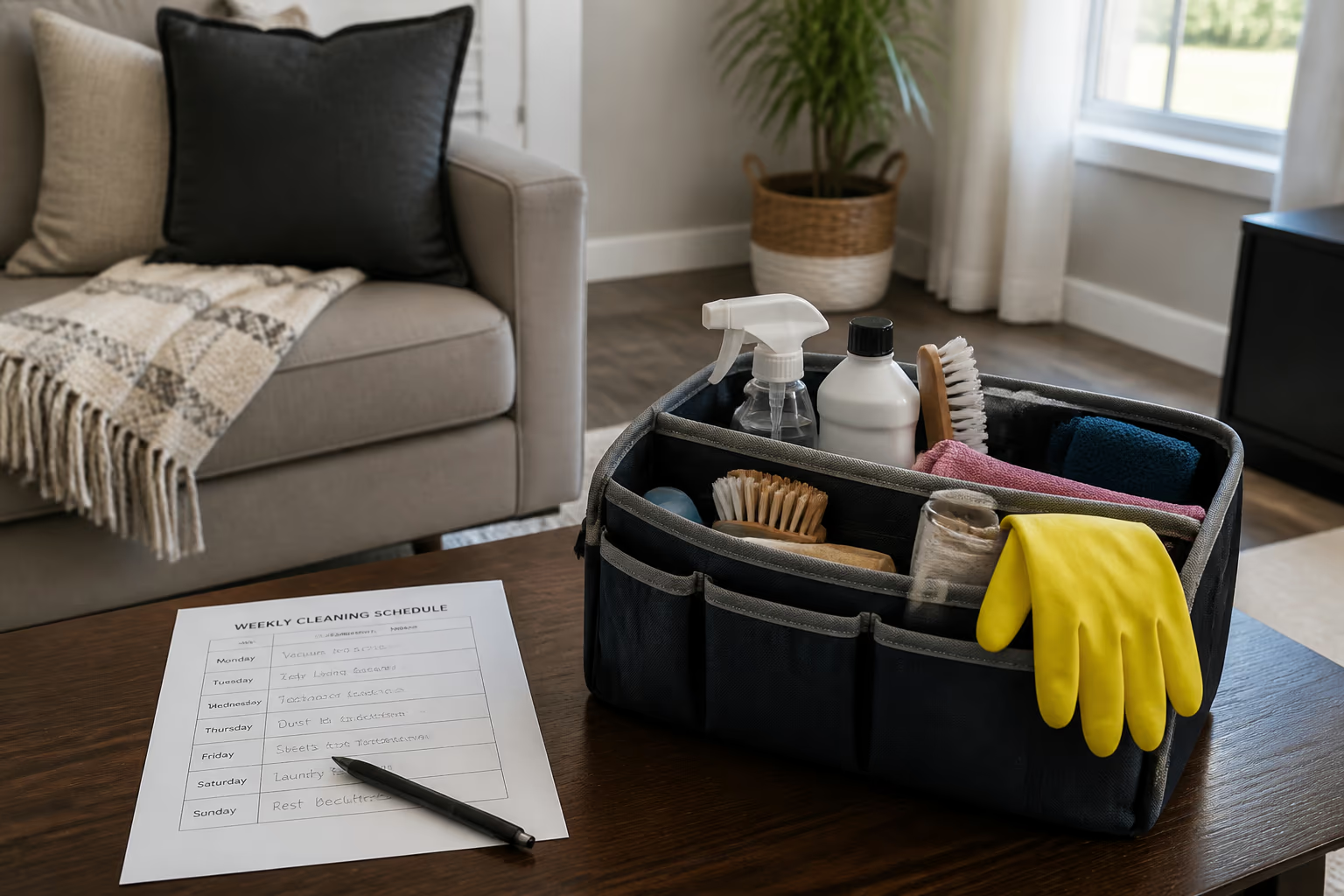
Make the tools easy. A home where the vacuum and cleaners live in inconvenient places turns every session into a chore before it starts. Keep a caddy of the essentials in a central spot, and keep a cloth and a spray under the sinks you use most.
Then map the week. Look at a typical seven days and write down the evenings or mornings when you could realistically clean, even if they are short. You do not need an empty schedule; you need real blocks. The weekly plan is built on those blocks, and a plan built on real time is one that survives contact with an actual week.
A Simple Day-by-Day Template That Works
How to create a weekly cleaning schedule that works does not require a complicated plan. Most homes run well on a simple rotation that spreads the work across the week instead of stacking it into one long session. The exact days matter less than the rhythm, so adjust the template to your week.
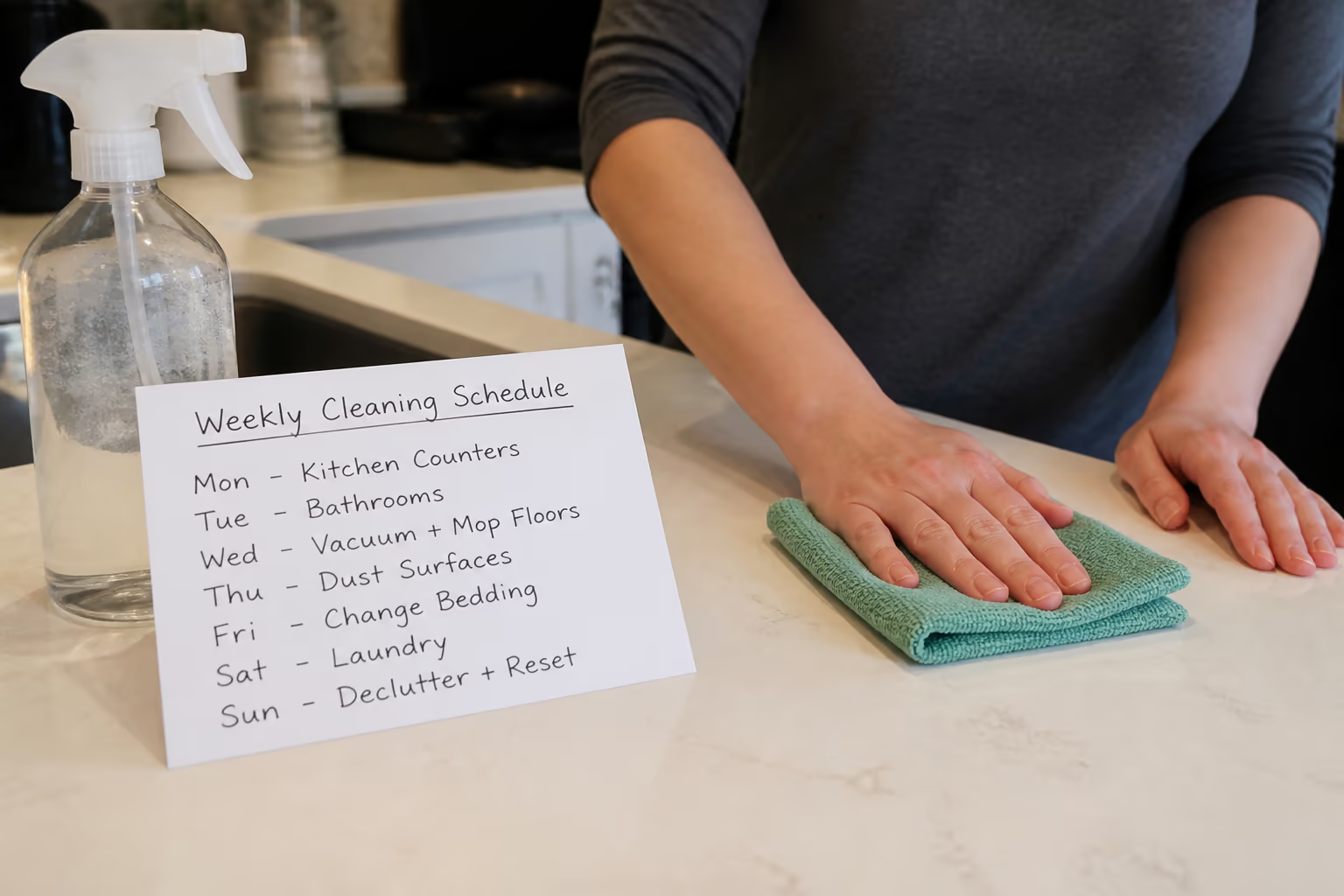
A workable baseline looks something like this. Monday handles the reset after the weekend, tidying the living spaces and starting a load of laundry. Tuesday takes the kitchen, wiping the counters, cleaning the sink and sweeping the floor. Wednesday gives the bathroom a proper clean, the toilet, tub and mirror, while the day's laundry rotates through. Thursday is the floor pass, vacuuming the main rooms and mopping where it is needed. Friday wraps the week with a tidy and a wipe-down, so the weekend starts clean. Saturday and Sunday cover the extras, the fridge, the oven or a deeper job, only when you want to.
The trick is that no single day is heavy. Each session is short enough to fit around work and family, and by the end of the week every important zone has been touched. If a day is missed, the next day simply picks up the load, because the whole week is designed to be forgiving.
The rotation also matches how rooms get dirty. The kitchen and bathroom need the most frequent attention, so they each get their own day. The floors and living spaces sit between them, and the extras fill the weekend. When the daily effort is small and the rhythm is steady, the home stays clean with a fraction of the weekend marathon.
Assigning the Weekly Jobs That Matter
A schedule is only as good as the jobs on it, and the weekly list should cover the tasks that keep a home genuinely fresh. These are the jobs that belong in a normal week, and they can be sorted by how often they truly need doing.
- The kitchen, cleaned several times a week, with the counters wiped daily and the sink, stovetop and floor given a proper pass at least twice.
- The bathroom, cleaned weekly, covering the toilet, tub or shower, sink and mirror, because soap scum is easier to lift after a week than after a month.
- The floors, vacuumed or swept weekly in the main living areas, with hard floors mopped on the same rotation.
- The bedding and towels, changed weekly so the bedroom and bathroom feel fresh.
- The dusting, done weekly on the main surfaces and shelves, with the high and low areas on a monthly rotation.
- The tidying, done daily in small doses, because a picked-up home looks clean even before the real cleaning starts.
One weekly job is worth adding on federal advice alone. Health Canada's ventilation advice recommends keeping baseboards and heating vents clear of furniture and leaving interior doors open so air can move through the home. Health Canada states it plainly: “The most effective way to improve your indoor air is to identify activities that can contribute to poor indoor air quality and remove or reduce the sources of indoor air pollutants.”
When the weekly list is realistic, it fits the template above without strain. Rooms that get a daily wipe need less on their weekly pass, and the weekly pass catches what the daily habits miss. The two work together, and together they keep the whole home presentable. The same daily-weekly-monthly logic works in a workplace too; see our office cleaning checklist daily weekly monthly for the commercial version.
Making the Schedule Stick in a Real Week
A weekly schedule works only if it survives the weeks that are not perfect, and a few habits make the difference between a plan you keep and a plan you abandon. These are the adjustments that turn a good idea into a working routine.
Set a time limit for the bigger jobs. Fifteen or twenty minutes on a room, guided by a timer, keeps the work from expanding to fill an evening. When the timer rings, stop, because a short consistent pass every week beats an exhaustive one that happens once.
Pair cleaning with things already in the week. Wipe the counters while the kettle boils, sweep the kitchen after dinner and vacuum the living room while laundry runs. Attaching a small job to a moment that already exists makes the schedule feel lighter than it is.
Keep the plan short enough to see at a glance. A list of six to eight weekly jobs fits on one card, and a card you can read in ten seconds is a card you will follow. The longer and more detailed the schedule, the faster it gets filed and forgotten.
Accept that some weeks are lighter than others. When a week goes sideways, do the two rooms that matter most, the kitchen and the bathroom, and let the rest catch up next week. A schedule that bends is a schedule that stays alive, and staying alive beats being perfect.
Common Mistakes That Undo a Weekly Plan
Most weekly schedules fail in predictable ways, and naming the failures makes them easier to avoid. The patterns below are the reasons a good plan quietly stops happening.
- Trying to do the whole house in one day, so the session is exhausting and the week after it is skipped entirely.
- Leaving the weekly schedule vague, with no assigned jobs or days, so it becomes a list of intentions rather than a plan.
- Forgetting the floors and the towels, so the rooms that show the most get the least attention.
- Making the plan too long, so following it takes more time than a busy week has and it collapses under its own weight.
- Never adjusting it, so a schedule designed for one season or one routine keeps fighting the life you actually live.
- Carrying every job alone, when a professional team could lift the heaviest tasks and leave the weekly list human-sized.
The common thread is a schedule that does not fit the week it is meant to run. The fix is not more discipline; it is a smaller, clearer plan that matches the time you have. When the weekly list is short enough to keep, keeping it becomes easy.
Seasonal Tuning for Ottawa Homes
A weekly schedule that works in October needs a different balance in January, because an Ottawa home changes with the year. Tuning the weekly plan for the season keeps it realistic and protects the house through the hardest months.
Winter is the salt and sand season. From late November to the spring melt, the entryway needs a daily sweep or vacuum and the mats need a weekly wash, because the grit that comes in on boots grinds into the floors and spreads through the house. The weekly schedule can also shift a little more time to the entry and the floors, and a little less to the areas that are not seeing winter traffic.
Spring is the reset. The weekly routine stays, but the weekend extras expand to cover the deep layer, washing the windows, cleaning the grout and pulling out the furniture for a proper floor clean. A spring reset clears the winter's salt and dust so the summer schedule starts from a clean base.
Summer and fall shift the balance again. Open windows mean more pollen and dust, so the vacuum earns its keep, while the absence of snow and salt lightens the entryway work. The fall brings leaves and the first frost back to the door, and a quick pass before winter sets in saves a much bigger clean in January.
Good Cleaner Co. builds its weekly plans around these Canadian realities. A team that knows Ottawa's seasons protects the entryways through winter, schedules the deep work at the right time, and uses certified products chosen for the home and the people in it. A weekly rhythm that respects the season is one that actually keeps running.
When a Professional Team Carries the Weekly Load
There are weeks when the schedule is right and the hours are simply not there, and that is when a professional team earns its place. The weekly schedule is not a reason to avoid help; it is a framework that shows exactly which tasks could be carried by someone else.
Good Cleaner Co. fits into a weekly plan the way the plan needs it to: on your days, on your frequency, doing the jobs that take the longest. The team handles the weekly bathroom, kitchen and floors with documented processes and consistent visits, so the rhythm of the house stays steady even when your week does not. When a deeper clean or disinfection is needed, it uses certified products and follows WHMIS 2015 rules so the home is safe for everyone who lives in it.
Choosing a provider you can trust matters, and the same questions apply whether you are hiring for a home or a business. If you are comparing providers, our guide to comparing commercial cleaners is a useful starting point for the questions that matter, including training and whether the team shows up on the schedule it promises. Our cleaning services overview outlines the specific visit types available if a weekly plan is the right fit.

Formatted Step-by-Step Weekly Cleaning Schedule Checklist
Use this checklist to build a weekly cleaning schedule that actually works, in the order that makes it easiest to keep.
- Step 1.Map a typical week and write down the real blocks of time you could give to cleaning, even the short ones.
- Step 2.Pick the six to eight weekly jobs that matter most for your home, covering the kitchen, bathroom, floors, towels and dusting.
- Step 3.Assign each job to a day or block, spreading the work so no single day is heavy.
- Step 4.Keep the plan short enough to read at a glance and set a timer for the bigger rooms.
- Step 5.Review the schedule after the first week and adjust it, so the plan fits your real week and not a wish.
- Step 6.When the weekly load outgrows your time, our Ottawa residential cleaning teams are built around your schedule and standards.
Free Weekly Cleaning Schedule to Print or Edit
The day-by-day template from this guide as a planner: a simple rotation, a grid to tick each job by day, a table for who does what, and the steps for building your own schedule.
Print it for the fridge, or open the Word file and change the days to suit your week. There is no form and no email address to hand over.
Letter size, print-ready. No email address, no sign-up.
FAQ
What does a good weekly cleaning schedule look like?
A good one spreads the work across the week so no day is heavy, covers the kitchen, bathroom, floors, towels and dusting, and fits the time you actually have. A simple rotation, one zone a day, works for most homes.
How long should I spend cleaning each week?
It depends on the size of your home, but many people keep a home presentable with an hour to two hours a week split into short sessions. The goal is consistency, so a realistic time that you keep beats an ambitious one you abandon.
Should I clean the whole house in one day or a little every day?
A little every day, split across the week, usually works better. It keeps the home looking better all week, avoids the exhausting marathon, and recovers gracefully when one day is missed. One zone a day is a practical rhythm.
What are the most important weekly cleaning tasks?
The kitchen and bathroom, because they collect grime fastest, plus the floors, the towels and the main dusting. When a week is short, those are the tasks to protect, because they do the most for how the home feels.
How do I stop a cleaning schedule from falling apart?
Keep it short, assign jobs to real days and time blocks, and accept that some weeks are lighter than others. A schedule that bends with a busy week survives, and a professional team can carry the heaviest loads when life gets away from you.
How do I clean the whole house quickly every week?
Work in short, focused sessions, one room at a time, with a timer. Tidy before you clean, work top to bottom and dry to wet, and keep the supplies close to where you use them. A routine that reduces friction is a routine you will run.
Do I need a different schedule in winter?
In Ottawa, yes. Winter adds daily entryway cleaning for the salt and sand and a weekly wash of the mats, and it shifts a little time to the floors. Tuning the weekly plan for the season keeps it realistic through the hardest months.
Is it worth hiring a cleaner for weekly visits?
For many busy people, yes. A weekly professional visit carries the bathroom, kitchen and floors on a steady rhythm, while you keep the small daily habits. The professional plan and your plan work together instead of all of it resting on you.

Wrapping Up
How to create a weekly cleaning schedule that works comes down to a short, realistic plan that matches your week, spreads the work across the days, and covers the jobs that matter most. Keep the kitchen, bathroom, floors, towels and dusting on a steady rhythm, tune the schedule for Ottawa's seasons, and let a forgiving plan carry you through the busy weeks.
Good Cleaner Co. can carry the heaviest weekly loads on a schedule that fits your home, with documented processes and certified products that keep the house safe and consistent. If you would like a professional team to keep the rhythm for you, contact us for a free quote and a cleaning plan tailored to your home and your week.
Keep reading
More from Good Cleaner
Services that fit
- House Cleaning Services in OttawaHouse cleaning services in Ottawa for one-time, weekly, biweekly, and monthly home care, with customizable cleaning and eco-friendly options.
- Janitorial Services in OttawaRecurring janitorial services in Ottawa for offices, warehouses, retail, dealerships and schools. Eco-friendly commercial cleaning, customized plans, free quote.
About the author
Service areas
- Ottawa
- Kanata
- Nepean
- Orleans
- Barrhaven