
How Many Types Of Vacuum Are There?
There are seven main types of vacuum cleaners: upright, canister, stick, handheld, robot, central, and wet/dry. Each one is built for a different job, and none is best for every home. This guide walks through each type, what it does well, what it struggles with, and how to choose the right one for an Ottawa household.
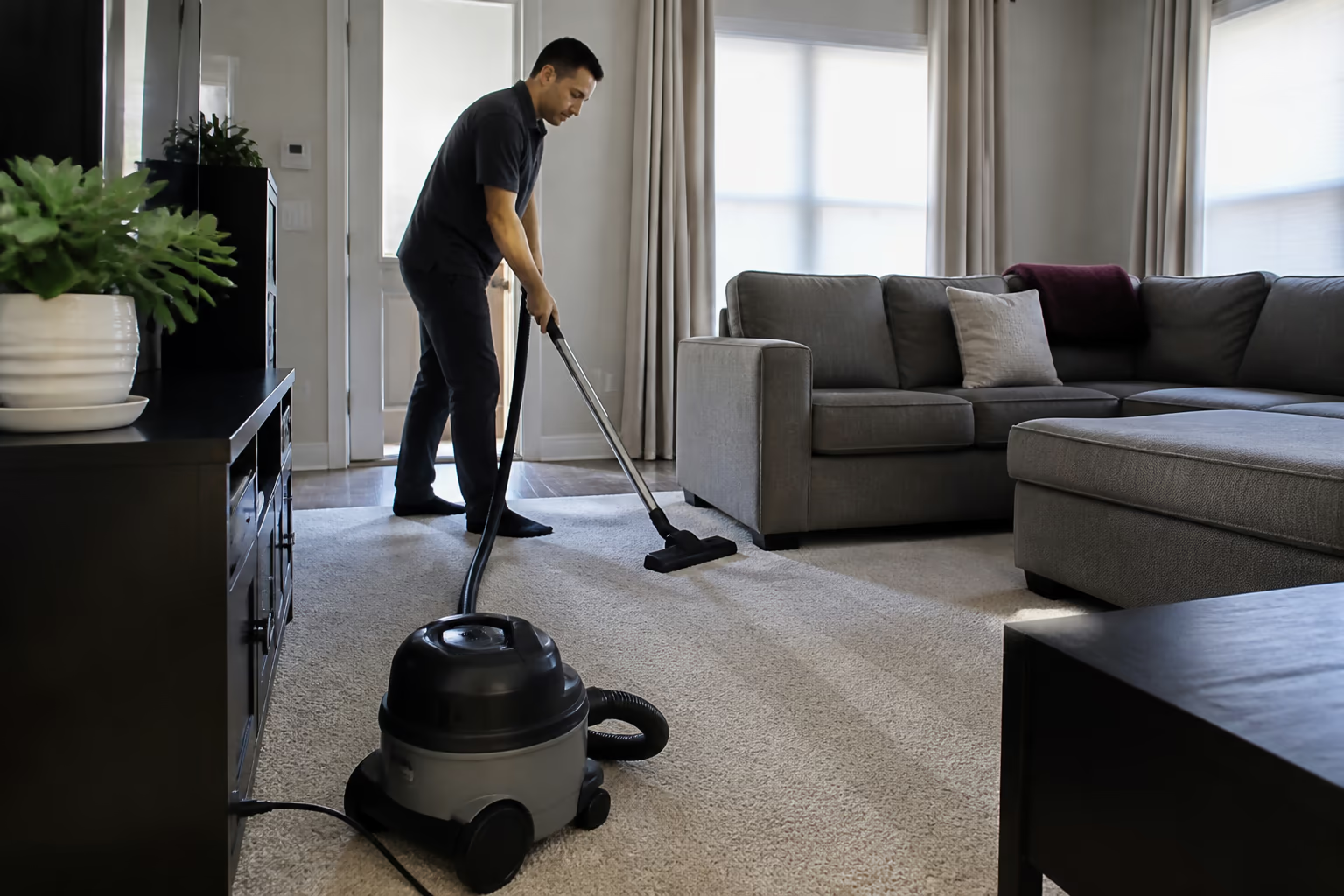
Quick Summary
There are seven main types of vacuum cleaners: upright, canister, stick, handheld, robot, central, and wet/dry, each built to solve a different cleaning problem. Uprights and canisters handle heavy duty work, sticks and handhelds add convenience, robots automate routine cleaning, and wet/dry models tackle water and workshop messes.
In this guide
The Seven Main Types of Vacuum Cleaners
Most people know a handful of vacuum styles but rarely think about how many types actually exist. The commonly counted answer is seven: upright, canister, stick, handheld, robot, central, and wet/dry. Each was designed to solve a different problem, from cleaning a long hallway to handling a flooded basement, so the best choice depends on the home and how it is lived in.
Filtration cuts across every one of these categories. Health Canada recommends either a central vacuum vented outdoors or a portable machine fitted with a HEPA filter, so the fine particles a vacuum lifts are trapped rather than exhausted back into the room. Whichever body style suits your home, that specification is the one worth checking. The federal guidance opens with the reason it matters: “Poor indoor air quality can affect your health.”
A good way to think about the seven is by what each one prioritises. Uprights and canisters are the heavy-duty generalists. Sticks and handhelds are the convenience machines. Robots automate the routine. Central systems move the motor out of the room. Wet/dry models take on water and workshop mess. Knowing which category a machine belongs to tells you a lot about what it is good at before you read the specifications.
Some guides count slightly differently, folding stick and handheld models into a broader category or adding commercial machines, but seven is the figure you will see most often in home buying guides. What matters more than the exact number is understanding the strengths of each type, because the right choice for a home is the machine that fits its floors and the way it is lived in.
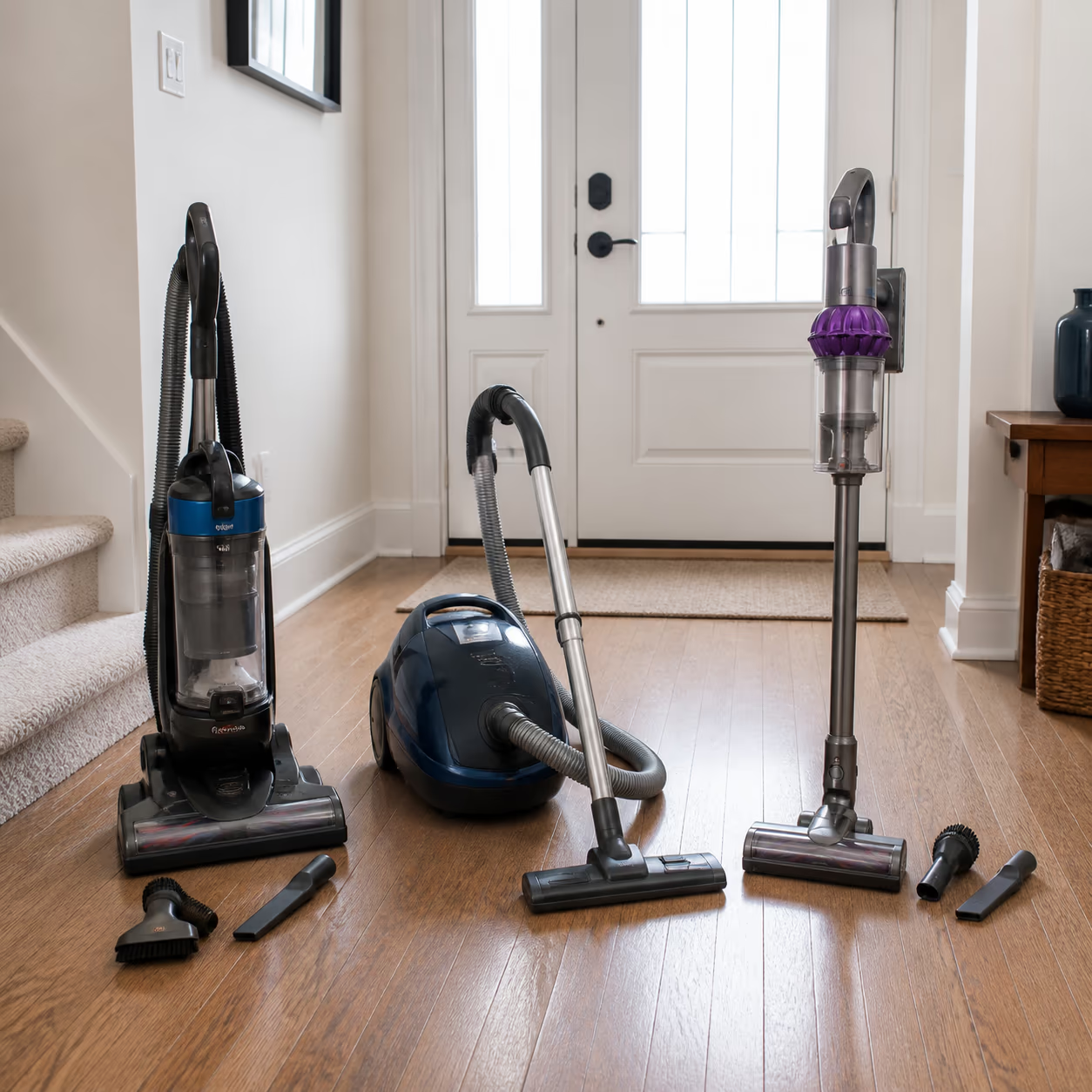
The Seven Types Explained
- 01
Upright vacuums are the classic all-rounder. The motor and dust container sit in the body you push, the brush roll is built into the base, and the machine stands on its own when you let go. They are strong on carpets, easy to park in a closet, and often the first vacuum a household buys. They tend to be heavier and can be awkward on stairs, and the bulky head makes reaching under furniture more difficult.
- 02
Canister vacuums put the motor and dust container in a body that stays on the floor, connected to a wand and hose that you carry. Because the heavy part is separate, the wand is lighter in the hand, which makes stairs, upholstery, drapes and tight corners far easier. They are usually quieter than an upright and often come with a wide range of tools, though they take up more floor space and the hose can be a little clumsy to drag behind you.
- 03
Stick vacuums are the lightweight middle ground. A slim body with the motor near the top, a handle at the end and a small head at the base makes them fast to grab for a quick pass over a kitchen or entryway. Cordless models are especially convenient because there is no cord to unplug, but the battery limits runtime, and the smaller capacity means more frequent emptying.
- 04
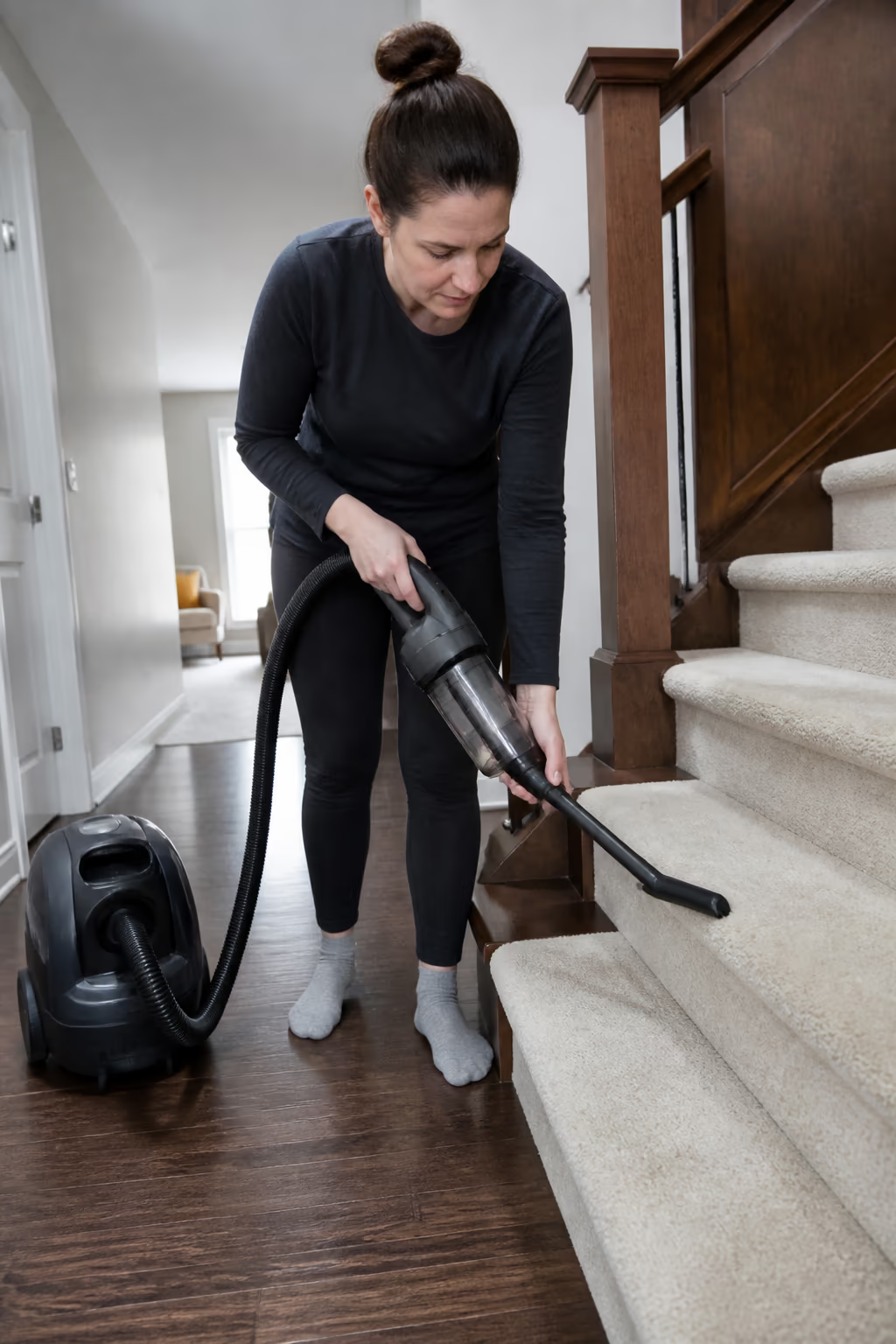
Handheld vacuums are the spot-clean specialists. Small enough to hold in one hand, they are meant for stairs, car interiors, crumbs and tight spaces rather than whole rooms. Most are battery powered, and they shine as a second vacuum for quick clean-ups rather than as a primary machine.
- 05
Robot vacuums clean on their own schedule. A robot roams the floor, navigates around furniture, and returns to its dock to recharge when the battery runs low. They are excellent for keeping high-traffic floors from building up dust between deeper cleans, and many modern models map the home and respond to app controls. They are not a replacement for a full vacuum; they keep a floor maintained, and they still need the edges, stairs and furniture to be handled by something else.
- 06
Central vacuums put the motor and dirt collection in a fixed unit, usually in a garage or utility room, connected to wall inlets through pipes built into the home. You carry only a hose and wand to each inlet, so there is no heavy machine to push and very little noise in the room being cleaned. Central systems are most common in homes built or renovated with the ducting in place, which makes them a bigger commitment than a portable unit.
- 07
Wet/dry vacuums are the workshop and emergency machines. As the name suggests, they can pick up liquids as well as dry debris, which makes them the tool for a flooded basement, a burst pipe or a garage covered in sawdust. They are not a daily carpet cleaner; they are the machine you reach for when something spills, leaks or floods.
What You Need Before You Choose
Choosing among the seven comes down to matching the machine to the home, and a few questions sort most of it out before you look at any brand.
- The floor types in the home, since carpets, hard floors and area rugs each behave differently.
- The size of the home and how many levels it has, which affects whether a cordless or central system makes sense.
- The presence of pets, whose hair needs a machine with a good brush roll and easy-to-clean filters.
- Allergy or asthma concerns, which favour a vacuum with a HEPA filter and a sealed system.
- How often the home is vacuumed, and whether a daily robot pass would genuinely reduce build-up.
- Storage space, since an upright parks in a corner while a canister needs room for the body and hose.
A Canadian home has a few extra considerations worth naming. Entryways and mudrooms carry the heaviest winter load, when salt, sand and grit are tracked through the door and grind into carpets and rugs. A vacuum with strong suction and a brush roll that can be cleaned easily will cope far better than one that struggles with coarse grit. For a home with allergies, a HEPA filter and a sealed dust path matter more than any other feature, because they keep the fine dust from being blown back into the room.
Price is part of the decision, but it is not the whole story. A mid-range machine that fits the home and is maintained well will usually outperform a premium model that is the wrong type or is never cleaned. Look for the features that match the home first, then compare value rather than the sticker price alone.
The Step-by-Step Process: Choosing, Using and Maintaining
Start by deciding what the vacuum will mostly do. If a whole carpeted home is the main job, an upright or a canister is the sensible base. If hard floors dominate and storage is tight, a good stick may be all that is needed. If maintaining floors between deeper cleans is the goal, a robot earns its place. Many households end up with two machines, such as an upright for deep cleans and a handheld or stick for quick passes, and that is a reasonable and common setup.
Once the machine is home, the way you use it makes a large difference to how well it performs. Work in straight, overlapping passes rather than pushing the vacuum in every direction, go slowly enough for the brush roll to lift the dirt, and empty the bin or change the bag before it is completely full. On stairs and furniture, use the right tool from the set rather than forcing the main head into a tight space.
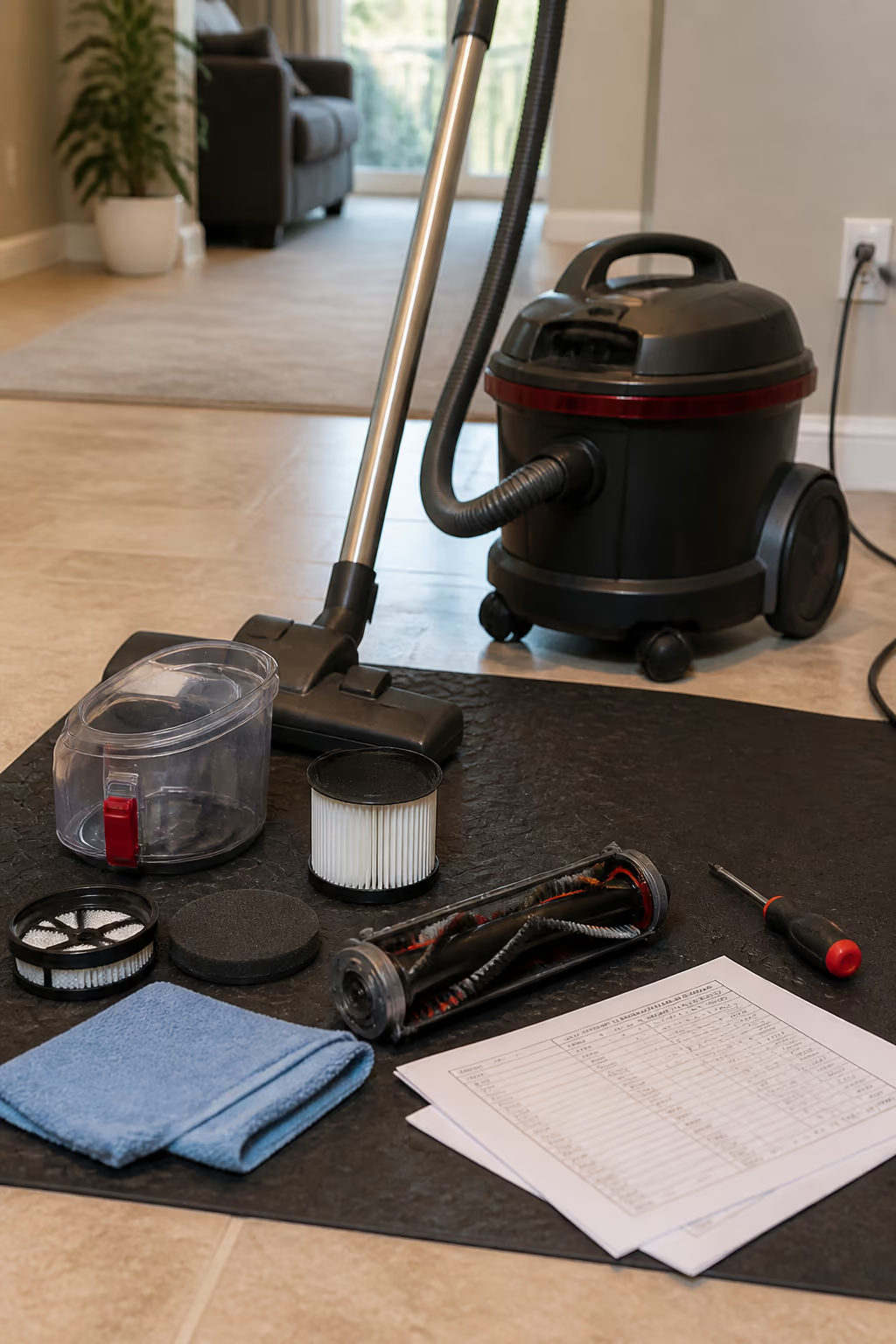
Maintenance is where vacuums are most often neglected, and it is the cheapest way to keep one working well. Clean or replace the filters on the schedule the manufacturer recommends, especially a HEPA filter, check the brush roll for tangled hair and fibre, and clear the hose if suction drops. A machine that is looked after will outlast one that is never cleaned by years, and it will clean better the whole time.
There is one more consideration for a Canadian home: where the vacuum is stored and how the cord is managed. In winter, a machine stored in an unheated garage may need a few minutes to adjust, and a cord that is kinked and pulled tight in the cold can weaken over time. Storing the vacuum indoors and coiling the cord loosely keeps it ready for the season.
Common Mistakes and How to Avoid Them
Most vacuum problems are not failures of the machine; they are failures of use and maintenance, and they are easy to avoid once you know them.
- Letting the bag or bin get completely full, which cuts suction and strains the motor.
- Cleaning or washing a HEPA filter when the manufacturer says not to, which can damage it.
- Ignoring a tangled brush roll until the vacuum stops picking up properly.
- Buying the biggest or most expensive machine rather than the one matched to the home.
- Expecting one vacuum to handle every job, when a handheld or a robot is often the right second tool.
- Vacuuming wet messes with a dry-only machine, which risks the motor and the electrical components.
The single most useful habit is to clean the machine as part of the routine. Check the brush roll when you empty the bin, replace filters on schedule, and stop using the vacuum if suction drops noticeably until you have cleared the hose. A little attention keeps a vacuum strong for years.
It is also worth remembering that a vacuum is a tool for the floor, not for every surface. Using a floor vacuum on drapes, lampshades or a mattress without the right attachment can damage both the fabric and the machine. The attachment set that comes with the vacuum exists for exactly these jobs, and using it keeps the machine and the home in better shape.
How Good Cleaner Co. Uses the Right Vacuum for the Job
Good Cleaner Co. treats vacuuming as a task that needs the right machine and the right technique, not just a powerful motor. The team matches the vacuum to the surface being cleaned, uses a HEPA-filtered machine where allergies and indoor air quality matter, and follows a set pattern in each room so the whole floor is covered without missed strips. Equipment is maintained between visits, because a clean machine is what actually removes the dirt. The same equipment discipline carries over to our janitorial services for offices and commercial floors.
Winter in Ottawa shapes how the team approaches floors. Salt, sand and grit tracked through entryways and mudrooms are coarse and heavy, so those areas get a thorough vacuuming with a machine suited to the load, and mats and entry rugs get extra attention to stop the grit from grinding into the carpets of the rest of the home. The right vacuum, used in the right order, keeps winter from leaving its mark on the floors.
Choosing a cleaning provider is a decision worth making carefully, and the same principle of matching the tool to the job applies. If you are comparing companies, our commercial cleaning company evaluation guide is a useful starting point for the questions that matter, including what equipment the team brings and how it adapts to different floors and surfaces. A company that thinks about the tools is more likely to protect your home.
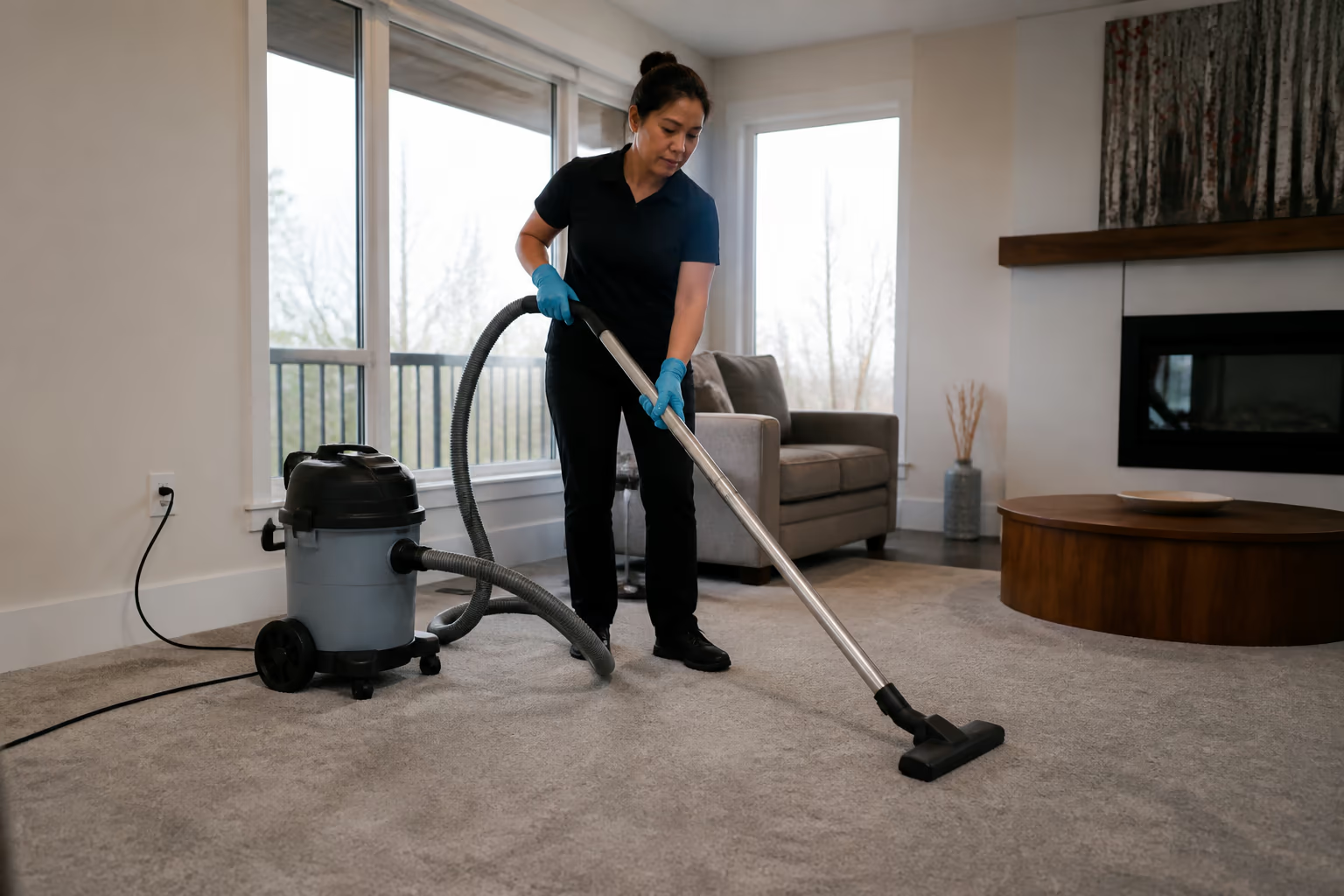
Formatted Step-by-Step Vacuum Buying and Maintenance Checklist
Use this checklist when choosing, using and caring for a vacuum in any home.
- Step 1.Match the machine to the home's floors, size and main job before you look at any brand or price.
- Step 2.Prefer a HEPA filter and a sealed dust path where allergies or asthma are a concern.
- Step 3.Vacuum in straight, overlapping passes and empty the bin or change the bag before it is full.
- Step 4.Clean the brush roll, filters and hose on schedule so suction stays strong.
- Step 5.Keep a second machine for the jobs the main one does not do well, such as a handheld for stairs or a robot for daily passes.
- Step 6.When you want a team that handles floors and carpets with the right equipment, our residential cleaning visits in Ottawa are built around your schedule and standards.
FAQ
How many types of vacuum cleaners are there?
The commonly counted answer is seven: upright, canister, stick, handheld, robot, central, and wet/dry. Each type is designed for different floors and tasks, and most homes end up using more than one.
Which type of vacuum is best for a carpeted home?
An upright or a canister is usually the best base for wall-to-wall carpet, because both have strong suction and a motorised brush roll for lifting dirt out of the pile. Uprights are easier to park; canisters are easier on stairs.
Are robot vacuums worth buying?
They are worth it as a maintenance machine, not as a replacement for a full vacuum. A robot keeps high-traffic floors from building up dust between deeper cleans, but it still needs help with edges, stairs, furniture and heavier messes.
What does a HEPA filter do?
A HEPA filter traps very fine particles, including dust and allergens, so they are not blown back into the room. For anyone with allergies or asthma, a vacuum with a HEPA filter and a sealed dust path makes a real difference to indoor air.
Can one vacuum handle every floor type?
Almost every vacuum can be adjusted for different floors, but some do it better than others. A machine with a brush roll you can switch off protects hard floors, while carpet needs the brush roll engaged, so a model that makes that easy is a practical choice.
Do I need a wet/dry vacuum at home?
You need one when you expect to deal with water, such as in a basement, garage or workshop, or after a leak or flood. If a home has no flood-prone area, a wet/dry model is often not worth the space.
How often should I replace my vacuum?
A well-maintained vacuum can last many years, so there is no fixed number. Replace it when the motor loses power despite new filters and a clear hose, or when parts and bags become hard to find.
How do I keep my vacuum working well in winter?
Empty it more often in winter, because salt, sand and grit from the entryway fill the bin quickly and can dull the brush roll. Clean the brush roll when you empty it, and give entry rugs and mats extra passes to stop grit from travelling into the rest of the home.
How often should I vacuum my home?
The answer depends on traffic and pets. High-traffic areas and homes with shedding pets often benefit from daily or every-other-day passes, while lightly used rooms can go a week. A robot vacuum makes the frequent pass easy, with a deeper clean on schedule for the rest.
Wrapping Up
There are seven main types of vacuum cleaners, and the right one depends on the floors, the size of the home, the pets and the people who live there. Match the machine to the job, keep the filters and brush roll clean, and add a second machine where a single one cannot do everything. If you would rather have a trained team handle the floors and carpets for you, contact Good Cleaner Co. for a free quote and a cleaning plan tailored to your Ottawa home.
Keep reading
More from Good Cleaner
Services that fit
- House Cleaning Services in OttawaHouse cleaning services in Ottawa for one-time, weekly, biweekly, and monthly home care, with customizable cleaning and eco-friendly options.
- Janitorial Services in OttawaRecurring janitorial services in Ottawa for offices, warehouses, retail, dealerships and schools. Eco-friendly commercial cleaning, customized plans, free quote.
About the author
Service areas
- Ottawa
- Kanata
- Nepean
- Orleans
- Barrhaven