
How To Use Vinegar For Cleaning?
Vinegar is one of the most versatile and affordable cleaners in any Canadian household, and you probably already have a bottle in your kitchen. It cuts grease, dissolves mineral build-up, deodorises and lifts many everyday stains without the strong fumes of commercial products. This guide explains how to use vinegar for cleaning well, where it genuinely works, where it does not, and when it is smarter to hand a task to a professional team.
Quick Summary
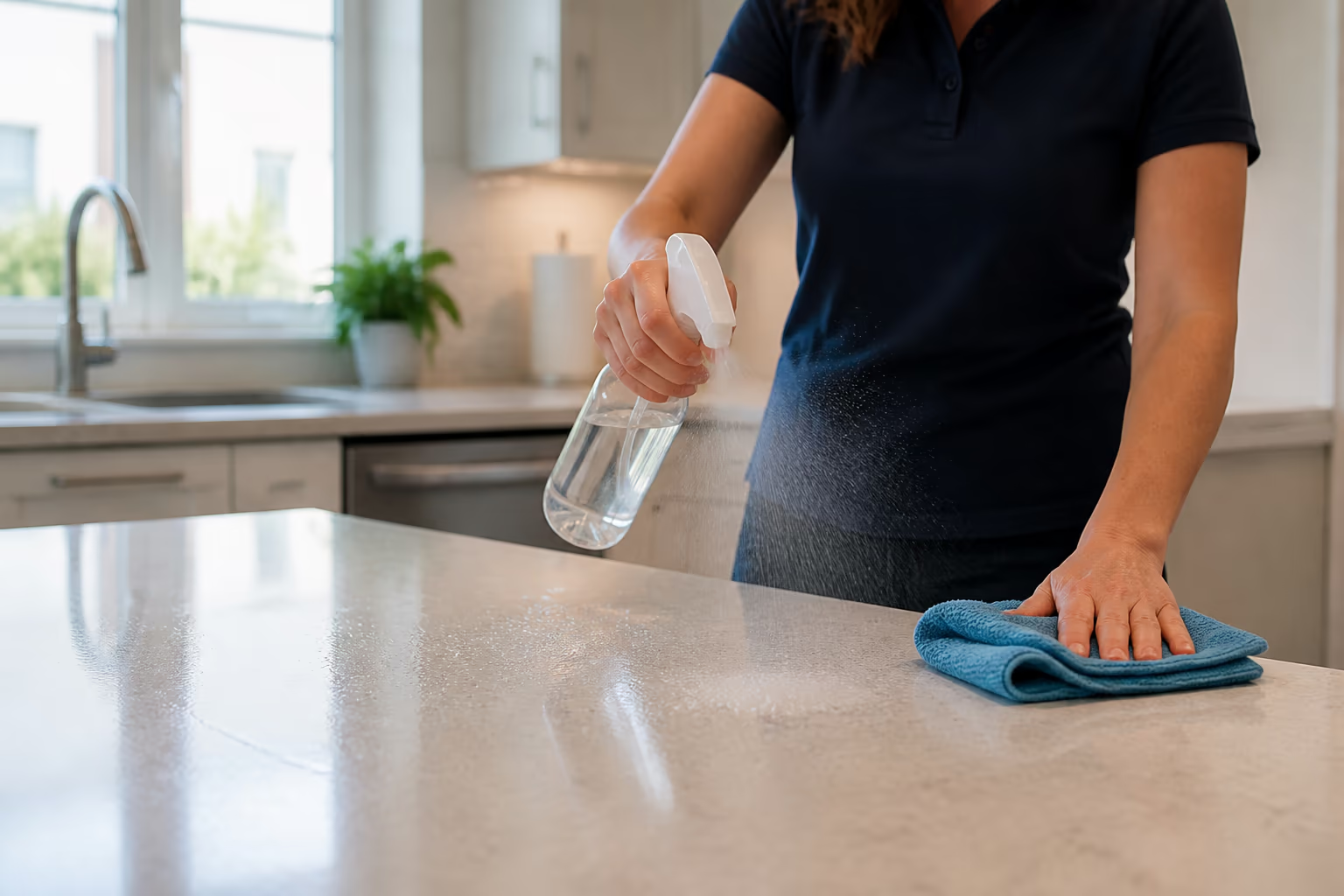
Vinegar's mild acidity cuts grease, dissolves hard water minerals and deodorises many household surfaces, but it can etch natural stone, dull some finishes and is not a registered disinfectant. Knowing where it works and where to avoid it makes vinegar a safe, affordable everyday cleaner.
In this guide
What Vinegar Can and Cannot Do
White vinegar is mostly water with about five per cent acetic acid, and that acid is the secret to its cleaning power. The mild acidity dissolves the hard water minerals that build up on taps and shower glass, breaks down grease and soap scum, and neutralises many basic odours. For a wide range of everyday cleaning, a simple dilution of vinegar and water performs as well as many commercial general-purpose cleaners.
There is one rule that outranks every recipe: Health Canada advises never mixing household chemical products together, because some mixtures produce harmful gases. That matters most for vinegar, since it is the ingredient people are most likely to combine with something else in a homemade mix. The federal advice starts at the shelf: “When you are buying a household chemical product, read the label to determine its ingredients and any special handling instructions.”
It is just as important to know where vinegar does not belong. The acid can etch natural stone such as marble, granite and limestone, and it can dull the finish on some sealed surfaces and waxed floors. It should not be used on most electronics or on aluminium, and mixing it with bleach or other household chemicals can release harmful fumes. Read the label of any surface or product first, and when in doubt, test in a small, hidden area.
Vinegar is also a cleaner, not a registered disinfectant. Its acidity helps remove grime and some germs from surfaces, but for tasks where you genuinely need to disinfect, such as a surface after raw meat or a home with illness, choose a product with a Drug Identification Number, or DIN, registered with Health Canada and follow the labelled contact time. A professional cleaning company applies this distinction carefully, selecting the right product for the surface and the situation.
Beyond the surfaces themselves, vinegar fits a wider way of thinking about cleaning. Many people are trying to reduce the number of chemical products they bring into their home, and vinegar lets them cover a surprising range of tasks with one bottle. That simplicity is part of why so many Ottawa households keep it in their regular rotation, particularly families with small children, pets or chemical sensitivities who want an everyday option with fewer ingredients.
The Best Types of Vinegar for Cleaning
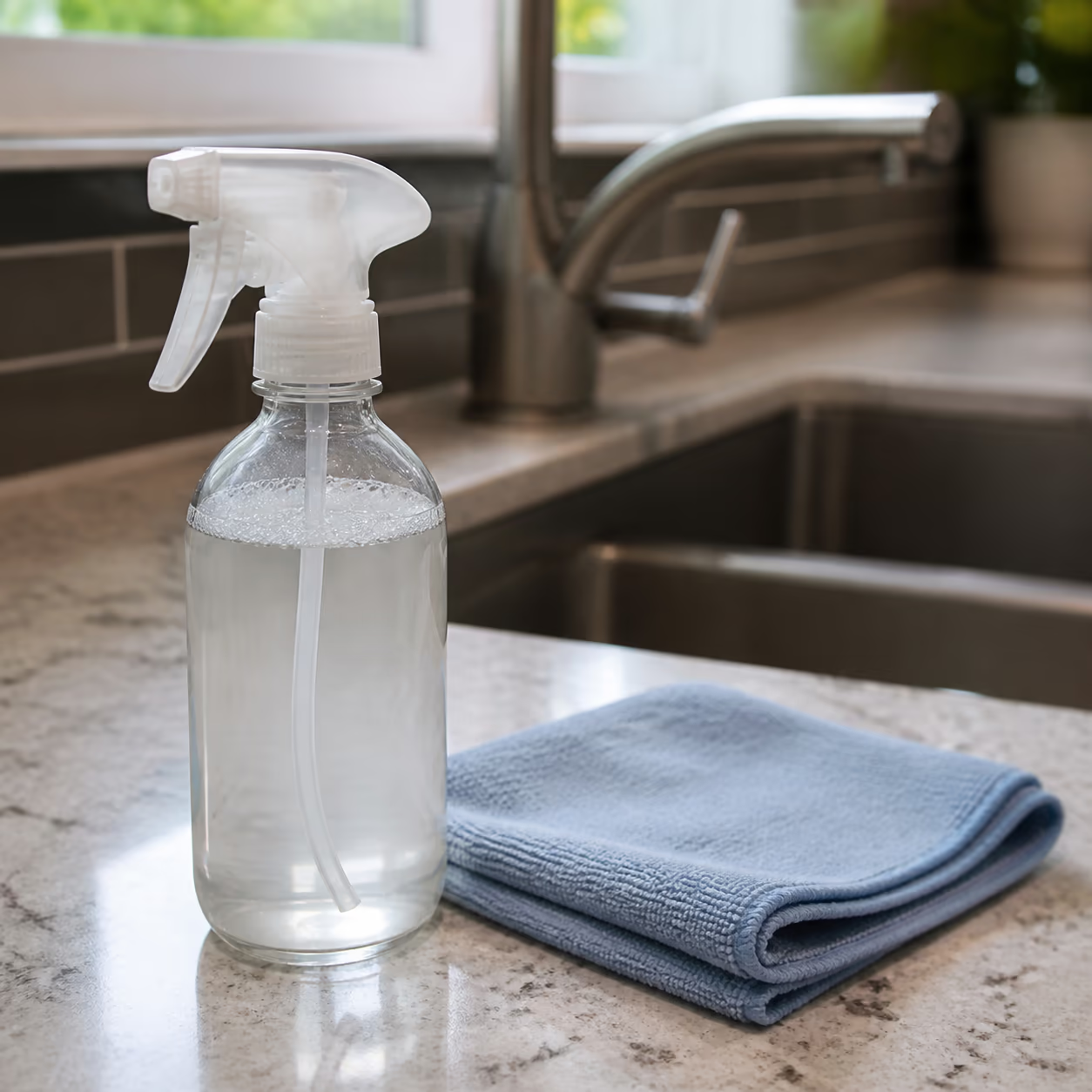
For cleaning, plain white vinegar is the reliable choice. It is colourless, so it will not stain pale fabrics and surfaces, it is inexpensive, and its scent fades quickly once it dries. Apple cider vinegar has the same acetic acid and a milder, fruitier scent, which makes it a pleasant option for some kitchen and laundry jobs, but its amber colour can discolour pale fabrics, so white vinegar remains the safer default.
- White distilled vinegar, the all-purpose workhorse for most surfaces.
- Apple cider vinegar, a scented alternative for some kitchen and laundry tasks.
- Cleaning vinegar, which is slightly stronger and sold for heavy jobs.
- Never use industrial or pickling vinegars at full strength on surfaces.
If you are choosing a brand, look for one that is clearly labelled for household use, and always dilute it unless the job specifically calls for full strength. The scent of vinegar can be off-putting to some people, but it evaporates as the surface dries, so a rinse with plain water or a few drops of essential oil in the mix can tame it. For eco-conscious households, vinegar fits neatly into a greener routine because it is biodegradable and typically comes in recyclable or reusable packaging.
What You Need Before You Start
Vinegar cleaning needs very little in the way of supplies, which is one of its great strengths. Gather a few basics before you begin so the job goes quickly.
- White distilled vinegar and a spray bottle for mixing.
- Microfibre cloths, which trap grime better than cotton rags.
- Soft brushes and an old toothbrush for grout and crevices.
- Warm water for diluting and rinsing.
- Baking soda for the few jobs where it pairs with vinegar.
- A measuring cup so you mix consistent dilutions.
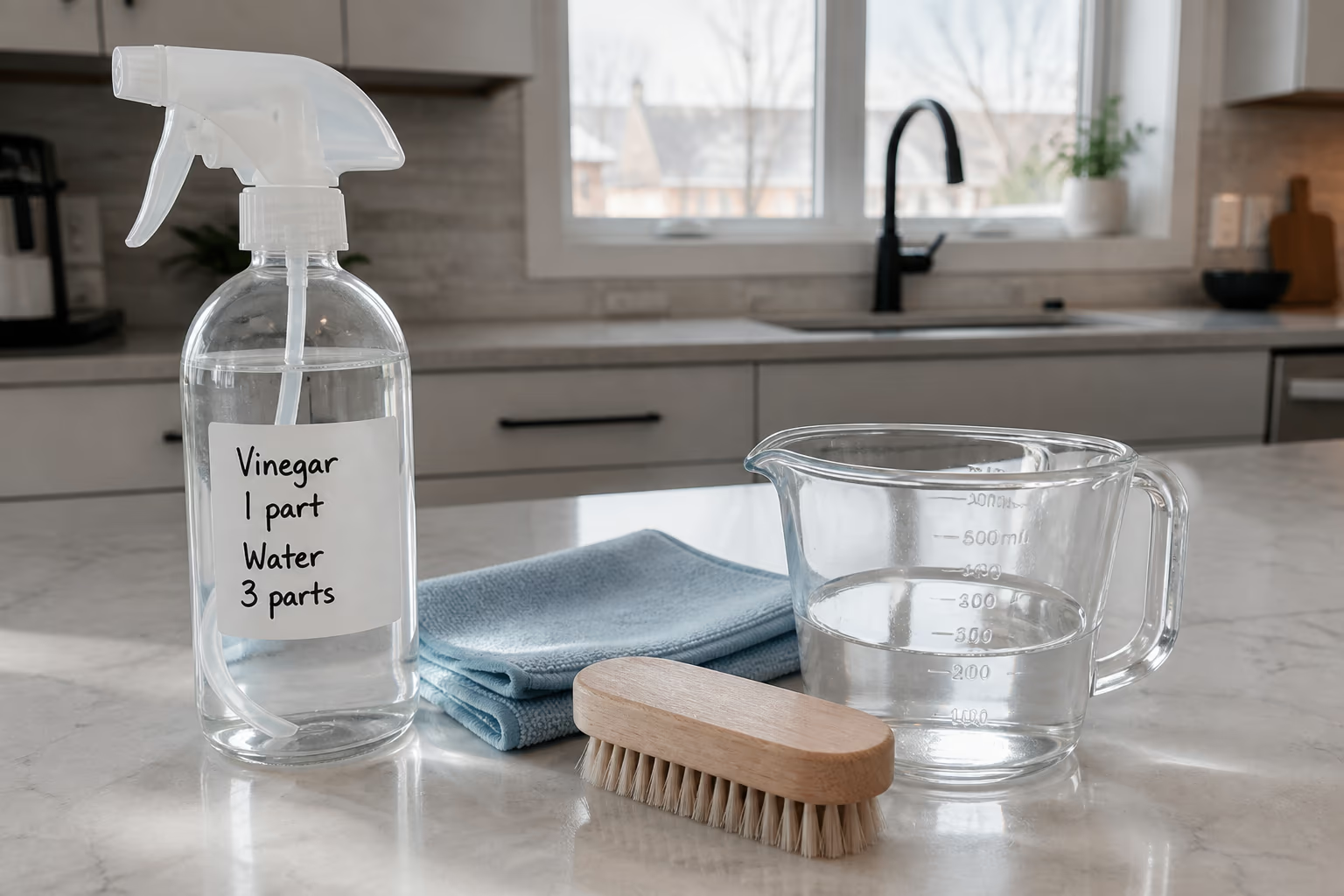
The standard all-purpose mix is one part vinegar to three parts water, which is strong enough for most surfaces. For stubborn mineral build-up you can use a stronger mix, and for delicate surfaces you can dilute further. Keep a labelled bottle under the sink with your everyday mix, and save the concentrated vinegar for tough jobs so you are not guessing at the strength each time.
The Step-by-Step Process
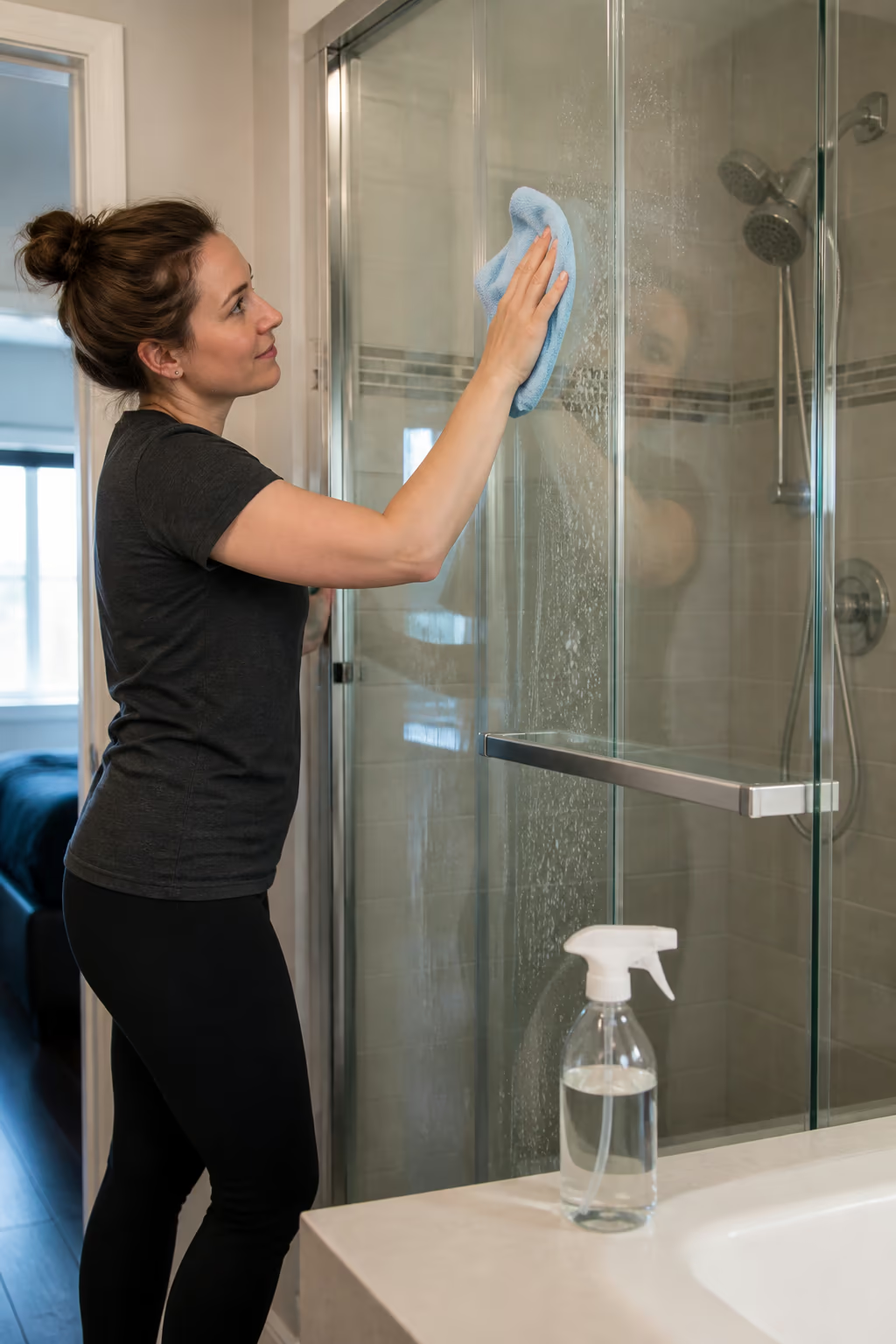
Using vinegar well is about matching the mix and the method to the task. For general surface cleaning, spray your vinegar-and-water mix onto the surface, let it sit for a minute or two so the acid can work, then wipe with a microfibre cloth and rinse with a clean damp cloth where the label or surface allows.
For mineral build-up on taps, shower heads and glass, soak the area with the stronger mix, let it dwell, then scrub gently with a soft brush before rinsing. This is where vinegar shines, and it is especially useful in Ottawa homes where hard water leaves white deposits on fixtures. For a limey shower head, a plastic bag filled with vinegar tied over the head for an hour loosens the deposit so it rinses away easily.
For floors, use a mop with a gentle dilution and avoid flooding the surface, especially on hardwood, where excess moisture is the enemy. For carpets and rugs, a steam cleaner is generally the better tool, and our guide on when to use a steam cleaner explains where that method outperforms a simple vinegar wipe. For the bathroom, vinegar works on soap scum and mineral film but should not be your only tool for toilet bowls and areas that need true sanitising. And in the kitchen, a vinegar wipe-down degreases counters and the outside of appliances, while you should always follow up with a proper disinfectant on surfaces that touch food.
Vinegar also earns its place in the laundry room. A cup of vinegar in the rinse cycle softens fabric and helps lift lingering odours, and a diluted vinegar spray can refresh fabric sofas and remove pet odours. As with all cleaning, let the product work, rinse well, and never mix vinegar with bleach, because the combination releases toxic chlorine gas.
In the bathroom, build a simple rhythm: spray your vinegar mix around the shower, tub and sink, let it work while you brush your teeth, then rinse and wipe down. This small habit keeps soap scum and mineral film from accumulating, which is easier than removing it once it has settled. For the toilet bowl and anything that needs genuine sanitising, switch to a registered disinfectant rather than relying on vinegar alone.
Where Vinegar Shines Around the Home
A few jobs deserve special mention because vinegar does them especially well. Keep these in mind the next time you reach for a spray bottle.
- Windows and mirrors, where a vinegar dilution leaves glass streak-free.
- Coffee makers and kettles, where vinegar descales the heating element.
- Shower heads and taps, where it dissolves hard water and mineral film.
- Grout and tile, where a vinegar-and-baking-soda paste lifts grime.
- Cutting boards, where vinegar helps neutralise odours and light grime.
- Fabric sofas and cushions, where a light mist refreshes between deep cleans.
Winter in Ottawa adds one more vinegar job to the list. The salt and ice-melt that come in on boots leave white residue and streaks on entryway floors and mats, and a vinegar-water mix cuts through that residue without the heavy chemicals some commercial floor cleaners rely on. A quick weekly wipe of entryways with your vinegar mix keeps the build-up from becoming a seasonal project.
Building Vinegar Into Your Cleaning Routine
The simplest way to get value from vinegar is to make it part of a steady routine rather than a once-in-a-while experiment. Keep your everyday mix at hand, wipe down high-use surfaces regularly, and let vinegar handle the mineral build-up and odour jobs that other cleaners struggle with.
- Wipe counters, sinks and appliances daily with your all-purpose mix.
- Descale the coffee maker and kettle monthly so they run efficiently.
- Refresh glass and mirrors weekly for a streak-free shine.
- Clean shower heads and taps on a regular schedule to stay ahead of hard water.
- Toss a cup of vinegar into the rinse cycle when you do laundry.
Routine does more than keep things clean; it prevents the build-up that makes cleaning harder later. A tap wiped weekly never develops the crusty deposit that needs an hour-long soak, and an entryway wiped down after snowy weeks never becomes a seasonal project. When you pair a simple routine with a deeper clean a few times a year, your home stays consistently fresh with very little effort.
Common Mistakes and How to Avoid Them
Most problems people report with vinegar cleaning come from a handful of avoidable errors. Avoiding them keeps your surfaces safe and your results consistent.
- Using vinegar on marble, granite or other natural stone, which the acid can etch.
- Mixing vinegar with bleach, which produces harmful fumes.
- Applying it to unfinished or unsealed wood, where the water can cause damage.
- Expecting vinegar to disinfect, when it is a cleaner rather than a registered disinfectant.
- Using it at full strength on delicate fabrics and surfaces without testing.
- Leaving vinegar to soak too long on varnished or sealed surfaces.
Each of these comes down to the same habit: think about the surface before you spray. When vinegar is the right tool, dilute it sensibly, let it work, rinse it away, and follow up with a proper disinfectant where the task genuinely calls for one. A professional team follows exactly this logic, pairing the right product with the right surface so nothing is damaged and nothing is under-cleaned.
Costs, Timing and When to Call a Professional
One of vinegar's biggest advantages is cost. A bottle costs very little, and a diluted mix stretches it across weeks of everyday cleaning, which makes vinegar one of the most economical cleaning options available. The real cost of a home cleaning routine is time and consistency, which is why many busy households find they fall behind no matter how good their supplies are. For a broader comparison, our breakdown of the average cost of cleaning services in Ottawa shows how a DIY routine like this stacks up against hiring a team.
There is a clear time to call a professional. Deep cleans, move-in and move-out cleaning, carpet and upholstery care, and the regular thorough clean that keeps a whole house consistently healthy all benefit from a trained team and commercial equipment. A professional company also brings the product knowledge that vinegar users want: knowing when a natural option works and when a job genuinely needs a registered disinfectant.
Good Cleaner Co. combines local experience, background-checked staff and carefully selected products to keep Ottawa and area homes clean and healthy. Our residential home cleaning services in Ottawa are built around your schedule and standards, and we will happily work with natural cleaners you prefer, including vinegar, wherever that is the right choice for the surface. If you are comparing providers, our checklist for hiring a commercial cleaner is a useful starting point for the questions that matter, even for residential work, because the same standards of transparency, training and product choice apply to any good cleaning company.
Formatted Step-by-Step Vinegar Cleaning Checklist
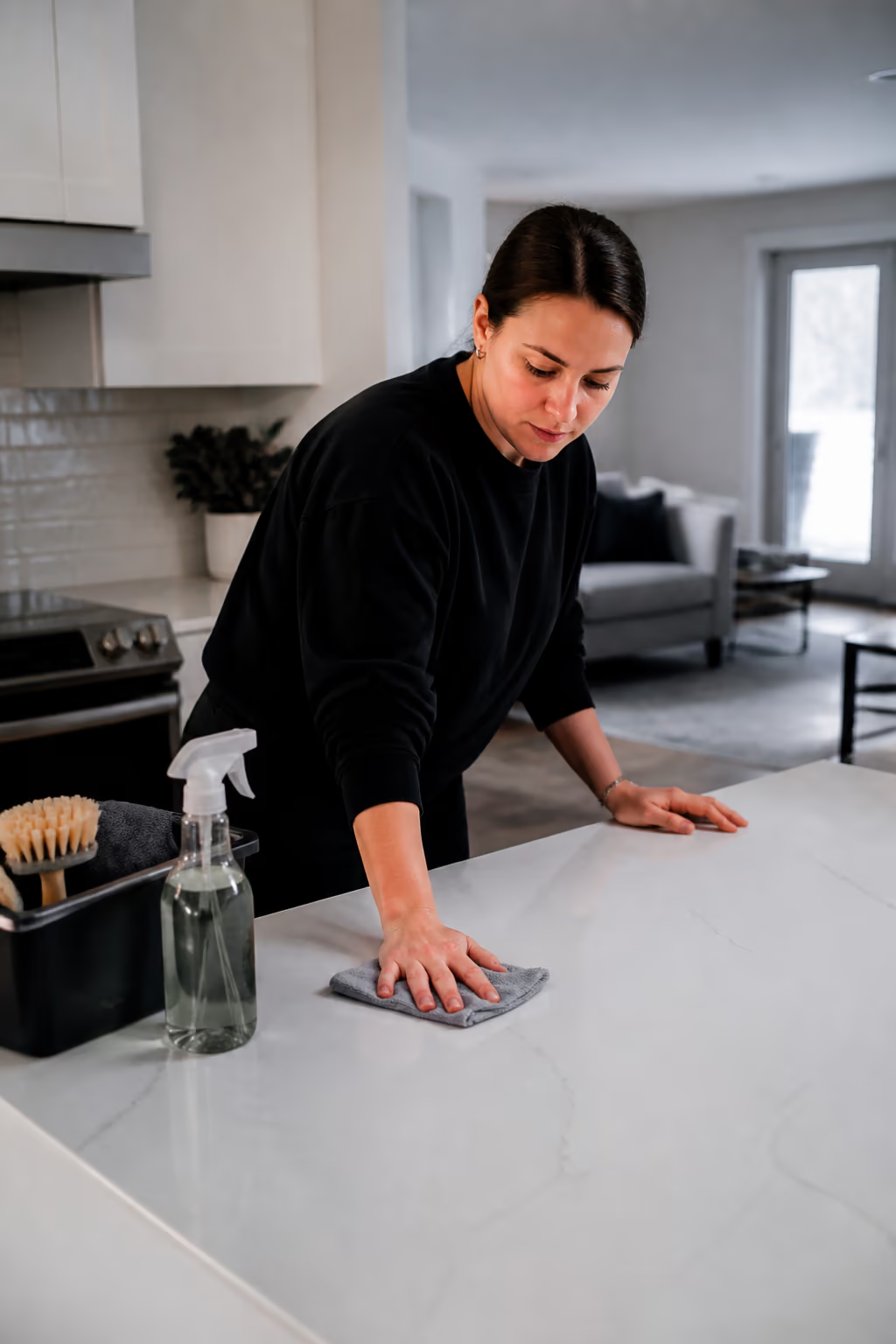
Work through these steps for a safe, effective vinegar clean of most surfaces.
- 1.Choose white vinegar and mix a standard one-part-to-three-parts water dilution in a labelled spray bottle.
- 2.Test the mix in a small, hidden corner of the surface, and never use vinegar on stone or unsealed wood.
- 3.Spray and let the mix dwell for a minute or two so the acid can dissolve the grime.
- 4.Wipe with a microfibre cloth, scrubbing gently with a soft brush on mineral build-up, then rinse.
- 5.Follow up with a proper disinfectant wherever the task genuinely needs one, and never mix vinegar with bleach.
- 6.For a thorough, consistent clean across your whole home, reviewing our recurring home cleaning services in Ottawa provides a trained team for regular upkeep.
FAQ
Is vinegar a disinfectant?
Vinegar is a versatile cleaner that removes grime, grease and some germs, but it is not a registered disinfectant. For tasks that require disinfection, use a product with a DIN registered with Health Canada and follow the labelled contact time.
Can I use vinegar on any surface?
No. Vinegar can etch natural stone such as marble and granite, and it can damage unsealed wood and some sealed surfaces. Test in a hidden area first, and reserve vinegar for the surfaces where it is known to be safe.
What is the best vinegar-to-water ratio for cleaning?
A one-part-to-three-parts mix is a good all-purpose starting point. Use a stronger mix for tough mineral build-up and a weaker mix for delicate surfaces, and adjust based on how the surface reacts to your test.
Why does my home smell like vinegar after cleaning?
The vinegar scent is normal and fades as the surface dries. Opening a window, using a little less vinegar, or adding a few drops of essential oil to the mix can help the smell dissipate more quickly.
Can vinegar clean windows without streaks?
Yes, a diluted vinegar-and-water mix cleans glass and mirrors well, and wiping with a dry microfibre cloth prevents the streaks that a wet rag can leave behind.
Should I mix vinegar with baking soda?
For scrubbing jobs like grout and burnt pans, a vinegar-and-baking-soda paste works well. Be aware the two fizz when combined, which is normal, and rinse thoroughly afterward so no grit or residue remains.
Can I use vinegar in the laundry?
Yes. A cup of vinegar in the rinse cycle softens fabric and helps lift odours. Do not mix it with bleach, and check garment care labels before adding it to delicate fabrics.
Does vinegar remove hard water stains?
Yes, vinegar is especially good at dissolving the mineral build-up that hard water leaves on taps, shower heads and glass. Let a stronger mix dwell, scrub gently, and rinse to reveal a cleaner surface.
Will vinegar damage my washing machine?
Used in moderation, vinegar is generally fine for most washing machines and can help remove detergent build-up. Check your machine's manual first, avoid overusing it, and never combine it with bleach in the same load.
Can I use vinegar on hardwood floors?
No. Vinegar is acidic and slowly etches polyurethane clear coats, so sealed hardwood floors look dull over time. Use a pH-neutral hardwood floor cleaner with a barely damp mop instead, and keep excess water off the boards either way.
Wrapping Up
Vinegar is a genuinely useful tool in any cleaning kit: affordable, versatile and effective across windows, glass, hard water build-up and everyday grime. The key is using it where it works, keeping it away from stone and unsealed wood, rinsing well, and reaching for a registered disinfectant where the job truly needs one. For a deep clean, a move or a regular routine that keeps your whole home fresh, Good Cleaner Co. can help with a cleaning plan tailored to your home, and we are happy to accommodate the natural products you prefer.
Keep reading
More from Good Cleaner
Services that fit
- House Cleaning Services in OttawaHouse cleaning services in Ottawa for one-time, weekly, biweekly, and monthly home care, with customizable cleaning and eco-friendly options.
- Janitorial Services in OttawaRecurring janitorial services in Ottawa for offices, warehouses, retail, dealerships and schools. Eco-friendly commercial cleaning, customized plans, free quote.
About the author
Service areas
- Ottawa
- Kanata
- Nepean
- Orléans
- Barrhaven