
How Do Some People Keep Their House Clean All The Time?
People whose houses are always tidy are not spending every free hour scrubbing, and they do not all have a cleaning team on call. What they have is a set of habits so small and so regular that the mess never gets a chance to build up in the first place. This guide breaks down how they do it, the systems behind the tidy-looking homes, and where a professional team fits into a routine that already works.
Quick Summary
People whose homes stay clean all the time are not scrubbing constantly or relying on a cleaning service; they rely on small, regular habits so mess never has a chance to build up. This guide breaks down those daily and weekly systems and where a professional team fits into a routine that already works.
In this guide
It Is Not About Cleaning More; It Is About Cleaning Differently
The biggest misconception about how do some people keep their house clean all the time is that they are cleaning constantly. In practice, the people with tidy homes have turned cleaning into a continuous, low-effort process instead of a one-time event, and that single shift changes everything. Instead of waiting until the mess is obvious and then dedicating a whole day to fixing it, they do a little at the moment it appears, which means there is almost never a big mess to fix.
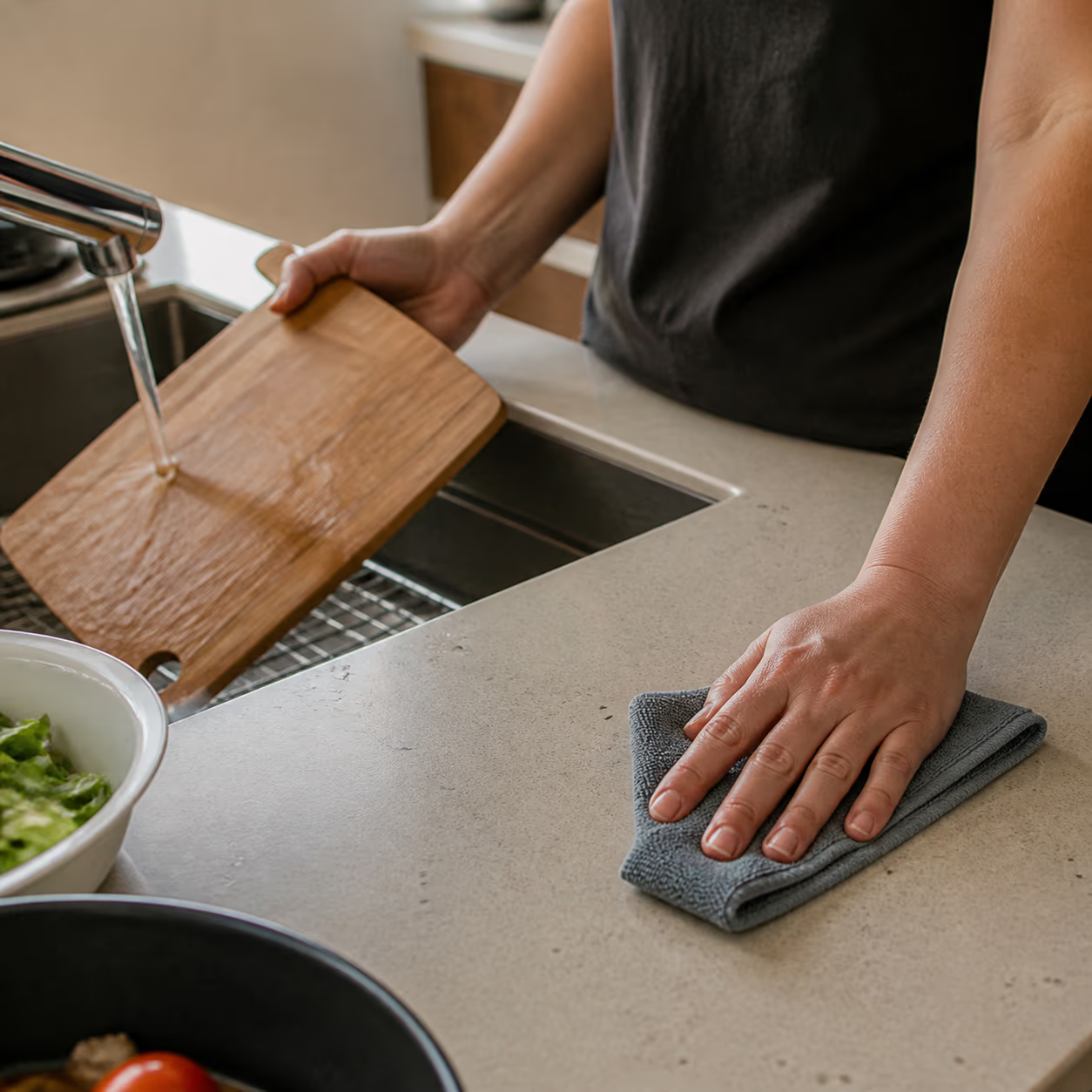
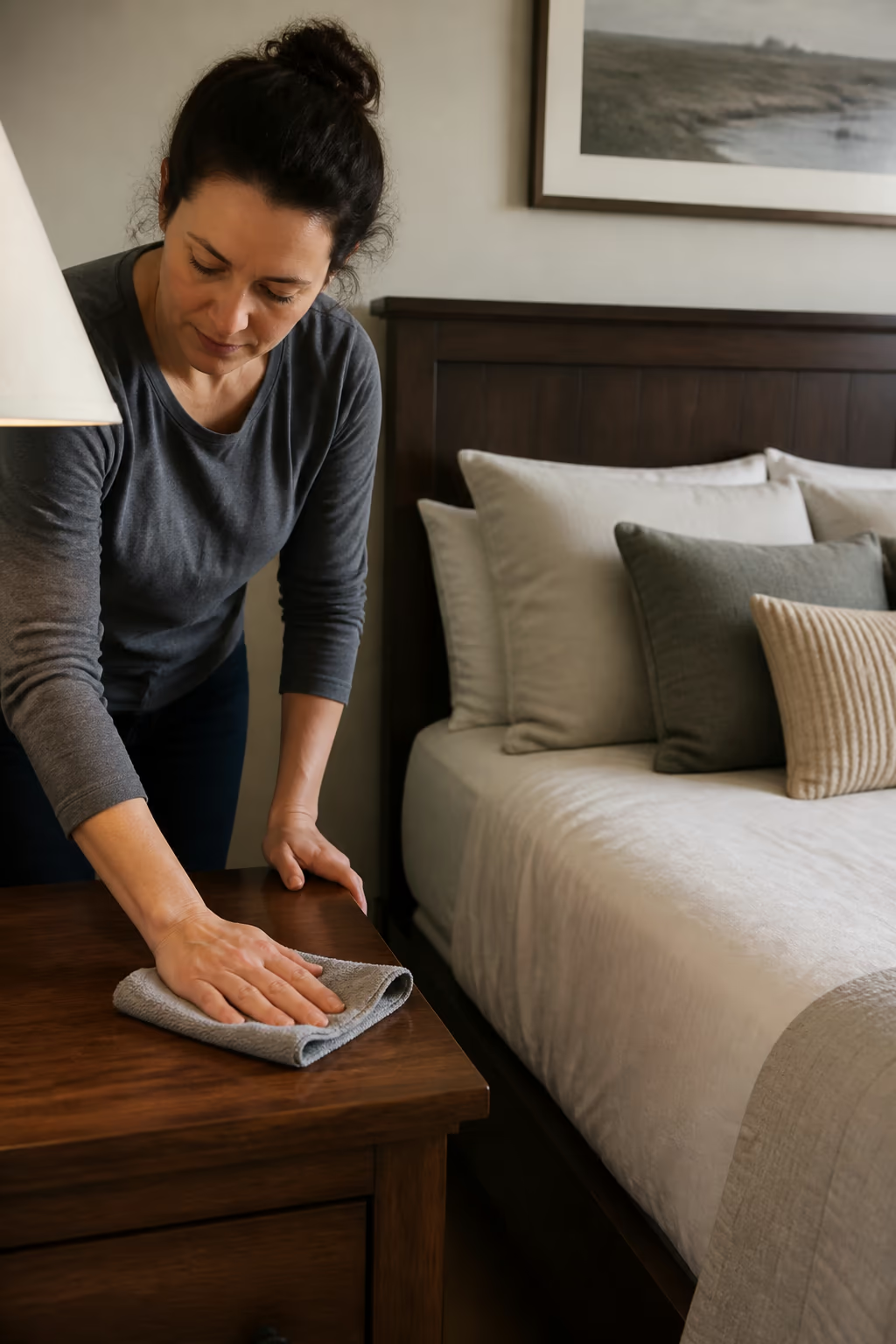
The clean-as-you-go habit is the clearest example. While cooking, they wipe the counter as they go, rinse the cutting board before the residue dries and put ingredients back in the cupboard instead of leaving them on the counter. A meal that took twenty minutes to cook leaves behind a kitchen that takes five minutes to tidy, not a kitchen that needs an hour on the weekend.
They also follow a version of the one-touch rule. When they pick something up, they put it where it belongs the first time, rather than setting it down somewhere with the intention of dealing with it later. That single habit removes most of the clutter that builds up in other homes, because an item that is put away once never becomes part of a pile that needs a cleaning session.
So what looks like constant cleaning from the outside is really the opposite. It is preventing the need for big cleans by never letting the mess get ahead, and it is the reason their homes look tidy without the visible effort of a weekly marathon.
The Daily Habits That Stop the Build-Up
The daily rhythm is where a tidy home is really won or lost, and it is made of habits that take minutes rather than hours. Most people with clean homes follow a version of the same loop in the morning and the evening, and the loop is so small it does not feel like a chore.
- Make the bed first thing, because it makes the whole room look finished and starts the day with a completed task.
- Wash the dishes or load the dishwasher right after meals, so the sink and counters never have a waiting pile.
- Never leave a room empty-handed, taking the cup, the mail or the toy that belongs somewhere else on your way through.
- Wipe the counters and the sink after cooking, while the residue is still easy to remove.
- Run a ten to fifteen minute reset in the evening, putting stray items back and clearing the main surfaces.
- Give the entryway a daily pass in winter, when salt and slush collect at the door faster than anything else.
A couple of those habits pay off in air quality as well as tidiness. Health Canada's ventilation advice recommends leaving interior doors open, using bathroom and kitchen fans, and keeping baseboards and heating vents clear of furniture. Health Canada states it plainly: “The most effective way to improve your indoor air is to identify activities that can contribute to poor indoor air quality and remove or reduce the sources of indoor air pollutants.”
Each of these takes only a few minutes, and none of them is hard on its own. What makes them powerful is that they happen every day, so the home never slides into the state that demands a punishing cleaning day. The evening reset in particular does most of the work, because a home that goes to bed tidy wakes up tidy.
The Weekly and Monthly Routines That Keep It Manageable
The daily habits keep the surfaces clean, but they are not enough on their own, and people with tidy homes do not pretend they are. They back the daily loop with a weekly and monthly rhythm that handles the tasks the daily habits never reach, and the combination is what keeps the whole home presentable rather than just the visible parts.
The weekly reset is a single focused block on a set day. The main floors get vacuumed and mopped, the bathrooms get cleaned, the bedding gets changed and the flat surfaces get a dusting. Putting it on the same day every week turns it into a routine instead of a negotiation, and a routine is far easier to keep than a decision that has to be made fresh each week.
The monthly tasks catch what the week misses. Baseboards, window ledges, the inside of the microwave and fridge, ceiling fans and light fixtures all build up slowly, and a single monthly item done each week keeps them from ever becoming a project. Spreading one monthly task across each week means there is no mysterious month where everything deep suddenly comes due at once.
A written checklist keeps the rhythm honest. People with clean homes tend to work from a list, even a simple one on the fridge, so nothing is left to memory. If a task is on the list it gets done, and if it is not on the list no one has to wonder later whether it was skipped, which is exactly the kind of small system that makes a tidy home look effortless. For a ready-made version of that list, see our checklist to keep your house always clean.
The Systems People Rely On
The daily habits are only half the story, because the other half is the way the home is set up in the first place. People with tidy homes rely on systems that make tidiness automatic, and those systems do more work than willpower ever could.
- Everything has a home, so putting things away is automatic rather than a decision.
- Flat surfaces are kept clear, so clutter has nowhere to collect.
- There is a landing spot for keys, mail and bags near the door, so the everyday items are not left scattered.
- Baskets and bins catch loose items, so a room can be cleared in seconds instead of sorted item by item.
- The home is decluttered regularly, because less stuff means less to clean, dust and move around.
- New items follow a one-in-one-out rule, so the volume of belongings does not quietly grow back.
The most important of these is giving everything a home. When an item has a fixed place, putting it away takes no thought, and a home where putting things away is thoughtless is a home that stays tidy without effort. Homes that stay cluttered are usually homes where many items simply do not have a place to go.
Decluttering does more than reduce dusting; it reduces the daily friction of keeping the home clean. Every extra item is a surface to dust, a thing to move and a decision about where it belongs. People who keep a tidy home are often simply people who own fewer things, and the difference shows in how little effort the home needs to stay that way.
What You Need to Make the Habits Stick
Habits stick when the tools are where the task happens, and people with tidy homes use this to their advantage. They do not keep a single cleaning kit in one cupboard; they put a small supply in every room that needs it, so the wipe happens the moment the mess does.
- A small caddy or a cloth and a bottle of all-purpose cleaner under the kitchen sink.
- The same small kit in the bathroom, so the sink and mirror are wiped without a trip across the house.
- A basket or bin in every room for the loose items that need a place to land.
- An entry mat and a small bin by the door, so the winter mess stops at the threshold.
- A vacuum that is easy to get to, because a vacuum stored awkwardly becomes a vacuum that is used rarely.
Keeping the tools minimal matters too. A tidy home does not need a cupboard of specialty cleaners; it needs the right handful for the surfaces it actually has. When the tool is within reach and the product is matched to the job, the habit is automatic, and the home stays clean with far less friction. For an office equivalent that freshens the air between cleans, our guide on best office plants for cleaner air covers a few practical picks.
Common Mistakes That Undo a Clean Home
The habits above are simple, but a few common mistakes undo them, and naming those mistakes is the fastest way to keep a tidy home from falling apart.
- Trying to do everything at once, then burning out when a single weekend of cleaning does not last.
- Waiting for a perfect cleaning day that never arrives, instead of building small daily habits.
- Decluttering once but buying items back, so the stuff and the dust quietly return.
- Cleaning in the wrong order, such as dusting after vacuuming so the dust lands right back on the floor.
- Aiming for perfection, which makes it hard to start and easy to give up on a routine that is actually working.
The all-or-nothing mindset is the biggest culprit. People who keep a clean home are not perfect, and they do not wait until they can do everything at once. They do a little every day and accept that some days will be busier than others, and that consistency beats intensity every time.
There is also a difference between a tidy home and a home that has been deep cleaned. A tidy home can exist alongside a carpet that needs a wash or an oven that needs a descale, and people who keep their houses tidy still have those tasks. The habits keep the surfaces presentable every day, while the deep tasks run on their own slower schedule.
How Ottawa's Seasons Change the Routine
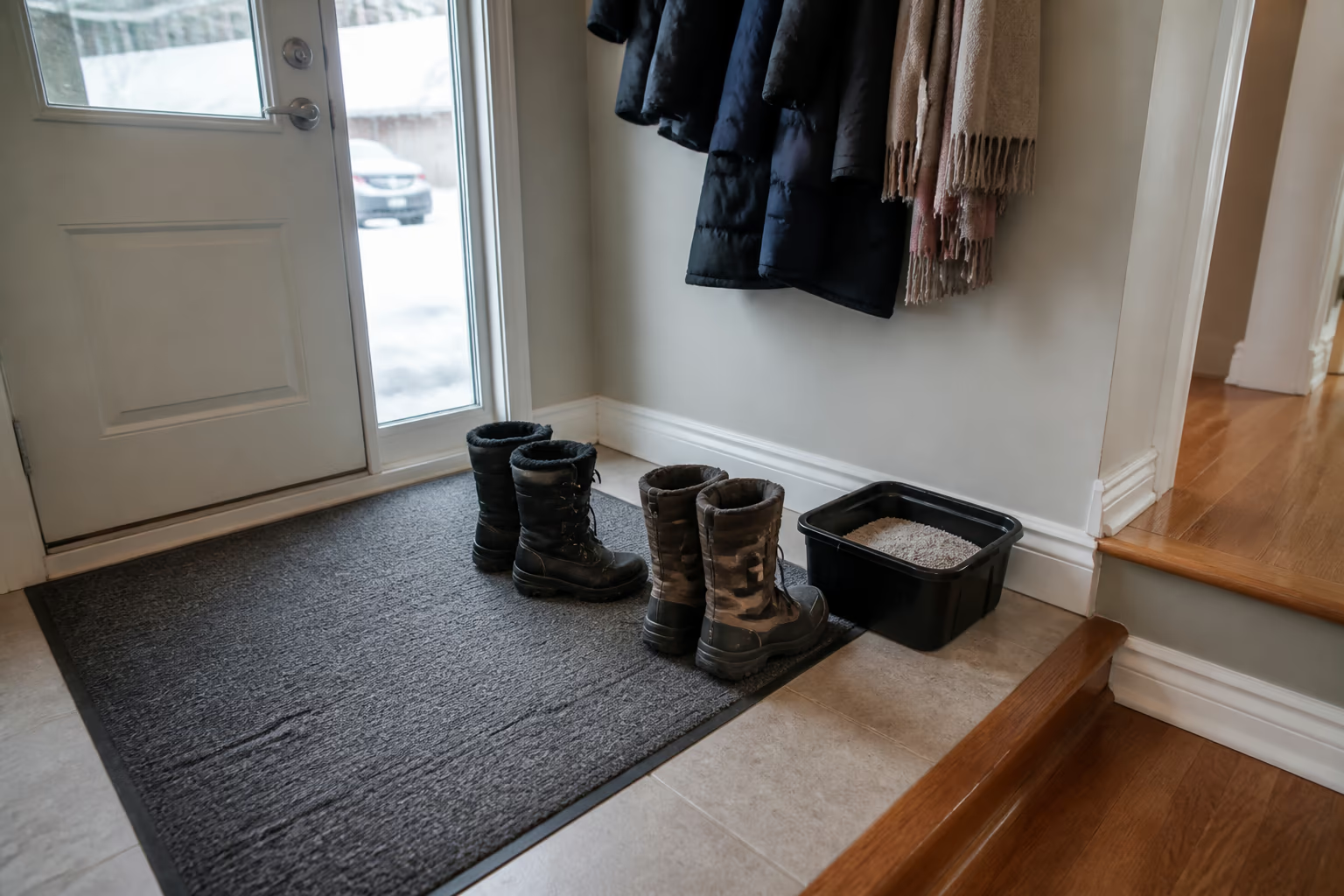
A routine that keeps a home clean in Ottawa has to bend with the seasons, because the mess a home makes changes through the year. The long winter is the clearest example. From late November to March, salt, sand and slush arrive at the door on every pair of boots, and the entryway needs a daily pass that no other room demands. A mat at the door and a quick sweep at night stop the grit from travelling through the whole house.
Spring brings mud and allergy season, which is a good reason to step up the floor vacuuming and wash the curtains and blinds that collected dust all winter. Summer adds humidity, and humid air encourages mildew in bathrooms and damp corners, so the bathroom and the kitchen cloths need a slightly faster rhythm than they do in the drier months.
Good Cleaner Co. builds its cleaning plans around these same shifts. The team gives entryways and high-traffic floors extra attention through the winter, schedules deeper resets for the spring and autumn, and keeps moisture-prone areas on a closer schedule in summer. A routine that matches the season is what keeps an Ottawa home clean all the time, instead of clean only in the weeks that happen to cooperate.
When a Professional Team Supports the Routine
Even the tidiest homes get help with the tasks the daily habits cannot reach. A professional team is not a sign that a routine has failed; it is a way to handle the deep items, the seasonal resets and the weeks when life gets busy, and to do so without sacrificing the standard the daily habits set.
Good Cleaner Co. supports a tidy-home routine with a documented process and the right products for each surface. The team uses colour-coded cloths so the bathroom cloths stay out of the kitchen, matches the cleaner to the material, lets treatments dwell where they need time and inspects its own work before it leaves. In workplaces, the same crew handles cleaning chemicals under WHMIS 2015 rules, reading the labels and safety data sheets before use, and it favours products certified under programs like EcoLogo when a certified option does the job. The same never-let-it-build-up thinking scales up to busier environments too, which is why our call centre cleaning and high-density workspace hygiene service applies matching daily reset habits to high-traffic offices.
Choosing the right provider matters, and it is worth asking the same questions you would ask any contractor before you book. A company that can explain how it cleans is far more likely to clean well; our guide on how to pick the best commercial cleaning company in Ottawa covers the same ground for a household weighing a larger service.
Formatted Step-by-Step Always-Clean Home Checklist
Use this checklist to build the habits that keep a home tidy all the time, starting small and layering the routine from there.
- Step 1.Give the main surfaces a home for their loose items, so putting things away becomes automatic instead of a daily decision.
- Step 2.Start the daily loop with just two habits, like making the bed and wiping the kitchen counters, and only add more once those feel automatic.
- Step 3.Add the evening reset, a ten to fifteen minute pass that clears the main surfaces before bed so the home wakes up tidy.
- Step 4.Set a weekly block on a fixed day for the floors, bathrooms and bedding, and rotate one monthly task through each week.
- Step 5.Put the right tools where the tasks happen, so a cloth and a cleaner are within reach in every room that needs them.
- Step 6.When a professional team would handle the deep items and seasonal resets, our recurring home cleaning services in Ottawa are built around your schedule and standards.
FAQ
How do people keep their house clean all the time?
They turn cleaning into a continuous, low-effort process instead of a one-time event. Small daily habits like wiping counters, making the bed and a short evening reset keep the mess from building up, and a weekly and monthly routine handles the deeper tasks.
How do I start keeping my house clean every day?
Start with two habits that take minutes, like making the bed and clearing the kitchen sink after meals, and only add more once those feel automatic. Build the daily loop slowly, because consistency beats a perfect plan that you cannot keep.
How long does the daily reset take?
Most people find ten to fifteen minutes in the evening is enough to clear the main surfaces, put loose items back and give the entryway a pass. The reset is small on purpose, because a task you will actually do beats one you keep putting off.
Do I need to declutter to keep a clean house?
It helps more than almost anything else. Every item is a surface to dust and a thing to move, so owning less makes the daily routine faster and the home easier to keep tidy. Start with one room or one category, and use a one-in-one-out rule to keep the volume down.
How often should I deep clean if I keep up daily habits?
Daily habits keep the surfaces presentable, but the deep tasks still need their own slower schedule. Vacuum the mattress, descale the oven and wash the curtains a couple of times a year, and run monthly tasks like baseboards and inside the fridge so nothing quietly builds up.
Is it realistic to have a clean house with kids and pets?
Yes, but the routine has to accept more daily mess. Extra shoes, toys and fur mean the daily habits matter more, not less, and giving every item a home plus doing the evening reset becomes the reliable way to stay on top of a busy household.
Can a professional service help even if I clean every day?
Yes. A professional team is the right tool for the deep items, the seasonal resets and the busy weeks, and it lets you keep your daily habits without a punishing weekend. Many tidy households use a regular professional clean to hold the standard the daily routine sets.
Wrapping Up
How do some people keep their house clean all the time? They do not clean more; they clean differently, with small daily habits that stop the mess from building up, a weekly and monthly rhythm for the deep tasks, and a home set up so tidiness is automatic. The seasons change the details, and a professional team handles the parts the daily routine cannot reach. If you would like help keeping your Ottawa home on that standard, contact Good Cleaner Co. for a free quote and a cleaning plan tailored to your home.
Keep reading
More from Good Cleaner
Services that fit
- House Cleaning Services in OttawaHouse cleaning services in Ottawa for one-time, weekly, biweekly, and monthly home care, with customizable cleaning and eco-friendly options.
- Janitorial Services in OttawaRecurring janitorial services in Ottawa for offices, warehouses, retail, dealerships and schools, with eco-friendly commercial cleaning and customized plans.
About the author
Service areas
- Ottawa
- Kanata
- Nepean
- Orleans
- Barrhaven