
The Connection Between Decluttering and Mental Health: Anxiety & Cortisol Guide
The link between clutter and stress is something people feel before they can explain it. You walk into a kitchen in Nepean or a living room in Orleans and the pile of mail, the stacked boxes, and the overflowing counters quietly weigh on you. This guide looks at why that happens, what the research suggests about clutter and stress, and how to declutter in a calm, sustainable way, with help from professional home cleaning services in Ottawa when you need it.
Quick Summary
Clutter does more than fill a room, it fills your attention. This guide explores the connection between physical clutter and mental health, how visual noise can keep stress levels up, and the practical steps for clearing space in a way that actually feels good.
In this guide
What the Connection Between Clutter and Stress Really Is
Researchers have studied how messy environments affect attention and stress, and the general finding is not surprising: too much visual clutter makes it harder for the brain to focus. When every surface is full, there is more for the mind to process.
One way to think about it is as visual noise. Just as background sound can make it hard to concentrate, a cluttered room sends a constant stream of small signals that compete for attention. Over time, that can leave people feeling frazzled even when they are not doing anything stressful.
None of this means a tidy home is a cure for anxiety. Mental health is complex, and no amount of organising replaces professional support. But for many people, clearing physical clutter removes one genuine source of daily stress, and that is worth taking seriously. Our broader look at the link between cleaning and mental health explores how the physical act of cleaning itself factors into that relief.
There is also an honest caveat. People differ in how much clutter bothers them. Some are genuinely fine with a busy environment, while others feel it sharply. The point is not to impose one standard of tidiness, but to notice how your own space affects you and adjust accordingly.
How Clutter Shows Up in Daily Life
The effects of a cluttered space tend to show up in small, repeated ways throughout the day:
Decluttering in a Way That Sticks
The common mistake is to treat decluttering as a marathon. People set aside a whole weekend, pull everything out, get overwhelmed, and end up with a bigger mess than they started with. A gentler approach works better.
Start with one small surface and finish it completely. A single counter, a nightstand, or one drawer gives you a visible win, and the momentum from that win carries you to the next spot.
Make decisions quickly. For each item, the useful questions are simple: do I use this, do I need it, does it earn its place? If the answer is no, it goes to the donate pile, the recycling bin, or the trash.
Build a simple system for what stays. When everything has a home, putting things away becomes automatic, and the clutter stays gone instead of creeping back.
Keeping a Home Feeling Clear, Not Just Clean
Cleaning and decluttering are different jobs, and a calm home needs both. These habits help keep the space clear between deeper sessions:
- Clear the flat surfaces at the end of each day: Counters, desks, and tables stay usable when they are cleared before bed.
- Give every category a home: Keys, mail, and daily essentials need a designated spot, so they are easy to find and easy to put away.
- Use a daily reset: A 15-minute tidy at the same time each day keeps small messes from becoming big ones.
- Keep donation and recycling bins accessible: When the next step is easy, items are more likely to leave the house.
- For everyday cleaning, our citrus cleaning spray recipe offers a natural option that keeps surfaces fresh without a heavy chemical smell.
When to Bring in Help
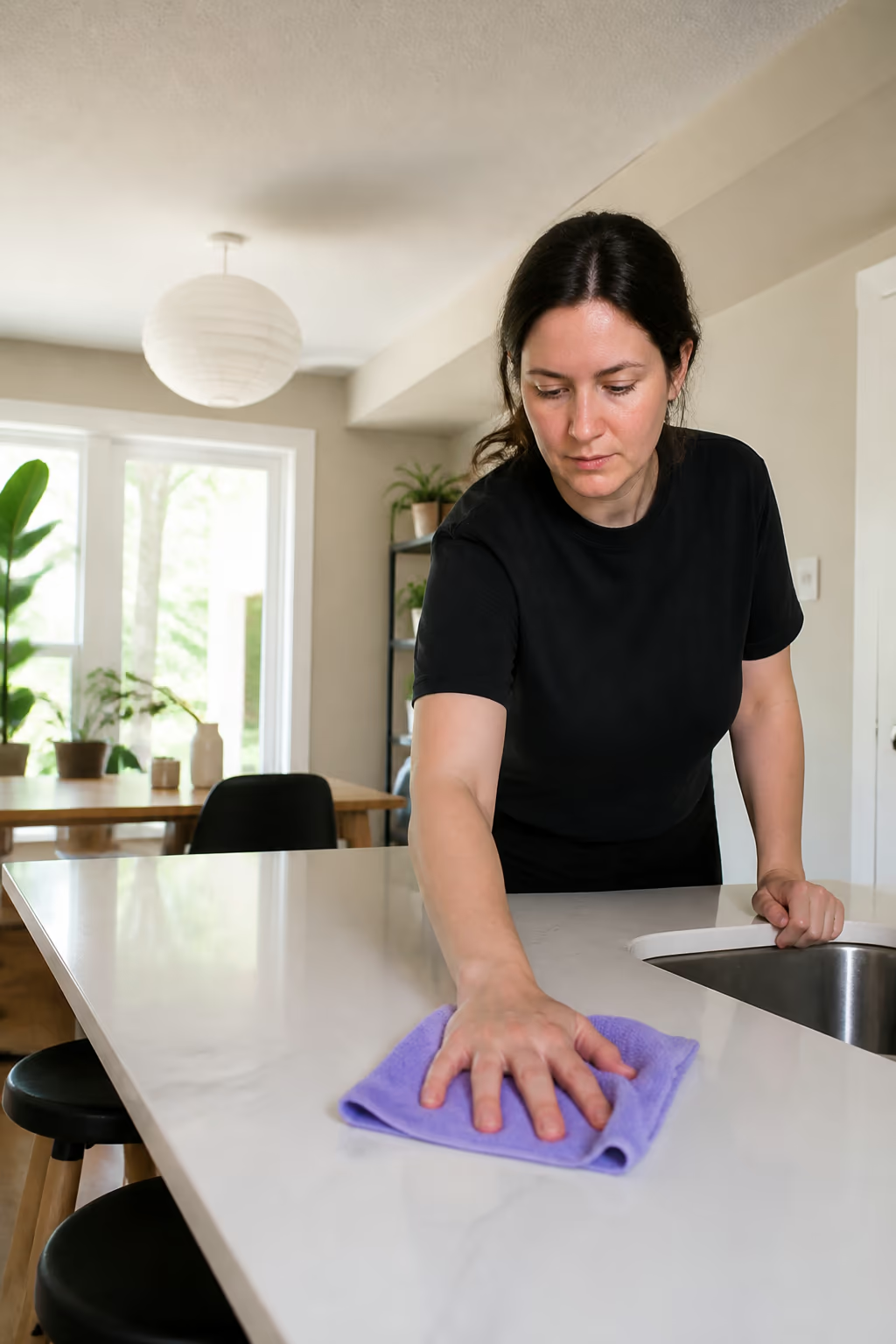
There is no shame in needing help with a space that has gotten away from you. A professional cleaning team handles the deep clean, the moving of furniture, and the jobs that are hard to reach, so you are not trying to do everything at once.
For people facing a big transition, like a move, a new baby, or a health challenge, the relief of having someone else manage the cleaning can be significant. You keep the decluttering decisions; the team handles the work.
One useful middle step is a maintenance clean. Even if you are not ready for a full deep clean, a regular visit from a professional team keeps the baseline manageable, so the decluttering you have done stays visible and the space keeps working for you. Reviewing what cleaning services typically cost in Ottawa can help you plan where that regular visit fits your budget.
Small Steps for Different Rooms
Every room benefits from decluttering, but each one has its own natural starting point. Working room by room keeps the process manageable and gives you a steady stream of finished spaces.
Two of those rooms have a physical reason to stay clear. Health Canada's ventilation advice recommends keeping baseboards and heating vents clear of furniture, and keeping beds, bedding and furniture away from outside walls so air and heat can move around them. The federal guidance opens with the reason it matters: “Poor indoor air quality can affect your health.”
In the kitchen, the counter is the priority. A clear counter makes the whole room feel calmer, and it is where most daily clutter lands: mail, keys, small appliances, and the odds and ends that have nowhere else to go.
In the bedroom, the focus is the nightstand and the floor. A clear nightstand helps you wind down, and keeping the floor open makes the room feel larger and more restful.
In a home office, the desk is the starting point. A clear desk supports focus, and clearing the surfaces around it, whether shelves, a credenza, or a file cabinet, keeps the room from feeling like a storage unit. The same focus benefit shows up at the office too, which our piece on how office cleaning improves employee mental health explores in more depth.
In the entryway, the goal is a landing zone. A small table or a set of hooks for keys, bags, and coats stops the daily stuff from piling up on the nearest chair.
A Gentle Rule for What Stays
It helps to have a simple filter for deciding what earns a place in your home. A few questions work for most situations:
Do I use it regularly? Things used in the last year are easy to justify. Things that have not been touched in years are candidates to go.
Does it serve a clear purpose? Functional items earn their place. Items kept only because they were expensive or a gift are harder to justify.
Does it bring me joy or save me time? If an item does neither, it is adding weight without adding value.
Could I replace it easily? For everyday items, the cost of replacing them later is low, which makes letting them go easier.
If an item fails all four questions, it is probably ready to leave.
Decluttering With the Whole Household
Decluttering is easier when it is not a solo project. A household that works together, even for fifteen minutes at a time, keeps the space clear without turning it into a source of conflict.
Keep it low-pressure. The goal is a home that works for everyone, not a magazine photo. Let each person have a say in what stays in the spaces they use most, and respect their decisions.
Make it a shared routine. A short weekly tidy that everyone takes part in, with clear jobs for each person, keeps the house from sliding back between deeper sessions.
Be honest about the hard categories. Sentimental items, hobby supplies, and paperwork are the ones most likely to stall a decluttering session. Give them their own time, and set a simple limit, like one box per person, so the session keeps moving.
Formatted Step-by-Step Mindful Decluttering Checklist
Work through this checklist at your own pace to clear a space and keep it clear:
- Step 1.Pick One Small Surface and Finish It Completely:A counter, nightstand, or drawer gives you a visible win to build on.
- Step 2.Sort Items into Keep, Donate, and Recycle:Decide quickly using a simple rule: do you use it, need it, or love it?
- Step 3.Give the Items You Keep a Designated Home:Everything you keep needs a place, so putting things away becomes automatic.
- Step 4.Clear Your Flat Surfaces at the End of Each Day:A clear counter in the morning sets a calmer tone for the whole day.
- Step 5.Protect a Daily Reset Routine:A short, regular tidy keeps the space from sliding back between deeper sessions.
- Step 6.Contracting a professional home cleaning crew in Ottawa through Good Cleaner Co. takes the heavy work off your hands and helps you keep a serene home.
Helping Ottawa Homes Feel Clear and Calm
Good Cleaner Co. works in homes across the city, from condos in downtown Ottawa to family houses in Barrhaven, Kanata, Nepean, and Orleans. Wherever you live, the goal is the same: a clean, clear space that supports the way you want to feel at home.
Practical Next Steps for Connection between decluttering and mental health
Turn this guide into a short task list for the actual rooms, materials, and people involved. Name the visible result you need, the surface limits to respect, and the access or timing that changes the order of work. That gives the next person clear decisions instead of a broad catalogue of services.
- Priorities: Start with the areas that affect normal use and describe the expected result in plain language.
- Materials: Check care instructions before using abrasion, heat, water, or a new product on an unfamiliar finish.
- Timing: Note occupied, locked, or soon-to-be-used areas so the routine does not create disruption.
Keep the list with the supplies or site notes, then revise it when the space or its use changes.
When the Routine Needs to Change
Review connection between decluttering and mental health when use, materials, or conditions change instead of following a generic seasonal script. A spill, event, occupancy change, construction dust, new equipment, or recurring mark may need a specific adjustment. Inspect the affected area, record what changed, and update the task rather than adding unrelated products or extra steps.
Canadian weather can change the moisture or grit arriving at an entrance, but the right response still depends on the flooring, access, and actual condition. Check mats, floors, storage, and drying areas regularly. Treat a recurring issue as a maintenance question, not as dirt that must be scrubbed harder.
Check Results and Escalate the Right Problems
A useful review asks whether the agreed task is complete, whether the surface was treated appropriately, and whether anything needs follow-up. Walk the area in normal light, compare it with the written scope, and note what remains. It is better to record a limitation honestly than to promise a perfect result.
Pause when a request involves product-specific, safety, plumbing, electrical, damage, infection-control, or health concerns. Use the responsible organisation's instructions or a qualified specialist where appropriate. Cleaning advice cannot replace a repair assessment, product label, workplace policy, or professional health guidance.
Partnering with Good Cleaner Co. for a Calming Home Sanctuary
Good Cleaner Co. combines years of regional experience, background-checked technicians, EcoLogo green chemistry, and commercial HEPA technology to deliver consistent results across Ottawa.
Our account managers work directly with home and business owners to build schedules that fit your budget and timeline. Contact Good Cleaner Co. today to request a commercial facility audit.
A Practical Note on Connection between decluttering and mental health
The strongest routine is one people can understand, carry out, and review without adding unnecessary products or hidden assumptions. Keep a dated note of what changed, what was observed, and which surface or room needs attention next. That record helps a household, site manager, or service provider decide whether to adjust the task, arrange maintenance, or simply keep the current routine. It also stops a one-off problem from becoming a vague instruction that is passed from person to person.

FAQ
Does decluttering really reduce stress?
Many people find it does. A cluttered space gives the brain more to process, and clearing it removes one source of daily stress. It is not a treatment for anxiety, but it can make a real difference in how a home feels.
What is the fastest way to start decluttering when a room feels overwhelming?
Start with one flat surface, like a kitchen counter or nightstand, and clear it completely. Finishing something small gives you momentum for the rest of the room.
Should I declutter or clean first?
Declutter first, then clean. Cleaning a cluttered room takes longer and the clutter returns quickly. Once the surfaces are clear, cleaning is fast and the result lasts.
How much time should I spend decluttering each day?
Fifteen to thirty minutes a day is enough for most people. Short, consistent sessions beat occasional marathons and are easier to keep up.
Can professional cleaning help with mental health?
For many people, yes. A professional team handles the deep cleaning, which removes a heavy load and frees up time and energy. If you are struggling with your mental health, support from a counsellor or doctor is the most important step.
How do I let go of items I have an emotional attachment to?
Take it slowly. Start with items that carry no emotional weight, and for the harder ones, keep a few meaningful pieces rather than keeping everything. You can also take photos of items you are letting go.
What is the best way to keep a home decluttered long-term?
Give everything a home and build a daily reset habit. When putting things away is easy and automatic, clutter has a much harder time building back up.
Does a tidy bedroom really improve sleep?
Many people sleep better in a calm, tidy room. A cluttered bedroom can make it harder to relax, while a clear space feels more restful. Removing screens and keeping surfaces clear both help.
Is there a connection between clutter and procrastination?
Clutter can contribute to it. A busy environment makes it harder to focus, and the reminder of unfinished things can make it easier to put tasks off. Clearing the space often makes starting easier.
How do I get help decluttering and deep-cleaning my home in Ottawa?
Contact Good Cleaner Co. for professional home cleaning specialists in Ottawa. We handle the deep clean so you can focus on the decluttering decisions.
Wrapping Up
Decluttering is one of those changes that feels small and matters more than expected. Contact Good Cleaner Co. today to book a home cleaning visit in Ottawa and give yourself a clearer, calmer space.
Keep reading
More from Good Cleaner
About the author
Service areas
- Ottawa
- Kanata
- Nepean
- Orleans
- Barrhaven