
How Often Should You Strip And Wax Your Floors?
Stripping and waxing sounds like the kind of job you put off until the floors look worn, but the real secret is timing. Do it too often and you strip away finish that is still protecting the floor; wait too long and the protection is gone and the tile is taking the abuse. The answer to how often should you strip and wax your floors? comes down to your floor type, your foot traffic and the season, and this guide walks through all three.
Quick Summary
How often to strip and wax floors depends on floor type, foot traffic and the season, since the wax finish is a sacrificial layer that absorbs wear so the tile, vinyl or linoleum underneath does not. Stripping too often wastes protective finish, while waiting too long lets dirt and moisture reach the bare floor.
In this guide
What Stripping and Waxing Actually Mean
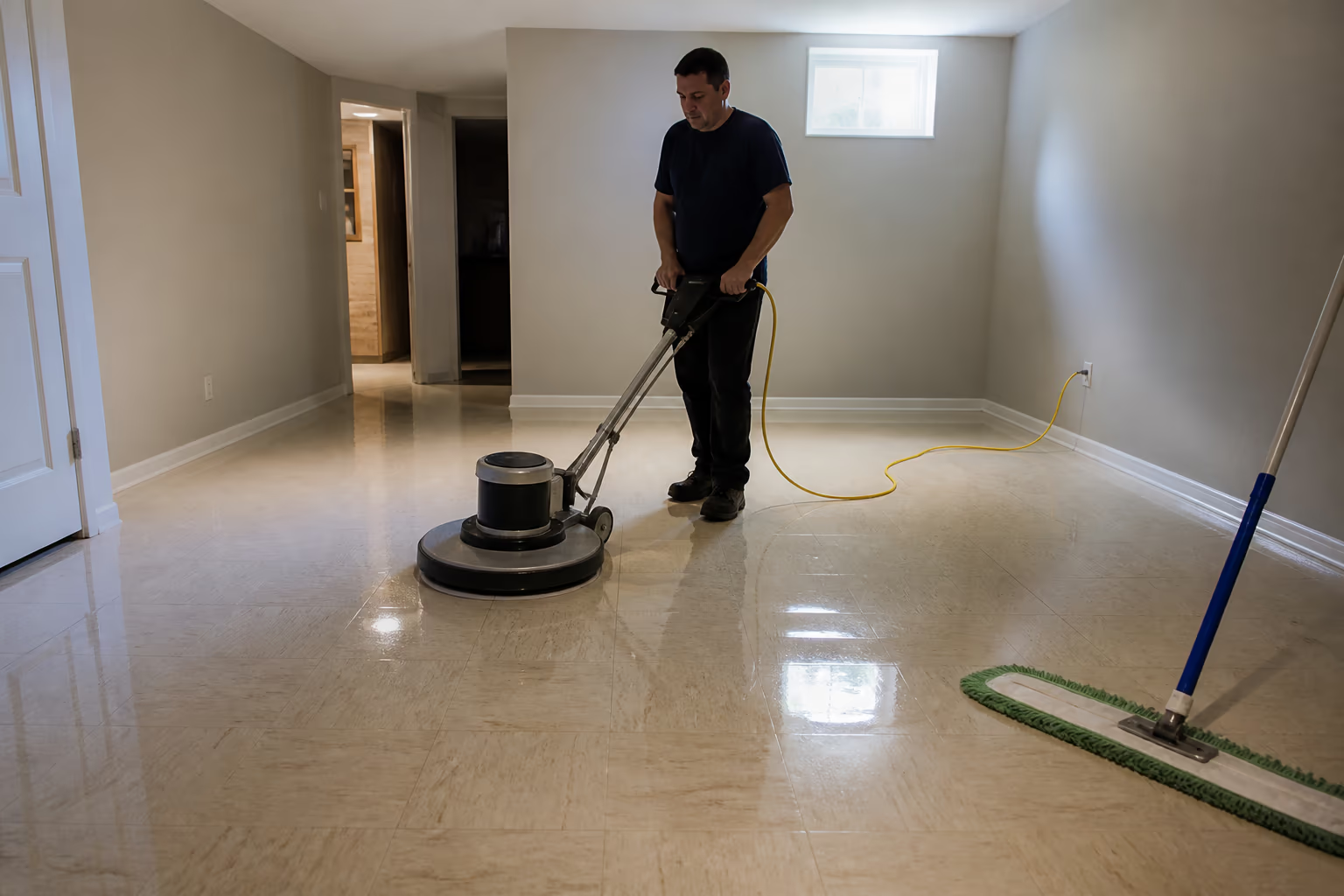
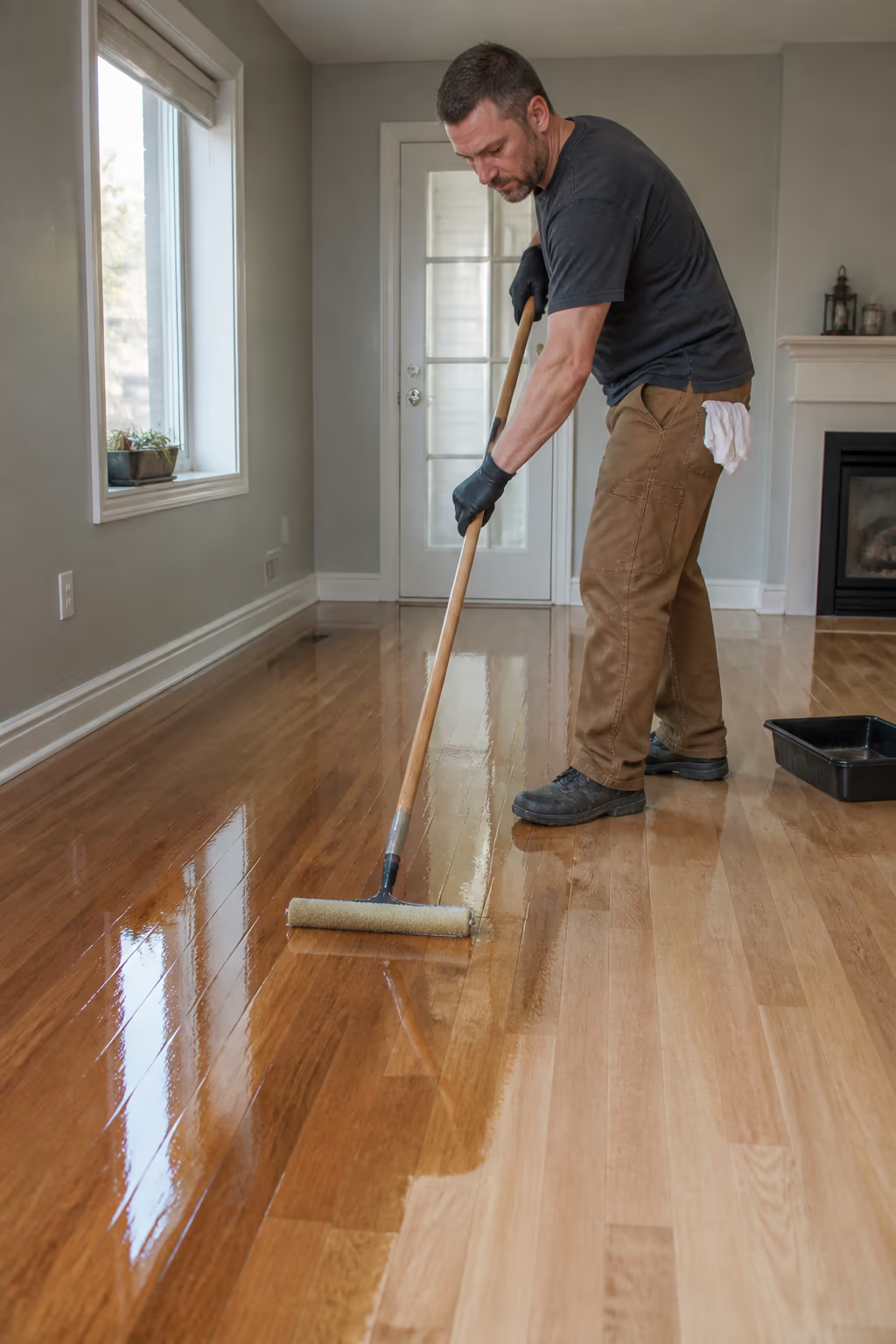
Before you can decide how often should you strip and wax your floors, it helps to be clear about what the two jobs are. Stripping removes the old layers of floor finish with a chemical stripper, taking with them the scuffs, dirt and dullness that have built up over time. Waxing, or finishing, applies fresh coats of protective finish that give the floor its shine and shield the material underneath. Together the two jobs reset the floor to a clean, protected state.
The finish is the key to the whole cycle, because it is a sacrificial layer. Every footstep, chair leg and dropped object lands on the finish first, and the finish is designed to take that wear so the tile, vinyl or linoleum below does not. Once the finish wears thin, dirt and moisture can reach the actual floor, where they cause the stains and dullness that no amount of buffing will fix. That is why keeping a healthy layer of finish on the floor matters more than the shine.
A quick note on the word wax. Older floors, especially wood, used a true paste wax that had to be buffed by hand or machine. Most modern commercial and residential floors use polymer floor finishes, often sold as floor finish or floor sealer, which dry to a tough, glossy layer. The everyday term wax has stuck, so this guide uses it the same way your cleaner or floor-care supplier would.
So the two words describe one maintenance cycle. Strip the old finish off, neutralize the floor, apply new coats, and let them cure. The question of how often should you strip and wax your floors is really a question about how long that finish can protect the floor before it needs to be replaced, and that answer depends on the conditions the floor lives in.
The Honest Answer: It Depends on Traffic and Floor Type
There is no single number that works for every floor, and a provider that quotes you a fixed schedule without seeing the space is guessing. How often should you strip and wax your floors? depends on a handful of conditions, and naming them makes it easier to pick a realistic cycle for your home or business.
The factors that matter most are worth listing plainly:
- The floor type, because vinyl composition tile, linoleum, luxury vinyl and sealed concrete all wear differently and accept different finishes.
- The amount of foot traffic, because a hallway used by a whole family all day wears far faster than a spare room that is rarely entered.
- The maintenance routine between strips, because a floor that is swept and damp-mopped regularly holds its finish much longer than one that is ignored.
- The look you expect, because a showroom shine demands more attention than a clean, serviceable floor.
- The season, because Ottawa winter salt and sand act like sandpaper on the finish and shorten the cycle.
- Whether the floor takes spills or heavy loads, as kitchens and workshop areas put more stress on the finish than low-use rooms.
As a starting point for guidance, a high-traffic commercial floor in vinyl composition tile is often stripped and refinished every six to twelve months, while a busy residential floor can go twelve to eighteen months and a lightly used home floor can stretch to eighteen to twenty-four. Those are practical ranges, not guarantees, and the best way to find your cycle is to watch the floor itself.
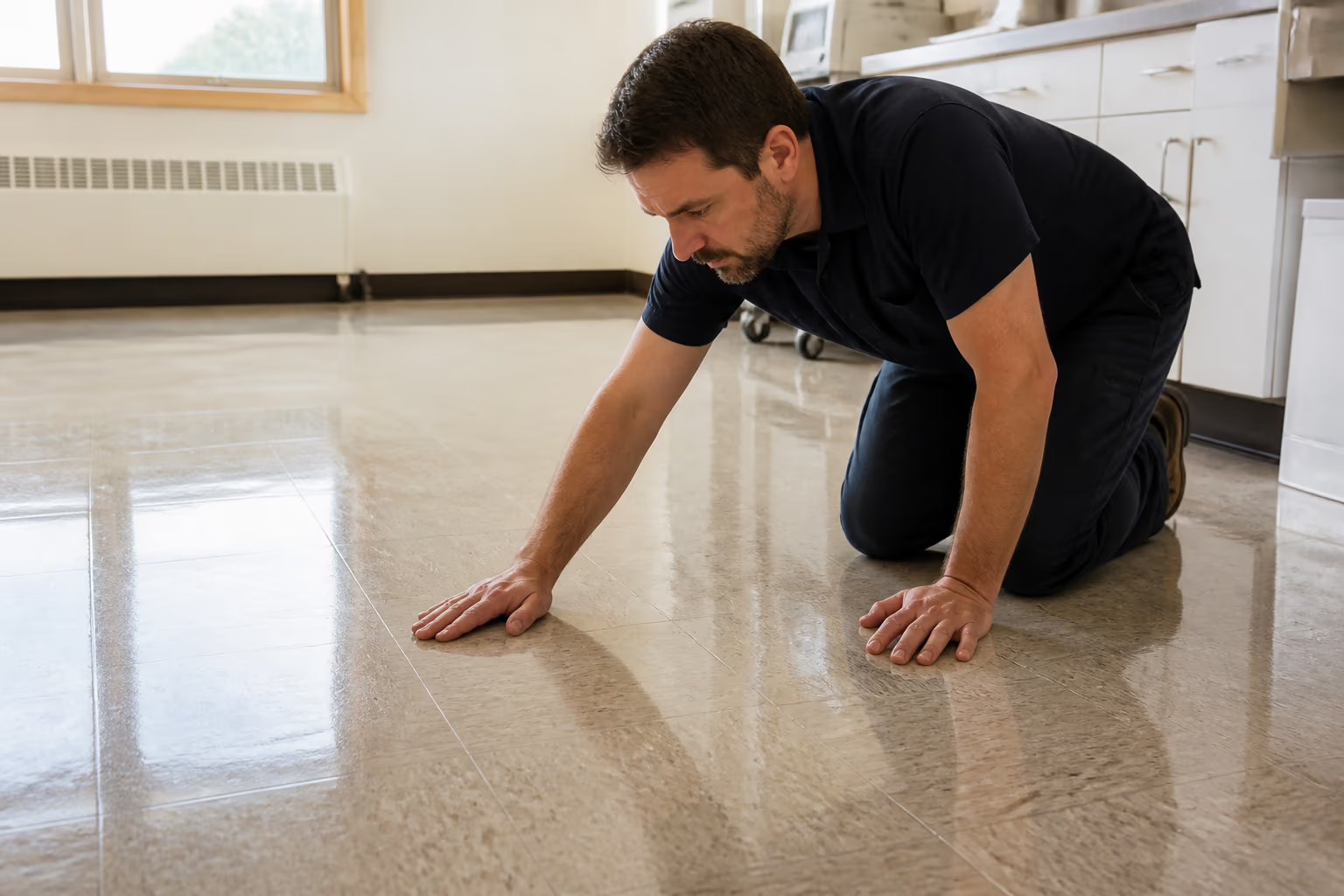
The floor tells you when it is ready. If water no longer beads on the surface, if scuff marks will not buff out, if the floor looks dull no matter how you clean it, or if you can feel texture and grit where the finish has worn through, the finish is spent. That is the signal that a strip and re-wax is due, and it is a more reliable guide than a calendar alone.
The Maintenance Rhythm That Keeps Wax Between Strips
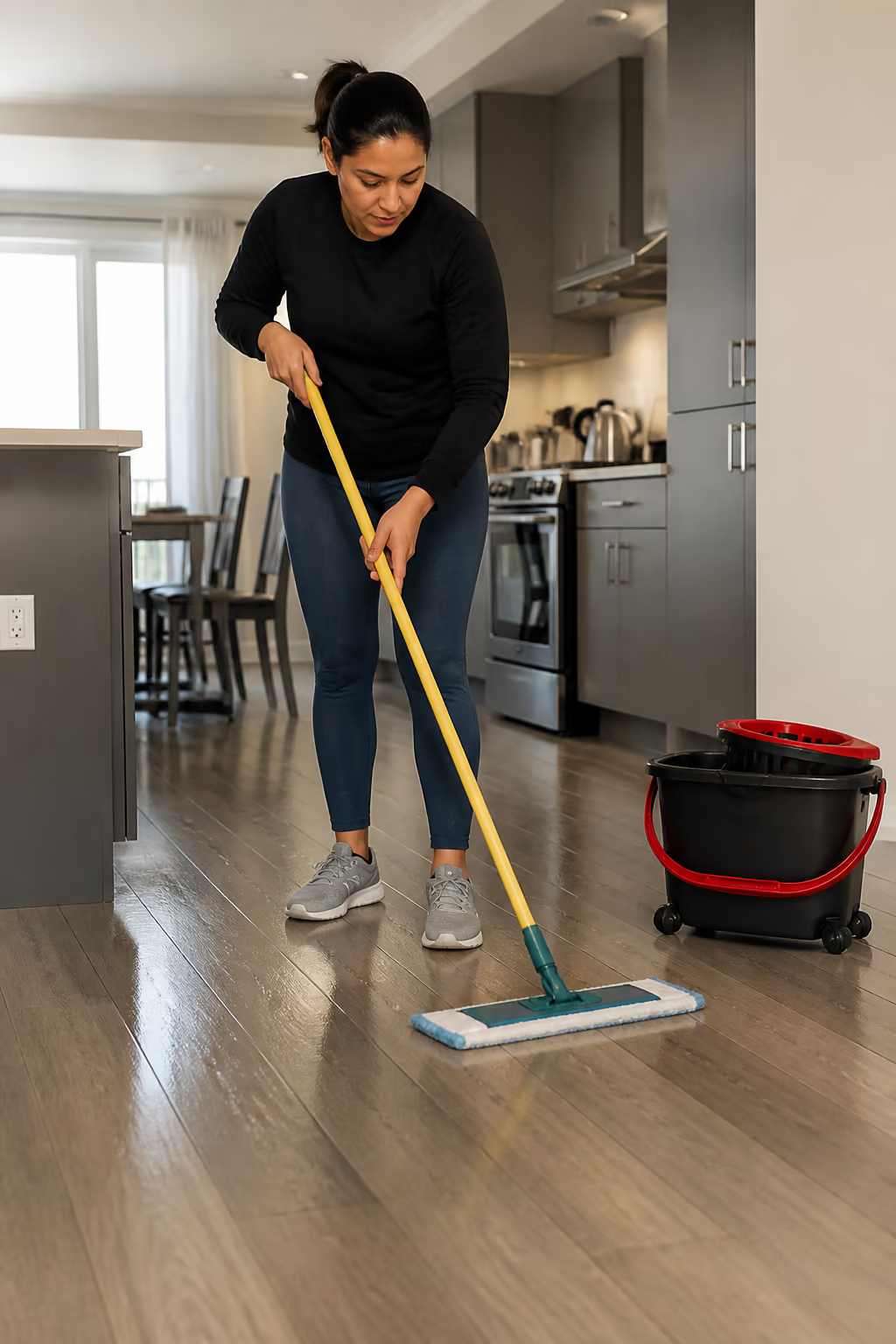
Stripping is a reset, not a weekly task, and the real work that keeps a floor healthy happens in the weeks and months between strips. A floor with a good maintenance routine can go noticeably longer between full strip-and-wax jobs, because the finish is kept clean and never gets worn to the point of failure.
The maintenance rhythm for a finished floor looks like this:
- Sweep or dust-mop daily in high-traffic areas so grit does not grind into the finish.
- Damp-mop with a pH-neutral floor cleaner once a week, or more often in kitchens and entryways.
- Buff or burnish the floor periodically to restore shine and smooth out light scuffing.
- Spot-recoat worn areas with a thin coat of finish rather than stripping the whole floor.
- Use entry mats at doors so salt and sand are stopped before they reach the finish.
- Wipe up spills promptly, because standing liquid is the fastest way to soften and lift a finish.
The scrub-and-recoat approach is the middle ground that many professionals use. Instead of stripping everything, the floor is scrubbed with a floor machine and a neutral cleaner, rinsed, and then given a fresh coat or two of finish. This refreshes the shine and restores protection without the cost and time of a full strip, and it is an excellent way to extend the cycle in a busy home or office.
When maintenance is done well, the floor looks better between visits and the full strip-and-wax job is needed less often. That is the honest answer to how often should you strip and wax your floors: as often as the floor needs it, which good daily care pushes further out. A floor that is ignored, by contrast, will eat through finish quickly and demand frequent, expensive resets.
How Ottawa's Winter Changes the Answer
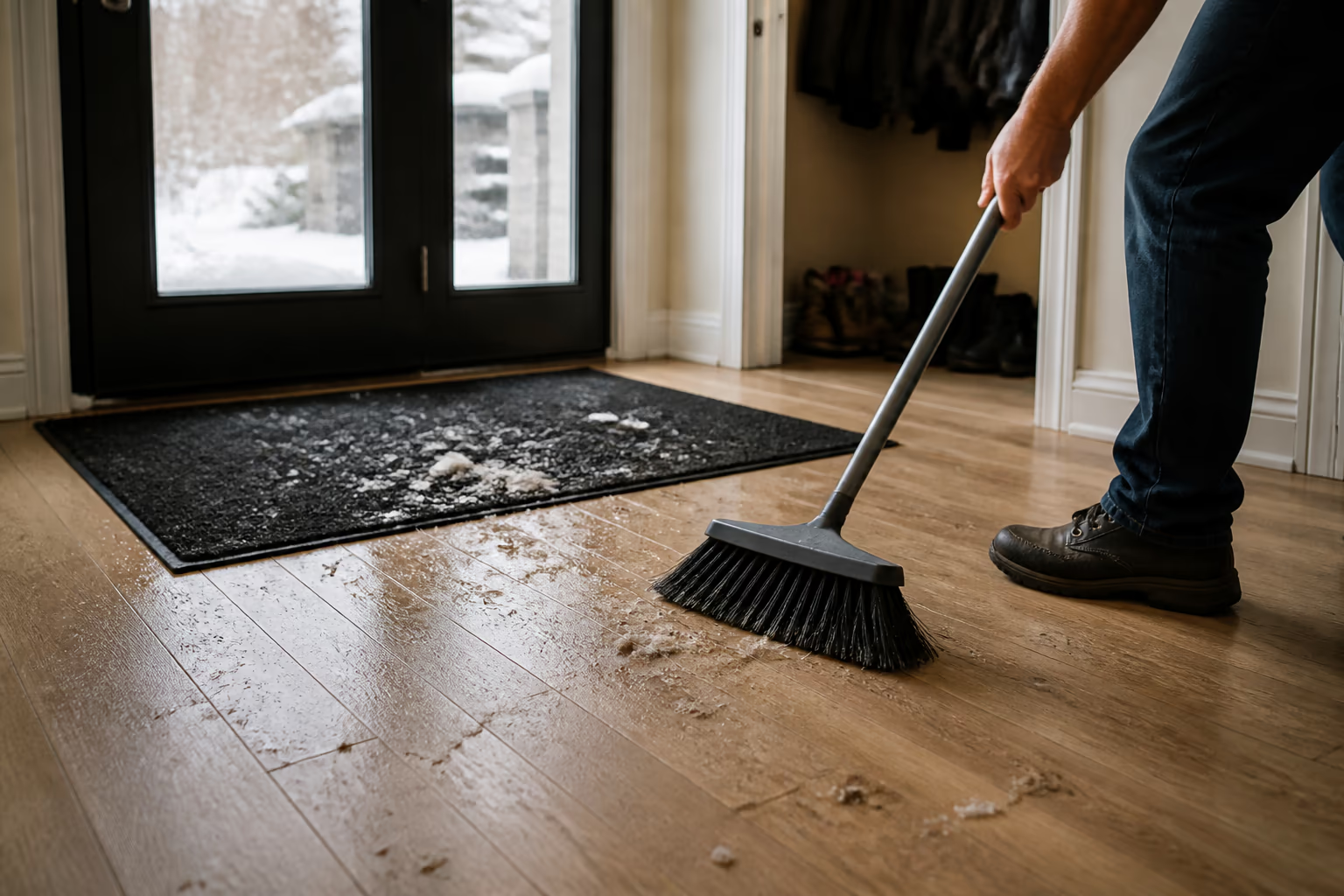
Ottawa winters are hard on floors in a way that changes how often the finish needs to be renewed. Salt, sand and slush get tracked through the door from late November through March, and that grit is effectively sandpaper underfoot. Every step grinds it into the finish, and the fine scratches it leaves make the floor look dull long before the finish is actually gone.
The entryway takes the heaviest beating, and it is usually the first area to show wear. A mat at the door catches a surprising amount of the grit, and sweeping or vacuuming the entrance daily stops the rest from being dragged through the house. A damp mop at the door during wet weeks keeps the salt from sitting on the finish and drawing moisture in.
Spring is the natural moment for a reset in many Ottawa homes. The melt exposes months of salt and sand that have settled into the finish, and the dull, scratched look that follows is exactly what a strip and re-wax fixes. Scheduling that reset in spring, rather than midwinter, also means the fresh finish gets to cure in warmer, drier conditions.
Good Cleaner Co. schedules floor care around these realities. The team protects entryways with extra maintenance through the winter, and it plans full strip-and-wax work for the season when it will last. A floor-care plan that accounts for the Canadian winter is far more effective than a generic schedule designed for a climate without salt and slush.
What You Need Before You Start
A proper strip-and-wax job needs the right supplies and a little patience, and the list is shorter than most people expect. Before you start, gather everything so you are not stopping halfway through to hunt for the next product. Worn applicators and mop heads are also worth checking against our guide on cleaning tools you should replace often, since a tired mop can undo an otherwise careful strip-and-wax job.
- A pH-neutral floor cleaner and a microfiber mop for the prep and routine cleaning.
- A floor machine or buffer to scrub the old finish off evenly, though a scrub brush can work for small areas.
- A commercial floor stripper matched to your finish, chosen for the surface you are treating.
- Fresh floor finish or sealer, applied in thin coats rather than one thick layer.
- An applicator and a clean mop or tray for spreading the finish evenly.
- Personal protection, including gloves, eye protection and, for enclosed spaces, good ventilation.
Safety comes first, because floor strippers and finishes are the most chemical-heavy products in this job. Read the label before you open the bottle, work in a space that is ventilated, and keep the products away from children and pets. Never mix stripper with other cleaners, because the fumes and reactions can be dangerous.
It is also worth testing. Apply a small amount of stripper in an inconspicuous corner first to confirm how the floor reacts, and do the same with the finish before you commit to a whole room. A few minutes of testing protects you from discovering halfway through that a product is wrong for your floor.
Common Mistakes That Ruin a Floor Finish
Most floor problems come from well-meaning mistakes, not from neglect. Knowing what these mistakes are is the fastest way to keep a finished floor looking good and avoid stripping it more often than you should.
One of those mistakes carries a legal consequence in a workplace. Ontario's industrial establishments regulation states that a floor or other surface used by any worker must not have any finish or protective material used on it that is likely to make the surface slippery, so over-applying wax on a commercial floor is a compliance problem and not only a cosmetic one. The same regulation covers lighting: “Where natural lighting is inadequate to ensure the safety of any worker, artificial lighting shall be provided and shadows and glare shall be reduced to a minimum.”
- Stripping too often, which thins the floor material and is the most expensive mistake of all.
- Using the wrong cleaner, such as vinegar or ammonia, which strips and dulls the finish over time.
- Skipping the neutralization step after stripping, leaving stripper residue that stops the new finish from bonding.
- Applying finish too thick, which traps bubbles and dries soft, or too thin, which wears through fast.
- Rushing the cure time, so furniture and footsteps dent the finish while it is still soft.
- Skipping the maintenance between strips, which lets grit grind the finish down and forces more frequent resets.
The right order matters as much as the right products. After the stripper has done its work, the floor must be rinsed and neutralized so no residue is left behind, then allowed to dry completely before the first coat of finish goes on. Each coat of finish should dry to the touch before the next is applied, and the floor should be left to cure before it takes normal traffic.
It also pays to match the finish to the floor. A finish designed for vinyl composition tile may not be right for sealed concrete or linoleum, and using the wrong one is a common reason floors dull or peel. When in doubt, the product label and a floor-care professional are better guides than a guess.
When a Professional Team Makes Sense
Stripping and waxing a small floor is a doable weekend project, but the job scales up quickly. A large kitchen, a whole lower level or any commercial space needs equipment, product and technique that most homeowners do not keep on hand, and the cost of a mistake in a large area is far higher than in a single room. Office floors often follow a similar rhythm to the rest of the space, and our guide on how often should an office be cleaned covers that broader schedule.
Good Cleaner Co. approaches floor care with a documented process and the right equipment for the job. The team handles strippers and finishes under WHMIS 2015 rules, reading the labels and safety data sheets before use and protecting the space and its occupants while the work is done. It favours products that meet Canadian standards, including options certified under programs like EcoLogo, so the floor is treated without unnecessary chemical load.
Choosing the right provider matters, and it is worth asking the same questions you would ask any contractor before you book. A company that can explain how it cares for floors is far more likely to do it well, and our guide on how to choose a commercial cleaning company in Ottawa covers the same groundwork for a larger property. If you still have questions about scheduling or scope, our cleaning services FAQ covers the basics before you book.
Formatted Step-by-Step Strip and Wax Floor Checklist
Use this checklist to strip and re-wax a floor cleanly, in the order that produces a finish that lasts.
- Step 1.Clear the room and sweep or vacuum the floor thoroughly so no grit is left to scratch the surface during the process.
- Step 2.Apply the stripper in even sections, let it dwell for the time the label recommends, and scrub the old finish loose.
- Step 3.Rinse the floor well and neutralize the surface so no stripper residue remains to block the new finish.
- Step 4.Apply two or three thin, even coats of finish, letting each coat dry before the next goes on.
- Step 5.Leave the floor to cure for the full time recommended before moving furniture back and reopening the room to traffic.
- Step 6.When a trained team with the right equipment would handle the job for you, our Ottawa residential cleaning teams are built around your schedule and standards.
FAQ
How often should you strip and wax a floor?
For guidance, a high-traffic commercial floor is often done every six to twelve months, a busy residential floor every twelve to eighteen months, and a lightly used floor every eighteen to twenty-four. The floor itself tells you when it is due, because the finish dulls, stops beading water and refuses to buff out scuffs.
How do I know when my floor needs to be stripped and re-waxed?
Watch for a floor that looks dull no matter how you clean it, scuff marks that will not buff out, water that no longer beads on the surface, or a rough texture where the finish has worn through. Those are reliable signs the finish is spent.
Can I strip and wax my floors myself?
Yes, for a small area with the right supplies and a careful approach. Larger floors, heavy build-up and commercial spaces usually need a floor machine and professional technique, and that is when the job is worth handing to a trained team.
How long does a strip-and-wax job take?
A single room can be done in a day when you include drying time, while a large floor or a full level usually takes longer because of the coats and cure time. Rushing the drying is the most common reason the result fails, so the schedule should respect it.
Does waxing damage my floors?
No, when the finish is appropriate for the floor and applied correctly. The finish is meant to protect the floor and take the wear. Damage usually comes from stripping too often, using the wrong cleaner or skipping the cure time, not from a proper finish.
Is strip and wax the same as a deep clean?
No. A deep clean removes dirt and grime from the surface, while a strip and re-wax removes the old finish and lays down new protection. A floor often needs a deep clean between strip-and-wax cycles, and a good deep clean can extend how long the finish lasts.
How do I keep the shine between strips?
Sweep daily, damp-mop with a pH-neutral cleaner, buff periodically and wipe spills up promptly. Entry mats in winter stop the salt and sand that dull the finish fastest, and a scrub-and-recoat now and then refreshes the shine without a full strip.
Wrapping Up
How often should you strip and wax your floors? comes down to watching the floor and protecting it with good daily care rather than chasing a fixed number. Strip and re-wax when the finish is spent, keep the floor swept and mopped in between, and let the season guide your timing, especially the spring reset that clears winter's salt and sand. If you would like a professional team to handle a strip-and-wax job or build a floor-care routine for your Ottawa home, contact Good Cleaner Co. for a free quote and a cleaning plan tailored to your space.
Keep reading
More from Good Cleaner
Services that fit
- House Cleaning Services in OttawaHouse cleaning services in Ottawa for one-time, weekly, biweekly, and monthly home care, with customizable cleaning and eco-friendly options.
- Janitorial Services in OttawaRecurring janitorial services in Ottawa for offices, warehouses, retail, dealerships and schools. Eco-friendly commercial cleaning, customized plans, free quote.
About the author
Service areas
- Ottawa
- Kanata
- Nepean
- Orleans
- Barrhaven