
How Often To Clean 10 Common Household Items
Some items in your home need attention every few days, while others are fine on a twice-a-year schedule, and mixing the two up is how a home ends up with clean floors and a dirty mattress. The honest answer to how often you should clean the ten most common household items is a simple calendar you can actually remember. This guide lays out the cadence for each one, explains why the timing matters, and shows where a professional team helps.

Quick Summary
Common household items fall into different cleaning rhythms: bedding, towels and cloths weekly, the microwave, fridge and coffee maker monthly, curtains and blinds seasonally, and the oven and mattress a couple of times a year. Grouping items this way turns ten separate schedules into four rhythms that are easy to actually remember and follow.
In this guide
Why the Right Frequency Matters
Cleaning an item on the right schedule is not about being obsessive; it is about protecting the item and the people who use it. Every surface in a home collects a little soil, a little dust and, on some items, a little bacteria, and the difference between a minor wipe-down and a stubborn clean is almost always time. The longer grime sits, the harder it is to remove and the more it wears on the item underneath.
For one household item the recommended frequency is published. Health Canada's safe food storage guidance says to change dishcloths daily to avoid cross-contamination, and to avoid sponges because they are harder to keep bacteria-free. Health Canada gives the scale of the problem: “Every year, thousands of Canadians get food poisoning.”
Frequency is also a balance between two failures. Clean too often and you waste time and risk damaging delicate items with harsh products or rough scrubbing. Clean too rarely and build-up sets in, stains become permanent, and the item works harder or smells stale. The right cadence for how often clean 10 common household items is the point where neither failure happens.
Two goals guide every schedule. The first is visible cleanliness, the parts of the home people see and touch. The second is protecting the item itself, because a well-cleaned mattress, oven or coffee maker lasts longer and works better. When a cleaning plan serves both goals, it is easy to keep and easy to justify. The same logic extends beyond individual items to whole rooms: see how often should you clean a bathroom and how often should you clean exterior windows for room-level schedules.
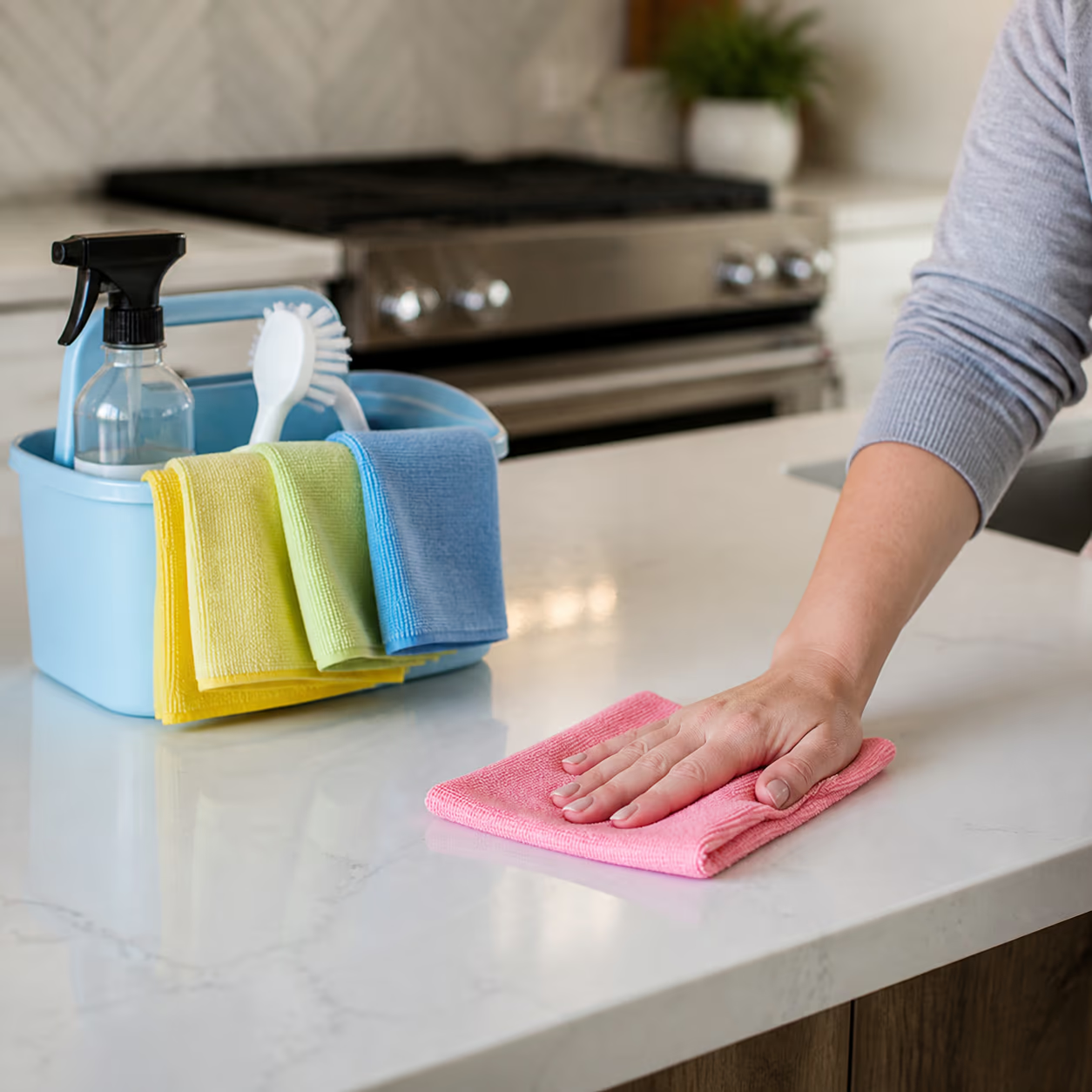
The 10 Household Items and How Often to Clean Them
Ten items get the most use and the least attention in a typical home, and they are the ones worth putting on a schedule. Here is a practical cadence for each:
- Bedsheets and pillowcases:wash weekly, and a little more often in summer or if you sweat at night, because they collect body oils and dust mites quickly.
- Pillows:wash every few months according to the care label and replace them when they no longer hold their shape.
- Mattress:vacuum every few months, spot-clean stains as soon as they happen, and do a deeper clean a couple of times a year.
- Kitchen towels, dishcloths and sponges:swap and wash them frequently, because damp textiles and sponges are among the fastest-growing spots for bacteria in a home.
- Microwave:wipe the inside weekly after heavy use and give it a deeper clean once a month, including the turntable and ceiling.
- Refrigerator:wipe shelves, drawers and handles monthly, and do a full clean-out and defrost a couple of times a year.
- Oven:wipe spills as they happen and deep-clean every few months, because baked-on grime gets harder to remove the longer it sits.
- Coffee maker:descale and clean it every one to two months depending on use, and run a rinse cycle after each descaling.
- Curtains, blinds and window coverings:dust or vacuum them monthly and wash the washable ones a couple of times a year.
- Remote controls, phones and door handles:wipe them weekly, because they are touched constantly and almost never cleaned.
Bedding deserves a little more detail, because it is the item people touch most often and think about least. Weekly washing of sheets and pillowcases is a realistic baseline for most Canadian households, and a fortnightly wash is the outer limit before bedding starts to feel heavy and stale. Pillows and the mattress itself run on a slower schedule, but they still need regular attention to stay fresh.
If the list feels like a lot, group it into four rhythms that are easy to remember. Items that touch skin and food, like bedding, towels and kitchen cloths, run on a daily-to-weekly schedule. Items that hold moisture or build-up, like the microwave, fridge and coffee maker, run monthly. Items that collect dust, like blinds and light fixtures, run seasonally. Everything else, like the oven and mattress, runs a couple of times a year.
The Items People Almost Always Overlook
The ten above cover the big ones, but a handful of items are so forgettable that they rarely get cleaned at all, and they are often the reason a home feels dusty or slightly stale even right after a clean.
- Light fixtures and ceiling fans:dust them monthly and wash the globes and blades a couple of times a year.
- Sofa and chair cushions:vacuum them monthly and wash the washable covers seasonally or as the label directs.
- Garbage and recycling bins:wash them out monthly, more often in summer when odours build quickly.
- Bath mats and bath liners:wash them weekly with the towels so they dry properly and stay fresh.
- Small appliances like toasters and air fryers:empty the crumb tray weekly and wipe the surfaces as they are used.
These items share one trait: they are out of sight until they become a problem. A ceiling fan runs for months gathering dust before anyone looks up, and a bin liner hides weeks of residue under a fresh bag. Putting them on the calendar, even at a slow cadence, is what keeps a clean home feeling clean in every corner, not just the ones at eye level.
How the Season Changes These Schedules
The right timing for how often clean 10 common household items is not fixed, because Canadian seasons change how fast items get dirty. Winter is the clearest example. Ottawa homes are closed up for months, with dry furnace heat and more time spent indoors, so dust builds up faster, bedding is used more and entry mats collect salt and sand every day. Some households find that washing sheets a touch more often in winter keeps the bedroom feeling fresh.
Spring brings allergy season, which is a good reason to wash curtains and blinds, vacuum the mattress and clean the areas where dust settles. Summer adds humidity, and humid conditions speed up mould and mildew in exactly the places this guide has been listing: bathroom textiles, kitchen cloths, garbage bins and anywhere damp air sits. In those months, washing kitchen towels and cleaning the bin a little more often is not fussing; it is keeping up with the season.
Good Cleaner Co. adjusts its cleaning plans around these same rhythms. The team increases attention on entry mats and floors through Ottawa's long winter, gives curtains and blinds a proper wash in spring, and keeps a closer eye on moisture-prone items in summer. A cleaning schedule built for the season is more effective than a one-size-fits-all list, and it is the difference between maintenance that works and maintenance that only seems to.

What You Need Before You Start
Cleaning these ten items does not require a big collection of special products. Most of the work needs only a few basics, and having them on hand is what stops you from skipping an item because the right tool is in another room.
- A good all-purpose cleaner and a glass cleaner for the mix of surfaces.
- Microfiber cloths in a few colours, so the cloths used for the toilet never touch the kitchen.
- A vacuum with attachments for mattresses, blinds, fans and sofa cushions.
- A soft brush for grout, crumbs and small crevices on appliances.
- A descaling product for the coffee maker, matched to the manufacturer's advice.
- A bin brush or scrub brush for the garbage and recycling bins.
It also helps to read the care label before you clean anything for the first time. A pillow that cannot be washed may only be spot-cleanable, an electronic item should not be soaked, and a delicate fabric can be ruined by the wrong cleaner. Testing any unfamiliar product on a small, hidden area first is the cheapest protection a cleaning plan can buy.
Products matter too. A product that claims to disinfect must carry a Health Canada Drug Identification Number, and a professional team checks that before it uses the product on surfaces where disinfection matters. In workplaces, that same team handles cleaning chemicals under WHMIS 2015 rules, reading the labels and safety data sheets before use and favouring certified options when one does the job.
Common Mistakes in Cleaning Household Items
Most problems with these items come from a few repeated mistakes, and fixing them is easier than most people expect.
- Cleaning too aggressively, such as using abrasive scrubs on phone screens, appliances or delicate fabrics and scratching them.
- Forgetting to dry items fully, which lets mould and mildew grow in bedding, towels and cushions.
- Using one cloth across the whole home and spreading soil and bacteria from room to room.
- Waiting until an item is visibly dirty, when some build-up, like bacteria in a sponge, is well established before it shows.
- Ignoring the care label, then damaging a pillow, curtain or appliance that could have been cleaned safely.
The fix for most of these is routine rather than effort. Clean the high-use items on a set schedule instead of waiting for a signal, dry everything fully before it goes back in place, and keep the colour-coded cloths straight so the jobs do not cross. Small habits like these are what separate a home that looks clean from a home that is clean.
When a Professional Team Makes Sense
Many of the ten items are quick to handle yourself, but a few are genuinely easier with a professional team. Deep-cleaning a mattress, descaling an oven that has months of build-up or refreshing a sofa that has absorbed years of daily use is physical, specialised work, and doing it properly once a year can be worth more than a dozen surface wipes.
Good Cleaner Co. approaches these tasks with a documented process and the right products for each item. The team uses colour-coded cloths, matches the cleaner to the surface, lets treatments dwell where they need time and inspects its own work before it leaves. It favours products that meet Canadian standards, including options certified under programs like EcoLogo, so the deep clean does not come with unnecessary chemical load.
Choosing the right provider matters, and it is worth asking the same questions you would ask any contractor before you book. A company that can explain how it cleans is far more likely to clean well; our tips for picking a commercial cleaning company in Ottawa apply just as well to a household weighing a larger provider. For the full range of what a provider can take off your plate, see our cleaning services overview.
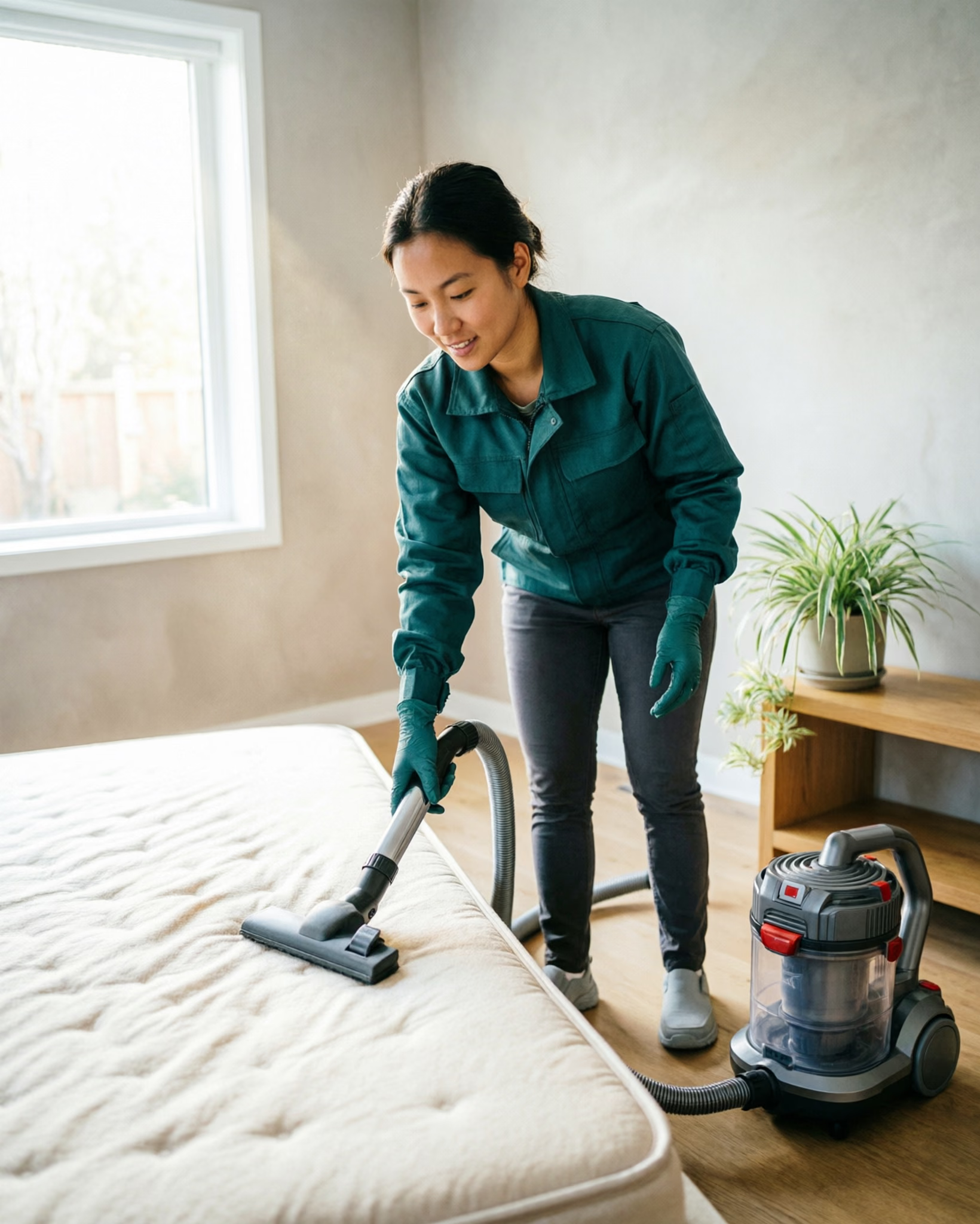
Formatted Step-by-Step Household Item Cleaning Checklist
Use this checklist to work through the ten items without getting overwhelmed, spreading the work across a month so no day becomes a marathon.
- Step 1.Start with the items that touch skin and food, and put the weekly ones on a set day so bedding, towels and kitchen cloths never go too long.
- Step 2.Add the monthly items to a rotating list, such as the microwave one week and the fridge shelves the next, so build-up never sets in.
- Step 3.Do the seasonal dust items at the change of season, including blinds, ceiling fans and light fixtures, when they collect the most dust.
- Step 4.Set aside a couple of times a year for the deep items, like the mattress, oven and sofa cushions, and pair them with the spring and autumn resets.
- Step 5.Keep the right supplies on hand, read the care labels before you start and dry everything fully before it goes back in place.
- Step 6.When a trained team would handle the deep items for you, our trusted home cleaning crews in Ottawa are built around your schedule and standards.

FAQ
How often should you wash your bedsheets?
Weekly is the reliable baseline for most households, and every two weeks is the outer limit before bedding starts to feel heavy and stale. Wash a little more often in summer or if you sweat at night, and wash pillowcases with the sheets on the same schedule.
How often should you clean your mattress?
Vacuum the mattress every few months, spot-clean stains as soon as they happen, and give it a deeper clean a couple of times a year. A mattress protector makes the job much easier by taking the spills and dust before they reach the mattress.
How often should you clean your microwave?
Wipe the inside weekly after heavy use and give it a deeper clean once a month, including the turntable and the ceiling where steam and splatter collect. Cleaning spills as they happen keeps the monthly job quick.
How often should you replace your sponge?
Replace kitchen sponges regularly and wash or replace dishcloths frequently, because damp sponges and cloths grow bacteria quickly. Letting them dry between uses and swapping them often is more important than the exact day on the calendar.
How often should you descale your coffee maker?
Every one to two months depending on how often you brew, and more often with hard water. Run a rinse cycle after descaling so no cleaning residue reaches your next cup, and follow the manufacturer's advice for your model.
Do I need to clean items that look clean?
Yes, some of them. Bacteria and build-up in items like sponges, remote controls, phones and door handles are well established before they become visible. A fixed schedule, not a visible signal, is the reliable way to stay ahead on these.
What household items should a professional team clean for me?
The deep items that are physically demanding or easy to get wrong, such as the mattress, oven and sofa cushions, are the best candidates. A professional team with the right products and a documented process can refresh those items more thoroughly than a routine wipe-down.
How often should you clean your refrigerator?
Wipe the shelves, drawers and handles monthly, and do a full clean-out and defrost a couple of times a year. Toss expired items during the deep clean and wipe spills as they happen, so the monthly job stays quick and the fridge keeps running efficiently.
How often should you wash bath mats?
Wash bath mats and liners weekly with the towels, and let them dry fully between uses. Damp bath mats are a fast-growing spot for mildew, especially in Ottawa's humid summer months, and a weekly wash keeps them fresh without extra effort.
Wrapping Up
How often clean 10 common household items comes down to grouping them into four rhythms: daily-to-weekly for bedding, towels and kitchen cloths, monthly for the moisture-prone appliances, seasonal for the dust collectors and a couple of times a year for the deep items like the mattress and oven. With the season guiding the timing and a few basics on hand, the schedule is easy to keep and keeps every corner of the home genuinely clean. If you would like a professional team to handle the deep items, contact Good Cleaner Co. for a free quote and a cleaning plan tailored to your home.
Keep reading
More from Good Cleaner
Services that fit
- House Cleaning Services in OttawaHouse cleaning services in Ottawa for one-time, weekly, biweekly, and monthly home care, with customizable cleaning and eco-friendly options.
- Janitorial Services in OttawaRecurring janitorial services in Ottawa for offices, warehouses, retail, dealerships and schools. Eco-friendly commercial cleaning, customized plans, free quote.
About the author
Service areas
- Ottawa
- Kanata
- Nepean
- Orleans
- Barrhaven