
DIY Glass Cleaner for Sparkling Streak-Free Windows: Rubbing Alcohol & Vinegar Formula
You do not need a blue spray bottle full of synthetic dyes to get a clear view through your windows. A simple mix of rubbing alcohol, white vinegar, and distilled water cuts finger oils and mineral film, then evaporates quickly so it does not streak. This guide walks through the formula, the technique professionals use, and how to handle the tricky glass surfaces around your home.
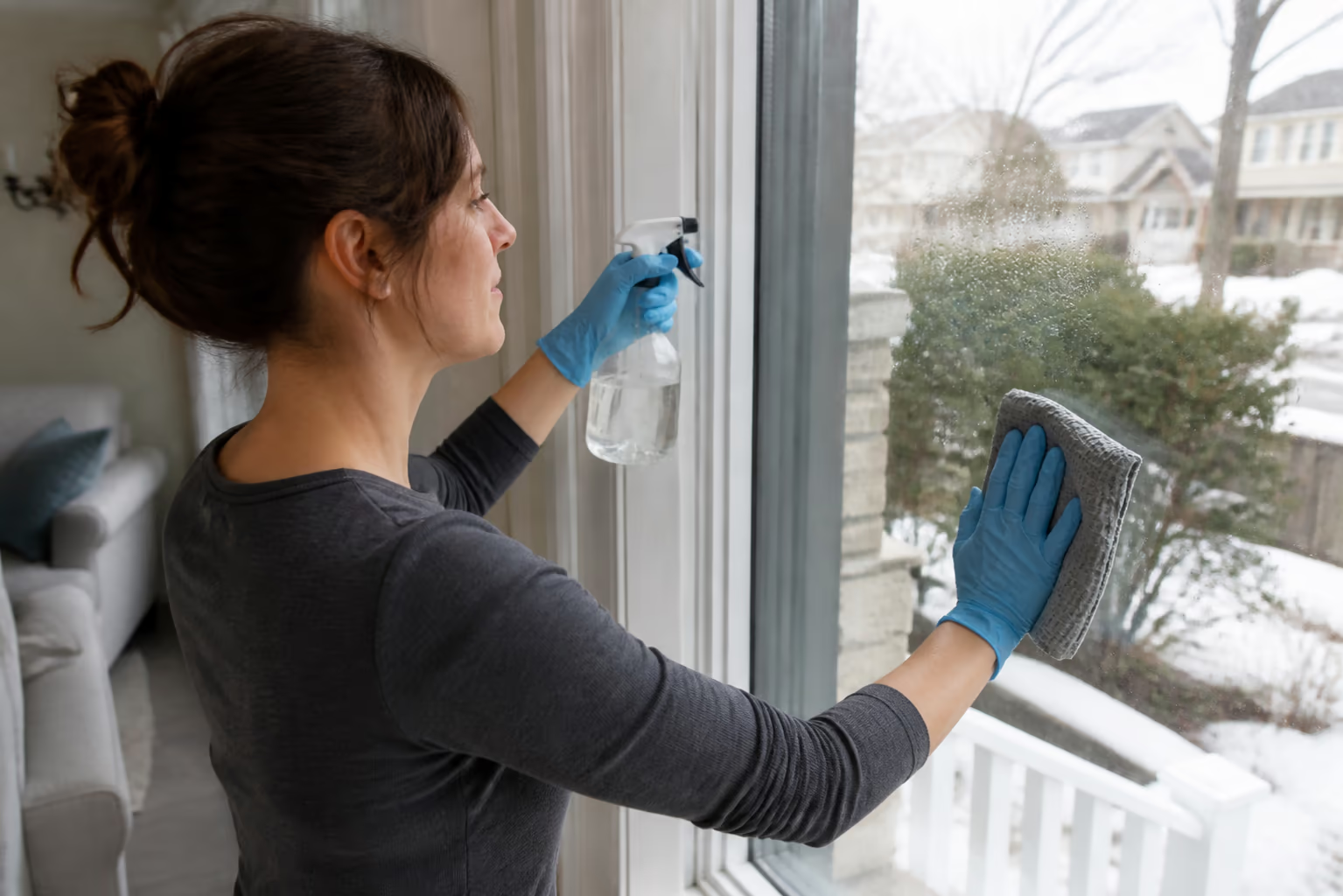
Quick Summary
A homemade glass cleaner made from rubbing alcohol, white vinegar, and distilled water dries fast and leaves windows and mirrors streak-free. This guide shares the formula, the wiping technique that makes it work, and the glass surfaces that need extra care.
In this guide
The Science of Streak-Free Glass Cleaning
Commercial window cleaners often rely on dyes and perfumes that can leave a sticky film behind. That film attracts dust and shows up as streaks when the sun hits the glass. A simpler formula avoids the problem entirely.
Clear glass comes down to two things: cutting the soil and drying before minerals redeposit. Water alone dries too slowly and leaves hard water spots. Vinegar dissolves mineral film but dries slowly on its own. Alcohol evaporates quickly but does not lift heavy grime alone. The right mix balances all three.
By combining rubbing alcohol with white vinegar and distilled water, you get a fast-drying spray that cuts finger oils and mineral haze, then evaporates before streaks have a chance to form. The alcohol is the drying engine, the vinegar dissolves the film, and distilled water keeps the mix free of the minerals that cause spotting.
The same logic explains why the mix works on mirrors and glass tabletops as well as windows. Any smooth, non-porous glass surface benefits from a cleaner that dries quickly and leaves nothing behind, which is why this simple formula has been a fixture of natural home care for years.
It is worth keeping a dedicated spray bottle for this mix and labelling it clearly, because the same formula is useful in several rooms. A bottle in the kitchen for appliance glass and mirrors, and one in the bathroom for shower doors, means you rarely reach for a commercial spray.
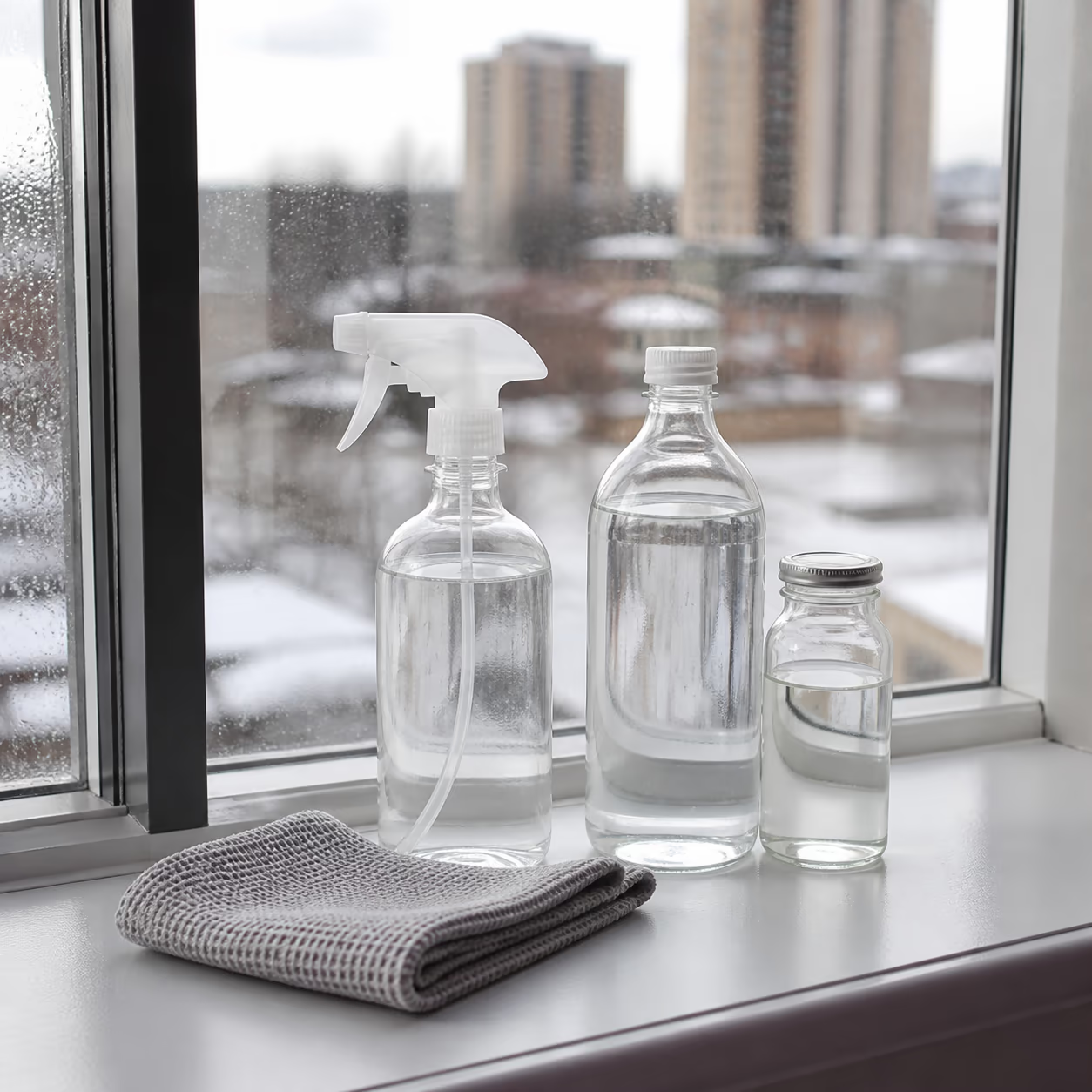
High-Efficacy DIY Glass Cleaner Formulations
Here are the glass cleaner mixes that work best for different jobs around the home. Start with the basic alcohol-and-vinegar spray and adjust from there based on the surface and the amount of buildup.
One note on the alcohol: 70% isopropyl alcohol is the most common household option and works well for this recipe. If you only have 99% alcohol on hand, mix it a little more gently with water, because higher concentrations evaporate even faster and can be more drying on your hands and frames.
If you want to take the natural approach one step further for the rest of your home, our homemade citrus all-purpose cleaner recipe offers a peel-infused vinegar spray that pairs well with the same microfibre wiping technique used for glass.
How to Wipe Glass Like a Professional
The formula matters, but technique is just as important. The right cloth and the right motion turn a good spray into a streak-free finish. Even the best cleaner will leave marks if it is wiped in circles with a damp, linty cloth.
- 01Work top to bottom:Start at the top of the pane and work down so drips land on glass you have not yet cleaned.
- 02Use the S-pattern:Wipe in overlapping S-shaped strokes rather than circles. Circles redeposit the dirt you just lifted.
- 03Flip the cloth often:Use one side to apply and a dry side to buff. A wet cloth just smears the cleaner around.
- 04Finish the edges:The frame and the edges of the glass trap moisture, so give the perimeter a final pass with a dry cloth.
- 05Clean on an overcast day:Direct sun dries the spray before you can wipe it, which is the fastest route to streaks.
A simple way to tell if your cloth is the problem is to run it over a freshly cleaned pane and look for lint. Waffle-weave microfibre releases very little lint, which is why professional cleaners reach for it instead of newsprint or paper towel.
Glass Surfaces That Need Special Care
Not all glass is the same, and a cleaner that is perfect for a window can be the wrong choice for a shower door or a car window.
The safest habit is to match the cleaner to the surface and test a small, out-of-the-way corner first. When a material is coated, tinted, or sealed, the gentler formula is usually the smarter choice, and a little extra care protects the finish for years.
Common Glass Cleaning Mistakes to Avoid
Most streaky windows are not the fault of the cleaner. They are the result of a few avoidable habits that are easy to fix once you know what to watch for.
- 01Cleaning in direct sunlight:The spray dries before you can wipe it, leaving a hazy film. Cloudy days give you time to work.
- 02Using too much spray:Overspray puddles in sills and runs down the glass, carrying dirt with it. A light mist is enough.
- 03Reusing a dirty cloth:A cloth loaded with dust and oil just spreads the problem. Switch to a clean side or a fresh cloth often.
- 04Scrubbing with abrasive pads:Scouring pads scratch glass and coated surfaces. Stick to microfibre and soft cloths.
- 05Ignoring the frame:Dust and grime in the frame redeposit on clean glass the moment the window moves. Wipe the frame first.
Most of these mistakes are easy to fix once you recognize them, and they explain most of the streak problems homeowners see. If a pane still looks hazy after a careful pass, check the cloth, the frame, and the direction of the light before you blame the cleaner.
When to Let a Professional Handle Your Windows
DIY glass cleaner is perfect for interior windows, mirrors, and everyday touch-ups, but some jobs call for professional equipment. Exterior windows above the first floor, large panes, and windows with heavy built-up film are safer and more thorough in the hands of a trained team.
Height is usually the deciding factor. Ontario's portable ladder rule sets out what a work ladder must meet, including non-slip feet, a firm footing, and an incline placing the foot between a quarter and a third of the ladder's length from the support, which is a useful benchmark even at home. The same regulation covers lighting: “Where natural lighting is inadequate to ensure the safety of any worker, artificial lighting shall be provided and shadows and glare shall be reduced to a minimum.”
Professional cleaners use squeegees, extension poles, and purified water that leaves glass spot-free without chemicals. If you have high windows, awkward skylights, or a whole house that needs doing before guests arrive, a professional visit saves time and avoids the ladder work that makes DIY exterior cleaning risky. For larger commercial buildings, dedicated janitorial services often bundle window care into a broader maintenance schedule.
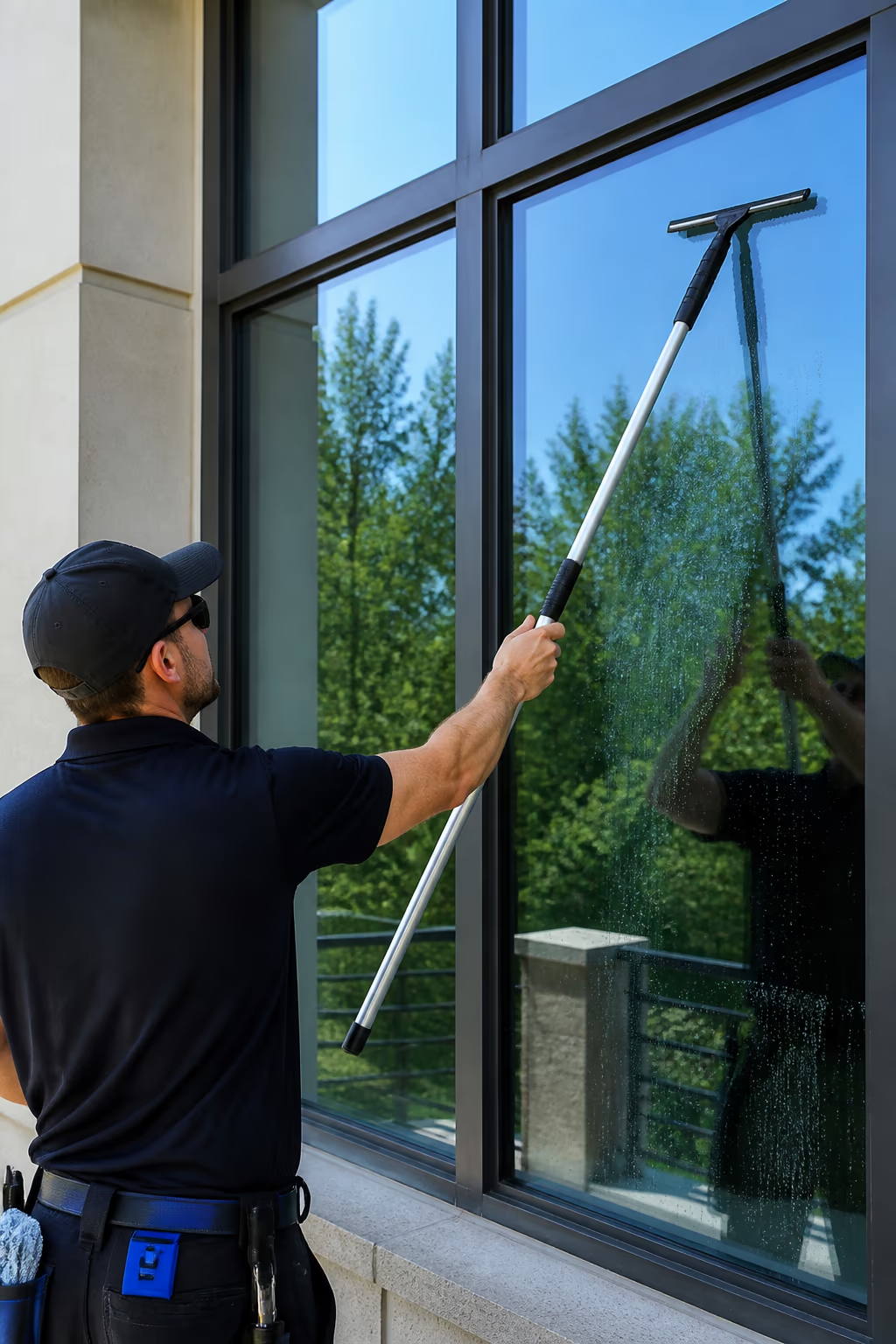
Formatted Step-by-Step Window Cleaning Execution Checklist
Follow this five-step checklist for professional, streak-free window cleaning at home:
- Step 1.Mix one cup rubbing alcohol, one cup distilled water, and one tablespoon white vinegar:Combine the liquids in a clean spray bottle and shake gently to blend.
- Step 2.Add a quarter teaspoon of cornstarch to prevent water spotting:The cornstarch acts as a mild abrasive to help lift dried rain spots without scratching the glass.
- Step 3.Spray the glass lightly from top to bottom:Avoid overspraying so liquid does not pool inside wooden window sills.
- Step 4.Wipe with a waffle-weave split microfibre cloth:Use overlapping S-pattern strokes from top to bottom, flipping the cloth to a dry side as it loads up.
- Step 5.Finish the edges with a dry glass polish microfibre towel:Buff the outer perimeter to remove any lingering moisture beads before they dry into spots.
- Step 6.Contracting professional residential home cleaning services in Ottawa through Good Cleaner Co. guarantees sparkling window clarity for the jobs that need extra reach.
Serving Ottawa Homes with Clearer Views
Bright windows matter in every part of the capital, from the historic panes of The Glebe to the modern towers downtown and the family homes of Kanata and Orleans. A simple homemade spray handles most interior glass, and a professional squeegee finish brings the exterior back to life. Good Cleaner Co. helps Ottawa homeowners enjoy natural light with streak-free glass inside and out, whatever the season brings.
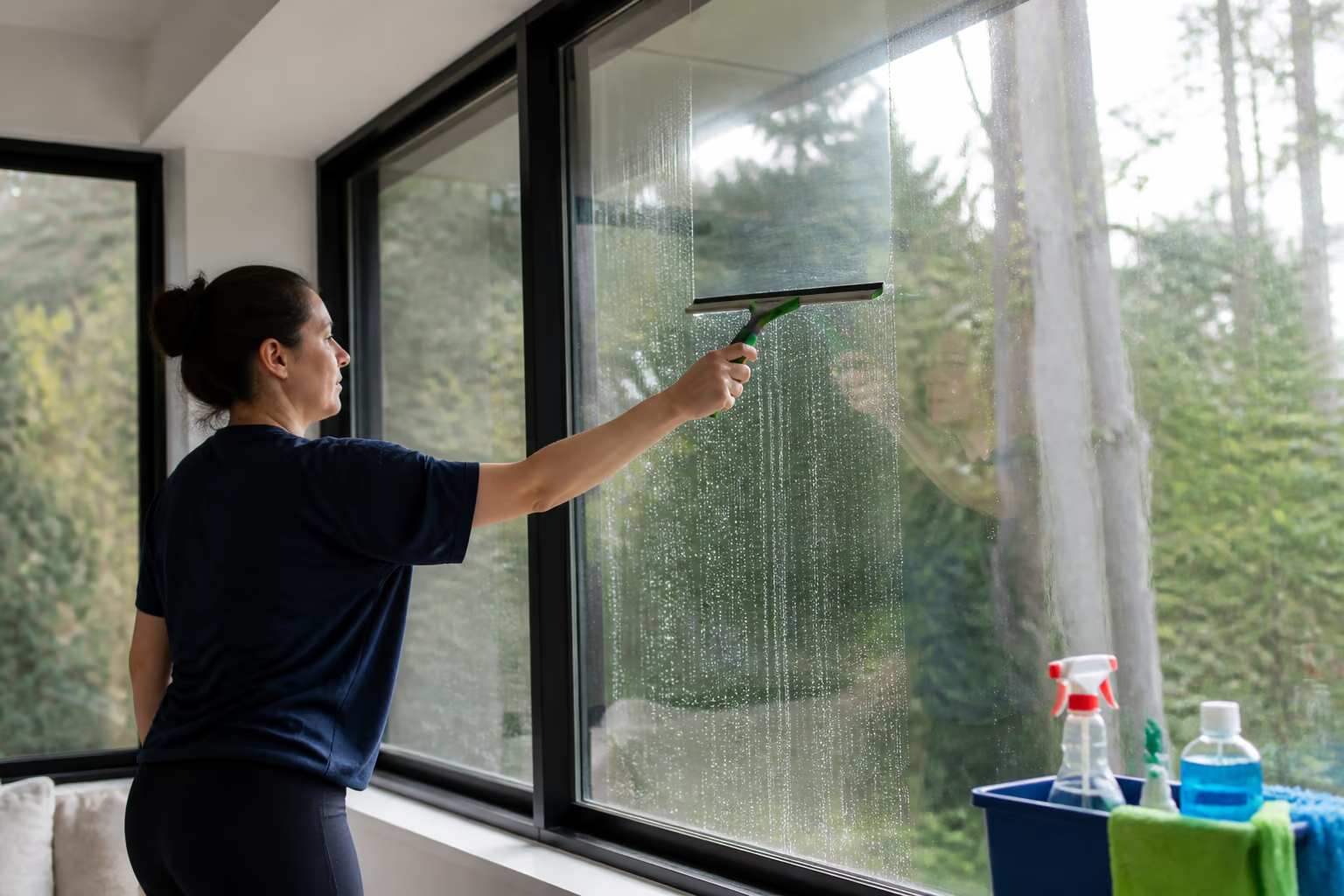
Put Diy glass cleaner for sparkling streak free windows Into a Sensible Routine
Use the method in this guide with the surfaces and ingredients you actually have. Start with a small test area, keep product labels and care instructions in view, and stop if a finish changes. A useful home-cleaning routine is specific enough to follow on a busy day and gentle enough not to create a repair job.
Prepare only what the task needs
A labelled container, clean cloth, and protected work area reduce avoidable mix-ups.
Match the method to the material
Glass, painted surfaces, stone, fabric, and food-contact areas need different care.
Record a recurring issue
A stain, odour, leak, or pest problem may need maintenance rather than another cleaner.
Keep the result practical: a room that is easier to use and a method you can repeat safely.
Adjust the Method to the Conditions
Diy glass cleaner for sparkling streak free windows is not a fixed recipe for every home. Change the approach when the material, amount of residue, room ventilation, pets, children, or access changes. Work in small sections, use fresh water or cloths when they are dirty, and avoid combining products in a bottle, bucket, or drain.
Ottawa weather can change what enters a home on footwear or how quickly a room dries, but surface care still depends on the actual material and condition. Deal with moisture, damaged seals, and recurring marks as maintenance questions instead of escalating to stronger products.
Check the Result Before Adding More Product
Look at the area in normal light and decide whether the task is finished, needs another careful pass, or points to a problem cleaning cannot solve. A clear note or photograph can help when you need to explain a recurring issue to a landlord, manufacturer, repair person, or pest professional.
Pause for product-specific, electrical, plumbing, damage, pest, or health concerns. Follow the product label and responsible authority's instructions, and seek qualified help where appropriate. A DIY cleaning guide cannot replace a repair assessment or professional health advice.
A Practical Glass-Care Note
Use a clean cloth, work in manageable sections, and check the surface from an angle before adding more product. Window frames, coatings, seals, and nearby stone or painted trim may need different care. Do not force a scraper or abrasive pad across unknown glass. If cloudiness does not change with gentle, compatible cleaning, it may be wear or damage rather than residue.
FAQ
Why does rubbing alcohol prevent streaks on glass windows?
Rubbing alcohol evaporates quickly, so the cleaner dries before the water in it can settle into mineral spots. The alcohol also helps cut the oils and grime that cause streaking in the first place.
Can I use paper towels to dry windows after spraying DIY glass cleaner?
Paper towels often shed lint onto the glass. A lint-free waffle-weave microfibre cloth gives a cleaner, streak-free result and can be washed and reused.
Is DIY vinegar glass cleaner safe to use on tinted car windows?
Avoid vinegar and ammonia on aftermarket tinted windows, because the acids can break down the adhesive. Use a diluted alcohol-and-distilled-water mix instead.
Why does my glass still look streaky after I clean it?
Streaks usually come from cleaning in direct sun, using a dirty cloth, or over-spraying. Clean on a cloudy day, flip to a dry cloth, and wipe with overlapping S-pattern strokes.
How often should I clean my windows?
Interior windows every couple of weeks keep them clear in most homes, while exterior windows are usually done seasonally or when they show a visible film. High-traffic homes may need more frequent interior wipes.
Can I use this cleaner on my shower glass?
Yes. The vinegar in the formula helps soften soap scum and hard water film. For heavy buildup, apply the spray, let it sit, then wipe with a microfibre cloth or a plastic scraper. Our guide on how to keep your bathroom germ free and sparkling covers the rest of the room beyond the glass.
Is homemade glass cleaner safe for glass cooktops?
It is better to use a cleaner designed for cooktops. The alcohol-and-vinegar spray is fine for windows and mirrors, but cooktops need a product that is safe for the ceramic surface and food-contact areas.
What is the best way to avoid streaks on large picture windows?
Break the job into manageable sections and work top to bottom with a clean, dry cloth. On a very large pane, a professional squeegee gives the most even, streak-free result.
Can the same spray clean my computer or phone screen?
Avoid spraying liquids directly on electronics. Dampen a microfibre cloth very lightly with the mix or use a dedicated screen cleaner, and never let liquid run into openings. Our guide on how to clean a tv screen get a streak free covers the safer technique in more detail.
Why does my window cleaner leave a film over time?
Some commercial sprays leave a residue that attracts dust. The alcohol-and-vinegar formula dries cleaner, and buffing with a dry microfibre cloth removes any trace before it builds up.
Wrapping Up
Formulating DIY glass cleaner with rubbing alcohol and vinegar delivers crystal-clear, streak-free windows without the dyes and film of commercial sprays. Master the formula, pair it with the right cloth and technique, and your glass will stay bright between professional visits. For the panes that are out of reach or stubbornly spotted, a professional window cleaning service finishes the job safely. Contact Good Cleaner Co. today to book professional window cleaning in Ottawa.
Keep reading
More from Good Cleaner
About the author
Service areas
- Ottawa
- Kanata
- Orleans
- Nepean
- Barrhaven
- The Glebe