
Health Benefits Of Professional Cleaning Services
This guide explains how professional cleaning supports health at home and at work. It looks at the dust, allergens, mould and germs that build up in busy spaces, the ways a trained team reaches them, and the practical choices that make a cleaner indoor environment easier to live in.
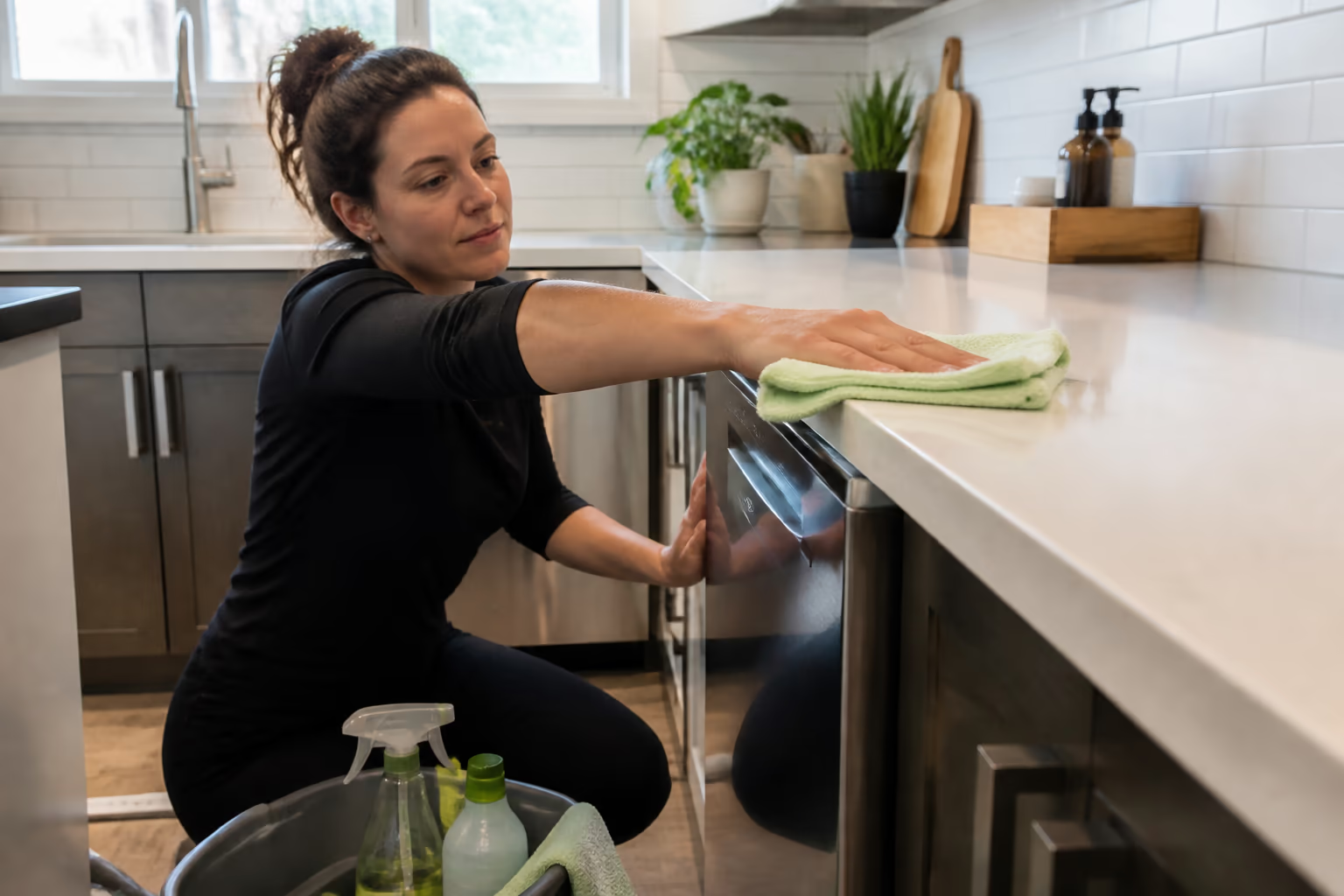
Quick Summary
Professional cleaning supports health by systematically removing the dust, pet dander, pollen, mould and germs that build up in spaces we cannot see, rather than just making a room look tidy. Those triggers contribute to allergy symptoms, irritated airways, headaches and the regular round of winter colds, so removing them means fewer of those problems.
In this guide
How a Cleaner Indoor Space Supports Your Health
People spend a large share of their time indoors, whether at home, in the office or in a car, and the cleanliness of those spaces affects how they feel. Dust, pet dander, pollen, mould and germs all collect in places we may not see, and they can contribute to allergy symptoms, irritated airways, headaches and the regular round of winter colds. Professional cleaning supports health by removing those triggers in a systematic way, rather than just making a space look tidy.
This guide focuses on the health benefits of professional cleaning, from fewer allergens and less illness-causing build-up to calmer, more comfortable spaces. It is written in plain language for homeowners, renters and business owners, and it explains the equipment, products and routines that make the biggest difference.
A cleaner space supports health in a few straightforward ways:
- Regular cleaning removes the dust and allergens that collect on floors, fabrics and surfaces.
- Disinfecting high-touch points reduces the germs people pick up on a normal day.
- Controlling moisture helps prevent the mould that can affect indoor air.
- A consistent routine keeps the whole home or office at a healthier baseline.
None of this requires perfection, and it does not mean a home or office should feel sterile. The goal is a reasonable baseline: less dust, fewer allergens, drier corners and cleaner high-touch surfaces. Small, consistent effort in those areas is what actually protects people's comfort and health.
| Dust | Less Dust, Fewer Allergens, Easier Breathing | Dust is more than an eyesore. It carries dust mites, pet dander, pollen and other allergens that can make breathing harder, especially for people with asthma or allergies. Dust also settles on the surfaces people touch and the air they breathe, and it builds up in places that are easy to miss: the tops of cabinets, under beds, behind furniture, on window sills and inside vents. Federal guidance describes the same mechanism. Health Canada's guidance on fine particulate matter explains that indoor particulate is a mixture that includes pollen, fungal spores and chemical pollutants attached to particles, and recommends a mop, a damp cloth or a HEPA vacuum to reduce exposure. Health Canada states: “Ventilation can help reduce indoor fine particulate matter levels by removing emissions from indoor sources like cooking.” A vacuum with a HEPA filter is one of the most useful tools for allergen control. HEPA stands for high-efficiency particulate air, and a HEPA filter traps fine particles instead of blowing them back into the room. A professional cleaning team uses this kind of equipment on carpets, upholstery and hard floors, which makes a real difference for households with allergies or pets. Carpets in particular hold onto trapped allergens between vacuums, and the benefits of professional carpet cleaning cover how a deeper extraction reaches what a household vacuum leaves behind. To reduce allergens in practice, a few habits help: 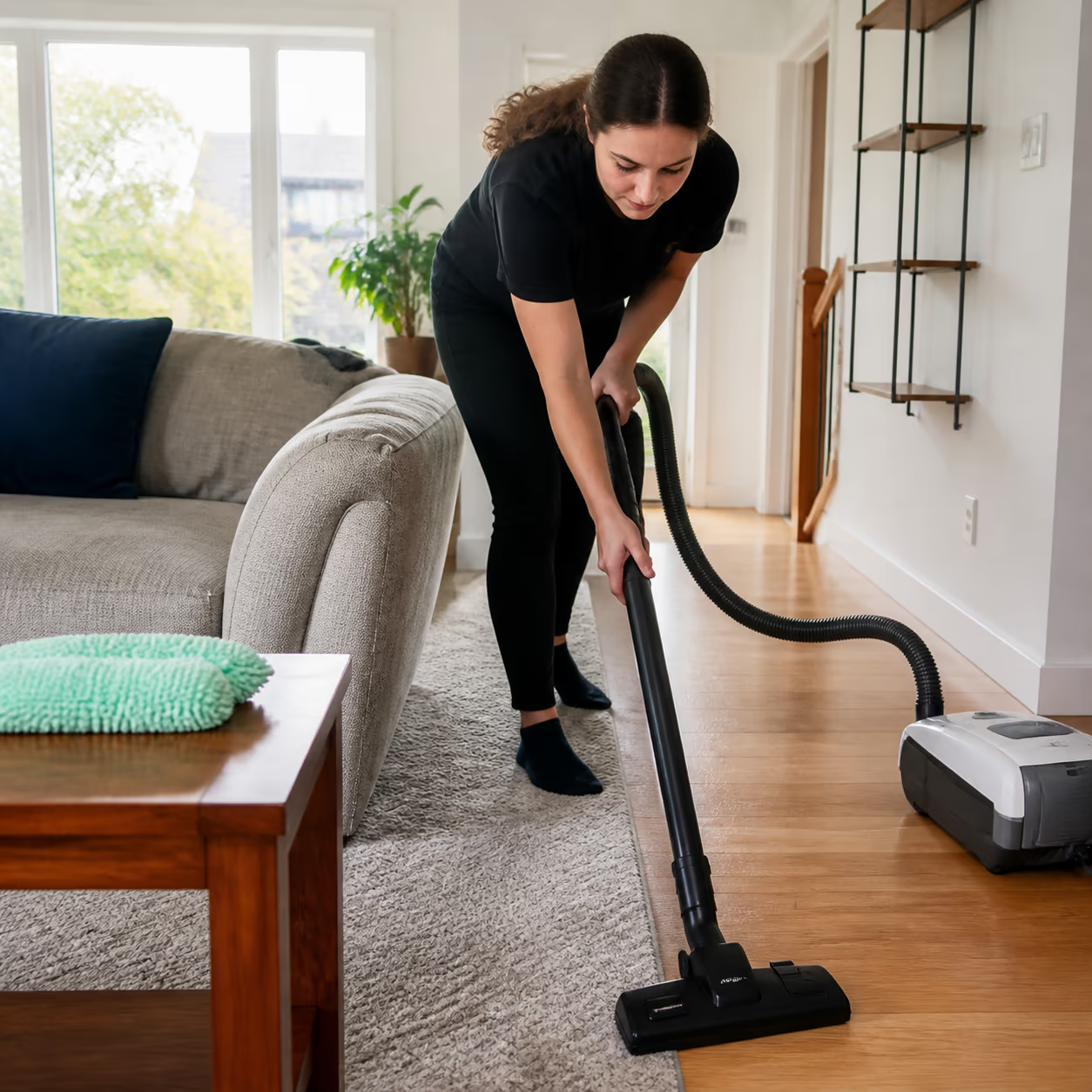
For homes in Ontario, spring is the season when pollen is the biggest concern, and winter is the season when closed windows keep dust and dry air trapped indoors. Both seasons are good reasons to add a little extra dusting and vacuuming, and both are situations where a trained team with the right equipment can help. Bedrooms deserve special attention because that is where people spend the most uninterrupted time. Washing sheets and pillowcases regularly, vacuuming the mattress and avoiding clutter that collects dust all make a measurable difference to how well people sleep and breathe. It is one of the few rooms where the health benefit of cleaning is easy to feel. |
|---|---|---|
| Germs | Reducing Germs and the Spread of Illness | Germs travel through shared spaces on the hands and surfaces people touch: door handles, light switches, remotes, taps, keyboards and kitchen counters. A regular cleaning routine that disinfects these high-touch points is one of the simplest ways to reduce the spread of everyday illness, particularly through cold and flu season. There is a useful distinction between cleaning, sanitising and disinfecting. Cleaning removes dirt and some germs, sanitising reduces germs to a safe level, and disinfecting kills a wider range of germs on hard surfaces. The right approach is proportionate: disinfect the high-touch points and sanitise general surfaces, rather than treating the whole home like an operating room. Professional cleaners are trained to use disinfectants correctly, which matters more than people often realise. A disinfectant needs its full contact time on a surface to do its job, and it needs to be the right product for that surface. Rinsing a disinfectant off too quickly, or using the wrong strength, quietly defeats the purpose. The frequency matters too. A surface that is disinfected once a month is not protecting anyone between visits, because germs return the moment someone touches the handle. Daily or near-daily attention to the highest-touch points, with deeper disinfection on a weekly schedule, is a more honest match to how germs spread in a busy home or office. |
| Moisture | Mould, Moisture and the Air You Breathe | Moisture is the quiet driver of a lot of indoor air problems. Bathrooms, kitchens and basements collect humidity, and where humidity lingers, mould can grow on grout, caulking, window frames and corners that are hard to see. Mould spores can irritate airways and make allergy symptoms worse, which is why controlling moisture is as important as cleaning the visible surface. Canadian homes face a particular moisture pattern. In summer, humidity rises, and in winter, the contrast between cold windows and warm, damp rooms can cause condensation that feeds mould. A sensible routine includes wiping down showers after use, running the exhaust fan during and after bathing or cooking, keeping basement storage off the floor and addressing any leak or damp spot early rather than letting it spread. Keeping moisture in check is mostly a matter of habit: 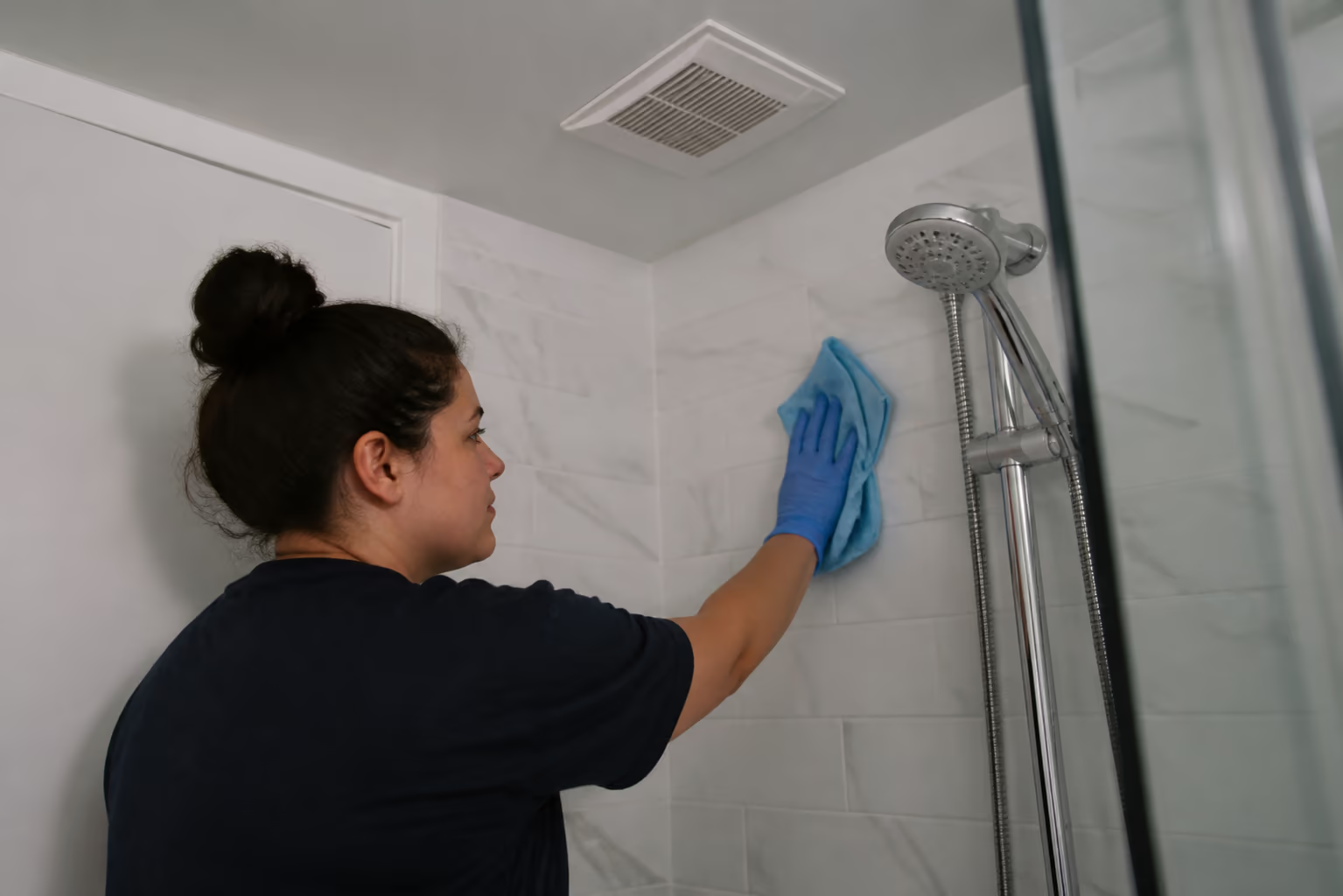
It also helps to look at the whole home, not just the bathroom. Laundry rooms, under-sink cabinets, refrigerator drip trays and any room with a lot of humidity can all harbour mould without looking obviously damp. A seasonal check of these areas, plus prompt attention to any musty smell, keeps small moisture problems from becoming indoor-air problems. When mould is already established, cleaning the surface is not always enough, because the cause may be a leak or a ventilation problem. If you are dealing with a persistent or large mould issue, it is wise to have a professional assess it. A cleaning team can keep the space clean and spot problems early, but a serious moisture problem may need a specialist. |
| Reach | Why Professional Cleaning Reaches What Routine Tidying Misses | Routine tidying puts things away, and it keeps a space looking orderly, but it does not reach the build-up that affects health. Dust on top of a tall cabinet, grime in the seams of a kitchen backsplash, allergens buried in a carpet and germs on a light switch are all outside the normal scope of a quick daily tidy. Professional cleaning is designed to reach those spots. The difference is usually equipment and system. A professional team brings commercial-grade vacuums with HEPA filters, floor machines, steam equipment and a checklist that makes sure nothing is skipped. The work is also done by people who are trained to use the products and tools correctly, which lowers the risk of damage and improves the result. A trained team also works to a standard rather than a mood. On any given day, an exhausted homeowner might skip the fridge handles or the baseboards, but a professional routine covers those details every time. That consistency is what keeps a home or office at a genuinely healthier baseline, rather than a clean-looking one. Professionals also notice what homeowners and staff have stopped seeing. A cleaner who works in a space week after week learns the spots where dust gathers and the surfaces that need a different product. That accumulated knowledge is part of what you pay for, and it is hard to reproduce with a do-it-yourself routine that changes from week to week. Our comparison of DIY vs professional cleaning services weighs the time and cost trade-offs in more detail. |
| Air | Cleaner Air and Better Health for Employees and Families | The benefits of a cleaner space extend beyond the people who can see the difference. In a workplace, cleaner air and surfaces can mean fewer sick days, because less germ build-up means less spread of illness through the team. Employees also tend to feel better in a space that is visibly cared for, and that makes a real difference to how people experience their day. In a home, a healthier cleaning routine is especially valuable for children, older adults, people with asthma or allergies and pets. These are the members of the household who spend the most time indoors and who are most affected by dust, allergens and damp. Keeping their environment clean is a practical way to support their comfort and health. It is worth being honest about what cleaning can and cannot do. Cleaning reduces the triggers that are within its reach, but it is not a treatment for a medical condition. If you or someone in your household has persistent symptoms, the right step is to talk to a healthcare professional. For the everyday build-up that a home or office can actually control, a consistent cleaning routine is one of the most reliable tools you have. For employers, a cleaner workplace is also a small way to show that people's comfort matters. It is not a substitute for good ventilation, ergonomics or a sensible sick-leave policy, but it is part of the same picture: a workplace that is pleasant to be in. That tends to come through in morale, which is why so many businesses treat cleaning as an investment rather than an expense. Our office cleaning services Ottawa page covers how this same health-focused approach applies to a shared workplace. 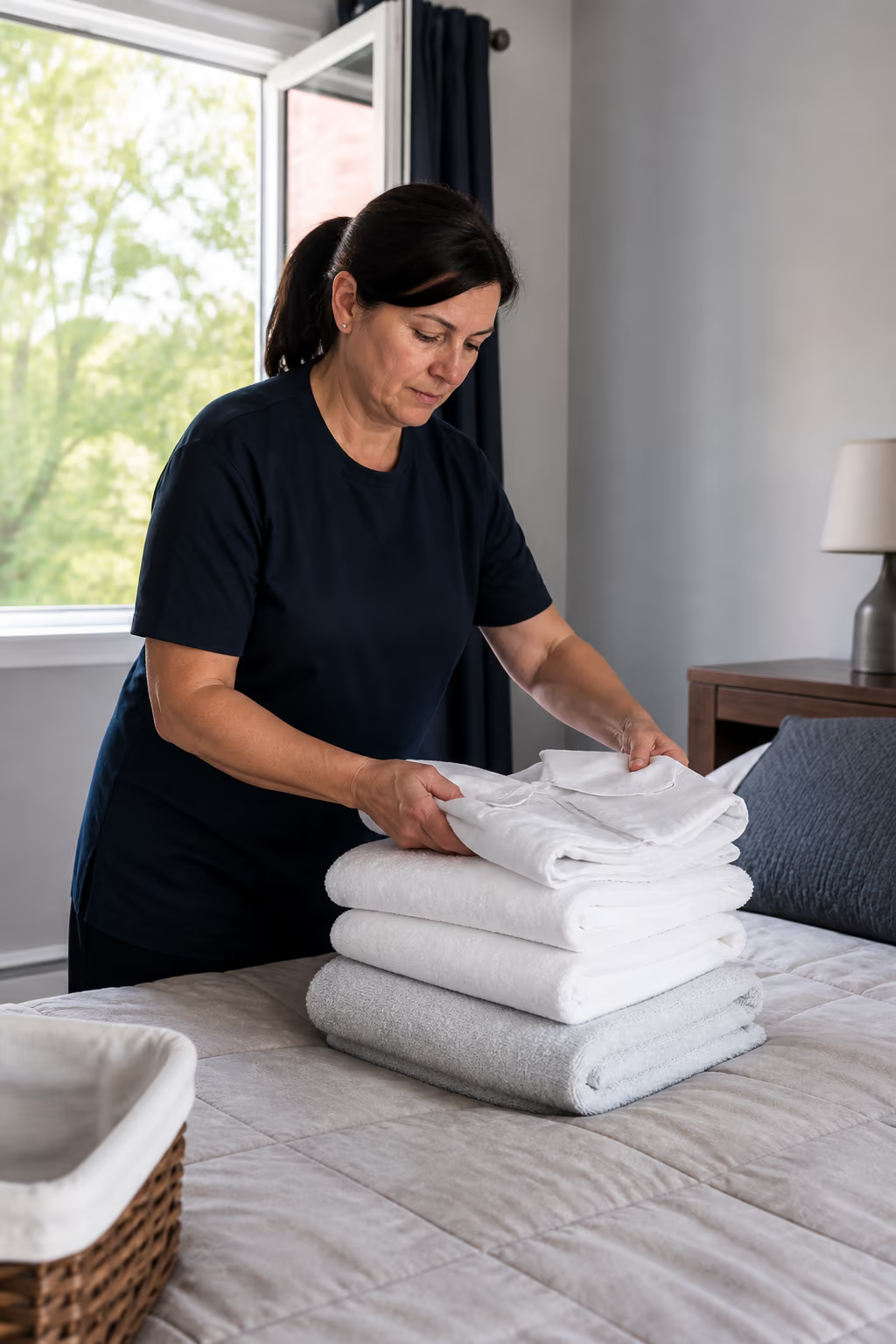 |
| Products | Choosing Products That Are Safe for Your Family or Team | Products are part of the health equation, because the things used to clean a space should not make it harder to breathe. In Canada, disinfectants that make a kill claim are regulated by Health Canada and carry a Drug Identification Number, or DIN, on the label. That number is a signal that the product has been reviewed and registered for use in Canada, which is a reasonable thing to look for when a strong disinfectant is needed. EcoLogo is a Canadian certification that identifies products with reduced environmental impact, and it can be a useful guide for households and businesses that want to use fewer or gentler chemicals. Lower-fume products are often a good choice around children, pets and people with sensitivities. That said, no label replaces following the instructions: use the right product for the surface, do not mix cleaners and allow surfaces to dry. Product choices that support health tend to follow the same simple rules:
Finally, keep products simple and labelled. A small, well-organised cleaning cupboard is easier to use safely than a crowded shelf of half-empty bottles, and it is far less tempting for children to reach. If you use a professional service, ask which products will be used in your home or office so there are no surprises, especially if anyone has a sensitivity. For business owners, the same care extends to the workplace, where cleaning products fall under workplace safety rules such as WHMIS 2015. A professional provider should be able to explain the products they use and keep the relevant safety information available, and that transparency is one of the signs of a provider worth working with. |
Formatted Step-by-Step Health-Focused Cleaning Checklist
Use this five-step checklist to build a healthier cleaning routine at home or at work.
- Walk each room and note the surfaces people touch and breathe near, including the spots you usually miss.
- Match a product to every surface, favouring lower-fume and EcoLogo-certified options where you can.
- Vacuum with a HEPA-filtered machine and dust from top to bottom before you mop.
- Disinfect the high-touch points with a Health Canada registered product and give it its full contact time.
- Control moisture in bathrooms, kitchens and basements, and deal with damp spots as soon as you notice them.
- For a dependable routine that keeps allergens and germs in check, consider Ottawa residential cleaning teams for a trained, consistent team.
How Good Cleaner Co. Builds a Healthier Cleaning Routine
Good Cleaner Co. takes the view that a cleaning routine should be simple, consistent and tailored to the space. We start by understanding the surfaces, the people and the sensitivities in a home or workplace, then we choose the products and the schedule that fit. The result is a routine that supports health without adding fuss.
If you are comparing providers and want a practical way to judge the difference, our commercial cleaning company evaluation guide is a useful starting point for the questions that matter.
Whether you need regular upkeep in a busy family home or a healthier environment for a team, the goal is the same: a space that looks cared for, feels comfortable and stays at a healthier baseline between visits. That is the reason so many households and businesses keep a professional team on the calendar.
FAQ
Does professional cleaning actually reduce allergens?
Yes, in the sense that regular vacuuming, dusting and washing of fabrics removes the dust, pet dander and pollen that trigger allergy symptoms. A HEPA-filtered vacuum and a consistent routine make the biggest difference.
How often should a home be professionally cleaned?
Many households choose every two weeks or monthly, with weekly or bi-weekly visits for busy families and homes with pets. The right frequency depends on foot traffic, allergies, pets and how much you do between visits.
Are professional cleaning products safe for children and pets?
Reputable companies offer lower-fume and EcoLogo-certified options and can adjust the products for your household. It is always reasonable to tell the provider about sensitivities before the first visit.
Can cleaning reduce the number of colds in a workplace?
A routine that disinfects high-touch points can reduce the spread of everyday germs, which supports fewer illnesses across a team. It is one useful measure alongside hand hygiene and staying home when sick.
What is the difference between cleaning, sanitising and disinfecting?
Cleaning removes dirt and some germs, sanitising lowers germs to a safe level, and disinfecting kills a wider range of germs on hard surfaces. Each has a place in a balanced routine.
Does professional cleaning help with mould?
Regular cleaning and moisture control help prevent mould, and a trained eye can spot damp problems early. Established mould may need a specialist, so do not wait if you see it growing.
How do I know whether a cleaning provider will be careful and consistent?
Ask about training, background checks, products, equipment and how quality is inspected between visits. A provider who answers plainly and offers a written scope is usually a safe choice.
Wrapping Up
Professional cleaning supports health by removing the dust, allergens, mould and germs that build up in busy homes and workplaces. The practical steps are straightforward: reduce dust, disinfect the high-touch points, control moisture and choose products that are safe for the people in the space. Whether you build the routine yourself or hand it to a trained team like Good Cleaner Co., the result is a home or workplace that is easier to breathe in, easier to live in and easier to keep healthy all year round.
Keep reading
More from Good Cleaner
- Clean Offices & Employee Health: Reducing Sick Days Through Janitorial Hygiene
- Common Allergens in an Office: Dust Mite, Mould & Pollen Reduction Guide
- How to Choose the Best Commercial Cleaning Company in Ottawa: Vendor Selection Guide
- How Eco-Friendly Cleaning Products Help Your Environment & Indoor Health
Services that fit
- House Cleaning Services in OttawaHouse cleaning services in Ottawa for one-time, weekly, biweekly, and monthly home care, with customizable cleaning and eco-friendly options.
- Professional Office Cleaning Services in OttawaOffice cleaning services in Ottawa for corporate offices, clinics and professional suites. After-hours scheduling, eco-friendly products, free quote.
About the author
Service areas
- Ottawa
- Kanata
- Nepean
- Orléans
- Barrhaven