
How Do Professional Cleaners Clean So Fast?
Professional cleaners finish a whole home in the time it takes most people to clean a single bathroom, and the secret is not that they rush. Speed on a professional crew is the result of a repeatable system, the right tools and years of practice. This guide breaks down how that system works, the common mistakes that slow people down, and what a trained team brings to an Ottawa home or office.
Quick Summary
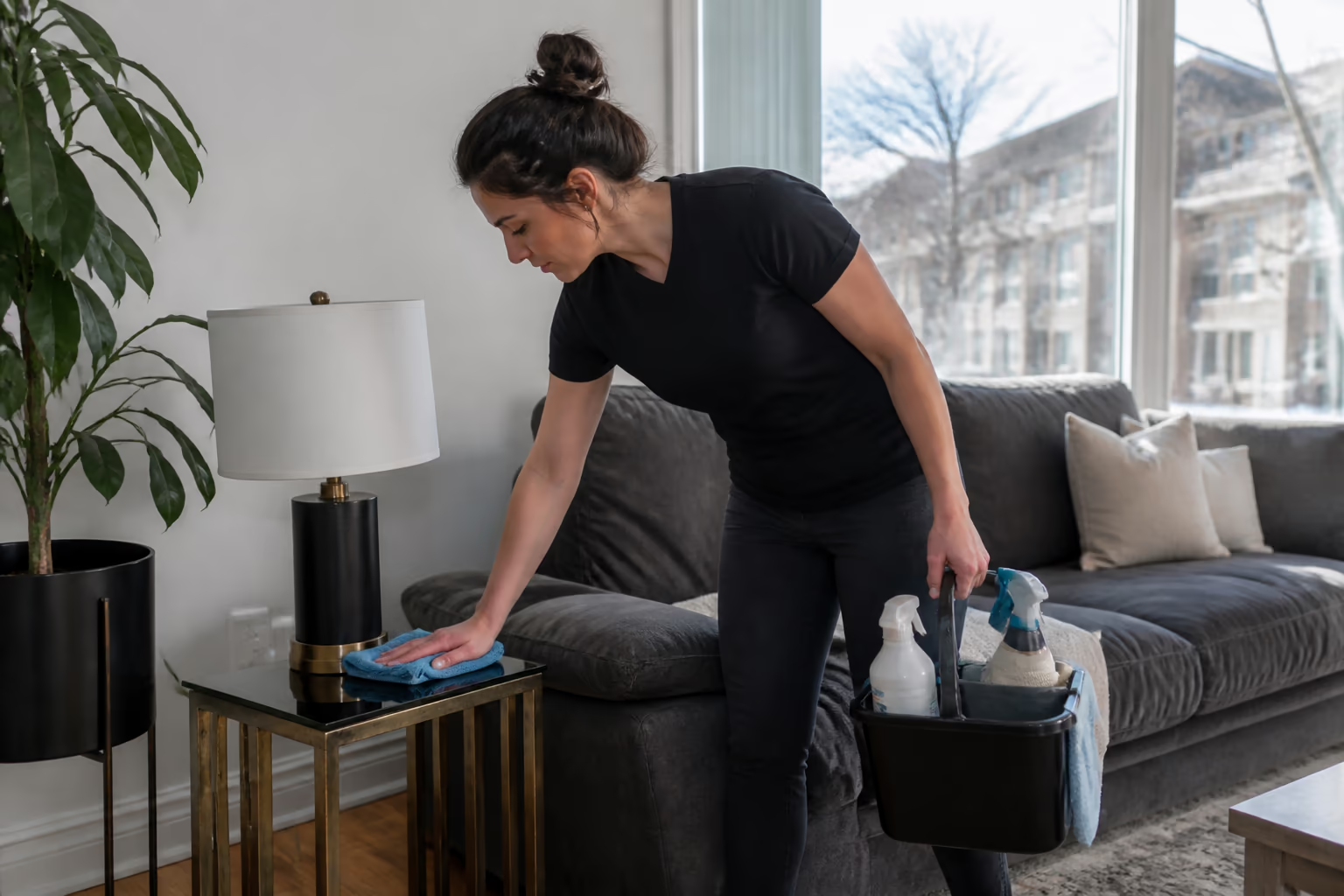
Professional cleaners work quickly because they follow a repeatable system, not because they rush: a fixed top-to-bottom order, zone-by-zone rooms, matched products with proper dwell time, and a final inspection. These habits, borrowed from professional routines, cut wasted movement and let anyone clean faster and more thoroughly.
In this guide
Why Professional Cleaners Seem So Fast
Most people assume professional cleaners race through the rooms, but speed is rarely the point. The real difference comes down to how the work is organised before anyone touches a surface. A professional walks into a space with a plan for the order of the rooms, the order of the surfaces within each room and the products for each task, so every minute is spent moving the job forward instead of deciding what to do next.
Repetition is the quiet engine behind the speed. A team that cleans the same rooms every week does not pause to puzzle over a soap-scummed shower or a greasy backsplash; it already knows which product, which tool and which order works. That knowledge turns a task a homeowner might approach hesitantly into a handful of practiced movements that take minutes instead of a long afternoon.
Experience also shapes judgement. Professionals can tell the difference between a surface that needs a light maintenance wipe and one that needs a deeper treatment, and they do not waste effort scrubbing where a correctly chosen product will lift the soil on its own. What looks like speed from the outside is usually just efficiency, and efficiency is a skill anyone can learn.
For a busy household, what should i know about how do professional cleaners clean? comes down to a few habits you can borrow for your own cleaning. Work in a fixed order, choose the right product for each surface, let products dwell where they need time, and finish with a quick inspection. Those are the same habits that let a professional team finish a home in a fraction of the time.
The Professional System: How Teams Work a Room
Every professional team follows a version of the same sequence, and the sequence is what prevents wasted movement. The classic order is top to bottom, dry to wet, and left to right across the room. Cobwebs and dust on high shelves come first, because any dust that falls during the clean is caught by the pass that follows instead of settling on a finished surface.
The order inside a room matters as much as the direction. Professional cleaners start with the tasks that produce dust and finish with the surfaces that show it most. A typical room flow is to dust the top and reachable surfaces, clean the mirrors and glass, wipe the counters and fixtures, and then finish with the floor so the last step collects everything that fell during the rest of the clean. For a full walkthrough, our guide on how to clean your windows like a professional covers the streak-free technique in detail.
Cleaning in zones is another reason professionals cover ground so quickly. Instead of jumping between a bedroom, a kitchen and a bathroom and back, the team finishes one zone completely before it moves on. That removes the back-and-forth travel that quietly eats time, and it means each room is truly finished rather than mostly done.
Larger crews multiply the effect even further. When one cleaner handles the bathrooms, another takes the kitchens and a third works the floors, rooms that take a single person an hour can be finished in minutes. Even in a one-person home clean, the same principle applies: group the tasks so you are not constantly switching tools, products and rooms.
Tools, Products and Technique Do the Heavy Lifting
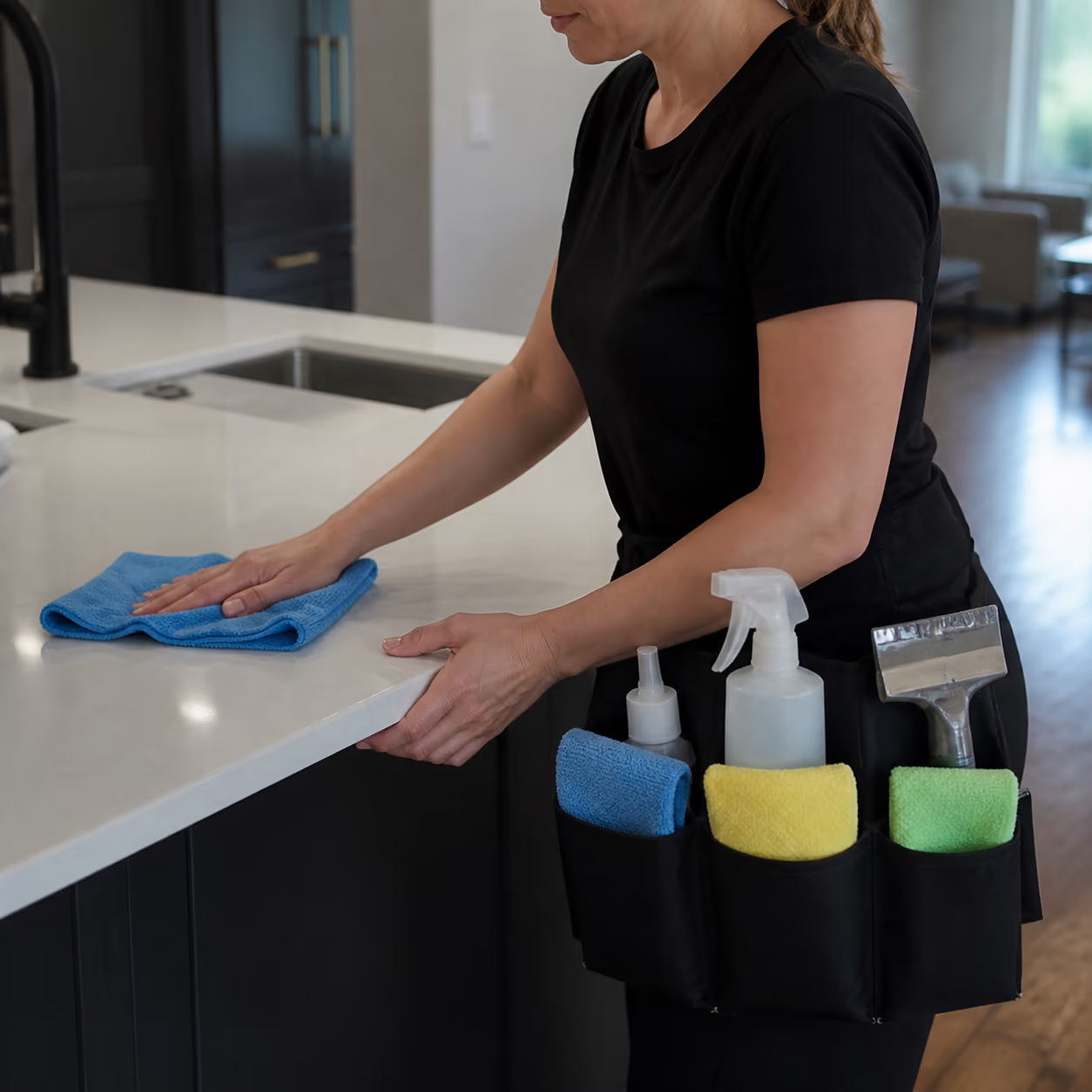
Speed is not about how hard you scrub; it is about making the dirt leave with as little effort as possible. Professional kits are built around that idea, with a tool for every task and products matched to the soil they are meant to break down.
- Colour-coded microfiber cloths, so the same cloth never carries bathroom germs into the kitchen.
- A quality vacuum with the right attachments for carpets, hard floors and upholstery.
- Squeegees and scrapers for glass, mirrors and shower enclosures.
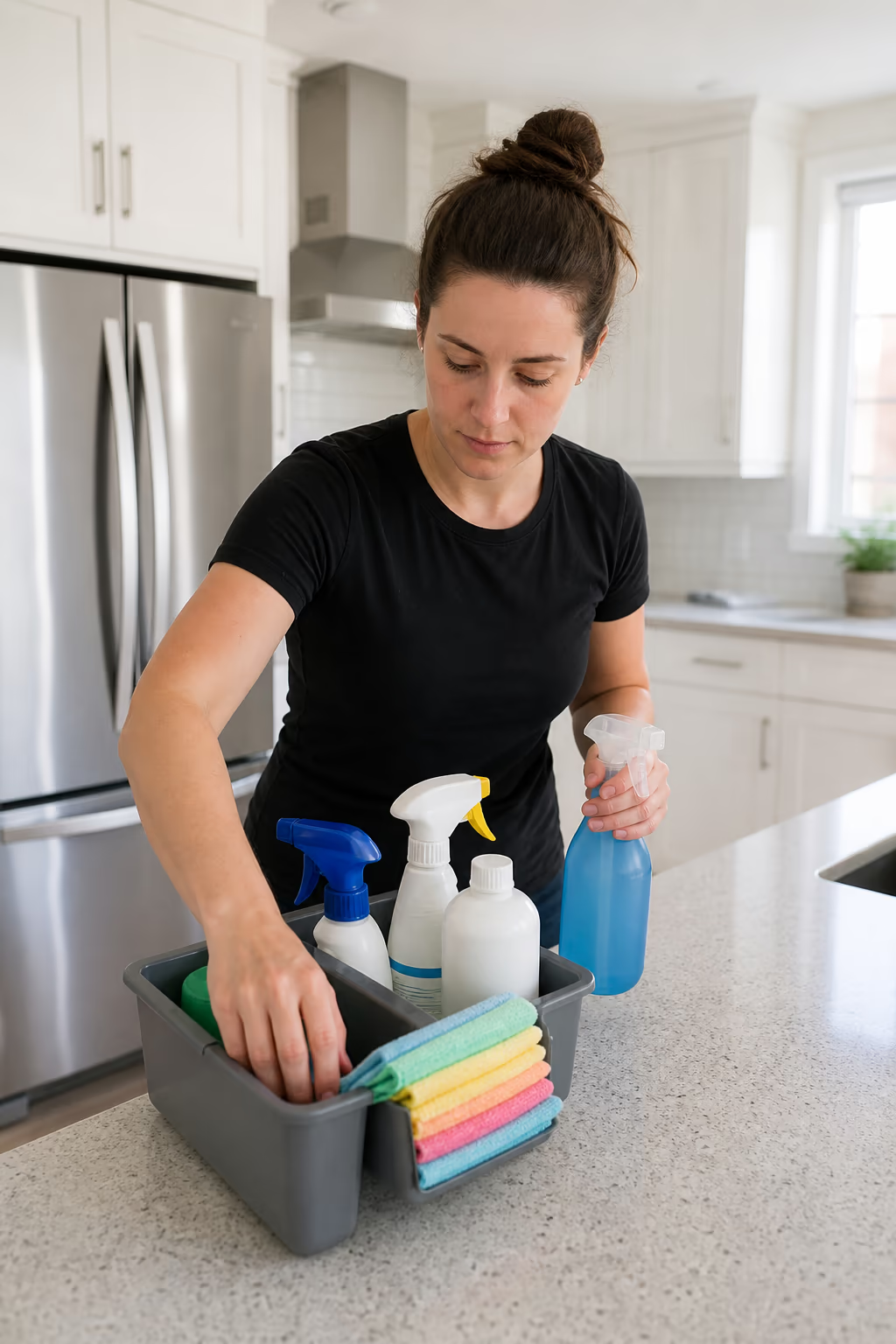
- A caddy or apron that keeps products and tools with the cleaner instead of causing trips back to the supply cupboard.
- A two-bucket system that keeps the rinse water clean instead of spreading grime.
- Products chosen for the surface and the type of soil, rather than a single all-purpose bottle.
Speed comes from knowing the products, which is itself a legal requirement. Ontario's WHMIS legislation obliges an employer to pass hazardous-product information to workers and provide an education program, so a trained crew already knows what each bottle does before it reaches the surface. The province states the scope: “Ontario’s WHMIS legislation applies to all workplaces except farms.”
Dwell time is the technique professionals rely on more than any other. A degreaser on a kitchen stove or a bathroom cleaner on soap scum is sprayed on and left for the time the label recommends, giving the chemistry time to break the bond between the soil and the surface. The wipe then does a fraction of the work it would have done without the wait.
Technique is the third ingredient, and it matters even with the right tools. Professional cleaners wipe in straight, overlapping passes rather than small circles, which covers more surface with less effort and leaves fewer streaks. They change cloths when one is full instead of pushing the same saturated cloth around, and they use the edge of the tool for corners rather than reaching for a second product. These small habits add up to a clean that looks deliberate and finishes fast.
In a commercial or office setting, the same thinking applies to the products themselves. A professional team handles cleaning chemicals under the rules of WHMIS 2015, which means staff know the hazards described on the product labels, understand the safety data sheets and use the right personal protection. That training is part of what lets a crew work quickly and safely at the same time.
What You Need Before You Start
A professional-looking clean begins before the cleaning does, and the preparation is simpler than most people expect. You do not need a long list of special products; you need the right handful for your home and a clear plan for the day. For a deeper starting point, our guide on how to clean a messy house like a professional cleaner walks through the same preparation in more detail.
- Declutter first so the surfaces are actually cleanable rather than just rearranged.
- Gather everything into a caddy before you begin so you are not leaving the room for supplies.
- Pick a start point and stick to a fixed order of rooms.
- Set aside the deep tasks that need dwell time so they can soak while you work elsewhere.
- Move personal items, pet bowls and anything that should not be disturbed during the clean.
- Tell your family or team the plan so they are not undoing your work behind you.
Preparation also means knowing what not to do. Test any unfamiliar product on a small, hidden area first, never mix cleaning chemicals, and keep products out of the reach of children and pets. A little forethought at the start is exactly why professionals do not have to stop and think halfway through the job.
A written or mental checklist helps keep the preparation honest. Professionals work from a scope of work so nothing is left to memory, and the same habit works well at home. If a room is on the list it gets finished, and if it is not on the list no one has to wonder later why it was skipped.
Common Mistakes That Slow Homeowners Down
Most of the time homeowners lose is not from a lack of effort; it is from small habits that make the same tasks take far longer than they should. Fixing these mistakes is the fastest way to start cleaning like a professional.
- Skipping dwell time, then scrubbing hard to compensate for a product that never had a chance to work.
- Working in no fixed order, so dust and dirt land right back on surfaces that were already cleaned.
- Using a single cloth or sponge across many rooms and spreading soil as you go.
- Jumping between rooms and tasks, which doubles the time spent moving and resetting tools.
- Forgetting the final inspection, so one missed spot means re-cleaning part of the room.
- Wasting effort on a task that needs a deep treatment when a quick maintenance pass is all the surface needs.
The single biggest fix is to slow down in the right places. Give products their dwell time, work in one direction, and do not chase spots in a random order. When homeowners stop redoing their own work, the time a clean takes drops noticeably.
There is also a real difference between what a quick pass can manage and what needs a deep treatment. A professional will tell you honestly when a surface needs a separate, heavier clean rather than pretending a weekly wipe will fix years of build-up. That honesty protects the home and sets realistic expectations for what regular cleaning can actually do.
Another mistake is expecting every clean to look the same. A home that is lived in will show the effects of daily life, and a professional clean is about reaching a consistent standard, not about removing every trace of living. Understanding the difference keeps expectations realistic and stops you from over-cleaning the same spots over and over.
How Long a Professional Clean Really Takes
The time a professional clean takes depends on the size of the space, the condition it is in and how many cleaners are on the crew, so any fixed number is only a rough guide. What changes the answer most is whether the home is on a regular schedule or has been neglected for a while. A home cleaned weekly takes far less time than the same home after a season of winter buildup, when salt, sand and slush have had months to settle into the floors and entryways.
The first visit to a new home is also usually slower than the visits that follow, because the team is learning the layout, the problem areas and the surfaces. That is normal and worth knowing. A provider that quotes you a fast time on a first, deep clean without seeing the space may be promising something that does not reflect the work.
Rather than focusing on the clock, it helps to think about the outcome. A professional clean is done when every surface on the agreed scope has been cleaned to a consistent standard, not when a timer runs out. Asking the team what the visit will cover, and what would be left for a separate deep clean, gives you a realistic picture before anyone starts.
How Good Cleaner Co. Approaches Speed and Thoroughness
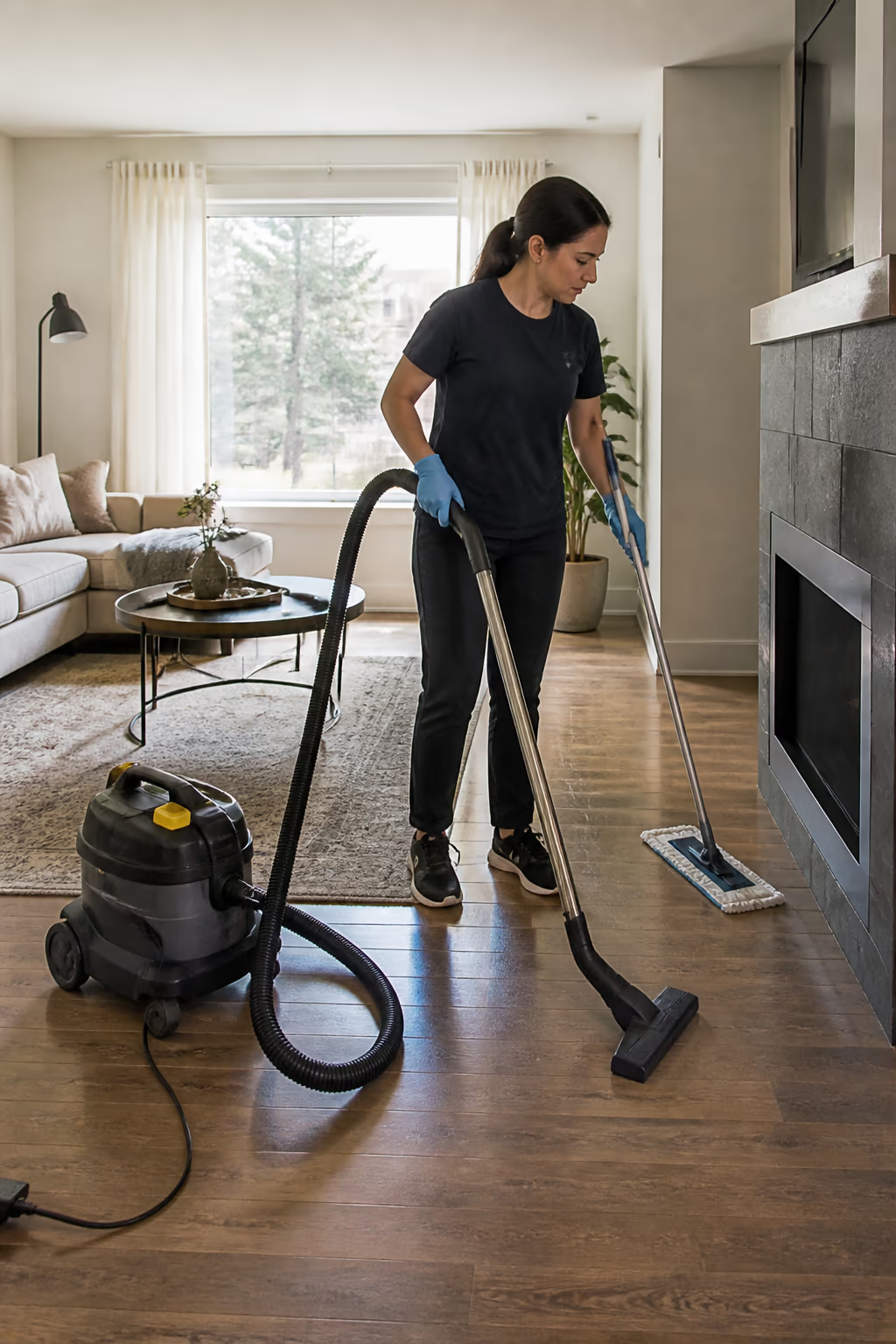
Good Cleaner Co. builds its cleaning around the same principles this guide describes, because speed that cuts corners is not a win for anyone. The team works to a documented routine for each room, uses colour-coded cloths and matched products, lets treatments dwell where they need time, and inspects its own work before it leaves. The result is a home that is not only clean quickly but clean thoroughly. Our cleaning services overview outlines the specific visit types this approach applies to, from routine maintenance to deep cleans.
The company also plans around the realities of Ottawa and Ontario homes. Entryways take the heaviest beating in winter, when salt and sand get tracked through the door, so those floors get the sweeping and damp-mop treatment they need while grit is stopped from travelling deeper into the home. A cleaning plan built for the season makes every visit more effective than a generic one-size-fits-all routine.
Choosing the right provider matters, and it is worth asking the same questions you would ask any contractor before you book. A company that can explain how it cleans is far more likely to clean well, and our guide to choosing a commercial cleaning company in Ottawa walks through the questions worth asking before you sign a contract.
Formatted Step-by-Step Speed Cleaning Checklist
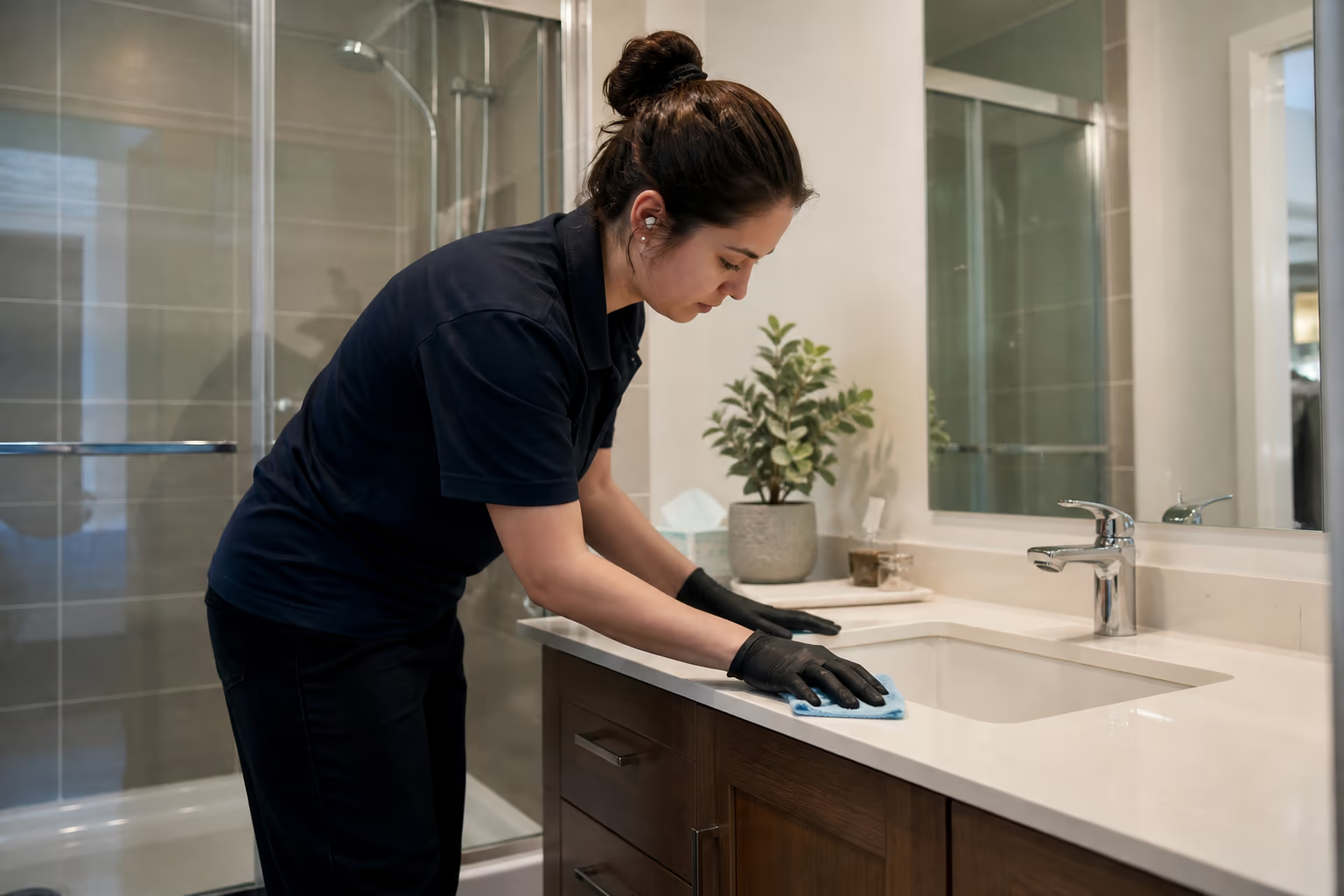
Use this checklist to clean a room the way a professional crew does, in a fixed order that avoids wasted effort.
- Step 1.Declutter and gather all of your supplies in a caddy before you begin, so you do not leave the room for tools.
- Step 2.Dust from the top down, working from high shelves to baseboards, so falling dust is caught by the next pass.
- Step 3.Apply the right cleaner to soiled surfaces and let it dwell for the time the label recommends before you wipe.
- Step 4.Wipe with clean, colour-coded cloths, working left to right across the room and finishing mirrors and glass while they are damp.
- Step 5.Vacuum or mop the floor last so the final pass collects everything that fell during the rest of the clean, then inspect for missed spots.
- Step 6.When you want a trained team that applies these same steps for you, our professional home cleaning services in Ottawa are built around your schedule and standards.
FAQ
How do professional cleaners clean so fast without missing spots?
They work in a fixed order, use the right products with the correct dwell time, and finish each room before moving on. The routine is what lets them cover ground quickly, and the final inspection is what catches any missed spot before the job is considered done.
Do professional cleaners really work faster, or do they just cut corners?
Professional cleaners are not usually moving faster; they are working smarter. By using the right product, following a set sequence and never redoing their own work, they finish in less time without cutting the corners that would show up on inspection.
What is the biggest time waster when I clean my own home?
Working in no particular order, so dust and dirt land back on surfaces you have already cleaned and you end up redoing your work. Adding a fixed top-to-bottom, left-to-right sequence is the fastest single improvement most people can make.
Are professional cleaning products stronger than the ones I can buy?
Not necessarily stronger, but better matched to the job. Professional teams pick products for the specific surface and type of soil, and they understand dwell time, so a standard product used correctly often outperforms a harsher product used carelessly.
How long does a professional team take to clean a typical home?
It depends on the size of the home, how many cleaners are on the crew and the condition of the space. A trained team works from a plan, so you can usually get a realistic time estimate when you request a quote and describe your home.
Can I learn to clean as fast as a professional?
Yes, in large part. The skills are routine, the right tools and dwell time. What takes longer to build is the judgement that comes from cleaning many different homes, which is one reason a professional team can also spot the tasks your space genuinely needs.
Do professionals use the same product on every surface?
No. Professionals match the product to the surface and the soil, and in workplaces they handle chemicals under WHMIS 2015 rules, reading the labels and safety data sheets before use. Matching products is both safer and faster than relying on one cleaner for everything.
Is a regular professional clean worth it for my home?
Many Ottawa households find that a regular professional clean keeps the home at a consistent standard, especially during the long winter months when salt and dirt build up quickly at the door. A team that knows your home also gets faster at cleaning it over time.
What should I do between professional cleanings so they stay faster?
Keep surfaces clear, wipe up spills as they happen, and give the entryway attention in winter when salt and grit build up at the door. The less build-up between visits, the quicker and more effective each professional clean is.
Wrapping Up
Professional cleaners look fast because they are systematic: a fixed order, the right tools, products given time to work, and a final inspection that stops wasted rework. Those habits are easy to borrow for your own cleaning, and they are the same habits a trained team applies to every visit. If you would like the speed and consistency of a professional clean in your Ottawa home, contact Good Cleaner Co. for a free quote and a cleaning plan tailored to your space.
Keep reading
More from Good Cleaner
Services that fit
- House Cleaning Services in OttawaHouse cleaning services in Ottawa for one-time, weekly, biweekly, and monthly home care, with customizable cleaning and eco-friendly options.
- Janitorial Services in OttawaRecurring janitorial services in Ottawa for offices, warehouses, retail, dealerships and schools, with eco-friendly commercial cleaning and customized plans.
About the author
Service areas
- Ottawa
- Kanata
- Nepean
- Orleans
- Barrhaven