
The Role Of Office Cleaning In Occupational Health & Safety
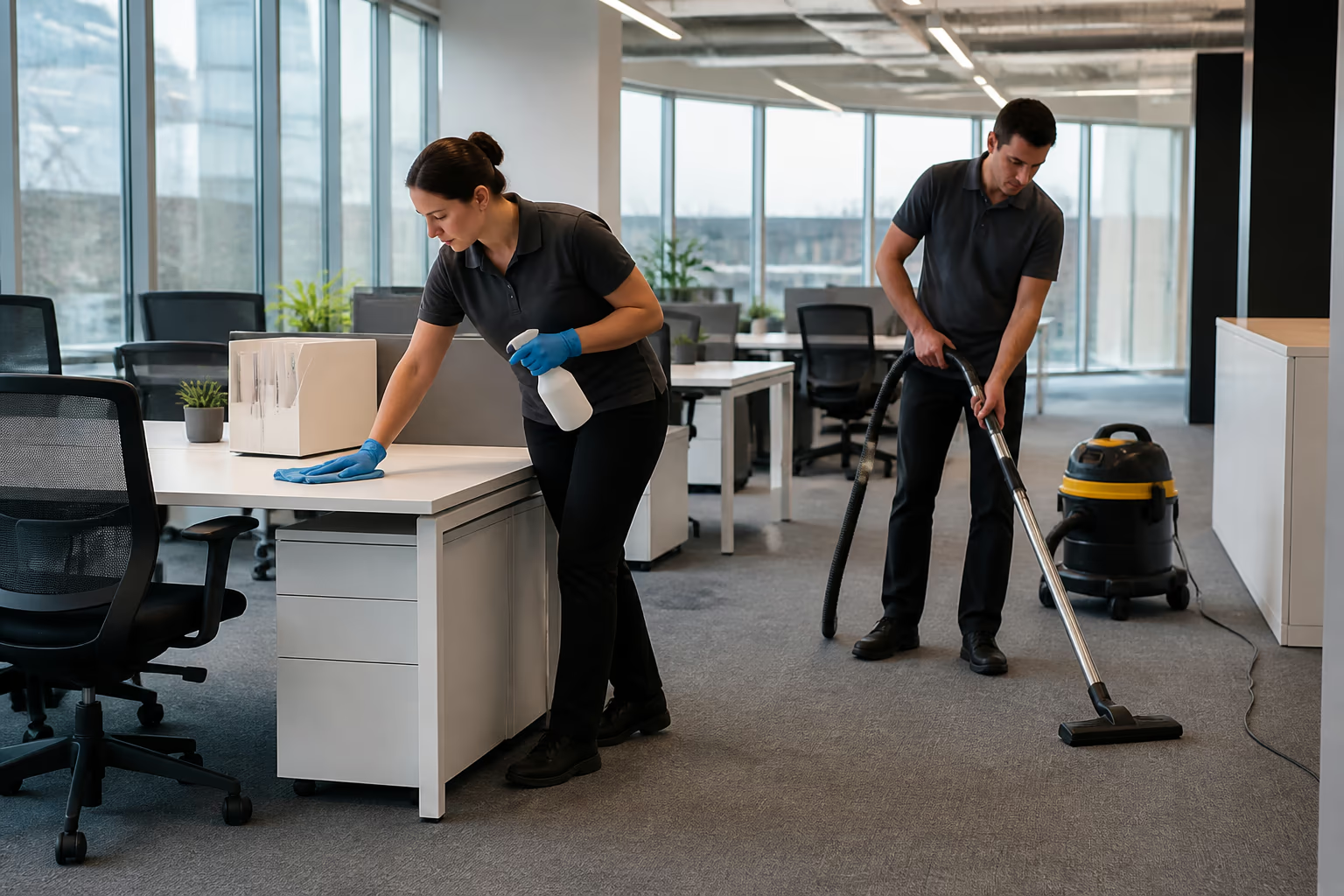
For many office managers, cleaning is a line item they would rather not think about. But the state of a workplace is far more than a matter of appearances; it directly affects the health, safety and productivity of everyone who spends their day there. A clean office reduces the spread of illness, prevents slips and falls, protects indoor air quality and helps a business meet its obligations under Canadian occupational health and safety law. This guide explains the real role that cleaning plays in occupational health and safety, what a responsible program includes, and how a professional team such as Good Cleaner Co. helps Ottawa businesses get it right.
Quick Summary
Office cleaning is a health and safety issue, not just an appearance one: it reduces the spread of illness, prevents slips and falls, and protects indoor air quality under Canadian occupational health and safety obligations. This guide covers what a responsible cleaning program includes and how it changes through an Ottawa winter.
In this guide
Why Office Cleaning Is a Health and Safety Issue
The role of office cleaning is not merely a matter of aesthetics; it is a fundamental aspect of occupational health and safety with profound and far-reaching effects on the people who work in the building every day.
Ontario law frames it the same way. The Occupational Health and Safety Act obliges an employer to take every precaution reasonable in the circumstances for the protection of a worker, and to instruct, inform and supervise workers to protect their health and safety. Slip hazards, washroom hygiene and safe chemical storage all sit inside that duty. The province lists the duty in one line: “Take every precaution reasonable in the circumstances for the protection of a worker”.
Office workers are exposed to shared surfaces, shared air and shared facilities, so the condition of the workspace directly shapes their exposure to germs, allergens and hazards. When cleaning is treated as an afterthought, the risks quietly build up: germs spread on door handles and break room counters, dust accumulates in carpets and vents, and spills and clutter create real slip and trip hazards. Occupational health and safety is not only about machinery and equipment; the everyday environment is part of it.
Employers in Ontario have a legal responsibility to provide a healthy and safe workplace, and that duty extends to cleanliness. A documented, consistent cleaning program is part of meeting that responsibility, protecting both employees and the business itself.
How a Clean Office Protects Employees
A clean office protects people in several practical ways, and each one matters for the daily wellbeing of the workforce.
None of these benefits is optional in a well-run workplace. Together they create a space where employees are healthier, safer and more comfortable, which is exactly what occupational health and safety is meant to deliver.
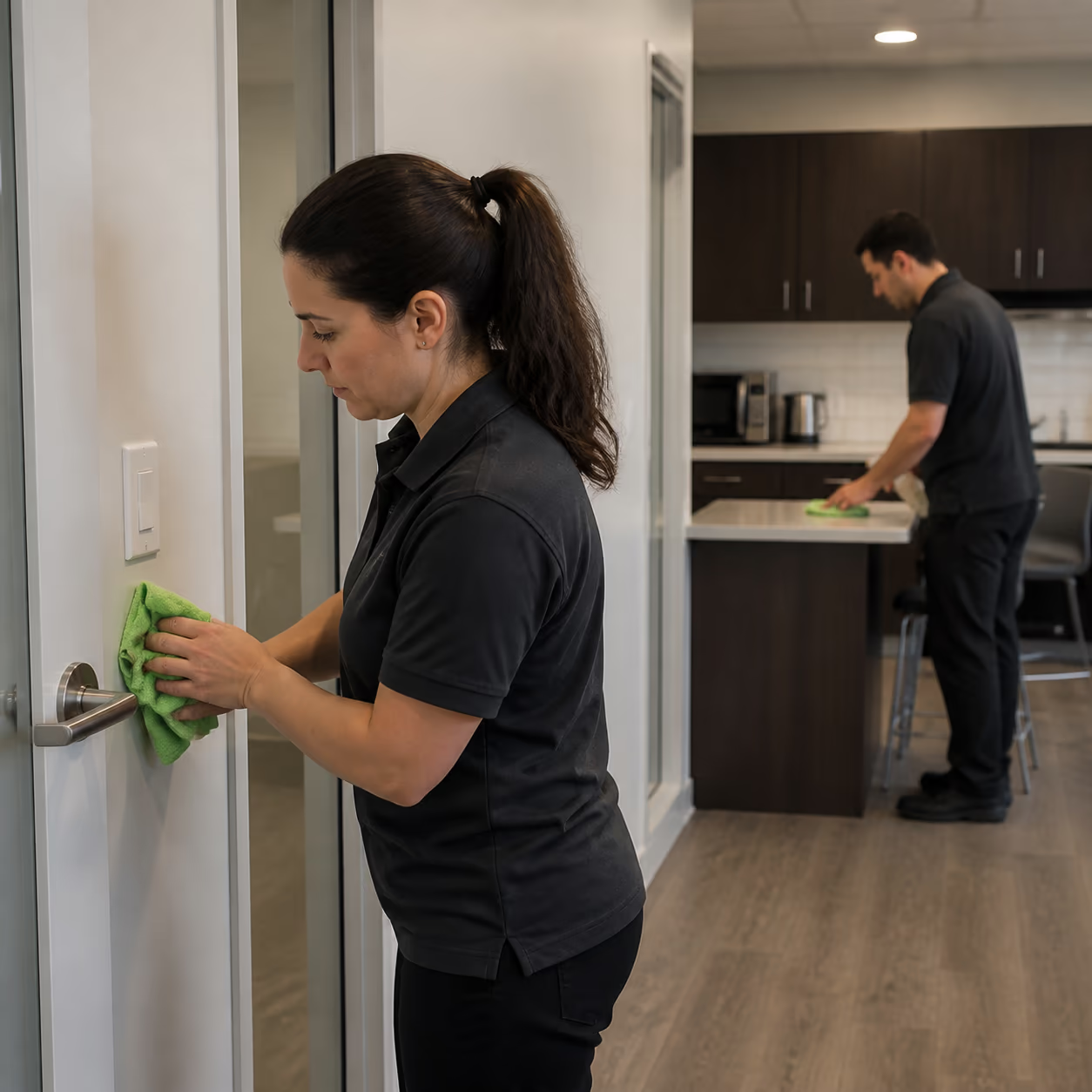
- Reducing the spread of illness by cleaning and disinfecting high-touch surfaces such as door handles, light switches and elevator buttons.
- Improving indoor air quality by removing dust, allergens and pollutants from surfaces, carpets and vents.
- Preventing slips, trips and falls by keeping floors dry, clear and free of spills.
- Reducing allergens and irritants that affect employees with asthma, allergies or sensitivities.
- Supporting a professional, calm work environment that helps people focus and feel valued.
- Protecting equipment and facilities, so clean surfaces and vents keep systems running efficiently.
Beyond the physical and safety benefits covered here, our related piece on how office cleaning improves employee mental health looks at the effect a tidy workplace has on mood and morale.
Indoor Air Quality and the Health of Employees
Indoor air quality is one of the most important, and most overlooked, parts of office health. Most people spend the workday indoors, and the air they breathe is shaped by dust, allergens, pollutants and the way the building is cleaned and ventilated.
- Regular vacuuming and dusting remove particles that would otherwise recirculate through the air.
- Cleaning carpets and upholstery prevents dust, pet dander and mould spores from settling in the fibres.
- Keeping vents and filters clean helps the heating and cooling system circulate cleaner air.
- Controlling moisture in washrooms and kitchens prevents the dampness where mould can grow.
- Choosing lower-fume, certified cleaning products reduces the chemicals released into the air.
For employees with asthma, allergies or chemical sensitivities, air quality is not a minor concern; it directly affects their health at work. A cleaning program that pays attention to dust, moisture and product choice supports everyone, especially the people most affected by a poor environment.
Canadian Health and Safety Standards for Cleaning
Occupational health and safety in Canada is governed by a framework of provincial regulations, and in Ontario that means the Occupational Health and Safety Act. Cleaning products used in the workplace are regulated too, and responsible programs follow the rules for safe handling and use.
- WHMIS 2015 applies to hazardous products used in the workplace, including many cleaning chemicals, and requires labels, safety data sheets and worker training.
- Disinfectants that make public-health claims carry a Health Canada DIN number, which means the product has been reviewed for safety and effectiveness.
- Third-party certifications such as EcoLogo indicate that a product meets recognised environmental standards.
- Products used in a workplace must be selected for the surface, used at the right dilution and stored safely.
- Staff who handle cleaning chemicals should be trained in safe use, personal protective equipment and emergency response.
A responsible cleaning provider understands these rules and builds them into how it works. That is part of what separates a genuine professional service from an informal arrangement, and it is directly relevant to occupational health and safety.
What a Responsible Cleaning Program Includes
A cleaning program that protects health and safety is more than a list of tasks; it is a system with a schedule, a standard and a record.
- 01.A defined scope: every area that will be cleaned, how often, and to what standard.
- 02.A schedule that matches usage, so busy areas are cleaned more often than quiet ones.
- 03.Clearly documented tasks and checklists so nothing is forgotten.
- 04.The right products, selected for each surface and meeting the relevant Canadian standards.
- 05.Trained staff who understand safe handling, product use and health and safety basics.
- 06.Inspection and quality checks, so standards are maintained rather than assumed.
- 07.A record of what was done, useful for compliance and for continuous improvement.
When these elements are in place, cleaning stops being an unplanned chore and becomes a dependable part of running a healthy workplace.
For other common questions about scope, scheduling and costs, our cleaning services FAQ page collects the answers office managers ask most often.
The Winter Factor for Ottawa Offices
Canadian winters are a real test for office cleaning, and Ottawa's are among the most demanding. For months at a time, employees track in salt, sand, slush and meltwater, and the entryways, elevators and corridors take the brunt of it.
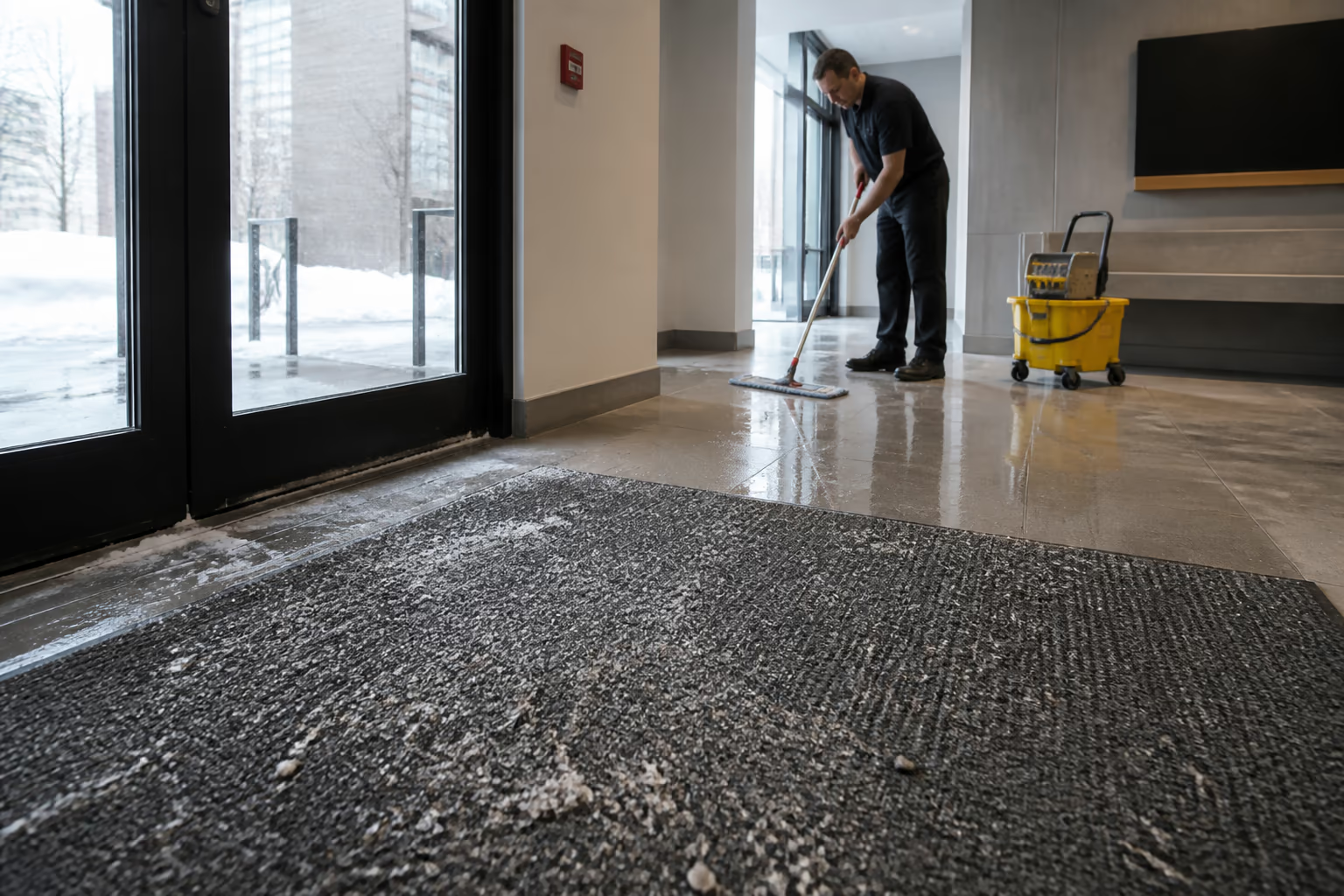
- Daily mopping and frequent spot-cleaning of entryways keep salt and moisture from spreading.
- Entry mats at every door trap grit before it travels into the building.
- Wet floor signs and prompt spill response prevent slips on meltwater.
- Cleaning the elevator, handrails and doors through the day keeps high-touch points safe.
- A schedule that adds attention to the winter months protects both floors and people.
A good office cleaning program adjusts for the season. In winter, that means more frequent attention to the floors and entryways that see the heaviest traffic, which is exactly where slip and fall accidents happen.
Keeping a Record of Your Cleaning
A cleaning program that supports health and safety is documented, not improvised. Records matter for several reasons.
- They show what was cleaned, when, and by whom, which supports accountability.
- They make it easier to spot gaps, such as an area that is consistently missed.
- They provide evidence of care, which is useful if a health and safety question ever arises.
- They help new staff and new providers understand the standard quickly.
- They support continuous improvement, because you can see what changed and whether it worked.
Records do not need to be elaborate. A simple checklist signed and dated after each service, plus a log of any issues and how they were resolved, is enough to make a program dependable and defensible.
Deep Cleaning vs. Daily Cleaning
Daily cleaning keeps the office maintained, but a deep clean is a different job that tackles what daily work cannot reach. Both have a place in a healthy office.
- Daily cleaning covers surfaces, floors, washrooms and high-touch points that see constant use.
- Deep cleaning covers the build-up that accumulates over time, such as grout, vents, baseboards and upholstery.
- Carpets need periodic hot water extraction to remove what vacuuming leaves behind.
- Kitchens and washrooms benefit from periodic descaling and sanitizing.
- A schedule that combines the two keeps the office consistently clean without waiting for problems.
Think of daily cleaning as the upkeep and deep cleaning as the reset. A responsible program schedules both, so the office is clean day to day and restored on a regular cycle.
Businesses researching providers before switching schedules often start with our guide to best office cleaning in Ottawa for a sense of what a strong program looks like locally.
Common Mistakes and How to Avoid Them
Even well-intentioned offices make mistakes in how they manage cleaning, and those mistakes undermine health and safety.
- Treating cleaning as purely cosmetic, so health and safety surfaces are neglected.
- Focusing on visible areas and ignoring high-touch points, washrooms and ventilation.
- Using the wrong product, such as a general cleaner where a disinfectant is required.
- Skipping training, so staff handle chemicals without knowing the risks.
- Cleaning without a schedule, so work is inconsistent and gaps go unnoticed.
- Failing to document what was done, which weakens accountability and compliance.
A professional, documented approach avoids these problems. Consistency, training and the right products are what keep an office genuinely clean and safe.
When to Call a Professional
Many offices benefit from a professional cleaning team, whether for daily service, a deep clean or the expertise that comes with trained staff and the right products.
Good Cleaner Co. combines local experience, background-checked staff and carefully selected, EcoLogo-friendly products to keep Ottawa and area workplaces clean, healthy and compliant. Our commercial office cleaning services in Ottawa are built around your building's needs, whether you require daily service or periodic deep cleaning.
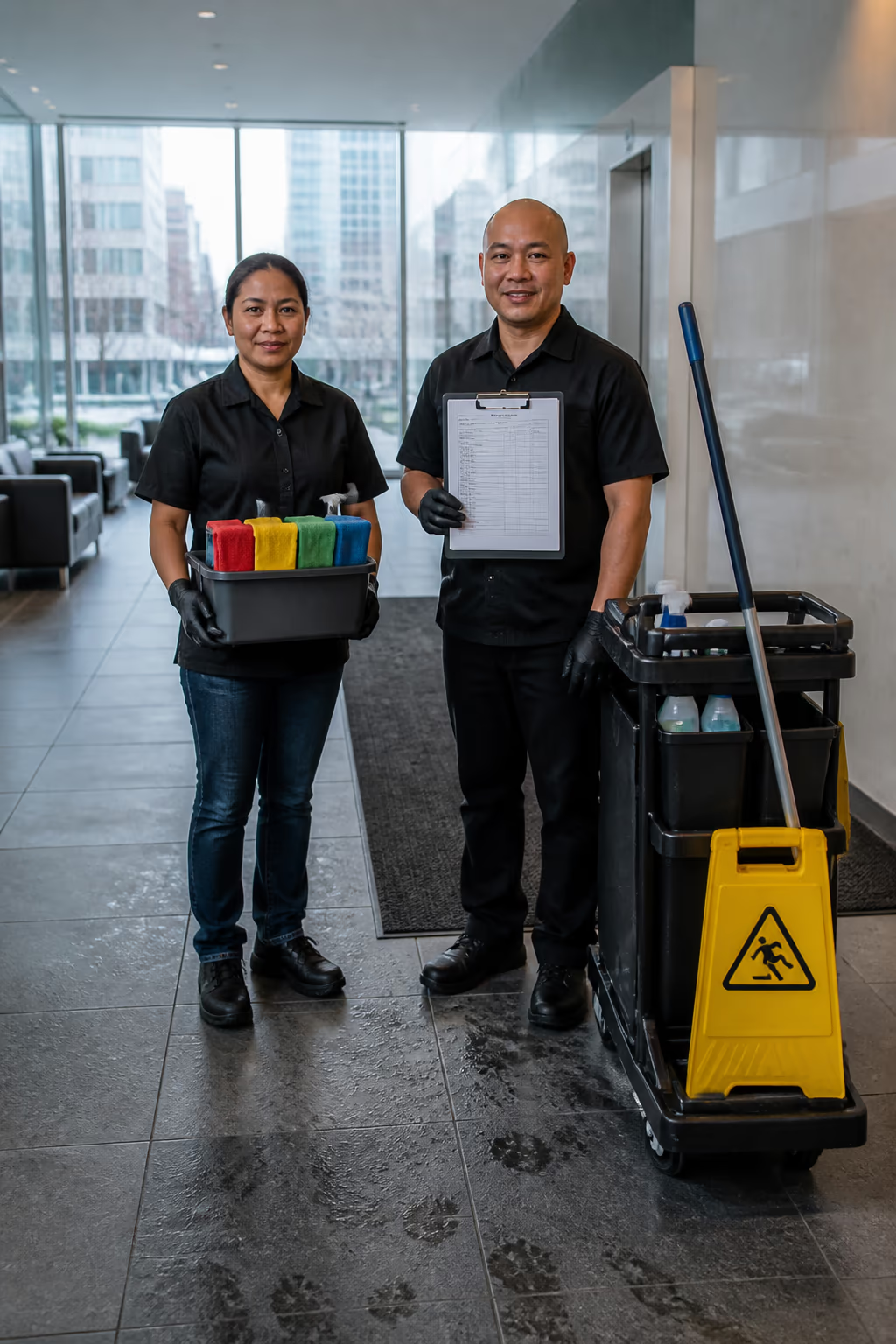
- Daily or regular service that keeps the office consistently clean and presentable.
- Deep cleaning for carpets, washrooms, kitchens and hard-to-reach areas.
- After events, renovations or illness in the building, when a thorough reset is needed.
- Seasonal work, such as floor care and entryway maintenance through the winter.
- When in-house staff do not have the time, training or equipment to do the job thoroughly.
If you are weighing whether to manage a cleaning project yourself or hire it out, our guide to choosing a commercial cleaning company is a useful starting point for the questions that matter, and the same standards of transparency, training and equipment apply to office and facility care.
Formatted Step-by-Step Office Health and Safety Cleaning Checklist
Use this checklist to keep the office clean, healthy and safe, every week.
- 1.Clean and disinfect the high-touch points, door handles, light switches, remotes and shared equipment, with a product appropriate to each surface.
- 2.Keep washrooms and kitchens clean and stocked, and sanitize the surfaces people share most.
- 3.Vacuum carpets and hard floors, and deal with spills and wet floors immediately to prevent slips.
- 4.Dust surfaces, vents and electronics, and keep floors and walkways clear of clutter.
- 5.Maintain your schedule and records, review the checklist each week, and report any issues to your provider or facility manager.
- 6.For a consistently clean and compliant office, reviewing our office cleaning programs in Ottawa provides a trained team for thorough, professional upkeep.
FAQ
Why is office cleaning considered part of occupational health and safety?
Because the workplace environment directly affects employee health, safety and wellbeing. Clean surfaces reduce the spread of illness, clean floors prevent slips and falls, and good air quality supports respiratory health, all of which fall within an employer's duty to provide a healthy workplace.
How often should an office be cleaned?
High-traffic and high-touch areas should be cleaned daily, with disinfecting of shared surfaces through the day. Washrooms and kitchens need frequent attention, and carpets, vents and other deep areas benefit from a professional deep clean on a regular schedule.
What surfaces spread the most germs in an office?
High-touch points such as door handles, light switches, elevator buttons, shared keyboards, phones, desks and break room surfaces. These should be cleaned and disinfected frequently, especially during cold and flu season.
Do I need to use disinfectants that have a DIN number?
If a product makes a public-health disinfection claim in Canada, it must carry a Health Canada DIN number, which confirms it has been reviewed for safety and effectiveness. For general cleaning, a certified product appropriate to the surface is sufficient.
What is WHMIS 2015 and why does it matter for cleaning?
WHMIS 2015 is the Canadian hazard communication standard for workplace chemicals, including many cleaning products. It requires labels, safety data sheets and worker training, so staff who handle cleaning chemicals know the risks and how to use them safely.
Can a dirty office affect employee productivity?
Yes. Dust, clutter and unpleasant conditions make it harder to focus, increase stress and create a negative impression. A clean, well-organised office supports concentration, morale and a professional image.
How do I choose a professional office cleaning provider?
Look for a provider with trained, background-checked staff, documented processes, the right products for the surfaces, and an understanding of Canadian health and safety requirements. A transparent service that stands behind its work is worth more than the cheapest quote.
Is professional office cleaning worth the cost?
For most businesses, yes. A professional team keeps the office consistently clean, reduces the hidden costs of illness and accidents, supports compliance, and frees your staff to focus on their work rather than the state of the break room.
How does winter weather affect office cleaning?
Winter brings salt, sand and meltwater into entryways, which increases the risk of slips and spreads grit through the building. A good program responds with more frequent entryway and floor care, entry mats and prompt spill response through the cold months.
Who is responsible for keeping an office clean?
Day-to-day deep and professional cleaning is the responsibility of the cleaning team, but employees support it by keeping shared areas tidy, reporting hazards and clearing their own spaces. A genuinely healthy workplace depends on both.
Wrapping Up
Office cleaning is not a cosmetic extra; it is a core part of occupational health and safety. It reduces the spread of illness, prevents accidents, protects indoor air quality and helps you meet your obligations as an employer. A responsible program combines the right products, trained staff, a clear schedule and proper records, and it reflects Canadian standards such as WHMIS 2015, Health Canada DIN requirements and EcoLogo certification. When you need a consistent, compliant cleaning service for your workplace, a professional team can carry the load. Contact Good Cleaner Co. for a free quote and a commercial cleaning plan tailored to your office.
Keep reading
More from Good Cleaner
- How to Choose the Best Commercial Cleaning Company in Ottawa: Vendor Selection Guide
- Clean Offices & Employee Health: Reducing Sick Days Through Janitorial Hygiene
- How Office Cleaning Improves Employee Mental Health and Workplace Morale
- Office Cleaning Can Improve Productivity: The Business Case for a Clean Workspace
Services that fit
- Professional Office Cleaning Services in OttawaOffice cleaning services in Ottawa for corporate offices, clinics and professional suites. After-hours scheduling, eco-friendly products and a free quote.
- Janitorial Services in OttawaRecurring janitorial services for offices, warehouses, retail, dealerships and schools, with eco-friendly commercial cleaning and customized plans.
About the author
Service areas
- Ottawa
- Kanata
- Nepean
- Orléans
- Barrhaven