
Regular Cleaning vs Deep Cleaning: Scope, Differences & Frequency Guide
Many people book a "clean" and then wonder why their oven is still greasy or why the baseboards look grey. The short answer is that there are two very different jobs called cleaning. Regular cleaning maintains the baseline, and deep cleaning resets it. They use different tools, different products, different amounts of time, and they answer different needs. This guide lays out the difference honestly, so you can choose the right service for your home and your budget.
Quick Summary
Regular cleaning keeps a home tidy day to day, while deep cleaning restores it from the ground up. This guide explains the real differences in scope, chemistry, equipment, and labour, and helps you decide which level your home needs and how often.
In this guide
The Scope Divide: Routine Maintenance vs. Restorative Detailing
Regular cleaning and deep cleaning are two different services for every home and business owner: both aim to keep a space clean, but their objectives, labour intensity and depth are fundamentally different. Regular cleaning focuses on maintaining baseline hygiene through routine tasks such as sweeping, vacuuming, surface damp-mopping, taking out the trash and wiping counters, preventing everyday dust and soil from building up and keeping a home presentable between deeper visits. Deep cleaning is a restorative process that targets embedded soil, stubborn grease, mineral scale and high dust that routine cleaning cannot reach; it is the reset that makes regular cleaning effective afterwards, because it removes the build-up that routine visits simply maintain. For facility managers weighing the same choice at work, our commercial deep cleaning guide walks through when a full commercial service is worth scheduling.
What Regular Cleaning Actually Covers
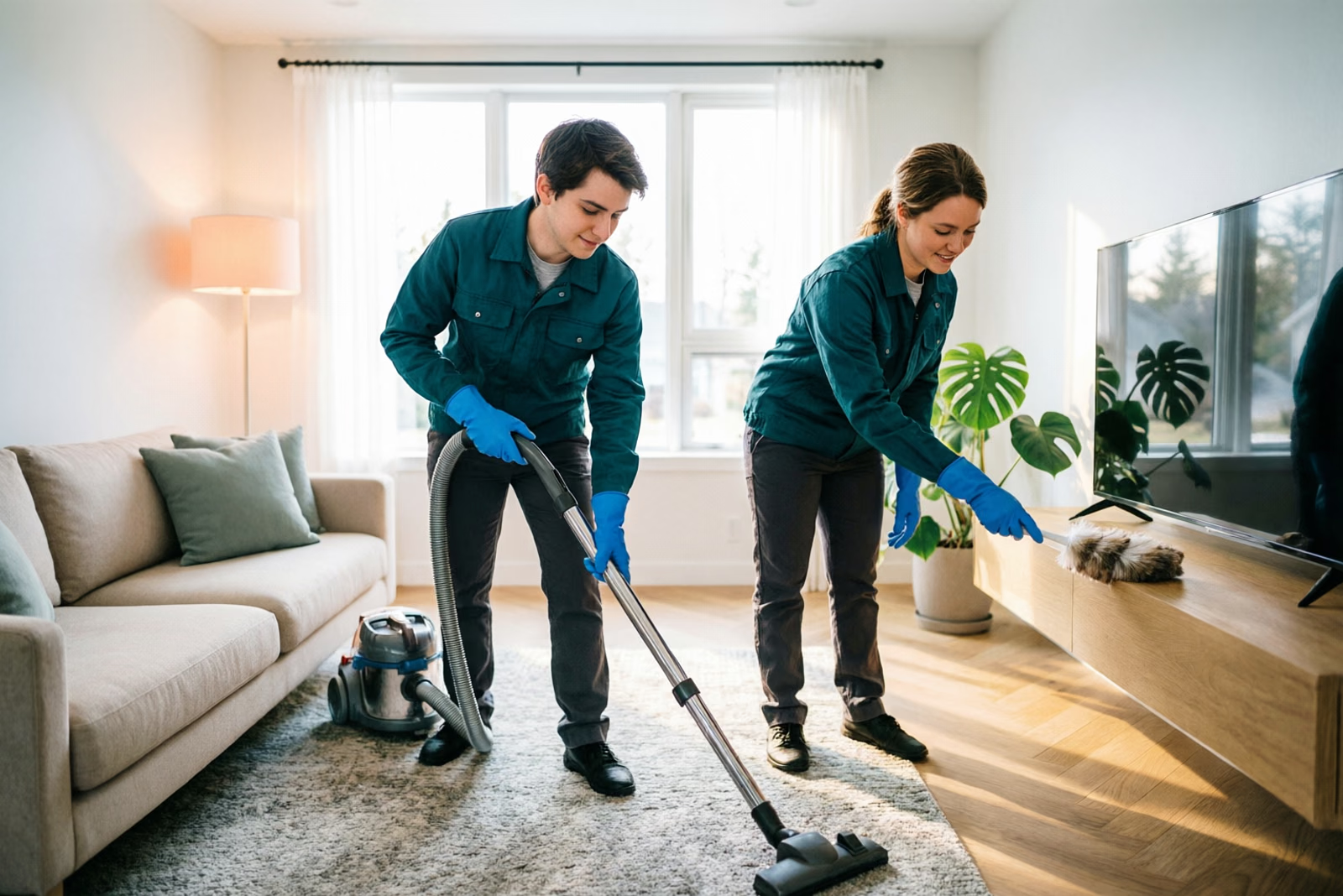
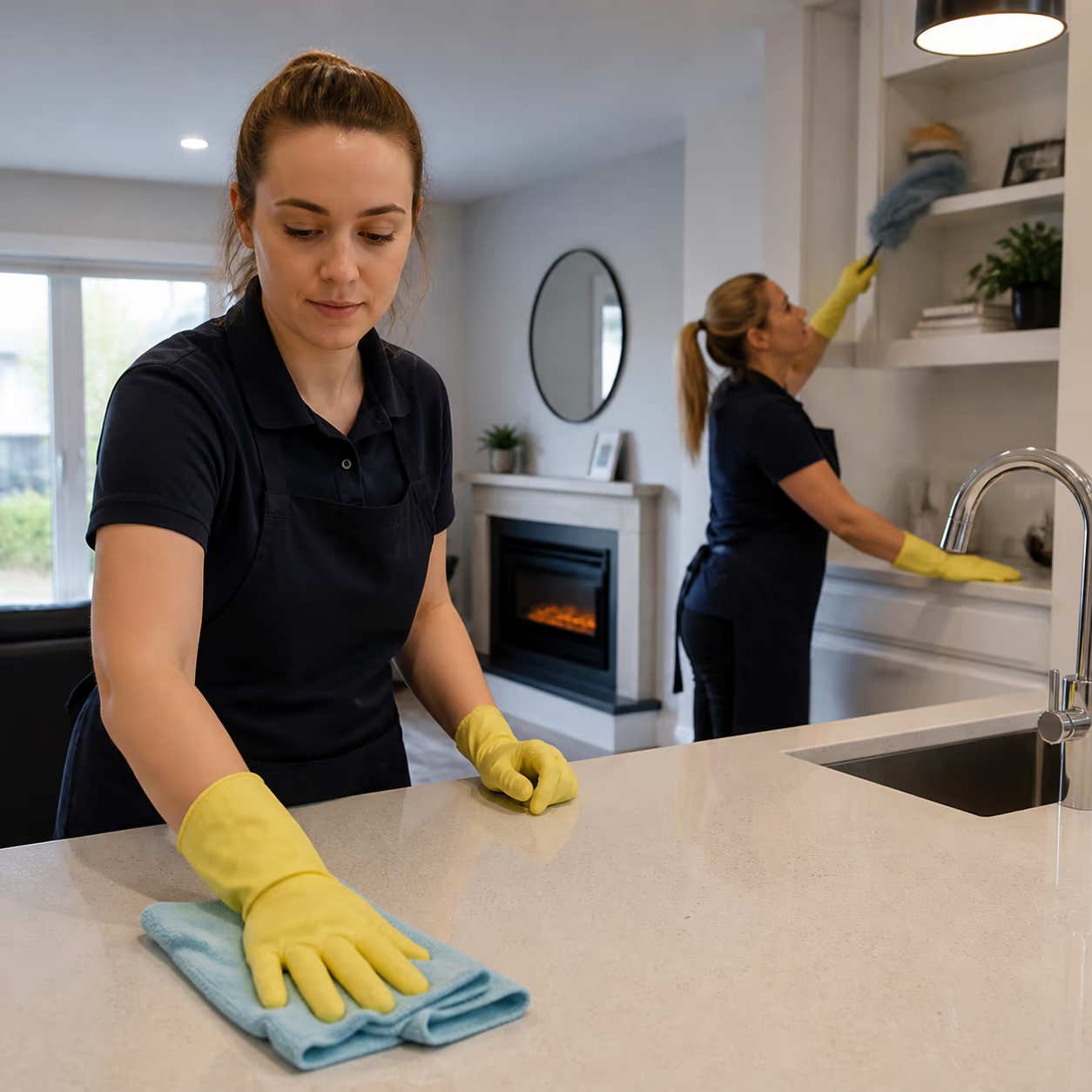
Regular cleaning covers the surfaces people see and touch every day, built to be fast, efficient and consistent so the home does not slide into disrepair. A typical visit wipes kitchen counters, sinks and exterior appliance surfaces; cleans and disinfects bathroom sinks, toilets, mirrors and shower surrounds; vacuums floors and carpets and damp-mops hard floors; dusts eye-level surfaces such as desks, tables and open shelving; takes out the trash and recycling and replaces liners; and makes beds and tidies visible clutter. The goal is a clean, presentable home in a predictable time frame, typically a couple of hours for an average house.
- Wiping kitchen counters, sinks, and exterior appliance surfaces.
- Cleaning and disinfecting bathroom sinks, toilets, mirrors, and shower surrounds.
- Vacuuming floors and carpets, and damp-mopping hard floors.
- Dusting eye-level surfaces such as desks, tables, and open shelving.
- Taking out the trash and recycling, and replacing liners.
- Making beds and tidying visible clutter.
What Deep Cleaning Adds
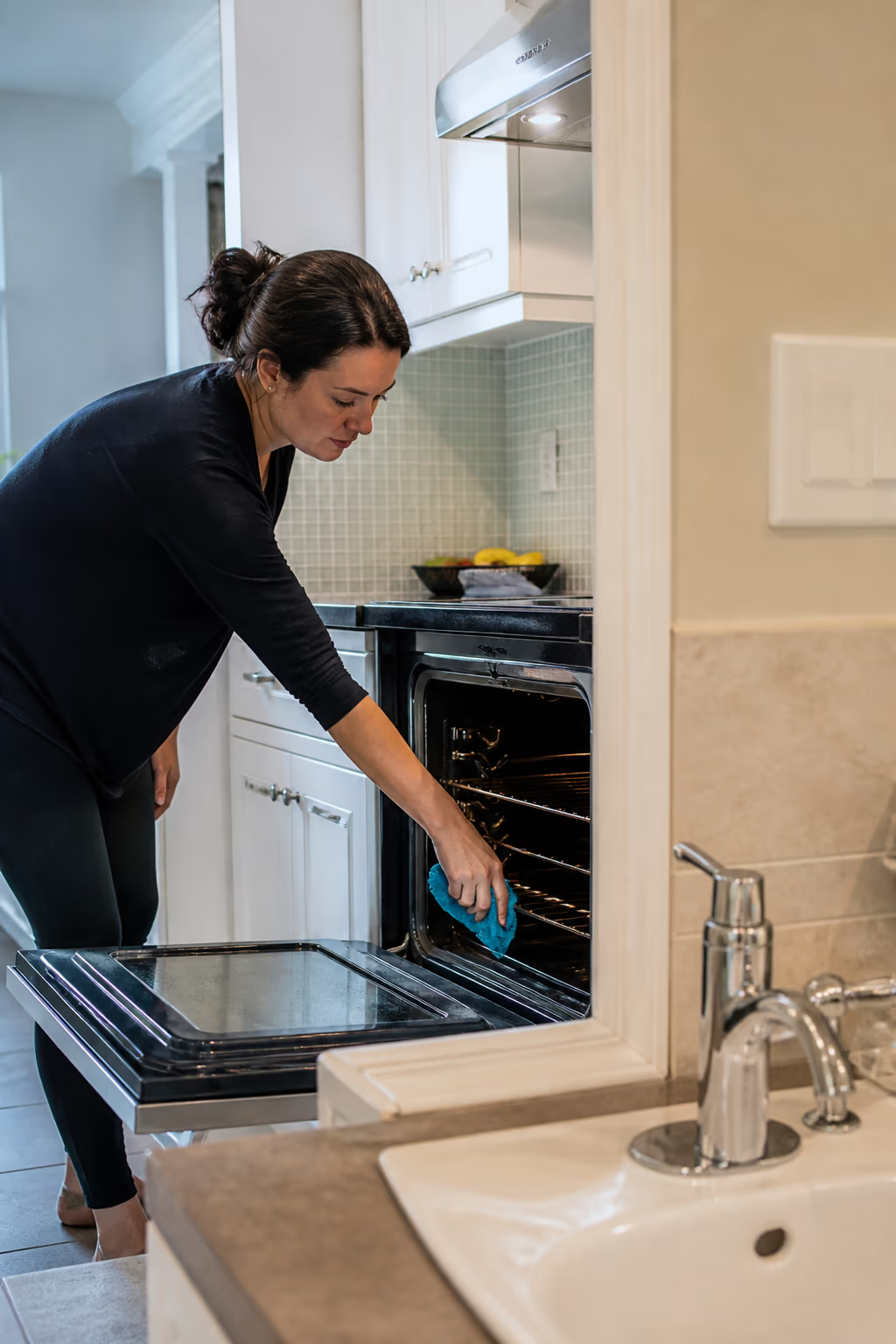
Deep cleaning covers everything a regular clean does, then reaches well beyond it into places routine visits leave untouched, using heavier equipment and chemistry. A full deep clean degreases cabinet tops and range hoods, scrubs oven interiors and cooktops, descales shower heads, faucets and tile grout, washes baseboards and door frames, high-dusts ceiling ledges and light fixtures, washes windows and blinds, cleans inside the refrigerator and microwave, and deep-extracts carpets and upholstery with hot water extraction. A deep clean is not a bigger regular clean; it is a different job with a different scope that needs more time and different tools to do properly. Offices considering a single reset rather than a recurring contract can look at our one-time deep office cleaning services for a similar one-off scope.
- Degreasing cabinet tops, range hoods, and exhaust filters.
- Deep-cleaning oven interiors, cooktops, and behind appliances.
- Descaling shower heads, faucets, and tile grout.
- Washing baseboards, door frames, and switch plates.
- High dusting of ceiling ledges, light fixtures, and exposed pipes.
- Washing windows, tracks, and blinds.
- Cleaning inside the refrigerator, microwave, and cabinets.
- Deep-extracting carpets and upholstery with hot water extraction.
Chemistry: What the Products Are Doing
The products used for regular and deep cleaning are different because they solve different problems. Regular cleaning leans on neutral, everyday detergents that lift light soil and keep surfaces safe for frequent use. Deep cleaning brings in stronger chemistry for specific problems: alkaline degreasers break down the heavy grease that collects in kitchens and on range hoods, while acidic removers dissolve the mineral scale left behind by hard water on sinks, showers and faucets. The honest rule is to match the chemistry to the task, since using heavy degreasers on light daily soil is wasteful and a neutral detergent will not touch baked-on grease, which is why professional crews carry a range of products and choose per surface.
Equipment: What Changes Between the Two
The equipment for regular and deep cleaning changes significantly between the two services. Regular cleaning runs on the basics, a vacuum, mop, buckets, cloths and caddies of everyday products, moving quickly from room to room. Deep cleaning needs heavier equipment: truck-mount or portable hot water extraction machines clean carpets and upholstery in depth, rotary floor scrubbers restore hard floors, and telescopic poles with HEPA-filtered tools reach ceiling ledges and light fixtures that a step stool cannot. Specialized attachments matter too, including crevice tools, grout brushes and squeegees, because using the right tool is often the difference between a surface that looks clean and one that is actually restored.
Labour: Time and Intensity
Labour time and intensity differ sharply between regular and deep cleaning. Regular cleaning is designed to be efficient: a standard home might take two to three hours with one or two cleaners working through the routine tasks in a consistent order. Deep cleaning is slower because the work is heavier; a full deep clean can take several hours to a full day, often with a small team, because scrubbing grout, degreasing ovens and extracting carpets simply take more time. That time is the real cost of a deep clean, and it is why the two services are priced differently. The takeaway is not that one is better than the other, but that expecting a two-hour regular clean to produce a deep-cleaned home is how people end up disappointed.
Signs Your Home Needs a Deep Clean
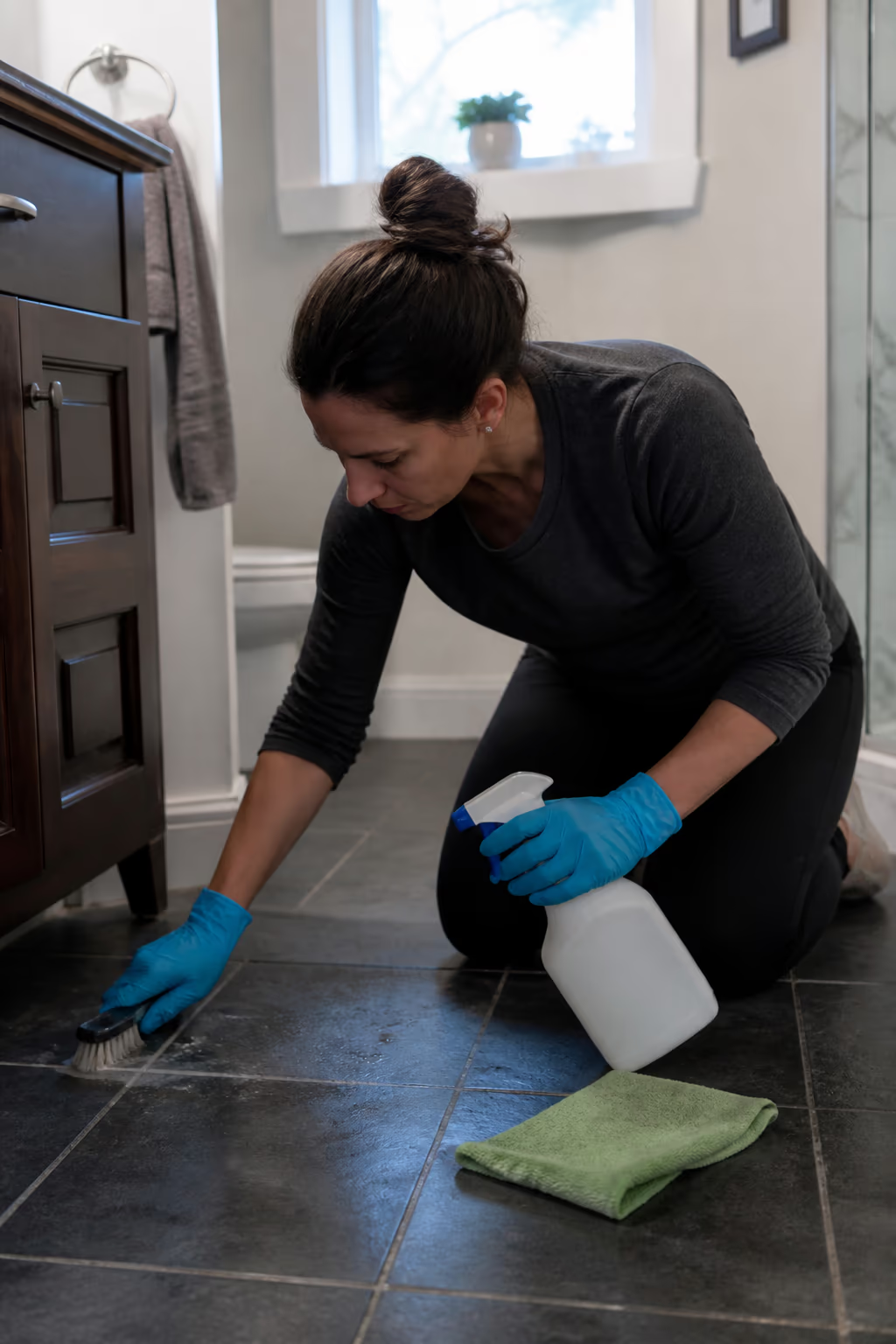
A home needs a deep clean when its condition, not a fixed calendar, shows the build-up has passed what a regular clean can handle. Clear signs include cabinet tops and range hoods with a sticky film that a damp cloth will not remove, tile grout in the kitchen and bathrooms darkened from embedded soil and soap scum, an oven interior with baked-on spills and a microwave with splatter that has hardened, high dust visible on ceiling ledges, light fixtures and the tops of door frames, and carpets or upholstery that look dull, trap odours or hold stains from the winter.
If you recognize several of these, a deep clean is the right call. It resets the build-up so your regular routine can actually keep up again. For a closer look at what a single visit does and does not guarantee, our deep cleaning scope evaluation guide walks through the realistic boundaries before you book.
Even if you cannot see the build-up clearly, trust the condition of the home. If a regular clean no longer leaves the place feeling fresh, a deep clean is the reset that brings that feeling back.
How Deep Cleaning Improves Indoor Air
Deep cleaning improves indoor air by removing the dust, pollen and allergens that settle into carpets, upholstery and high surfaces and directly affect the air you breathe. Hot water extraction pulls embedded soil and allergens out of carpet and upholstery fibres rather than just vacuuming the surface, high dusting removes the layer of dust on ledges and light fixtures that falls back into the room as you move around, and deep-cleaning bathrooms and basements removes the damp spots and mould growth that can develop in humid conditions. For people with allergies, asthma or young children, this is one of the most practical benefits of a deep clean: not just a nicer-looking home, but a fresher, more comfortable indoor environment that tends to make daily life noticeably more pleasant.
The air benefit is more than a marketing claim. Health Canada's guidance on fine particulate matter lists cleaning with a mop, a damp cloth or a HEPA vacuum among the ways to reduce indoor exposure, and adds controlling humidity to prevent mould growth to the same list. Health Canada states: “Ventilation can help reduce indoor fine particulate matter levels by removing emissions from indoor sources like cooking.”
Frequency: How Often Should Each Happen
Regular cleaning and deep cleaning happen on different schedules. Most homes do well with a regular clean every week or every other week, depending on household size, pets and how much time people spend at home. Deep cleaning is a seasonal event: in Ontario, many families book a deep clean in the spring to clear the dust and pollen that accumulated over the winter, and another in the late fall to deal with the salt and moisture tracked in during the winter months, with a deep clean also making sense when moving into a new place or before a big event. Starting with a deep clean before regular visits is the smart sequence, because once the home is reset, a regular clean maintains that baseline.
Formatted Step-by-Step Service Scope Selection Checklist
Use this checklist to decide which cleaning level your home needs:
- Step 1.Evaluate Current Soil and Build-Up:Check cabinet tops, tile grout, appliance interiors, and ceiling dust to see how much has accumulated.
- Step 2.Decide What Equipment Is Required:Identify whether you need heavy steam extraction and floor scrubbing or just standard vacuuming and mopping.
- Step 3.Schedule a Deep Restoration Before Regular Visits:Always start with a full deep clean before moving to weekly or bi-weekly regular cleaning.
- Step 4.Match Chemistry to the Task:Use alkaline degreasers and acidic removers for heavy grease and scale, and neutral products for everyday maintenance.
- Step 5.Plan Seasonal Deep Cleans:Book a deep clean twice a year, once in spring for pollen and once in late fall for post-winter salt and moisture.
- Step 6.Booking professional residential home cleaning services in Ottawa through Good Cleaner Co. gives you a tailored plan that combines both levels of care.
Regular and Deep Cleaning Across Ottawa Homes
Ottawa homes come in every size and age, which changes how the two services apply. A modern townhome in Barrhaven or Riverside South may only need a deep clean once a year, while an older home in the Glebe, Sandy Hill, or Old Ottawa South often benefits from a seasonal deep clean because of original woodwork, older bathrooms, and more nooks for dust. Downtown condos and apartments in the ByWard Market are compact, so a regular clean goes further and deep cleans can focus on kitchens and bathrooms. Comparing affordable cleaning services Ottawa options up front helps you plan the right mix of regular and deep visits for your neighbourhood.
Practical Next Steps for Deep cleaning vs regular cleaning
Turn this guide into a short task list for the actual rooms, materials, and people involved. Name the visible result you need, the surface limits to respect, and the access or timing that changes the order of work. That gives the next person clear decisions instead of a broad catalogue of services.
| Priorities | Start with the areas that affect normal use and describe the expected result in plain language. |
|---|---|
| Materials | Check care instructions before using abrasion, heat, water, or a new product on an unfamiliar finish. |
| Timing | Note occupied, locked, or soon-to-be-used areas so the routine does not create disruption. |
Keep the list with the supplies or site notes, then revise it when the space or its use changes.
When the Routine Needs to Change
Review deep cleaning vs regular cleaning when use, materials, or conditions change instead of following a generic seasonal script. A spill, event, occupancy change, construction dust, new equipment, or recurring mark may need a specific adjustment. Inspect the affected area, record what changed, and update the task rather than adding unrelated products or extra steps.
Canadian weather can change the moisture or grit arriving at an entrance, but the right response still depends on the flooring, access, and actual condition. Check mats, floors, storage, and drying areas regularly. Treat a recurring issue as a maintenance question, not as dirt that must be scrubbed harder.
Check Results and Escalate the Right Problems
A useful review asks whether the agreed task is complete, whether the surface was treated appropriately, and whether anything needs follow-up. Walk the area in normal light, compare it with the written scope, and note what remains. It is better to record a limitation honestly than to promise a perfect result.
Pause when a request involves product-specific, safety, plumbing, electrical, damage, infection-control, or health concerns. Use the responsible organisation's instructions or a qualified specialist where appropriate. Cleaning advice cannot replace a repair assessment, product label, workplace policy, or professional health guidance.
A Practical Note on Deep cleaning vs regular cleaning
The strongest routine is one people can understand, carry out, and review without adding unnecessary products or hidden assumptions. Keep a dated note of what changed, what was observed, and which surface or room needs attention next. That record helps a household, site manager, or service provider decide whether to adjust the task, arrange maintenance, or simply keep the current routine. It also stops a one-off problem from becoming a vague instruction that is passed from person to person.
Free Deep Clean Checklist to Print
The difference between the two scopes is a list of tasks, so here it is on one sheet. It sets out what a deep clean adds, room by room, in the order a professional works, with the signs that a home is due for one.
Mark the lines your home needs before you ask for a quote. There is no form and no email address to hand over.
Letter size, print-ready. No email address, no sign-up.
FAQ
Should I get a deep clean before starting regular recurring cleaning?
Yes. An initial deep clean brings your home to a clean baseline, which makes regular visits faster, more effective, and more affordable.
How often should an Ottawa home get a full deep clean?
Most Ottawa homes benefit from a deep clean about twice a year, once in spring to remove pollen and dust and once in late fall to remove salt, moisture, and winter grime.
What is included in a professional kitchen deep clean that a regular clean does not cover?
A regular kitchen clean wipes counters and appliance exteriors. A deep clean adds interior oven scrubbing, fridge detailing, cabinet-top degreasing, backsplash grout restoration, and descaling the sink and faucet.
Why is deep cleaning more expensive than regular cleaning?
Deep cleaning takes significantly more time, uses heavier equipment, and needs specialized products, so the labour and material cost is genuinely higher.
Can regular cleaning eventually replace the need for deep cleaning?
No. Regular cleaning maintains the baseline, but build-up in ovens, grout, vents, and high dust still requires a deep clean to reset.
How long does a deep clean take compared with a regular clean?
A regular clean of an average home takes about two to three hours, while a full deep clean can take several hours to a full day depending on the size and condition of the home.
Do I need to be home during a deep clean?
You do not have to be. Many clients provide access and let the team work. You may want to point out problem areas first, such as stubborn stains or fragile surfaces.
Will a deep clean damage delicate surfaces like wood floors or marble?
A professional deep clean uses the right chemistry and technique for each surface. A pH-neutral approach protects hardwood and stone, and the crew will adjust products if you have sensitive finishes.
How do I know if my home needs a deep clean or just a regular clean?
Look at the places a regular clean cannot reach. If cabinet tops are greasy, grout is dark, oven interiors are baked on, and high dust is visible, it is time for a deep clean.
How do I start the right cleaning plan for my home?
Contact Good Cleaner Co. and describe your home and your expectations. We will recommend a starting deep clean and a regular schedule that maintains it.
What is regular cleaning?
Regular cleaning is the recurring maintenance visit: counters, sinks and appliance fronts, the bathroom surfaces, the floors, the eye-level dusting, the bins and the beds. It keeps a home at a steady standard rather than restoring one that has slipped.
What is the difference between deep cleaning and regular cleaning?
Scope and time. A deep clean adds the work a maintenance visit never reaches: inside the oven and the fridge, the grout and the shower head, the baseboards and switch plates, the high dust, the window tracks, and behind the appliances. It takes longer for the same home, which is the whole reason it is quoted separately.
How much more does a deep clean cost than a regular clean?
It costs the extra hours it takes, because the work is priced by time rather than by a package name. The published room schedule shows what a deep clean adds to a visit, so the difference is arithmetic rather than a quote.
How often does a home need a deep clean?
Twice a year suits most homes: once in spring for the pollen and the winter salt, once in late fall before the windows stay shut. Start with the deep clean, then keep it with regular visits.
Wrapping Up
Choosing between regular maintenance and deep cleaning ensures your property gets the right level of care and stays in good shape for years. If you are unsure which service you need, a quick consultation will give you a straight answer. Contact Good Cleaner Co. today to schedule a cleaning consultation.
Keep reading
More from Good Cleaner
Services that fit
- House Cleaning Services in OttawaOne-time and recurring house cleaning for Ottawa homes, including a reset deep clean and weekly, biweekly or monthly visits, with customizable and eco-friendly options.
- Professional Office Cleaning Services in OttawaNightly and after-hours office cleaning for corporate offices, clinics and professional suites, with after-hours scheduling and eco-friendly products.
About the author
Service areas
- Ottawa
- Barrhaven
- Riverside South
- The Glebe
- Sandy Hill
- ByWard Market