
How To Freshen Up Stinky Spaces
A house can be spotless and still smell stale, because smells live in the places you cannot see: drains, fabrics, boots and hidden moisture. The good news is that most home odours have a simple, fixable source, and freshening a stinky space is mostly a matter of finding it and removing it instead of covering it up. This guide walks you through the fastest ways to freshen common trouble spots in Ottawa homes and when a professional clean is worth it.
Quick Summary
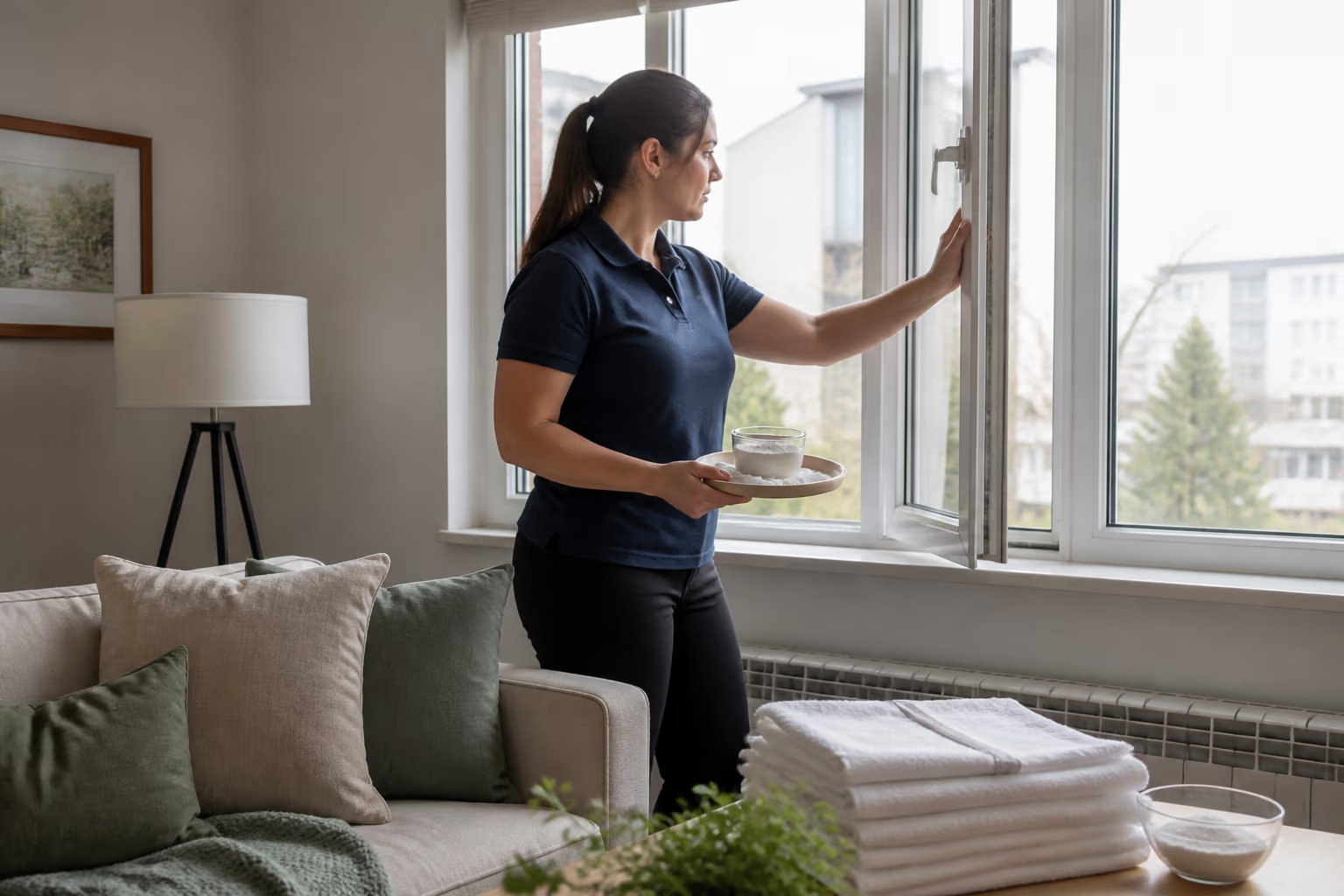
A home can look spotless and still smell stale because odours hide in drains, fabrics, boots and hidden moisture rather than on visible surfaces. Freshening a stinky space means finding that source and removing it instead of masking it, with fixes for common trouble spots in Ottawa homes.
In this guide
Why Rooms Go Stale and Sour
Room odours rarely come from nowhere. They build up when moisture, organic matter and poor airflow meet: a damp towel, a food spill behind the bin, pet hair on a rug, or meltwater drying on a boot. Over time the smell soaks into fabric and soft surfaces, so the room keeps smelling even after the obvious culprit is gone.
- Moisture is the biggest contributor, because dampness supports the mildew that smells musty.
- Fabrics hold onto odours longer than hard surfaces, which is why rugs and cushions go stale first.
- Poor airflow traps smells, so a closed closet or a bathroom with a weak fan stays sour.
- The same smell can be a mix of several small sources, not one big one.
Once you understand that odours come from sources rather than from rooms, freshening stops being guesswork. Find what is wet, warm or fabric-covered, and you have found the smell.
Find the Source Before You Mask the Smell
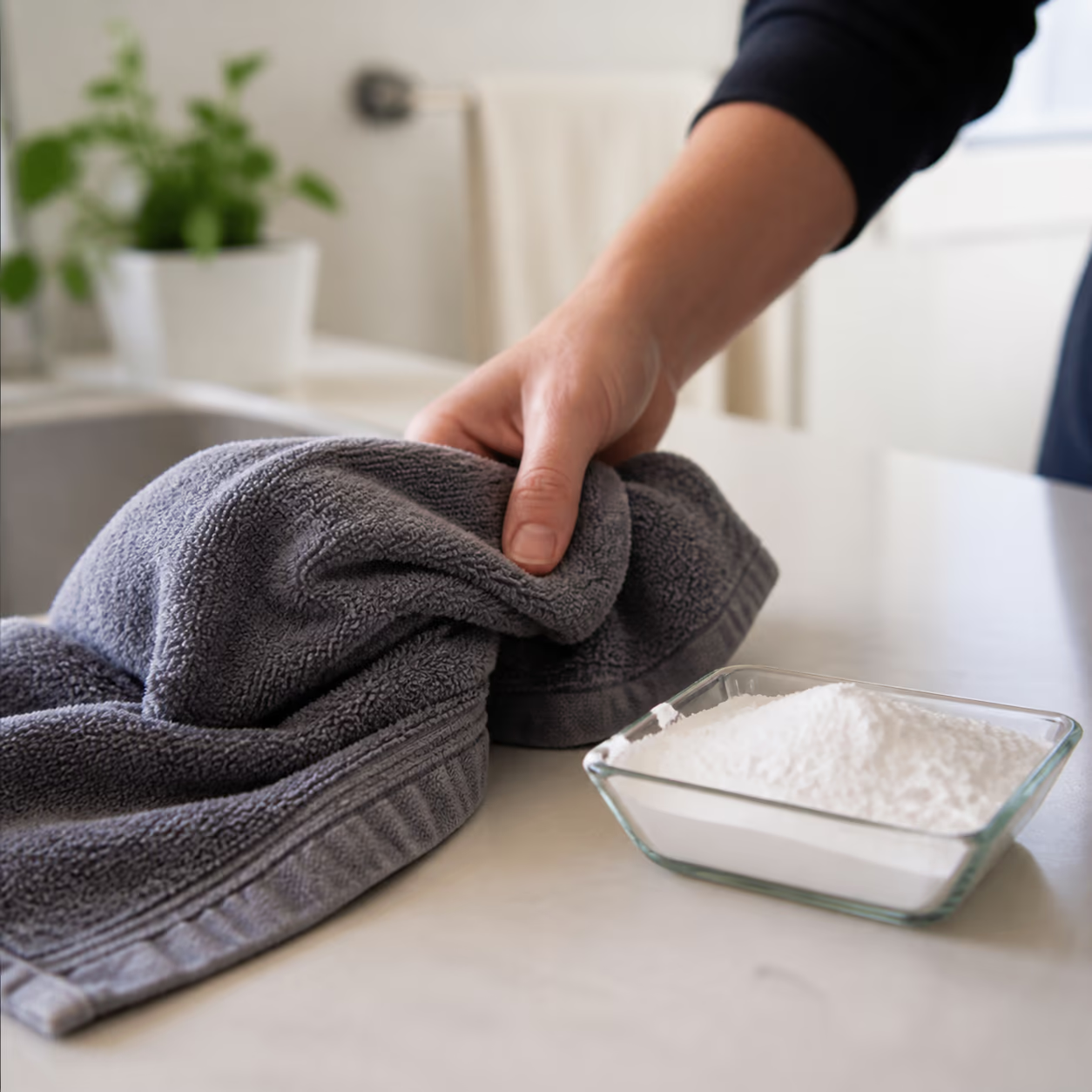
The fastest way to make a room smell worse is to spray air freshener over a smell you have not found. Masking covers the odour for a few minutes, but the source keeps producing it. Do the opposite: hunt first, then treat.
- Sniff the room at different times of day, because some odours only appear when a room warms up.
- Check drains, bins, pet areas, laundry hampers and the backs of cupboards first.
- Rule out moisture before anything else, since mildew returns until it dries out.
- Look in the places you usually skip, like the underside of a rug or the back of a closet.
When you have found the source, remove it and clean the surface properly. Once the source is gone, a quick air-out finishes the job and the smell stays away.
What You Need Before You Start
Freshening a home does not require a cabinet of specialty sprays. A few simple, safe products cover most jobs, and they work without leaving a perfume smell behind.
- Baking soda to absorb odours in bins, closets, shoes and carpets.
- White vinegar for hard surfaces, drains and washing machine mustiness.
- A mild, low-VOC cleaner for counters, walls and floors.
- Microfibre cloths to wipe down surfaces and dry damp areas.
- A vacuum with a clean filter for rugs, upholstery and mattress tops.
- A bowl or small tray to hold baking soda while it works.
For homes that prefer certified products, look for a low-VOC, EcoLogo-certified cleaner where you shop. These do the same job with less impact on indoor air, which matters in small, closed-up rooms.
Freshening the Kitchen
The kitchen is where most home odours start, and they usually have a simple cause: food residue somewhere it was missed. Freshening it means finding the food, not just the smell.
- Take out the garbage regularly and wipe the bin, because sticky residue smells on its own.
- Sprinkle baking soda in the bottom of a clean bin to absorb odours between empties.
- Clean the fridge interior and the drip tray, and check for anything past its date.
- Flush the drains with hot water and follow with a little baking soda and vinegar.
- Microwave a bowl of water with lemon or vinegar to lift lingering cooking smells.
The spots people miss are the ones that smell most: the gap behind the fridge, the drip tray under the coils and the seal on the dishwasher door. Wipe them and the kitchen smells like the meal is long gone.
Freshening the Bathroom
A bathroom that smells stale is usually a moisture problem, not a cleaning product problem. Mildew loves the warm, damp air a shower leaves behind, and it produces the musty smell you notice first thing in the morning.
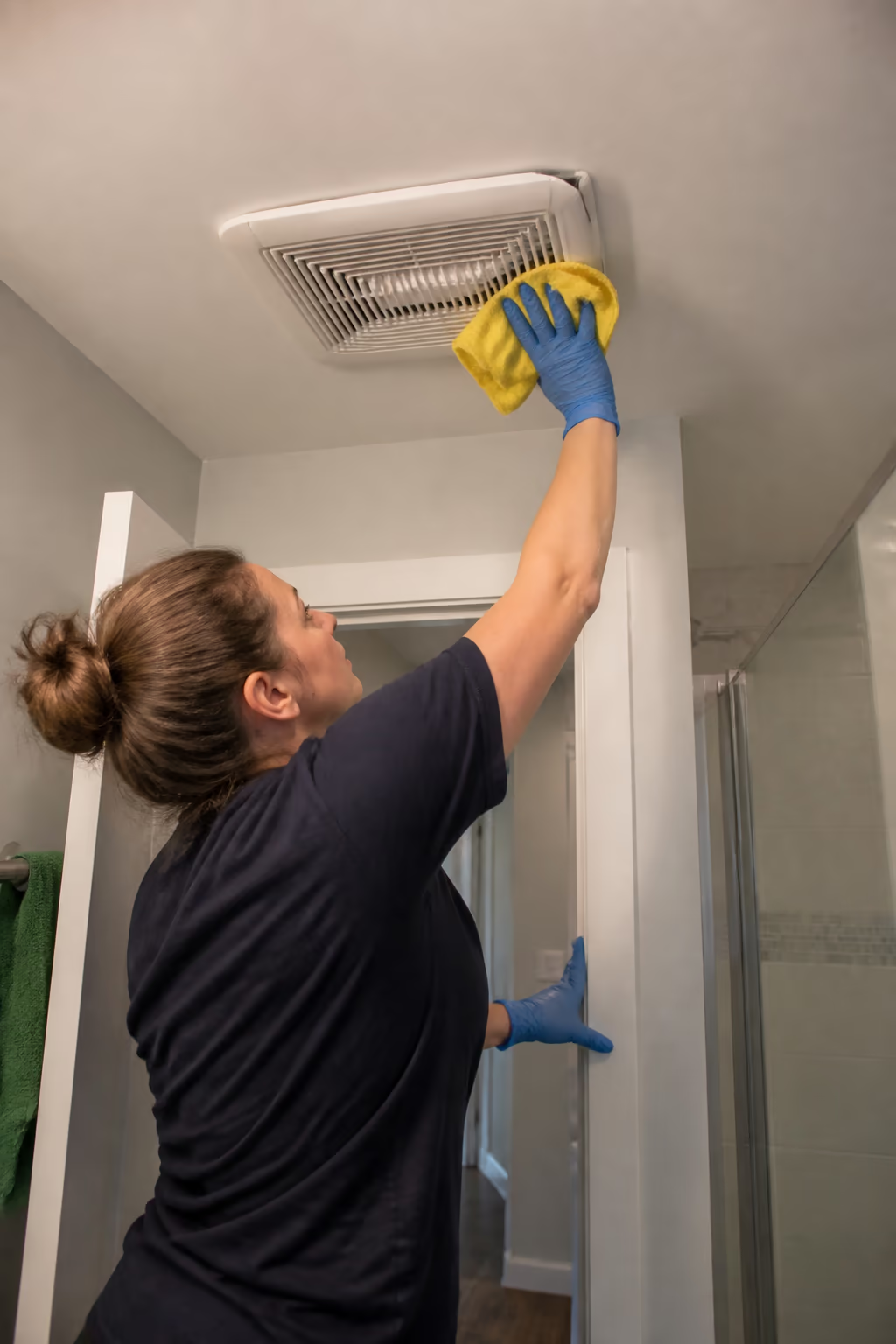
- Run the exhaust fan during and after every shower, and keep it running while you dry off.
- Wipe down the shower walls, tub and glass after use to stop moisture sitting on surfaces.
- Wash bath mats and shower curtains, which hold water and mildew.
- Flush and clean the drains, because hair and soap film smell as they break down.
- Dry the toilet base, floor and sink edges so no standing water lingers.
Health Canada makes the same point about the cause rather than the smell: excessive moisture is one of the most common sources of poor indoor air because it promotes mould and dust mites, and the guidance is to fix the moisture and clean up any growth right away. An extractor fan left running long enough after a shower does more for the odour than any spray. The federal advice is short: “To prevent mould, fix any moisture problems right away and control humidity levels in your home.”
If the room still smells after the surfaces are dry, check the vent and the exhaust fan, because stale air with nowhere to go keeps the room sour no matter how clean it is.
Freshening Entryways, Closets and Mudrooms
In a Canadian winter, the mudroom is the hardest-working room in the house. Salt, meltwater, wet wool and damp boots all end up there, and the smells they leave are the ones that follow you into the rest of the home.
- Shake out and dry boots and shoes before you store them, and add a little baking soda inside.
- Hang wet coats and scarves where they can dry, not in a sealed closet.
- Sweep and wipe the floor so meltwater and salt do not sit on it.
- Air out the closet and keep it slightly open to stop trapped moisture.
- Launder or clean the mat at the door, because it collects the most salt and grit.
Dealing with entryway odours in winter is mostly about drying things faster. When meltwater has nowhere to sit, the musty winter smell stops forming in the first place.
Freshening Carpets, Rugs and Upholstery
Fabrics are the sponges of a home. Carpets, rugs and upholstery absorb food, pet odours and moisture, and they release the smell slowly, which is why a room can smell stale even after a full clean.
- Vacuum carpets and rugs thoroughly, and empty the vacuum when it is full.
- Sprinkle a light layer of baking soda over dry carpet, leave it, then vacuum it up.
- Air out rugs and cushions outside on a dry day to release trapped moisture.
- Steam-clean or shampoo carpets when they carry odours a vacuum cannot lift.
- Spot-clean pet messes right away so they do not set into the fibres.
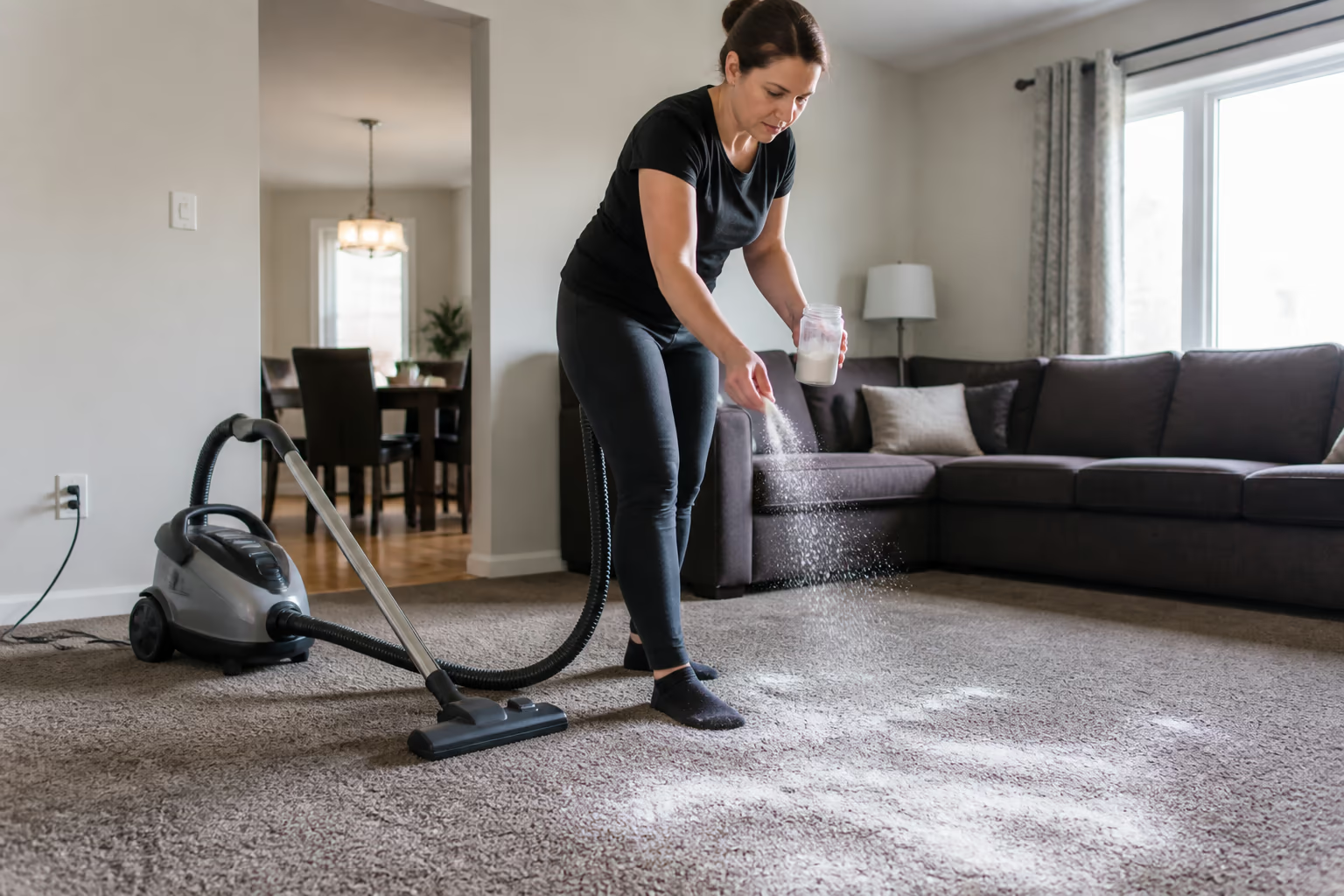
Carpet odour is worth treating at the source, because air freshener on a smelly carpet only makes the room smell like air freshener on a smelly carpet. A clean vacuum and a baking soda pass handle the everyday stuff, and a deeper carpet clean handles the rest.
Freshening Pet Areas and High-Traffic Zones
Pets and busy walkways put more into a home than most rooms can naturally handle, so they need their own freshening routine. The goal is to keep up with the sources before they set into fabric and flooring.
- Vacuum pet beds, sofa cushions and high-traffic rugs more often than the rest of the home.
- Wash pet bedding on a schedule, not just when it looks dirty.
- Clean accidents quickly and follow with an enzyme cleaner made for pet messes.
- Wipe paws at the door to keep meltwater and salt out of the main living areas.
- Air out the home after a wet or muddy day.
Enzyme cleaners matter for pet odour, because they break down the proteins a regular cleaner leaves behind. When the source is gone, so is the smell, and the room stays fresh instead of needing constant spraying.
Freshening Laundry, Linens and Stored Clothes
Musty smells love storage: a damp basement closet, a rarely used linen shelf or a suitcase left in a humid corner. Clothes and linens stored slightly damp or in low airflow come out smelling of the room they sat in.
- Wash linens and stored clothes before use if they smell of the closet.
- Let everything air out before it goes back into storage.
- Add a small container of baking soda or a sachet to closets and drawers.
- Keep storage areas ventilated and dry, not sealed tight in a humid space.
- Check seasonal clothes before you put them away so nothing is stored damp.
In Ottawa's humid summers, even a clean closet can go stale. A dehumidifier or simply cracking the door open a few hours a week keeps stored fabrics smelling like themselves.
Boosting Ventilation and Humidity Control
Many stinky rooms are not actually dirty; they are simply short on fresh air. Ventilation and humidity do more for a home's smell than any spray, and they are the least appreciated part of odour control.
- Open windows on opposite sides of the home for a few minutes to cross-ventilate.
- Run exhaust fans in the kitchen and bathroom whenever moisture is produced.
- Use a dehumidifier in basements and other damp rooms during humid months.
- Clean or replace furnace and dryer filters so airflow stays strong.
- Let the washing machine door and dishwasher door stand open after use.
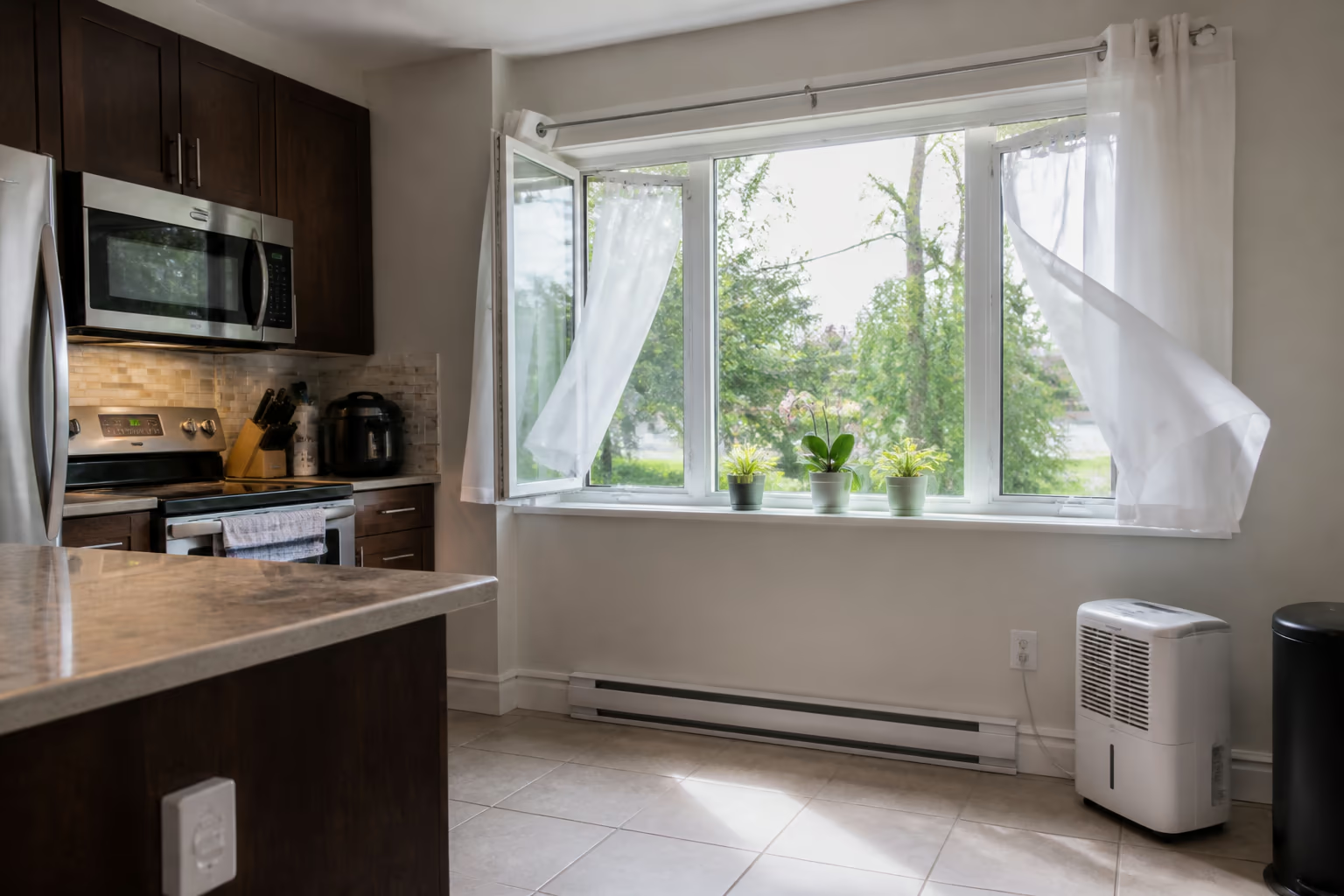
A home that moves air well has fewer musty corners, because smells and moisture are carried away before they settle. Good ventilation is the quiet partner to every cleaning routine.
Dealing With Persistent or Unknown Odours
Sometimes a smell survives a full clean, and that is the point to stop guessing and start investigating. A persistent odour usually means the source is somewhere unusual or behind a surface you cannot wipe.
- Check behind appliances, under the sink and inside vents where residue collects.
- Look for damp carpet, drywall or flooring, which can hold moisture and odour.
- Consider whether the smell is coming from outside, the vents or a neighbour's unit.
- Rule out plumbing and gas concerns, and call the right professional if you are unsure.
- Document when the smell appears, because the pattern points to the source.
If you cannot find the cause after a genuine attempt, a professional can assess the space and help you pin it down. Persistent odours are easier to treat once you know what is producing them, and an experienced eye sees what a surface clean misses.
Formatted Step-by-Step Stinky Space Freshening Checklist
Use this checklist to freshen any room in your home from top to bottom.
- Step 1.Find the source by sniffing at different times of day, and rule out moisture first.
- Step 2.Remove the cause, whether it is food, damp fabric or a clogged drain.
- Step 3.Clean the surface with a low-VOC cleaner and a microfibre cloth.
- Step 4.Use baking soda on fabrics and enclosed spaces to absorb lingering odour.
- Step 5.Ventilate the room and control humidity so the smell does not come back.
- Step 6.For whole-home odour control and a consistent deep clean, review our recurring home cleaning services in Ottawa to see how a professional team can help.
Common Freshening Mistakes
The mistakes below are why a room keeps smelling no matter how often you spray.
- Masking instead of removing is the most common one. Air freshener covers the smell briefly, but the source keeps producing it, so the room smells fresh for an hour and stale again by night. Find and remove the source first.
- Ignoring moisture is the second. Mildew makes its own odour and keeps coming back until the damp spot is dried and fixed, so a smelly bathroom or basement needs a drying plan, not more spray.
- Washing and drying too little is the third. Fabrics hold odours, so a rug, curtain or towel that never gets cleaned releases the smell for months. Wash and air fabrics on a schedule.
- Skipping the hidden spots is the fourth. Drains, drip trays, gaskets and vent filters all smell, and they are the places a surface clean never reaches. Add them to the routine.
How Good Cleaner Co. Approaches Odours in Ottawa
When our team freshens a home in Ottawa, odour control is treated as source removal, not scent masking, and it follows the same disciplined process as every other part of the clean.
- We pay attention to the seasonal stuff, like winter salt and damp entryways, that causes the most Ottawa odours.
A professional freshen is not about covering a smell with fragrance. It is about removing the sources and then keeping the air moving, so the home stays fresh long after the visit ends.
Keeping Your Home Smelling Fresh Between Deep Cleans
A few everyday habits keep a home fresh so a deep clean stays quick.
- Take out the garbage and wipe bins regularly, and keep kitchen drains flushed.
- Dry the bathroom after use and run the fan while you get ready.
- Shake out boots and mats at the door, and air out the mudroom.
- Wash towels, mats and linens on a schedule so they do not go stale.
- Open windows for a few minutes on dry days, even in winter.
These take minutes a day and address most home odours before they have a chance to build up.
When to Call a Professional
Most home odours are fixable at home, but some situations call for a professional clean, especially when the source has soaked deep into fabric or a larger reset is needed.
- A carpet, sofa or mattress carries an odour that vacuuming and baking soda cannot lift.
- You are moving, renting out a home or resetting a space after a long tenancy.
- A recurring musty smell keeps coming back even after you have cleaned and dried.
- You want the whole home deep cleaned in one consistent pass.
When you compare providers, ask what products they use, what is included and how they handle fabric and odour work. If you are comparing options for your home or a property you manage, our guide to vetting commercial cleaners is a useful starting point for the questions that matter.
Offices and other shared workplaces benefit from the same find-and-remove approach, and ongoing janitorial services keep those recurring odour sources from building up between deeper cleans.
FAQ
How do I find where a bad smell is coming from?
Work through the usual suspects: drains, bins, pet areas, damp fabrics and hidden corners. Sniff at different times of day, because some odours only appear when a room warms up, and rule out moisture first.
Does baking soda really absorb odours?
Yes, it is a gentle absorbent that works well on bins, closets, shoes and dry carpet. Sprinkle, leave it to work, then vacuum or shake it out; do not expect it to fix a deep, ongoing source.
Why does my bathroom smell musty no matter how much I clean?
The cause is almost always moisture and weak ventilation, not dirt. Run the fan, wipe down wet surfaces, wash the bath mat and curtain, and make sure the room has somewhere for damp air to go.
Can air freshener make a room smell worse?
It can. Masking a smell you have not found leaves the source producing odour, and the two scents can mix into something worse. Remove the source first and use fragrance only as a light finish.
What is the best way to freshen a smelly carpet?
Vacuum thoroughly, then sprinkle a light layer of baking soda over the dry carpet, leave it for a while and vacuum again. For odours set deep, a steam or shampoo clean handles what the vacuum cannot.
Why does my closet smell musty in summer?
Closets trap warm, humid air, and stored clothes and linens absorb the smell. Keep the closet slightly open, add a baking soda container, and make sure nothing is stored damp.
Does Good Cleaner Co. use scented products?
We use low-VOC cleaners and avoid heavy perfumes, so a room comes out clean and fresh rather than artificially scented. A sanitizer is only used where it is genuinely needed.
How do I get a smell out of a mattress?
Sprinkle baking soda over the dry mattress, leave it for a few hours, then vacuum it up, and let the mattress air out in a dry room. For deeper set-in odours, a professional clean of the mattress and bedding reaches what a sprinkle cannot.
Why does my home smell worse on humid days?
Humidity slows drying and reactivates trapped odours in fabric and carpets, so smells you thought were gone come back. Controlling indoor humidity with ventilation or a dehumidifier keeps them from resurfacing.
Wrapping Up
Freshening a stinky space is less about fragrance and more about finding the source, removing it and letting the room breathe. Hunt down the moisture or residue, clean the surface, use baking soda on fabrics and keep the air moving, and most home odours disappear for good. When a smell is set deep in fabric or a whole home needs a reset, a professional team can take the job off your hands and keep it fresh long after.
Keep reading
More from Good Cleaner
Services that fit
- House Cleaning Services in OttawaHouse cleaning services in Ottawa for one-time, weekly, biweekly, and monthly home care, with customizable cleaning and eco-friendly options.
- Janitorial Services in OttawaRecurring janitorial services for offices, warehouses, retail, dealerships and schools. Eco-friendly commercial cleaning, customized plans, free quote.
About the author
Service areas
- Ottawa
- Kanata
- Nepean
- Orléans
- Barrhaven