
DIY Cleaning Hacks to Save Time & Money: 10 Fast Household Solutions
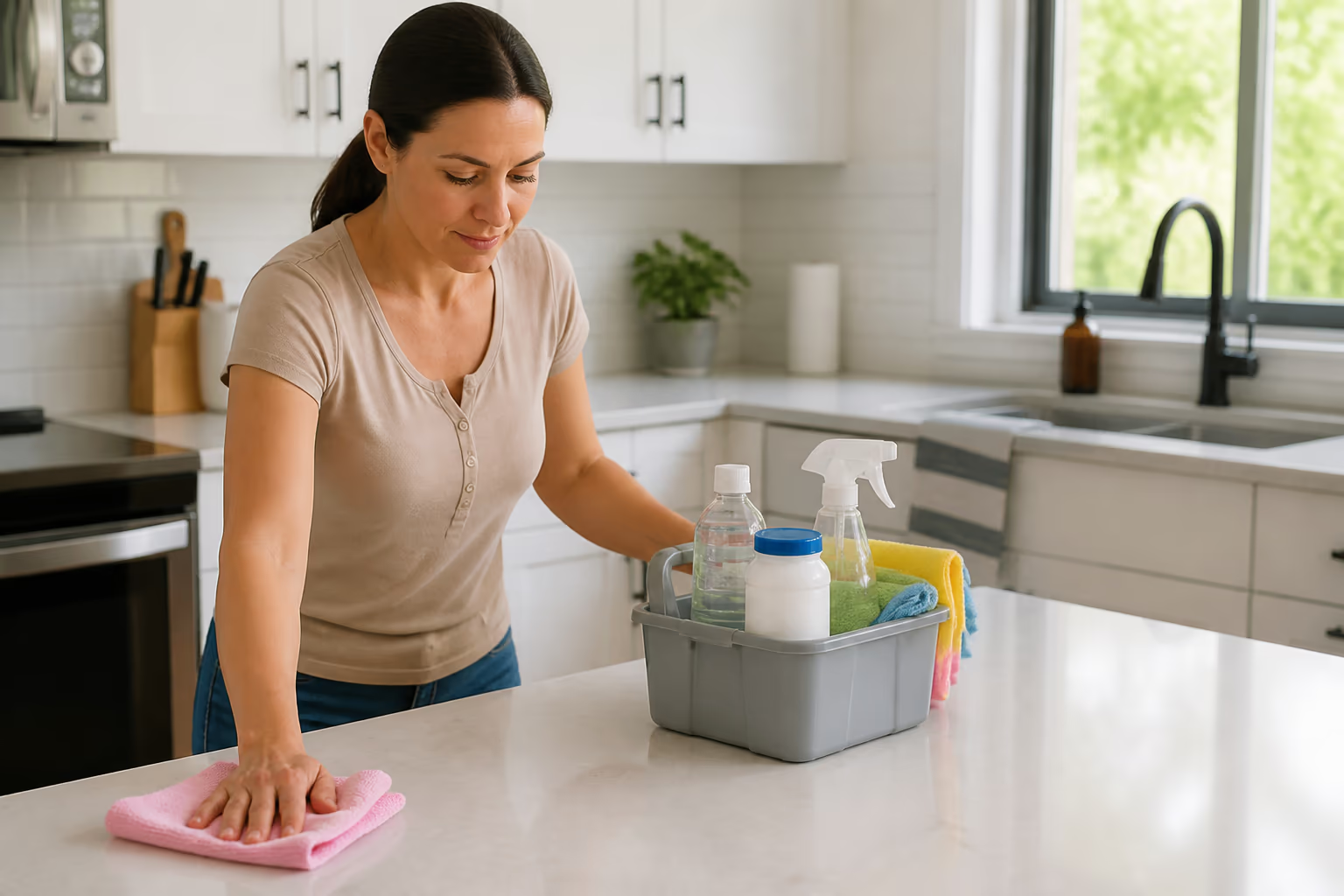
You do not need a cupboard full of specialty cleaning products to keep a tidy home. Most everyday messes respond to a short list of cheap staples, a few clever techniques, and a sensible order of work. This guide collects ten of the most useful DIY cleaning hacks for saving time and money, explains the reasoning behind each one, and helps you decide when it is smarter to call in a professional.
Quick Summary
A handful of simple DIY cleaning hacks can cut both your chore time and your spending on single-use sprays. This guide shares ten practical shortcuts using everyday staples, shows you how to build a faster weekly routine, and points out where a DIY approach is not worth the risk.
In this guide
The Economics of Efficient DIY Home Cleaning
Maintaining a clean, comfortable home in Ottawa does not require spending hundreds of dollars every month on single-purpose sprays or devoting entire weekends to scrubbing. Most families already own the ingredients for a solid cleaning routine.
The real cost of cleaning is not just the products. It is also the time you spend re-tracing your steps, waiting for products to work, and redoing spots you rushed through the first time. Better technique saves hours, and a few homemade mixes save the money you would have spent on commercial bottles.
By adopting a set of proven DIY cleaning hacks, you can dissolve grease, lift lime scale, and dust surfaces in a fraction of the time and at a fraction of the cost. The savings add up over a year, and the routine gets easier as it becomes a habit.
Think of it as building a small toolkit of repeatable moves rather than memorizing a long list of tricks. Once you know which staple works for a given mess, you reach for it automatically, and the time you used to spend deciding and re-cleaning quietly disappears.
10 High-Efficiency Time & Money Saving Hacks
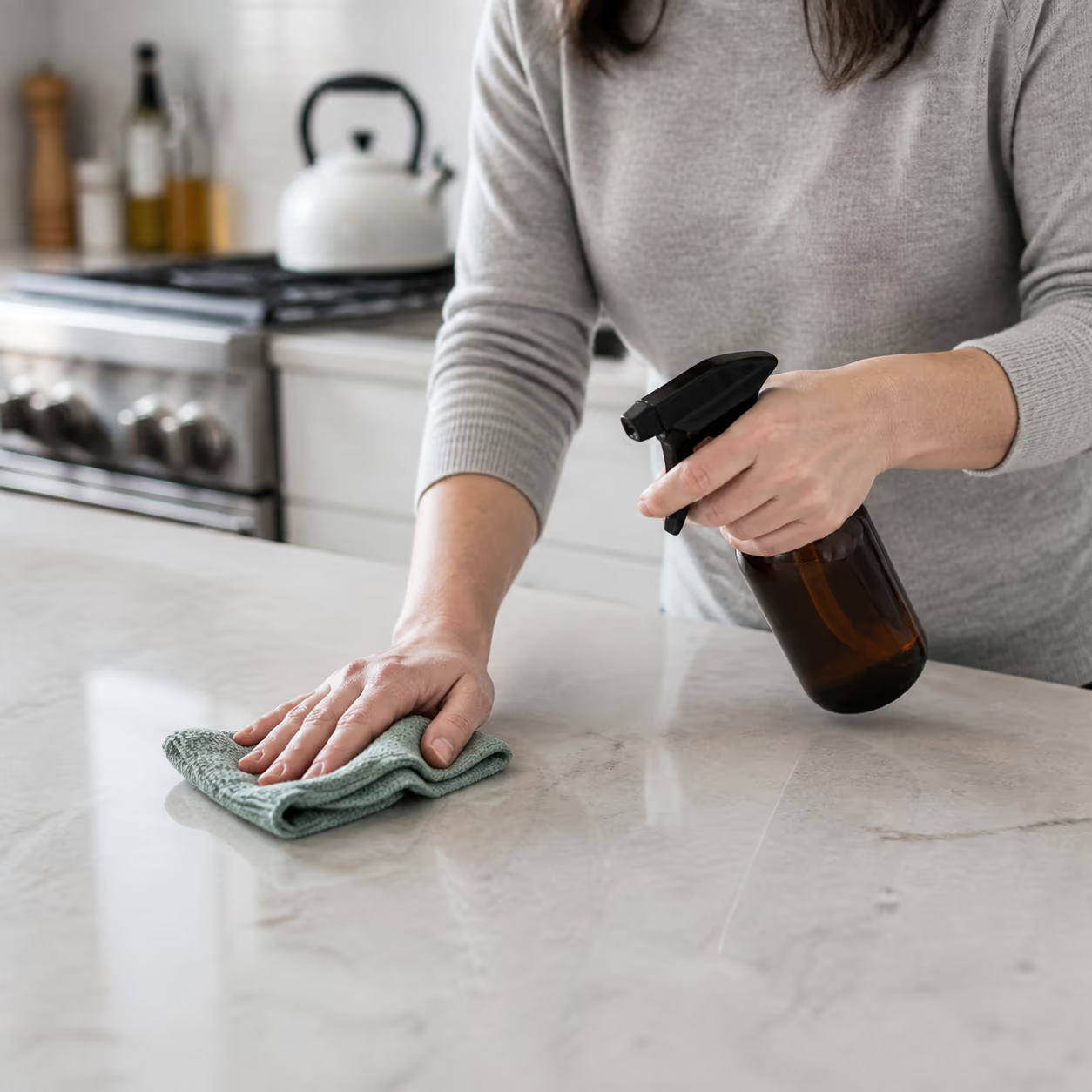
Here are ten fast cleaning shortcuts you can put to work in your household this week. Each one uses common ingredients and a few minutes of effort.
Build a Faster Weekly Cleaning Routine
The hacks above are most powerful when you combine them into a repeatable routine. Working in a sensible order means you clean each surface once instead of twice. Over a few weeks the routine becomes automatic, which is exactly when the time savings really show up. If you want a seasonal version of this approach, our DIY spring cleaning hacks for busy homeowners guide applies the same order-of-work thinking to a bigger seasonal reset.
- 01Clean top to bottom and left to right:Start with ceiling fans, shelves, and counters, then finish with floors. Falling dust lands on surfaces you have not cleaned yet.
- 02Keep supplies where you use them:Store a caddy of basics in the bathroom and another in the kitchen so you are not carrying bottles across the house.
- 03Time your toughest tasks:Save the stovetop, shower, and toilet for the same block of time and work through them quickly, then do the quicker dusting and wiping tasks.
- 04Set a simple timer:Twenty focused minutes on one room beats two distracted hours across the whole house. When the timer rings, move on or take a break.
- 05End with floors and a fresh scent:Vacuum or sweep, then mop high-traffic areas. A quick vinegar or citrus spray finish leaves the room smelling clean.
The DIY Staples Worth Keeping on Hand
You do not need to buy anything unusual to get started. A short list of versatile staples covers most of the hacks in this guide and dozens of others.
White vinegar:
The workhorse of natural cleaning, useful for descaling, deodorizing, and cutting mineral film.
Baking soda:
A gentle abrasive and natural deodorizer that lifts stains and neutralizes smells.
Lemon or citrus peels:
Natural solvents that cut grease and leave a fresh scent.
Microfibre cloths:
Reusable, lint-free, and more effective than paper towels on glass and dust.
Dish soap:
A simple surfactant that breaks down grease on counters, stovetops, and range hoods.
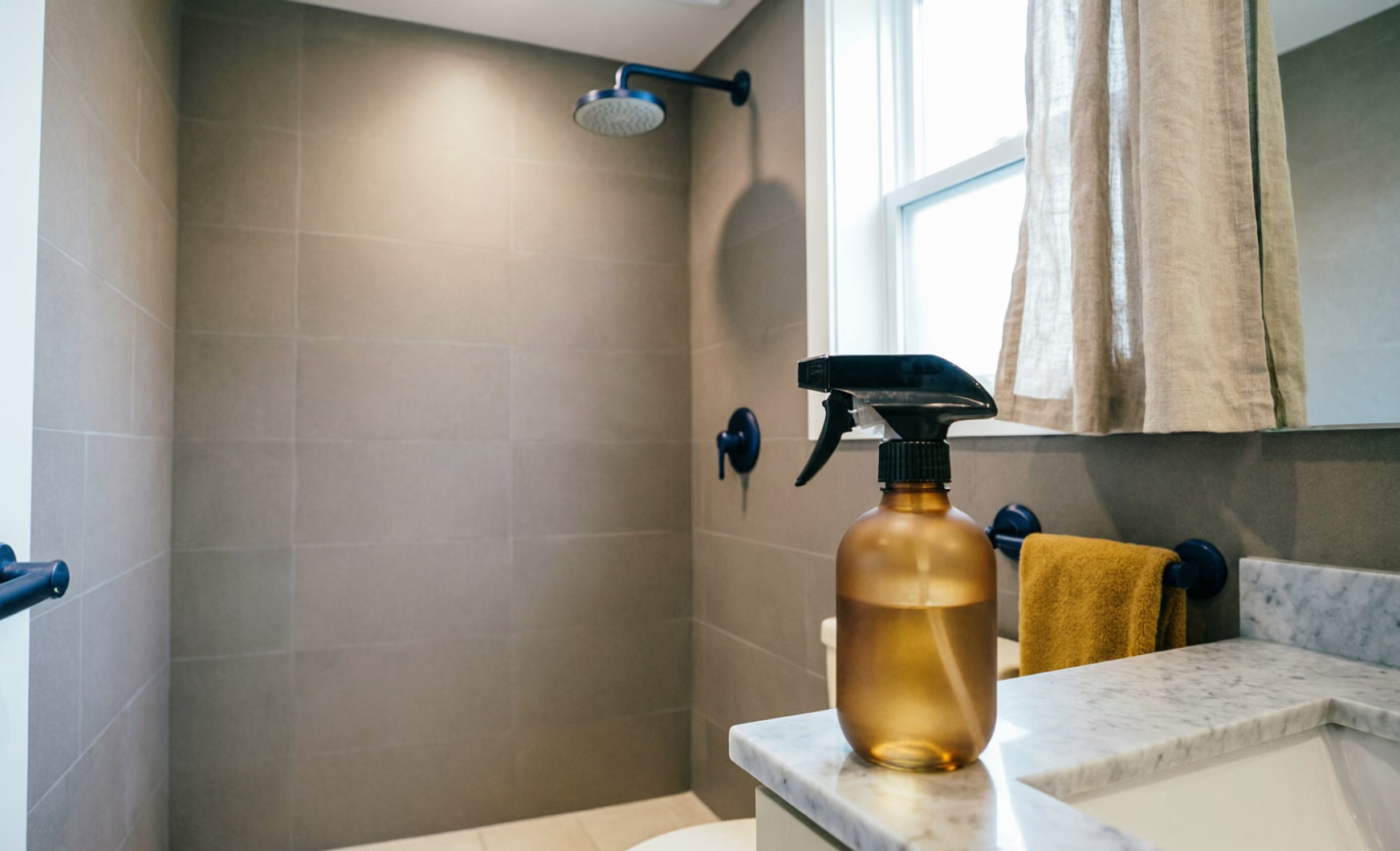
A good spray bottle:
Reusable bottles let you mix your own solutions instead of buying ready-made sprays.
Most of these staples cost a few dollars and last for months. A one-litre bottle of white vinegar, a box of baking soda, and a pack of microfibre cloths replace a surprising number of commercial cleaners, which means fewer bottles to store and less to remember about which product goes where.
When a DIY Shortcut Is Not Worth the Risk
Not every cleaning shortcut is a good idea. Some internet hacks save time but damage your home or create unsafe conditions, so it pays to know the difference before you try them on expensive surfaces.
- Never mix bleach with vinegar or ammonia: These combinations release toxic gases. Keep bleach separate from acidic and ammonia-based products entirely.
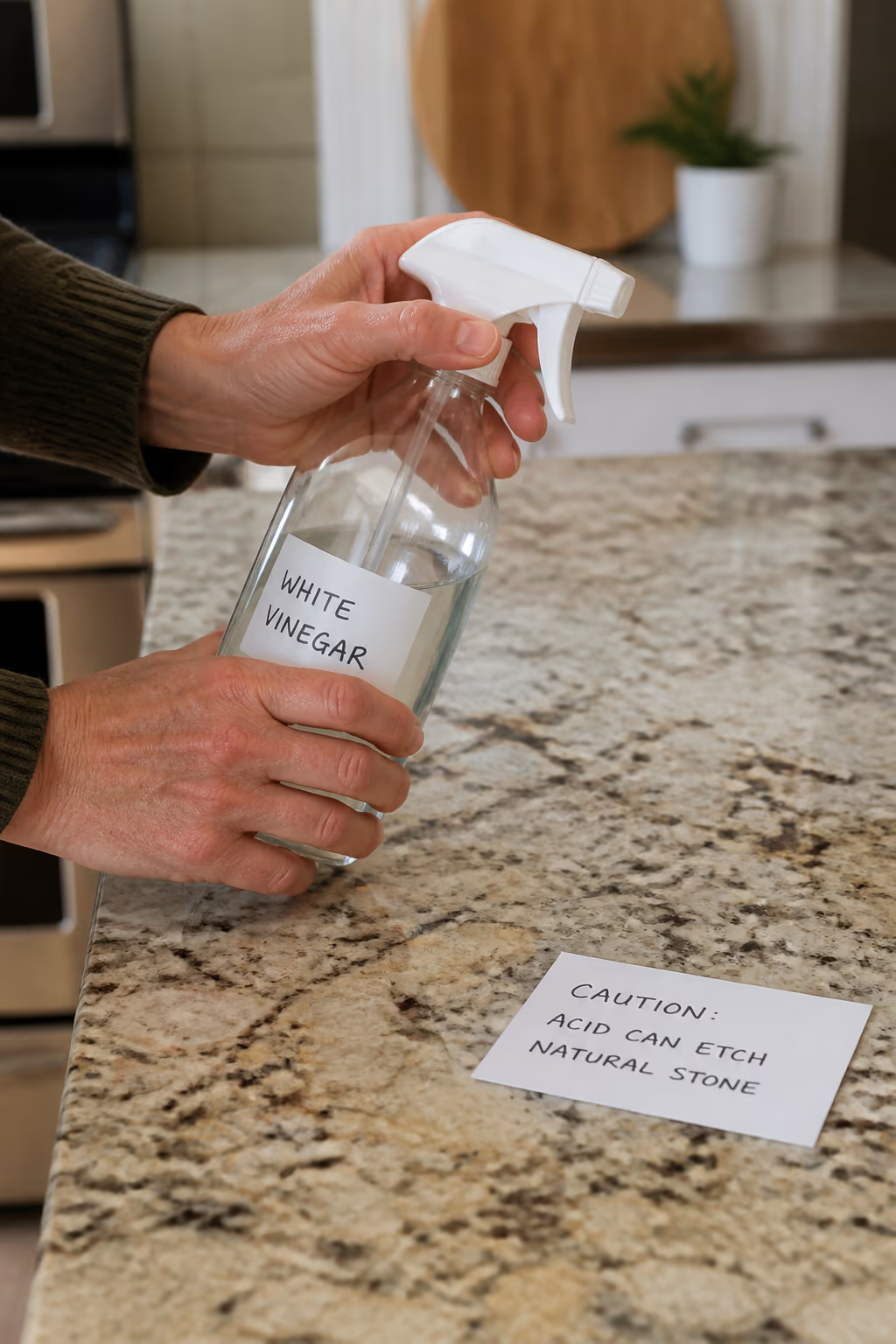
- Avoid vinegar on natural stone: Acid etches granite, marble, and limestone, leaving permanent dull marks.
- Do not flood electronics or delicate fabrics: A damp cloth is fine; a soaking spray is not.
- Skip abrasive pads on coated surfaces: Scrubbing pads scratch stainless steel, glass cooktops, and glossy finishes.
- When a deep clean is bigger than a weekend: Built-up grime, stained carpets, and high windows are where professional equipment makes a real difference. Our carpet cleaning DIY vs professional comparison breaks down when a stain is still a DIY job and when it needs machine extraction.
The best time to try a new hack is during a normal cleaning session, not the day guests arrive. A relaxed practice run lets you see which shortcuts genuinely save time in your home and which ones are better skipped, so the routine is smooth and proven before you actually need it to be fast. For a full look at what a professional visit covers, see our cleaning services overview before deciding what to keep doing yourself.
Formatted Step-by-Step Express Home Cleaning Checklist
Streamline your weekly cleaning session by executing this five-step express workflow:
- Step 1.Adopt the top-to-bottom, left-to-right single pass rule:Always clean high surfaces first so falling dust settles on uncleaned floors, avoiding double-work.
- Step 2.Steam clean microwaves with lemon water bowls:Microwave a bowl of lemon water until it boils, letting the steam soften baked-on grease inside.
- Step 3.Descale showerheads with bagged vinegar soaks:Secure a bag of white vinegar over the fixture with a rubber band and leave it overnight to dissolve calcium scale.
- Step 4.Dust ceiling fans using pillowcases to trap falling fluff:Enclose each blade in a pillowcase when pulling the dust off so it stays trapped in the fabric.
- Step 5.Deodorize garbage disposals with frozen vinegar and citrus cubes:Freeze white vinegar with lemon slices into ice cubes and run them through the disposal to freshen it.
- Step 6.Contracting professional residential home cleaning services in Ottawa through Good Cleaner Co. guarantees efficient home care when the routine needs a helping hand.
Serving Ottawa Families Who Want More Free Time
We work with busy households right across the city, from young families in Barrhaven to professionals in Hintonburg and retirees in Alta Vista. Many of our customers start with DIY hacks like the ones here, then call Good Cleaner Co. when work, kids, or travel leave no room in the week. A regular cleaning visit keeps the deep work covered so the time you do spend cleaning stays short and satisfying. Wherever you live in the capital, a routine backed by professionals keeps the home comfortable and the weekend free.
Put Diy cleaning hacks to save time and money Into a Sensible Routine
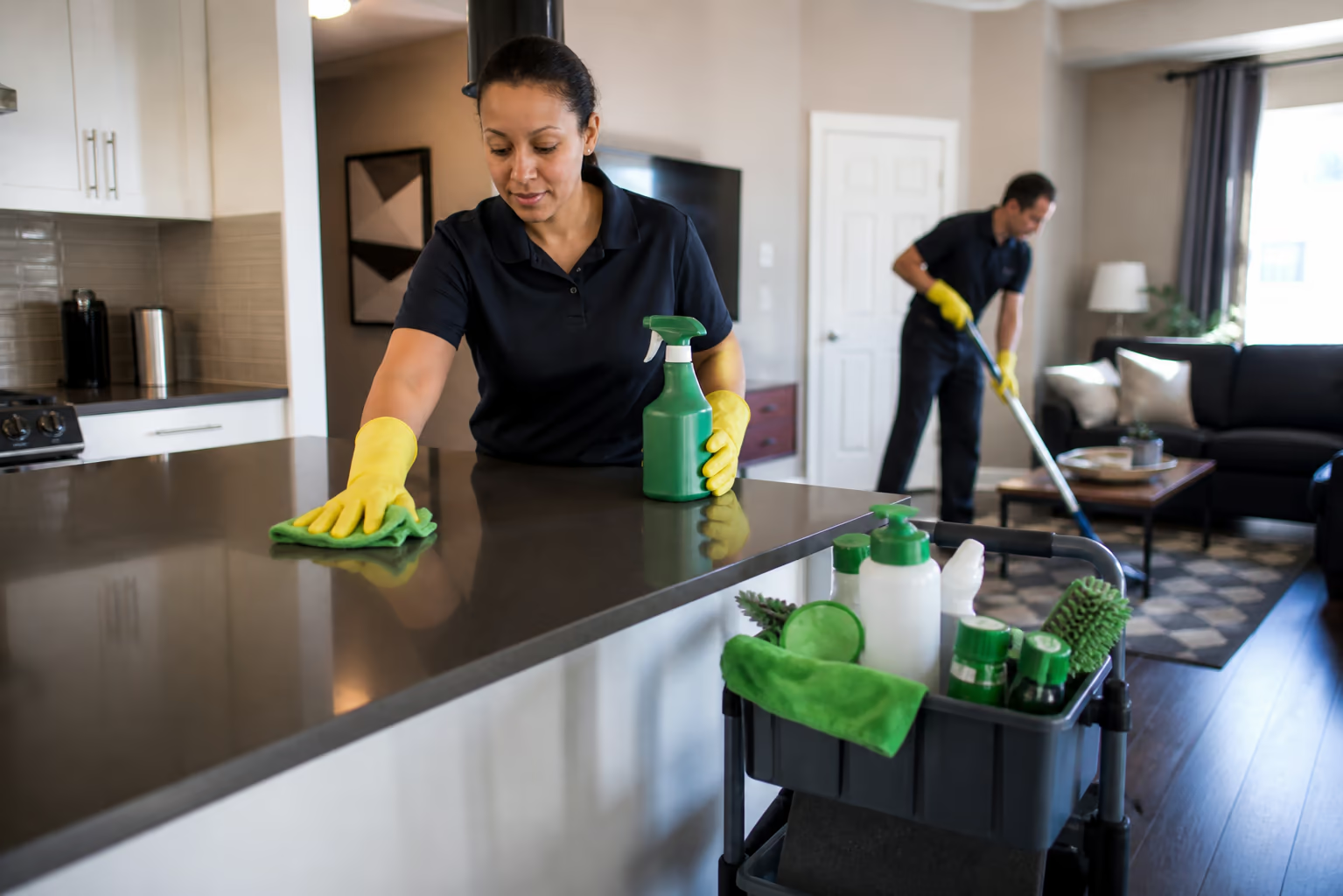
Use the method in this guide with the surfaces and ingredients you actually have. Start with a small test area, keep product labels and care instructions in view, and stop if a finish changes. A useful home-cleaning routine is specific enough to follow on a busy day and gentle enough not to create a repair job.
- Prepare only what the task needs: A labelled container, clean cloth, and protected work area reduce avoidable mix-ups.
- Match the method to the material: Glass, painted surfaces, stone, fabric, and food-contact areas need different care.
- Record a recurring issue: A stain, odour, leak, or pest problem may need maintenance rather than another cleaner.
Keep the result practical: a room that is easier to use and a method you can repeat safely.
Adjust the Method to the Conditions
Diy cleaning hacks to save time and money is not a fixed recipe for every home. Change the approach when the material, amount of residue, room ventilation, pets, children, or access changes. Work in small sections, use fresh water or cloths when they are dirty, and avoid combining products in a bottle, bucket, or drain.
Ottawa weather can change what enters a home on footwear or how quickly a room dries, but surface care still depends on the actual material and condition. Deal with moisture, damaged seals, and recurring marks as maintenance questions instead of escalating to stronger products.
Check the Result Before Adding More Product
Look at the area in normal light and decide whether the task is finished, needs another careful pass, or points to a problem cleaning cannot solve. A clear note or photograph can help when you need to explain a recurring issue to a landlord, manufacturer, repair person, or pest professional.
Pause for product-specific, electrical, plumbing, damage, pest, or health concerns. Follow the product label and responsible authority's instructions, and seek qualified help where appropriate. A DIY cleaning guide cannot replace a repair assessment or professional health advice.
A Practical Time-Saving Note
The best shortcut is usually preparation: keep the right cloth near the task, clear the surface first, and use one compatible product as directed. Avoid a dramatic hack if it adds rinsing, testing, or repair work later. A short list of repeatable jobs—bin, sink, counter, floor edge, and fabric care—often saves more time than a cupboard full of clever mixtures.
FAQ
What is the single most effective rule for speeding up house cleaning?
Clean top to bottom and left to right so dust falls onto surfaces you have not cleaned yet. It removes the need to re-wipe or re-vacuum and makes the whole session shorter.
How does white vinegar remove hard water mineral deposits so fast?
White vinegar contains acetic acid, which reacts with the alkaline calcium and magnesium scale left by hard water and dissolves it into liquid. That is why a bagged soak works so well on showerheads and faucets.
Can damp microfibre cloths really clean glass without window spray?
Yes. Split microfibre cloths lift grease and dirt with plain water and dry with very few streaks, which is why professional cleaners favour them over paper towels.
Which DIY cleaning hacks save the most money?
The biggest savers are the ones that replace a product you would otherwise buy, such as vinegar for descaler, baking soda for deodorizer, and microfibre cloths for paper towels. Together they cover a large share of everyday cleaning.
Are DIY cleaning hacks as effective as commercial products?
For everyday dust, grease, and hard water, often yes, when you match the technique to the job. For disinfection and for deeply stained surfaces, a registered disinfectant or professional equipment is the safer choice.
How often should I refresh my homemade cleaning supplies?
Small batches of vinegar and baking soda mixes last for months if stored properly. Smell and inspect them before use, and make a fresh batch if anything looks or smells off.
What should I never mix with bleach?
Never mix bleach with vinegar, ammonia, or any acidic product. The combination releases toxic gas. Keep bleach separate from other cleaners and use it only on its own.
Can I use these hacks in a rental unit without causing damage?
Yes, as long as you avoid acid on natural stone, flooding wood floors, and harsh scrubbing on coated surfaces. When in doubt, test a small hidden area first.
Why does my home feel dustier after cleaning sometimes?
If you clean bottom to top, you sweep dust up into the air you have already polished. Switching to a top-down order and finishing with floors makes a noticeable difference.
Is it worth hiring a professional for a one-time deep clean?
If you are moving, preparing for guests, or dealing with built-up grime, a one-time deep clean saves hours and reaches spots that are hard to do by hand. It pairs well with a DIY routine you keep up between visits.
Wrapping Up
Adopting smart DIY cleaning hacks saves money, cuts chore time, and keeps your home looking its best. Start with one or two of the shortcuts here, build them into a routine, and see how much time they free up over the month. Contact Good Cleaner Co. today to book professional home cleaning in Ottawa for the jobs a DIY routine cannot cover.
Choose Fewer Steps, Not Stronger Products
The time-saving part of a cleaning hack is usually the order of work: clear clutter, work from high surfaces down, and let one compatible product sit as directed while you do another task. Skip a shortcut if it asks you to mix cleaners, flood a surface, or scrape a finish. A modest routine that protects the materials in your home costs less than repairing damage from a rushed experiment.
Using less product has an air-quality dividend as well as a financial one. Health Canada's indoor VOC guidance lists cleaning products among the household sources of volatile organic compounds and recommends increasing ventilation to reduce exposure indoors. Health Canada also keeps the risk in proportion: “For most VOCs, levels found in indoor air in Canadian homes do not usually pose a significant health risk.”
Keep reading
More from Good Cleaner
About the author
Service areas
- Ottawa
- Barrhaven
- Hintonburg
- Alta Vista
- Kanata