
DIY Citrus All-Purpose Cleaner: Vinegar & Peel Degreaser Recipe
You do not need a shelf full of single-purpose sprays to keep a kitchen clean. A jar of white vinegar, a few saved citrus peels, and a couple of weeks of patience give you a versatile all-purpose cleaner that cuts kitchen grease, lifts soap scum, and freshens surfaces without the heavy chemical smell of many commercial products. We will walk through the method, the surfaces that love this cleaner, and the ones you should never use it on.
Quick Summary
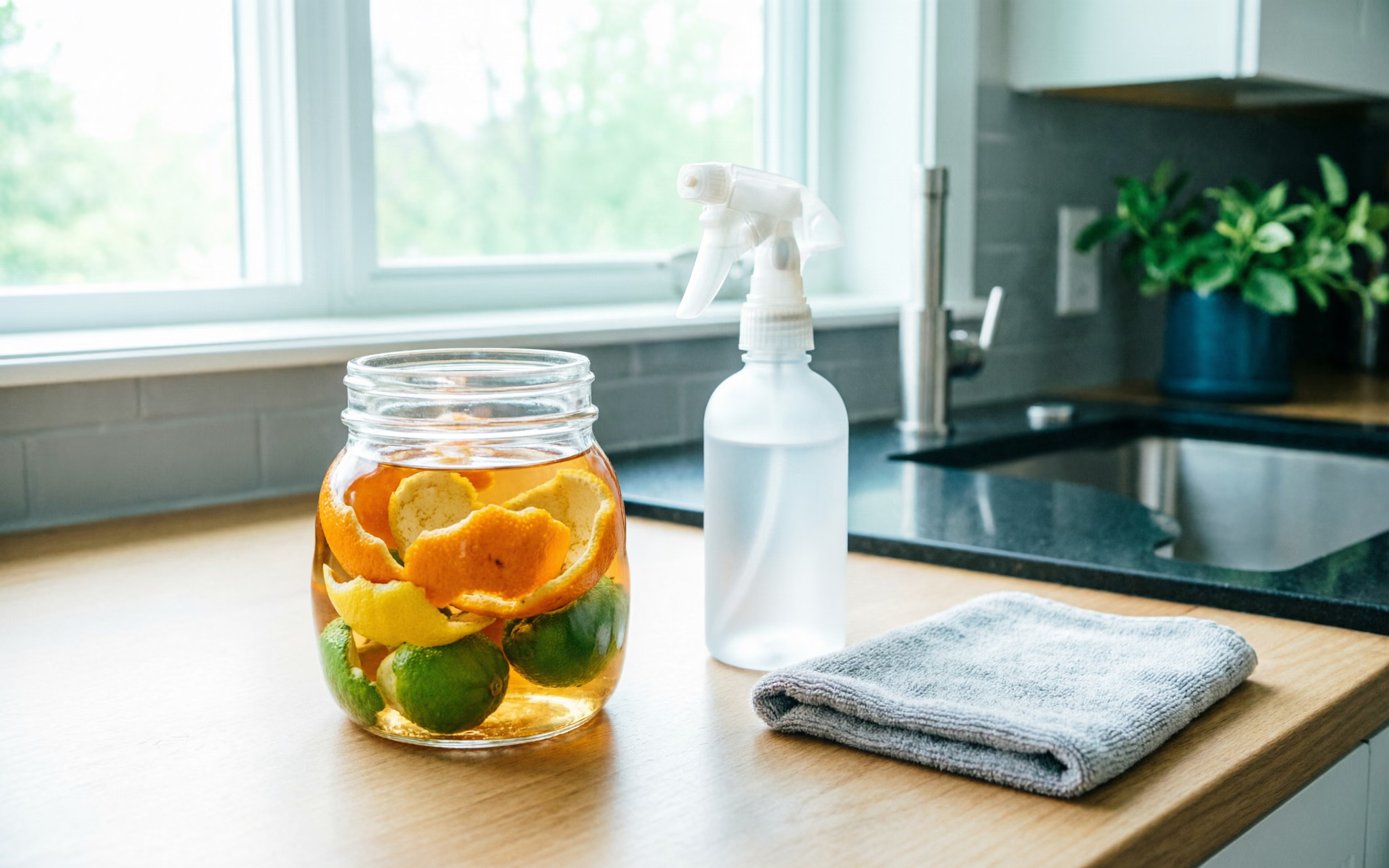
Making your own citrus all-purpose cleaner from vinegar and leftover peels gives you a natural degreaser that is cheap, simple, and gentle on your home and your hands. This guide walks through the infusion recipe, the surfaces it is safe to use on, and how to fit it into a regular cleaning routine.
In this guide
The Degreasing Power of Natural Citrus Terpenes
Commercial all-purpose cleaners often rely on synthetic glycol ethers, harsh surfactants, and artificial scents that can irritate skin and hang around in indoor air. Citrus peels give you a gentler starting point that still handles everyday grease.
Those same terpenes are worth understanding as vapour, not just as solvent. Health Canada's indoor VOC guidance recommends increasing ventilation to reduce exposure to volatile organic compounds indoors, so opening a window while you clean with citrus is a sensible habit. Health Canada defines them this way: “Volatile organic compounds (VOCs) form a large group of chemicals commonly found in both indoor and outdoor air.”
Oranges, lemons, limes, and grapefruits naturally contain d-limonene, a bio-based solvent terpene that dissolves sticky grease, cooking oil, and wax without petroleum solvents. It is the same compound that gives citrus peel its bright, clean smell, and it is one of the reasons citrus-based cleaners have been popular in natural home care for a long time.
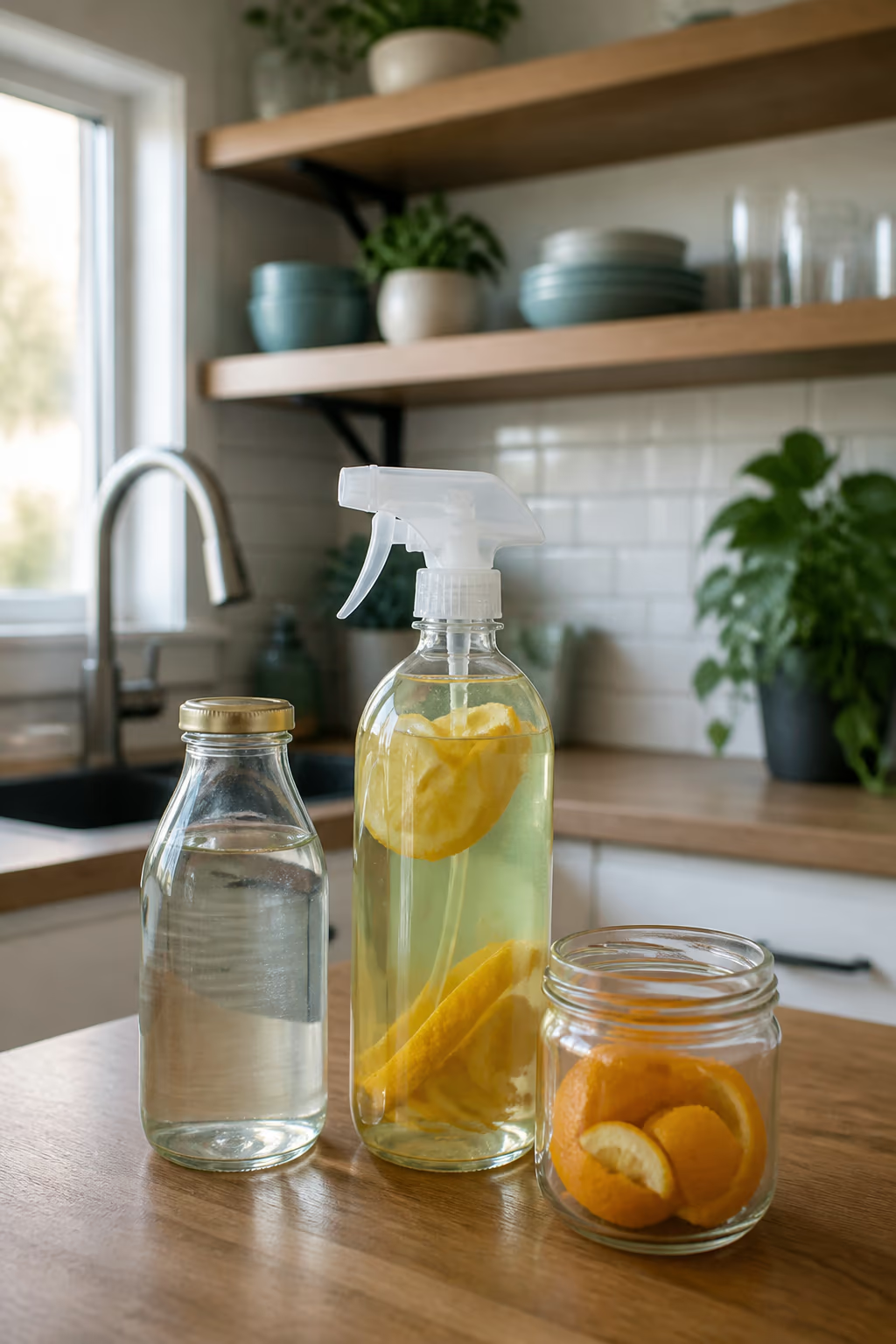
When you infuse those peels into white distilled vinegar, the mild acid works on mineral film and soap scum while the citrus oils go after grease. Together they make a fresh-smelling, effective household cleaner that costs very little to produce and leaves a lighter footprint in your home.
Step-by-Step Citrus Peel Infusion Recipe
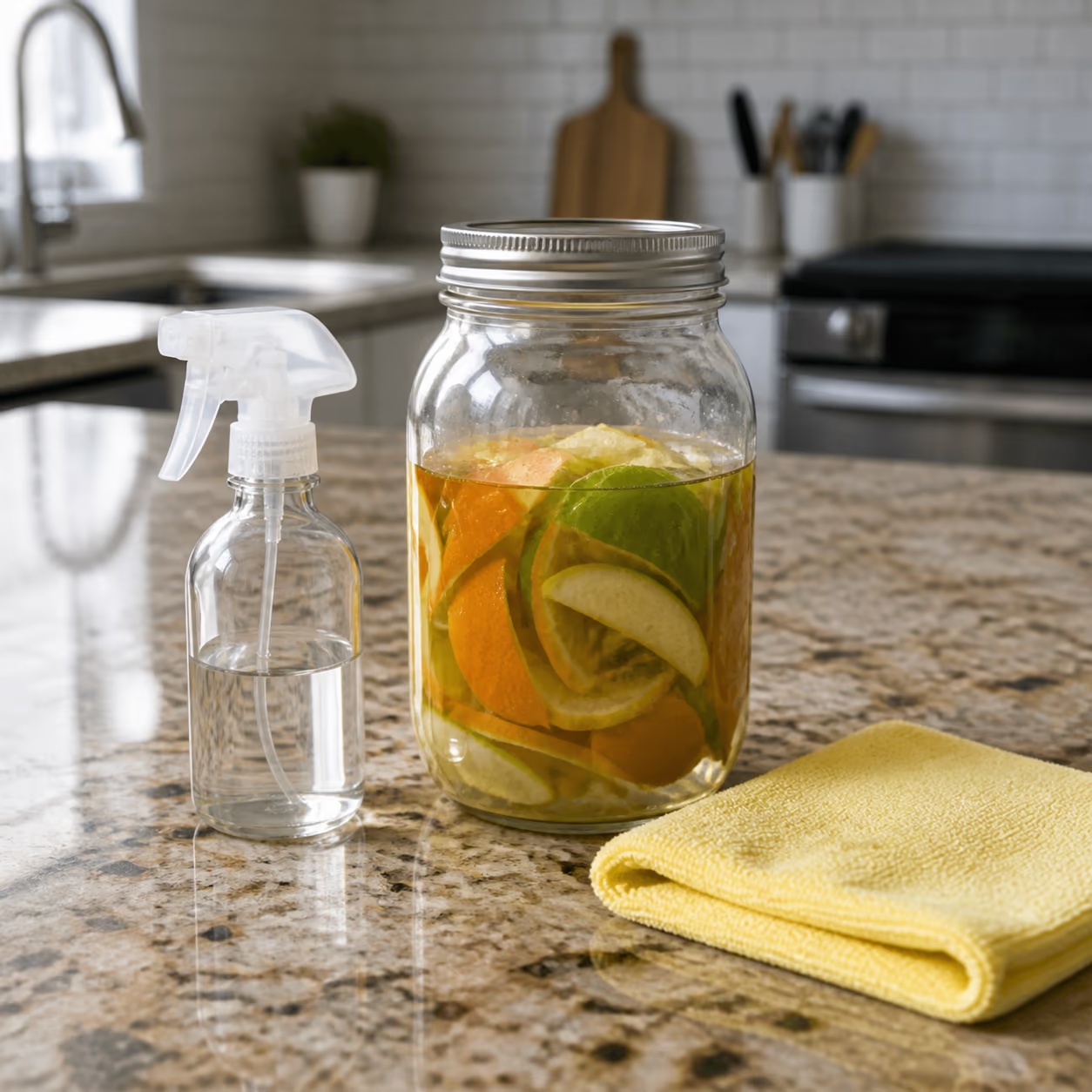
You will need a glass jar with a lid, a fine strainer, a spray bottle, and about three weeks of patience. Save peels as you eat fruit and keep them in the fridge until you have enough to fill a jar.
Which Surfaces Can (and Cannot) Use Citrus Vinegar Cleaner
Citrus vinegar cleaner is a wonderful everyday surface cleaner, but it is still an acid, and acid does not suit every material. Knowing the difference protects your counters, floors, and fixtures.
Why Vinegar and Citrus Work So Well Together
Vinegar and citrus are a classic cleaning pair because they tackle two different kinds of grime. Vinegar is a mild acid, which makes it effective at dissolving mineral film, soap scum, and hard water residue. Citrus oils, on the other hand, are solvents, which means they break down the greasy, oily soiling that water alone cannot move.
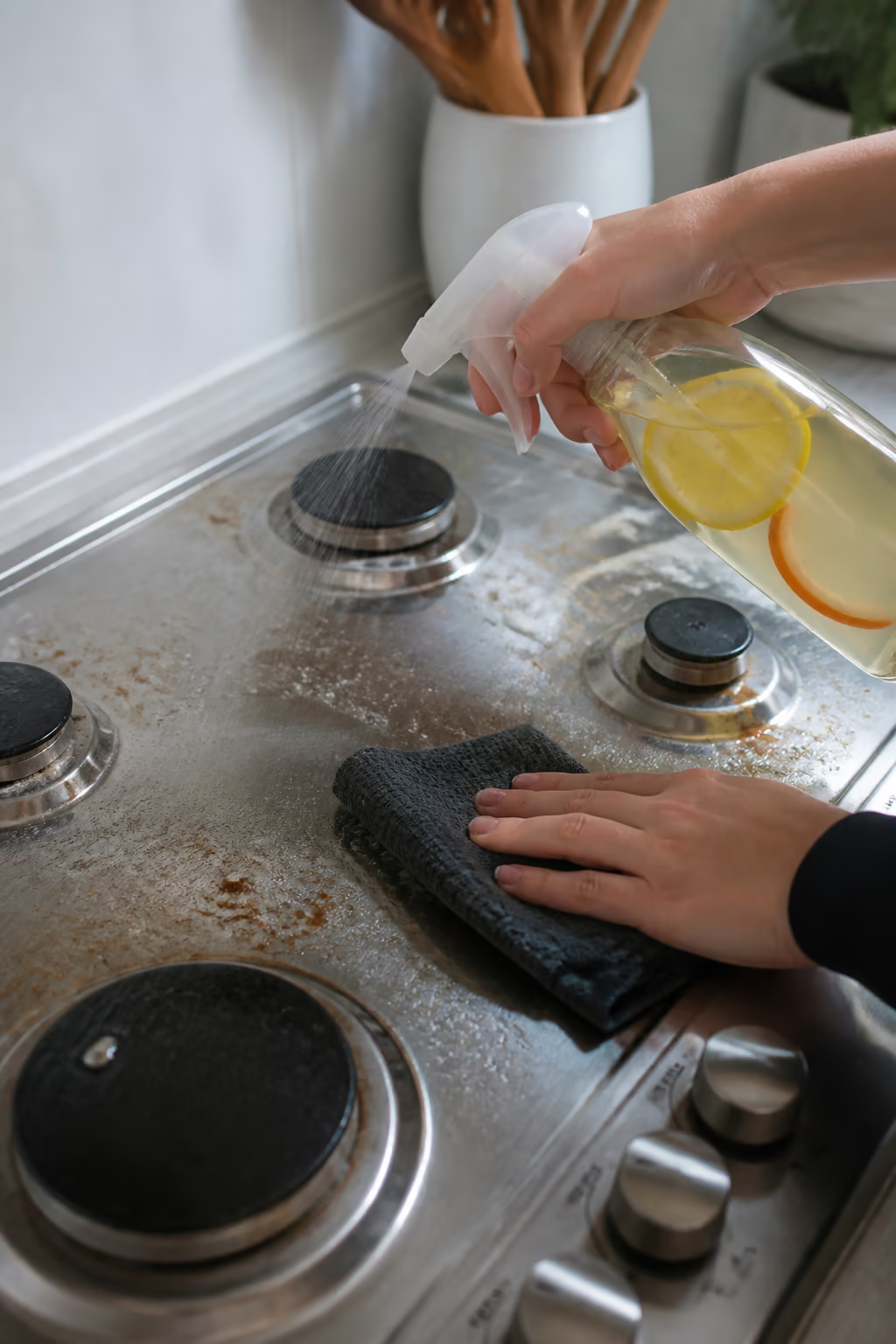
Think about a stovetop after a week of cooking. A water-based cleaner beads up on the grease and leaves it in place. A citrus solvent cuts through the oil so a cloth can lift it away, while the vinegar handles the cloudy film that builds up around the burners. Together they cover a much wider range of messes than either ingredient on its own.
There is a bonus too. Citrus peels that would otherwise go into the compost or the bin get a second life as a cleaning product. That small habit reduces waste, saves money on commercial sprays, and keeps a pleasant, natural lemon-orange scent in your kitchen instead of a synthetic perfume. For many Ottawa households, it is also the first step toward a simpler cleaning cupboard with fewer bottles and fewer decisions.
Everyday Ways to Use Your Citrus Cleaner
Once your spray bottle is full, you will find yourself reaching for it all over the house. The cleaner is mild enough for daily use on most sealed surfaces and strong enough to take the edge off cooked-on grease. A light touch is all most jobs need.
How to Store and Maintain Your Homemade Cleaner
Because vinegar acts as a natural preservative, your citrus cleaner keeps well for several months. Store it in a glass bottle, ideally dark glass, and keep it away from direct sunlight.
Shake the bottle before each use, because the citrus oils can separate from the vinegar as it sits. Label the bottle clearly so nobody mistakes it for drinking water or a different product. If you see any mould or an off smell, make a fresh batch rather than trying to save the old one.
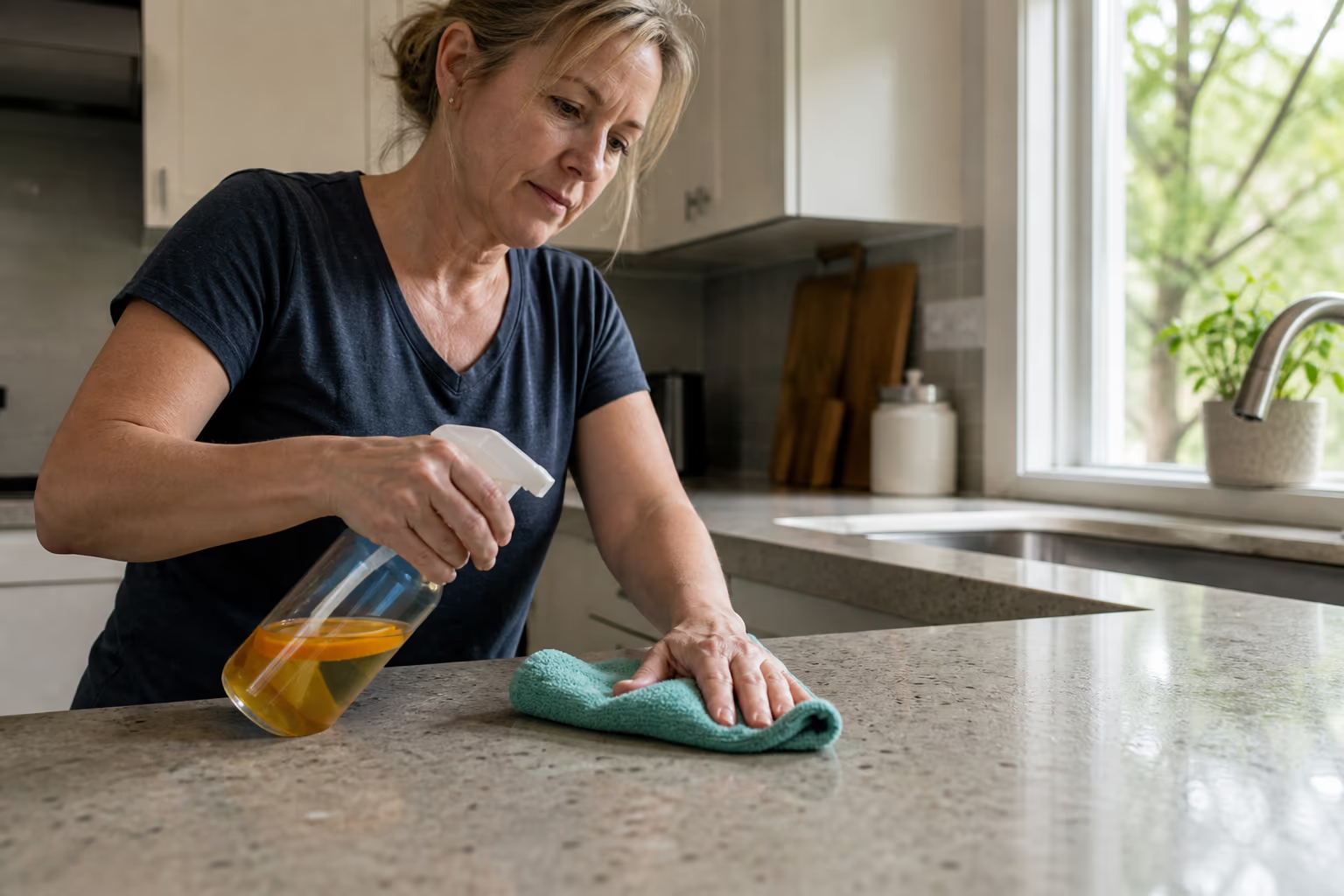
For the strongest degreasing, use the cleaner on warm or recently wiped surfaces and give the citrus oil a few seconds to work before you wipe it away. A microfibre cloth finishes the job with fewer streaks than a sponge, and it rinses out for the next use instead of going in the bin.
One note for households with small children or pets: vinegar-based cleaners are mild, but they are still not a drink. Keep your labelled spray bottle up high or in a cabinet, just as you would with any cleaning product, and never transfer it into an unmarked food container.
A good habit is to keep the finished bottle somewhere visible, like under the kitchen sink or on the counter caddy, so you actually use it. A cleaner that is easy to reach gets used, while one that is buried in the back of a cupboard gets forgotten and eventually goes to waste.
Formatted Step-by-Step Citrus Cleaner Preparation Checklist
Work through this checklist when you make and use your natural citrus cleaner:
Serving Ottawa Homes with Natural Cleaning
We hear from homeowners right across the city who would rather reach for a homemade spray than a chemical one. Whether your kitchen is in a townhouse in Barrhaven, a century home in Old Ottawa South, a condo in Kanata, or an apartment downtown, the same natural cleaning principles apply. Good Cleaner Co. brings the same care for non-toxic products to every neighbourhood we serve.
Put Diy citrus all purpose cleaner Into a Sensible Routine
Use the method in this guide with the surfaces and ingredients you actually have. Start with a small test area, keep product labels and care instructions in view, and stop if a finish changes. A useful home-cleaning routine is specific enough to follow on a busy day and gentle enough not to create a repair job.
Keep the result practical: a room that is easier to use and a method you can repeat safely.
Adjust the Method to the Conditions
Diy citrus all purpose cleaner is not a fixed recipe for every home. Change the approach when the material, amount of residue, room ventilation, pets, children, or access changes. Work in small sections, use fresh water or cloths when they are dirty, and avoid combining products in a bottle, bucket, or drain.
Ottawa weather can change what enters a home on footwear or how quickly a room dries, but surface care still depends on the actual material and condition. Deal with moisture, damaged seals, and recurring marks as maintenance questions instead of escalating to stronger products.
Check the Result Before Adding More Product
Look at the area in normal light and decide whether the task is finished, needs another careful pass, or points to a problem cleaning cannot solve. A clear note or photograph can help when you need to explain a recurring issue to a landlord, manufacturer, repair person, or pest professional.
Pause for product-specific, electrical, plumbing, damage, pest, or health concerns. Follow the product label and responsible authority's instructions, and seek qualified help where appropriate. A DIY cleaning guide cannot replace a repair assessment or professional health advice.
A Practical Citrus-Cleaner Note
Use a labelled container, make a small amount, and test the cleaner on an inconspicuous area before using it widely. Citrus ingredients and acidic mixtures are not suitable for every finish. Keep the mixture away from eyes, food, children, and pets, and do not combine it with another cleaning product. When a surface has manufacturer care instructions, those instructions take priority.
FAQ
Can I use DIY citrus vinegar cleaner on granite or marble countertops?
No. Vinegar is acidic and will etch natural stone such as granite, marble, and limestone, leaving dull marks that cannot be buffed away. Use a pH-neutral cleaner formulated for natural stone instead.
How long does homemade citrus cleaner stay fresh?
Stored in a cool, dark glass bottle, citrus vinegar cleaner typically keeps for several months because vinegar acts as a natural preservative. If you notice mould or an off odour, make a fresh batch.
Does citrus-infused vinegar replace a disinfectant?
No. Citrus vinegar can help remove grime, but it is not a Health Canada-registered disinfectant. For surfaces that need disinfection, use a product with a valid DIN and follow the label directions.
Why does citrus cleaner cut grease so well?
Citrus peels contain d-limonene, a natural solvent that breaks down cooking oils and sticky residue. The vinegar in the mix adds mild acidity that helps lift mineral film and soap scum.
Is homemade citrus cleaner safe for sealed hardwood floors?
Sealed hardwood is generally safe with a damp, well-wrung cloth, but you should never flood the floor with any vinegar-based product. Spot test a hidden corner and use it sparingly.
Can I use citrus cleaner on painted walls?
Usually yes, in small amounts. Dampen a cloth with the diluted cleaner, wring it well, and wipe gently. Test an inconspicuous spot first, because some paints are more delicate than others.
Do I need to rinse after using citrus cleaner on counters?
On most sealed surfaces a quick wipe is enough. On surfaces that touch food, give them a rinse with plain water or a damp cloth before you use them again.
What is the best vinegar strength for the infusion?
Regular 5% white distilled vinegar works well and is easy to find. Stronger cleaning vinegar can be used, but it has a sharper smell and should be diluted more before use.
Why does my spray bottle build up a thin film over time?
The citrus oils can separate and leave a light residue as the cleaner sits. Shake the bottle before each use, and wipe surfaces with a microfibre cloth to keep the finish clean and streak-free.
Can the same cleaner work in the bathroom?
Yes. The vinegar helps break down soap scum and hard water film on vanities, sinks, and shower glass. Keep it away from natural stone and unsealed grout.
Use a Citrus Cleaner for the Jobs It Suits
A citrus mixture can be useful for light grease and routine wipe-downs, but it is not a disinfectant simply because it smells fresh. Keep it away from natural stone, unfinished wood, and any surface whose manufacturer warns against acidic cleaners. Make small batches, label the bottle with the ingredients and date, and do not reuse a food container for cleaning products.
Wrapping Up
A simple jar of vinegar and a handful of saved citrus peels can replace a cabinet full of single-purpose sprays. Formulating DIY citrus all-purpose cleaner is a satisfying, low-cost way to keep your home fresh and reduce the chemical load in your routine. For more everyday cleaning questions, our cleaning services FAQ covers scheduling, products, and what to expect from a professional visit. Contact Good Cleaner Co. today to book eco-friendly home cleaning in Ottawa.
Keep reading
More from Good Cleaner
About the author
Service areas
- Ottawa
- Kanata
- Nepean
- Orleans
- Barrhaven