
How to Clean an Oven Properly Like a Pro Using Easy-Off: Safety Guide
This is a practical safety guide, not a sales pitch. Baked-on grease is a normal part of cooking, but the carbon crust that forms after months of roasts and spills can smoke, smell, and even create a fire risk. The good news is that a fume-free oven cleaner, a little patience, and the right technique remove it without harsh scrubbing. We walk through the chemistry, the safety setup, the step-by-step process, and the honest limits of do-it-yourself oven cleaning so you can decide whether to tackle it yourself or call in a professional. If you follow the steps here, you will save money, avoid harsh fumes, and get an oven that looks and cooks like new.
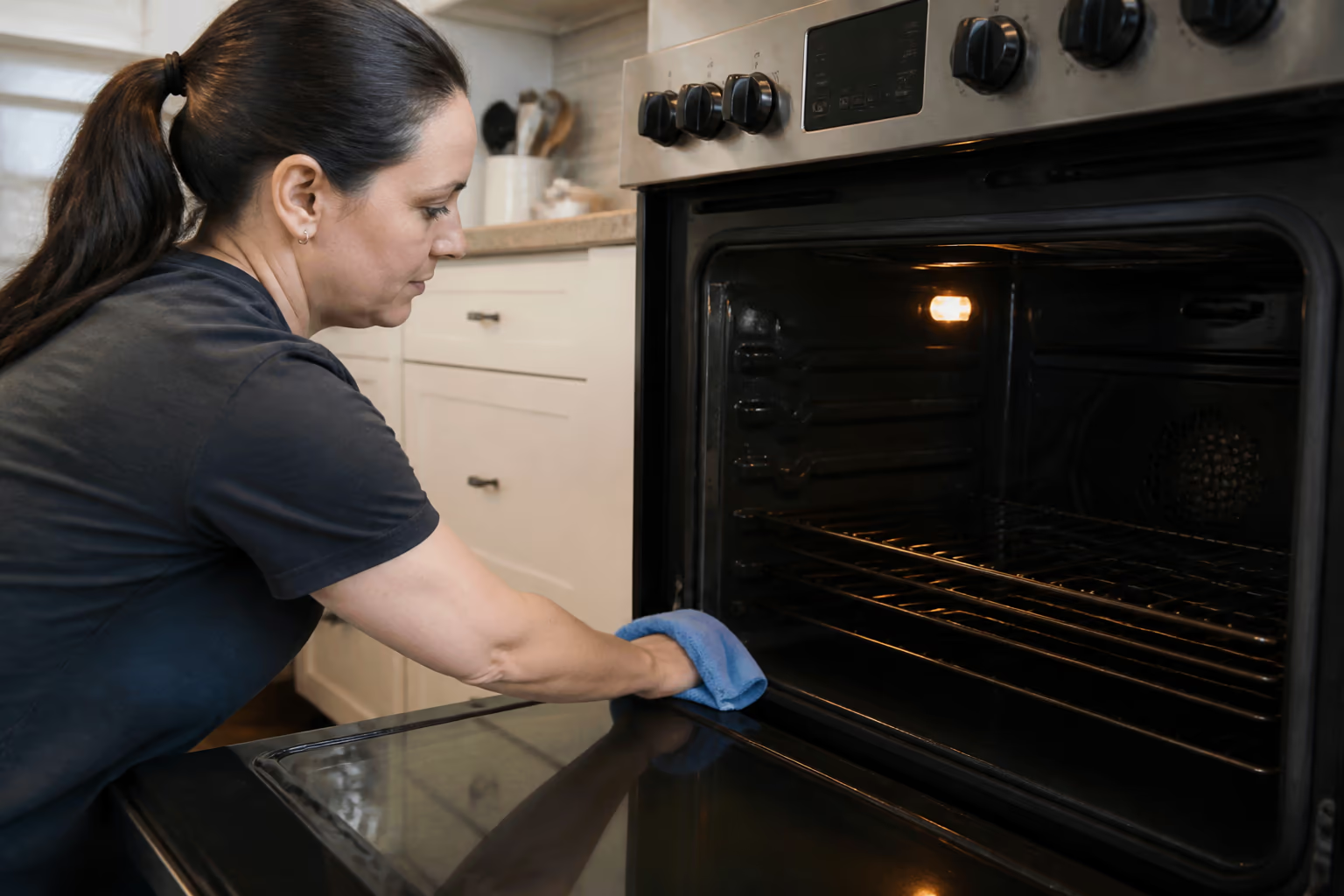
Quick Summary
If baked-on carbon grease is smoking every time you turn on your oven, you do not have to live with it. This guide explains how to clean an oven properly like a pro using Easy-Off fume-free cleaner, what safety gear to wear, how long to let the foam work, and how to protect heating elements, glass doors, and kitchen floors. We cover homes across the Ottawa area, and we explain when it makes sense to hand the job to a professional. Good Cleaner Co. provides trusted residential home cleaning services in Ottawa that include deep oven restoration.
In this guide
The Chemical Mechanism of Baked-On Carbon Grease Removal
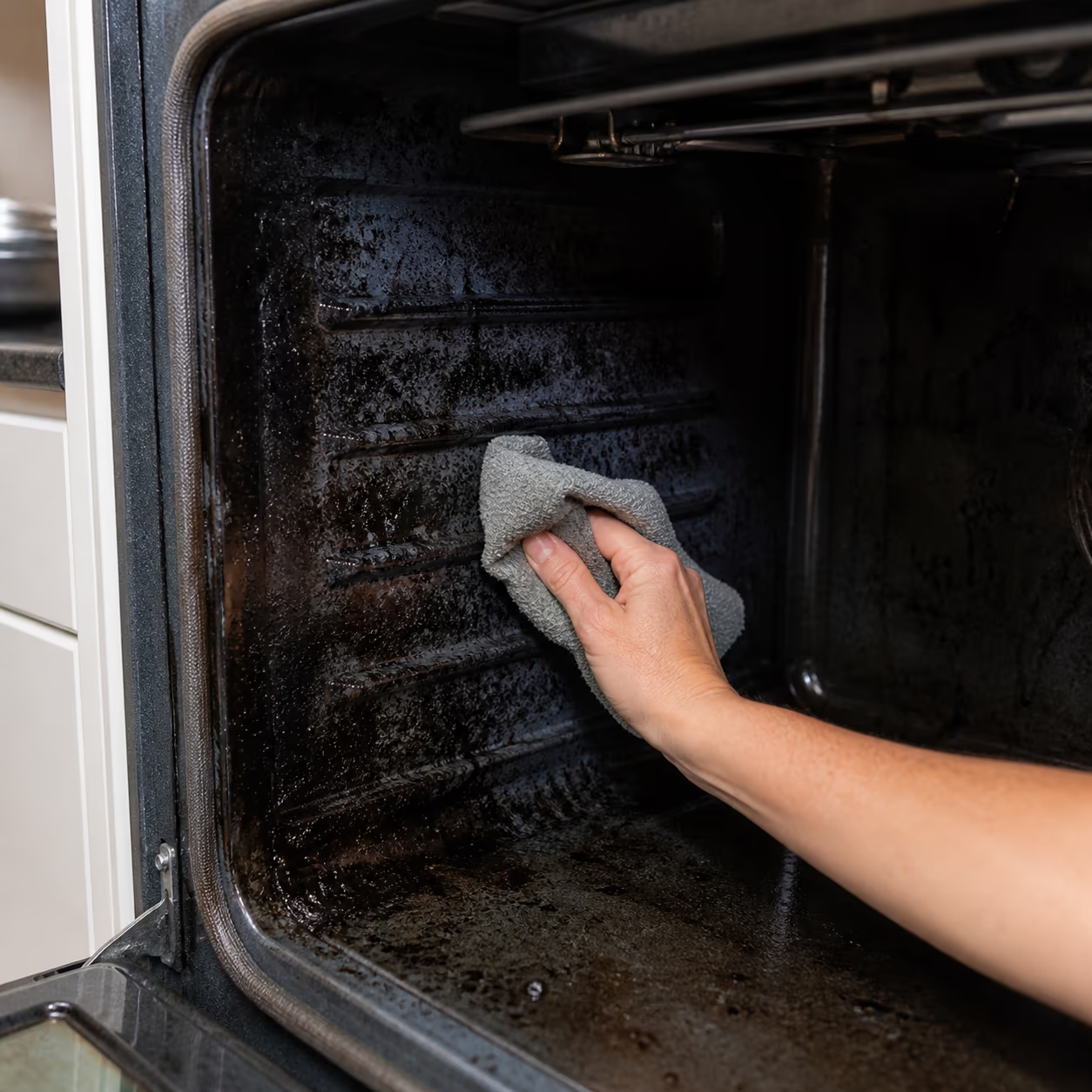
Every time you roast, bake, or broil, tiny splatters of oil, sugar, and meat fat land on the inside walls of your oven. Over hundreds of cooking cycles, those splatters bake into a hard, black carbon crust that simple wiping cannot touch. That crust is the reason your oven smokes and the reason food sometimes picks up a bitter, burnt taste.
That crust is not just ugly. When the oven heats up, carbonized grease releases smoke that smells burnt, can irritate eyes and lungs, and adds a bitter taste to food. In the worst cases, heavy grease buildup near a heating element can catch fire, which is why oven cleaning is a safety task, not just a cosmetic one.
Fume-free oven cleaners work by using alkaline chemistry to break the long molecular chains in baked-on grease. When the active ingredients soak into the crust, the grease softens and re-emulsifies, which means it can be wiped away with a damp cloth instead of scraped with steel wool. That is a real advantage over abrasive scrubbing, which can scratch enamel and dull the finish.
The key word is patience. The chemistry needs time to work. Spraying on a cleaner and immediately scrubbing defeats the purpose, because the carbon layer has not had a chance to break down yet. Most fume-free formulas need at least a couple of hours, and heavy buildup can need an overnight dwell.
For very heavy buildup, a second application is normal. Professionals rarely rely on one pass for an oven that has not been cleaned in a year or more, and there is no shame in admitting a stubborn oven needs more than a single treatment.
The science is simple: heat polymerizes grease. The same reaction that turns raw oil into a protective seasoning on cast iron creates a stubborn crust on oven walls. That is why the crust is so hard to remove with soap and water alone, and why the alkaline chemistry in a dedicated oven cleaner is the right tool for the job.
Safety Equipment & Pre-Cleaning Kitchen Setup
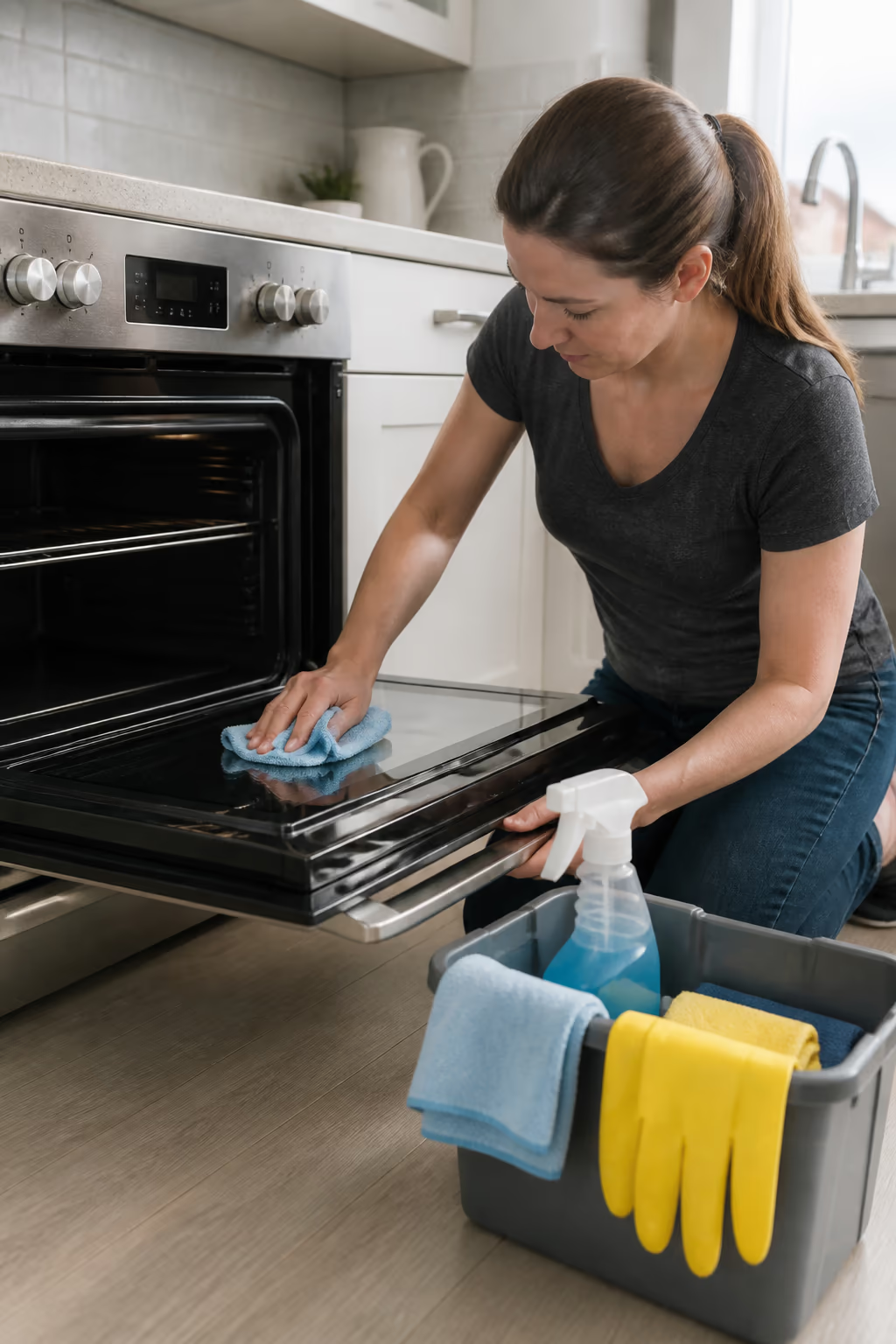
Before you open a bottle of oven cleaner, set yourself up safely. Oven cleaners contain alkaline ingredients that can irritate skin and eyes, so a little preparation prevents most problems and makes the job easier overall.
The setup here follows published advice. Health Canada's household chemical safety tips recommend wearing the recommended personal protective equipment such as gloves, goggles and masks as described on the product, opening windows or using exhaust fans, and washing your hands with soap and water afterwards. The federal advice starts at the shelf: “When you are buying a household chemical product, read the label to determine its ingredients and any special handling instructions.”
A little setup saves a lot of cleanup. The same ten minutes you spend laying towels and opening windows keeps oven cleaner off your floor, your countertops, and your skin, and it makes the final wipe-down faster.
Considering professional help
A service conversation should stay anchored in the space and the requested work. For cleaning an oven carefully, explain the oven maker's guidance, ventilation, racks, residue, and the time available for the oven to cool and air out. Ask for the proposed tasks, timing, and any limits in writing.
If you want to explore help, use residential home cleaning services in Ottawa to describe the scope and decide whether it suits the situation. This is a request for information, not a promise about a result.
Choosing the Right Easy-Off Formula & Common Oven Types
Easy-Off comes in a few different formulas, and the right one depends on your oven type and how heavy the buildup is. The fume-free version is the most popular for home use because it does not fill the kitchen with caustic fumes.
Traditional oven cleaners are stronger and faster, but they release strong fumes that require serious ventilation and more careful handling. For most Ottawa homes, the fume-free version gets the job done with less risk, especially in compact kitchens and apartments where opening a window is not always an option. For a closer look at the trade-offs, a fume versus no-fume Easy-Off comparison breaks down when the stronger formula is worth the extra ventilation.
Before you buy, check your oven manual. Gas ovens, electric ovens, and self-cleaning models all have surfaces that need slightly different care, and the manufacturer's guidance always wins over general advice. Note which parts are exposed heating elements and which surfaces are enamel, and plan your spray pattern around them.
If your oven has a self-cleaning cycle, remember that the cycle itself burns off grease at very high heat. It works well for light to moderate buildup, but it can create smoke and odours that set off smoke alarms, and it does not replace the need for an occasional manual deep clean of the door glass and racks. Whether your kitchen is in a Barrhaven townhouse or a downtown Ottawa condo, the fume-free option is the safer bet.
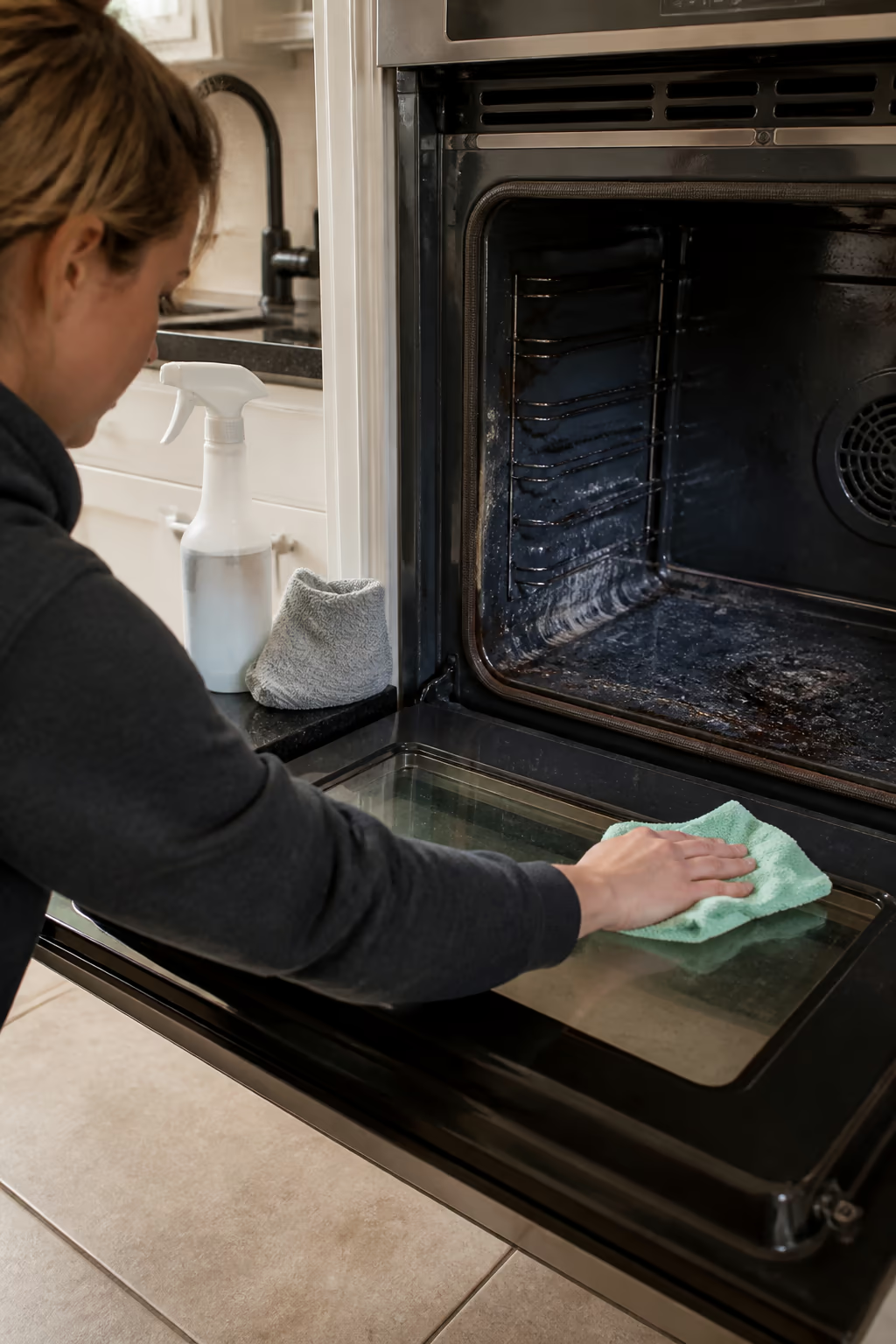
Formatted Step-by-Step Oven Cleaning Safety Checklist
Follow this checklist for safe, effective oven degreasing:
- Step 1.Ensure Oven Is Completely Cold and Disconnect Power Supply:Verify controls are switched off before cleaning so no element can energize.
- Step 2.Remove Racks, Thermometers, and Baking Sheets for Separate Soaking:Soak oven racks in warm soapy water in a utility tub while the cavity dwells.
- Step 3.Spray Easy-Off Fume-Free Cleaner Evenly Over Interior Cavity Walls:Avoid spraying directly onto heating elements or gas pilot lights.
- Step 4.Allow Degreaser Foam to Dwell for 2 Hours or Overnight for Tough Carbon:Give active ingredients time to liquefy crusty carbon so you do not have to scrub.
- Step 5.Wipe Liquefied Carbon Grease with Damp Microfibre Towels and Rinse Cold Water:Buff dry with clean paper towels or microfibre and leave the door open to air out.
- Step 6.If you need a team or a recurring schedule, use residential home cleaning services in Ottawa to discuss scope, access, and timing before deciding whether it fits.
Oven Deep Cleaning Across Ottawa Neighbourhoods
Professional oven care is available across Ottawa, and the right plan depends a little on where you live. A compact condo kitchen in downtown Ottawa needs a different approach than a large family kitchen in Kanata or Orleans, but the safety steps are the same everywhere, and the result is the same: an oven that is clean, safe, and ready to cook. This kind of deep appliance care often pairs with a broader janitorial services visit for kitchens that need more than a single-appliance clean.
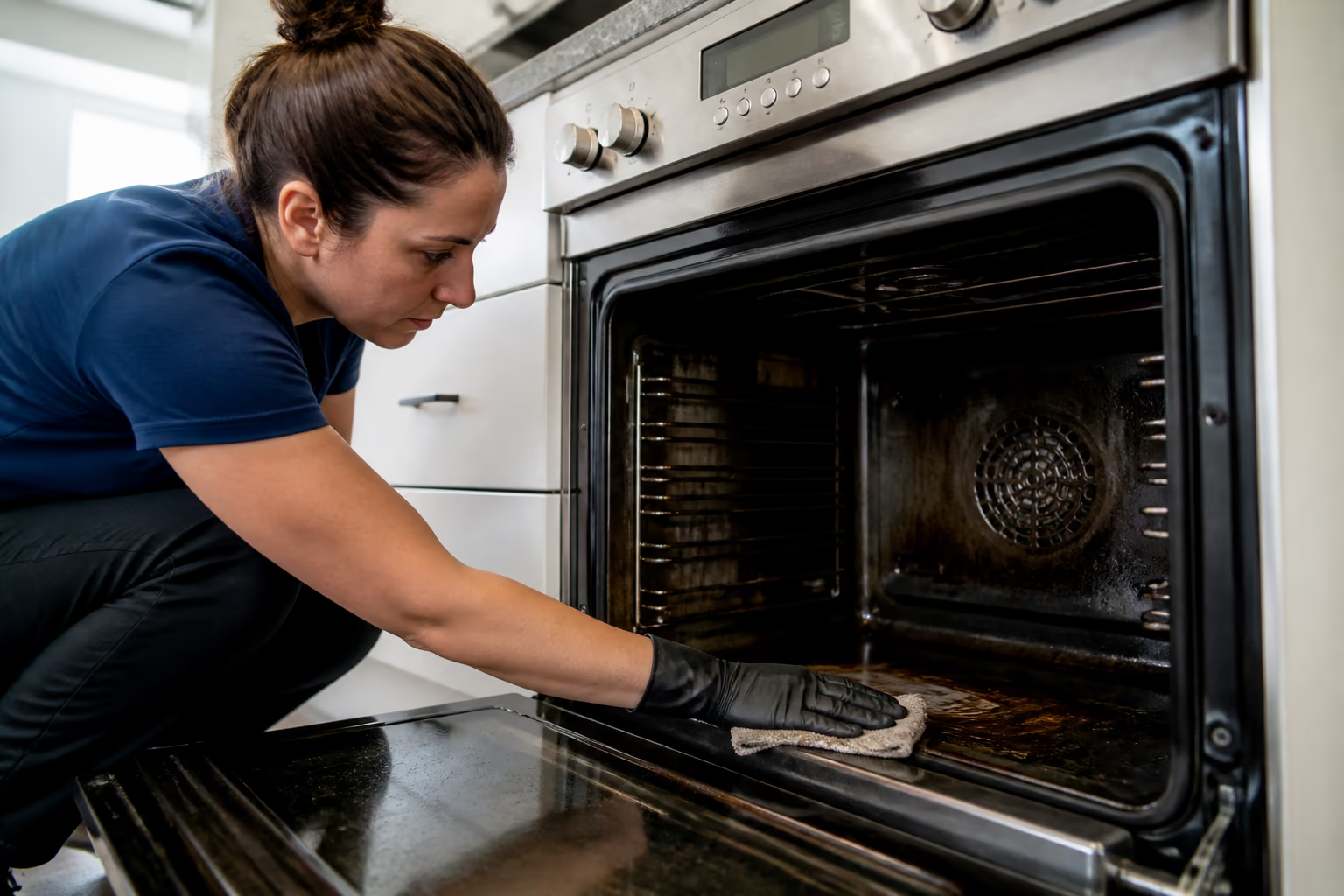
Practical planning for this situation
For a home cook, the sensible starting point is cleaning an oven carefully. Begin with a walk-through and write down the oven maker's guidance, ventilation, racks, residue, and the time available for the oven to cool and air out. That gives the work a real boundary and avoids treating a generic package as if it already understood the space.
Use the written notes to decide what belongs in a regular routine and what needs separate time, access, or approval. The useful test is whether another person could read the scope and understand the task without being told to rely on a promise.
Seasonal considerations in Ottawa
Local conditions matter, but they do not require a script. In this topic, holiday meals can create more baked-on residue, while closed winter windows make ventilation especially important. Review the condition of the actual space before changing the products, equipment, or frequency.
A short seasonal review is usually enough: notice what has changed, name the affected area, and agree on the practical response. That keeps maintenance connected to the property rather than a broad list of place names.
Safe, responsible cleaning
Choose methods that suit the material and follow the product or equipment instructions. Keep people away from a wet or actively cleaned area, and stop when a surface reacts unexpectedly.
When a task involves an unfamiliar finish, access issue, or safety concern, ask before continuing. A careful pause is more useful than a confident shortcut and protects the people using the space.
How to review the routine
Before changing the routine, take a few minutes to describe the present condition in plain language. Start with the oven maker's guidance, ventilation, racks, residue, and the time available for the oven to cool and air out. This makes it possible to decide what is necessary without inflating a small issue into a large project.
Ask the people who use the space what causes the most friction. Their answer may be a difficult entry, a storage gap, a time when work cannot happen, or a surface that needs a gentler method. Those details are the basis for a useful plan.
Try one visible adjustment at a time. Record why it was made, what area it affects, and what a satisfactory result looks like. That approach is easier to review than changing a whole routine at once.
Keep feedback specific: name the room, surface, timing, and expected result. Clear notes help a household, volunteer group, or service team work through a problem without blame or vague expectations.
Revisit the plan after a genuine change in use, condition, or season. A routine should be steady enough to follow and flexible enough to stay useful.
FAQ
Is Easy-Off Fume-Free cleaner safe for self-cleaning ovens?
Easy-Off Fume-Free can be used on self-cleaning oven enamel when the oven is cold, but always verify the appliance manufacturer's instructions first. Some self-cleaning surfaces react differently to chemical cleaners, and the manual is the final word.
Can you spray Easy-Off directly onto electric oven heating elements?
No. Avoid spraying cleaner directly onto heating elements, thermostat sensors, or gas igniter pilot lights to prevent damage and a possible fire risk. Spray the walls and floor of the cavity instead.
How do you clean baked-on grease between double glass oven doors?
Remove the door assembly screws carefully or use a thin microfibre cleaning tool inserted through the lower door ventilation slots. This is a delicate job, and a professional can do it without risking the door seal or the tempered glass.
How long should you leave oven cleaner on before wiping?
Most fume-free formulas work best after two hours or overnight for heavy carbon. Follow the label timing, and if the crust is still hard, apply a second coat rather than scrubbing hard.
Can oven cleaner damage the oven floor or enamel?
Fume-free formulas are designed for oven enamel, but product left to dry for too long or scrubbing with abrasive pads can dull the finish. Rinse thoroughly with cold water and never use steel wool on the cavity.
Why does my oven smoke even after cleaning?
Residual cleaner or grease on hidden surfaces can smoke on the first hot cycle. Wipe the cavity with cold water twice, then run a short empty cycle at low heat to burn off any trace left behind before you cook.
How often should an oven be deep cleaned?
Most homes need a deep oven clean every three to six months, depending on how often you roast and broil. Monthly wipe-downs between deep cleans keep the carbon crust from building up again. For quick maintenance ideas between deep cleans, five tips to clean your oven cover simple habits that slow the buildup.
Is fume-free oven cleaner safe around food and pets?
Use it when the kitchen is empty and ventilated, keep pets out of the room until the oven is wiped and aired, and never spray near open food or stored dishes. Store the product out of reach of children.
What is the safest way to clean oven racks?
Soak racks in warm soapy water in a utility tub, then scrub with a non-abrasive pad. Rinse and dry completely before sliding them back into the oven, and never put wet racks into a hot oven.
When should you hire a professional for oven cleaning?
When the build-up has been baking on for years, when the oven is part of a move-out clean that has to pass a walkthrough, or when you would rather not spend the weekend on it. A professional pass also covers the racks, the door glass and the interior seals in one visit.
Wrapping Up
Cleaning your oven properly removes smoke, improves cooking performance, and makes the whole kitchen feel fresher. Whether you do it yourself with the right safety steps or hand it to a professional, the payoff is worth it. Contact Good Cleaner Co. today to book house cleaning options in Ottawa.
Keep reading
More from Good Cleaner
About the author
Service areas
- Kanata
- Nepean
- Orleans
- Downtown Ottawa
- Sandy Hill
- The Glebe